


Walking through fields of wildflowers as the sun rises over Namaqualand transforms a simple drive into a living canvas.
The Namaqualand Flower Route in Cape Town offers a rare chance to see vast stretches of desert bloom with wildflowers that carpet the landscape in spring. The route winds through semi-arid terrain where patches of color burst into view as the season peaks. It is a landscape that shifts dramatically with weather, making timing crucial for the best display.
Expect to spend at least half a day traveling and exploring, with the best blooms appearing from late August to early October. The route is best accessed early in the morning to avoid crowds and catch the flowers in the soft morning light. Weather conditions can influence the bloom, so check seasonal forecasts before planning your trip.
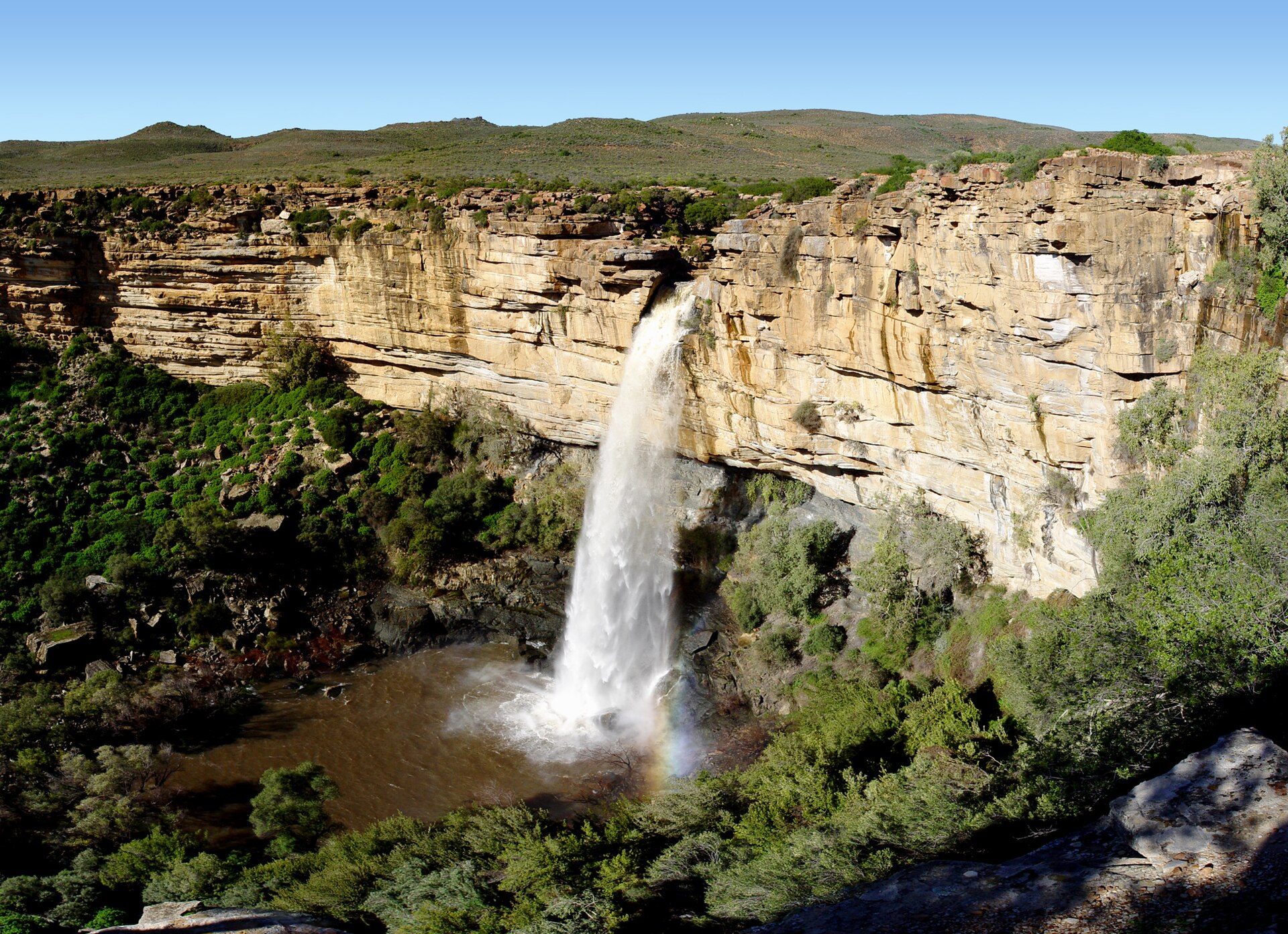
What to expect
- See vast patches of yellow, orange, and purple wildflowers stretching across the plains.
- Feel the dry, sandy soil underfoot as you walk along dirt tracks and open fields.
- Observe clusters of flowers blooming around rocky outcrops and along roadside verges.
- Experience the cool morning air as the landscape awakens with color.
- Capture photos of the sun rising behind fields of blooming succulents and wildflowers.
Is the Namaqualand Flower Route worth your time?
Worth the effort for spring bloom loversThe route delivers a visual spectacle that peaks only for a few weeks each year, making timing essential. The landscape offers a vivid display of native flora that is hard to match elsewhere. However, the bloom depends heavily on rainfall, so if the season is dry, the visual payoff diminishes. The drive involves some gravel roads and early mornings, so be prepared for a moderate effort. Skip if you are visiting outside the bloom season or prefer urban attractions; this is a seasonal, weather-dependent experience best suited for those who can plan around the weather window.
Quick Facts
| Cost | Free |
| Best season | Late August to early October |
| Time needed | Half a day |
| Getting there | Drive from Cape Town, 4-5 hours |
| Best timing | Early morning for light and fewer visitors |
| Difficulty | Moderate; gravel roads and walking required |
Exploring the Namaqualand Flower Route in Cape Town
Start your drive early in the morning, ideally around 6 AM, to catch the full bloom when the light is still soft. As you leave Cape Town, follow the N7 north toward Springbok, watching for signs to the flower hotspots. The route officially opens in early August and closes in late September, so plan your trip within this window. Around 10 miles from Springbok, you’ll reach the Goegap Nature Reserve entrance, where a modest entrance fee applies. Spend about two hours wandering the marked trails, focusing on the areas where wildflowers cluster densely along the gravel paths. If you see a particularly vibrant patch, stop and get close; the best blooms often appear in the shade of low shrubs. As midday approaches, the flowers begin to fade under the harsh sun, so prioritize the most promising spots before noon. If time allows, detour to the nearby Skilpad Nature Reserve, which offers a different variety of blooms and a well-maintained viewing platform. Avoid visiting after 3 PM, as the light dims and flowers close up, making the effort less rewarding. Finish your day by heading back south, stopping at local farms for fresh produce or crafts, but skip the crowded tourist stalls in Springbok itself. Keep your camera ready for the moment the sun hits the flowers just right, typically between 8 and 10 AM, for the clearest shots.
Top Highlights of the Namaqualand Flower Route
Goegap Nature Reserve
This reserve covers 9000 acres of semi-desert terrain, where clusters of vygies, daisies, and succulents blanket the landscape in spring. The main trail loops through the most flower-rich areas, with interpretive signs explaining the plant species. Arrive early to beat the midday heat and the crowds, and focus on the southern slopes where flowers bloom later in the season. The best time to visit is between 8 and 10 AM, when the flowers are still dew-covered and the light is ideal for photography.
TipPark near the southern entrance and walk the trail clockwise to catch the flowers in the morning sun, which illuminates the blooms from behind for sharper photos.
Skilpad Nature Reserve
Located just 20 miles from Springbok, Skilpad offers a compact but dense display of wildflowers, especially in the eastern sections. The reserve has a well-maintained viewing platform overlooking a valley filled with orange and yellow daisies. Use the gravel road to access the reserve, and plan to spend at least an hour exploring the trails and viewpoints. The best blooms appear in patches along the eastern slopes, which catch the early morning sun.
TipDrive the loop slowly and stop at each viewpoint; the flowers are most vivid when viewed from the east-facing sides early in the morning.
Springbok town outskirts
Before heading back south, stop at the outskirts of Springbok, where roadside patches often burst with color. Farmers sometimes allow access to fields with wildflowers, but always ask permission first. These spots are less crowded and offer a chance for close-up shots of individual plants like the Namaqua daisies.
TipVisit the fields just outside town in the late afternoon, when the low sun creates long shadows and enhances the flower colors without the harsh midday glare.
Local farm stalls
Along the route, several farms sell fresh produce and handmade crafts. These stalls are often open in the late morning and early afternoon, offering a break from the drive. Sampling local dried fruit or buying a small bouquet supports local farmers directly.
TipStop at the farm stalls before noon to avoid the busiest times and get the freshest produce, often with better prices than in town.
Flower bloom timing
The peak bloom varies slightly each year but generally occurs between early August and late September. The best viewing conditions happen during the first two weeks of September, when the flowers are most abundant and the weather is still cool. Check local reports or call reserve offices for current bloom status before your trip.
TipPlan to arrive at your chosen reserve early in the morning, between 6 and 8 AM, to see the flowers at their freshest and avoid the midday crowds.
Essential Gear for Visiting the Namaqualand Flower Route
- Wide-brimmed hat
The route runs through open terrain with little shade, so sun protection is crucial during peak hours. - Sunscreen SPF 30 or higher
The South African sun can cause burns quickly, especially in the dry season when UV levels are high. - Light, long-sleeved shirt
To shield arms from sun exposure while maintaining breathability in hot weather. - Sturdy walking shoes
The route involves uneven dirt paths and rocky sections that require reliable footing. - Water bottle with at least 1 liter capacity
Hydration is vital in the dry climate, especially during long walks or extended exposure.
Getting to the Namaqualand Flower Route from Cape Town
The route is approximately 400 miles north of Cape Town, best reached by a combination of road and local transport.
- Rental car
Book a 4WD in advance and plan to start early to avoid midday heat and traffic congestion at the border crossing. - Long-distance bus
Choose a reputable operator like Intercape; confirm departure times a day ahead as schedules can shift seasonally. - Private transfer
Arrange a transfer with a local operator who can also provide insider tips on the best flower viewing spots en route.
Risks and Red Flags on the Namaqualand Flower Route
- Unmarked or unofficial trail sections
Stick to well-known paths and avoid wandering into private farmland without permission. - Extreme daytime temperatures
Start early, carry extra water, and avoid hiking during the hottest hours between 11 AM and 3 PM. - Limited cell phone reception in remote areas
Download offline maps and inform someone about your route and expected return time. - Unpredictable weather changes
Check weather forecasts before departure and carry a lightweight rain jacket even in dry season.
Insider Advice: Timing is Everything
Visit early in the season, around late August to early September, when the flowers are at peak bloom and the weather is still mild. This ensures maximum color and comfort, avoiding the crowds that arrive later in the season.
Frequently Asked Questions About the Namaqualand Flower Route
1What is the best time of day to see the flowers in bloom?
The optimal time is early morning, around sunrise, when dew still clings to the flowers and light is softer. Midday sun can cause flowers to wilt faster, so plan to start your drive before 9 AM for the best display.
2How does weather affect the flower display during the season?
Cloud cover or rain can delay or diminish the bloom, as flowers depend on consistent warm weather. If a cold front or heavy rain occurs, expect fewer flowers and consider postponing your visit by a few days to a week.
3Is the route suitable for travelers with limited mobility?
Most of the route follows gravel roads and uneven terrain, which can be challenging for wheelchairs or walkers. If mobility is limited, focus on the accessible sections near the main roads and avoid remote trails.
4What should I do if the weather turns bad during my visit?
If clouds roll in or rain starts, consider visiting nearby towns like Springbok for indoor activities or rest. Continuing into poor weather reduces the chance of seeing flowers at their peak, so weigh your options based on current conditions.
5Are there age restrictions or physical limits for the route?
The route is open to all ages, but the gravel roads and walking sections may be tiring for very young children or elderly travelers. For a comfortable experience, plan shorter stops and carry water, especially if traveling with kids or seniors.
6Can I visit the route alone without a guide?
Yes, the route is well-marked and accessible by car, making it suitable for solo travelers. Hire a guide only if you want expert insights into local flora or plan to explore off-road trails; otherwise, self-driving is efficient and safe.
Next Step After the Flower Route
After completing the route, head to Springbok for a quick meal and to refuel. Avoid staying in remote areas too long if weather conditions worsen, and consider visiting a local museum or gallery to learn about the region’s mining history before heading back.
Hero image: Damien du Toit (CC BY 2.0), via Wikimedia Commons. Other photos via Unsplash and Wikimedia Commons.
Some links on this page are affiliate links. We may earn a small commission at no extra cost to you when you book through them.