


Stand amidst the vibrant wildflowers at the Namaqua National Park in spring.
Namaqualand is an arid region in South Africa‘s Northern Cape, famous for its stunning wildflower displays each spring. Visitors flock here from August to September to witness the plains transform into colorful carpets of orange and white. The area is also known for its quiver trees and quiet desert drives, making it a unique destination for nature lovers. Located about 300 miles / 485 km from Cape Town, it offers a serene escape into nature’s beauty.
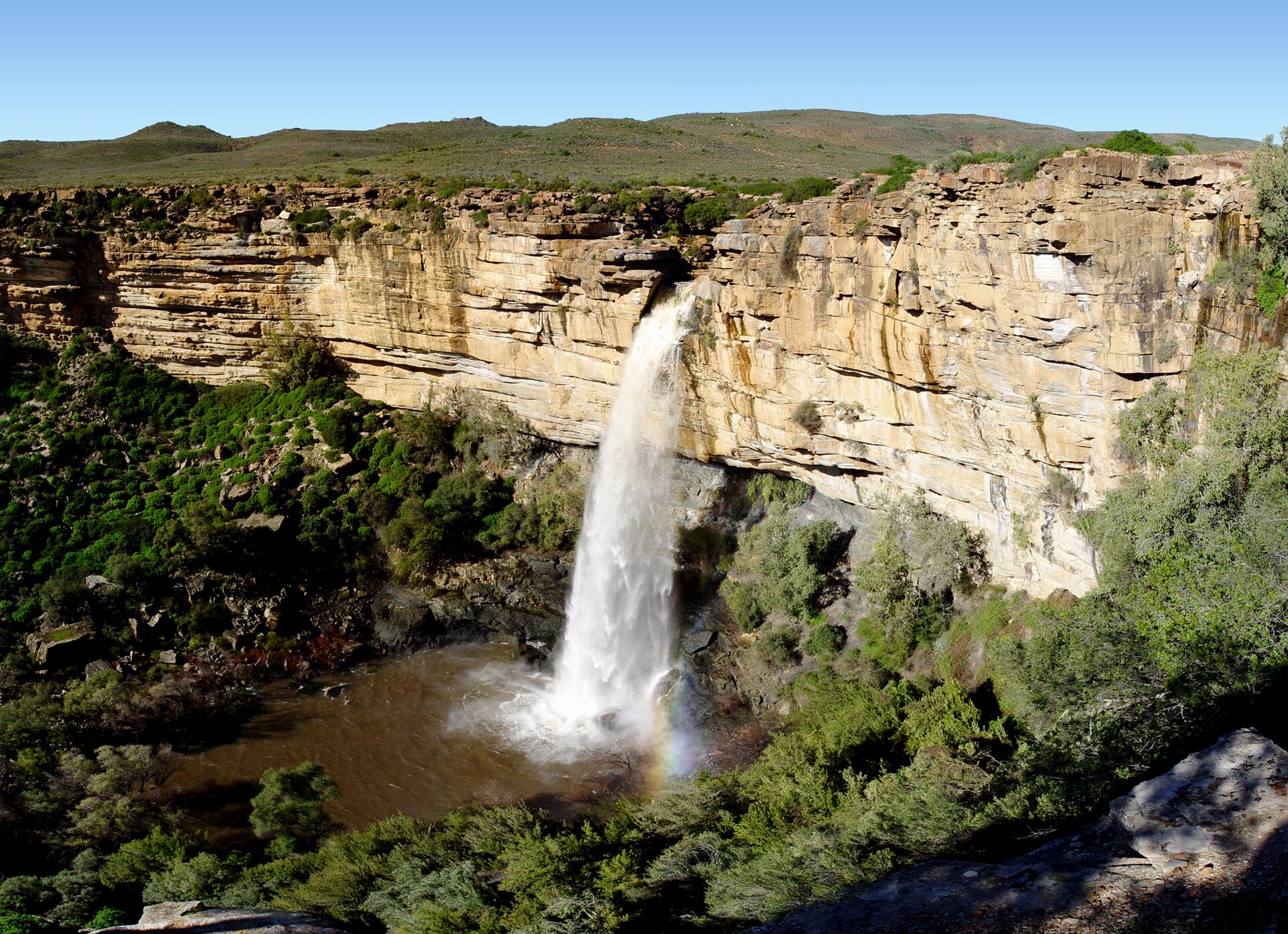
In Namaqualand, hike in Namaqua National Park, explore the wildflower routes, and visit the quiver tree forests for stunning views.
Key takeaways
- Visit Namaqua National Park for wildflower blooms from August to September.
- Explore the quiver tree forests near Keimoes, a unique sight.
- Expect to pay around $10 for park entry in 2026.
- Drive the R355 for breathtaking desert landscapes and wildflowers.
- Stay in eco-lodges for an immersive nature experience.
Why visit Namaqualand
Namaqualand stands out from South Africa’s more frequented regions like the Garden Route and Cape Town due to its unique springtime wildflower blooms. The arid plains transform into vibrant carpets of orange and white flowers, particularly around the Namaqua National Park. This area also features the iconic quiver trees, adding to its distinct landscape. Experience the quiet desert drives that reveal the beauty of this lesser-known region.
- Visit Namaqua National Park for the best wildflower displays from late July to early September.
- Explore the quiver tree forest near Keimoes, a unique natural feature not found elsewhere.
- Take a scenic drive along the N7, where the landscape shifts dramatically and offers stunning views.
- Experience the local flower festival in August, showcasing community spirit and regional pride.
Best for
This destination appeals to solo travelers seeking nature-focused adventures and those who appreciate unique landscapes. It’s perfect for visitors who enjoy outdoor activities and want to escape the crowds.
Skip if
Skip Namaqualand if you’re looking for vibrant nightlife or urban experiences; consider Cape Town instead for a more bustling atmosphere.
Top things to do in Namaqualand
Explore the stunning landscapes and vibrant wildflower displays of Namaqualand through these outdoor adventures. Each activity highlights the region’s unique beauty and connection to nature.
1. Wildflower Viewing at Skilpad Nature Reserve ·
Experience the breathtaking carpets of wildflowers that define Namaqualand’s springtime beauty.
Stroll through Skilpad Nature Reserve, where the arid plains transform into a vibrant tapestry of colors during the blooming season. Guided walks led by local naturalists provide insights into the diverse flora and fauna, making it a perfect way to appreciate the region’s unique ecosystem.
This reserve is renowned for its extensive wildflower displays, unlike other areas that may not showcase the same variety.
- When: Visit from mid-August to mid-September for the best wildflower blooms.
- Cost: ~$10, 2026
- Duration: Half day
- How to reach: Drive approximately 20 miles / 32 km from the center of Namaqualand via the N7 highway to reach the reserve entrance.
2. Hiking the Namaqua National Park Trails ·
Challenge yourself on the scenic trails of Namaqua National Park, where stunning views await.
Embark on a hike through Namaqua National Park, where trails wind through rugged landscapes and offer panoramic views of the surrounding mountains and valleys. The park’s diverse ecosystems provide opportunities to spot wildlife, including springbok and various bird species.
The park’s trails are well-marked and cater to different skill levels, making it accessible for both novice and experienced hikers.
- When: Hike early in the morning or late afternoon to avoid the heat, especially from October to March.
- Cost: ~$15, 2026
- Duration: Full day
- How to reach: Access the park via the N7 highway, about 30 miles / 48 km from the nearest town.
Insider tip: If closed
Consider visiting the nearby Goegap Nature Reserve for similar hiking experiences.
3. Quiver Tree Forest Visit ·
Marvel at the unique quiver trees in their natural habitat, a true highlight of the region.
Explore the Quiver Tree Forest, where these iconic trees create a surreal landscape against the backdrop of the Namib Desert. Guided tours provide fascinating insights into the cultural significance of the quiver tree and its role in local traditions.
This site offers a unique opportunity to see quiver trees in a natural setting, unlike other botanical gardens that may feature them.
- When: Visit during the late afternoon for the best light and cooler temperatures, especially from April to September.
- Cost: ~$5, 2026
- Duration: 2 hours
- How to reach: Drive about 15 miles / 24 km from the center of Namaqualand via the R364 road.
4. Stargazing at the Richtersveld ·
Experience the clear night skies of Richtersveld, perfect for stargazing enthusiasts.
Head to the Richtersveld Transfrontier Park for an unforgettable stargazing experience. With minimal light pollution, the park offers a stunning view of the Milky Way and countless constellations, making it a favorite spot for astronomy lovers.
This location is renowned for its dark skies, unlike urban areas where light pollution obscures the stars.
- When: Plan your visit during the new moon phase for optimal stargazing conditions, particularly from May to August.
- Cost: Free
- Duration: Evening
- How to reach: Drive about 70 miles / 113 km from Namaqualand to reach the park entrance.
Insider tip: If closed
If the park is inaccessible, consider stargazing from a quiet spot near your accommodation.
Solo female travel: Travel in a group for added safety when stargazing in remote areas.
5. Visit the Namaqualand Museum ·
Learn about the rich history and culture of Namaqualand at its local museum.
Discover the heritage of Namaqualand at the local museum, which showcases artifacts, photographs, and exhibits that tell the story of the region’s past. The museum provides a great introduction to the area’s cultural significance and natural history.
This museum offers a comprehensive overview of Namaqualand’s history, unlike larger museums that may lack local context.
- When: Open daily from 9:00 AM to 4:00 PM, with the best time to visit during weekdays to avoid crowds.
- Cost: ~$3, 2026
- Duration: 1-2 hours
- How to reach: Located in the center of Namaqualand, easily accessible by foot or a short drive.
Book tours and tickets
Booking through these links supports Pack Lightly at no extra cost to you.
24 hours in Namaqualand
This itinerary suits adventurous travelers eager to explore Namaqualand’s stunning landscapes and unique flora in a single day.
Morning
Start your day early with a guided hike through the Namaqua National Park at 6:00 AM. The morning light casts a golden hue over the wildflower carpets, making it the perfect time for photography. Join a local naturalist guide who can point out the diverse plant species and wildlife. After the hike, enjoy a hearty breakfast at a nearby café around 9:00 AM, where you can savor fresh local pastries and coffee.
Afternoon
By noon, head to the nearby town of Springbok for lunch at a local eatery, where you can try traditional South African dishes like bobotie or boerewors. Afterward, take a leisurely stroll through the town’s markets, exploring local crafts and perhaps picking up some unique souvenirs. Spend the afternoon driving along the scenic routes, stopping at viewpoints to appreciate the vast arid plains and the vibrant wildflowers that bloom in spring.
Evening
As the sun sets around 6:30 PM, find a spot at the Goegap Nature Reserve to watch the sky transform into shades of orange and pink. For dinner, choose a cozy restaurant in Springbok that serves hearty South African fare, perfect for winding down after an active day. Enjoy the relaxed atmosphere and perhaps chat with locals about their favorite spots in the area.
If you have a second day
If you have an extra day, consider visiting the nearby Richtersveld Transfrontier Park for more hiking and stunning desert landscapes. Alternatively, explore the coastal town of Lamberts Bay, known for its birdlife and beautiful beaches.

Best time to visit Namaqualand
Quick answer
Visit from April to June for the best wildflower displays and mild weather.
| Months to go | April to June, October to early December |
|---|---|
| Months to avoid | January to March due to high heat and humidity. |
The climate in Namaqualand is characterized by warm, dry conditions from April to June, making it ideal for exploring the stunning wildflower blooms that emerge during this time. October to early December also offers pleasant weather, perfect for outdoor activities. However, visiting from January to March can be uncomfortable due to average temperatures reaching up to 82°F / 28°C, with high humidity and occasional rain. This heat can limit outdoor exploration and make wildlife spotting more challenging.
Average temperature (°F)
Monthly weather
hot and humid, limited activities
warm and wet, off-peak prices
hot and humid, fewer visitors
mild and dry, wildflowers bloom
pleasant and dry, great for hikes
cool and dry, ideal for exploration
cool and dry, fewer tourists
cool and dry, quiet season
mild and dry, good for wildlife
pleasant and dry, wildflower season
warm and dry, ideal for activities
warm and wet, fewer crowds
How to get to Namaqualand
Nearest airport
Upington Airport (UTN), roughly 120 miles / 190 km from Namaqualand
From the airport
Rent a car at Upington Airport for the most flexible and efficient way to reach Namaqualand; expect around $60-$80 per day, book online in advance. Shuttle options are limited and costly, so skip taxis unless splitting with others.
Other ways to arrive
- Cape Town, rental car, 230 miles / 370 km, 4.5-5 hours, ~$70-$100, 2026
- Springbok, regional bus, 40 miles / 65 km, 1 hour, ~$15-$25, 2026
- Port Nolloth, ferry + taxi, 60 miles / 95 km, 3-4 hours, ~$40-$60, 2026
Getting around Namaqualand
Driving yourself is the best way to explore Namaqualand’s spread-out wildflower fields and desert roads. Public transport is sparse and unreliable for wildlife-focused itineraries.
- Rental car: Use for full control over timing and access to remote flower fields, $60-$80/day, 2026.
- Guided tours: Book local naturalist-led drives for expert spotting and off-road access, roughly $50-$70 per half day.
- Taxi: Use only for short trips within towns, expect $10-$15 per ride.
Avoid
Avoid relying on public buses or moto-taxis outside towns; they don’t run on wildlife tour schedules and roads are often dirt.
Day trips from Namaqualand
These day trips extend your wildlife and wildflower adventure beyond the main reserve, rewarding effort with unique landscapes and species.
Goegap Nature Reserve
See spring wildflowers and spot endemic reptiles on rugged desert trails.
Why: Less crowded than main Namaqualand spots, Goegap offers quiet drives and excellent quiver tree viewing.
Skip if: You have limited time or already booked guided walks inside the main reserve.
Richtersveld Transfrontier Park (South Africa side)
Explore dramatic arid mountain landscapes and rare succulent plants.
Why: The rugged terrain and cultural heritage sites here provide a different, more intense desert experience than Namaqualand’s plains.
Skip if: You prefer easier walks or have only one day in the region.
Springbok town and local quiver tree forest
Visit a small town with local craft shops and a nearby quiver tree forest for photography.
Why: Offers a quick cultural break and easy access to quiver trees without the long drives into the reserve.
Skip if: You want to focus strictly on wildlife and wildflower viewing.
Combine Namaqualand with
Namaqualand fits best into overland routes through South Africa’s Northern Cape and west coast, balancing desert adventure with coastal or cultural stops.
7-day Northern Cape wildflower loop Cape Town → Namaqualand → Goegap Nature Reserve → Springbok → Port Nolloth
Start in Cape Town for international flights, then drive north to Namaqualand’s wildflower plains, continue to Goegap and Springbok for desert hiking, and finish with coastal scenery at Port Nolloth.
10-day South Africa west coast and desert trek Cape Town → Namaqualand → Richtersveld Transfrontier Park → Upington
Combine Namaqualand’s spring bloom with the rugged desert mountains of Richtersveld, then head inland to Upington for flights out or further Kalahari exploration.
5-day coastal and desert nature route Springbok → Namaqualand → Port Nolloth
Focus on the transition from arid desert to Atlantic coast, with Namaqualand as the central base for wildflower and quiver tree viewing.
Where to stay in Namaqualand
Compare prices across booking sites on the map below and see which neighbourhood fits your plans.
Namaqualand offers a range of accommodations, primarily in areas close to the wildflower routes and nature reserves. Travelers often choose spots near the main roads for easy access to the stunning landscapes, while quieter guesthouses can be found in the surrounding towns.
Mid-range – Springbok
Stay in family-run guesthouses that provide a cozy atmosphere and local charm, often with home-cooked meals. These properties typically lack the amenities of larger hotels but offer a more personal touch.
Insider tip: Ask for a room with a view of the surrounding mountains for a more scenic experience.
Solo female travelers
Choose a guesthouse in Springbok, which has a friendly atmosphere and is well-lit at night, making it safe for solo travelers.
Book your stay
Booking through these links supports Pack Lightly at no extra cost to you.
Where to eat and drink in Namaqualand
Namaqualand’s culinary scene is shaped by its arid landscape and the seasonal wildflower blooms. Local ingredients like springbok and unique cooking styles reflect the region’s heritage, influenced by the Nama people and the coastal fishing communities.
Must-try dishes
Springbok steak
Tender cuts of springbok, often grilled or pan-seared, served with seasonal vegetables.
Insider tip: Opt for the steak during lunch for a more affordable price and a chance to enjoy it in a relaxed atmosphere.
Biltong
Dried, cured meat, typically made from beef or game, seasoned with spices and vinegar.
Insider tip: Try the spicy version for an authentic taste that locals prefer.
Snoek braai
Grilled snoek fish, often marinated and cooked over an open flame, served with a side of pap (maize porridge).
Insider tip: Visit during the weekend for the freshest catch and a lively atmosphere.
Local drinks
- Kalahari RedAny local pub or tavern in the central area.
A locally brewed beer with a rich, malty flavor, inspired by the region’s arid climate. - Rooibos teaCafes and tea shops throughout Namaqualand.
A naturally caffeine-free herbal tea made from the leaves of the rooibos plant, known for its earthy flavor.
How to eat like a local in Namaqualand
Lunch is the main meal of the day, with many local eateries closing by 3:00 PM. Plan to enjoy your big meal around noon to experience the best of local flavors.
Daily budget for Namaqualand
Namaqualand offers a unique budget landscape within South Africa, as it remains relatively affordable due to its remote nature and limited tourist infrastructure. Expect lower prices for lodging and food, but some activities can be pricier during peak wildflower season.
Shoestring
- lodging – dormitory bed in a local hostel
- food – meals from local cafes or takeaways
- transport – public transport or shared rides
- activities – self-guided hikes or free attractions
- buffer – miscellaneous expenses
Trade-offs: You may miss out on guided tours and more comfortable lodging options.
Comfort
- lodging – private room in a guesthouse
- food – meals at mid-range restaurants
- transport – rental car or private transfers
- activities – guided tours or entry fees
- buffer – miscellaneous expenses
Trade-offs: You might forgo some luxury amenities and high-end dining experiences.
Splurge
- lodging – upscale lodge or boutique hotel
- food – fine dining experiences
- transport – private transport or guided tours
- activities – premium tours or exclusive experiences
- buffer – miscellaneous expenses
Trade-offs: You may miss out on local street food and budget-friendly adventures.
Money-saver tip
Book your accommodation in advance during wildflower season to secure lower rates and avoid last-minute price hikes.
Splurge that’s worth it
Invest in a guided wildflower tour to fully appreciate the region’s stunning floral displays and learn from knowledgeable guides.
Skip to save
Avoid overpriced souvenir shops in touristy areas; local markets often offer better deals on authentic crafts.
Practical tips for Namaqualand
Money
| Cash or card | Cash is preferred in Namaqualand, especially in smaller towns. |
|---|---|
| ATMs | ATMs are available in major towns like Springbok and do work with foreign cards, but expect fees. |
| Tipping | Tip around 10% for good service in restaurants, typically $2-$5. |
Safety
Namaqualand is generally safe, but stay alert in less populated areas and avoid walking alone at night.
Local warnings:
- Beware of strong sun exposure; use sunscreen and stay hydrated.
Connectivity
| Mobile data | Mobile data coverage is decent; consider getting a local SIM from Vodacom or MTN. |
|---|---|
| Wi-Fi | Wi-Fi is available in most accommodations and some cafes, but speeds can be slow. |
Language
| Main language | Afrikaans |
|---|---|
| English level | English is widely spoken, especially in tourist areas, but not everyone is fluent. |
Solo female travel
Solo female travelers generally find Namaqualand welcoming and safe, but it’s wise to stay aware of your surroundings.
| Neighborhood | Springbok is a good base with amenities and a friendly atmosphere. |
|---|---|
| Transport | Use reputable taxi services or arrange transport through your accommodation at night. |
| Meeting people | Join local guided tours to meet fellow travelers and engage with the community. |
Frequently asked questions about Namaqualand
1Is Namaqualand worth visiting?
Yes – Namaqualand is worth visiting for its stunning wildflower displays in spring. The vibrant carpets of orange and white flowers create a unique landscape that attracts nature lovers.
2When is the best time to visit Namaqualand for wildflowers?
Visit from late July to mid-September for the best wildflower viewing. This is when the arid plains burst into color, offering breathtaking scenery.
3Do you need a car to visit Namaqualand?
Yes – a car is essential for exploring Namaqualand. Public transport options are limited, and a vehicle allows you to access remote areas and enjoy the wildflower routes.
4What does a day in Namaqualand cost?
Roughly $100-150/day at a mid-range level. Expect to spend about $50 on accommodation, $30 on meals, and $20 on activities or transport.
5Is Namaqualand safe for solo female travelers?
Yes – Namaqualand is generally safe for solo female travelers. Stick to well-populated areas and avoid traveling alone at night for added peace of mind.
6What should you NOT do in Namaqualand?
Avoid venturing off marked trails in the wildflower reserves. Respect the natural environment and stay on designated paths to protect the delicate flora.
Estimate your daily budget
See realistic daily costs by tier and category.
Hero image: Damien du Toit (CC BY 2.0), via Wikimedia Commons. Other photos via Unsplash and Wikimedia Commons.