



In Taiwan, the reality of emergency medical costs makes travel insurance essential. An emergency visit can set you back $30 to $80 at public hospitals, while international wings charge between $80 and $200. With such expenses looming, it’s crucial to ensure your policy covers all activities you plan to enjoy, especially diving and watersports. This trip is one where proper coverage can make a significant difference in your experience.
Given the potential for high medical costs, especially for activities like diving, it’s wise to check that your policy includes coverage for these specific pursuits. Additionally, with typhoon season running from July to October, having trip cancellation cover is a smart move to protect against unexpected disruptions. This trip is ideal for those looking to explore Taiwan’s vibrant waters and landscapes, but remember to secure the right insurance to safeguard your adventure.
Key Takeaways
- Emergency visits cost $30-80 at public hospitals; ensure your policy covers this.
- Typhoon season runs from July to October; consider trip cancellation cover.
- Diving and watersports must be named in your policy for valid claims.
- A routine appendectomy costs around $2,000 to $4,500 for non-residents.
- Local emergency numbers: police 110, ambulance 119, fire 119.
- Report any theft to police within 24 hours to validate claims.
- Check for evacuation coverage to outer islands where medical care is limited.
Activity Coverage in Taiwan
Understanding the intersection of activities and policy details is crucial in Taiwan.
| Activity | Specific Risk | Required Coverage | Critical Condition |
|---|---|---|---|
| Scuba diving | Decompression injury far from a chamber | Activity / adventure cover | Diving covered only with a recognised certification and within depth limits |
| Street-food markets | Foodborne illness from contaminated food | Medical costs | Must seek treatment at a recognised facility |
| Mountain trekking | Heat exhaustion on an exposed trail | Medical costs | Activity must be declared on the policy |
| Island-hopping by boat | Accident during a boat trip | Trip cancellation | Must book with a licensed operator |
| Renting a scooter | Crash on an unfamiliar bike; roads run 13.7 deaths per 100k | Personal accident | Only covered if you hold the correct licence and wear a helmet |

Choosing Single-Trip or Annual Cover for Taiwan
For trips to Taiwan, consider that it’s a long flight from the US, often requiring a stay of at least a week. This distance makes the choice between single-trip and annual cover crucial for managing travel risks effectively.
Single-trip cover suits those planning one trip a year or longer stays, while annual cover benefits frequent travelers making multiple trips. If you travel to Taiwan more than twice a year, annual cover becomes cost-effective and offers peace of mind.
Verdict
Opt for single-trip cover unless making multiple trips annually; the risk profile in Taiwan supports this choice.
What Your Policy Should Cover in Taiwan
Insurers can be strict when processing claims, often requiring proof of upfront payments for treatment. Many travelers overlook exclusions related to local driving regulations and emergency procedures.
Covered
- Emergency medical treatment
Emergency visits cost $30-80 at public hospitals, making coverage essential for unexpected health issues. - Medical evacuation
Evacuation is crucial for accessing care on remote islands, where facilities may be limited. - Acute care at private hospitals
Private hospitals offer better services, costing $300-700 per night, making coverage beneficial. - Trip cancellation due to typhoons
Typhoon season from July to October can disrupt travel plans, making cancellation cover vital. - Theft coverage in hotspots
Theft can occur in busy tourist areas, so having coverage protects against loss of belongings.
Typically not covered
- Riding scooters without a licence
Road deaths are 13.7 per 100k, and riding without a proper licence voids coverage. - Off-piste activities
Engaging in unapproved adventure activities can lead to denied claims due to negligence. - Incidents under influence
Claims can be rejected if accidents occur while under the influence of drugs or alcohol. - Negligence with belongings
Leaving items unattended in public can result in claims being denied due to negligence. - Pre-existing conditions
Failing to declare pre-existing conditions can lead to significant coverage gaps during treatment.
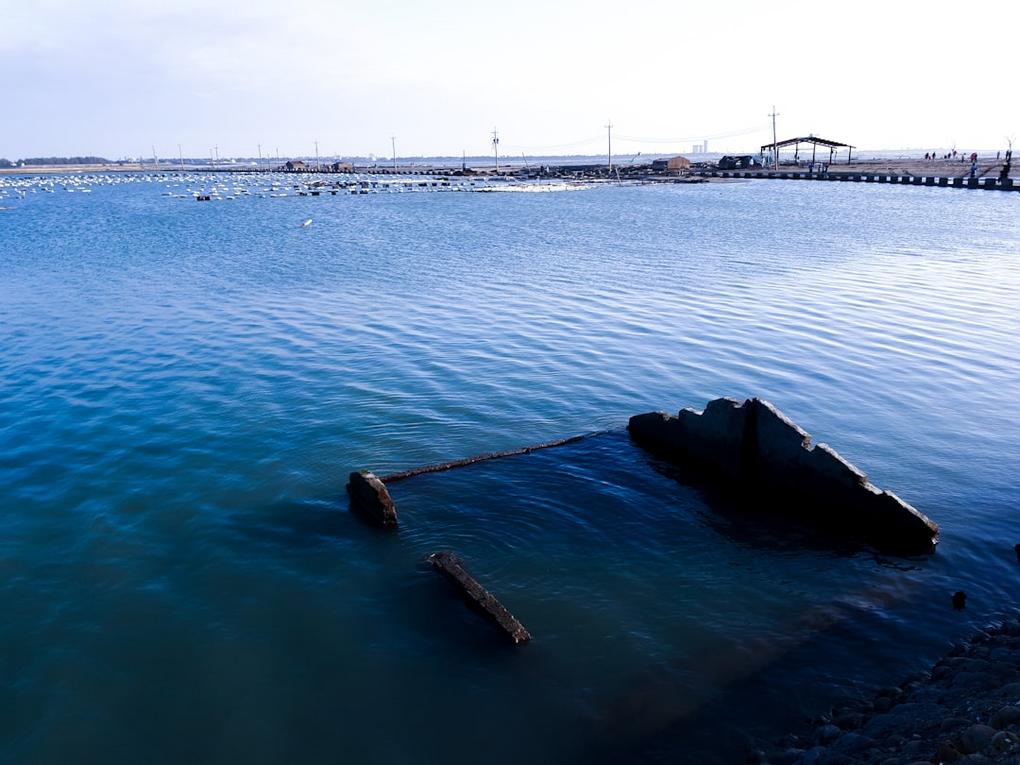
Navigating Medical Care in Taiwan
Taiwan offers good quality care at average prices, with emergency visits costing $30-80 at public hospitals. Understanding the local medical landscape helps ensure proper treatment and payment processes.
- • Public hospitals are cheaper, costing $100-300 per night, while private hospitals provide higher standards at $300-700 per night.
- • Use the ‘Guarantee of Payment’ via your insurer’s assistance line to avoid upfront deposits for non-emergency treatment.
- • Tourist-facing hospitals often have English-speaking staff, and the assistance line can help bridge language gaps.
- • Call local emergency numbers (110 for police, 119 for ambulance) for immediate assistance, but notify your insurer for coverage issues.
- • Be aware that evacuation may be required for remote areas; ensure your policy covers this aspect.
What to Confirm in Your Taiwan Policy
Taiwan’s medical costs are moderate, so ensure your policy covers sufficient medical limits and includes specific clauses for activities like diving. This is crucial since tourists pay out of pocket for treatment.
- A medical limit of at least $300 – Hospital stays range from $100 to $300, so ensure your coverage can handle these costs.
- Medical evacuation included – Evacuations can be costly, especially to outer islands where care is limited.
- An explicit diving clause – Diving is popular in Taiwan; ensure your policy covers this activity, including depth limits.
- 24/7 assistance line with direct billing – Local hospitals often require upfront payment; direct billing can ease this burden.
- Trip cancellation cover for typhoon season – Typhoon season runs from July to October, potentially disrupting travel plans.
- Baggage cover with police report condition – Documenting theft with a police report is essential for claims related to lost belongings.

Steps to Take if Something Goes Wrong
In Taiwan, local emergency services work closely with your insurer’s assistance line. Call the ambulance at 119 for immediate help, as they can guide you through the process.
Last Check Before You Leave
Before departing for Taiwan, ensure you have all necessary information, especially the local emergency numbers and your insurer’s assistance line, as typhoon season can cause disruptions.
- Save your insurer’s 24/7 assistance number in your phone for emergencies.
- Store local emergency numbers (police 110, ambulance 119, fire 119, tourist police 0800-011-765) in your phone.
- Carry an offline copy of your insurance policy and emergency numbers for quick access.
- Photograph your baggage contents and high-value gear to support any potential claims.
- Confirm your policy covers Taiwan and the specific activities you plan to do.
- Check the excess on any claims related to local rental activities like scooters or diving.
- Ensure any required medical declarations are completed and in order before departure.
Get covered before you go
Heymondo covers emergency treatment, medical evacuation, and trip disruption abroad. Our link applies a 5% discount automatically, no code needed.
Staying long-term or working remotely? SafetyWing covers nomads month to month, no fixed end date required.
Advanced FAQ for Taiwan
These FAQs address specific concerns that travelers often overlook when visiting Taiwan.
1What is the excess on a local rental claim?
The excess on a rental claim for scooters or cars in Taiwan can vary, but ensure you check your policy details to avoid unexpected costs during your trip.
2Does my policy cover typhoon-related disruptions?
Yes, ensure your policy includes coverage for typhoon-related cancellations, especially since typhoon season runs from July to October.
3What is the 24-hour incident-reporting rule?
In Taiwan, you must report any incidents to your insurer within 24 hours to ensure your claim is valid, especially for accidents or theft.
4What happens if I lose my passport or travel documents?
If you lose your passport, contact the local police (call 110) to file a report, as this is essential for any claims related to lost documents.
5How does renting a scooter affect my coverage?
When renting a scooter, check that your policy specifically covers scooter use, as this can affect your claim if an accident occurs.
6Are pre-existing medical conditions covered?
Pre-existing conditions may not be covered. Confirm with your insurer about coverage related to local care needs before traveling.
7What if the travel advice changes to a warning mid-trip?
If travel advice changes to a warning, contact your insurer immediately to understand how this affects your coverage and any claims.
Some links on this page are affiliate links. We may earn a small commission at no extra cost to you when you use them.