


Visit Tanzania from June to October for dry conditions and the Great Migration, avoiding April when heavy rains flood parks and camps close.
Tanzania’s best travel window defies the usual tropical pattern: June stands out with just 28mm of rain and cool nights near 72°F / 22°C, while April floods the landscape with 292mm of rain and 25 rainy days. This dry season fuels the Great Migration and game viewing but the long rains in April shut down many camps and make roads impassable. What months balance wildlife, weather, and crowd pressures best for your trip?
Tanzania’s climate is shaped by its equatorial location and the Indian Ocean monsoon winds, creating a tropical savanna pattern with two rainy seasons. The long rains hit mainly in April and May, while the short rains come in November. Coastal areas like Dar es Salaam stay hotter and more humid year-round, while the northern safari circuit cools during the dry season. Unlike neighboring countries, Tanzania’s timing is crucial because the migration and dry game viewing coincide tightly with these seasonal shifts.
This guide ranks every month by verified weather data, highlighting when to avoid heavy rains and when crowds and prices peak. It clarifies the shoulder seasons that offer the best trade-offs for wildlife, weather, and budget. The verdict section will help you pick the ideal window based on your priorities and travel style.
Safari Season vs Green Season
For adventure travelers focused on wildlife and dry conditions, June to October wins with reliable weather and migration spectacle. November suits those prioritizing lower prices and greener scenery despite more rain.
Compare Countries Month-by-Month
Explore the best travel times for Tanzania and other countries with our month-by-month comparison tool, helping you plan your next adventure.
Quick Facts
- June: 28mm rain and 4 rain days, marking the start of dry season and migration viewing
- April: 292mm rain and 25 rain days, the worst month for travel disruptions
- July – September: peak crowds and prices rise up to 30% over shoulder months
- March – May: cheapest months with prices significantly lower but heavy rains
- Northern parks stay drier June – October; coastal Dar es Salaam remains humid year-round
- Solo female travelers find June – October safest with stable weather and active tourism
Tanzania Weather Month by Month
| Month | Rating | Day Temp | Night Temp | Sun Hours | Rainfall | Humidity | UV | Crowds |
|---|---|---|---|---|---|---|---|---|
| January | 4★ | 87°F (31°C) | 78°F (26°C) | 340 | 88mm | 78% | 9 | Medium |
| February | 4★ | 87°F (31°C) | 78°F (26°C) | 303 | 67mm | 78% | 11 | Medium |
| March | 3★ | 88°F (31°C) | 76°F (24°C) | 327 | 109mm | 79% | 11 | Medium |
| April | 1★ | 85°F (29°C) | 75°F (24°C) | 256 | 292mm | 85% | 9 | Low |
| May | 3★ | 84°F (29°C) | 73°F (23°C) | 310 | 112mm | 81% | 7 | Low |
| June | 5★ | 84°F (29°C) | 72°F (22°C) | 313 | 28mm | 75% | 6 | Low |
| July | 5★ | 83°F (28°C) | 71°F (22°C) | 324 | 23mm | 74% | 7 | Peak |
| August | 5★ | 83°F (28°C) | 71°F (22°C) | 334 | 33mm | 76% | 9 | Peak |
| September | 5★ | 84°F (29°C) | 72°F (22°C) | 340 | 35mm | 76% | 11 | Peak |
| October | 3★ | 85°F (29°C) | 73°F (23°C) | 352 | 108mm | 79% | 11 | High |
| November | 2★ | 85°F (29°C) | 75°F (24°C) | 327 | 152mm | 81% | 9 | Medium |
| December | 3★ | 86°F (30°C) | 77°F (25°C) | 348 | 138mm | 81% | 9 | Medium |
Temperature & Rainfall
Temperature (°F)
Rainfall (mm)
When to Go
Okay
medium crowd · mid
Okay
medium crowd · mid
Okay
medium crowd · mid
Avoid
low crowd · budget
Okay
low crowd · budget
Ideal
low crowd · budget
Ideal
peak crowd · premium
Ideal
peak crowd · premium
Ideal
peak crowd · premium
Okay
high crowd · mid
Avoid
medium crowd · mid
Okay
medium crowd · mid
Okay
Avoid
Month-by-Month Breakdown
January in Tanzania: Rainy Season’s Last Hurrah
Skip unless you enjoy lush landscapes and don’t mind the rain.
January in Tanzania is a vibrant mix of green landscapes and frequent showers, especially in the coastal regions. With temperatures reaching around 87°F / 31°C, the humidity is palpable, and you can expect about 88mm of rain over 18 days. While wildlife viewing is possible, the wet conditions can make safaris challenging, as muddy roads may hinder access to some parks. Compared to December, January sees fewer tourists, but the rain can still disrupt travel plans. Many travelers underestimate the impact of rain on their itinerary, so be prepared for delays. Booking accommodations in advance is wise, as some places fill up despite the weather.
What this means for you
- Wildlife sightings may be limited due to muddy conditions.
- Expect delays in travel plans because of rain.
- Accommodations may fill up despite the off-peak season.
Pro tip
Consider visiting the northern parks for better wildlife viewing despite the rain in January.
February in Tanzania: A Transition Month
Book this month if you want fewer crowds and manageable rain.
February continues the lush scenery of January, with temperatures hovering around 87°F / 31°C and rainfall decreasing to about 67mm over 13 days. The landscapes are still vibrant, making it a beautiful time for nature lovers, but the wildlife viewing remains tricky due to muddy trails. Compared to January, February sees a slight drop in tourist numbers, making it a more peaceful time to explore. Many travelers overlook this month, thinking the rains will ruin their trip, but the scenery is stunning and the crowds are lighter. Booking early can secure better rates before the peak season kicks in.
What this means for you
- Enjoy quieter parks with fewer tourists around.
- Wildlife viewing may still be challenging due to mud.
- Take advantage of lower prices before peak season.
Pro tip
Explore the less-visited parks for a more intimate wildlife experience this month.
March in Tanzania: The Peak of Rainy Season
Skip unless you’re prepared for heavy rain and muddy conditions.
March marks the height of the rainy season in Tanzania, with temperatures around 88°F / 31°C and rainfall skyrocketing to 109mm over 18 days. The lush landscapes are at their most vibrant, but the heavy rains can severely disrupt travel plans, particularly in remote areas. Wildlife viewing becomes increasingly difficult as animals seek shelter from the downpours. Compared to February, expect a significant increase in rainfall and a corresponding drop in tourist numbers. Many travelers mistakenly believe they can still enjoy outdoor activities, but the reality is that many roads become impassable. Booking accommodations can be tricky, as some may close during this time.
What this means for you
- Expect significant travel disruptions due to heavy rain.
- Wildlife sightings will be limited as animals hide from rain.
- Some accommodations may close, limiting options.
Pro tip
If you must travel, focus on urban areas like Dar es Salaam for cultural experiences.
April in Tanzania: The Wettest Month to Avoid
Skip unless you thrive in heavy rain and want solitude.
April is the peak of the rainy season, with temperatures cooling slightly to around 85°F / 29°C and an astonishing 292mm of rain over 25 days. The country is drenched, and many parks are closed due to flooding, making travel extremely challenging. While this month offers solitude for those who dare to venture out, the reality is that most activities, especially wildlife safaris, are severely limited. Compared to March, the rain intensifies, and tourist numbers plummet. Many travelers underestimate the impact of the rains, thinking they can still enjoy their trip, but the conditions can be quite harsh. Booking is often unnecessary as many accommodations close during this time.
What this means for you
- Wildlife safaris are nearly impossible due to park closures.
- Expect significant travel disruptions and limited options.
- Accommodations may be closed, leading to fewer choices.
Pro tip
If you must travel, consider urban experiences in Dar es Salaam for cultural immersion.
May in Tanzania: Transitioning to Dry Season
Book this month for lower prices and fewer tourists, but expect some rain.
May sees a gradual transition from the rainy season, with temperatures around 84°F / 29°C and rainfall decreasing to 112mm over 15 days. The landscapes remain lush, but the heavy rains are starting to ease, making it a more favorable time for travel compared to April. Wildlife viewing is still limited, but some parks may begin to reopen, offering opportunities for adventurous travelers. Compared to April, May offers a significant drop in both rainfall and tourist numbers, making it a hidden opportunity for those willing to brave the last remnants of the wet season. Many travelers overlook this month, thinking it’s still too rainy, but the scenery is stunning and prices are lower. Booking ahead is advisable as some camps may have limited availability.
What this means for you
- Some parks may reopen, providing limited wildlife viewing.
- Enjoy lower prices as the peak season approaches.
- Fewer tourists mean a more intimate travel experience.
Pro tip
Look for camps that reopen in May for a chance to see wildlife before the peak season.
June in Tanzania: The Start of Dry Season and Migration
Book this month for excellent wildlife viewing and comfortable weather.
June marks the beginning of the dry season, with temperatures around 84°F / 29°C and rainfall dropping significantly to just 28mm over 4 days. The landscapes are still green, and wildlife viewing becomes increasingly rewarding as animals gather around water sources. This month is ideal for safaris, especially in northern parks like the Serengeti, where the Great Migration is visible. Compared to May, June sees a rise in tourist numbers as travelers flock to witness the migration, but prices remain lower than peak season. Many travelers underestimate the significance of this month, thinking they should wait for July, but June offers a perfect balance of good weather and fewer crowds. Booking early is essential as accommodations fill up quickly.
What this means for you
- Wildlife viewing is at its best with animals congregating near water.
- Expect higher prices as the peak season approaches.
- Book accommodations early to secure your spot.
Pro tip
Focus on northern parks for the best wildlife experiences this month.
July in Tanzania: Peak Dry Season Begins
July is ideal for wildlife enthusiasts seeking excellent game viewing.
July marks the start of the dry season in Tanzania, with temperatures around 83°F / 28°C and only 23mm of rain over 6 days. This is prime time for wildlife safaris, as animals congregate around water sources, making sightings more frequent. While crowds are still manageable, prices begin to rise as more travelers arrive. The opportunity to witness the Great Migration in the northern parks is a significant draw. Booking accommodations in advance is wise, as availability can become limited as the month progresses.
What this means for you
- Expect excellent wildlife viewing conditions with minimal rain.
- Crowds are lower than in peak months, making for a more enjoyable experience.
- Book early to secure the best lodges and camps.
Pro tip
Focus on northern parks like Serengeti for the best migration views.
August in Tanzania: Wildlife Viewing at Its Best
August continues the dry season, perfect for safaris.
August maintains the dry conditions with temperatures around 83°F / 28°C and 33mm of rain over 11 days. This month is excellent for wildlife viewing, as animals are still concentrated near water sources. The influx of tourists increases, leading to higher prices, but the experience is worth it for avid nature lovers. The Great Migration is in full swing, providing spectacular sights. Make sure to book your safari well in advance to avoid missing out on prime spots.
What this means for you
- Wildlife sightings are optimal with dry conditions.
- Expect higher prices due to increased tourist numbers.
- Advance booking is essential for popular safari lodges.
Pro tip
Consider guided tours for deeper insights into wildlife behavior.
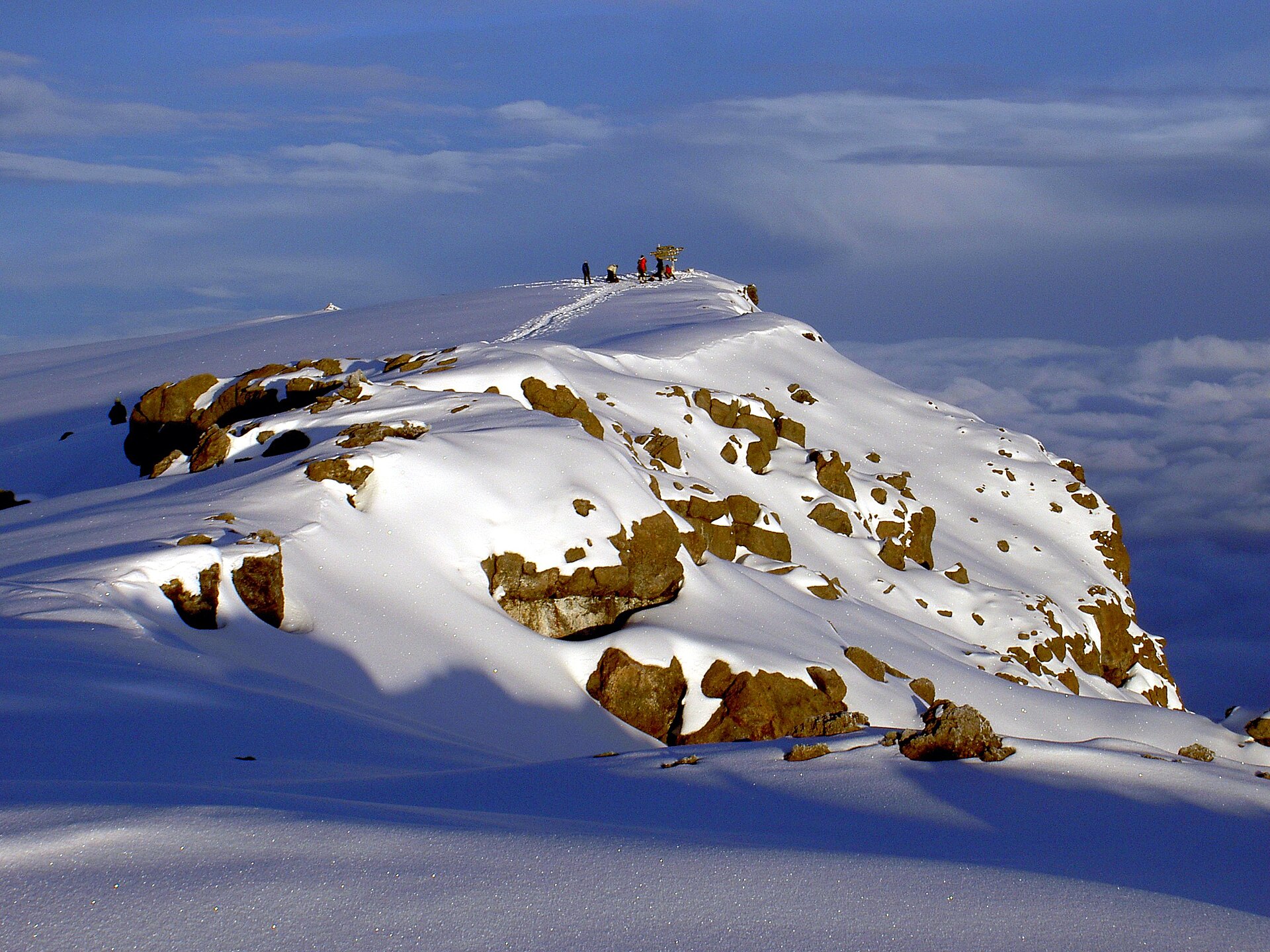
September in Tanzania: The Peak of the Dry Season
September is the peak month for wildlife viewing and photography.
September offers the best conditions for wildlife enthusiasts, with temperatures around 84°F / 29°C and only 35mm of rain over 14 days. The dry season is in full effect, making it easier to spot animals as they gather around waterholes. This month sees the highest tourist numbers, leading to a spike in prices, but the experience is unparalleled. The Great Migration is still a highlight, with dramatic river crossings. Secure your accommodations early to ensure a spot in the best locations.
What this means for you
- Ideal conditions for wildlife photography and viewing.
- Expect peak prices and crowds, especially in popular parks.
- Book accommodations and tours well in advance.
Pro tip
Bring a good camera to capture the stunning wildlife moments.
October in Tanzania: Transitioning to the Short Rains
October is a great time for lower prices and fewer crowds, but rain is on the horizon.
October sees a slight increase in temperatures, averaging 85°F / 29°C, with rainfall rising to 108mm over 17 days. While the dry season continues, the first signs of the short rains begin to appear, leading to lush landscapes. Tourist numbers start to decline, resulting in lower prices compared to the peak months. Wildlife viewing remains good, but be prepared for the possibility of muddy roads. This is a great opportunity for those looking to experience Tanzania without the peak season crowds.
What this means for you
- Prices drop as tourist numbers decrease.
- Wildlife viewing is still good, but roads may become muddy.
- Expect some rain, so plan for flexible travel.
Pro tip
Explore less-visited parks for a more intimate experience.
November in Tanzania: The Short Rains Arrive
November is best for budget travelers who enjoy lush landscapes despite increased rain.
November brings significant rainfall, averaging 152mm over 21 days, with temperatures around 85°F / 29°C. The landscape transforms into a vibrant green, attracting fewer tourists and resulting in lower prices, about 20% cheaper than peak season. While wildlife viewing can be more challenging due to muddy conditions, the scenery is stunning, and birdwatching opportunities increase. Some camps may reopen after the long rains, but be cautious of road conditions. This month is ideal for those prioritizing budget and beauty over convenience.
What this means for you
- Expect lower prices and fewer tourists.
- Wildlife viewing may be limited due to muddy conditions.
- Roads can be challenging, so plan accordingly.
Pro tip
Bring waterproof gear for comfort during your travels.
December in Tanzania: The Festive Season and Short Rains
December is a festive month, but expect rain and higher prices.
December sees temperatures around 86°F / 30°C with 138mm of rain over 22 days. The short rains continue, making the landscape lush and vibrant, but travel can be disrupted by muddy roads. Tourist numbers rise as the holiday season approaches, leading to increased prices. Wildlife viewing can be more challenging, but the scenery is beautiful, and birdwatching is at its peak. If you plan to visit during this month, book accommodations early to secure your spot during the festive rush.
What this means for you
- Expect vibrant landscapes but also increased rain.
- Higher prices due to holiday season tourism.
- Wildlife viewing may be less predictable.
Events & culture
- Christmas celebrations in local communities.
Pro tip
Consider visiting cultural sites for a unique holiday experience.
What Makes Tanzania’s Climate Different
- The northern parks, like Serengeti and Ngorongoro, experience a dry season from June to October, while the coastal areas remain humid year-round.
- Tanzania’s short rains in November can lead to muddy roads, impacting access to some camps, while the long rains from March to May often close many parks.
- The Great Migration peaks in the dry season, making it a unique draw for wildlife enthusiasts that isn’t replicated in neighboring countries.
- Unlike many regions, Tanzania’s dry season coincides with peak tourism, leading to higher prices and crowded parks from July to September.
Who Should Go When
The Migration Tracker
Visit from June to October for the best wildlife viewing during the Great Migration.
- Experience the thrilling river crossings in July and August at the Mara River.
- Book your safari lodges early, as prices can rise by 30% during peak months.
- Enjoy stable weather with daytime temperatures around 83°F (28°C) for comfortable game drives.
- Solo female travelers will find this period safer due to increased tourism and guided tours.
The Green Season Explorer
Travel in early November for lush landscapes and fewer tourists at lower prices.
- Witness the dramatic transformation of the parks as the rains begin, with vibrant flora and increased birdlife.
- Expect prices to drop about 20% compared to peak season, making it a budget-friendly option.
- Some camps reopen after the long rains, but be prepared for muddy roads in certain areas.
- This time is ideal for photographers looking to capture the beauty of Tanzania’s green season.
The Coastal Beachcomber
Head to Tanzania’s beaches from late October to early December for a quieter experience.
- Enjoy the stunning beaches of Zanzibar with fewer crowds and more affordable accommodations.
- Temperatures remain warm, averaging around 85°F (29°C), perfect for sunbathing and water activities.
- Book your beach hotels in advance to secure the best rates before the holiday rush.
- This period is also safer for solo female travelers, as the tourist flow is more manageable.
Insider Tip
For the best value, consider visiting Tanzania in early November. Prices drop about 20% after peak season, and while rain increases to 152mm, the lush landscapes and fewer tourists make it an excellent time for wildlife viewing and photography.
Frequently Asked Questions
1Are the national parks accessible in April?
April is the worst month for travel disruptions due to heavy rains, with 292mm and 25 rain days, making many parks difficult to access.
2How much cheaper is Tanzania in November compared to peak months?
Traveling in early November can save you about 20% on accommodation and safari costs compared to the peak months of July and August.
3What are the risks of visiting during the long rains?
Visiting during the long rains from March to May poses risks of park closures and difficult travel conditions due to excessive rainfall.
4How does the climate differ between the northern parks and the coast?
The northern parks enjoy a dry season from June to October, while the coastal areas remain humid year-round, affecting travel plans.
5What is the best time to see the Great Migration?
The best time to witness the Great Migration is from June to October, particularly during the river crossings in July and August.
6Are there any festivals or events that affect travel in Tanzania?
The Serengeti Migration is a major event that attracts tourists from June to October, causing higher prices and crowded parks during this peak season.