


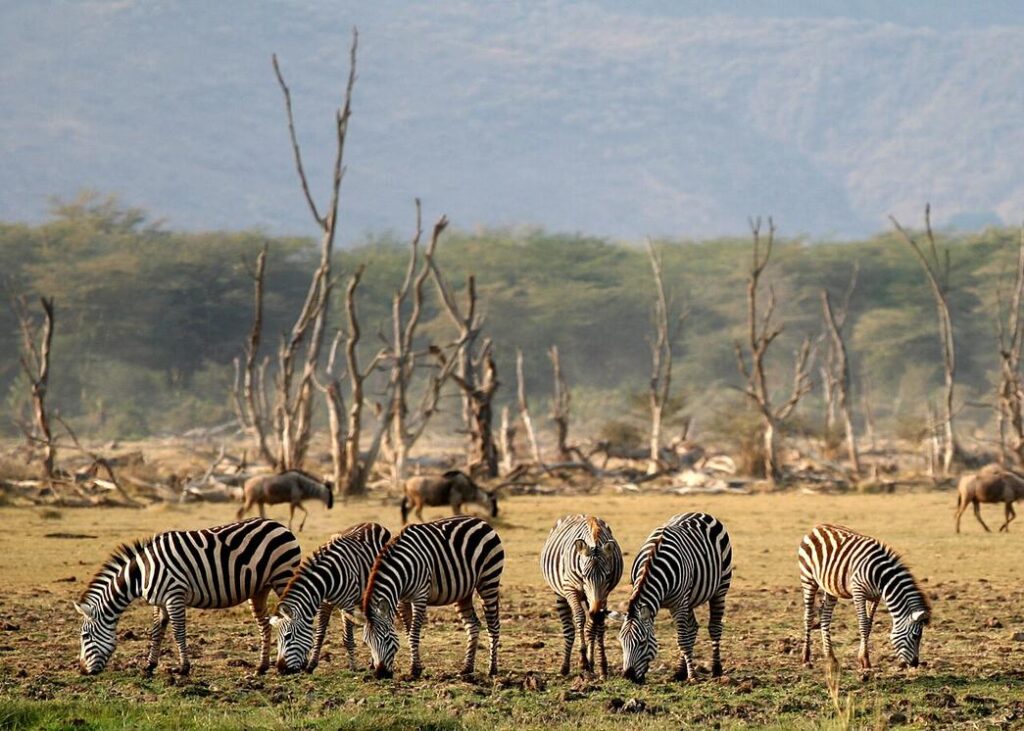
Hear the low rumble of hippos surfacing near the hippo pools at the park’s southern edge just before dawn.
Lake Manyara National Park sits beneath the Rift Valley escarpment, known for its tree-climbing lions and vast flamingo flocks on the soda lake. Visitors focus on two main zones: the forest canopy walkway and the lakeshore hippo pools. The park lies roughly 120 miles / 190 km from Arusha, making it a compact but wildlife-rich stop. Unlike larger parks, Manyara’s size means you can cover key wildlife spots in a day, but it lacks the vast savannah herds of Serengeti. The park’s unique mix of forest and alkaline lake habitats delivers encounters you won’t find elsewhere, especially the rare sight of lions resting in acacia trees. Plan your day around early morning and late afternoon guided walks to catch animals active in cooler hours.
Book early morning guided walks to see tree-climbing lions and hippos at the southern pools. Visit the forest canopy walkway for birdwatching. End with flamingo spotting along the soda lake shore for vivid wildlife contrasts.
Key takeaways
- Book certified naturalist guides for 5 AM walks to catch active wildlife in cooler hours.
- Stay inside the park’s buffer zone lodges for immediate access to morning and afternoon walks.
- Park fees run around $60 per day, 2026, payable at the main gate near Mto wa Mbu.
- Visit the canopy walkway in the late afternoon to avoid midday heat and crowds.
- Plan rest periods midday at your lodge; wildlife activity drops sharply in the heat.
- Expect to spend 2-3 hours spotting flamingos along the northern soda lake shore.
- Avoid the central park road midday; animal sightings are rare and heat is intense.
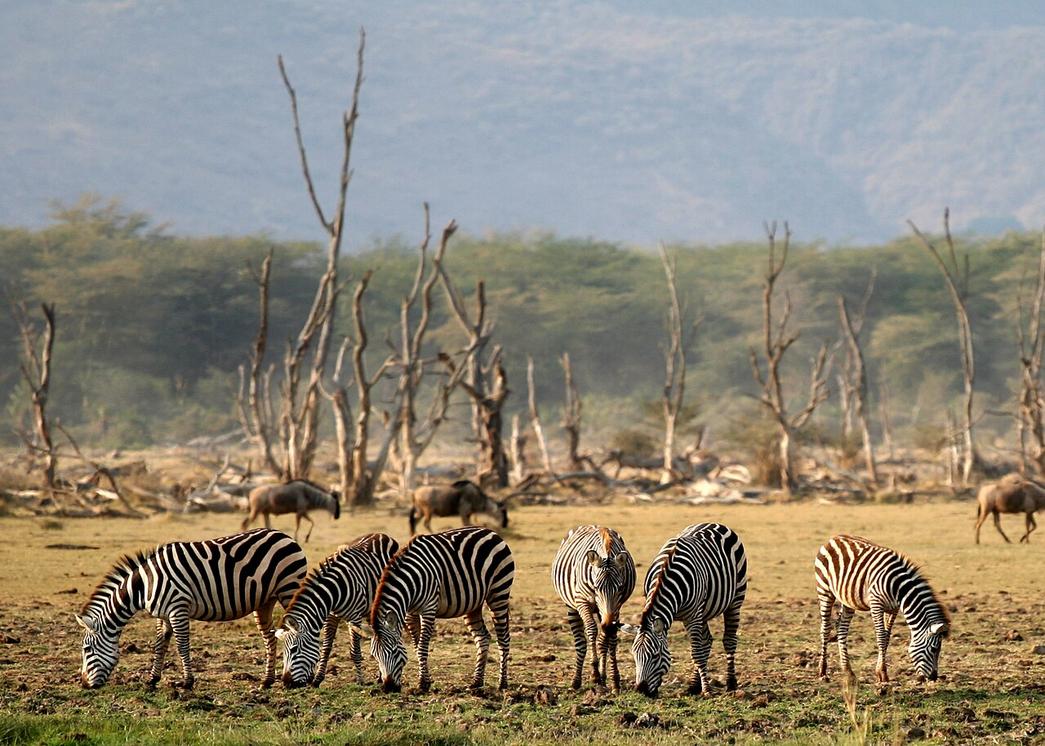
Why visit Lake Manyara National Park
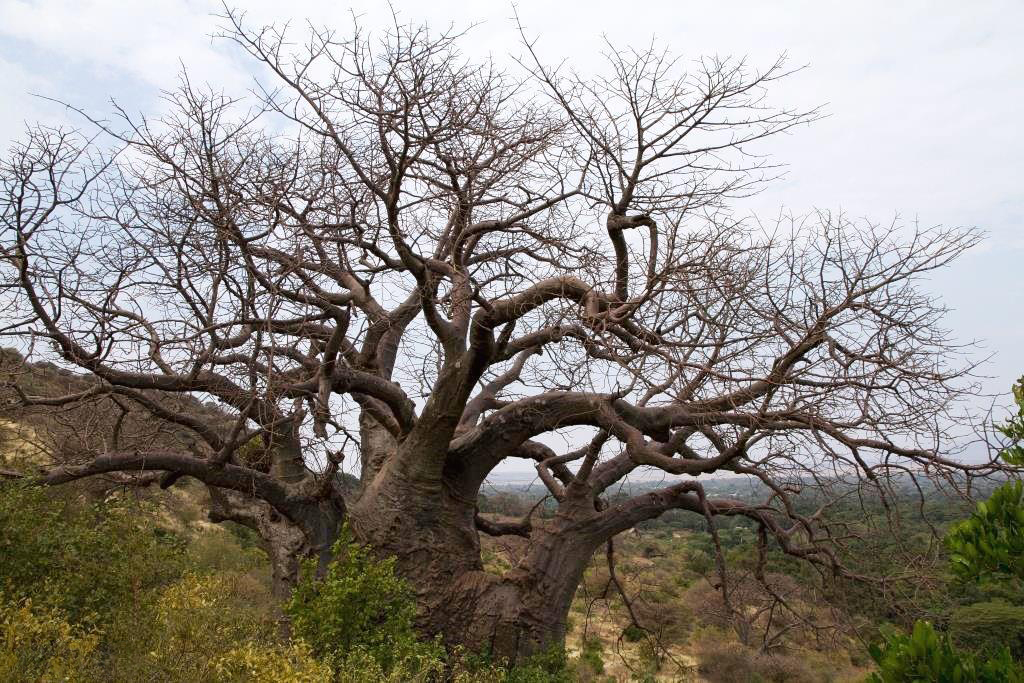
Lake Manyara National Park stands out from Serengeti and Ngorongoro for its compact size and unique wildlife behaviors. The park’s tree-climbing lions offer a rare sight not common in larger parks. Its soda lake attracts vast flocks of flamingos, creating a striking pink contrast against the Rift Valley escarpment. The forest canopy walkway lets you explore the treetops, adding an adventurous dimension beyond typical game drives. This park demands active engagement, with early morning and late afternoon guided walks to catch animals in cooler hours.
- See tree-climbing lions in the dense acacia forest, a behavior rarely observed outside Lake Manyara.
- Spot thousands of flamingos on the soda lake during the dry season, creating vivid pink shorelines.
- Explore the 150-foot canopy walkway for a unique perspective on forest wildlife and bird species.
- Book certified naturalist guides who specialize in early morning and late afternoon walking safaris.
- Stay inside the park’s buffer zone lodges to maximize wildlife sightings and avoid long daily transfers.
Best for
Solo travelers focused on wildlife and nature will thrive here, especially those who prefer active guided walks over long drives. The park suits mid-range budgets paying for ethical lodges inside the buffer zone and certified guides.
Skip if
Skip Lake Manyara if you want extensive plains game or large predator sightings; head to Serengeti for classic savannah safaris instead.
Top things to do in Lake Manyara National Park
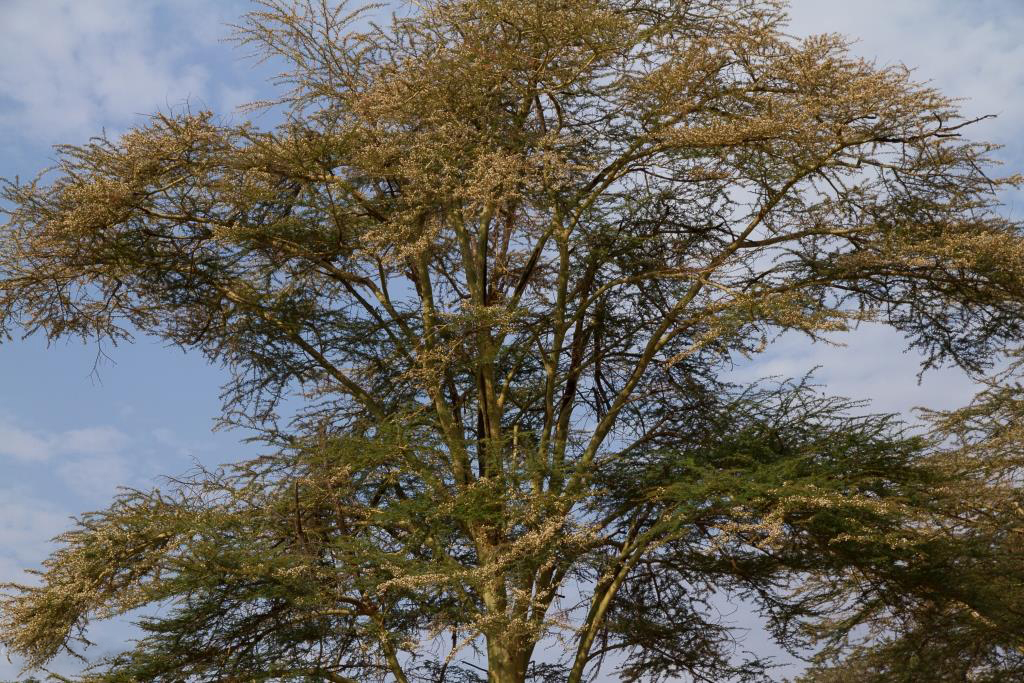
1. Guided Game Drive for Tree-Climbing Lions ·
Track the park’s famous tree-climbing lions on a guided game drive that maximizes sightings in the early morning or late afternoon.
Join one of the licensed guide outfits for a game drive focused on spotting the park’s rare tree-climbing lions. These lions rest on acacia branches, especially near the escarpment edges, making early morning or late afternoon drives ideal for sightings. The guides know the best vantage points and animal behaviors, increasing your chances to see these lions in action. Expect to cover dirt roads winding through woodland and open plains, with stops at hippo pools and birding spots along the way. Book on GetYourGuide.
This guided game drive targets the tree-climbing lions specifically, unlike general drives that cover broader wildlife but rarely catch this unique behavior.
- When: Start drives between 6:00 AM and 9:00 AM or from 4:00 PM to 6:30 PM, especially during the dry season from June to October when lions are more visible.
- Cost: ~$70-$90, 2026
- Duration: 3-4 hours
- How to reach: Depart from the lodge inside or near the park’s buffer zone; most lodges arrange transport on the park’s main access road off the Mto wa Mbu route.
Insider tip: If closed
If game drives are unavailable, take the canopy walkway for a different wildlife perspective in the forest.
Solo female travel: Book your game drive through the lodge or a reputable guide in advance; solo female travelers benefit from group drives that start early and return before dark.
2. Flamingo Viewing at Lake Manyara Soda Lake ·
Visit the soda lake’s shores to see thousands of flamingos gathering, best during the dry season when water levels drop.
Walk or drive to the soda lake’s edge where vast flocks of pink flamingos cluster on the shallow alkaline waters. The dry season concentrates the flamingos in tighter groups, making their bright color stand out against the white lakebed. The lake also attracts pelicans and other water birds, creating a noisy, active scene. Viewing points near the park’s southern boundary offer the best access without disturbing the birds.
Flamingo viewing here offers a spectacle not found in many other parks, contrasting with the forest and savanna wildlife seen on game drives.
- When: Visit between July and October during the dry season, preferably mid-morning when the light enhances the flamingos’ color.
- Cost: Park entry fee applies (~$45, 2026)
- Duration: 1-2 hours
- How to reach: Reach the soda lake area by vehicle from the main park entrance; walking from the lodge is possible if nearby but less common due to distance.
Insider tip: If closed
If flamingo numbers are low or water levels high, focus on the hippo pools or forest walks instead.
3. Guided Walking Safari in the Park’s Forest ·
Take a certified naturalist-led walking safari to explore the dense forest canopy and spot smaller wildlife and bird species.
Set out on foot with a certified naturalist guide through the park’s dense acacia and fig tree forest trails. This walking safari reveals smaller mammals, colorful birds, and insects missed on vehicle drives. The guide explains the ecosystem, pointing out unique flora and animal tracks. The walk covers uneven terrain, including the trail near the canopy walkway, offering close encounters with monkeys and birds at eye level. Book on GetYourGuide.
Walking safaris provide a different pace and perspective than game drives, focusing on detail and forest species rather than large mammals in open areas.
- When: Schedule walks in the early morning from 6:00 AM to 9:00 AM or late afternoon from 4:00 PM to 6:00 PM to avoid midday heat, year-round but best in dry months.
- Cost: ~$40-$60, 2026
- Duration: 2-3 hours
- How to reach: Start from lodges inside or adjacent to the forest zone; guides lead from the main trailheads near the park’s southern entrance.
Insider tip: If closed
If walking safaris are suspended, opt for a game drive focusing on the forest edge to spot similar wildlife from the vehicle.
Solo female travel: Walking safaris run in small groups with guides; solo female travelers should book through lodges that provide certified naturalists for safety and local knowledge.
4. Hippo Pools Exploration ·
Observe large pods of hippos in their natural pools, combining boat or walking options depending on the lodge’s location.
Visit the park’s hippo pools where pods of hippos wallow in shallow water, often visible from the shoreline or by boat if your lodge offers it. The pools attract crocodiles and water birds, creating a lively aquatic scene. Depending on the lodge’s location, you may walk along designated trails or take a short boat trip to get closer. The experience highlights the park’s aquatic wildlife distinct from the savanna and forest zones.
Hippo pools offer a concentrated wildlife viewing spot that complements the broader game drives and forest walks, especially for aquatic species.
- When: Best visited in the morning between 7:00 AM and 10:00 AM or late afternoon from 3:00 PM to 5:00 PM, year-round but clearer in dry season.
- Cost: Included in park entry; boat trips extra (~$30, 2026) if offered by lodge
- Duration: 1-2 hours
- How to reach: Reach pools by walking from lodges inside the park or by vehicle on the main park roads; boat access depends on lodge facilities near the lake shore.
Insider tip: If closed
If boat trips are unavailable, focus on the canopy walkway or forest walks for wildlife viewing.
5. Canopy Walkway Adventure ·
Cross the treetop canopy walkway for a unique vantage point over the forest and a chance to spot monkeys and birds at eye level.
Walk the elevated canopy walkway suspended among the forest trees, offering a rare perspective above the ground. This 100-foot-long structure lets you observe troops of monkeys, colorful birds, and forest plants from eye level. The walkway is near the park’s southern forest zone, accessible by a short hike from the main trailhead. The steady breeze and bird calls make this a refreshing break from vehicle-based wildlife viewing.
The canopy walkway provides a vantage point unavailable on game drives or walking safaris, focusing on arboreal species and forest structure.
- When: Visit mid-morning or late afternoon to catch active monkeys and birds, ideally between 8:00 AM and 11:00 AM or 3:00 PM and 5:00 PM, year-round.
- Cost: ~$15, 2026
- Duration: 1 hour
- How to reach: Reach the walkway by hiking from the park’s southern entrance or from lodges located in the forest buffer zone; the trailhead is well marked.
Insider tip: If closed
If the walkway is closed, take the guided walking safari nearby for similar forest wildlife encounters.
6. Birdwatching with a Naturalist Guide ·
Join a specialized birdwatching tour to identify the park’s diverse species, including the rare African finfoot and Pel’s fishing owl.
Set out early with one of the licensed naturalist guides who know the best spots along the park’s forest edges and lake shores. The guide helps identify over 400 bird species, focusing on elusive ones like the African finfoot and Pel’s fishing owl, often found near the dense riverine forest. The walk covers varied habitats, from acacia woodlands to the soda lake’s flamingo flocks, offering a dynamic birdwatching experience. Book on GetYourGuide.
This guided tour beats solo birdwatching by unlocking sightings of rare species and providing expert identification, unlike unguided walks that risk missing key birds.
- When: Start at dawn, between 5:30 AM and 8:30 AM, when birds are most active; best from June to October during the dry season.
- Cost: ~$40, 2026
- Duration: 3 hours
- How to reach: Most lodges inside or near the buffer zone arrange pickup; otherwise, walk or take a short shuttle from the park entrance along the main gravel road.
Insider tip: If closed
If birdwatching tours are unavailable, use the afternoon game drive to spot waterbirds and raptors from the vehicle.
7. Sunset Game Drive ·
Book a late afternoon game drive to catch predators active at dusk and enjoy cooler temperatures for wildlife viewing.
Join a late afternoon game drive with a licensed guide who knows the best predator hangouts near the escarpment and hippo pools. The cooler hours bring out lions, leopards, and hyenas, often seen stalking or resting in the acacia woodlands. The drive covers the park’s varied terrain, ending with views over the soda lake as the sun sets behind the Rift Valley escarpment. Book on GetYourGuide.
Sunset drives offer better predator sightings and more comfortable temperatures than midday drives, which focus more on herbivores and are hotter.
- When: Depart between 3:30 PM and 4:30 PM to catch the full dusk window; dry season (June to October) offers clearer skies and better visibility.
- Cost: ~$60, 2026
- Duration: 3 hours
- How to reach: Most lodges inside the park provide direct pickup; otherwise, arrange a shuttle from the park gate along the main access road.
Insider tip: If closed
If sunset drives are canceled, the early morning game drive is the next best option for predator activity.
Solo female travel: Book with a reputable operator who provides a private or small-group vehicle for safer, more comfortable solo travel after dark.
8. Visit to the Park’s Hippo Pools Picnic Area ·
Stop at the designated picnic spots near hippo pools for a break with wildlife views, combining rest and observation efficiently.
Pause at the official picnic area near the hippo pools, where you can relax while watching hippos wallow and elephants drink at close range. The spot offers shaded tables and basic facilities, making it a practical break during a game drive or guided walk. The surrounding acacia woodland often hosts troops of baboons and colorful bird species, adding to the wildlife viewing during your rest.
This picnic area combines comfort and wildlife viewing better than roadside stops, which lack facilities and often miss the hippos’ active zones.
- When: Midday, between 11:30 AM and 2:00 PM, when animals gather at water sources; avoid rainy season when the area can be muddy.
- Cost: Free with park entry
- Duration: 30 minutes to 1 hour
- How to reach: Accessible by vehicle on the main park loop road; most guided drives include this stop as part of the route.
Insider tip: If closed
If the picnic area is closed, use the lodge’s shaded outdoor dining areas for breaks with some wildlife views.
9. Night Safari to Spot Nocturnal Wildlife ·
Take a guided night safari to see elusive nocturnal animals like bush babies, genets, and owls active after dark.
Head out after dark in a specially equipped vehicle with a licensed guide who uses spotlights to locate nocturnal species. Expect to see bush babies leaping between trees, genets prowling the underbrush, and owls hunting along the forest edges. The safari covers quieter parts of the park not accessible during the day, offering a different perspective on Lake Manyara’s ecosystem. Book on GetYourGuide.
Night safaris reveal wildlife invisible during the day, unlike daytime drives that miss nocturnal behaviors and species.
- When: Start between 7:00 PM and 8:00 PM; best during dry months June to October when roads are passable and animals are more active.
- Cost: ~$70, 2026
- Duration: 2 hours
- How to reach: Depart from lodges inside or near the park; vehicles access the same main roads but require park permission for night entry.
Insider tip: If closed
If night safaris are unavailable, early morning walks offer chances to see crepuscular animals before full daylight.
Solo female travel: Join a small group with a reputable operator; avoid walking alone at night and confirm vehicle lighting and safety equipment beforehand.
10. Cultural Visit to Local Maasai Village ·
Combine wildlife with culture by visiting a nearby Maasai village to learn about traditional life and crafts outside the park.
Travel a short distance outside the park boundary to a Maasai village where local guides introduce you to traditional homes, beadwork, and daily routines. The visit includes demonstrations of jumping dances, spear making, and explanations of pastoralist life tied closely to the land. This cultural stop complements the wildlife focus by showing how Maasai communities coexist with the park’s ecosystem. Book on GetYourGuide.
This visit offers direct interaction with Maasai culture near Lake Manyara, unlike generic cultural tours farther away that lack local context.
- When: Mid-morning or early afternoon, between 9:00 AM and 3:00 PM; avoid rainy season when village access can be difficult.
- Cost: ~$30, 2026
- Duration: 2 hours
- How to reach: Reachable by 4×4 or shuttle from lodges near the park’s southern entrance along the main gravel road.
Insider tip: If closed
If the village visit is unavailable, spend extra time on guided walks inside the park to observe traditional land use signs and livestock grazing.
Solo female travel: Choose a village visit arranged by your lodge or a licensed operator to ensure respectful, safe interactions.
48 hours in Lake Manyara National Park
This two-day plan focuses on active wildlife encounters and landscape exploration inside Lake Manyara National Park, ideal for travelers who prioritize ethical, immersive nature experiences. It balances early-morning game drives and guided walks with strategic downtime to maximize spotting tree-climbing lions and flamingo flocks on the soda lake.
Day 1
Morning
Start before dawn with the 5:00 AM guided walk along the forest trails near the park’s southern entrance. The morning light filters through the canopy just as the tree-climbing lions settle in the acacia branches, giving you the best chance to catch this rare behavior without the midday heat. Return to your eco-lodge inside the buffer zone by 9:00 AM for a breakfast featuring local fruits and fresh coffee, then rest before the afternoon safari.
Afternoon
After a midday break, head out around 3:30 PM for a game drive focused on the hippo pools and the lakeshore. The late afternoon light sharpens the flamingo flocks’ pink hues on the soda lake, and the cooler air brings more animal activity. Stop for a quick snack at the park’s picnic area near the hippo pools, where you can stretch legs and watch elephants come to drink before the sun dips low.
Evening
Finish the day at the park’s canopy walkway just before sunset. The elevated platform offers a unique perspective on the forest and birdlife as the sun sets behind the Rift Valley escarpment. Dinner back at the lodge features grilled tilapia from nearby Lake Manyara, paired with ugali and seasonal vegetables, served in an open-air dining area where you can hear the night sounds of the bush.
Day 2
Morning
Wake early for a boat safari on Lake Manyara, departing around 6:30 AM from the park’s lakeside zone. The calm morning water reflects flocks of flamingos and other waterbirds, while hippos surface nearby. This water-based adventure contrasts with the previous day’s forest walk and offers a different terrain and wildlife focus. Return to the lodge by 10:00 AM for a late breakfast featuring freshly baked chapati and spiced tea.
Afternoon
Spend the afternoon on a guided walk through the park’s acacia woodland, concentrating on birdwatching and spotting smaller mammals. This slower-paced trek lets you absorb the quieter side of the park and learn about local flora from your certified naturalist guide. Lunch comes from a shaded picnic spot near the park headquarters, with packed samosas and fresh fruit to keep energy up without slowing the pace.
Evening
Conclude with a relaxed dinner at a family-run lodge restaurant just outside the park’s northern gate, specializing in nyama choma (grilled meat) and local vegetable stews. The setting is rustic but lively, with local music some nights. After dinner, take a short walk to a nearby viewpoint for a clear night sky over the Rift Valley, a perfect low-effort wind-down after two active days.
If you have a third day
Add a morning visit to a nearby Maasai village outside the park’s buffer zone to learn about traditional pastoral life and crafts, a cultural complement to the wildlife focus. Alternatively, join an early-morning fishing trip on Lake Manyara to see local techniques and catch your own breakfast.
Best time to visit Lake Manyara National Park
Quick answer
Visit from April to June and October to early December for the best wildlife viewing and pleasant weather.
| Months to go | April to June, October to early December |
|---|---|
| Months to avoid | March and November due to heavy rains that can hinder access and wildlife visibility. |
The climate in Lake Manyara National Park significantly influences wildlife visibility and activities. From April to June, the park experiences mild temperatures averaging 70-80°F / 21-27°C, making it ideal for wildlife viewing as animals are more active. October to early December offers similar conditions, with temperatures around 75-85°F / 24-29°C, perfect for exploring the park’s diverse ecosystems. However, March and November bring heavy rains, which can close trails and limit access to certain areas, reducing wildlife sightings. The dry season from June to October is also favorable, as animals congregate around water sources, enhancing your chances of spotting tree-climbing lions and flocks of flamingos.
Average temperature (°F)
Monthly weather
Warm with occasional rain.
Warm and slightly drier.
Increased rain, less visibility.
Mild temperatures, good wildlife.
Cooler, rain starts to lessen.
Ideal for wildlife viewing.
Cool and dry, great conditions.
Dry and pleasant weather.
Warm, excellent for wildlife.
Great wildlife visibility.
Rain returns, visibility drops.
Mild, good for wildlife.
How to get to Lake Manyara National Park
Nearest airport
Kilimanjaro International Airport (JRO), 80 miles / 129 km
From the airport
Take a shuttle or taxi from Kilimanjaro International Airport to Lake Manyara National Park. Expect to pay around $100-$150, 2026, for a taxi or shuttle service. Book in advance for the best rates.
Other ways to arrive
- From Arusha: Take a public bus to Mto wa Mbu, around 2 hours, costing ~$10, 2026.
- From Tarangire National Park: Hire a private vehicle, about 1 hour, costing ~$50-$70, 2026.
- From Ngorongoro Crater: Arrange a guided tour that includes Lake Manyara, approximately 2 hours, costing ~$150, 2026.
Getting around Lake Manyara National Park
The best way to explore Lake Manyara National Park is by guided safari vehicle. This allows you to cover more ground and spot wildlife effectively.
- Join a guided safari tour for comprehensive coverage of the park, costing around $200-$300 per day, 2026.
- Rent a 4×4 vehicle if you prefer self-driving, costing approximately $100-$150 per day, 2026.
- Use park-approved guides for walking safaris, around $50 per person for a half-day, 2026.
- Consider bicycle rentals for a unique perspective on the park, costing about $20 per day, 2026.
Avoid
Avoid unlicensed guides or self-driving without prior experience in the park.
Day trips from Lake Manyara National Park
These day trips enhance your Lake Manyara experience, offering unique wildlife encounters and cultural insights.
Tarangire National Park
Famous for its large elephant herds and baobab trees.
Why: Tarangire offers a different landscape and wildlife experience, making it a great complement to Lake Manyara. Expect to see diverse wildlife and stunning scenery.
Mto wa Mbu Village
Cultural immersion and local crafts.
Why: Explore local markets, taste traditional foods, and learn about the culture of the Maasai and other tribes. It’s a vibrant community experience.
Skip if: You prefer wildlife-focused activities only.
Ngorongoro Crater
One of the best places for wildlife viewing in Tanzania.
Why: The crater is home to a high concentration of wildlife, including the Big Five. It’s a UNESCO World Heritage site and offers stunning views.
Skip if: You have limited time and prefer to stay within Lake Manyara.
Combine Lake Manyara National Park with
Extend your adventure by combining Lake Manyara with these nearby destinations for a richer experience.
Lake Manyara to Tarangire to Ngorongoro Lake Manyara National Park, Tarangire National Park, Ngorongoro Crater
This route allows you to experience diverse ecosystems and wildlife, maximizing your safari experience.
Lake Manyara to Arusha Lake Manyara National Park, Arusha
Finish your trip in Arusha for a taste of local culture and access to Kilimanjaro for trekking.
Where to stay in Lake Manyara National Park
Compare prices across booking sites on the map below and see which neighbourhood fits your plans.
Lake Manyara National Park offers diverse lodging options that cater to different traveler types. The area near the park entrance is popular for its accessibility to wildlife viewing and guided tours. For those seeking a quieter experience, the lodges along the lake provide stunning views and a serene atmosphere. If you prefer a more social environment, consider staying near the park’s main lodge area, which often hosts group activities and dining options. Each zone has its unique charm, making it easy to find the right fit for your adventure.
Park Entrance Area
Budget accommodations typically include hostels and basic guesthouses that provide essential amenities. Expect shared facilities and a communal atmosphere, perfect for meeting fellow travelers. While these options may lack luxury, they offer a great way to save money while still being close to the park’s entrance.
Insider tip: Look for hostels that offer group safari tours; it’s a cost-effective way to explore the park with others.
Lake View Area
Mid-range lodges and guesthouses provide more comfort and amenities, often featuring private bathrooms and on-site dining. These properties usually offer guided tours and activities, making it easy to plan your days. While they are more comfortable than budget options, they still maintain a friendly, welcoming vibe.
Insider tip: Request a room with a lake view for stunning sunsets and the chance to see wildlife from your balcony.
Treetop Canopy Area
Luxury lodges in Lake Manyara National Park offer an all-inclusive experience with top-notch amenities and personalized service. Expect spacious rooms, gourmet dining, and exclusive safari experiences. These properties are perfect for travelers looking to indulge in comfort while enjoying the beauty of the park.
Insider tip: Book well in advance during peak season to secure the best rooms with canopy views.
Where not to stay
Avoid accommodations near the main road leading to the park entrance; traffic noise can disrupt your wildlife experience.
Solo female travelers
Choose a mid-range lodge in the Lake View Area that offers guided tours and a friendly atmosphere, ensuring safety and social interaction.
Booking through these links supports Pack Lightly at no extra cost to you.
Where to eat and drink in Lake Manyara National Park
Lake Manyara National Park offers a unique culinary experience shaped by its proximity to the Rift Valley and the diverse wildlife that inhabits the area. The local cuisine features fresh ingredients sourced from nearby farms and lakes, with a focus on traditional cooking methods. Expect to find dishes that highlight regional ingredients like tilapia and seasonal vegetables, often prepared in family-run eateries that emphasize sustainability and ethical practices.
Must-try dishes
Samaki wa Kupaka (Grilled Fish)
Grilled tilapia marinated in coconut milk and spices.
This dish showcases the fresh tilapia sourced from Lake Manyara, prepared in a traditional style that reflects local culinary practices.
Insider tip: The smoky flavor from the grill really enhances the freshness of the fish.
Ugali na Mchicha (Cornmeal and Spinach)
A staple dish made from maize flour served with sautéed spinach.
This dish is a common accompaniment to many meals in the region, highlighting the locally grown maize and greens.
Insider tip: Pair it with grilled meats for a hearty meal.
Maharage ya Nazi (Beans in Coconut)
Beans cooked in a rich coconut sauce, often served as a side dish.
This dish reflects the influence of coastal cuisine, utilizing local beans and coconut from nearby plantations.
Insider tip: The creamy texture makes it a perfect complement to any grilled dish.
Chai ya Maziwa (Milk Tea)
Traditional spiced tea made with milk and local spices.
This beverage is a daily staple among locals, often enjoyed in the morning or afternoon.
Insider tip: Try it with a piece of mandazi (fried dough) for a true local experience.
Local drinks
- Kilimanjaro BeerAvailable at most local bars and restaurants around the park.
A popular local lager brewed in Tanzania.
Where to eat – by neighborhood
Mto wa Mbu
This vibrant village is known for its street food stalls and local eateries serving authentic Tanzanian dishes.
Insider tip: Order a plate of grilled fish and enjoy it with locals at one of the communal tables.
Karatu
A nearby town with a mix of restaurants offering both local and international cuisine, popular among travelers.
Insider tip: Visit during lunch hours for the best deals on local dishes served in generous portions.
Dietary note
Vegetarians will find plenty of options, especially with local vegetable dishes and beans.
Daily budget for Lake Manyara National Park
Lake Manyara National Park offers a unique blend of wildlife experiences and stunning landscapes, which can drive up daily costs compared to other areas in Tanzania. Expect to pay a premium for guided tours and accommodations that enhance your wildlife experience.
Shoestring
- lodging – Stay at budget-friendly campsites or basic lodges.
- food – Eat at local eateries or self-cater if possible.
- transport – Use shared transport options for park access.
- activities – Join group tours or self-guided walks.
- buffer – Keep a small amount for unexpected expenses.
Trade-offs: Expect limited comfort and amenities while prioritizing wildlife experiences.
Comfort
- lodging – Choose mid-range lodges with better amenities.
- food – Enjoy meals at local restaurants or lodge dining.
- transport – Hire a private vehicle for convenience.
- activities – Participate in guided tours for enhanced experiences.
- buffer – Set aside for small purchases or tips.
Trade-offs: Enjoy a balance of comfort and adventure, with more guided experiences.
Splurge
- lodging – Stay at upscale lodges with premium services.
- food – Dine at high-end restaurants or lodge dining options.
- transport – Opt for private transfers and guided tours.
- activities – Engage in exclusive wildlife experiences or private safaris.
- buffer – Allow for extra expenses or special treats.
Trade-offs: Experience the best of Lake Manyara with top-tier services and exclusive access.
Money-saver tip
Consider staying at campsites within the park for lower lodging costs while still enjoying the wildlife atmosphere.
Splurge that’s worth it
A guided night safari is worth the splurge, offering a chance to see nocturnal wildlife in their natural habitat.
Skip to save
Skip overpriced souvenir shops near the park entrance; local markets offer better prices and authentic crafts.
Practical tips for Lake Manyara National Park
Money
Cash or card. While many businesses accept cards, cash is still preferred, especially in smaller shops and markets. Bring enough cash for park fees and local purchases, as some vendors only accept cash.
ATMs. ATMs are available in nearby towns like Mto wa Mbu, but they may charge foreign transaction fees. The best option is to use a card with no foreign transaction fees to minimize costs.
Tipping. Tipping is customary in Tanzania, typically around 10% for services. For example, a $10 meal would warrant a $1 tip.
Safety
Lake Manyara National Park is generally safe for tourists, but it’s wise to stay aware of your surroundings, especially in crowded areas. Stick to well-trodden paths and avoid walking alone at night.
Local warnings:
- Beware of sandflies, especially in the evening; use insect repellent.
- Watch for uneven terrain on trails, which can be challenging for some visitors.
Connectivity
Mobile data. Mobile coverage is decent in and around the park, with major carriers like Vodacom and Airtel providing good service. A local SIM card costs around $5-$10 and offers data plans suitable for travelers.
Wi-Fi. Wi-Fi is limited in the park, but some lodges and cafes in Mto wa Mbu offer reliable connections. Look for spots near the main market area for better access.
Language
Main language: Swahili. English level: English is commonly spoken in tourist areas, but proficiency varies among locals. Expect less English fluency in rural areas and among non-tourist staff.
Cultural notes
- Dress modestly, especially when visiting local villages or religious sites.
- Always ask permission before taking photos of people.
- Greetings are important; a simple ‘Jambo’ (hello) goes a long way.
Solo female travel
Solo female travelers can navigate Lake Manyara National Park with confidence, especially during the day. The atmosphere is generally welcoming, but it’s advisable to avoid isolated areas after dark.
Frequently asked questions about Lake Manyara National Park
1Is Lake Manyara National Park worth visiting?
Yes, Lake Manyara National Park is worth visiting for its unique wildlife, including tree-climbing lions and vibrant flamingo populations on the soda lake.
2How many days should I spend in Lake Manyara National Park?
Two days is ideal to explore the park thoroughly, allowing time for guided walks and wildlife viewing without feeling rushed.
3What is the best time to see flamingos at Lake Manyara?
The best time to see flamingos is during the dry season from June to October when they gather in large numbers around the lake.
4Is Lake Manyara National Park safe for solo female travelers?
Yes, Lake Manyara National Park is generally safe for solo female travelers, especially when staying at reputable lodges and joining guided tours.
5Do I need a 4×4 vehicle to explore Lake Manyara National Park?
Yes, a 4×4 vehicle is recommended for navigating the park’s rough roads, especially during the rainy season from November to May.
6What activities are best in Lake Manyara National Park?
Guided walking safaris and birdwatching are top activities, offering a closer look at the park’s diverse wildlife and ecosystems.
7Can you swim in Lake Manyara?
Skip it; swimming in Lake Manyara is not allowed due to the presence of hippos and other wildlife in the water.
8What is the nearest airport to Lake Manyara National Park?
The nearest airport is Lake Manyara Airport, about 12 miles / 19 km from the park entrance, with flights connecting from Arusha.
Estimate your daily budget
See realistic daily costs by tier and category.