


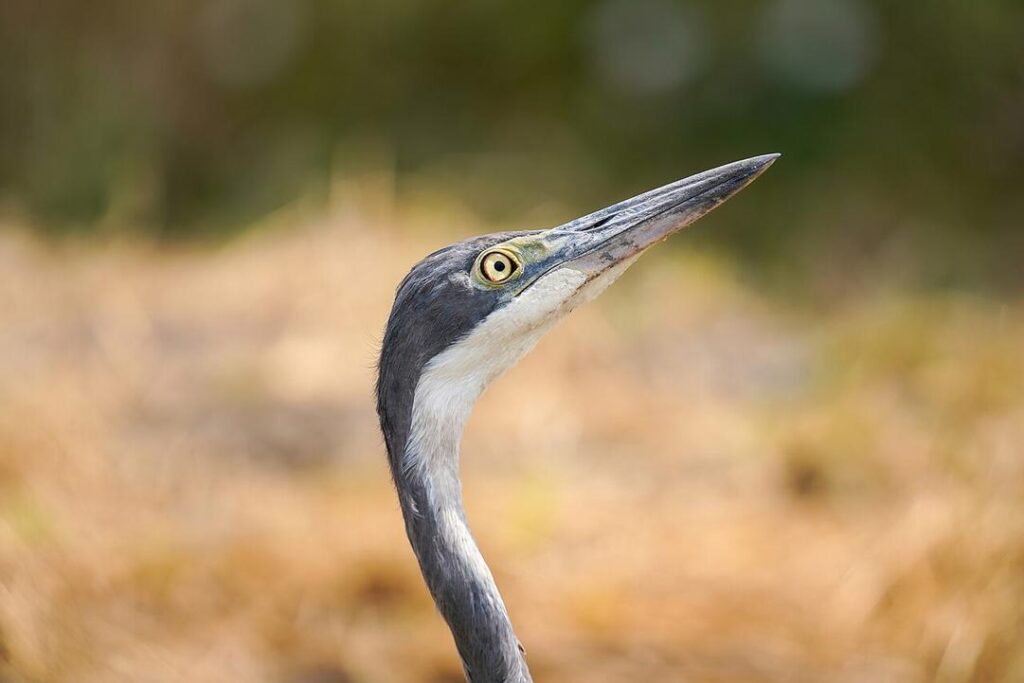
Hear the crunch of dry leaves underfoot near the Silale Swamp as elephant herds gather at sunset in Tarangire National Park.
Tarangire National Park is a northern circuit wildlife reserve in Tanzania, famous for its large elephant herds and ancient baobab trees. Visitors come mainly for the dry-season game concentrations around the Tarangire River and Silale Swamp. The park’s southern zone near the Tarangire River offers the densest elephant sightings, while the Silale Swamp area hosts seasonal birdlife and predators. Compared to Serengeti or Ngorongoro, Tarangire delivers a more intimate, less crowded safari focused on elephants and baobabs rather than big cat sightings. The park lies roughly 90 miles / 145 km from Arusha, making it a practical choice for a multi-day wildlife adventure. Expect early morning guided walks and late afternoon game drives to maximize wildlife encounters and avoid midday heat.
Book early morning guided walks at Silale Swamp, afternoon game drives along the Tarangire River, and night drives near the baobab groves. Elephant herds dominate sightings, while birdwatching and predator tracking add variety.
Key takeaways
- Book a certified naturalist guide for early morning walks starting at 5:00 AM near Silale Swamp.
- Stay inside the park’s buffer zone to access wildlife before crowds arrive, around $120 per night, 2026.
- Plan afternoon game drives along the Tarangire River for the best elephant herd sightings.
- Carry at least 1 gallon of water per person for midday rest; temperatures reach 90°F / 32°C+ in dry season.
- Park entry fees run about $45 per day, payable at main gates, 2026.
- Avoid midday walks; heat peaks between 11:00 AM and 3:00 PM, best to rest at the lodge.
- Night drives require booking through the lodge; expect $60 per person, 2026.
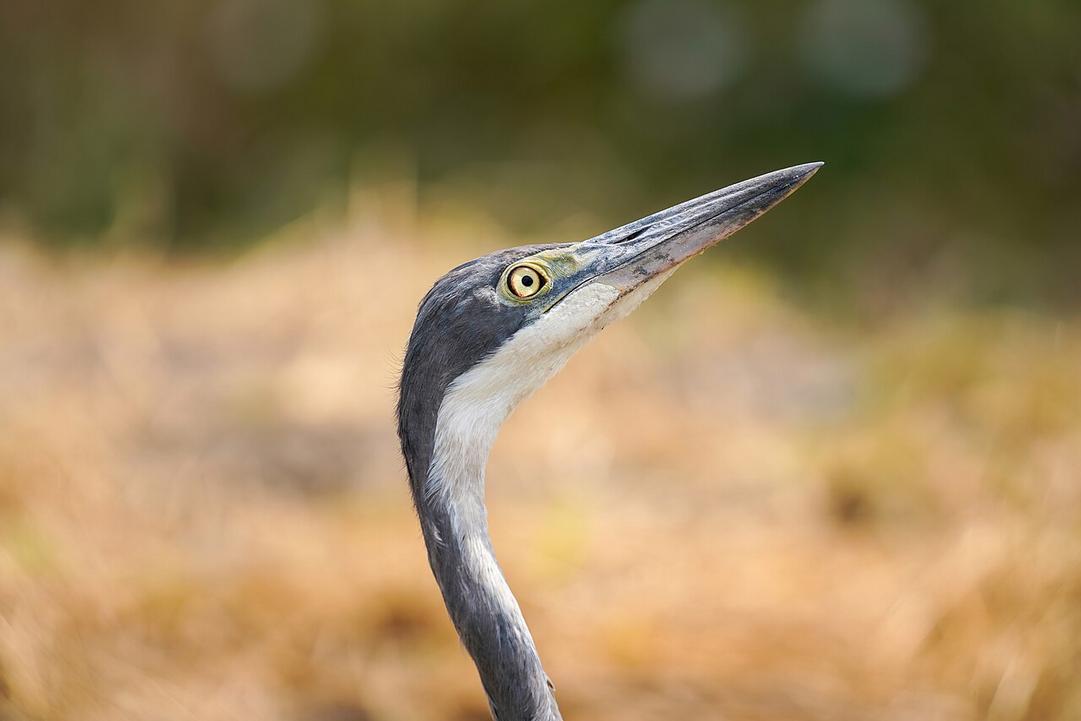
Why visit Tarangire National Park
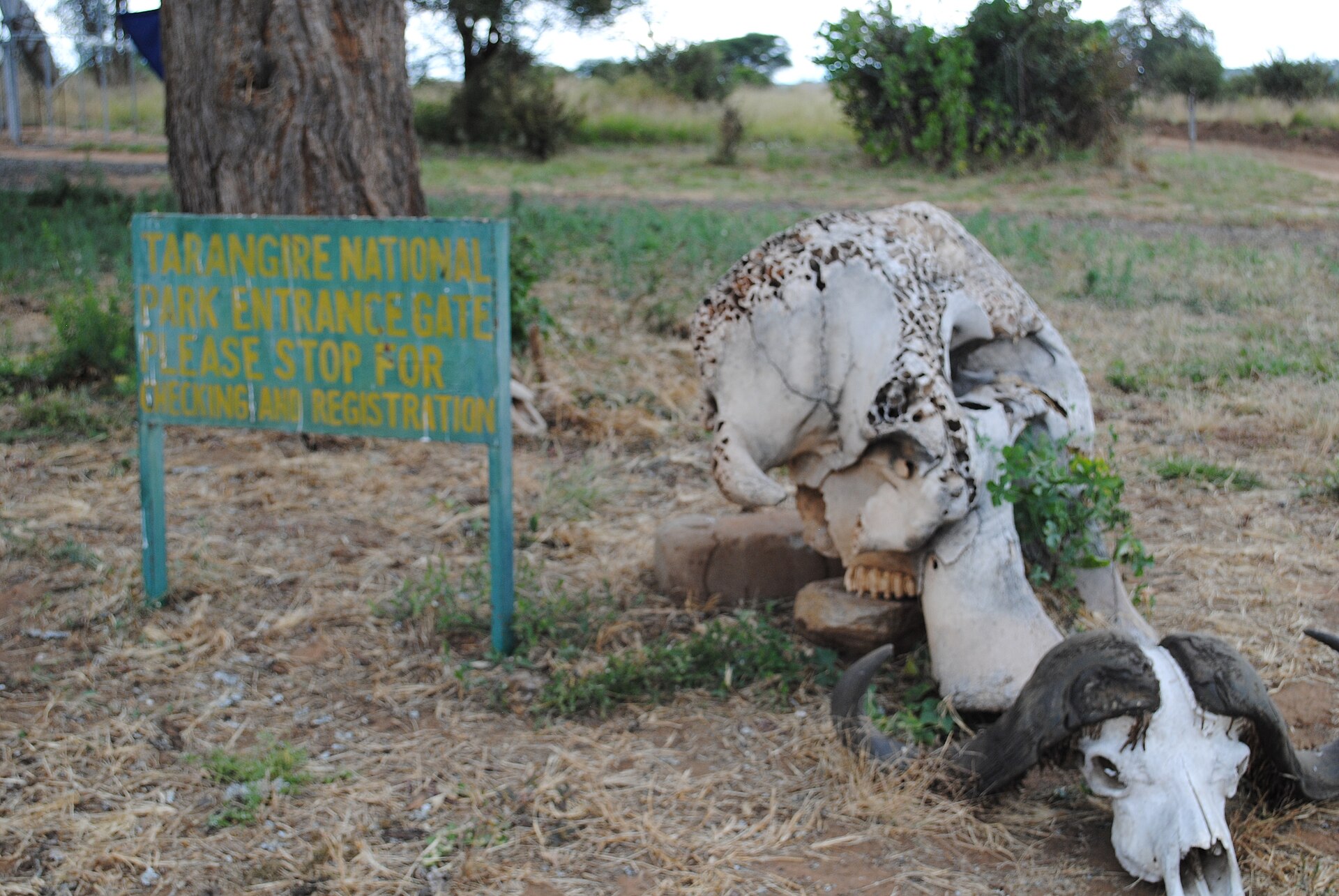
Tarangire National Park stands out from Serengeti and Ngorongoro for its massive elephant herds and iconic baobab trees. Unlike Serengeti’s vast plains or Ngorongoro’s crater, Tarangire centers around the Tarangire River, which concentrates wildlife during dry months. The park’s ancient baobabs create a dramatic backdrop for tracking elephants and other game. Its buffer zone lodges offer early morning guided walks and late afternoon boat safaris, matching an active daily rhythm focused on wildlife encounters. This park delivers a hands-on adventure for those chasing large mammals in a less crowded setting.
- Hosts one of Tanzania’s largest elephant populations, especially visible around the Tarangire River during dry season.
- Features ancient baobab trees scattered across the landscape, providing landmark navigation and unique photo ops.
- Offers certified naturalist guides who lead 5 AM walks inside buffer zone eco-lodges, uncommon in neighboring parks.
- Focuses on ethical wildlife viewing without captive-animal attractions or commercial selfie spots.
- Insider tip: animal sightings peak late afternoon near Silale Swamp, a detail often missed by standard guides.
Best for
Solo travelers and wildlife enthusiasts who want active days tracking elephants and other game will appreciate Tarangire. The daily schedule suits those staying in eco-lodges inside the buffer zone, prioritizing ethical, immersive wildlife encounters over luxury or nightlife.
Skip if
Skip Tarangire if looking for vast open plains or crater scenery; choose Serengeti for endless savannah or Ngorongoro for crater wildlife diversity instead.
Top things to do in Tarangire National Park
1. Guided Game Drives ·
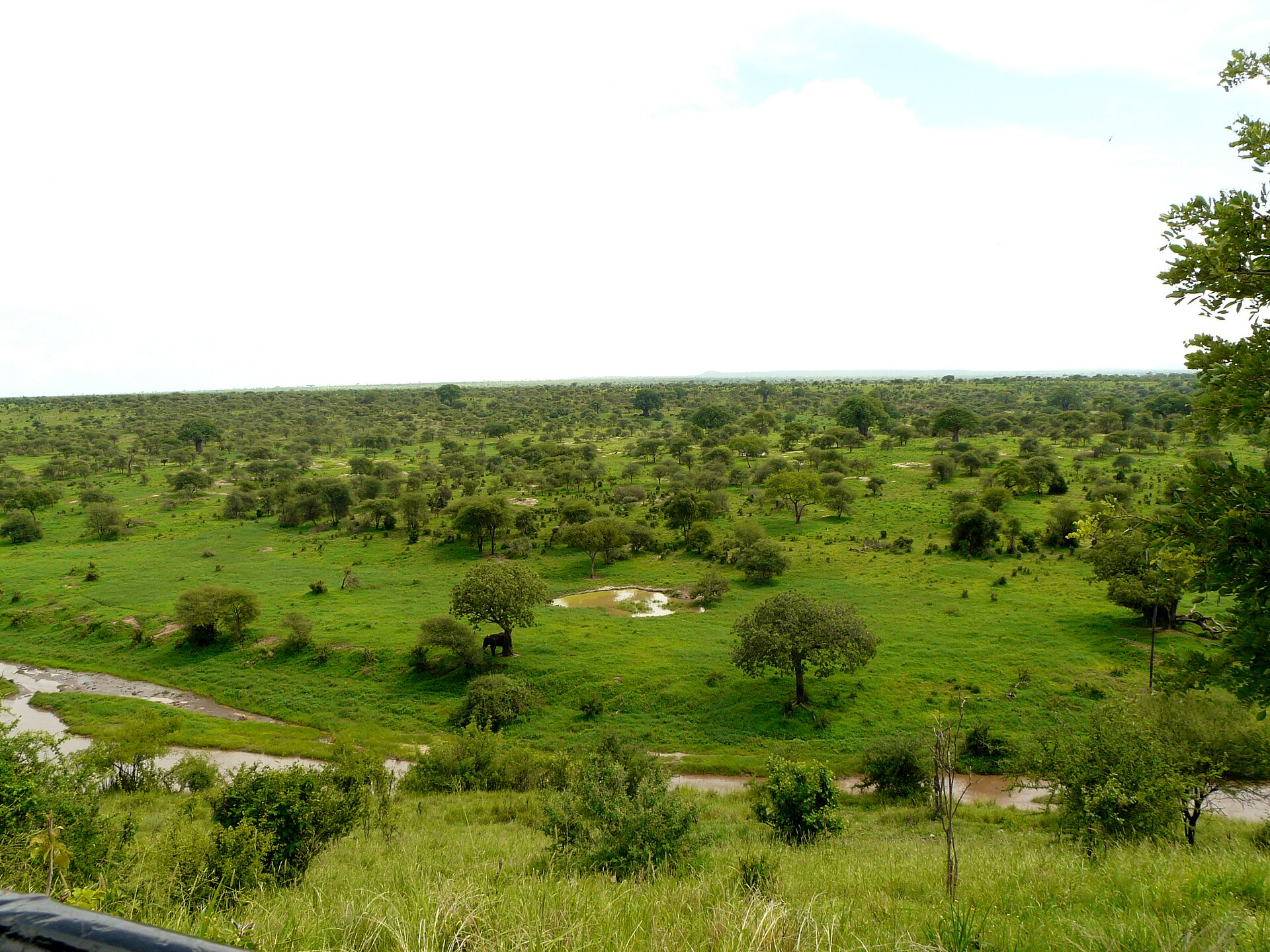
Explore Tarangire’s vast wilderness on guided game drives focused on elephant herds and baobab-studded landscapes during peak dry season.
Join one of the licensed guide outfits operating inside Tarangire National Park for a game drive that targets the large elephant herds congregating near the Tarangire River. The route typically follows the main park roads, passing iconic giant baobabs and seasonal waterholes where wildlife gathers. Expect to see lions, giraffes, and large herds of elephants in the dry months when animals cluster around water. The guides share detailed insights on animal behavior and the ecology of the baobab-studded landscape. Book on GetYourGuide.
This beats self-driving or unguided tours because certified guides know the best spots for elephant herds and can interpret animal signs, unlike generic drives that miss seasonal concentrations.
- When: Early morning from 6:00 AM to 10:00 AM or late afternoon from 3:30 PM to 6:30 PM, especially during the dry season from June to October.
- Cost: ~$70-$120, 2026
- Duration: Half day
- How to reach: Most lodges inside or adjacent to the park arrange pickup from their gates; from the park center, drives start on the main Tarangire River Road accessible by 4×4 vehicle.
Insider tip: If closed
If game drives are unavailable, opt for the early morning walking safari to experience wildlife on foot.
2. Early Morning Walking Safari ·
Join a certified naturalist guide for a 5 AM walking safari to track wildlife footprints and birdlife before the heat sets in.
Set out at 5:00 AM with a certified naturalist guide from a lodge inside the park’s buffer zone to track animal footprints, birds, and smaller wildlife on foot. The walk covers trails near the Tarangire River where elephant herds and other animals leave fresh signs overnight. This close-to-nature experience reveals details missed on vehicle safaris, such as insect activity and bird calls. The walk returns to the lodge for breakfast before the midday heat. Book on GetYourGuide.
Walking safaris offer a different perspective than game drives, focusing on tracking and smaller species, which you won’t get on a vehicle tour.
- When: Start at 5:00 AM, best from June to October during the dry season when animals are more active early and the trails are dry.
- Cost: ~$50-$80, 2026
- Duration: 2-3 hours
- How to reach: Walks depart from eco-lodges inside the park’s buffer zone; trails are accessible on foot from these lodges without vehicle transfer.
Insider tip: If closed
If walking safaris are canceled due to weather or park restrictions, take a guided game drive instead.
Solo female travel: Book early as walking safaris have limited group sizes and sometimes offer women-only groups for added comfort.
3. Boat Safari on Tarangire River ·
Take a late-afternoon boat safari to spot hippos, crocodiles, and elephants drinking along the riverbanks framed by ancient baobabs.
Board a small motorized boat in the late afternoon for a safari along the Tarangire River, where hippos and crocodiles are common sights. The riverbanks lined with massive baobab trees create a dramatic backdrop as elephants come down to drink. The boat moves quietly, allowing close observation of water-dependent wildlife and bird species. This safari offers a cooler, less bumpy alternative to land drives and highlights the park’s unique river ecosystem. Book on GetYourGuide.
This boat safari complements game drives by focusing on riverine wildlife and offers a different vantage point of the baobab landscape.
- When: Late afternoon from 3:30 PM to sunset, best during the dry season from June to October when water levels are lower and animals concentrate at the river.
- Cost: ~$60-$90, 2026
- Duration: 2 hours
- How to reach: Access the river launch points near lodges inside the park’s buffer zone; reach by 4×4 vehicle on the main park roads.
Insider tip: If closed
If river levels are too low or the boat safari is unavailable, take a late afternoon game drive instead.
4. Night Game Drive ·
Experience Tarangire’s nocturnal wildlife on a guided night drive, spotting predators and rare animals active after dark.
Join a guided night game drive departing after sunset to see nocturnal animals like lions, hyenas, and bush babies that are inactive during the day. The drives use spotlights to scan the bush along the main park roads, focusing on areas near waterholes where predators hunt. Night drives reveal a different side of Tarangire’s wildlife and are only offered by licensed operators inside the park. The experience requires a 4×4 vehicle equipped for night travel. Book on GetYourGuide.
Night drives reveal predators and rare nocturnal species that daytime safaris miss, making it a valuable addition to your itinerary.
- When: Start around 7:00 PM after dark, available year-round but best during the dry season from June to October when animals gather at waterholes.
- Cost: ~$80-$130, 2026
- Duration: 2-3 hours
- How to reach: Depart from lodges inside the park or buffer zone; reach by 4×4 vehicle on the main Tarangire River Road.
Insider tip: If closed
If night drives are not available, schedule an early morning walking safari for a different wildlife perspective.
Solo female travel: Night drives operate in small groups with professional guides; solo female travelers should confirm pickup times and vehicle safety features with the lodge.
5. Baobab Tree Photography Walk ·
Focus on Tarangire’s iconic giant baobabs with a guided photography walk timed for golden hour light.
Take a guided walk around the baobab groves near your lodge during the late afternoon golden hour to capture the massive trees in the best light. The guide points out the unique shapes and textures of the baobabs, as well as the wildlife that often shelters beneath them. This walk is slower paced and ideal for photographers wanting to focus on composition and natural light. The route is usually on flat trails close to the lodge, making it accessible without a vehicle.
This walk offers a focused chance to photograph the park’s signature baobabs up close, unlike game drives where they are seen from a distance.
- When: Late afternoon, roughly 4:30 PM to 6:30 PM, especially from June to October when the light is soft and warm.
- Cost: ~$30-$50, 2026
- Duration: 1-2 hours
- How to reach: Walk from lodges located inside or adjacent to the park’s buffer zone; trails are accessible on foot.
Insider tip: If closed
If weather or park rules restrict walking, use the late afternoon game drive to see baobabs from the vehicle.
6. Birdwatching with a Naturalist Guide ·
Spot over 500 bird species including the yellow-collared lovebird on guided birdwatching walks and drives.
Join one of the licensed naturalist guides for early morning walks or game drives focused on birdwatching. The guides know the best spots along the Tarangire River and baobab groves to find species like the yellow-collared lovebird and the African fish eagle. The experience combines quiet observation with expert identification, often spotting birds hidden in dense acacia and baobab canopies. Expect to cover varied terrain, from riverbanks to dry woodland, maximizing sightings. Book on GetYourGuide.
This beats unguided birdwatching because the naturalist guides have deep knowledge of local bird behavior and seasonal patterns, unlike general game drives that focus on large mammals.
- When: Start at dawn between June and October when migratory birds peak and early light improves visibility.
- Cost: ~$40-$60, 2026
- Duration: 2-3 hours
- How to reach: Access from the main park gate by 4×4 vehicle or walking from lodges inside the buffer zone along the Tarangire River road.
Insider tip: If closed
If birdwatching is unavailable, opt for a baobab forest walk to see birdlife in a different habitat.
7. Visit to a Maasai Village ·
Learn about Maasai culture and traditions in a nearby village, gaining perspective on local life adjacent to the park.
Travel to a Maasai village located just outside the park boundary, where local guides introduce you to traditional homes, crafts, and ceremonies. The visit includes demonstrations of beadwork, jumping dances, and explanations of pastoralist life tied closely to the land around Tarangire. This interaction offers insight into how Maasai communities coexist with wildlife and manage grazing near elephant corridors. The village visit usually lasts a couple of hours and involves walking on uneven dirt paths. Book on GetYourGuide.
This visit provides a grounded perspective on the human-wildlife relationship specific to Tarangire’s ecosystem, unlike generic cultural tours further from the park.
- When: Schedule visits mid-morning or late afternoon to avoid midday heat, ideally between June and September when the village is most active with ceremonies.
- Cost: ~$30-$50, 2026
- Duration: 2-3 hours
- How to reach: Reach the village by 4×4 from the park’s main gate or lodge area, typically a 15- to 30-minute drive on dirt roads.
Insider tip: If closed
If the village visit is unavailable, spend time on a scenic picnic by the Tarangire River to observe wildlife instead.
Solo female travel: Book through a reputable operator who arranges small groups and ensures respectful interaction; avoid last-minute walk-ins for safety and cultural sensitivity.
8. Baobab Forest Walk ·
Take a short guided walk through dense baobab groves to understand their ecological role and ancient presence.
Embark on a guided walk through one of the park’s dense baobab groves, where massive ancient trees dominate the landscape. The guide explains the baobab’s role as a water reservoir and shelter for wildlife, including elephants that often rub against the trunks. Walking beneath these towering giants offers a tactile connection to Tarangire’s dry-season ecology. The trail is usually flat but shaded, making it manageable even in warmer hours.
This walk focuses on the iconic baobabs that define Tarangire’s landscape, unlike general game drives that only pass by these trees briefly.
- When: Late afternoon between July and October when the light highlights the baobabs’ textures and temperatures are cooler.
- Cost: ~$20-$30, 2026
- Duration: 1-2 hours
- How to reach: Start from lodges inside the park’s buffer zone or from the main road near the Tarangire River, walking on marked trails.
Insider tip: If closed
If walking conditions are poor, choose a guided night sky stargazing session to experience the park’s natural environment differently.
9. Scenic Picnic by the Tarangire River ·
Enjoy a midday rest with a packed picnic overlooking the river where elephants gather, combining wildlife viewing with downtime.
Take a break from active tracking with a packed picnic set up at a designated spot overlooking the Tarangire River. This location offers uninterrupted views of elephant herds drinking and bathing, framed by baobabs and acacia trees. The picnic area is usually shaded and quiet, providing a chance to recharge while keeping an eye on wildlife activity. Meals typically include local fruits, sandwiches, and bottled water prepared by the lodge or guide.
This option balances adventure with rest, unlike continuous game drives that can exhaust you by midday heat.
- When: Plan for late morning to early afternoon, especially during the dry season from June to October when elephants concentrate at the river.
- Cost: ~$15-$25, 2026
- Duration: 1-2 hours
- How to reach: Reach the picnic site by 4×4 from lodges or the park’s main road; some lodges include this as part of their daily itinerary.
Insider tip: If closed
If weather or park rules restrict picnics, use lodge dining areas with river views for a similar experience.
10. Bush Survival Skills Workshop ·
Participate in a hands-on workshop learning essential bush survival techniques from local guides.
Join a local guide for a practical workshop covering skills like finding water, tracking animals, and building shelter using natural materials. The session includes demonstrations and hands-on practice in a safe area near the park’s buffer zone. This activity deepens understanding of the environment and how indigenous knowledge supports survival in Tarangire’s dry bush. Workshops often run in small groups to ensure personalized instruction. Book on GetYourGuide.
This workshop offers active engagement and practical skills beyond passive wildlife viewing, unlike standard game drives or walks.
- When: Schedule in the cooler morning hours between July and September to avoid midday heat and maximize focus.
- Cost: ~$50-$70, 2026
- Duration: 3-4 hours
- How to reach: Access via 4×4 from lodges or the park’s main gate, typically within 10-15 minutes of central lodge areas.
Insider tip: If closed
If the workshop is unavailable, a guided birdwatching walk provides a similarly immersive outdoor experience.
11. Guided Night Sky Stargazing ·
Cap off your day with a guided stargazing session under Tarangire’s clear skies, identifying constellations and planets.
After dark, join a guide who uses a laser pointer and star charts to identify constellations, planets, and the Milky Way. The low light pollution in Tarangire makes the night sky exceptionally clear, revealing celestial details invisible in urban areas. This session usually takes place near the lodge or a safe clearing, combining storytelling with astronomy basics. Bring a jacket as temperatures drop sharply after sunset.
This activity offers a low-impact way to connect with the environment after daytime wildlife tracking, unlike night drives that require permits and can be more stressful.
- When: Start around 8:00 PM on clear nights, especially from June to September when the dry season brings consistent skies.
- Cost: ~$15-$25, 2026
- Duration: 1-1.5 hours
- How to reach: Usually conducted at or near lodges inside the park’s buffer zone, accessible by foot or short vehicle ride from accommodation.
Insider tip: If closed
If skies are cloudy, use the time for an early dinner or lodge cultural talk instead.
48 hours in Tarangire National Park
This two-day plan suits wildlife-focused travelers who want to maximize encounters with elephant herds and baobabs while balancing active game drives with downtime. It fits the adventure pace of early starts, midday rest, and late-afternoon outings inside the park’s buffer zones.
Day 1
Morning
Start before dawn with a guided walk along the Tarangire River, where the morning light hits the giant baobabs just right and elephant herds gather near the water. The cool air and quiet make spotting wildlife easier, and your certified naturalist guide will point out animal tracks and bird calls. Return to your eco-lodge by 9:30 AM for a breakfast break to recharge before the heat builds.
Afternoon
After a midday rest at the lodge, head out for a late-afternoon game drive focusing on the open plains near the baobab groves. This is prime time for watching elephants move in family groups and spotting predators drawn to the waterholes. Pack a light picnic lunch from the lodge’s kitchen to eat on the go, avoiding the midday crowds at the park’s main picnic spots. Wrap up the drive by 6:00 PM to catch the golden hour light on the baobabs.
Evening
Settle in for dinner at your lodge’s outdoor dining area, where the sounds of the bush create a natural soundtrack. The menu typically features local Tanzanian dishes with fresh ingredients, served in a relaxed atmosphere. After dark, join a short night walk near the lodge to hear nocturnal wildlife stirring, but skip any long drives to conserve energy for tomorrow’s early start.
Day 2
Morning
Wake early again for a boat safari on the Tarangire River, a different terrain that brings waterbirds and hippos into focus. The morning light reflects off the water, offering a fresh perspective on the park’s ecosystem. This half-day activity is less physically demanding but equally rewarding, letting you rest your legs while staying immersed in wildlife viewing.
Afternoon
Return to the lodge for lunch and a solid rest during the hottest hours. In the late afternoon, take a guided walk through the lodge’s buffer zone, where smaller mammals and birdlife thrive under the baobabs’ shade. This slower-paced activity contrasts with the morning’s boat safari and deepens your understanding of the park’s layered habitats.
Evening
For dinner, try a nearby community-run campsite or eco-lodge restaurant that offers grilled meats and traditional sides, giving you a taste of local flavors outside your main lodge. Finish the day with a quiet moment at a viewpoint overlooking the Tarangire River valley, where the setting sun casts long shadows from the baobabs and elephants often pass by in the distance.
If you have a third day
Spend a third day exploring a nearby Maasai village to learn about local culture and conservation efforts linked to the park. Alternatively, take a longer guided walk along lesser-used trails near the park’s eastern boundary to see baobabs and wildlife away from the main routes.
Best time to visit Tarangire National Park
Quick answer
Visit from April to June and October to early December for optimal wildlife viewing and pleasant weather.
| Months to go | April to June, October to early December |
|---|---|
| Months to avoid | March and November due to heavy rains that can hinder access and wildlife visibility. |
The best wildlife viewing occurs during the dry months, particularly from June to October, when animals congregate around water sources. April to June marks the end of the rainy season, with temperatures ranging from 60°F / 16°C to 85°F / 29°C, making it a great time for lush landscapes and active wildlife. However, March and November can bring heavy rains, making trails muddy and less accessible. During the dry season, expect clear skies and comfortable temperatures, perfect for guided walks and game drives. The wildlife window opens significantly, allowing for better sightings of elephants and other game near the Tarangire River.
Average temperature (°F)
Monthly weather
Warm with occasional rain
Warm and humid
Increasing rain, cooler
Rainy, cooler temperatures
Cool and wet
Drying out, pleasant weather
Cool and dry
Ideal for wildlife viewing
Warm and dry
Hot, excellent wildlife
Rain returns, humid
Rainy season begins
How to get to Tarangire National Park
Nearest airport
Kilimanjaro International Airport (JRO), 80 miles / 128 km
From the airport
Take a shuttle or taxi from Kilimanjaro International Airport to Tarangire National Park. Expect to pay around $100-$150, 2026, for a taxi or shuttle service. Book in advance through your lodge or a reputable local operator.
Other ways to arrive
- Arusha: Take a shared taxi to Tarangire National Park, around 2 hours, $30-$50, 2026.
- Manyara: Rent a car for a scenic drive to Tarangire, approximately 1.5 hours, $50-$80, 2026.
- Dodoma: Take a bus to Arusha, then a taxi to Tarangire, total travel time around 5 hours, $20-$30, 2026.
Getting around Tarangire National Park
The best way to explore Tarangire National Park is by guided safari vehicle. This ensures you see the wildlife and navigate the park efficiently.
- Join a guided safari tour for a comprehensive experience, typically $150-$300 per day, 2026.
- Rent a 4×4 vehicle with a driver for flexibility, around $200-$350 per day, 2026.
- Use park shuttles for basic transport between key areas, approximately $20-$30 per trip, 2026.
- Walk with a guide on designated trails for a closer look at nature, usually included in safari packages.
Avoid
Self-driving without experience in wildlife areas; it can be risky.
Day trips from Tarangire National Park
These day trips enhance your Tarangire experience, offering unique wildlife and cultural encounters.
Lake Manyara National Park
Explore diverse ecosystems and birdlife.
Why: Lake Manyara is famous for its flamingos and tree-climbing lions, providing a different wildlife experience.
Ngorongoro Crater
Witness a UNESCO World Heritage site with abundant wildlife.
Why: The crater is home to a variety of animals in a stunning landscape, making it a highlight of any safari.
Skip if: Short on time; it’s a full-day commitment.
Mto wa Mbu Village
Experience local culture and crafts.
Why: Engage with the community, sample local foods, and shop for handmade crafts.
Skip if: Not interested in cultural experiences.
Combine Tarangire National Park with
Extend your adventure by combining Tarangire with these nearby destinations.
Tarangire to Ngorongoro Crater Tarangire National Park, Ngorongoro Crater
Start with wildlife in Tarangire, then head to the crater for a day of diverse animal sightings.
Tarangire to Serengeti National Park Tarangire National Park, Serengeti National Park
Experience the elephants of Tarangire before moving on to the vast plains of the Serengeti for a classic safari.
Where to stay in Tarangire National Park
Compare prices across booking sites on the map below and see which neighbourhood fits your plans.
Tarangire National Park offers a range of lodging options that cater to different traveler types. Many visitors prefer staying near the Tarangire River for wildlife viewing, while others opt for accommodations closer to the park entrance for convenience. The area around the park’s main gate is popular for mid-range lodges, while budget travelers often choose campsites or basic lodges further inside the park. For a splurge, consider the exclusive lodges that provide luxury amenities and guided tours.
Tarangire River area
Budget options in Tarangire typically include basic lodges and campsites. These accommodations offer essential amenities and a chance to connect with nature without breaking the bank. Expect shared facilities and limited services, but the proximity to wildlife makes up for it.
Insider tip: Campsites near the river often have the best views for wildlife sightings at dawn and dusk.
Park entrance area
Mid-range lodges provide a balance of comfort and affordability, often featuring private rooms and en-suite bathrooms. These properties usually include meals and guided tours, making them a great choice for those wanting a more immersive experience without the luxury price tag.
Insider tip: Book well in advance during peak season to secure the best rates and availability.
Tarangire River area
Luxury lodges in Tarangire offer high-end accommodations with stunning views and personalized service. These exclusive properties often include gourmet dining, private guides, and unique experiences like night safaris. Ideal for those looking to indulge in nature without sacrificing comfort.
Insider tip: Request a room with a river view for the best wildlife watching right from your balcony.
Where not to stay
Avoid staying near the park’s main road, as it can be noisy with traffic, especially during peak tourist seasons.
Solo female travelers
Choose a mid-range lodge near the park entrance that offers guided tours and has a good reputation for safety.
Booking through these links supports Pack Lightly at no extra cost to you.
Where to eat and drink in Tarangire National Park
Tarangire National Park offers a unique culinary experience shaped by its proximity to rich wildlife and diverse ecosystems. The local cuisine features ingredients like game meat and seasonal fruits, influenced by the traditions of the Maasai community. Dining options primarily consist of lodges and camps that focus on sustainable practices and local flavors, providing a taste of the region’s natural bounty.
Must-try dishes
Nyama Choma (Grilled Meat)
A popular dish of grilled meat, often goat or beef, seasoned and cooked over an open flame.
This dish is a staple among the Maasai community, reflecting local culinary traditions and often served at lodges that prioritize authentic experiences.
Insider tip: Pair it with a local beer for a true taste of the region.
Ostrich Steak
Tender steak sourced from local ostrich farms, known for its rich flavor and lean meat.
Ostrich farming is a growing industry in the area, and many lodges serve this dish to highlight local produce and sustainable practices.
Insider tip: It’s a must-try for adventurous eaters looking to sample something unique to the region.
Ugali (Maize Porridge)
A staple food made from maize flour, cooked into a dense porridge, often served as an accompaniment to meat or vegetables.
Ugali is a fundamental part of Tanzanian cuisine, commonly enjoyed by locals and served in many dining establishments within the park.
Insider tip: Enjoy it with a spicy sauce for an authentic taste.
Fresh Fruit Salad
A refreshing mix of seasonal fruits such as mango, papaya, and pineapple, often served as a light dessert or breakfast option.
The park’s climate allows for a variety of tropical fruits, making this dish a local favorite during the warmer months.
Insider tip: It’s a great way to start your day before heading out on a wildlife safari.
Local drinks
- Kilimanjaro BeerAvailable at most lodges and camps throughout the park, often enjoyed after a long day of safari.
A popular local lager brewed in Tanzania, known for its crisp and refreshing taste. - Tanzanian CoffeeEnjoy a cup at your lodge, where local beans are sourced and brewed to perfection.
Rich and flavorful coffee grown in the highlands of Tanzania, often served fresh brewed.
Where to eat – by neighborhood
Lodge Dining Areas
Most dining experiences in Tarangire are centered around the lodges, where communal dining fosters a sense of community among guests.
Insider tip: Engage with the chefs and ask about the sourcing of ingredients to enhance your dining experience.
Campsite Cookouts
Many lodges offer outdoor dining experiences where meals are prepared over an open fire, providing a unique atmosphere.
Insider tip: Join in on the cooking process if offered; it’s a great way to learn local cooking techniques.
Dietary note
Vegetarian options are available at most lodges, but it’s advisable to inform them in advance to ensure a variety of choices.
Daily budget for Tarangire National Park
Tarangire National Park’s daily costs can be higher than other areas in Tanzania due to its popularity and the unique wildlife experiences it offers. Expect to pay a premium for guided tours and accommodations within or near the park.
Shoestring
- lodging – Stay at budget-friendly campsites or basic lodges.
- food – Eat at local eateries or prepare meals if camping.
- transport – Use shared transport options for park entry.
- activities – Join group tours for game drives.
- buffer – Small expenses for snacks or drinks.
Trade-offs: Expect limited comfort and amenities while maximizing wildlife encounters.
Comfort
- lodging – Book a mid-range lodge with decent amenities.
- food – Enjoy meals at lodge restaurants or local cafes.
- transport – Hire a private vehicle for more flexibility.
- activities – Participate in guided tours or specialized activities.
- buffer – Cover incidental costs.
Trade-offs: Enjoy a balance of comfort and wildlife experiences without overspending.
Splurge
- lodging – Stay at luxury lodges with premium services.
- food – Dine at high-end restaurants with gourmet options.
- transport – Use private transfers for convenience.
- activities – Book exclusive private tours or safaris.
- buffer – For unexpected expenses.
Trade-offs: Experience top-tier comfort and personalized service while enjoying the park’s wildlife.
Money-saver tip
Consider camping at designated sites within the park to save on lodging costs while still enjoying the wildlife.
Splurge that’s worth it
A private guided safari tour is worth the splurge for a more personalized and immersive wildlife experience.
Skip to save
Avoid overpriced souvenir shops near park entrances; local markets offer better prices and authentic crafts.
Practical tips for Tarangire National Park
Money
Cash or card. While many places accept cards, cash is still king in Tarangire National Park. Small vendors and some accommodations may only take cash, so keep enough on hand.
ATMs. ATMs are available in nearby towns like Mto wa Mbu, but they may charge foreign transaction fees. Use an ATM affiliated with a major bank for better reliability.
Tipping. Tipping is customary in the service industry, typically around 10-15%. For a guide, consider tipping around $15 for a full day of service.
Safety
Travelers should feel comfortable in Tarangire, especially during guided tours. However, it’s wise to stay in groups and avoid wandering alone after dark.
Local warnings:
- Watch out for sandflies, especially during the wet season; use insect repellent.
- Be cautious of uneven terrain while walking around the park.
- Stay hydrated and protect yourself from the sun; temperatures can soar.
Connectivity
Mobile data. Mobile coverage is generally good in Tarangire, especially with major providers like Vodacom and Airtel. Expect to pay around $5-$10 for a local SIM card with data.
Wi-Fi. Most lodges and some cafes offer Wi-Fi, but it’s often slow. The area around the main entrance to the park has better connectivity.
Language
Main language: Swahili. English level: English is commonly spoken in tourist areas, but proficiency may vary with locals. In more remote areas, basic Swahili phrases can be helpful.
Cultural notes
- Dress modestly when visiting local villages; long pants and sleeves are recommended.
- Always ask permission before taking photos of people.
- Greet locals with a smile and a friendly ‘Jambo’ to show respect.
Solo female travel
Solo female travelers can navigate Tarangire with confidence, especially during organized tours. The atmosphere is generally welcoming, but it’s best to remain aware of surroundings.
Do
- Choose eco-friendly lodges that support conservation efforts.
- Follow park guidelines to minimize your impact on wildlife.
- Participate in local community initiatives that promote sustainable tourism.
Don’t
- Do not disturb wildlife or stray from designated paths.
- Avoid single-use plastics; bring reusable water bottles.
- Refrain from feeding animals, as it disrupts their natural behavior.
Frequently asked questions about Tarangire National Park
1Is Tarangire National Park worth visiting?
Yes, Tarangire is known for its large elephant herds and iconic baobab trees. The park offers a unique wildlife experience, especially during the dry season when animals gather around the Tarangire River.
2How many days should I spend in Tarangire National Park?
Plan for at least two days to fully enjoy Tarangire. This allows time for multiple game drives and guided walks to experience the diverse wildlife and landscapes.
3What is the best time to visit Tarangire for wildlife viewing?
The best time for wildlife viewing is during the dry season from June to October. Animals are more concentrated around water sources, making sightings more frequent.
4Do I need a 4×4 vehicle to explore Tarangire National Park?
Yes, a 4×4 vehicle is recommended for navigating the park’s rough roads, especially during the rainy season when conditions can be challenging.
5Is Tarangire National Park safe for solo female travelers?
Yes, Tarangire is generally safe for solo female travelers, especially when joining guided tours. Stick to established routes and travel with reputable operators.
6Can you swim in Tarangire National Park?
No, swimming is not allowed in Tarangire due to wildlife presence and safety concerns. Focus on game drives and guided walks for a closer look at the park’s fauna.
7What is the cost of a day in Tarangire National Park?
Expect to spend around $65 per day, including park fees and a guided tour. This can vary based on accommodation and additional activities.
8What should I not do while visiting Tarangire National Park?
Avoid getting out of your vehicle outside designated areas. Respect wildlife by not approaching too closely and following park regulations.
Estimate your daily budget
See realistic daily costs by tier and category.