


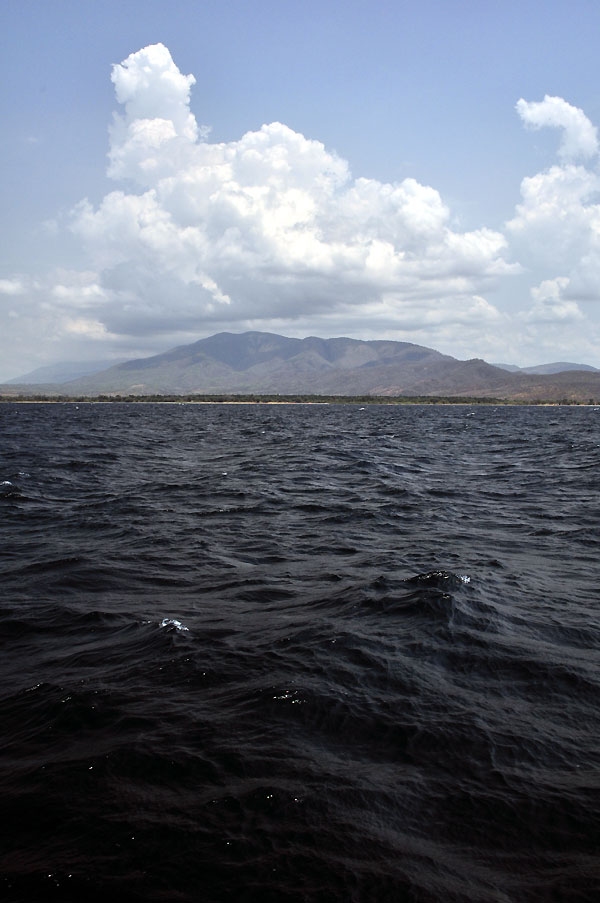
At the edge of Lake Tanganyika, the sun glimmers on the water as you prepare for a kayak adventure.
Mahale Mountains National Park features remote forested mountains rising straight from Lake Tanganyika, accessible by boat or small plane. Known for some of Africa’s best chimpanzee trekking, visitors flock here for the chance to observe these incredible primates in their natural habitat. The park also offers opportunities for kayaking and swimming in the clear waters of the lake, making it a perfect destination for nature enthusiasts. With a population of around 1,000 chimpanzees, this area is a vital conservation site.
Engage in chimp trekking, kayak on Lake Tanganyika, and swim in pristine waters for an unforgettable wildlife experience.
Key takeaways
- Chimp trekking costs around $100 per person, 2026.
- Kayak rentals available for $15 per hour, 2026.
- Expect to see around 1,000 chimpanzees in the park.
- Access the park by boat from Mahale village, 30 minutes.
- Best time for trekking is during the dry season, June to October.
Why visit Mahale Mountains National Park
Mahale Mountains National Park stands out for its remote, forested mountains rising directly from Lake Tanganyika, offering some of Africa’s best chimpanzee trekking. Unlike the more frequented Serengeti or Ngorongoro Crater, Mahale provides a unique blend of wildlife encounters and serene lake activities. The park’s stunning landscapes and rich biodiversity make it a prime spot for both trekking and kayaking, especially around the crystal-clear waters of the lake.
- Experience some of Africa’s best chimpanzee trekking with expert guides.
- Kayak on Lake Tanganyika, one of the world’s largest freshwater lakes.
- Visit during the dry season (June to October) for optimal wildlife viewing.
- Engage with local fishing communities for an authentic cultural exchange.
Best for
This destination is ideal for solo travelers seeking adventure and nature lovers who appreciate wildlife in a remote setting. It’s perfect for those who enjoy active days filled with trekking and kayaking.
Skip if
Avoid Mahale Mountains National Park if you prefer a more developed tourist infrastructure or nightlife; consider the Serengeti for classic safari experiences instead.
Top things to do in Mahale Mountains National Park
Mahale Mountains National Park offers thrilling chimp trekking and stunning kayaking experiences on Lake Tanganyika. These activities highlight the park’s unique wildlife and breathtaking natural beauty.
1. Chimp Trekking ·
Experience one of Africa’s best chimp trekking adventures in their natural habitat.
Join a guided trek through the lush forests of Mahale Mountains to observe wild chimpanzees. The trek can be challenging, but the reward of watching these incredible primates interact is unforgettable. Licensed guides lead the way, ensuring a safe and informative experience.
This trek stands out for its intimate encounters with chimpanzees, unlike other parks where sightings are more sporadic.
- When: Early morning is best, especially from June to October when the weather is cooler and chimps are more active.
- Cost: $100-$150
- Duration: Half day
- How to reach: Start from your lodge within the park, where guides will meet you for the trek.
Solo female travel: Trekking groups often have a mix of travelers, providing a social atmosphere.
2. Kayaking on Lake Tanganyika ·
Paddle through the crystal-clear waters of Lake Tanganyika for a unique perspective of the park.
Rent a kayak and explore the serene shores of Lake Tanganyika, where you can spot wildlife along the banks. The calm waters make for an enjoyable experience, and you might even see hippos or various bird species. Local operators provide kayaks and safety gear.
This activity offers a peaceful contrast to the more strenuous trekking, allowing you to enjoy the stunning scenery at your own pace.
- When: Late afternoon is ideal, especially from May to September when the weather is pleasant.
- Cost: ~$30
- Duration: 2 hours
- How to reach: Kayaks can be rented from local operators near the main beach area of the park.
Insider tip: If closed
Consider a guided boat tour of the lake instead.
3. Guided Nature Walks ·
Discover the diverse flora and fauna of Mahale Mountains on a guided nature walk.
Embark on a guided walk through the park’s trails, where knowledgeable guides share insights about the local ecosystem. You’ll encounter various plant species, birds, and possibly other wildlife. This is a great way to appreciate the park’s biodiversity without the intensity of a trek.
This option is perfect for those who want a more relaxed experience while still engaging with the park’s natural beauty.
- When: Morning walks are best, particularly from June to October when the weather is cooler.
- Cost: ~$50
- Duration: 2-3 hours
- How to reach: Meet your guide at the park entrance or your lodge for a short walk to the trailhead.
4. Swimming at the Beach ·
Relax and swim at one of the beautiful beaches along Lake Tanganyika.
Take a break from activities and enjoy the refreshing waters of Lake Tanganyika at one of the park’s beaches. The sandy shores are perfect for lounging, and the clear waters invite a swim. It’s a great way to unwind after a day of trekking.
This is a simple yet enjoyable way to experience the lake’s beauty without any strenuous effort.
- When: Any time during the day, but afternoons are particularly pleasant from May to September.
- Cost: Free
- Duration: As long as you like
- How to reach: Access the beach from your lodge or designated park areas.
5. Birdwatching ·
Spot a variety of bird species in their natural habitats throughout the park.
Bring your binoculars and enjoy birdwatching in Mahale Mountains, where you can see species unique to the region. Guided tours are available, or you can explore on your own along the trails. The park is home to over 300 bird species, making it a paradise for bird enthusiasts.
This activity is perfect for those who appreciate wildlife but may not want to trek extensively.
- When: Early morning or late afternoon, especially during the wet season from November to April.
- Cost: ~$20 for a guide
- Duration: 2-3 hours
- How to reach: Start from your lodge or the park entrance, where trails lead to prime birdwatching spots.
6. Fishing ·
Try your hand at fishing in the rich waters of Lake Tanganyika.
Fishing in Lake Tanganyika can be a relaxing way to spend your day. Local guides can take you to the best spots, where you can catch various fish species. It’s an excellent opportunity to enjoy the tranquility of the lake while engaging in a local pastime.
This activity provides a different way to connect with the lake and its ecosystem, especially if you enjoy fishing.
- When: Early morning or late afternoon, particularly from May to September.
- Cost: ~$40 for a guided trip
- Duration: Half day
- How to reach: Meet your fishing guide at the main beach area or your lodge.
Book tours and tickets
Booking through these links supports Pack Lightly at no extra cost to you.
24 hours in Mahale Mountains National Park
This day plan is perfect for adventurous travelers eager to experience chimp trekking and the beauty of Lake Tanganyika, balancing effort with relaxation.
Morning
Start your day at 6:00 AM with a guided chimp trek through the lush forests of Mahale Mountains National Park. The early morning light filters through the trees, creating a magical atmosphere as you search for the local chimpanzee families. This trek, led by a certified naturalist guide, offers a chance to observe these incredible primates in their natural habitat, making it a highlight of your trip.
Afternoon
After the trek, return to your eco-lodge for a well-deserved lunch around 12:30 PM. Enjoy a meal featuring fresh local ingredients while overlooking the stunning views of Lake Tanganyika. In the afternoon, take a leisurely kayak trip along the lake’s shoreline, soaking in the serene environment and perhaps spotting some local wildlife. This relaxed activity allows you to unwind after the morning’s exertion.
Evening
As the sun begins to set around 6:30 PM, find a cozy spot on the beach to watch the vibrant colors reflect off the water. For dinner, opt for a local fish dish at one of the family-run restaurants nearby, where you can savor the flavors of the region. The evening atmosphere is calm, perfect for reflecting on the day’s adventures under a starlit sky.
If you have a second day
If you have another day, consider a full-day boat trip to explore more remote areas of Lake Tanganyika, including opportunities for swimming and additional wildlife spotting. Alternatively, a guided hike to higher elevations in the park offers breathtaking views and a chance to see more diverse flora and fauna.
Best time to visit Mahale Mountains National Park
Quick answer
Visit from April to June and October to early December for the best wildlife viewing and pleasant weather.
| Months to go | April to June, October to early December |
|---|---|
| Months to avoid | December to March due to heavy rainfall and humidity. |
The dry season from April to June offers ideal conditions for chimp trekking, with temperatures ranging from 68°F / 20°C to 82°F / 28°C and minimal rainfall. October to early December is also favorable, as wildlife is more active and visible. The heavy rains from December to March can make trails muddy and difficult, while temperatures can rise above 86°F / 30°C, making outdoor activities less enjoyable. Plan your visit during the dry months to ensure the best experience with wildlife and outdoor activities.
Average temperature (°F)
Monthly weather
humid wet, off-peak prices
humid wet, off-peak prices
humid wet, off-peak prices
warm dry, wildlife active
cool dry, great trekking
cool dry, best wildlife viewing
cool dry, best wildlife viewing
cool dry, best wildlife viewing
warm dry, wildlife active
warm dry, wildlife active
warm wet, off-peak prices
humid wet, off-peak prices
How to get to Mahale Mountains National Park
Nearest airport
Kigoma Airport (TKQ), about 35 miles / 56 km from Mahale Mountains National Park
From the airport
Take a pre-arranged boat transfer from Kigoma harbor to the park; this costs around $100-$150, 2026, booked through your lodge or a local operator. Avoid taxis inland – boats are the only direct access and the fastest, most reliable option.
Other ways to arrive
- From Kigoma town, take a public ferry across Lake Tanganyika followed by a lodge-arranged boat transfer, total 2-3 hours, ~$80-$120, 2026
- Fly from Dar es Salaam to Kigoma (1.5 hours), then boat transfer to the park, combined cost ~$250-$350, 2026
- From Bujumbura (Burundi), cross Lake Tanganyika by boat to Kigoma, then transfer to Mahale, full trip 4-6 hours, ~$120-$180, 2026
Getting around Mahale Mountains National Park
Movement inside the park relies on guided walking and boat rides. Booking a certified naturalist guide is essential for chimp trekking and wildlife spotting.
- Guided walking tours: use for chimp trekking and forest trails, included in lodge packages, $50-$70 per day, 2026
- Boat rides: use for lake transfers and spotting aquatic wildlife, arranged by lodges, $30-$60 per trip, 2026
- Porters: hire locally for carrying gear on hikes, $10-$15 per day, 2026
Avoid
Avoid independent hiking or wandering without a guide; trails are dense and wildlife sightings depend on expert knowledge.
Day trips from Mahale Mountains National Park
Day trips from Mahale focus on lake activities and nearby villages, complementing the park’s trekking adventure.
Lake Tanganyika shoreline kayaking
Paddle along the clear lake waters to spot aquatic birds and remote beaches.
Why: Offers a different perspective on the park’s ecosystem and a refreshing break from trekking.
Skip if: Skip if you prefer to focus solely on chimp trekking.
Visit to nearby fishing villages
Experience local lakeside village life and traditional fishing methods.
Why: Gives cultural context to the park’s remote setting and supports community-based tourism.
Skip if: Skip if short on time or focused on wildlife only.
Swimming in Lake Tanganyika
Swim in one of Africa’s largest and clearest freshwater lakes.
Why: Combines wildlife trekking with a cool, scenic lake experience after long hikes.
Skip if: Skip if you dislike open water or have limited time.
Combine Mahale Mountains National Park with
Mahale fits best into an East African itinerary focused on remote wildlife and lake ecosystems.
10-day Tanzania wildlife and lake loop Arusha → Serengeti National Park → Mahale Mountains National Park → Kigoma
Start with classic savanna wildlife in Serengeti, then shift to remote chimp trekking and lake activities in Mahale, ending at Kigoma for departure.
7-day Great Lakes and primate trek Kigoma → Mahale Mountains National Park → Gombe Stream National Park → Kigoma
Combine Mahale’s chimp trekking with Gombe’s primate research trails, both accessed from Kigoma, maximizing primate encounters and lake views.
14-day Tanzania and Burundi border adventure Dar es Salaam → Kigoma → Mahale Mountains National Park → Bujumbura (Burundi)
Fly inland from Dar es Salaam to Kigoma, explore Mahale’s wilderness, then cross Lake Tanganyika to Bujumbura for a cross-border experience.
Where to stay in Mahale Mountains National Park
Compare prices across booking sites on the map below and see which neighbourhood fits your plans.
Accommodations in Mahale Mountains National Park are primarily focused around the lakefront, where you can find eco-lodges and guesthouses that cater to wildlife enthusiasts. Staying near the beach offers easy access to chimp trekking and kayaking, while options further inland provide a quieter experience surrounded by nature.
Mid-range – Lake Tanganyika beachfront
Choose from family-run lodges that provide comfortable rooms and meals, perfect for those looking to connect with nature without breaking the bank. These lodges often lack the amenities of larger resorts but make up for it with personalized service and local insights.
Insider tip: Request a room with a lake view for stunning sunsets.
Solo female travelers
Opt for a lodge with a strong community vibe, where fellow travelers often gather for meals and activities, ensuring a welcoming atmosphere.
Book your stay
Booking through these links supports Pack Lightly at no extra cost to you.
Daily budget for Mahale Mountains National Park
Costs in Mahale Mountains National Park can be higher than other areas in Tanzania due to its remote location and the exclusive nature of activities like chimp trekking and kayaking.
Shoestring
- lodging – basic camping or shared dorms
- food – local eateries or self-catering
- transport – shared taxis or local transport
- activities – self-guided walks or budget tours
- buffer – small expenses
Trade-offs: Expect limited comfort and fewer guided experiences at this level.
Comfort
- lodging – eco-lodge or private tent
- food – mid-range restaurants
- transport – private transfers or guided transport
- activities – organized tours or guided treks
- buffer – miscellaneous costs
Trade-offs: You may miss out on some premium guided experiences and exclusive lodges.
Splurge
- lodging – luxury eco-lodge with full amenities
- food – fine dining or gourmet meals
- transport – private drivers or chartered boats
- activities – exclusive guided tours or private treks
- buffer – extra expenses
Trade-offs: This level offers the best experiences but requires a significant budget.
Money-saver tip
Book activities directly with local guides instead of through tour companies to save on fees.
Splurge that’s worth it
Invest in a guided chimp trekking experience – it’s a rare opportunity to observe these primates in their natural habitat.
Skip to save
Avoid overpriced lodge restaurants; local eateries offer delicious meals at a fraction of the cost.
Practical tips for Mahale Mountains National Park
Money
| Cash or card | Cash is essential in Mahale Mountains National Park; credit cards are rarely accepted. |
|---|---|
| ATMs | There are no ATMs in the park; bring enough cash for your entire stay. |
| Tipping | Tip around 10% for guides and service staff, such as $5 for a half-day tour. |
Safety
Mahale Mountains National Park is generally safe for travelers, but be cautious in remote areas.
Local warnings:
- Beware of sandflies, especially during the warmer months.
Connectivity
| Mobile data | Mobile data coverage is limited; consider purchasing a local SIM from Vodacom for better connectivity. |
|---|---|
| Wi-Fi | Wi-Fi is typically available at lodges but may be slow and unreliable. |
Language
| Main language | Swahili |
|---|---|
| English level | English is spoken at tourist lodges, but proficiency varies among locals. |
Cultural notes
| Dress modestly when visiting local communities. |
| Always ask permission before taking photos of people. |
Solo female travel
Solo female travelers generally find Mahale Mountains welcoming and safe.
| Transport | Use guided transport options at night for safety. |
|---|---|
| Meeting people | Join group activities at lodges to meet fellow travelers. |
Do
- Choose eco-friendly lodges that support conservation efforts.
- Participate in guided tours that promote responsible wildlife viewing.
Don’t
- Do not feed or approach wildlife.
- Avoid purchasing souvenirs made from animal products.
Frequently asked questions about Mahale Mountains National Park
1Is Mahale Mountains National Park worth visiting?
Yes – Mahale Mountains National Park is renowned for its exceptional chimpanzee trekking experiences and stunning landscapes along Lake Tanganyika.
2How many days do you need in Mahale Mountains National Park?
Plan for at least three days. Use the first day for arrival and acclimatization, the second for chimp trekking, and the third for kayaking or swimming.
3When is the best time to visit Mahale Mountains National Park for chimp trekking?
The best time is during the dry season from June to October. This period offers optimal conditions for spotting chimpanzees and enjoying outdoor activities.
4How do you get to Mahale Mountains National Park from Dar es Salaam?
Fly from Dar es Salaam to the nearest airstrip, then take a boat to the park. The flight takes about 1.5 hours, followed by a scenic boat ride.
5Can you swim in Lake Tanganyika at Mahale Mountains National Park?
Yes – swimming is popular in Lake Tanganyika, especially in designated areas near the lodges. The water is clear and refreshing.
6Is Mahale Mountains National Park safe for solo female travelers?
Yes – the park is generally safe for solo female travelers, especially when staying at reputable lodges and joining guided tours.