


The mist rises over the giant lobelia as you trek toward Wagagai Peak.
Mount Elgon National Park is an extinct volcano on the Kenyan border, known for its vast caldera and diverse ecosystems. Trekkers flock here to explore the unique high moorland and caves, with Wagagai Peak standing at 14,178 feet / 4,320 m. The park is home to various wildlife, including rare species like the black-and-white colobus monkey. With its stunning landscapes and rich biodiversity, it’s a prime destination for adventure seekers.
Hike to Wagagai Peak, explore the hot springs, and trek through the unique moorland for unforgettable views.
Key takeaways
- Hike to Wagagai Peak at 14,178 feet / 4,320 m for stunning views.
- Visit the hot springs near the trailhead for relaxation.
- Explore the unique moorland with giant heather and lobelia.
- Expect to pay around $30 for park entry fees.
- Plan your visit during the dry season from June to August.
Why visit Mount Elgon National Park
Mount Elgon National Park stands out among Uganda‘s treasures like Queen Elizabeth National Park and Murchison Falls for its unique volcanic landscape. The park features one of the world’s largest calderas, offering a distinct hiking experience through caves and hot springs. The high moorland, with its giant heather and lobelia, creates a striking backdrop for trekkers aiming for Wagagai Peak.
- Hike through the dramatic caldera, a remnant of an extinct volcano.
- Explore the lesser-known hot springs at Suam River, perfect for a post-hike soak.
- Visit the local villages around the park for authentic cultural interactions.
- Trek during the rainy season (March to May) for fewer crowds and lush scenery.
Best for
Adventure hikers and solo travelers seeking a challenging trek will thrive here. Those comfortable with basic accommodations and rough buses will find this park rewarding.
Skip if
Skip Mount Elgon if you’re looking for wildlife safaris or vibrant nightlife; consider Queen Elizabeth National Park instead for those experiences.
Top things to do in Mount Elgon National Park
Mount Elgon National Park offers thrilling hikes, stunning landscapes, and unique wildlife experiences centered around its massive caldera. Start with the trek to Wagagai Peak for breathtaking views and a true sense of adventure.
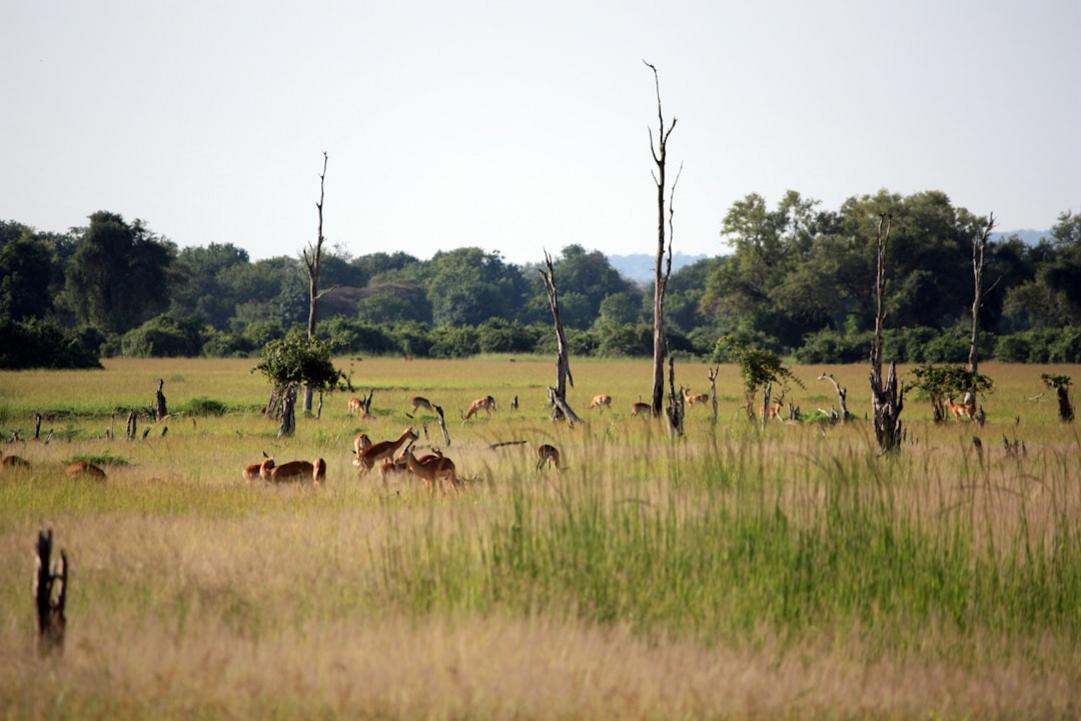
1. Hike to Wagagai Peak ·
Conquer the highest point in Mount Elgon for panoramic views of the caldera.
The trek to Wagagai Peak takes you through lush forests and high moorland, showcasing giant heather and lobelia. Guided by one of the licensed outfitters in the park, you’ll navigate rocky paths and enjoy the diverse flora and fauna along the way. The sense of accomplishment upon reaching the summit is unmatched.
This hike is the highlight of Mount Elgon, offering a more challenging and rewarding experience than the easier trails.
- When: Start early in the morning, ideally between June and September for the best weather.
- Cost: ~$50
- Duration: Full day
- How to reach: From the park entrance, take a guided tour that begins at the trailhead, accessible by a short drive from the visitor center.
Solo female travel: Group hikes are common, providing a social atmosphere.
2. Explore the Sipi Falls ·
Visit the stunning Sipi Falls, a series of three waterfalls cascading down the cliffs.
A short drive from the park, Sipi Falls offers a scenic hike that takes you to each of the three waterfalls. The trail is well-marked, and you can enjoy the refreshing mist as you walk. Local guides can share stories about the area and its significance.
Sipi Falls is a perfect complement to the park’s hiking, providing a different landscape and a chance to cool off.
- When: Visit during the dry season, from June to September, for the best views.
- Cost: ~$20
- Duration: Half day
- How to reach: Take a taxi or arrange transport from the park entrance to Sipi Falls, about 30 minutes away.
Insider tip: If closed
Consider visiting the nearby coffee plantations for a tour instead.
3. Visit the Hot Springs ·
Relax in the natural hot springs nestled in the park’s lush landscape.
The hot springs are a unique feature of Mount Elgon, where you can soak in warm mineral-rich waters surrounded by nature. The area is accessible via a short hike, making it a great way to unwind after a day of trekking.
This experience offers a soothing contrast to the physical exertion of hiking, enhancing your visit.
- When: Best visited in the afternoon when the sun is not too harsh.
- Cost: ~$10
- Duration: 2 hours
- How to reach: Follow the marked trail from the main visitor center, about a 30-minute walk.
4. Birdwatching in the Park ·
Spot rare bird species in one of Uganda’s top birding destinations.
Mount Elgon is home to over 300 bird species, making it a paradise for birdwatchers. Join a guided tour to explore various habitats, from montane forests to open moorlands, where you can see species like the endangered Lammergeier.
This activity allows you to appreciate the park’s biodiversity without the physical strain of hiking to the peak.
- When: Early morning is ideal, especially during the wet season from March to May.
- Cost: ~$30
- Duration: Half day
- How to reach: Meet your guide at the park entrance for a short briefing before heading out on foot.
Insider tip: If closed
Visit the nearby community for a cultural experience instead.
5. Cave Exploration ·
Discover the fascinating caves formed by volcanic activity in the park.
The caves near the park are remnants of Mount Elgon’s volcanic past, offering a glimpse into its geological history. Guided tours provide insights into their formation and the wildlife that inhabits them, making for an intriguing adventure.
Cave exploration adds a unique dimension to your visit, showcasing the park’s volcanic origins.
- When: Any time of year, but mornings are cooler and more comfortable for exploration.
- Cost: ~$25
- Duration: 2-3 hours
- How to reach: Access the caves via a short hike from the main trailhead, guided by local operators.
6. Nature Walks in the Park ·
Enjoy leisurely walks through diverse ecosystems with a local guide.
Nature walks allow you to explore the park’s rich biodiversity at a relaxed pace. A knowledgeable guide will point out unique plants and animals, making this a great option for those who prefer less strenuous activities.
This is an excellent way to experience the park’s beauty without the commitment of a full hike.
- When: Any time of year, but mornings are best for cooler temperatures.
- Cost: ~$15
- Duration: 2 hours
- How to reach: Meet your guide at the visitor center for a brief orientation before heading out.
7. Photography at the Caldera ·
Capture stunning landscapes and wildlife in the park’s expansive caldera.
The caldera offers breathtaking views and unique photographic opportunities, especially during sunrise or sunset. Bring your camera and explore various vantage points to capture the beauty of Mount Elgon’s landscape.
This activity is perfect for those who want to appreciate the park’s beauty without a strenuous hike.
- When: Early morning or late afternoon for the best light.
- Cost: Free
- Duration: 1-2 hours
- How to reach: Access the caldera via the main trails, which are well-marked from the visitor center.
Book tours and tickets
Booking through these links supports Pack Lightly at no extra cost to you.
24 hours in Mount Elgon National Park
This day plan is perfect for adventure hikers eager to tackle the trails of Mount Elgon National Park while enjoying local flavors and scenery.
Morning
Start your day early at 6:00 AM with a hearty breakfast at a local café near the park entrance, fueling up for the trek ahead. By 7:00 AM, hit the trail to Wagagai Peak, the highest point in the park, where the morning light casts a golden hue over the landscape. The trek takes about 4-5 hours, offering stunning views of the caldera and unique flora like giant lobelia along the way.
Afternoon
Arrive at the peak around noon, taking a moment to soak in the panoramic vistas before heading back down. By 1:00 PM, enjoy lunch at a nearby lodge, where you can savor traditional Ugandan dishes like matoke and groundnut sauce. After lunch, take a leisurely stroll through the park’s lower trails, exploring the caves and hot springs that dot the landscape, which can be a refreshing way to unwind after your morning hike.
Evening
As the sun sets around 6:30 PM, find a scenic viewpoint near the park entrance to watch the sky change colors. For dinner, head to a local eatery that serves grilled meats and fresh vegetables, where you can mingle with locals and fellow travelers. The evening atmosphere is relaxed, perfect for sharing stories of the day’s adventures.
If you have a second day
If you have another day, consider exploring the Sipi Falls area, where you can hike to multiple waterfalls and enjoy the lush surroundings. Alternatively, visit a local village to learn about the culture and traditions of the Bagisu people.

Best time to visit Mount Elgon National Park
Quick answer
Visit from April to June and October to early December for the best trekking conditions.
| Months to go | April to June, October to early December |
|---|---|
| Months to avoid | July and August due to heavy rainfall and trail closures. |
The climate at Mount Elgon National Park significantly impacts trekking activities. April to June and October to early December offer milder temperatures, averaging 60-75°F / 16-24°C, and less rainfall, making trails accessible. In contrast, July and August see increased precipitation, which can lead to trail closures and muddy conditions. The dry months allow for better visibility and easier navigation through the park’s diverse landscapes, enhancing the trekking experience.
Average temperature (°F)
Monthly weather
cool dry, good trekking
warm dry, fewer crowds
warm wet, start of rains
cool wet, trails open
cool wet, peak rains
cool dry, great hiking
cool wet, trails may close
cool wet, difficult trekking
cool dry, good visibility
cool dry, best trekking
cool wet, trails accessible
cool dry, great for hiking
How to get to Mount Elgon National Park
Nearest airport
Entebbe International Airport (EBB), about 130 miles / 210 km southwest of Mount Elgon National Park
From the airport
Take a shuttle or private taxi from Entebbe Airport to Mbale town, the nearest urban center to Mount Elgon National Park, costing around $70-$90 (2026). Book a shuttle through major transport companies at the airport terminal for reliability and comfort.
Other ways to arrive
- Kampala, Uganda by bus or private car, 4-5 hours, $20-$35 (2026)
- Eldoret, Kenya by bus or shared taxi, 3-4 hours, $15-$25 (2026)
- Nairobi, Kenya by domestic flight to Eldoret plus bus, 5-7 hours total, $50-$80 (2026)
Getting around Mount Elgon National Park
Local transport relies heavily on boda-bodas (motorcycle taxis) and shared minibuses, but for trekking access, hiring a private 4×4 or arranging transport through your lodge is best. For solo adventure hikers, a pre-arranged vehicle or guided transfer ensures timely arrival at trailheads.
- Boda-boda: Use for short trips within Mbale or park edges, costs around $2-$5 (2026).
- Shared minibus (matatu): Best for budget travel between towns near the park, $3-$7 per trip (2026).
- Private 4×4 rental or lodge transfer: Essential for reaching remote trailheads and carrying gear, expect $50-$80 per day (2026).
Avoid
Avoid relying on boda-bodas after dark due to limited lighting and road conditions.
Day trips from Mount Elgon National Park
These day trips complement the volcano trek with cultural insights and natural features outside the park boundary.
Sipi Falls, Eastern Uganda
Experience a series of three waterfalls with hiking and rappelling options.
Why: Sipi Falls offers a different terrain and adrenaline activities that contrast the volcanic moorland of Mount Elgon.
Skip if: Skip if focused solely on summit trekking or if short on time.
Mbale Town Market
Explore local produce, crafts, and street food in a bustling market setting.
Why: Visiting the market gives a grounded sense of the local community supporting park tourism.
Sirikwa Cultural Site
See ancient stone ruins linked to the region’s early inhabitants.
Why: This site adds historical depth to the natural adventure of Mount Elgon, connecting hikers with local heritage.
Skip if: Skip if prioritizing physical activity over cultural stops.
Combine Mount Elgon National Park with
Mount Elgon fits naturally into an active Uganda itinerary that balances wildlife, hiking, and cultural immersion.
10-day Uganda adventure loop Kampala → Mount Elgon National Park → Sipi Falls → Mbale → Murchison Falls National Park
This route progresses from urban to highland volcano trekking, then to waterfalls and savannah wildlife, optimizing travel times and activity variety.
7-day Eastern Uganda trek and culture Mbale → Mount Elgon National Park → Sirikwa Cultural Site → Jinja
Focuses on the volcano’s natural challenge, local history, and ends with the adventure sports hub of Jinja, all within manageable driving distances.
Where to stay in Mount Elgon National Park
Compare prices across booking sites on the map below and see which neighbourhood fits your plans.
Accommodations near Mount Elgon National Park cater primarily to trekkers and adventure seekers. Most travelers prefer staying close to the trailheads, particularly in the towns of Mbale and Budadiri, which offer easy access to the park’s hiking routes.
Budget – Budadiri
Hostels and basic guesthouses provide affordable lodging for budget-conscious travelers. Expect shared facilities and a social atmosphere, but limited amenities.
Insider tip: Look for guesthouses that offer breakfast included in the rate for added value.
Mid-range – Mbale
Family-run guesthouses and lodges offer comfortable rooms with local charm and home-cooked meals. These places provide a good balance of comfort and affordability, though they may lack some modern amenities.
Insider tip: Request a room with a view of the mountain for a more scenic experience.
Solo female travelers
Choose a guesthouse in Mbale with good reviews for safety and a welcoming atmosphere.
Book your stay
Booking through these links supports Pack Lightly at no extra cost to you.
Where to eat and drink in Mount Elgon National Park
Mount Elgon National Park offers a unique culinary experience influenced by its rich agricultural surroundings. The region is known for its fresh produce, particularly the locally grown Arabica coffee and a variety of vegetables that feature prominently in traditional dishes.
Must-try dishes
Matoke (Steamed Green Bananas)
Steamed green bananas served with a sauce made from tomatoes, onions, and spices.
Insider tip: Try it with a side of groundnut sauce for added flavor.
Posho (Maize Porridge)
A thick porridge made from maize flour, often served as a side dish.
Insider tip: Pair it with a spicy vegetable stew for a hearty meal.
Luwombo (Stew)
A rich stew made with meat or fish, vegetables, and groundnut paste, cooked in banana leaves.
Insider tip: Order it during lunch for the freshest preparation.
Local drinks
- Arabica CoffeeVisit any of the coffee shops in Mbale that focus on local brews.
Locally grown coffee known for its smooth flavor and aromatic profile. - Malwa (Traditional Brew)Try it at local bars or during community events in the surrounding villages.
A fermented drink made from millet or sorghum, often enjoyed during social gatherings.
How to eat like a local in Mount Elgon National Park
Lunch is the main meal of the day, with many local eateries closing by 4:00 PM. Aim to have your big meal around noon to enjoy the freshest dishes.
Daily budget for Mount Elgon National Park
Mount Elgon National Park offers a mix of affordability and unique experiences, with costs skewing slightly higher due to its remote location and the need for guided treks.
Shoestring
- lodging – dormitory in a local hostel
- food – meals at local eateries
- transport – shared taxi or local bus
- activities – basic guided trek
- buffer – miscellaneous expenses
Trade-offs: Expect basic accommodations and limited dining options.
Comfort
- lodging – private room in a guesthouse
- food – meals at mid-range restaurants
- transport – private transport for convenience
- activities – guided trek with added features
- buffer – miscellaneous expenses
Trade-offs: You may miss out on more luxurious lodging options.
Splurge
- lodging – upscale lodge with amenities
- food – dining at high-end restaurants
- transport – private driver for the day
- activities – premium guided tours with extras
- buffer – miscellaneous expenses
Trade-offs: Expect to pay a premium for comfort and convenience.
Money-saver tip
Book your guided treks directly with local operators rather than through intermediaries to save up to 20%.
Splurge that’s worth it
Opt for a premium guided trek that includes meals and gear, offering a richer experience of the park’s unique landscapes.
Skip to save
Avoid overpriced lodge restaurants; local eateries offer delicious meals at a fraction of the cost.
Practical tips for Mount Elgon National Park
Money
| Cash or card | Cash is preferred in Mount Elgon National Park, as many places do not accept cards. |
|---|---|
| ATMs | There are a few ATMs in nearby towns, but they may have limited functionality with foreign cards and can charge high fees. |
| Tipping | Tip around 10% for guides and drivers, which is appreciated for good service. |
Safety
Mount Elgon National Park is generally safe for travelers, but it’s wise to stay aware of your surroundings, especially in remote areas.
Local warnings:
- Altitude sickness can affect those hiking to higher elevations, so acclimatize properly.
- Sandflies are prevalent, especially in the wet season; use insect repellent.
Connectivity
| Mobile data | Mobile data coverage is decent in Mount Elgon National Park; consider getting a local SIM from MTN or Airtel for better connectivity. |
|---|---|
| Wi-Fi | Wi-Fi is limited, mostly available in larger lodges and some cafes, but expect slow speeds. |
Language
| Main language | Luganda |
|---|---|
| English level | English is spoken in tourist areas, but proficiency varies, so basic phrases in Luganda can help. |
Cultural notes
| Dress modestly, especially when visiting local communities or religious sites. |
| Always ask permission before taking photos of people. |
Solo female travel
Solo female travelers generally find Mount Elgon National Park welcoming and safe, especially during the day.
| Transport | Use registered taxis or arrange transport through your accommodation for night travel. |
|---|---|
| Meeting people | Join group hikes or tours to meet fellow travelers and locals. |
Frequently asked questions about Mount Elgon National Park
1Is Mount Elgon National Park worth visiting?
Yes – Mount Elgon National Park is a prime destination for trekkers seeking stunning views and unique landscapes, particularly the expansive caldera.
2How many days do you need in Mount Elgon National Park?
Plan for at least 3 days. Use the first day for acclimatization, the second for the trek to Wagagai Peak, and the third for exploring caves and hot springs.
3When is the best time to visit Mount Elgon National Park for trekking?
The best time is from June to September, when the weather is drier and more favorable for hiking.
4Do you need a car to visit Mount Elgon National Park?
Yes – a 4×4 vehicle is recommended to navigate the rough roads leading to the park entrance, especially during the rainy season.
5Is Mount Elgon National Park safe for solo female travelers?
Yes – the park is generally safe for solo female travelers, especially during the day, but it’s wise to stay in well-populated areas at night.
6Can you swim in the hot springs at Mount Elgon National Park?
Yes – the hot springs are accessible and offer a relaxing spot to unwind after a day of trekking.
7What should you NOT do in Mount Elgon National Park?
Avoid straying off marked trails. This can lead to dangerous situations, especially in areas with steep drops or wildlife.