

Malaysia offers smoother logistics and safer streets; Indonesia delivers bigger adventures at a cost.
Malaysia wins on travel ease and safety for US citizens. Visa-free entry for 90 days simplifies arrival, while Indonesia requires a $35 visa on arrival for 30 days. Kuala Lumpur’s airport connects to the city center in 45 minutes via the KLIA Ekspres train, compared to Jakarta’s 60-minute taxi ride through heavy traffic. Malaysia’s Pack Lightly safety score (75/100) beats Indonesia’s (65/100), making it the better choice if you prioritize straightforward logistics and secure streets. Daily budgets in Kuala Lumpur start around $90 for midrange travelers, slightly higher than Indonesia’s $70 but balanced by better infrastructure.

Indonesia offers more variety but demands more planning. With 284 million people spread across 17,000 islands, getting around requires internal flights or ferries, adding time and cost. The tropical climate means Jakarta sees 14 inches / 356 mm of rain in April, while Kuala Lumpur’s wettest month hits 23 inches / 584 mm in May. Indonesia’s Pack Lightly nature score (90/100) leads Malaysia’s (80/100), rewarding those willing to navigate its complexity with active adventures like diving in Raja Ampat or hiking Mount Rinjani. For travelers who want culture and beaches without constant transit hassles, Malaysia’s compact cities and English prevalence make it the simpler choice.
Insider tip: In Bali, $15 scooter rentals beat Jakarta taxis stuck in traffic by 30 minutes daily.
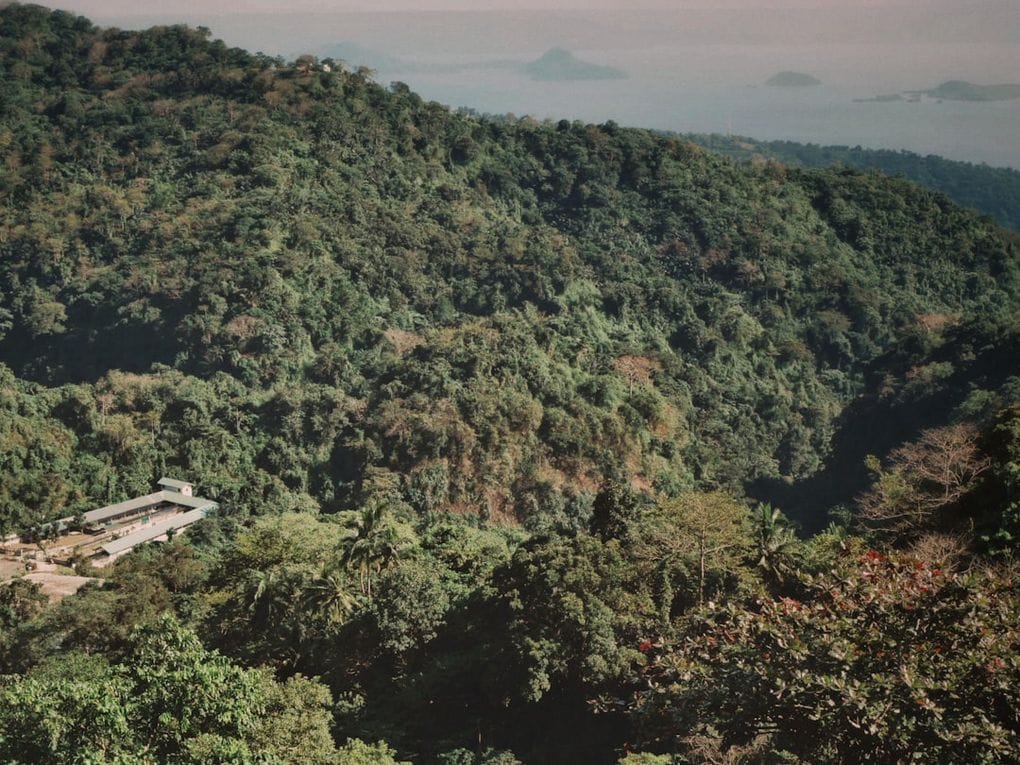
Indonesia’s massive population spread over thousands of islands means travel requires more time and internal flights.
Indonesia vs Malaysia: Key Travel Differences
| Topic | Indonesia | Malaysia |
|---|---|---|
| Visa Requirements | $35 visa on arrival for 30 days | Visa-free for US citizens 90 days |
| Safety | Pack Lightly safety score 65/100, Jakarta has petty crime | Pack Lightly safety score 75/100, Kuala Lumpur safer at night |
| Transport & Infrastructure | Internal flights needed, Jakarta airport 60-min taxi to city | KLIA Ekspres train 45 min to city, extensive highways |
| Budget Level | $70/day midrange, $15 scooter rentals common | $90/day midrange, taxis and Grab rides cheaper |
| Nature & Landscape | Diving in Raja Ampat, Mount Rinjani hikes | Cameron Highlands tea farms, Langkawi beaches |
| Language Barrier | Indonesian only, limited English outside tourist spots | English widely spoken, Malay official |
| Crowds in Peak Season | Bali crowded July-August, remote islands quiet | Kuala Lumpur busy December holidays, Langkawi less crowded |
| Accommodation Quality | $30 bungalows on Gili Islands, variable hotel standards | $50 hotels in Kuala Lumpur, reliable chains |
| Cultural Depth | Thousands of ethnic groups, temples in Yogyakarta | Islamic heritage in Malacca, colonial architecture |
| Digital Nomad Suitability | Wi-Fi spotty outside cities, Bali coworking hubs | Fast internet in Kuala Lumpur, many cafes |

Best for Indonesia
- Couples with $70/day for 2-week beach and volcano trip
- Solo divers chasing manta rays on $40/day in Raja Ampat
- Adventurers who accept internal flights and scooter rentals
Best for Malaysia
- First-timers with $100/day wanting easy city and beach access
- Solo travelers avoiding language barriers and complex visas
- Business travelers needing reliable internet and safety
Indonesia vs Malaysia: Key Travel Decisions
- If you want visa-free entry and simpler arrival, choose Malaysia. US citizens get 90 days without a visa.
- If safety is your priority, choose Malaysia. Pack Lightly’s safety score is 75/100 versus Indonesia’s 65/100.
- If you prefer lower daily costs and don’t mind complex logistics, choose Indonesia, $70/day budget beats Malaysia’s $90/day.
- If you want better transport infrastructure, choose Malaysia. KLIA Ekspres train connects airport to city in 45 minutes.
- If your trip focuses on nature and active adventures, choose Indonesia. Pack Lightly’s nature score is 90/100 versus Malaysia’s 80/100.
- If you need English widely spoken and easier communication, choose Malaysia. English is common, unlike Indonesia’s Indonesian-only.
Pack Lightly Scores
11 categories scored from 0 (low) to 100 (high)
Pinpoint your best travel timing
Use the interactive comparison tool to filter by season and budget. It scores 11 categories weighted by your travel style to reveal your ideal choice and timing.
What you’ll actually spend

Indonesia is cheaper for mid-range travelers by about $14 per day. Prices are shown in IDR and MYR, with exchange rates 1 IDR = 0.00005845 USD and 1 MYR = 0.2516 USD. Indonesia’s vast geography means some places cost less but travel can add up. Malaysia is pricier but more predictable and easier to navigate.
Daily cost comparison Indonesia vs Malaysia
| Category | Indonesia (IDR & USD) | Malaysia (MYR & USD) |
|---|---|---|
| Backpacker daily budget | IDR 260,000 – 450,000 ($15.18 – $26.30) | MYR 70 – 110 ($17.61 – $27.68) |
| Mid-range daily budget | IDR 700,000 – 1,100,000 ($40.92 – $64.29) | MYR 200 – 320 ($50.32 – $80.51) |
| Luxury daily budget | IDR 2,500,000 – 4,000,000 ($146.13 – $233.80) | MYR 800 – 1,200 ($201.28 – $301.92) |
| Street food meal | IDR 15,000 – 30,000 ($0.88 – $1.75) | MYR 5 – 10 ($1.26 – $2.52) |
| Restaurant meal | IDR 60,000 – 120,000 ($3.51 – $7.02) | MYR 20 – 40 ($5.03 – $10.06) |
| Local transport (per day) | IDR 25,000 – 50,000 ($1.46 – $2.92) | MYR 10 – 20 ($2.52 – $5.03) |
| Activities/tours (average) | IDR 150,000 – 350,000 ($8.77 – $20.46) | MYR 70 – 150 ($17.61 – $37.74) |
| Hidden costs (visa, tipping, fees) | Visa on arrival $35, tipping rare, park fees $5 – $10 | Visa-free 90 days, tipping uncommon, entrance fees $10 – $20 |
Indonesia wins on price across every budget level and most daily expenses. Malaysia costs more but offers better infrastructure and safety, reflected in Pack Lightly budgetFriendly scores: Indonesia 85, Malaysia 80. Choose Indonesia if cutting costs is priority; Malaysia if you want easier logistics with a higher price tag. Hotels IndonesiaHotels Malaysia
Pro tip: Use local angkots in Indonesia for cheap transport instead of taxis.
Watch out: Hidden park entrance fees and tourist taxes add up in Indonesia.
What you’ll eat

Malaysia wins the street food battle with cleaner, more accessible hawker centers. Try nasi lemak for $1.50 in Kuala Lumpur’s Jalan Alor or satay for $2. Indonesia’s street eats like bakso (meatball soup) in Jakarta cost about $1 but often come with less hygiene control.
Both countries cater well to halal diets. Malaysia is fully halal-friendly, making it easier for Muslim travelers. Indonesia has pockets where halal options are scarce, especially in tourist islands. Vegetarians will find Malaysia’s wider variety of vegetable-based dishes and tofu options more reliable.
Alcohol is easier to find in Malaysia’s urban centers with popular beers like Tiger and Carlsberg widely available. Indonesia restricts alcohol more, especially in Muslim-majority areas, but Bali offers local Bintang beer. Non-alcoholic options like teh tarik (pulled tea) in Malaysia and es cendol (sweet iced drink) in Indonesia are common and refreshing.
Food and drink comparison
| Category | Indonesia | Malaysia |
|---|---|---|
| Signature dish | Nasi goreng (fried rice) with prices around $1.50 in Jakarta | Nasi lemak (coconut rice) for $1.50 in Kuala Lumpur |
| Street food quality | Varied hygiene, great flavors but inconsistent; bakso and satay common | Clean, organized hawker centers; satay, roti canai stand out |
| Vegetarian-friendly | Limited options outside major cities; tofu and tempeh dishes available | More vegetarian dishes and clear labeling in hawker centers |
| Restaurant variety | Wide variety but uneven quality; more local-focused menus | Diverse options including Malay, Chinese, Indian cuisines |
| Drink culture | Alcohol restricted except Bali; local Bintang beer and sweet iced drinks | Alcohol widely available; Tiger beer popular; strong tea culture |
Nasi lemak
Iconic dish at affordable price in a top street food hub
Insider tip: Skip touristy stalls on Jalan Alor; head to Lot 10 Hutong food court for cleaner, tastier options.
Where to sleep

Both Indonesia and Malaysia score 75 on hotel quality, but Malaysia edges out with more consistent mid-range and boutique hotels in Kuala Lumpur’s Bukit Bintang and Penang’s George Town. Indonesia offers great value in Bali’s Seminyak and Ubud but quality varies widely. Use Hotels Indonesia for Indonesia and Hotels Malaysia for Malaysia to find reliable options.
Watch out for budget hostels in Jakarta’s Kota Tua and Kuala Lumpur’s Chinatown; some have poor reviews and outdated facilities. Even Malaysia’s winning streak has weak spots in remote islands where options are limited and expensive. Indonesia’s sprawling geography means some areas have very limited quality lodging, so plan ahead.
See full lodging breakdown by budget
Typical stays by budget
| Type | Indonesia | Malaysia |
|---|---|---|
| Budget hostels | Hostels in Jakarta’s Kota Tua, $10-$15/night, basic but functional | Hostels in Kuala Lumpur’s Chinatown, $12-$18/night, cleaner and safer |
| Mid-range hotels | 3-star hotels in Bali’s Seminyak, $40-$70/night, good amenities | 3-star hotels in Bukit Bintang, $50-$80/night, modern and reliable |
| Boutique stays | Boutique guesthouses in Ubud, $60-$90/night, artistic vibe | Boutique hotels in Penang’s George Town, $70-$100/night, heritage style |
| Luxury resorts | Beach resorts in Bali, $150-$300/night, high-end but pricey | Luxury hotels in Kuala Lumpur city center, $180-$350/night, polished |
| Alternatives | Homestays and villas in Lombok, $50-$100/night, more secluded | Serviced apartments in Johor Bahru, $60-$90/night, practical for longer stays |
Booking tip: Book Bukit Bintang hotels 2-3 weeks ahead for best rates on Agoda or Booking.com.
What it actually feels like

A typical day in Indonesia starts at dawn on Bali’s Kuta Beach. Vendors set up stalls, fishermen unload fresh catch, and the air mixes salty ocean spray with sizzling street food. Streets buzz with scooters weaving through crowds, a chaotic but alive rush.
In Kuala Lumpur, morning hits Bukit Bintang with sleek cafes opening and office workers grabbing kopi. The city feels efficient, clean, and fast. Air-conditioned malls offer refuge from the tropical heat while Petronas Towers gleam in the distance.
Indonesia demands patience. Island hopping means multiple flights or boats, spotty Wi-Fi, and language gaps. Malaysia offers smoother transit, better signage, and more English speakers, but the crowds can feel corporate and less raw.
Indonesia is for those who want wild nature and cultural extremes. Malaysia suits travelers who prioritize convenience, urban exploration, and diverse food scenes without the constant scramble.
Indonesia highlights
- Borobudur Temple(Central Java): Sunrise view over the largest Buddhist temple complex in the world.
- Gili Islands(Lombok): No motor vehicles, crystal-clear waters, and some of Indonesia’s best snorkeling.
- Mount Bromo(East Java): Watch the sunrise over an active volcano with surreal, smoky landscapes.
- Ubud Monkey Forest(Bali): Sacred forest sanctuary with cheeky macaques and ancient temples.
Malaysia highlights
- Petronas Towers(Kuala Lumpur): Walk the sky bridge and admire the city from the observation deck.
- George Town Street Art(Penang): Explore vibrant murals and heritage buildings on foot or by bicycle.
- Cameron Highlands(Pahang): Tea plantations and cooler weather for a break from the tropical heat.
- Langkawi Sky Bridge(Langkawi): Suspended curved bridge with panoramic views over rainforest and sea.
Ideal duration: Indonesia: 10 – 14 days, vast islands and diverse activities require time. · Malaysia: 7 – 10 days, compact, well-connected, easy to cover highlights.
What to do in Indonesia & Malaysia
Indonesia
- Watch sunrise at Borobudur Temple.
- Snorkel around Gili Islands’ coral reefs.
- Hike Mount Bromo before dawn.
- Explore Ubud’s traditional markets and Monkey Forest.
Malaysia
- Visit Petronas Towers early morning to avoid crowds.
- Cycle through George Town’s street art trail.
- Take a tea plantation tour in Cameron Highlands.
- Walk Langkawi Sky Bridge for scenic views.
What to skip in Indonesia & Malaysia
Indonesia
- Skip overly touristy Kuta Beach at peak hours.
- Avoid Jakarta’s traffic jams during rush hour.
- Don’t rely on public transport for long-distance travel.
Malaysia
- Skip overpriced tourist traps in Bukit Bintang.
- Avoid weekend visits to Penang’s busiest streets.
- Don’t expect island hopping as easy as Indonesia.
Choose based on
- If you want easier travel and city comforts, choose Malaysia, touristInfrastructure 80.
- If you crave natural extremes and adventure, choose Indonesia, nature 90.
- If budget is your priority, choose Indonesia, budgetFriendly 85.
- If you prefer safer, smoother logistics, choose Malaysia, safety 75.
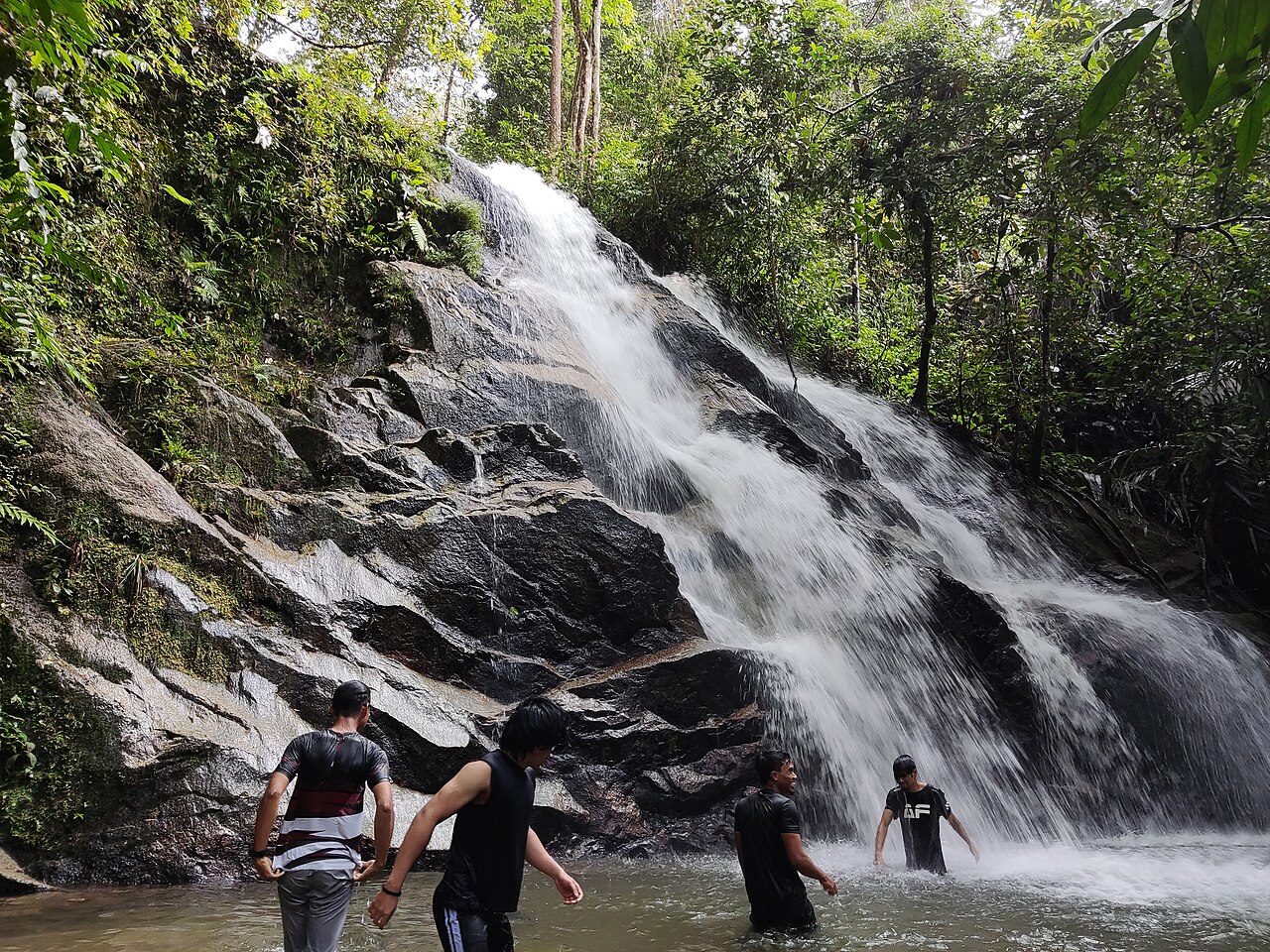
Indonesia’s travel challenges demand effort but reward with unmatched natural and cultural diversity.
Real safety picture

Malaysia scores higher on safety with a 75 versus Indonesia’s 65 on Pack Lightly. You will find Malaysia’s urban areas like Kuala Lumpur generally more secure than Jakarta or Bali. Solo female travelers report fewer issues in Malaysia but still need to watch nightlife districts. Both countries have common scams and traffic risks that can catch you off guard.
Insurance: Buy cover before you go and it runs the whole trip, with 5% off Heymondo through this link. Check Heymondo travel insurance
See detailed safety factors table
Safety factors compared
| Factor | Indonesia | Malaysia | Practical tip |
|---|---|---|---|
| Pickpocketing | Common in Jakarta’s Old Town and crowded markets like Pasar Baru. | More frequent in Kuala Lumpur’s Bukit Bintang area and public transit hubs. | Use the Grab app for rides and keep valuables in front pockets or a money belt. |
| Tourist scams | Fake taxi meters and overpriced tours around Kuta Beach. | Taxi overcharging and fake shopping deals near Petronas Towers. | Book official taxis or rides via Grab and confirm prices before accepting. |
| Solo female traveler safety | Avoid poorly lit areas in Jakarta and late-night motorbike taxis. | Stick to well-known neighborhoods like Bangsar and avoid isolated streets. | Use the MySejahtera app in Malaysia to stay updated on local advisories. |
| Health risks | Dengue fever hotspots in Jakarta and Bali; drink only bottled water. | Lower dengue risk but still present; tap water not safe to drink. | Download the CDC app for health alerts and carry mosquito repellent. |
| Road safety | High accident rates; chaotic traffic in Jakarta and Bali with many scooters. | Better road conditions but watch for aggressive driving in Kuala Lumpur. | Use Grab rather than renting scooters, especially at night. |
| Natural disasters | Earthquakes and volcanic eruptions possible, especially near Bali and Java. | Flooding during monsoon season in low-lying areas like Kuala Lumpur. | Check local weather apps and avoid travel during heavy monsoon rains. |
Scam spotlight: Kuta Beach taxis
How it works: Drivers offer rides at inflated fixed prices, refusing meters or apps.
How to avoid: Pre-book rides with Grab or negotiate prices firmly before getting in.
Watch out: Paying $50+ for a fake taxi ride in Bali instead of $5 with Grab.
Insider tip: Jakarta’s traffic jams can trap you in unsafe areas; always have a backup ride.
Visa and entry rules compared
Indonesia requires a $35 e-VoA visa for US citizens plus mandatory ECD registration. Malaysia is visa-free but requires MDAC registration within 3 days before arrival. Indonesia’s process is more complex despite the visa-on-arrival option.
Full visa & entry requirements table
Visa and entry requirements
| Factor | Indonesia | Malaysia | Practical note |
|---|---|---|---|
| Visa requirement | Yes | No | Indonesia requires an e-VoA visa; Malaysia offers visa-free entry. |
| Visa type & cost | e-VoA, ~$35 | Visa-free, Free | Indonesia charges $35 for e-VoA; Malaysia has no visa fee. |
| Application process | Apply online at evisa.imigrasi.go.id + ECD registration via ecd.beacukai.go.id | MDAC registration mandatory within 3 days before arrival via imigresen-online.imi.gov.my | Indonesia requires two online steps; Malaysia requires MDAC pre-arrival registration. |
| On-arrival option | Yes, e-VoA available on arrival but better to apply online | No | Indonesia allows visa on arrival e-VoA; Malaysia does not. |
| Max stay & extension | 30 days, extendable once | 90 days, no extension | Indonesia offers 30-day stay with one extension; Malaysia grants 90 days. |
| Digital entry systems (TDAC/ECD/ETIAS/eTravel) | ECD customs declaration mandatory at ecd.beacukai.go.id | MDAC registration required pre-arrival at imigresen-online.imi.gov.my | Both countries require digital registration beyond visa applications. |
Visa and registration rules change frequently; always check official government sites before travel. Secondary systems like ECD and MDAC update independently of visa policies. for coverage.
How you’ll move

Malaysia is easier to navigate thanks to its compact size and a decent rail network, while Indonesia’s vast archipelago demands more flights and ferries. Pack Lightly touristInfrastructure: Indonesia 70, Malaysia 80. The biggest difference is Indonesia’s dependence on domestic flights and ferries to connect islands, versus Malaysia’s integrated trains and buses on the peninsula.
Compare every transport option side-by-side
Comparing key transport modes
| Mode | Indonesia | Malaysia | Practical note |
|---|---|---|---|
| Domestic flights | Garuda Indonesia, Lion Air; Jakarta to Bali $50-$70, 1h 30m | AirAsia, Malaysia Airlines; Kuala Lumpur to Langkawi $25-$40, 1h | Book 2 weeks ahead on Traveloka for best fares in both countries. |
| Buses | Perama Tour buses, Jakarta to Yogyakarta $10, 8h | Plusliner, Kuala Lumpur to Penang $15, 4h | Use RedBus app in Malaysia and Tiket.com in Indonesia for seats. |
| Trains | Limited services; Jakarta-Bandung $7, 3h | KTM ETS high-speed Kuala Lumpur to Ipoh $10, 2h | Book KTM ETS tickets on ktmb.com.my up to 30 days in advance. |
| Taxi/ride-hailing | Gojek, Grab; Jakarta $2-$5 per short ride | Grab dominant; Kuala Lumpur $1.50-$4 short ride | Always use the official app, avoid street hails to lock fares. |
| Ferries | Pelni ferries and fast boats; Bali to Lombok $20, 2h | Penang ferry $1.20, 15 min | Buy ferry tickets on-site in Malaysia; book Pelni 7 days ahead online. |
| Scooter rental | Common in tourist areas; $6-$10/day | Available but less common; $8-$12/day | Use Gojek app for scooter rentals in Indonesia; Malaysia favors car rentals. |
| Bicycle rental | Limited to tourist spots; $5/day | More urban options in Kuala Lumpur; $7/day | Use local bike shops or apps like oBike in Malaysia. |
| Budget route, cheapest A-to-B connection | Bus: Yogyakarta to Solo $3, 2h | Bus: Kuala Lumpur to Seremban $3, 1h | Book budget buses via Tiket.com (Indonesia) and CatchThatBus (Malaysia). |
Malaysia wins for ease and affordability on land with integrated trains and buses, scoring 80 on Pack Lightly touristInfrastructure versus Indonesia’s 70. Indonesia’s geography forces you onto planes and ferries, making travel slower and costlier. Grab app in Malaysia simplifies local rides, while Traveloka covers flights and buses in both countries. For smooth travel, Malaysia is the clear choice. Book transport
App tip: Traveloka covers flights, buses, and ferries across both countries with one booking account.
Sample routes:
Indonesia: Jakarta → Bali, domestic flight, $60, 1h 30m
Malaysia: Kuala Lumpur → Langkawi, domestic flight, $30, 1h
How far English gets you
Malaysia wins for English fluency, expect clear communication in Kuala Lumpur, Penang, and tourist hubs. Indonesia’s English is patchy outside Bali and Jakarta; in rural Sumatra or Sulawesi, expect language barriers. Both use local languages daily: Malay in Malaysia and Indonesian in Indonesia, but Malaysia’s public signs and menus are more English-friendly. Use Google Translate to bridge gaps, especially in Indonesia’s less touristy spots.
App tip: Google Translate, iOS/Android, offline mode handles Indonesian and Malay well.
Essential phrases cheat sheet
| English | Indonesia | Malaysia | When to use |
|---|---|---|---|
| Thank you | Terima kasih | Terima kasih | Express gratitude politely |
| How much? | Berapa harganya? | Berapa harganya? | Ask price in markets or shops |
| Where is the bathroom? | Di mana kamar mandi? | Di mana tandas? | Find restrooms, note wording difference |
Wifi, data, payments
Malaysia offers faster, more reliable wifi in cities and resorts; Indonesia’s coverage is inconsistent outside major islands. Mobile data is affordable in both, but Malaysia’s Telco networks have better 4G speeds overall. Use GrabPay or Touch’n Go eWallet in Malaysia to avoid cash hassle; Indonesia still relies heavily on cash in markets and rural areas. Buy local SIMs on arrival or grab an eSIM to skip lines and get instant connectivity eSIM IndonesiaeSIM Malaysia.
eSIM picks:
Indonesia: Indonesia: Airalo eSIM, $10 for 3GB, valid 7 days
Malaysia: Malaysia: Holafly eSIM, $15 for 5GB, valid 15 days
Cash rules in Indonesia’s street markets; Malaysia accepts cards widely, but small vendors prefer cash.
When to go

Indonesia’s best months run from June to September with lower rain and steady temps. Malaysia’s driest months are December to February but can be humid. Indonesia offers a more forgiving shoulder season in April and October. Pick Indonesia for clearer skies and Malaysia for easier travel in winter.
Full season-by-season climate breakdown
Seasonal climate comparison
| Season | Indonesia | Malaysia | Best Pick | Notes |
|---|---|---|---|---|
| Winter (Dec – Feb) | Temps steady around 80°F / 27°C with heavy rain, especially January (13.9 inches / 353 mm). | Temps near 80°F / 27°C with mixed rain; January driest (7 inches / 178 mm), December wet (20.3 inches / 516 mm). | Malaysia | Malaysia’s drier January is easier for outdoor plans. |
| Spring (Mar – May) | Temps around 81°F / 27°C; rain drops from 11.1 to 8.6 inches / 282 to 218 mm / 282 to 218 mm by May. | Temps near 81°F / 27°C; heavy rain spikes in May (22.9 inches / 582 mm). | Indonesia | Indonesia’s rain eases in spring, Malaysia gets wetter. |
| Summer (Jun – Aug) | Temps steady 80 – 83°F / 27 – 28°C; rain lowest in August (1.5 inches / 38 mm). | Temps near 81°F / 27°C; rain moderate, lowest in July (5 inches / 127 mm). | Indonesia | Indonesia offers the driest summer months overall. |
| Fall (Sep – Nov) | Temps steady 81 – 83°F / 27 – 28°C; rain rises from 5 to 10.5 inches / 127 to 267 mm / 127 to 267 mm. | Temps steady 80 – 81°F / 27°C; rain moderate, 12.3 to 14 inches / 312 to 356 mm / 312 to 356 mm. | Indonesia | Indonesia’s early fall is drier than Malaysia’s. |
Climate tip: April and October in Indonesia balance fewer crowds and manageable rain.
The call
Malaysia wins overall for first-timers seeking safety, ease, and modern comfort. Indonesia edges out on nature and adventure but demands more effort and patience. Budget travelers get better value in Indonesia by about $5.51 daily. Choose Malaysia if you want smooth logistics and safer urban experiences. Pick Indonesia for diverse landscapes and active vacations.
Category winners
| Topic | Winner | Reason |
|---|---|---|
| Budget | Indonesia | ~$5.51/day cheaper mid-range travel costs |
| Nature | Indonesia | More varied landscapes and outdoor activities |
| Culture | tie | Rich Muslim heritage in both countries |
| Cities | Malaysia | Better infrastructure and safer urban areas |
| Food & drinks | Malaysia | Higher quality and more diverse street food |
| Accommodation | tie | Similar hotel quality and options |
| Transport | Malaysia | More reliable and user-friendly public transit |
| Safety | Malaysia | Higher safety ratings and lower crime |
| Crowds | Indonesia | Less tourist density outside main hubs |
| Digital infrastructure | Malaysia | Better mobile and internet coverage |
Malaysia wins for ease and safety; Indonesia delivers better value and nature.
Choose Indonesia for budget adventure seekers and nature lovers. Malaysia suits those valuing safety, convenience, and food quality.
Book your trip
Using these links supports Pack Lightly at no extra cost to you.
Your questions, answered
01Which country is cheaper to visit in 2026?
Indonesia is cheaper overall. Mid-range travelers spend about $55/day in Indonesia versus $73/day in Malaysia. Backpackers save $10/day in Indonesia, while luxury travelers see a $40/day gap favoring Indonesia.
02What are the visa requirements for US citizens visiting Indonesia and Malaysia?
Malaysia is visa-free for US citizens for up to 90 days with a mandatory MDAC registration before arrival. Indonesia requires a $35 e-VoA visa valid for 30 days, extendable once.
03How do safety levels compare for solo travelers in Indonesia vs Malaysia?
Malaysia scores 75 on safety, making it noticeably safer for solo travelers than Indonesia’s 65. Expect better infrastructure and fewer petty crime issues in Malaysia.
04Which country offers better street food and local cuisine?
Malaysia wins with a 90 food and drinks score versus Indonesia’s 80. Malaysia’s diverse street food scenes in Kuala Lumpur and Penang outshine Indonesian options for variety and quality.
05Which country is better for nature, hiking, and adventure?
Indonesia leads with a 90 nature score compared to Malaysia’s 80. Indonesia’s vast islands offer more diverse landscapes and active adventures like volcano hikes and jungle treks.
06Can you realistically combine Indonesia and Malaysia in one trip?
Yes, but plan at least 3 weeks. Malaysia is compact and easy to navigate; Indonesia’s vastness demands more travel time. Flights between Kuala Lumpur and Jakarta are frequent and affordable.
07Which country is better for first-time visitors to Southeast Asia?
Malaysia is better for first-timers. It’s easier to get around with better tourist infrastructure (80 vs 70), higher safety, and English widely spoken, reducing travel stress.
08What is the cheapest month to visit Indonesia and Malaysia?
September is cheapest for Indonesia with lower accommodation rates and fewer tourists. Malaysia’s cheapest month is July, just before peak monsoon season hits the east coast.
Insider tip: Visiting Malaysia in July and Indonesia in September lets you hit the cheapest months in both, maximizing your budget on a combined trip.