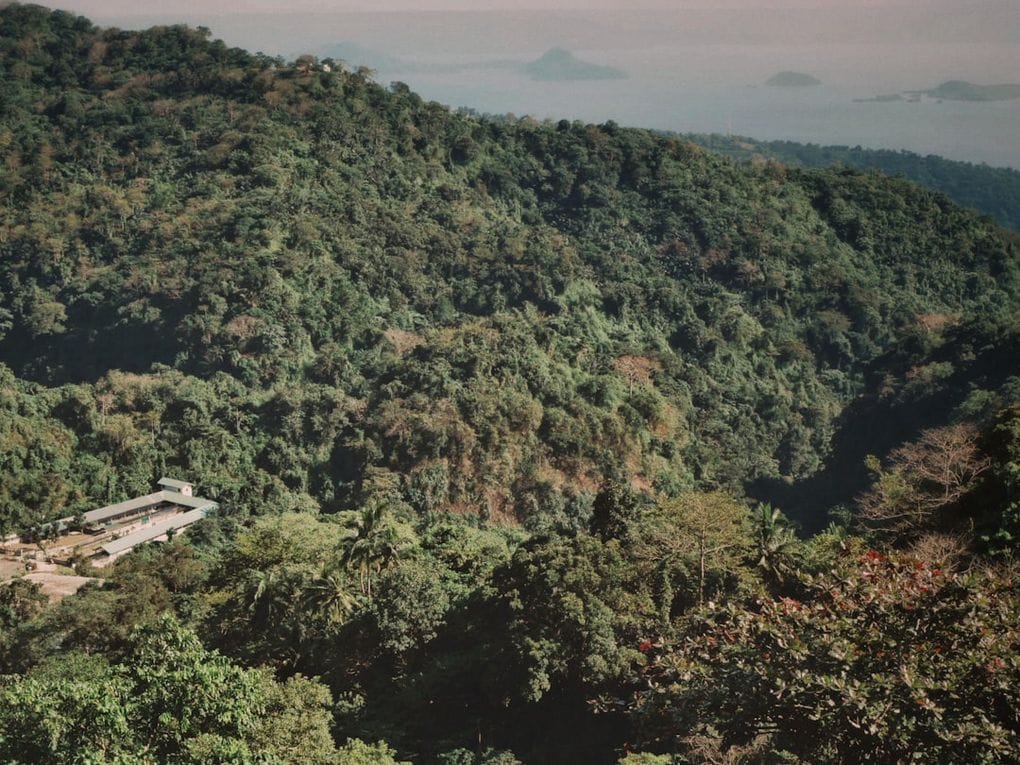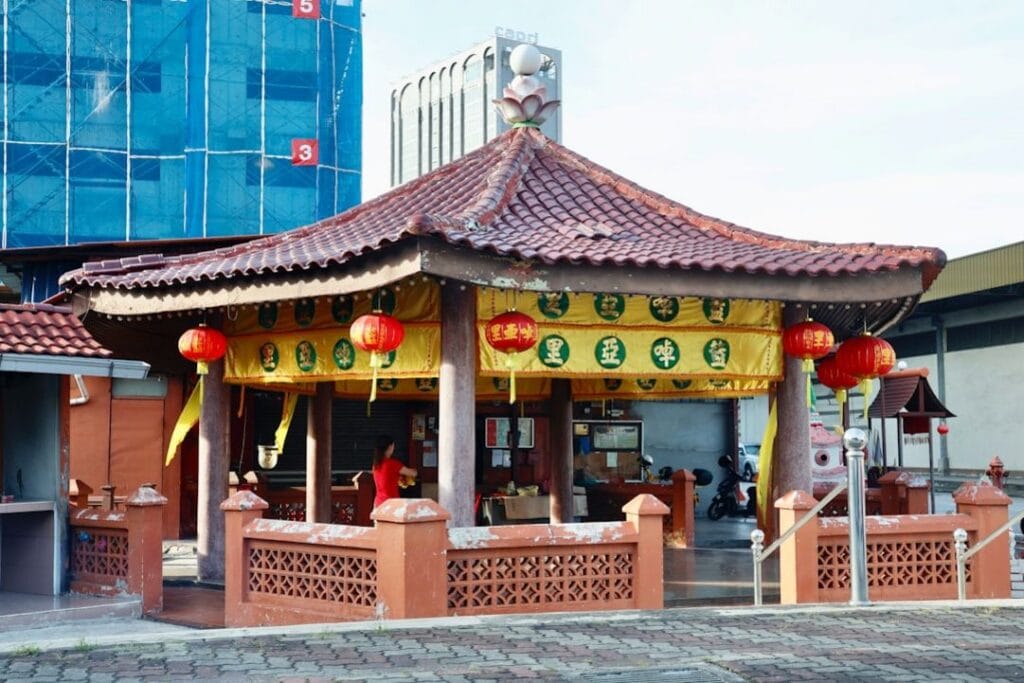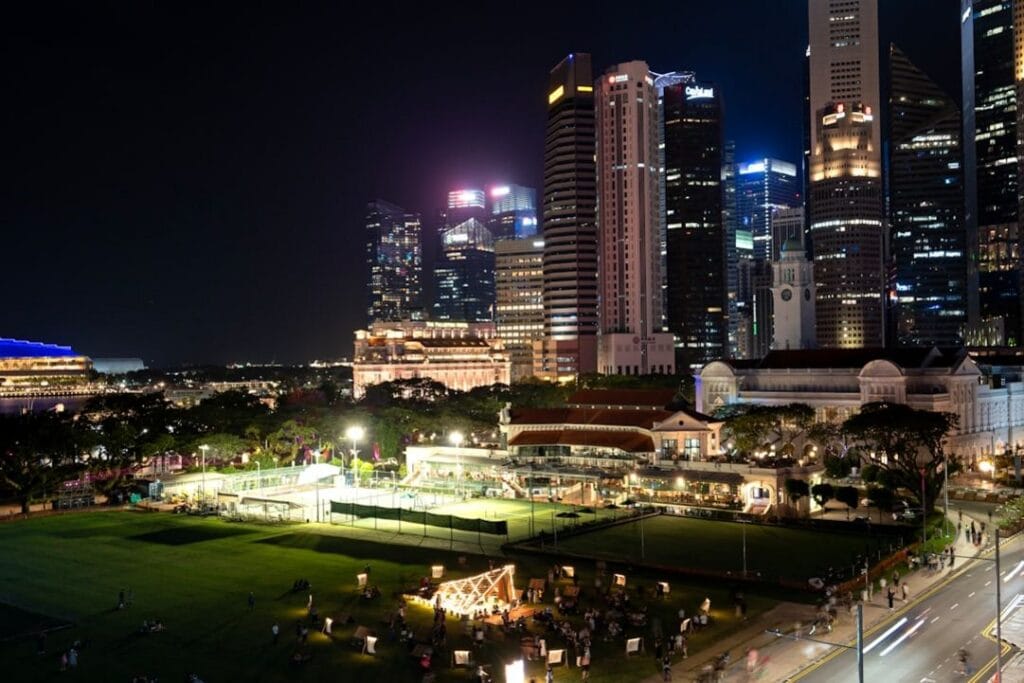


Choose between Thailand’s smooth logistics or Indonesia’s rugged natural diversity.
Thailand and Indonesia draw millions of travelers yearly, but the choice between them comes down to what you want from your trip. Thailand offers a high tourist infrastructure score of 90/100, making it easy to get around with reliable transport options like Bangkok’s BTS and affordable flights to islands like Koh Samui. Indonesia’s infrastructure score is lower at 70/100, meaning more planning and patience for inter-island travel. For US citizens, Thailand offers a 30-day visa exemption, while Indonesia requires a visa on arrival for $35, adding a small but notable step to your arrival process.

Thailand’s safety score of 75/100 beats Indonesia’s 65/100, which matters if you prioritize low-risk environments. Bangkok’s average daily temperature hovers around 87°F / 31°C in April, with a sharp rainy season from May to October, while Jakarta stays around 81°F / 27°C year-round with heavier rain from November to March. Thailand’s daily budget ranges from $40 to $120 depending on location, while Indonesia’s rupiah exchange rate makes $30 to $100 daily feasible. The key difference: Thailand’s islands like Koh Samui are accessible and developed, while Bali and Lombok offer raw landscapes but require more travel effort and flexibility.
Insider tip: Koh Samui’s airport connects directly to Bangkok, while Bali’s Ngurah Rai airport requires longer transfers to popular beaches.
Thailand’s higher infrastructure score means smoother travel and less time wasted on logistics compared to Indonesia’s 70.
Thailand vs Indonesia: Key Travel Differences
| Topic | Thailand | Indonesia |
|---|---|---|
| Visa requirements | 30-day visa exemption for US citizens | $35 visa on arrival for 30 days |
| Safety | Pack Lightly safety score 75/100, low petty crime in Bangkok | Pack Lightly safety score 65/100, higher scooter accident rates |
| Transport & infrastructure | BTS in Bangkok, direct flights to Koh Samui | Limited inter-island flights, longer transfers from Ngurah Rai airport |
| Budget level | $40-$120/day, street food $1.50-$3, $30 bungalows on Koh Lanta | $30-$100/day, local warung meals $1-$2, $25 guesthouses in Ubud |
| Beach quality | White-sand beaches on Koh Samui with resorts | Black volcanic sand beaches on Lombok, fewer resorts |
| Crowds in peak season | High crowds in Phuket during December-January | Bali crowded in July-August, quieter in shoulder months |
| Food & cuisine | Street food like $1.50 pad thai, regional Thai curries | Nasi goreng for $1-$2, more spice-heavy dishes |
| Language barrier | English widely spoken in tourist areas | English less common outside Bali and Jakarta |
| Digital nomad suitability | Good internet and coworking in Bangkok, Chiang Mai | Strong digital nomad scene in Canggu, slower internet outside |
| Planning effort | Low effort, many direct flights and transport options | High effort, multiple islands require careful scheduling |

Best for Thailand
- Couples with $70/day for 2-week beach + city trip in Bangkok and Koh Samui
- Solo travelers avoiding scooter rentals with easy public transport
- Food lovers wanting $1.50 street pad thai and regional Thai dishes
Best for Indonesia
- Solo divers chasing manta rays on $40/day in Komodo
- Adventurers with flexible schedules exploring multiple islands by ferry
- Digital nomads seeking coworking in Bali’s Canggu with $80/day budget
Key Takeaways for Thailand vs Indonesia
- If you want easy travel and high safety, choose Thailand. Pack Lightly’s safety score is 75/100.
- If your budget is under $50/day and you want raw nature, choose Indonesia, daily costs start at $30.
- If you need visa simplicity, choose Thailand. US citizens get 30-day exemption.
- If you prioritize digital nomad infrastructure, choose Thailand, better internet and coworking options.
- If you want less crowded beaches in shoulder season, choose Indonesia, quieter outside July-August.
- If you want street food variety and low language barriers, choose Thailand. English common in tourist areas.
Pack Lightly Scores
11 categories scored from 0 (low) to 100 (high)
Still torn between Thailand and Indonesia?
Use the interactive tool to compare 11 categories weighted by your travel style. It breaks down costs, safety, food, nature, and more to reveal your best match.
What you’ll actually spend

Thailand is cheaper for mid-range travelers by about $13 per day. Prices use THB (1 THB = 0.03116 USD) and IDR (1 IDR = 0.0000585 USD). Both countries score equally on Pack Lightly budgetFriendly at 85, but Indonesia demands more for similar comfort.
Daily travel cost comparison
| Category | Thailand (THB / USD) | Indonesia (IDR / USD) |
|---|---|---|
| Backpacker daily budget | 480 – 720 THB / $15 – $22 | 260,000 – 390,000 IDR / $15 – $23 |
| Mid-range daily budget | 1,280 – 1,920 THB / $40 – $60 | 575,000 – 910,000 IDR / $34 – $53 |
| Luxury daily budget | 4,800 – 8,000 THB / $150 – $250 | 2,600,000 – 3,900,000 IDR / $152 – $228 |
| Street food meal | 40 – 80 THB / $1.25 – $2.50 | 15,000 – 30,000 IDR / $0.88 – $1.75 |
| Restaurant meal | 200 – 400 THB / $6.25 – $12.50 | 75,000 – 150,000 IDR / $4.39 – $8.78 |
| Local transport (per day) | 100 – 200 THB / $3.12 – $6.25 | 50,000 – 100,000 IDR / $2.93 – $5.85 |
| Activities/tours (average) | 800 – 1,600 THB / $25 – $50 | 400,000 – 800,000 IDR / $23 – $47 |
Thailand wins on mid-range and luxury costs, offering better prices for comfort and activities. Indonesia beats Thailand slightly on street food and local transport prices. Pack Lightly budgetFriendly: Thailand 85, Indonesia 85, tied. Choose Thailand if you want smoother logistics and lower mid-range expenses. Hotels ThailandHotels Indonesia
Pro tip: Book island tours early in Indonesia to secure lower rates before tourist markups.
Watch out: Visa fees and departure taxes can add $30 – $50 unexpectedly in both countries.
What you’ll eat

Thailand wins for street food with dishes like Pad Thai ($1.50-$2) at Bangkok’s Yaowarat and Som Tum (papaya salad) for under $1.50. Indonesia’s street eats like Nasi Goreng ($1-$2) and Satay skewers ($0.50-$1) are tasty but less consistent in quality and hygiene.
Vegetarian options are stronger in Thailand thanks to Buddhist influences and clear labeling. Indonesia offers halal food widely, but vegetarian choices can be limited outside major cities. Gluten-free is tricky in both, but Thailand’s markets often have clearer ingredient info.
Alcohol is easier to find in Thailand with local beers like Singha and Chang widely available. Indonesia’s alcohol scene is limited by Muslim majority areas, but Bali offers Bintang beer and local arak spirits. Thailand’s bar culture is more open and social, especially in tourist hubs.
Food and drink comparison
| Category | Thailand | Indonesia |
|---|---|---|
| Signature dish | Pad Thai, Som Tum | Nasi Goreng, Satay |
| Street food quality | High consistency, hygienic stalls in Bangkok and Chiang Mai | Varied quality, best in Bali and Jakarta |
| Vegetarian-friendly | Strong options, clear labeling in markets | Limited outside cities, halal focus |
| Restaurant variety | Wide range from street to fine dining | Good variety in Bali, less elsewhere |
| Drink culture | Local beers Singha, Chang; open bar scene | Bintang beer, arak in Bali; restricted in Muslim areas |
Pad Thai
Reliable quality and price in a top street food area
Insider tip: Try Som Tum at Rod Fai Night Market, Bangkok, for fresh, spicy papaya salad under $2.
Where to sleep

Thailand offers better hotel quality overall with a score of 80 versus Indonesia’s 75. Bangkok’s Sukhumvit and Chiang Mai’s Nimmanhaemin neighborhoods deliver solid mid-range and boutique stays from $30 to $100 per night. Bali’s Seminyak and Ubud provide good options but with more variability in service and upkeep. Book through Agoda or Booking.com for best deals and verified reviews.Hotels Thailand
Indonesia’s weaker spots include budget hostels in Kuta and Jakarta’s downtown, where cleanliness and noise can be issues. Thailand also has weak spots like Patong Beach in Phuket, where many cheap places feel rundown. Always check recent reviews and avoid last-minute bookings in these areas.Hotels Indonesia
See full lodging breakdown by budget
Typical lodging options
| Type | Thailand | Indonesia |
|---|---|---|
| Budget hostels | Dorm beds $8-$15 in Bangkok’s Khao San Road | Dorms $7-$12 in Bali’s Canggu, variable quality |
| Mid-range hotels | 3-star hotels $30-$70 in Sukhumvit, Bangkok | Boutique hotels $35-$80 in Seminyak, Bali |
| Boutique stays | Stylish guesthouses $50-$100 in Chiang Mai’s Nimmanhaemin | Artistic villas $60-$120 in Ubud |
| Luxury resorts | 5-star resorts $150+ in Phuket and Koh Samui | High-end resorts $150+ in Nusa Dua and Jimbaran |
| Alternatives | Homestays and Airbnb from $25 in Chiang Mai | Villas and guesthouses from $30 in Bali’s quieter areas |

Booking tip: Book 2-4 weeks ahead on Agoda for best mid-range hotel rates in Bangkok and Bali.
What it actually feels like

Morning in Bangkok’s Sukhumvit buzzes with motorbikes and street vendors selling grilled meats and strong coffee. Sidewalks fill quickly as locals and expats rush to work or markets, the city’s pulse relentless but efficient.
Evening in Bali’s Ubud slows down with rice terraces glowing under sunset. The air smells of incense and frangipani. Motorbikes hum on narrow roads, and cafes spill soft light, but expect slower service and more chaotic traffic.
Thailand’s infrastructure delivers smoother transport and clearer signage; Indonesia demands patience for less reliable connections and inconsistent English. Thailand’s crowds can overwhelm, while Indonesia requires extra planning for island hops and hidden roads.
Thailand suits travelers who want streamlined urban-to-beach combos and strong expat networks. Indonesia fits those chasing nature’s raw edges, active volcano hikes, and a less polished but immersive cultural dive.
Thailand highlights
- Wat Pho at sunrise(Bangkok): Beat the crowds to see the Reclining Buddha in cool morning light.
- Chatuchak Weekend Market(Bangkok): Thousands of stalls with local food, clothes, and souvenirs in one place.
- Koh Samui beaches(Gulf of Thailand): White sand and clear water, plus easy access and plenty of amenities.
- Ayutthaya Historical Park(Ayutthaya): Ancient ruins reachable by a short train ride from Bangkok.
Indonesia highlights
- Mount Batur sunrise trek(Bali): Early morning hike with views over the caldera and lake below.
- Ubud Monkey Forest(Ubud, Bali): Sacred forest with playful long-tailed macaques and ancient temples.
- Gili Islands snorkeling(Near Lombok): Clear waters with turtles and vibrant coral, no motorized vehicles allowed.
- Tanah Lot Temple at sunset(Bali): Cliffside sea temple with dramatic waves crashing below.
Ideal duration: Thailand: 7 – 10 days. Enough time for Bangkok, islands, and cultural day trips. · Indonesia: 10 – 14 days. Needed for Bali, Lombok, and nearby islands exploration.
What to do in Thailand and Indonesia
Thailand
- Take a river taxi on the Chao Phraya in Bangkok.
- Explore street food stalls in Chiang Mai’s Night Bazaar.
- Relax on Chaweng Beach, Koh Samui.
- Rent a scooter to visit Ang Thong Marine Park.
Indonesia
- Book a guided hike up Mount Batur for sunrise.
- Snorkel around Gili Trawangan’s coral reefs early morning.
- Visit Ubud Art Market for authentic crafts.
- Take a scooter around Canggu’s rice paddies.
What to skip in Thailand and Indonesia
Thailand
- Skip Khao San Road’s overpriced tourist bars.
- Avoid tuk-tuks for long trips; use Grab app instead.
- Don’t waste time at overly commercialized elephant shows.
Indonesia
- Skip crowded Kuta Beach during peak hours.
- Avoid unlicensed boat rides between islands.
- Don’t rely on taxis; use app-based drivers or rent scooters.
Choose based on
- If you want easy transport and clear English, choose Thailand, score 90 touristInfrastructure.
- If you prioritize nature and active adventures, choose Indonesia, score 90 nature.
- If budget and street food quality matter, choose Thailand, score 95 foodAndDrinks.
- If you want less developed cities and slower pace, choose Indonesia, score 60 cities.
Thailand offers smoother travel and urban ease; Indonesia demands patience but rewards with raw landscapes.
Real safety picture
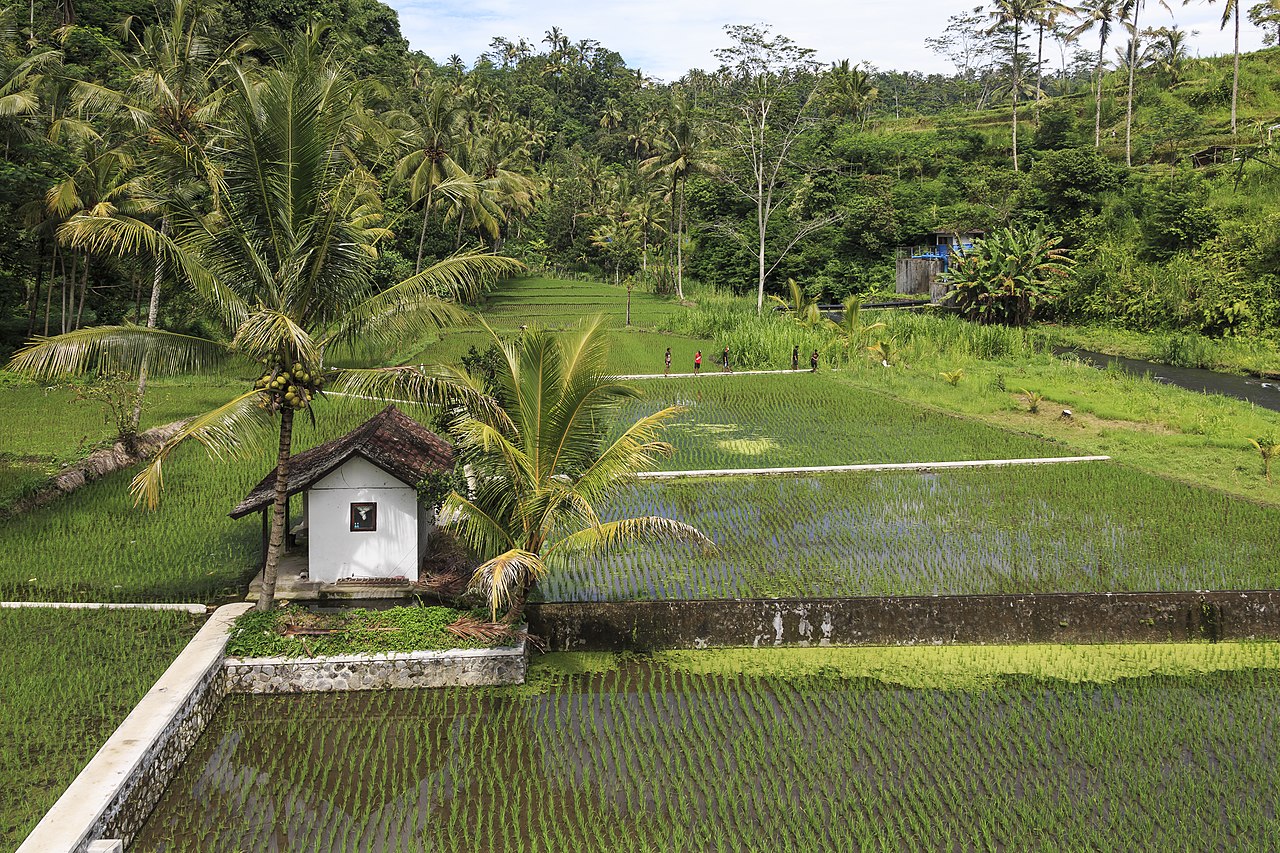
Thailand is safer than Indonesia with Pack Lightly scores of 75 versus 65. Both countries have common petty crime but Thailand’s tourist infrastructure reduces risks. Expect scams in tourist-heavy areas like Bangkok and Bali’s Kuta. Road safety is a bigger concern in Indonesia due to chaotic traffic and less enforcement.
Insurance: Buy cover before you go and it runs the whole trip, with 5% off Heymondo through this link. Check Heymondo travel insurance
See detailed safety factors table
Safety factors compared
| Factor | Thailand | Indonesia | Practical tip |
|---|---|---|---|
| Pickpocketing | Common around Bangkok’s Grand Palace and Khao San Road. | Frequent in Kuta Beach and Jakarta’s Old Town. | Use the Grab app for secure rides and keep valuables in front pockets. |
| Tourist scams | Tuk-tuk drivers overcharging near tourist temples. | Taxi drivers refusing meters in Bali’s airport area. | Insist on metered fares or book rides via official apps like Blue Bird or Grab. |
| Solo female traveler safety | Generally safe in tourist zones; avoid late-night isolated areas in Bangkok. | Exercise caution in crowded markets and nightlife districts in Jakarta. | Use rideshare apps and avoid walking alone after dark in unfamiliar neighborhoods. |
| Health risks | Dengue fever outbreaks in rainy season; drink bottled water only. | Malaria risk in rural areas; avoid tap water and street ice. | Carry mosquito repellent and drink only sealed bottled water. |
| Road safety | Traffic in Bangkok is heavy but rules are enforced; motorbike taxis can be risky. | Traffic in Bali and Jakarta is chaotic; motorbike accidents common. | Avoid renting motorbikes if inexperienced; use official taxis or Grab. |
| Natural disasters | Occasional flooding during monsoon season, mostly manageable in tourist areas. | Earthquakes and volcanic eruptions possible, especially near Bali’s Mount Agung. | Check local alerts via the Indonesian BMKG website before travel. |
Scam spotlight: Kuta Beach taxis
How it works: Drivers refuse meters and demand inflated flat rates after drop-off.
How to avoid: Book rides with the Blue Bird app or negotiate fare before entering the taxi.
Watch out: Booking a motorbike taxi without a helmet in Bali can lead to $200+ hospital bills.
Insider tip: Thailand’s TDAC registration is mandatory and often overlooked, affecting re-entry.
Visa & entry requirements
Thailand is visa-free for US citizens for 30 days but requires TDAC registration. Indonesia requires an e-VoA visa costing about $35 plus mandatory ECD customs registration. Indonesia’s process is more complex despite the e-visa option.
Full visa & entry requirements table
Visa comparison for US citizens
| Factor | Thailand | Indonesia | Practical note |
|---|---|---|---|
| Visa requirement | No visa required (visa-free for 30 days). | Visa required (e-VoA). | Thailand’s visa-free still needs TDAC registration; Indonesia needs e-VoA and ECD. |
| Visa type & cost | Visa-free, free of charge. | e-VoA, approximately $35. | Indonesia’s visa fee is non-refundable and must be paid online before arrival. |
| Application process | Register via TDAC at tdac.immigration.go.th before arrival. | Apply online at evisa.imigrasi.go.id and complete ECD at ecd.beacukai.go.id. | Indonesia’s ECD customs declaration is mandatory and separate from visa application. |
| On-arrival option | No visa on arrival; use visa-free with TDAC. | No visa on arrival; e-VoA must be pre-approved. | Indonesia does not offer visa on arrival for US citizens under current rules. |
| Max stay & extension | 30 days, no extension on visa-free. | 30 days, one extension allowed. | Indonesia’s extension requires applying locally before your initial 30 days expire. |
Visa rules and registration systems like TDAC and ECD change frequently. Check official sites before travel. for coverage of unexpected visa or health issues.
How you’ll move

Thailand is easier to get around thanks to its extensive rail network and frequent domestic flights. Pack Lightly touristInfrastructure: Thailand 90, Indonesia 70. Indonesia’s geography as an archipelago means flights and ferries dominate, while Thailand offers trains and buses that reach most tourist spots.
Compare every transport option side-by-side
Transport options compared
| Mode | Thailand | Indonesia | Practical note |
|---|---|---|---|
| Domestic flights | Thai Airways, Nok Air, AirAsia; Bangkok to Chiang Mai $40, 1.5 hrs | Garuda Indonesia, Lion Air, Citilink; Jakarta to Bali $50, 1.5 hrs | Book 2 weeks ahead on AirAsia or Lion Air apps for best fares. |
| Buses | Government and private buses; Bangkok to Ayutthaya $5, 2 hrs | Perama buses; Jakarta to Yogyakarta $10, 8 hrs | Use 12Go.asia for tickets in Thailand; Perama’s website in Indonesia. |
| Trains | State Railway of Thailand; Bangkok to Chiang Mai $15, 12 hrs overnight | Limited rail; Jakarta to Surabaya $20, 8 hrs | Book Thailand trains on Thai Railway app; Indonesian trains via KAI Access. |
| Taxi/ride-hailing | Grab and Bolt widely available; typical Bangkok ride $3-$5 | Gojek and Grab dominate; Jakarta ride $2-$4 | Use Grab app in Thailand, Gojek app in Indonesia for upfront fares. |
| Ferries | Ferries connect islands like Koh Samui; $10-$15, 1.5 hrs | Ferries essential across islands; Bali to Lombok $20, 2 hrs | Book Bali-Lombok ferries on GiliTickets or local counters. |
| Scooter rental | Available on islands like Koh Samui; $10/day | Ubiquitous in Bali; $6-$8/day | Use local shops; always check helmet availability and rental contract. |
| Bicycle rental | Limited to tourist towns; $5/day | Common in Ubud and small towns; $4/day | Rent from local shops, negotiate price upfront. |
Thailand wins for ease and variety with a Pack Lightly touristInfrastructure score of 90 versus Indonesia’s 70. Trains and buses fill gaps flights miss, especially for inland travel. Grab app in Thailand simplifies city rides and booking. Indonesia demands more flight and ferry hopping but offers lower scooter rental costs. Book transport
App tip: Grab app covers taxis and motorbikes in Thailand with upfront pricing and cashless payment.
Sample routes:
Thailand: Bangkok → Chiang Mai, train, $15, 12 hrs overnight
Indonesia: Jakarta → Bali, flight, $50, 1.5 hrs
How far English gets you
Thailand wins for English ease. Bangkok, Chiang Mai, and tourist hotspots have good English, but rural areas and street markets often don’t. Indonesia’s English is patchy outside Bali and Jakarta, especially in smaller islands and villages. Use Google Translate or iTranslate to bridge the gap quickly.
App tip: Use Google Translate (iOS/Android) for quick offline phrase help in both countries.
Wifi, data, payments
Thailand offers solid wifi in hotels, cafes, and malls, with mobile data speeds averaging 30-50 Mbps in urban areas. Indonesia’s coverage is more spotty outside Jakarta and Bali, with slower speeds and frequent drops. Grab a local SIM in either country, but Thailand’s operators are cheaper and more reliable. Cash still rules in markets and small vendors, but e-wallets like TrueMoney (Thailand) and GoPay (Indonesia) work well in cities. eSIM Thailand and eSIM Indonesia have good options for both.
eSIM picks:
Thailand: AIS Thailand eSIM, $14 for 10GB, valid 15 days
Indonesia: Telkomsel Indonesia eSIM, $18 for 12GB, valid 30 days
Cash dominates street markets and remote areas; card and digital payments work mainly in cities.
When to go

Thailand’s best months are December through February with dry weather and comfortable temps. Indonesia’s dry season runs from May through September, offering less rain but hotter temps. Thailand has a more forgiving shoulder season in March and November. Indonesia’s rainy season is harsher and less flexible for travel.
Full season-by-season climate breakdown
Seasonal climate comparison
| Season | Thailand | Indonesia | Best Pick | Notes |
|---|---|---|---|---|
| Winter (Dec – Feb) | Temps average 82 – 85°F / 28 – 29°C with minimal rain (9.5 – 19.9 mm). | Temps steady around 80 – 81°F / 27°C but heavy rain (265 – 352 mm). | Thailand | Thailand offers dry, comfortable weather; Indonesia is wet. |
| Spring (Mar – May) | Temps rise to 88 – 90°F / 31 – 32°C; rain spikes in May (270 mm). | Temps 81 – 82°F / 27 – 28°C with heavy rain throughout (217 – 281 mm). | Thailand | Early spring is dry in Thailand; Indonesia stays rainy. |
| Summer (Jun – Aug) | Temps 82 – 84°F / 28 – 29°C; heavy rain peaks in July (332 mm). | Temps 80 – 82°F / 27 – 28°C; rain drops sharply in August (38 mm). | Indonesia | Indonesia’s dry season peaks in August; Thailand is wet. |
| Fall (Sep – Nov) | Temps 81 – 83°F / 27 – 28°C; rain remains high (66 – 294 mm). | Temps 81 – 83°F / 27 – 28°C; rain increases again (106 – 330 mm). | Thailand | Thailand’s rain tapers off by November; Indonesia stays wet. |
Climate tip: Visit Thailand in late November for dry weather before crowds spike.

The call
Thailand wins for ease, safety, and cost. It’s better for first-timers wanting culture and beaches without headaches. Indonesia suits those chasing raw nature and active adventures but expect more challenges. Thailand’s visa rules are simpler for US citizens, with a 30-day visa-free exemption against Indonesia’s paid e-VoA. Safety and digital access favor Thailand too.
Category winners
| Topic | Winner | Reason |
|---|---|---|
| Budget | Thailand | ~$5.51/day cheaper mid-range options |
| Nature | Indonesia | More diverse landscapes and active outdoor options |
| Culture | Thailand | More accessible cultural sites and easier navigation |
| Cities | Thailand | Better infrastructure and urban convenience |
| Food & drinks | Thailand | Higher quality street food and variety |
| Accommodation | Thailand | More consistent quality and availability |
| Transport | Thailand | More reliable and easier public transport |
| Safety | Thailand | Higher safety scores and better traveler support |
| Crowds | Indonesia | Less tourist congestion outside Bali hotspots |
| Digital infrastructure | Thailand | Better internet and connectivity nationwide |
Thailand is the smarter, safer, and cheaper choice for most travelers.
Choose Thailand for hassle-free travel and strong value. Pick Indonesia if you want rugged nature and don’t mind rougher logistics.
Book your trip
Using these links supports Pack Lightly at no extra cost to you.
Your questions, answered
01Which country is cheaper to travel in 2026?
Thailand and Indonesia share the same budget-friendly score of 85, but Indonesia stretches your dollar further on accommodation and food. Expect daily mid-range costs around $55 in Indonesia versus $65 in Thailand. The exact cost gap is $10 per day, favoring Indonesia for budget travelers.
02What are the visa requirements for US citizens visiting Thailand and Indonesia?
Thailand requires no visa for 30 days with a free Visa Exemption but you must register online via TDAC. Indonesia requires a $35 e-VoA visa for 30 days, extendable once. Indonesia’s visa process is more costly and involves online applications before arrival.
03Which country is safer for solo travelers?
Thailand scores 75 on safety, Indonesia 65. Thailand’s better infrastructure and friendlier locals make it safer for solo travelers, especially in cities like Bangkok and Chiang Mai. Indonesia’s safety varies widely by island and requires more street smarts.
04Which country is better for street food and local cuisine?
Thailand wins hands down with a 95 food and drinks score versus Indonesia’s 80. Bangkok and Chiang Mai offer world-famous street food scenes with clean, affordable options. Indonesia has great food but less consistent quality and hygiene in street markets.
05Which country offers better beaches and island hopping?
Indonesia’s nature score of 90 beats Thailand’s 80, thanks to Bali, Komodo, and Raja Ampat. Indonesia’s islands offer more variety and adventure. Thailand’s beaches like Koh Samui and Phuket are more accessible and tourist-friendly but less wild.
06Can you realistically combine Thailand and Indonesia in one trip?
No. The countries are far apart with no direct flights between main tourist hubs. Each deserves at least two weeks to explore properly. Trying to combine both wastes time and increases travel costs.
07Which country is better for first-time visitors to Southeast Asia?
Thailand is the clear winner for first-timers. It scores higher in tourist infrastructure (90 vs 70) and friendliness (90 vs 85). Bangkok and Chiang Mai offer reliable transport, English speakers, and easier navigation than Indonesia’s patchier setup.
08What is the best time to visit Thailand and Indonesia?
Visit Thailand from November to February for dry, cool weather. Indonesia’s best months are May to September, avoiding the wet season. Overlapping good weather is rare, so pick based on your destination’s dry season.
Insider tip: Bali’s dry season overlaps with Thailand’s rainy season, choose based on your preferred vibe, not just the calendar. If Thailand’s ease appeals but you want another Asia option, see Thailand or Japan. Weighing Indonesia against a similar budget beach trip? Check Indonesia or Sri Lanka.