


The Caribbean is the easiest world-class diving on the planet. The water is warm enough to dive in a shorty year round, visibility regularly runs past 30 metres, and the second largest barrier reef on Earth sits a few minutes off the beach in Belize, Honduras and Mexico. The catch is that the islands are not interchangeable: one is built for shore diving, one for drift, one for a vertical wall that drops into the blue, and one for sharks. This guide ranks the eight that earn the trip, with the marine life, the season and the diver level for each.
The best scuba diving in the Caribbean is in Bonaire for shore diving, Cozumel in Mexico for drift diving, and the Cayman Islands for wall diving. The Bay Islands of Honduras (Roatan and Utila) are the best value and the cheapest place to get certified, while Belize has the Great Blue Hole and the Bahamas has the famous shark dives at Tiger Beach.
Most of the region dives well all year, but the calm, clear window runs roughly April to September. The table below pairs each island with its best months and the diver level it suits.
What makes Caribbean diving different
People who learn to dive in the Caribbean are often surprised by how forgiving it is compared with the Pacific or the Red Sea. The same conditions that make the beaches good make the diving good: warm, clear, shallow water with reliable access. A handful of features set the region apart.
- Warm water year round. Sea temperatures sit between 26C and 29C, so most divers wear a shorty or a 3mm and dive comfortably in every month.
- Easy access from shore and short boat rides. Bonaire lets you walk into a marked reef from the roadside; most other islands are a 10 to 30 minute boat ride to the dive site, not a liveaboard.
- The Mesoamerican Reef. The second largest barrier reef in the world runs down the coast of Mexico, Belize and Honduras, which is why those three pack so many good sites.
- Walls that drop into the blue. Several islands sit on the edge of deep trenches, so the reef ends in a sheer vertical wall. The Cayman Islands and Saba are built on this.
- Wrecks and a sinkhole. Sunk ships off Roatan and the Caymans give structure and life, and Belize has the Great Blue Hole, a collapsed cave system 124 metres deep.
- Big marine life. Whale sharks pass Utila, sharks gather at Tiger Beach in the Bahamas, and turtles, eagle rays and reef sharks are routine across the region.
Key takeaways
- Cheapest diving and certification: the Bay Islands of Honduras (Utila and Roatan).
- Best shore diving: Bonaire, where you walk straight into marked reefs from the road.
- Best wall diving: the Cayman Islands, especially Bloody Bay Wall off Little Cayman.
- The Great Blue Hole in Belize is an advanced, deep dive, not a beginner reef.
The best Caribbean dive destinations
Ranked by a mix of reef quality and value, not by how famous the resort is. Every one of these is worth a dedicated trip, and several pair easily on a single itinerary because they sit on the same reef system.
Bonaire Dutch Caribbean
The shore diving capital of the world. The entire leeward coast is a protected marine park, and roughly 60 dive sites are marked by yellow stones on the roadside, so you fill your own tanks, drive up, and walk in whenever you like. The reef starts in a few metres of water and slopes to a wall, with turtles, seahorses and healthy hard coral throughout. It is the rare place where an independent, self-guided diver beats a guided boat trip. Best from April to November, when the seas are calmest.

Cozumel Quintana Roo, Mexico
The best drift diving in the Caribbean. The current along Palancar and Santa Rosa Wall does the work while you float past a coral wall in 30 metres of visibility and warm 26C to 29C water. It is easy, reliable and cheap to reach from Cancun, which makes it the ideal warm-water destination for a newer diver who wants a real reef without effort. Eagle rays, turtles and splendid toadfish are common. The Cozumel reef also snorkels well for non-diving company. Diveable year round, best from April to June.
The Bay Islands Roatan and Utila, Honduras
The best value in the region, and the cheapest place in the world to learn. The Mesoamerican Reef sits a few minutes off both islands, with walls, wrecks and a coral health that holds up well. Roatan has the better resorts and reef walls, while Utila is famous for two things: the cheapest scuba certification anywhere, often around 300 dollars for an Open Water course, and whale sharks that pass year round with peaks around February to April and August to September. Start with the Roatan reef diving guide or the Utila certification guide. Best from March to September.

The Cayman Islands British Caribbean
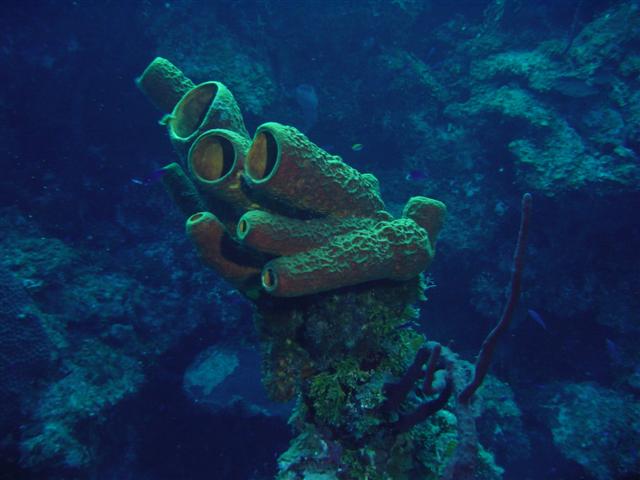
The best wall diving in the Caribbean. The signature dive is Bloody Bay Wall off Little Cayman, where the reef ends abruptly and drops thousands of metres straight down, so you hang in the blue along a vertical face covered in sponges and black coral. Grand Cayman adds the wreck of the USS Kittiwake and the shallow Stingray City sandbar. Visibility is consistently excellent, and the diving suits everyone from beginners on the shallow reefs to experienced divers on the wall. Best from April to October. Browse the Cayman Islands guide for where to base yourself.
The Great Blue Hole Belize
More a pilgrimage than a reef dive. The Blue Hole is a 124-metre collapsed cave system that drops as a perfect dark circle in the Caribbean, with ancient stalactites at depth and reef sharks circling the rim. The dive itself is short, deep and dark, so it suits advanced divers only. The reason to make the day worth it is the surrounding Lighthouse Reef atoll, which has the colourful shallow diving the sinkhole lacks. Combine it with the cayes on the Belize barrier reef or read the full Belize diving guide. Best from April to June.

Turks and Caicos British Caribbean
A wall-and-channel destination with some of the clearest water in the region. The reef drops off the edge of the Caicos and Turks banks into deep channels, and from January to April humpback whales pass through the Columbus Passage. Grand Turk and the island of South Caicos run quiet wall dives with eagle rays, reef sharks and turtles, away from the busier Caribbean crowds. Diving is reliable all year, best from April to November. The wider island is in the Turks and Caicos guide.

Saba Dutch Caribbean
A tiny volcanic island ringed by underwater pinnacles. Saba has no beaches, so it never drew the resort crowds, and the entire coast has been a marine park since 1987. The draw is the seamounts: volcanic spires that rise from deep water to within 30 metres of the surface, draped in coral and circled by sharks, large groupers and schooling fish. The diving is current-fed and best left to confident divers, but the reef health is among the best in the Caribbean. Best from April to November.
The Bahamas Tiger Beach and beyond
The Caribbean shark capital. The shallow sandy site known as Tiger Beach, off Grand Bahama, is one of the few places on Earth where you reliably dive with tiger sharks and lemon sharks in clear, sunlit water. Bimini adds great hammerheads in winter, and the wider Bahamas has reefs, blue holes and wrecks across hundreds of islands. Shark dives are guided, baited and strictly for experienced divers who follow the operator’s briefing. Best from October to January for the tiger sharks. Plan from the Bahamas guide.

Check the best month to dive any island
Caribbean dive seasons swing on calm windows, hurricane months and animal migrations. The Best Travel Time map shows the ideal months for every country at a glance, so you can line up a dive trip with the right conditions instead of guessing.
Best islands by season and level
The diving runs year round across most of the region, but the calmest, clearest water is roughly April to September, and the official hurricane season (June to November) can disrupt boat trips. This table is the quick reference: the months that actually deliver, the marine life you are going for, and the experience level the diving demands.
| Island | Best months | Highlight | Level |
|---|---|---|---|
| Bonaire | April to November | Self-guided shore diving | All levels |
| Cozumel, Mexico | April to June | Easy drift diving | Beginner friendly |
| Roatan and Utila, Honduras | March to September | Cheap reef diving, whale sharks | All levels |
| Cayman Islands | April to October | Bloody Bay Wall, wrecks | All levels |
| Great Blue Hole, Belize | April to June | The sinkhole and atoll reef | Advanced |
| Turks and Caicos | April to November | Wall dives, winter humpbacks | All levels |
| Saba | April to November | Volcanic pinnacles and sharks | Intermediate (current) |
| The Bahamas | October to January | Tiger and lemon sharks | Advanced |
Match the dive to your logbook
The Great Blue Hole, Saba’s pinnacles and the Bahamas shark dives are advanced trips with real depth or current. Operators will take your money regardless, so the responsibility is yours. If you are newly certified, build experience on the easy reefs of Cozumel, Bonaire or the Bay Islands first. Diving beyond your level is the most common way a Caribbean trip goes wrong.
Book a Caribbean dive trip
Cozumel drift dives
Quintana Roo, Mexico
Roatan reef dives
Bay Islands, Honduras
Bonaire shore and boat dives
Dutch Caribbean
Grand Cayman dive trips
Cayman Islands
Through the links above you support Pack Lightly, at no extra cost to you.
How to dive the reef responsibly
The Caribbean reef is under real pressure from heat, hurricanes and crowds, and a careless diver does measurable damage. The fixes are simple and cost nothing.
Do
- Sort your buoyancy before you go near coral; one fin kick can snap a colony that took decades to grow.
- Keep your gauges and octopus clipped in, not dragging across the reef.
- Pack a mineral, zinc-based sunscreen, since several islands ban oxybenzone reef-bleaching formulas.
- Follow the operator’s briefing on shark and current dives to the letter.
Don’t
- Touch, chase or feed marine life, including the sharks at baited dives.
- Take coral, shells or any reef-based souvenir.
- Dive a wall or a deep sinkhole before you have the logged experience for it.
- Stand or rest on the reef to take a photo.
Dive within your limits, respect the marine park rules that protect places like Bonaire and Saba, and the reef stays good for the next trip. The Caribbean rewards the diver who treats it gently.
Common questions
01Where is the best scuba diving in the Caribbean?
Bonaire is the best for shore diving, Cozumel in Mexico for drift diving, and the Cayman Islands for wall diving. The Bay Islands of Honduras are the best value, Belize has the Great Blue Hole, and the Bahamas has the famous shark dives at Tiger Beach. Which island is best depends on whether you want easy reefs, walls, value or sharks.
02Where is the cheapest place to dive in the Caribbean?
The Bay Islands of Honduras, especially Utila, are the cheapest. An Open Water certification course often costs around 300 dollars there, against 400 to 500 dollars at the resort islands, and fun dives are similarly low. The reef is the Mesoamerican Barrier Reef, so the diving is excellent value, not just cheap.
03What is the best Caribbean island for beginner divers?
Cozumel in Mexico and Bonaire are the easiest. Cozumel has gentle drift dives in warm, clear water, and Bonaire lets you walk into shallow marked reefs from the shore at your own pace. The Bay Islands of Honduras are another good first reef. Save the Blue Hole and the Bahamas shark dives for once you have 20 to 30 logged dives.
04When is the best time of year to dive the Caribbean?
Most of the region dives well all year, but the calmest, clearest water runs roughly April to September. Hurricane season is June to November, which can cancel boat trips, so late spring and early summer is the safest window. The Bahamas tiger shark dives are the exception, peaking from October to January.
05Is the Great Blue Hole in Belize worth diving?
It is a famous, deep and dark dive that suits advanced divers, with stalactites at depth and reef sharks circling the rim, but the dive itself is short and the walls are bare. The day is worth it because of the colourful shallow diving on the surrounding Lighthouse Reef atoll. Newer divers are usually happier on the reef than in the hole.
06Where can you dive with sharks in the Caribbean?
The Bahamas is the shark capital: Tiger Beach off Grand Bahama runs reliable dives with tiger and lemon sharks, and Bimini has great hammerheads in winter. Reef sharks are also common at Saba, the Cayman walls and Turks and Caicos. Shark dives are guided and baited, so follow the operator’s briefing and never touch the animals.
Image credits, all via Wikimedia Commons under Creative Commons licences: Cozumel reef Matthew T Rader; Bonaire shore diving Kris Mikael Krister; Roatan reef DJ Cane; Cayman sponge wall Wikimedia Commons; Great Blue Hole The TerraMar Project; South Caicos reef Dirk2112; Tiger Beach reef shark Dennis Hipp.


