English for travellers: essential words and phrases for Barbados
July 7, 20269 min read
Most visitors will get by in Barbados using English, as it is the official language and widely spoken. However, a few local words and phrases can open doors and earn goodwill with residents.
While English is sufficient for most interactions, learning simple expressions like ‘please’ and ‘thank you’ enhances your experience. A translation app and a handful of key phrases are all you need to connect authentically.
English is the official and most widely spoken language in Barbados.
Bajan Creole adds flavor but is not essential for basic communication.
In tourist areas, English is understood; in rural areas, locals appreciate a few local words.
Signs and menus are in Latin script, making navigation easy for English speakers.
Learning a couple of polite phrases improves interactions and shows respect.
Quick Facts About Language in Barbados
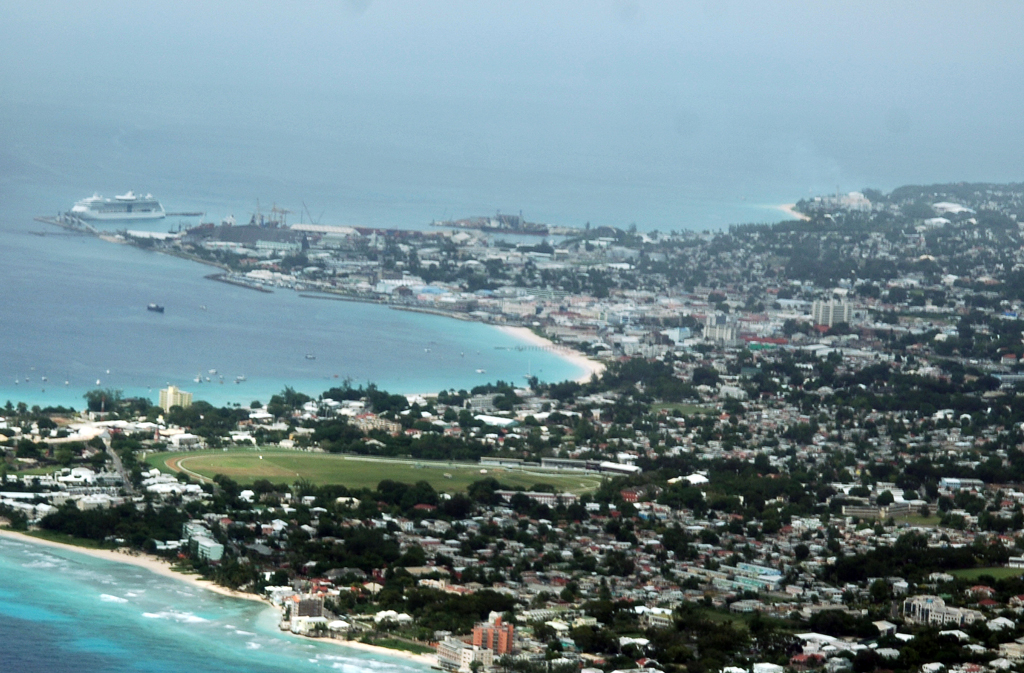
Bridgetown. Wikimedia Commons, via Wikimedia Commons
Official language: English
Regional language: Bajan Creole
English proficiency: High in tourist zones, moderate in rural areas
Readability: Signs and menus are in Latin alphabet, in English
In Barbados, English is the official language and widely spoken across all age groups and regions. Tourists and younger locals will generally have no trouble communicating in English, especially in popular tourist areas, hotels, and restaurants. However, in rural villages or among older generations, some locals may speak Bajan Creole more fluently and might have limited English skills. Relying solely on English in these areas can lead to misunderstandings, so prepare to use gestures or translation tools.
Decision Rules for Language Use
If you are in a rural area or speaking with older locals, then carry a translation app and point to what you need.
If you are in a tourist hub or hotel, then English will suffice, but learn a few local phrases for courtesy.
If you encounter someone who struggles with English, then simplify your language and use clear gestures.
Signs, Menus, and Street Names
Most signs, street names, and menus in Barbados are in English, written in the Latin alphabet. Tourist areas often feature bilingual signage, with some places including Bajan Creole or phonetic spellings to add local flavor. Menus are straightforward, with English descriptions, but some local dishes may have names that are unfamiliar or spelled differently. Street names are usually easy to read, but in rural zones, signage might be less maintained or more informal.
Communication Tips for Travelers
Use simple, clear English when speaking; locals appreciate straightforward communication.
Carry a translation app on your phone for tricky words or in rural areas where English is less common.
Point at menus or signs to avoid mispronunciation and save time.
Maintain a friendly tone and smile; politeness earns goodwill even if your language skills are limited.
Observe local gestures and body language to gauge reactions and clarify meaning.
Learn a few basic phrases like ‘hello’, ‘please’, and ‘thank you’ to show respect.
Use non-verbal signals like nodding or hand gestures to confirm understanding.
Be patient and avoid raising your voice if there’s confusion; it’s usually a cultural norm to stay calm.
Frequently Asked Questions about Language in Barbados
1Is there a big difference in English skills between younger and older people?
Yes. Younger people and those in tourist areas speak English fluently, while older locals or rural residents may have limited English and prefer Bajan Creole or gestures.
2Are there body language or gestures that are understood differently locally?
Yes. For example, a nod usually means ‘yes’, but avoid overly expressive gestures; some gestures may be misunderstood or considered impolite.
3Do I need offline translation apps in rural areas?
Absolutely. In remote villages, English may be less common, and offline apps help bridge communication gaps quickly.
4What is the social etiquette for addressing someone in the street?
Use polite greetings like ‘Good morning’ or ‘Hello’, and address people with respect, especially elders. A friendly smile goes a long way.
5How do I understand public transport signs, tickets, and destinations?
Most are in English, with clear signage. Ask drivers or conductors if unsure, and listen for destination names to confirm your stop.
6What is a local word or greeting that instantly builds rapport?
Say ‘Hi, how ya doin?’ with a smile. It’s casual, friendly, and shows openness to conversation.
Scroll to Top
Cookies on Pack Lightly
Cookies help us see which guides and tools travelers actually use, so we can make them better. We run no ads and never sell your data. You decide what we may use. Read our cookie policy
Your cookie preferences
Necessary cookies keep the site working and are always on. Turn the rest on or off, then save. You can change this anytime.
Always on
These keep Pack Lightly working: they remember your cookie choice and route you to the right page. The site cannot run properly without them, so they need no consent.
These help us see which tools and guides travelers actually use, so we can improve them. We use Google Analytics 4 and Microsoft Clarity. No advertising, no selling of your data.
We do not run ad banners on Pack Lightly. When you click a partner link for a hotel, flight, or activity, the partner may set a cookie so we receive credit for the referral, at no extra cost to you. Turn this off to opt out.
Strictly necessary1
pl_cookie_consent
Provider
Pack Lightly
Purpose
Stores your cookie choices so we do not ask again on every visit.
Retention
12 months
Type
HTTP cookie
Analytics4
_ga
Provider
Google Analytics
Purpose
Distinguishes one visitor from another to measure site usage.
Retention
2 years
Type
HTTP cookie
_ga_*
Provider
Google Analytics
Purpose
Keeps the state of your visit (session) for GA4 measurement.
Retention
2 years
Type
HTTP cookie
_clck
Provider
Microsoft Clarity
Purpose
Keeps a Clarity user ID so repeat visits are recognized for aggregate analytics.
Retention
1 year
Type
HTTP cookie
_clsk
Provider
Microsoft Clarity
Purpose
Connects the pages you view within one session.
Retention
1 day
Type
HTTP cookie
Marketing1
Affiliate referral cookies
Provider
Travelpayouts, Amazon, GetYourGuide and similar partners
Purpose
Set on the partner's own site when you click an outbound link, to attribute a referral. We set no advertising cookies on Pack Lightly itself.
Retention
Varies by partner (often up to 30 days)
Type
Third-party HTTP cookie
Pack Lightly is a travel planning platform. Our own analytics are first-party and hold no personal details. For the full picture, read the documents below. To change or withdraw consent later, open Cookie settings from the button at the bottom of any page.