



At Rio’s Copacabana Beach, sudden rain soaks your cotton shirt while you scramble for a jacket from your daypack.
Brazil’s tropical heat mixes with surprise downpours, forcing you to pack for sun and rain in one bag. This guide cuts the clutter and focuses on what you’ll wear daily versus what waits in your hotel. The key: lightweight, quick-dry gear plus a rain layer that fits in your daypack keeps you comfortable and dry.
Key Takeaways
- Quick-dry shirts only — cotton stays soggy all day at 70%+ humidity.
- Smart casual outfits needed for upscale dining in Sao Paulo’s Jardins district.
- Laundry costs $2-4/kg in cities; plan to wash every 5 days to pack light.
- Bring a universal adapter — Brazil uses Type N sockets, unique from US plugs.
- Pack a compact rain jacket — sudden tropical showers hit without warning.
- Flip flops work everywhere — beach, city, and casual nightlife.
- Use a lightweight daypack for rain gear and city essentials on daily outings.

~45 items for a 14-day beach + city + nightlife trip
Recommended: backpack — Backpack fits quick-dry clothes and rain gear for city and beach, plus laundry access.
Best Time to Pack for Brazil
Build Your Brazil Packing List
Get a personalized checklist based on your exact travel dates, activities, and preferences.
Brazil’s Climate Shifts: Packing for Dry Winters vs. Wet Summers
The Amazon region experiences intense monsoon rains from December through March, with rainfall often surpassing 200mm monthly and humidity above 80%. This demands robust waterproofing and moisture management in your daypack and travel gear. Conversely, southern cities like Porto Alegre see cooler, drier winters with temperatures around 59°F / 15°C and rainfall below 50mm, allowing for lighter packing and less emphasis on rain gear. Understanding these regional and seasonal contrasts directs what gear goes in your carry-on for immediate use versus what stays in checked luggage.
Monthly Temperature
Monthly Rainfall
Pack heavy rain gear and waterproof daypack covers.
Prioritize waterproof gear and sun protection daily.
Pack rain gear but expect slightly less rainfall.
Balance rain gear with sun protection for mixed weather.
Focus on sun protection; rain gear mostly optional.
Pack sun gear and a light rain jacket for rare showers.
Dry, mild weather means minimal rain gear needed.
Mostly dry; pack sun protection and optional light rain gear.
Prepare for occasional rain with sun protection.
Increase rain gear focus; humidity rises noticeably.
Heavy rain gear needed; humidity high and persistent.
Pack full rain gear and waterproof your daypack.
Popular Season Packing Essentials (June to September)
- Packable rain jacket
Lightweight, fits carry-on, handles rare showers in dry season. - Wide-brim sun hat
Protects against strong sun during dry, sunny days. - Water-resistant daypack cover
Keeps gear dry during unexpected rain while exploring. - Reusable water bottle
Stays hydrated in warm, dry conditions with low humidity. - Small quick-dry towel
Useful for sweat and light rain, packs down small.
Off-Season Packing Focus (December to March)
Heavy rains and high humidity dominate off-season travel, demanding tougher waterproofing.
- Heavy waterproof rain jacket
Essential for frequent, heavy downpours in Amazon and coastal areas. - Dry bags for electronics
Protects valuables from constant moisture and sudden storms. - Water-resistant daypack cover
Prevents gear saturation during long rainy excursions. - Wide-brim sun hat
Sun protection remains important despite rain and humidity. - Packable umbrella
Adds flexible rain protection for urban and light outdoor use.
Tip
Off-season rain gear is heavier but can be left in checked luggage when flying.
Clothing Checklist for Brazil
Pack lightweight, quick-dry items for hot, humid weather with frequent rain. Bring enough for 8 days and plan to do laundry once mid-trip. Check /brazil/clothes/ for detailed fabric and style guidance.
See the detailed clothing guide for Brazil for fabric and style recommendations.

Footwear3 items
Swimwear2 items
The Non-Negotiables: Documents & Money for Brazil
These documents are mandatory for entry and smooth travel in Brazil. Without them, the trip cannot proceed.
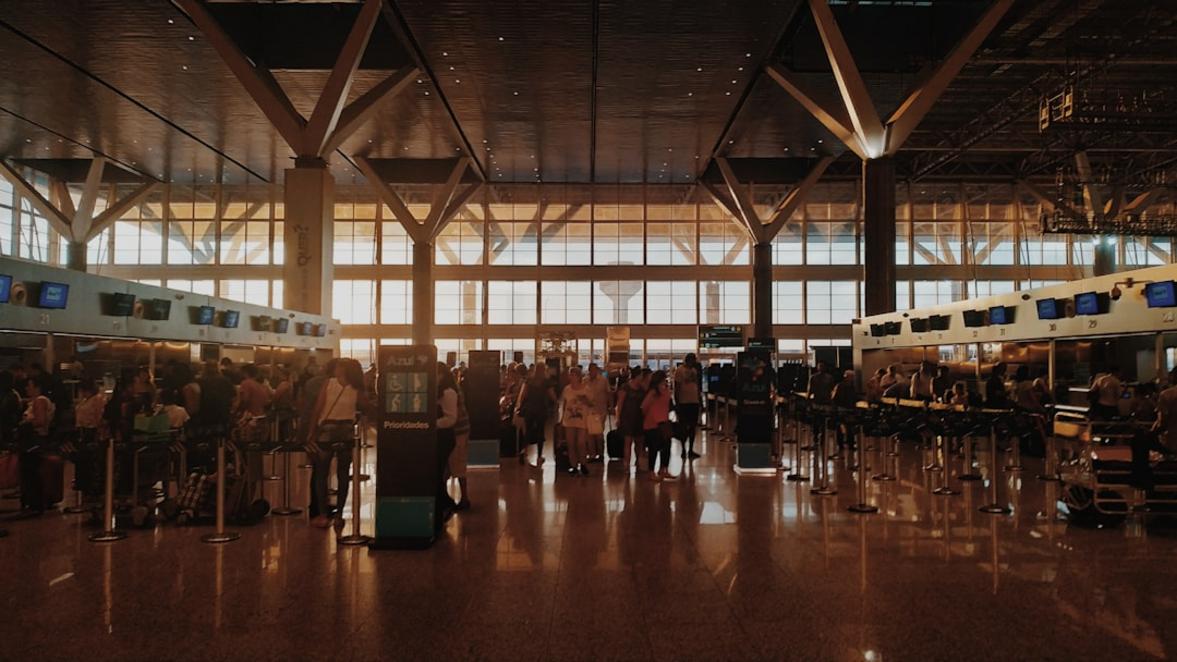
Documents & Money11 items
US citizens need a passport valid for at least six months after entry; Brazil requires no pre-arrival visa for stays under 90 days.
Keep copies separate from your passport to speed up replacements if lost or stolen.
Include flight tickets and accommodation confirmations; Brazilian customs may ask for proof of onward travel.
Brazilian healthcare can be expensive; insurance covering medical evacuation is essential.
Bring some Brazilian real cash for small vendors; major cities have reliable ATMs accepting Visa and Mastercard.
Purchase TIM or Vivo SIM at the airport for best coverage and data speeds in cities and beach towns.
Label checked bags clearly with your contact info to avoid delays at busy Brazilian airports.
Use during city tours and nightlife to protect cash and cards from pickpockets.
Required if planning to rent a car; Brazil enforces strict ID checks on drivers.
Strong sun near the equator demands high SPF; protects skin during beach and city outings.
Essential for evenings and outdoor areas to prevent mosquito bites that can transmit diseases.
What Goes in Your Carry-On for a Brazil Flight
This carry-on setup ensures comfort, security, and readiness for Brazil’s climate and airport procedures.
Carry-On Checklist12 items
Keeps daily essentials organized and accessible during city tours and beach trips.
Hydration is critical in Brazil’s warm climate; refill after security to avoid buying expensive bottled water.
Blocks noise and light on long flights and noisy Brazilian hostels or hotels.
Maximizes space and keeps carry-on organized for quick access during customs and transfers.
Secures your daypack or toiletry bag in shared accommodations common in Brazil.
Keeps phone charged for navigation, translation apps, and emergency contact in areas with unreliable power.
For entertainment and calls during flights and long bus rides between cities.
Brazil’s sudden tropical showers require a packable waterproof layer, especially in coastal cities.
Keeps toiletries accessible and off shared bathroom surfaces in hostels or guesthouses.
In case of lost luggage or long delays, a fresh outfit keeps you comfortable on arrival.
Carry prescription meds and basic first aid to avoid searching for pharmacies in unfamiliar areas.
Airport food options can be limited and expensive; pack non-perishable snacks for hunger between flights.
Do you need a power adapter in Brazil?
Electronics & Charging for Brazil’s Type N Plug
Plug Advisory
Brazil uses unique Type N sockets. Bring a universal power adapter to ensure compatibility with all plugs.
Electronics6 items
Long days out exploring cities and nature require reliable backup power for phones and cameras.
Brazil’s Type N plug is uncommon; a universal adapter covers all socket types encountered.
Charge multiple devices simultaneously in hotel rooms with limited outlets.
Use during long bus rides or flights and for blocking city noise.
Brazilian airports and bus stations can be chaotic; track luggage to avoid loss.
Backup cable prevents downtime if the main one breaks or gets lost.
Mobile Data
Brazil has good mobile data coverage in urban areas; buy a local eSIM for convenience and cost savings. eSIM for Brazil
Toiletries for Brazil’s Hot, Humid Climate
Local Buying Tip
Buy sunscreen, insect repellent, and extra toiletries at local pharmacies like Drogasil or Pague Menos, or convenience stores such as 7-Eleven.
Toiletries8 items
Reliable oral hygiene is a daily need; local brands vary in quality.
High humidity makes staying fresh a challenge; bring a trusted brand.
Frequent showers needed due to heat and humidity; travel size saves space.
Protects skin from strong tropical sun and prevents dehydration.
Sun exposure is intense; soothe skin after outdoor activities.
Useful for quick refreshes in hot, humid weather and when water is scarce.
Street food and public transport increase germ exposure; keep hands clean on the go.
Refill with local shampoo, conditioner, and body wash to save space and reduce plastic waste.
Health & Medical for Brazil’s Tropical Environment
Health Notice
Mosquito-borne diseases like dengue are common; tap water is not always safe to drink; sun exposure is strong year-round.
Health & Medical7 items
Access to specific meds can be limited outside major cities.
Traveler’s diarrhea is common due to unfamiliar food and water.
Hot climate and diarrhea risk require quick rehydration.
Relieves headaches, muscle aches from travel and heat.
Controls allergic reactions from insect bites and plants.
Minor cuts and scrapes happen often outdoors; prevent infection.
Mosquito bites cause itching and discomfort in tropical areas.

Travel Gear That Earns Its Weight in Brazil
Brazil’s mix of tropical beaches, humid cities, and occasional rain demands versatile, lightweight gear. Focus on sun protection, water resistance, and comfort for active days and vibrant nightlife.
Travel Gear8 items
Protects valuables from beach sand, rain showers, and humidity common in coastal and Amazon areas.
Dries quickly after beach or pool use, essential for humid climate and daily laundry routine.
Sudden tropical rainstorms hit cities like Rio and São Paulo, so a compact umbrella prevents soaking without bulk.
Useful for evening walks in poorly lit neighborhoods and power outages in remote areas.
Ideal for exploring Brazil’s clear coastal waters and snorkeling at Fernando de Noronha or Ilha Grande.
Protect feet from sharp rocks and coral on beaches and riverbanks, plus quick-dry for humid weather.
Provides relief in hot, humid urban nights and crowded nightlife venues without AC.
Essential for Amazon or Pantanal stays to avoid mosquito bites and reduce insect-borne illness risk.
Packing Organization That Keeps Brazil Trips Smooth
Eagle Creek Pack-It Cubes
Separate beachwear, nightlife outfits, and city clothes to easily access items for daily climate shifts.
Heavy-Duty Ziplock Bags
Store wet swimwear and protect electronics from humidity and sudden rain.
Sea to Summit Laundry Bag
Keep dirty clothes separate for quick hotel laundry or hand washing in sinks.
Dr. Bronner’s Travel Soap
Use for hand washing swimwear and light clothes daily to avoid overpacking.
Physix Compression Socks
Wear on long flights to Brazil to reduce swelling and improve circulation.
Cultural Dress Code Quick Reference
Why Pack 7 Days of Clothes for 14 Days
Laundry services in Brazilian cities are affordable and efficient, costing around $2-4 per kilogram with a typical turnaround of 24 to 48 hours. Most urban hotels offer laundry service Hotels in Brazil, which is convenient but slightly pricier than local lavanderias. Planning to do laundry midway cuts packing volume in half and keeps your bag light for daily use.
Packing Impact
Pack half your clothing and plan to do laundry once during the trip to stay light and fresh.
Do’s & Don’ts for Packing Behavior
Do
- Roll clothes tightly to maximize space and minimize wrinkles in your checked luggage.
Brazil’s humid climate means you’ll want wrinkle-free clothes ready to wear after laundry.
- Place valuables and a change of clothes in your carry-on in case checked bags are delayed.
Airports in Brazil can have occasional delays; being prepared avoids disruption.
- Photocopy your passport and store a copy separately from the original.
Brazilian authorities accept passport copies for routine ID checks, speeding up security lines.
- Download offline maps and translation apps before arrival.
Internet can be spotty outside major cities; offline tools keep navigation and communication smooth.
- Weigh your bags the night before departure.
Brazilian domestic flights have strict baggage limits; avoid last-minute repacking fees.
- Use packing cubes to separate clean clothes from worn items during your trip.
Humidity and heat can cause odors; separation keeps your bag fresh longer.
Don’t
- Don’t pack all your clothes in one large compartment.
Mixing clean and dirty clothes in Brazil’s humid environment leads to musty smells quickly.
- Don’t wait until the last minute to pack.
Brazil’s varied climate zones require thoughtful layering and outfit planning to avoid overpacking.
- Don’t rely solely on hotel laundry services.
Hotel laundry is more expensive and slower than local lavanderias, increasing costs and wait times.
- Don’t forget to leave some space for souvenirs and local purchases.
Brazil offers unique crafts and food products that won’t fit if your bag is fully packed.
- Don’t pack heavy items in your carry-on.
Brazilian airlines limit carry-on weight strictly; save space and weight for essentials only.
- Don’t overlook humidity-proof packing methods like plastic bags or compression sacks.
Humidity can damage electronics and important documents if not protected properly.

Skip These: 7 Items That Waste Space in Brazil
Pack for the actual conditions in Brazil, not what you imagine; avoid these heavy, slow-drying, or redundant items.
| Skip This | Why | Instead |
|---|---|---|
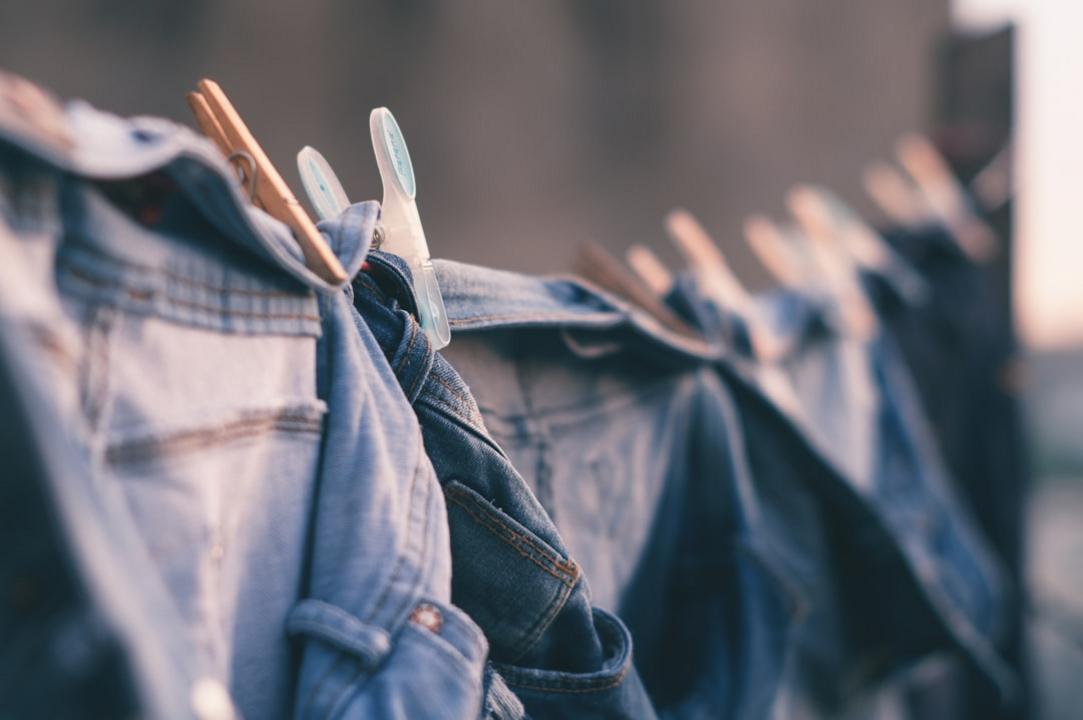
| Jeans | Jeans weigh around 900g and take over 18 hours to dry in Brazil’s 82% humidity, making them uncomfortable in tropical heat. | Two pairs of quick-dry travel pants weighing about 300g total dry in under an hour and stay breathable. |
| Full-size towel | Hotels and hostels in Brazil provide towels, and full-size towels weigh 500g+, bulky and slow to dry in humid conditions. | A 150g microfiber travel towel packs small and dries in under 30 minutes, perfect for beach and hostel use. |
| Cotton t-shirts | Cotton absorbs 7 times its weight in sweat and takes hours to dry in Brazil’s hot, humid climate, leading to discomfort. | Pack quick-dry synthetic shirts (~150g each) that dry in 30 minutes and wick moisture efficiently. |
| Too many dressy outfits | Brazilian nightlife is casual; heavy dress clothes add weight and take up space without much use. | One smart casual outfit weighing under 400g covers any upscale venue without bulk. |
| Laptop | A laptop adds 1.3kg and duplicates phone functions like maps, bookings, and photos, unnecessary for most Brazil trips. | Use your smartphone for all digital needs, saving weight and space. |
| Heavy raincoat | Brazil’s rain is often sudden but short; heavy raincoats weigh over 800g and pack bulky. | A lightweight 200g packable rain jacket or poncho handles tropical showers and fits in your daypack. |
| Multiple pairs of heavy hiking boots | Brazil’s main activities are beach and city; heavy boots weigh 1.5kg+ and are unnecessary except for specific trekking. | One pair of lightweight, breathable sneakers (~600g) covers city and light trail needs. |
| Full-size guidebooks | Printed guidebooks weigh 300-500g and are bulky; Brazil has excellent mobile coverage and offline map apps. | Download offline maps and guides on your phone to save weight and space. |
Brazil Travel FAQ
1Are power adapters needed in Brazil?
No adapter is needed. Brazil uses plug types C and N, which fit most US plugs with two or three round pins. Check your devices for compatibility but usually no adapter is required.
2Can I buy sunscreen and toiletries locally in Brazil?
Yes, sunscreen, toiletries, and insect repellent are widely available in pharmacies and supermarkets at reasonable prices, but pack your preferred brands if you have sensitive skin.
3How many outfits should I pack for 14 days in Brazil’s mix of beach and city activities?
Pack 5-6 quick-dry shirts, 2-3 pairs of shorts, 1-2 quick-dry pants, and one smart casual outfit for nightlife. Laundry options are easy in cities to refresh clothes mid-trip.
4What should I keep in my carry-on for Brazil flights?
Keep a lightweight rain jacket, a change of underwear, essential medications, sunscreen, and a reusable water bottle in your carry-on for comfort during travel and unexpected delays.
5Is laundry easy to do in Brazil?
Yes, laundry services are common in cities and many accommodations offer machines or affordable laundry services. Quick-dry clothes make hand washing and fast drying feasible in humid conditions.
6Are there restrictions on bringing food or plants into Brazil?
Brazil restricts fresh fruits, vegetables, seeds, and meats. Check current customs rules before travel to avoid fines or confiscation.
7Do I need rain gear for Brazil’s climate?
Yes, pack a lightweight, packable rain jacket or poncho, especially during the rainy season (December to March) when tropical showers are frequent but short-lived.
8What activities should I book in advance in Brazil?
Popular tours like Rio’s Christ the Redeemer and Amazon excursions book fast. Reserve tickets online beforehand to avoid lines and secure spots Tours in Brazil.
Create Your Custom Brazil Checklist
Use the packing list generator to build a personalized checklist for Brazil — filtered by your travel dates, activities, and preferences.
Gear & Travel Partners
Packing CubesAmazon
Travel AdapterAmazon
Microfiber TowelAmazon
Cheap Flights to BrazilSkyscanner
Hotels in BrazilStay22
eSIM for BrazilSaily
Tours in BrazilGetYourGuide
Via these links you support Pack Lightly at no extra cost to you.