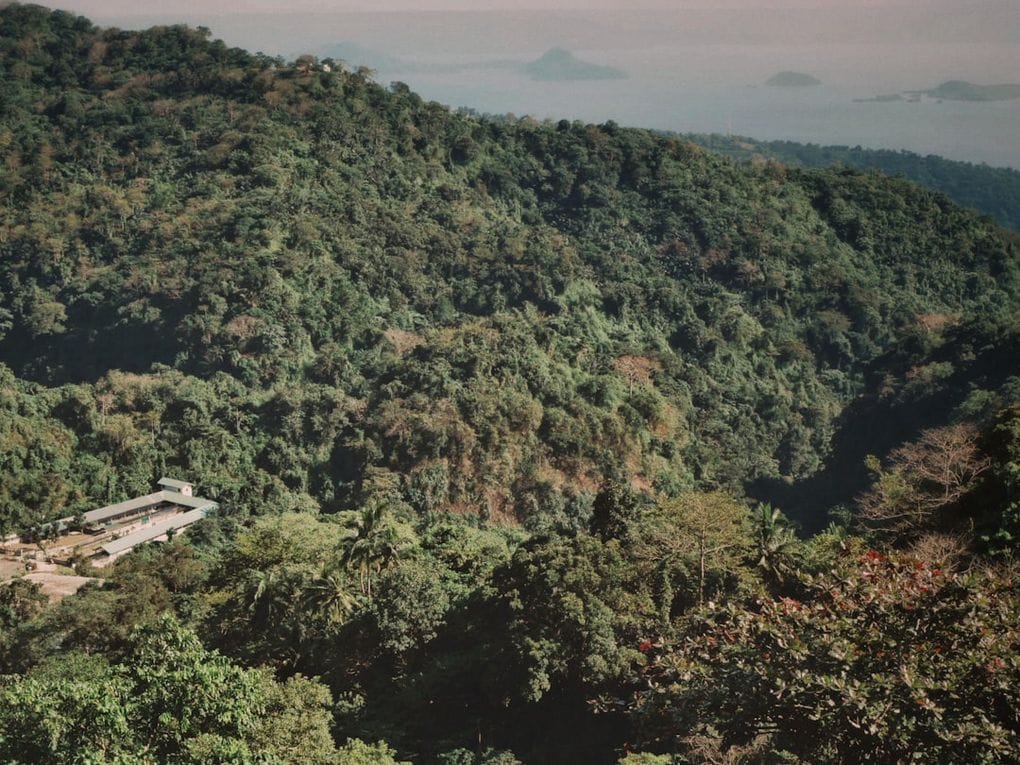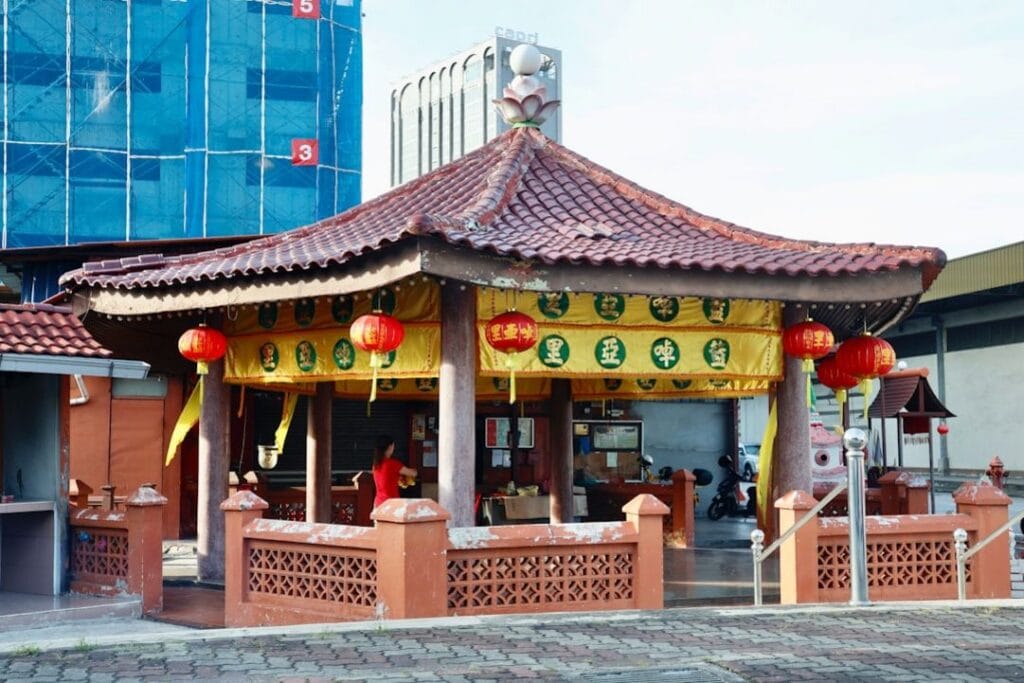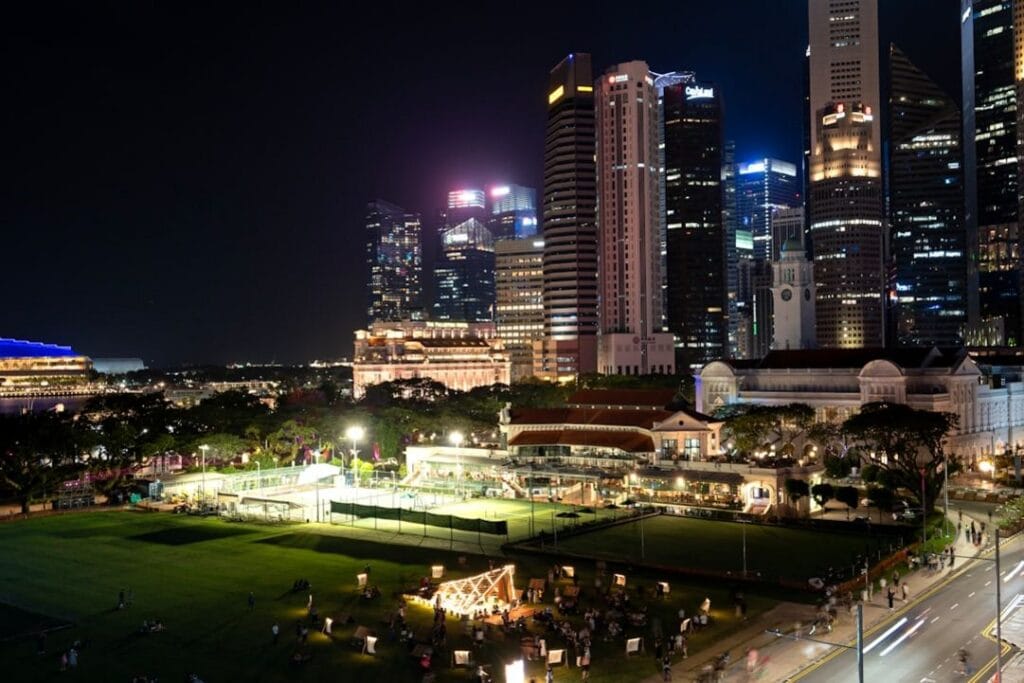


Malaysia wins for ease and safety; Cambodia delivers culture but demands patience.
Malaysia is the clear winner for travelers who want smooth logistics and better safety. Kuala Lumpur ranks high with Pack Lightly’s safety score (75/100) and offers a modern city infrastructure that lets you get around quickly. US citizens can enter Malaysia without a visa for up to 90 days, making entry straightforward. Daily budgets in Kuala Lumpur typically run $70 to $140, covering efficient public transit and mid-range hotels. The best time to visit is February through April, when rainfall drops below 7 inches / 178 mm monthly, keeping outdoor plans intact. Malaysia’s urban convenience beats Cambodia’s more complex travel setup for most first or second Asia trips.

Cambodia delivers unmatched cultural depth centered on Angkor Wat and other ancient ruins, but it comes with trade-offs. Phnom Penh’s Pack Lightly safety score (60/100) means you need to stay alert, especially in crowded areas. US citizens get 30-day visas on arrival or online for $40, but expect slower transport and less tourist infrastructure (60/100). Cambodia’s daily budget can be as low as $40, but travel times between cities are longer. The best months to visit are November through February, when temperatures hover around 80°F / 27°C and rain is minimal. If culture and history drive your trip and you can handle slower logistics, Cambodia is worth the effort.
Insider tip: Skip Siem Reap’s Pub Street at night; try $1 street noodles near Wat Bo for real flavor.
Malaysia’s higher safety score means less risk and smoother travel for US visitors compared to Cambodia’s 60.
Malaysia vs Cambodia: Key Travel Differences
| Topic | Malaysia | Cambodia |
|---|---|---|
| Travel vibe | Kuala Lumpur’s efficient city life with rapid transit and malls | Phnom Penh’s slower pace focused on temples and markets |
| Budget level | Daily budget $70 – $140 for mid-range hotels and meals | Daily budget $40 – $80 with cheap guesthouses and street food |
| Top destinations | Petronas Towers, Batu Caves, Langkawi beaches | Angkor Wat, Phnom Penh Royal Palace, Tonle Sap Lake |
| Nature & landscape | Cameron Highlands tea farms, Langkawi islands with beaches | Mekong River, Cardamom Mountains, Tonle Sap floating villages |
| Food & cuisine | Nasi lemak $2.50 stalls, Penang street hawker centers | Fish amok $3 meals, $1 noodle stalls near Angkor Wat |
| Accommodation quality | 3-star hotels $40 – $70/night with reliable amenities | Guesthouses $10 – $25/night, variable quality and comfort |
| Crowds in peak season | KL busy in December holidays, manageable crowds | Siem Reap packed November – February around Angkor Wat |
| Transport & infrastructure | KL Monorail, MRT, and affordable Grab rides | Limited buses, tuk-tuks, and slow road conditions |
| Safety | Lower petty crime, Pack Lightly safety score 75/100 | Higher petty crime risk, score 60/100, watch belongings |
| Visa requirements | Visa-free entry 90 days for US citizens | Tourist eVisa, official fee $30, about 1 month stay |
Best for Malaysia
- Couples with $100/day wanting city comfort and beach day trips
- Solo travelers who avoid scooters and want English widely spoken
- Business travelers needing reliable internet and transport
Best for Cambodia
- History buffs with $50/day focused on Angkor Wat and temples
- Backpackers willing to navigate slower transport for budget stays
- Photographers targeting rural villages and river life scenes
Key Takeaways for Choosing Malaysia or Cambodia
- If you prioritize safety and ease, choose Malaysia. Pack Lightly safety score 75/100 means less hassle.
- If your budget caps at $50/day and you want ancient ruins, choose Cambodia, cheaper guesthouses and food.
- If you want straightforward visa entry, choose Malaysia. US citizens get 90 days visa-free.
- If you want cultural depth with historic sites, choose Cambodia. Angkor Wat and Phnom Penh’s Royal Palace.
- If you want reliable transport and city infrastructure, choose Malaysia. KL Monorail and MRT cover the city.
- If you want a mix of city and beach with modern amenities, choose Malaysia. Langkawi beaches and KL’s nightlife.
Pack Lightly Scores
11 categories scored from 0 (low) to 100 (high)
Still torn between Malaysia and Cambodia?
Use the interactive comparison tool to see which country fits your travel style. It scores 11 categories and lets you weight factors like budget, culture, and safety to find your best match.
What you’ll actually spend
Cambodia is cheaper for mid-range travelers by about $10 per day. Malaysia uses MYR with an exchange rate of 0.2516 USD, while Cambodia uses KHR at 0.00025106 USD. Splurge on guided Angkor Wat tours in Cambodia for a cultural deep dive and on rooftop dining experiences in Kuala Lumpur to enjoy city views and upscale cuisine.
Daily cost comparison
| Category | Malaysia (MYR / USD) | Cambodia (KHR / USD) |
|---|---|---|
| Backpacker daily budget | 50 – 70 MYR / 12.58 – 17.61 USD | 60,000 – 80,000 KHR / 15.06 – 20.85 USD |
| Mid-range daily budget | 150 – 220 MYR / 37.74 – 55.35 USD | 120,000 – 160,000 KHR / 30.13 – 40.17 USD |
| Luxury daily budget | 450 – 700 MYR / 113.22 – 176.12 USD | 400,000 – 600,000 KHR / 100.42 – 150.63 USD |
| Street food meal | 5 – 8 MYR / 1.26 – 2.01 USD | 4,000 – 6,000 KHR / 1.00 – 1.51 USD |
| Restaurant meal | 20 – 40 MYR / 5.03 – 10.06 USD | 15,000 – 30,000 KHR / 3.77 – 7.53 USD |
| Local transport (per day) | 10 – 20 MYR / 2.52 – 5.03 USD | 8,000 – 15,000 KHR / 2.01 – 3.77 USD |
| Activities/tours (average) | 80 – 140 MYR / 20.13 – 35.22 USD | 60,000 – 100,000 KHR / 15.06 – 25.11 USD |
Cambodia wins on overall daily costs, especially in mid-range and luxury travel. Malaysia edges out on street food quality and transport prices but runs pricier on accommodations and tours. Pack Lightly budgetFriendly: Malaysia 80, Cambodia 90. Cambodia is the clear choice if budget is your priority. Hotels MalaysiaHotels Cambodia
Pro tip: Book Angkor Wat sunrise tours directly through local operators to avoid middleman fees.
Watch out: Tourist sites in Cambodia often add mandatory entrance fees overlooked in initial budgeting.
What you’ll eat
Malaysia wins street food hands down. Kuala Lumpur’s Jalan Alor offers char kway teow for about $2.50 and satay skewers for $1 each. Cambodia’s Phnom Penh has tasty kuy teav noodle soup for $1.50, but the variety and polish lag behind Malaysia’s bustling hawker centers.
Vegetarians fare better in Malaysia thanks to widespread halal and vegetarian options, especially in Penang and KL. Cambodia’s food scene is more meat-heavy and less gluten-free friendly, with fewer vegetarian dishes outside tourist spots.
Alcohol is easier to find and cheaper in Cambodia. Try Angkor beer for around $1.50 at Phnom Penh bars. Malaysia’s Muslim majority means alcohol is pricier and less available outside major cities. Local drinks like teh tarik in Malaysia and sugarcane juice in Cambodia offer non-alcoholic alternatives.
Dealbreaker foods? Malaysia’s durian smell can be overpowering but avoid it by sticking to central markets. Cambodia’s fish paste (prahok) is pungent and common in dishes; skip it by ordering grilled meats or fresh spring rolls instead.
Food and drink comparison
| Category | Malaysia | Cambodia |
|---|---|---|
| Signature dish | Char kway teow (flat rice noodles, $2.50, Kuala Lumpur) | Kuy teav (beef noodle soup, $1.50, Phnom Penh) |
| Street food quality | Diverse, clean, and plentiful hawker centers | Simple, rustic stalls with fewer options |
| Vegetarian-friendly | Strong halal and vegetarian presence, especially in Penang | Limited vegetarian options, meat-heavy dishes |
| Restaurant variety | Wide range from street to upscale fusion | Mostly casual, local eateries with some tourist spots |
| Drink culture | Limited alcohol, popular teh tarik tea | Affordable local beers like Angkor, casual bar scene |
Char kway teow
Popular street dish, affordable, and widely available
Insider tip: Try Penang’s Assam Laksa at Air Itam Market for a tangy, spicy fix under $3.
Where to sleep
Malaysia offers better hotel quality with a Pack Lightly score of 75 versus Cambodia’s 65. Kuala Lumpur’s Bukit Bintang and Penang’s George Town have reliable mid-range and boutique options. Cambodia’s Phnom Penh and Siem Reap have budget-friendly stays but less consistent quality. Use Hotels Malaysia for Malaysia and Hotels Cambodia for Cambodia to find verified listings.

Watch out for quality drops in Malaysia’s budget hostels outside main neighborhoods and Cambodia’s guesthouses in rural areas. Even in Cambodia’s tourist hubs, some hotels lack maintenance or have poor reviews. Malaysia’s higher hotel quality means fewer surprises but expect occasional noise in KL’s nightlife districts.
For quieter, less touristy stays, Malaysia’s Taman Tun Dr Ismail offers boutique guesthouses. Cambodia’s BKK1 district in Phnom Penh has trendy guesthouses with better standards than Old Market in Siem Reap.
See full lodging breakdown by budget
Accommodation options by type
| Type | Malaysia | Cambodia |
|---|---|---|
| Budget hostels | Dorms in KL’s Chinatown, $10-$15/night | Basic guesthouses in Siem Reap Old Market, $5-$10/night |
| Mid-range hotels | 3-star hotels in Bukit Bintang, $40-$70/night | 3-star hotels in Phnom Penh Riverside, $30-$50/night |
| Boutique stays | Heritage inns in George Town, $60-$90/night | Stylish guesthouses in Phnom Penh BKK1, $40-$70/night |
| Luxury resorts | High-end hotels in KLCC area, $120-$200/night | Upscale resorts near Angkor Wat, $100-$180/night |
| Alternatives | Serviced apartments in Mont Kiara, $50-$80/night | Boutique homestays in Siem Reap outskirts, $30-$50/night |
Booking tip: Book Bukit Bintang hotels early on Agoda for best rates and flexible cancellations.
What it actually feels like

Early morning in Kuala Lumpur’s Bukit Bintang district means street hawkers setting up stalls, the scent of grilled satay filling humid air. Traffic hums steadily, and neon signs flicker off as the city wakes into a fast-paced, modern routine.
Phnom Penh at dawn feels different. The Mekong River’s cool breeze contrasts with the city’s slow stir. Tuk-tuks rattle along Sisowath Quay, and monks in saffron robes collect alms. The city’s weight of history presses quietly beneath everyday life.
Malaysia demands more navigation through urban sprawl and crowded transit, but offers seamless convenience. Cambodia’s charm comes with rougher roads and fewer transport options, requiring patience and flexibility.
Only in Cambodia can you spend sunrise inside Angkor Wat’s vast temple complex, then wander local villages barely touched by tourism. Malaysia’s strength lies in urban diversity, from skyscrapers to island beaches, all with polished infrastructure and easy access.
Malaysia highlights
- Petronas Towers(Kuala Lumpur): Take the skybridge and observation deck for city views and photo ops.
- Jalan Alor Night Market(Bukit Bintang, Kuala Lumpur): Street food stalls serving char kway teow and grilled seafood till late.
- Langkawi Island Beaches(Langkawi): White sand beaches with clear water, perfect for snorkeling and relaxing.
- Penang Street Art(George Town): Explore murals and heritage buildings on foot or by trishaw.
- Cameron Highlands Tea Plantations(Pahang): Cool mountain air and endless green tea fields to hike and photograph.
Cambodia highlights
- Angkor Wat Sunrise(Siem Reap): Arrive early to watch the sun rise over the largest temple complex.
- Tuol Sleng Genocide Museum(Phnom Penh): Harsh, necessary visit to understand Cambodia’s recent tragic history.
- Tonle Sap Lake Floating Villages(Near Siem Reap): Boat tour of unique communities living on water year-round.
- Phnom Penh Riverside Walk(Sisowath Quay): Evening stroll with street vendors, local snacks, and river views.
- Banteay Srei Temple(Near Siem Reap): Smaller temple known for intricate pink sandstone carvings.
Ideal duration: Malaysia: 7 – 10 days, covers city, highlands, beach, and heritage sites. · Cambodia: 5 – 7 days, focused on temples, history, and rural village tours.
What to do in Malaysia & Cambodia
Malaysia
- Visit Petronas Towers observation deck in the morning.
- Eat seafood at Jalan Alor Night Market after sunset.
- Take a day trip to Langkawi for beaches and snorkeling.
Cambodia
- Get to Angkor Wat before 6 a.m. for sunrise.
- Take a guided tour of Tuol Sleng Museum for context.
- Boat tour Tonle Sap floating villages during dry season.
What to skip in Malaysia & Cambodia
Malaysia
- Skip Genting Highlands, overpriced and crowded casino resort.
- Avoid Bukit Bintang late at night if alone, some areas sketchy.
- Don’t rely solely on Grab app; traffic delays are common.
Cambodia
- Avoid tuk-tuk rides after dark in Phnom Penh.
- Skip overhyped Pub Street bars in Siem Reap.
- Don’t spend time in Phnom Penh’s Russian Market, tourist trap.
Choose based on
- If you want easy urban travel and modern comforts, choose Malaysia, touristInfrastructure 80.
- If you prioritize ancient culture and history, choose Cambodia, culture 85.
- If budget is your main concern, choose Cambodia, budgetFriendly 90.
- If you dislike rough roads and prefer polished hotels, choose Malaysia, hotelQuality 75.
Malaysia’s smooth infrastructure saves time but sacrifices cultural depth found in Cambodia’s raw historic sites.
Real safety picture

Malaysia is safer with a Pack Lightly safety score of 75 versus Cambodia’s 60. Kuala Lumpur has solid infrastructure and lower petty crime rates than Phnom Penh. Solo female travelers find Malaysia generally more comfortable, but both countries require caution in certain areas. Cambodia’s road safety is weaker, especially outside main cities. Health risks exist in both, but Malaysia’s healthcare access is better.
Insurance: Buy cover before you go and it runs the whole trip, with 5% off Heymondo through this link. Check Heymondo travel insurance
See detailed safety factors table
Safety factors compared
| Factor | Malaysia | Cambodia | Practical tip |
|---|---|---|---|
| Pickpocketing | Low in Bukit Bintang and KLCC; mostly avoid crowded markets. | Common around Central Market and Pub Street in Siem Reap. | Use the Grab app for transport and keep valuables in front pockets. |
| Tourist scams | Taxi drivers may overcharge outside KL Sentral; insist on meter or Grab. | Tuk-tuk drivers near Angkor Wat often inflate prices or add fake fees. | Pre-book rides via Grab or negotiate fares clearly before rides. |
| Solo female traveler safety | Generally safe in major areas like Bukit Bintang; avoid late-night isolated spots. | Exercise caution in Phnom Penh’s outskirts and avoid poorly lit streets. | Use rideshare apps and stay in well-reviewed hotels with good security. |
| Health risks | Dengue outbreaks occur; tap water is not drinkable but bottled water is cheap. | Higher risk of mosquito-borne diseases; avoid street food from questionable vendors. | Carry insect repellent and drink only bottled water from sealed bottles. |
| Road safety | Traffic is busy but rules are enforced; use pedestrian bridges in KL. | Chaotic traffic in Phnom Penh and Siem Reap; motorbikes often ignore signals. | Avoid crossing busy streets without pedestrian signals; use Grab for transport. |
| Natural disasters | Rare floods during monsoon season; no major earthquakes. | Flooding possible during rainy season; no significant seismic activity. | Check local weather apps during monsoon months (May – October). |
Scam spotlight: Tuk-tuks near Angkor Wat
How it works: Drivers quote low prices then add extra fees for ‘permits’ or ‘fuel’.
How to avoid: Agree on a fixed price before the ride and confirm it via your hotel.
Watch out: Booking unlicensed taxis in Phnom Penh can cost $50+ for short rides.
Insider tip: Some KL neighborhoods like Chow Kit can feel sketchy after dark despite central location.
Visa & entry requirements
Malaysia is visa-free for US citizens but requires mandatory pre-arrival registration via MDAC. Cambodia requires a tourist visa, with an official eVisa government fee of $30; other application routes can carry different service charges. Malaysia’s MDAC system means visa-free doesn’t mean no paperwork.
Full visa & entry requirements table
Visa and entry comparison
| Factor | Malaysia | Cambodia | Practical note |
|---|---|---|---|
| Visa requirement | No visa required for US citizens. | Visa required. | Malaysia requires MDAC registration despite visa-free status. |
| Visa type & cost | Visa-free; free of charge. | Official eVisa fee $30; eligible visa-on-arrival routes exist separately. | Cambodia’s official eVisa fee is fixed; other routes can differ. |
| Application process | Pre-arrival MDAC registration via imigresen-online.imi.gov.my. | Apply online for the eVisa or use an eligible Visa on Arrival route at qualifying airports/borders. A separate Cambodia e-Arrival form is also required for major international airport arrivals. | Start Malaysia’s MDAC registration at least 3 days before arrival. |
| On-arrival option | No on-arrival visa; MDAC registration mandatory. | Eligible Visa on Arrival routes exist at qualifying airports and border crossings. | Cambodia’s VOA is convenient but expect lines during peak season. |
| Max stay & extension | 90 days; no extension needed for typical tourist stays. | About 1 month; can extend at immigration offices. | Plan extensions in Cambodia ahead to avoid overstay fines. |
Visa rules change frequently. Check official sites before travel. MDAC and visa policies can update separately. for coverage of unexpected visa or health issues.
Getting around

Malaysia is easier to navigate with a stronger transport infrastructure compared to Cambodia. Pack Lightly touristInfrastructure: Malaysia 80, Cambodia 60. Malaysia’s extensive rail network and low-cost domestic flights cover the long distances between islands and mainland efficiently. Cambodia relies more on buses and motorbikes, with limited train options and no domestic flights connecting key tourist hubs.
Compare every transport option side-by-side
Transport options comparison
| Mode | Malaysia | Cambodia | Practical note |
|---|---|---|---|
| Domestic flights | AirAsia and Firefly connect Kuala Lumpur to Langkawi and Penang, fares from $25 one-way. | Cambodia Angkor Air flies Phnom Penh to Siem Reap from $40 one-way, limited routes. | Book Malaysia flights on AirAsia app 2-3 weeks ahead for best deals. |
| Buses | Bus Rapid KL and long-distance buses run from $5-$20 for routes like KL to Penang (4.5 hrs). | Giant Ibis and Mekong Express run Phnom Penh to Siem Reap for $10-$15, often crowded. | Use 12Go Asia app to book bus tickets early in Cambodia to avoid sold-out seats. |
| Trains | KTM Komuter and ETS trains cover Kuala Lumpur to Penang from $12, travel time 4-5 hrs. | Limited rail service Phnom Penh to Sihanoukville, infrequent and slow, ticket around $7. | Buy KTM tickets on KTM’s website or at station; expect delays in Cambodia trains. |
| Taxi / ride-hailing | Grab app dominates with fixed fares and safety features, rides from $2 in KL. | PassApp and Grab available in Phnom Penh, but fares can surge and drivers vary in quality. | Use Grab in Malaysia for upfront prices; in Cambodia, negotiate or use PassApp for transparency. |
| Ferries | Ferries connect Langkawi, Penang, and mainland; prices $5-$15, schedules reliable. | Limited ferry service, mostly local boats on Tonle Sap Lake, not practical for tourists. | Book Langkawi ferries on Langkawi Ferry official site; no major ferry apps in Cambodia. |
| Scooter rental | Rent scooters in Langkawi or Penang for $10-$15/day with full insurance options. | Scooter rentals in Siem Reap and Phnom Penh $5-$10/day, helmets rarely enforced. | Use GrabBike in both countries for short trips; helmets mandatory in Malaysia. |
| Bicycle rental | Bikes available in Georgetown and Langkawi for $8-$12/day, good bike lanes in parts. | Bikes cost $3-$6/day in Siem Reap, but roads can be rough and traffic chaotic. | Rent bikes from Grasshopper Adventures in Siem Reap for well-maintained options. |
Malaysia wins for ease and coverage with a Pack Lightly touristInfrastructure score of 80 versus Cambodia’s 60. The Grab app in Malaysia makes urban travel predictable and affordable. Cambodia’s limited rail and flight options slow you down and add complexity. For Book transport, Malaysia’s integrated transport networks save you time and stress.
App tip: Grab app works across both countries, offering ride-hailing and scooter rentals with upfront pricing.
Sample routes:
Malaysia: Kuala Lumpur → Penang, train (KTM ETS), $12, 4.5 hours
Cambodia: Phnom Penh → Siem Reap, bus (Giant Ibis), $12, 6 hours
How far English gets you
Malaysia wins for English ease. Kuala Lumpur and Penang have widespread English in shops, hotels, and public transport. In rural areas and East Malaysia, Malay is dominant and English fades fast. Cambodia’s Phnom Penh and Siem Reap offer basic English, but outside those cities, expect Khmer only. Use Google Translate to bridge gaps, especially in markets and rural Cambodia.
App tip: Google Translate app for offline Khmer and Malay translations, available on iOS and Android.
Essential phrases cheat sheet
| English | Malaysia | Cambodia | When to use |
|---|---|---|---|
| Hello | Halo | Sua s’dei | Greeting locals politely |
| Thank you | Terima kasih | Aw kohn | Expressing gratitude |
| How much? | Berapa harga? | Tlay bon man na? | Asking price in markets |
Wifi, data, payments
Malaysia’s wifi is reliable in cities and resorts, with widespread 4G coverage and fast speeds. Cambodia’s wifi can be spotty outside Phnom Penh and Siem Reap, but 4G mobile data is solid in urban areas. Grab local SIMs or buy eSIMs from providers like Airalo for Malaysia eSIM Malaysia and Cambodia eSIM Cambodia. Credit cards work in major Malaysian cities but carry cash in rural areas and Cambodia, where mobile payment apps like GrabPay and Wing are common in cities.
eSIM picks:
Malaysia: Malaysia: Airalo eSIM, $10 for 3GB, valid 30 days
Cambodia: Cambodia: Airalo eSIM, $8 for 2GB, valid 15 days
Malaysia accepts cards widely; Cambodia is cash-first outside Phnom Penh and Siem Reap.
When to go
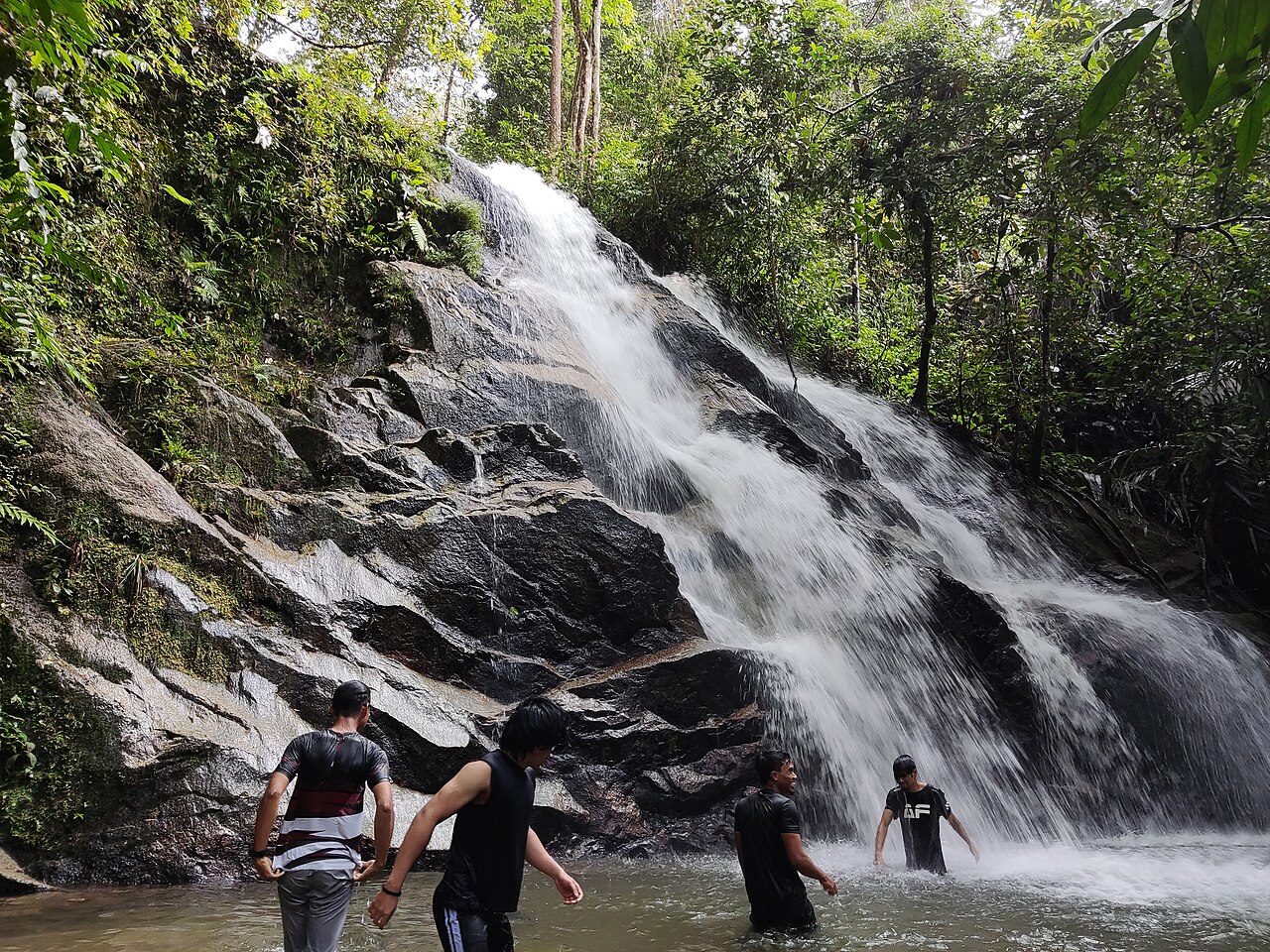
Malaysia is best from June to August and December with warm temps and manageable rain. Cambodia’s dry season from November to April offers hot, clear weather. Malaysia’s shoulder months are more forgiving with less extreme heat and rain than Cambodia’s.
Full season-by-season climate breakdown
Seasonal climate comparison
| Season | Malaysia | Cambodia | Best Pick | Notes |
|---|---|---|---|---|
| Winter (Dec – Feb) | Average temps around 79°F / 26°C to 81°F / 27°C with heavy rain in December (20 inches / 508 mm), tapering off by February (7 inches / 178 mm). | Average temps 80°F / 27°C to 83°F / 28°C with almost no rain (0.1 to 0.2 inches / 2.5 to 5.1 mm), clear and dry conditions. | Cambodia | Cambodia’s dry season means fewer rain delays and easier travel. |
| Spring (Mar – May) | Temps steady near 81°F / 27°C with moderate rain (7 to 23 inches / 178 to 584 mm), rain picks up in May. | Hot temps rising to 90°F / 32°C in April, low rain (0.5 inches / 13 mm in March, 0.5 in April), dry but very hot. | Malaysia | Malaysia’s rain is more consistent, but cooler than Cambodia’s harsh heat. |
| Summer (Jun – Aug) | Temps steady around 81°F / 27°C with rain dropping to 5 inches / 127 mm in July, August wetter at 19 inches / 483 mm. | Temps drop to mid-80s, rain increases sharply (10 to 11 inches / 254 to 279 mm), wet and humid. | Malaysia | Malaysia’s rain is less intense, better for outdoor plans than Cambodia. |
| Fall (Sep – Nov) | Temps near 80°F / 27°C with heavy rain (12 to 23 inches / 305 to 584 mm), wettest months of the year. | Temps cool to mid-80s, rain peaks in September and October (14 to 15 inches / 356 to 381 mm), then drops in November. | Cambodia | Cambodia’s rain tapers off earlier, November is ideal for travel. |
Climate tip: Visit Malaysia in July and Cambodia in November to dodge the worst rains and heat.
The call
Malaysia wins overall for ease, safety, and comfort. It offers better infrastructure, more reliable transport, and a livable city experience. Cambodia pulls ahead only for culture and budget travelers who want raw history and lower daily costs. Skip Cambodia if safety and travel logistics worry you. Weighing other Southeast Asia options too? See how Malaysia compares to the Philippines or Malaysia against Brunei.
Head-to-head category winner
| Topic | Winner | Reason |
|---|---|---|
| Budget | Cambodia | ~$5.51/day cheaper mid-range, very affordable food and lodging |
| Nature | Malaysia | More diverse landscapes and better-maintained parks |
| Culture | Cambodia | Rich ancient history and iconic temples |
| Cities | Malaysia | Modern, clean, and efficient urban centers |
| Food & drinks | Malaysia | Varied street food and high-quality dining options |
| Accommodation | Malaysia | Wider range of quality hotels and hostels |
| Transport | Malaysia | Reliable public transit and better connectivity |
| Safety | Malaysia | Lower crime rates and better traveler security |
| Crowds | Cambodia | Less urban crowding outside main tourist sites |
| Digital infrastructure | Malaysia | Faster internet and better mobile coverage |
Malaysia beats Cambodia for most travelers seeking comfort, safety, and ease.
Choose Malaysia for a smooth, modern trip with safety and convenience. Pick Cambodia if budget and cultural immersion are your top priorities.
Book your trip
Using these links supports Pack Lightly at no extra cost to you.
Your questions, answered
01Which country is cheaper in 2026?
Cambodia is cheaper, with mid-range daily costs around $33-$50 versus Malaysia’s $45-$70. Backpackers spend about $15-$25 in Cambodia, compared to $25-$40 in Malaysia. The cost gap is about $8 daily, making Cambodia the clear budget winner.
02What are the visa requirements for US citizens for Malaysia and Cambodia?
US travelers don’t need a visa for Malaysia but must register online within 3 days before arrival; stay is allowed up to 90 days free. Cambodia requires a tourist eVisa with an official $30 government fee, valid for about 1 month. Malaysia’s visa process is simpler and cheaper.
03Which country is safer for solo travelers?
Malaysia scores 75 for safety, Cambodia 60. Malaysia’s urban areas like Kuala Lumpur have better infrastructure and lower petty crime risk. Solo travelers will find Malaysia more secure and easier to navigate, especially at night.
04Which country has better street food and local cuisine?
Malaysia leads with a 90 food and drinks score versus Cambodia’s 75. Malaysia offers diverse, high-quality street food in cities like Penang and Kuala Lumpur. Cambodia’s food is tasty but less varied and less polished.
05Which is better for culture and historical sites?
Cambodia wins with an 85 culture score against Malaysia’s 75. Angkor Wat and ancient temples dominate Cambodia’s scene. Malaysia offers multicultural urban culture but fewer iconic ancient sites.
06What is the best time to visit Malaysia and Cambodia?
Best months for both are November through February with dry weather. Cambodia’s peak dry season is November to February. Malaysia’s west coast shares this, but the east coast is best from March to October.
07Can you realistically combine Malaysia and Cambodia in one trip?
Yes, but expect some travel hassle. Flights connect Kuala Lumpur to Phnom Penh or Siem Reap in about 2 hours. Plan at least 3-4 days per country to avoid rushing, focusing on city life in Malaysia and temples in Cambodia.
08Which country is better for nature, hiking, and adventure?
Malaysia leads with an 80 nature score, Cambodia trails at 65. Malaysia offers rainforests, mountains, and islands with good infrastructure. Cambodia’s nature is less developed for hiking and adventure, mostly centered on river and jungle tours.
Insider tip: Visit Malaysia’s east coast islands in April for fewer crowds and better weather than the west coast’s peak season.