


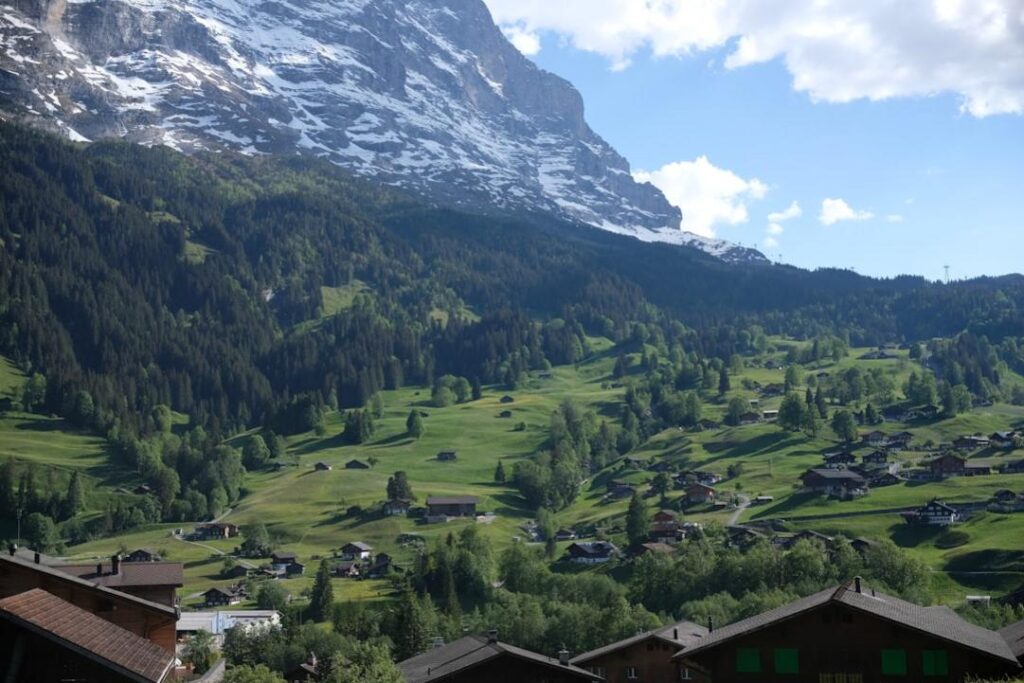
Breathe in the crisp mountain air as you trek through stunning alpine valleys and coastal cliffs.
Anchor your adventure in the Vanoise and Mercantour, where alpine trails lead to breathtaking views. Finish your journey in the Calanques, where azure waters meet rugged cliffs.
This guide highlights the best parks for trekking, detailing access, permits, and crowd conditions to help you plan effectively.
Key Takeaways
- Book Vanoise refuges 3 months ahead for hut-to-hut trekking.
- Visit Calanques early to avoid crowds; arrive by 7 AM.
- Mercantour requires guided hikes for Merveilles; book a month in advance.
- Écrins’ GR54 is challenging; suitable for experienced trekkers only.
- Cévennes is best in May or September for fewer visitors.
- Port-Cros offers limited accommodation; consider a day trip.
- Scandola’s boat tours are best half-day; skip full-day options.
Which of these parks are actually worth your time?
Prioritize Vanoise and Mercantour for their exceptional trekking routes and stunning landscapes. Calanques offers a unique coastal experience, but expect crowds. Écrins is ideal for seasoned trekkers seeking solitude. Skip Port-Cros and Scandola unless you have specific interests in marine life or island exploration.
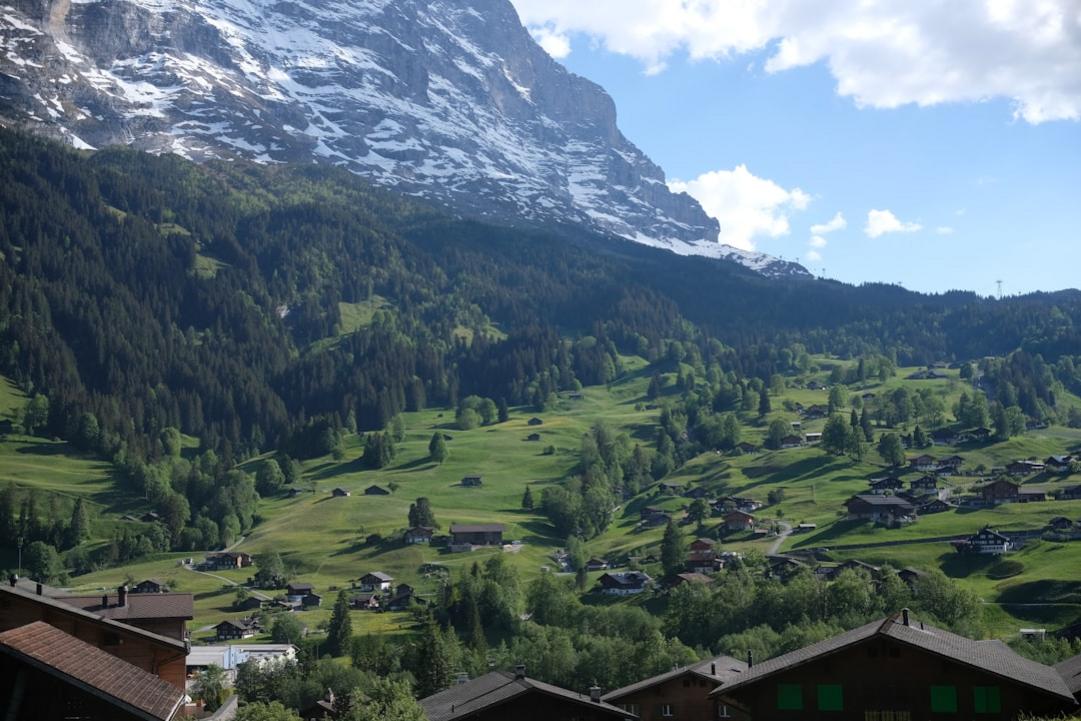
Park Overview
This table summarizes essential details for each park.
| Park | Region | Size (km2) | Best months | Crowds | Verdict |
|---|---|---|---|---|---|
| Calanques National Park | Provence-Alpes-Côte d’Azur | 520 | Apr-Jun, Sep-Oct | crowded | Worth a detour |
| Mercantour National Park | Provence-Alpes-Côte d’Azur | 685 | Jun-Sep | moderate | Anchor your trip here |
| Vanoise National Park | Auvergne-Rhône-Alpes | 530 | Jun-Sep | moderate | Anchor your trip here |
| Écrins National Park | Provence-Alpes-Côte d’Azur | 918 | Jul-Sep | quiet | Only for experienced trekkers |
| Pyrenees National Park | Occitanie | 457 | Jun-Sep | moderate | Skip unless nearby |
| Cévennes National Park | Occitanie | 938 | May-Jun, Sep-Oct | quiet | Worth a detour |
| Port-Cros National Park | Provence-Alpes-Côte d’Azur | 7 | May-Jun, Sep-Oct | moderate | Skip unless nearby |
| Scandola Nature Reserve | Corsica | 19 | May-Jun, Sep-Oct | moderate | Skip unless nearby |

Where these parks are
France’s National Parks: Alpine High Routes and Coastal Trails
Every national park in France is profiled here with a focus on alpine trekking and coastal hiking. The guide prioritizes the Vanoise and Mercantour for serious mountain routes, linking them with the Calanques coastal finale. Each park is judged on trail quality, difficulty, and logistics for the solo female trekker aiming to optimize time and safety.
Calanques National Park, Provence-Alpes-Côte d’Azur
Verdict
Include Calanques for a coastal trek finale only if ready to start very early and accept crowds later. Skip afternoon hikes in summer due to trail closures and fire risk.
The Calanques offer 20 km of limestone fjords with sharp cliffs dropping into the Mediterranean. The best experience is a pre-7 AM hike from Cassis to En-Vau, avoiding the daily boat crowds. Trails vary from easy loops to the demanding GR98 route connecting Cassis and Marseille. The park closes trails in the afternoon during fire season, so plan morning hikes only.
Located just outside Marseille, access is straightforward by train or bus to Cassis. Expect heavy crowds on weekends and holidays, especially in summer. The park enforces afternoon trail closures from late June to September, so check daily updates. The main caution is the fire risk and heat; avoid hiking midday in summer and carry enough water.
- Region: Provence-Alpes-Côte d’Azur
- Area: 520 km2
- Best time: April to June and September to October
- Crowds: crowded
Wildlife to look for: Audouin’s gull · Mediterranean monk seal (rare) · Rock lizard · Aleppo pine
What to do: Hike GR98 from Cassis to Marseille (hard) · Walk Port-Pin and Port-Miou loop (moderate) · Explore Sugiton from Luminy car park (easy) · Boat trip to Sormiou cove
Why it earns the detour:
- En-Vau cove before 7 AM offers solitude unmatched later in the day.
- GR98 trail covers the full coastal ridge with challenging elevation changes.
- Boat access allows skipping crowded trail sections but limits flexibility.
- Afternoon trail closures during summer fire season restrict hiking windows.
- Marine reserve extends 1 km offshore, adding a coastal nature dimension.
Insider tip
Walk from Cassis to En-Vau early morning before boats arrive; skip afternoon hikes in summer due to closures.

Mercantour National Park, Provence-Alpes-Côte d’Azur
Verdict
Choose Mercantour for alpine trekking with cultural depth and wildlife, but only from June to September and with advance booking for the Merveilles hike.
Mercantour’s alpine terrain peaks above 3,100 m with over 600 lakes scattered across valleys. The highlight is the Vallée des Merveilles, home to thousands of prehistoric rock engravings accessible only with a guide. Expect rugged trails with steep climbs and varied wildlife including wolves and ibex. The Lac d’Allos loop offers a moderate alternative with high-altitude lake views.
Access the park via the southern gates near Nice or the Italian border. Moderate crowd levels mean weekdays are best for solitude. Winter access is limited as roads close, so plan summer visits. The main challenge is securing permits and guides for the Vallée des Merveilles, which requires booking about a month ahead.
- Region: Provence-Alpes-Côte d’Azur
- Area: 685 km2
- Best time: June to September
- Crowds: moderate
Wildlife to look for: Wolf · Chamois · Ibex · Marmot
What to do: Vallée des Merveilles guided hike (hard) · Lac d’Allos loop (moderate) · Wildlife spotting · Photography of prehistoric engravings
Why it earns the detour:
- Vallée des Merveilles offers a unique blend of alpine trekking and archaeology.
- Lac d’Allos is Europe’s largest natural high-altitude lake, accessible on a moderate loop.
- Wolves and ibex sightings are realistic with patience and quiet hiking.
- Summer is the only viable season due to road closures in winter.
- Booking the guided Merveilles hike early is essential to secure a spot.
Insider tip
Book the Vallée des Merveilles guided hike at least one month in advance; skip winter visits due to road closures.

Vanoise National Park, Auvergne-Rhône-Alpes
Verdict
Anchor your alpine trek in Vanoise for the best hut-to-hut experience in France, but reserve refuges three months ahead to secure spots on the Tour des Glaciers.
Vanoise features 107 peaks over 3,000 m and extensive marked trails totaling 500 km. The Tour des Glaciers de la Vanoise is a demanding 5-6 day loop connecting mountain huts, offering continuous alpine terrain and abundant ibex populations. Shorter day hikes like Lac des Vaches provide moderate options with lake views and wildlife. The park borders Italy’s Gran Paradiso, creating a vast protected alpine zone.
Located in Savoie, access is easiest from Pralognan or Termignon. Moderate crowds mean early summer weekdays are best for solitude. The main limitation is refuge availability; book at least three months ahead to avoid last-minute cancellations. Weather can change rapidly, so prepare for alpine conditions even in summer.
- Region: Auvergne-Rhône-Alpes
- Area: 530 km2
- Best time: June to September
- Crowds: moderate
Wildlife to look for: Ibex · Golden eagle · Marmot · Alpine chough
What to do: Tour des Glaciers de la Vanoise hut-to-hut trek (hard) · Lac des Vaches day hike (moderate) · Wildlife observation · Photography of alpine peaks
Why it earns the detour:
- Tour des Glaciers is France’s premier multi-day alpine trek with reliable hut infrastructure.
- Ibex populations here are among Europe’s largest and easiest to spot.
- The park’s location next to Gran Paradiso extends trekking options across the border.
- Shorter day hikes offer alpine lakes and manageable elevation gains.
- Refuge bookings require early planning to secure spots during peak season.
Insider tip
Book huts three months in advance for the Tour des Glaciers; avoid last-minute plans.

Écrins National Park, Provence-Alpes-Côte d’Azur- Region: Provence-Alpes-Côte d’Azur
- Area: 918 km2
- Best time: June to September
- Crowds: quiet
Verdict
Pick Écrins if you want a tougher alpine challenge than the Tour du Mont Blanc with fewer hikers, but prepare for a 10-day commitment on the GR54 loop.
Écrins is the largest alpine park in France with 12 peaks above 3,500 m, including the Barre des Écrins at 4,102 m. The GR54 ‘Tour de l’Oisans’ is a demanding 10-day hut-to-hut trek with long daily stages and significant elevation changes. The park’s drier microclimate offers clearer skies but fast-retreating glaciers. Shorter hikes like the route to Glacier Blanc provide alpine glacier views on a moderate trail.
Access the park from Grenoble or Briançon with several trailheads. Crowds are low, making it ideal for solitude seekers. The main challenge is the physical demand and logistics of the long GR54 loop, which requires careful planning and fitness. Weather can be unpredictable, so prepare for sudden changes even in summer.
- Region: Provence-Alpes-Côte d’Azur
- Area: 918 km2
- Best time: June to September
- Crowds: quiet
Wildlife to look for: Alpine ibex · Bearded vulture · Marmot · Golden eagle
What to do: Tour des Écrins GR54 loop (hard) · Pré de Madame Carle to Glacier Blanc (moderate) · Glacier observation · Wildlife tracking
Why it earns the detour:
- GR54 is harder and longer than the Tour du Mont Blanc, rewarding experienced trekkers.
- The park’s size and low visitor numbers provide genuine solitude.
- Glacier Blanc offers accessible glacier views without technical climbing.
- Drier climate means more stable weather windows in summer.
- Limited infrastructure requires solid planning and self-sufficiency.
Insider tip
Choose the GR54 loop only if fit and prepared for a 10-day trek; shorter hikes offer alpine views without the commitment.

Pyrenees National Park, Occitanie- Region: Occitanie
- Area: 457 km2
- Best time: June to September
- Crowds: moderate
Verdict
Prioritize Pyrenees National Park for its alpine ridge trekking and the Cirque de Gavarnie wall, ideal for trekkers who want a mix of accessible and challenging hikes. Skip the village itself and focus on the natural features to avoid tourist traps.
The park stretches along the Spanish border with a long alpine ridge offering rugged terrain and high peaks. The Cirque de Gavarnie is the main draw: a vast natural amphitheater with a 422 m waterfall visible in spring. Trekking here means walking beneath sheer rock faces and spotting wildlife like the Pyrenean chamois. The Pic du Midi d’Ossau dominates the skyline with its twin horns, rewarding fit trekkers with a demanding ascent. The landscape shifts from forested valleys to rocky summits, giving a varied alpine experience.
Access the park via the main southern gates near Gavarnie village, but avoid the village center due to crowds and commercialism. The park is moderately busy in summer; start hikes early to beat the crowds. Roads are well maintained but narrow in places. The main caution is the weather: afternoon storms can develop quickly in summer, and some trails require good fitness and surefootedness. The park covers 457 km2, so plan logistics carefully to focus on key areas.
- Region: Occitanie
- Area: 457 km2
- Best time: June to September
- Crowds: moderate
Wildlife to look for: Brown bear (rare sightings) · Pyrenean chamois (izard) · Griffon vulture · Alpine marmot
What to do: Hike Cirque de Gavarnie – easy trail to base of wall · Climb Pic du Midi d’Ossau – hard alpine route · Wildlife spotting on ridge trails · Photography of waterfall and peaks
Why it earns the detour:
- Cirque de Gavarnie offers a unique vertical rock wall and Europe’s tallest waterfall, best viewed from the base trail.
- Pic du Midi d’Ossau climb challenges experienced trekkers with steep terrain and rewarding views.
- Brown bears are present but elusive; focus on chamois and vultures for reliable wildlife encounters.
- The park’s long ridge trail connects multiple valleys, allowing multi-day trekking with varied scenery.
- Avoid Gavarnie village center to skip souvenir stalls and crowds; start hikes early for solitude.
Insider tip
Skip the village center and walk directly to the Cirque de Gavarnie base early morning for quiet and clear views.
Cévennes National Park, Occitanie- Region: Occitanie
- Area: 938 km2
- Best time: May, June, September, October
- Crowds: quiet
Verdict
Choose Cévennes for quiet, cultural trekking on the GR70 Stevenson Trail, best in shoulder seasons. Avoid August heat and southern valleys if seeking cooler, less crowded hikes.
This park combines upland granite and limestone plateaus with inhabited valleys, offering a mix of natural and cultural landscapes. Trekking the GR70 retraces Robert Louis Stevenson’s historic route, crossing remote uplands and pastoral scenes. The park’s emptiness is its main appeal, with sheep grazing and small villages dotting the valleys. The Mont Aigoual summit offers a moderate day hike with panoramic views. The area feels less alpine and more rugged upland, with a strong agro-pastoral presence.
Located in southern France, the park is accessible by car from nearby towns but expect narrow rural roads. The crowd level is low except for some village festivals. Avoid the south in August due to temperatures reaching 40°C. The park covers 938 km2, so focus on sections of the GR70 or day hikes like Mont Aigoual. Facilities are limited in remote areas; plan food and water accordingly.
- Region: Occitanie
- Area: 938 km2
- Best time: May, June, September, October
- Crowds: quiet
Wildlife to look for: Wild boar · Red deer · Griffon vulture · Chestnut trees
What to do: Trek GR70 Stevenson Trail – multi-day hard hike · Summit Mont Aigoual – moderate day hike · Explore upland pastures · Village cultural visits
Why it earns the detour:
- GR70 offers a historic, multi-day trek with varied terrain and minimal crowds outside peak summer.
- Mont Aigoual summit hike provides a manageable challenge with rewarding views over the park.
- The park’s agro-pastoral landscape is unique in France’s national parks, with active sheep grazing.
- Villages within the park offer cultural insight but avoid August heat and crowds.
- Quiet trails and empty plateaus make this park ideal for trekkers seeking solitude.
Insider tip
Walk a section of the GR70 in May or September to enjoy cool weather and empty trails.

Port-Cros National Park, Provence-Alpes-Côte d’Azur- Region: Provence-Alpes-Côte d’Azur
- Area: 7 km2
- Best time: May, June, September, October
- Crowds: moderate
Verdict
Visit Port-Cros for a short coastal trek combined with marine snorkeling, best as an overnight stay to experience empty trails at sunrise. Skip day trips if pressed for time or seeking mountain trekking.
Port-Cros is a small island park focused on marine and coastal environments. The main hike circles the island, passing beaches and historic forts. The underwater snorkel trail at Plage de la Palud offers a rare chance to explore Mediterranean marine life with marked stations. Trails are easy and short, making it suitable for a relaxed day or overnight stay. The island’s ban on cars and smoking keeps the environment controlled and quiet.
Reach Port-Cros by ferry from Hyères, about one hour. The park is moderately crowded in summer; overnight stays reduce daytime visitor pressure. The island has limited accommodation clustered near the main harbor. The marine reserve is extensive but requires snorkeling gear to fully appreciate. The small size (7 km2) means no long treks but a focused coastal experience. Check ferry schedules carefully as they vary seasonally.
- Region: Provence-Alpes-Côte d’Azur
- Area: 7 km2
- Best time: May, June, September, October
- Crowds: moderate
Wildlife to look for: Mediterranean fish · Gorgonian corals · Posidonia seagrass · Audouin’s gull
What to do: Hike Port-Cros island loop – easy trail · Snorkel underwater trail at Plage de la Palud · Birdwatch Audouin’s gull · Explore Fort de l’Estissac
Why it earns the detour:
- The underwater snorkel trail is a rare, accessible way to see Mediterranean marine ecosystems.
- Island loop hike is short and easy, suitable for all fitness levels.
- Overnight stays allow early morning hikes on empty trails before day visitors arrive.
- Strict park rules maintain a clean, quiet environment with no cars or smoking.
- The park’s small size means a focused visit; combine hiking with snorkeling for full experience.
Insider tip
Stay overnight on Port-Cros to hike trails at sunrise when the island is quiet and wildlife is active.

Scandola Nature Reserve, Corsica- Region: Corsica
- Area: 19 km2
- Best time: May, June, September, October
- Crowds: moderate
Verdict
Reserve Scandola for a half-day boat trip focused on volcanic sea cliffs and marine wildlife; skip full-day tours that add beaches with less payoff. Not suitable for trekking but essential for coastal nature enthusiasts.
Scandola is a marine reserve with dramatic red porphyry cliffs rising from the sea, accessible only by boat. The boat trip from Porto offers close views of the cliffs and access to Girolata cove, a tiny fishing hamlet reachable only by sea or a long hike. The reserve’s volcanic geology and marine ecosystem are its main attractions. No land trails exist, so the experience centers on the boat tour and coastal views.
Reachable by boat from Porto, Galéria, or Cargèse, the reserve limits visitor numbers to protect the environment. The boat ride lasts a few hours; half-day trips focus on the cliffs, while full-day tours add beach stops that are less rewarding. Moderate crowds occur in peak season; book tours in advance. The reserve covers 19 km2, mostly marine. Weather can affect boat schedules, so check conditions before booking.
- Region: Corsica
- Area: 19 km2
- Best time: May, June, September, October
- Crowds: moderate
Wildlife to look for: Mediterranean monk seal (rare) · Audouin’s gull · Posidonia seagrass · Red porphyry cliffs
What to do: Boat tour from Porto – half-day · Wildlife spotting from boat · Visit Girolata cove by sea · Photography of volcanic cliffs
Why it earns the detour:
- The red porphyry cliffs are unique volcanic formations visible only from the sea.
- Boat tours provide close-up views of marine wildlife and geology.
- Girolata cove offers a glimpse of isolated coastal life accessible only by boat or long hike.
- Visitor caps maintain a controlled environment, preserving the reserve’s condition.
- Half-day tours focus on the best sights; full-day tours add less interesting beach stops.
Insider tip
Choose the half-day boat tour from Porto to focus on the cliffs and avoid less rewarding beach stops.

When to go, and what to do if your dates are fixed
Timing is crucial for maximizing your experience in France’s national parks. Each season offers unique opportunities and challenges, impacting everything from trail access to crowd levels.
The summer season, and why it is busy
June to September
This period delivers warm weather and full access to trails, making it ideal for hiking. However, expect crowds, especially in popular parks like Mercantour and Vanoise. To avoid the busiest times, plan your visits during weekdays and start hikes early in the morning. The coastal parks, such as Calanques, can be particularly crowded, so consider visiting in late September for fewer tourists.
The shoulder season, and why it is quieter
April to May and September to October
These months provide milder weather and fewer crowds, making them excellent for trekking. Spring blooms in parks like Cévennes enhance the scenery, while early autumn offers pleasant temperatures without the summer rush. Be aware that some facilities may have limited hours or be closed, so check ahead. This is the best time for a more peaceful experience in parks like Port-Cros.
- Wildflower bloom – Approximately April to June
The wildflower bloom transforms the landscape, offering vibrant colors and a unique hiking experience. Parks: Cévennes National Park
How to avoid the crowds
Weekends and local holidays see a spike in visitors, particularly in summer. To dodge the crowds, plan visits during weekdays and avoid major French holidays. Additionally, consider visiting lesser-known trails or parks during peak times to enjoy a more solitary experience.
Some links on this page are affiliate links. We may earn a small commission at no extra cost to you when you book through them.
More France travel guides