


Bleached driftwood and wooden stilt restaurants punctuate Germany’s diverse summer coastlines.
Germany’s beach landscape stands out for its blend of wild, undeveloped shores and historic seaside resorts, framed by unique cultural features like stilted restaurants and centuries-old architecture. The coastlines of Sylt, Rügen, and the Baltic islands offer more than sand and sea – they reveal a deep connection to local history and nature.
Expect to learn which beaches deliver authentic cultural experiences, where to avoid tourist noise, and how to navigate the region’s distinctive geography. This guide highlights the best spots for a summer nature break with a cultural twist, focusing on what makes each beach’s context unique.
Key takeaways
- Darßer Weststrand offers wild nature inside a national park with no commercial development.
- Pfahlbauten stilt restaurants at St. Peter-Ording provide a rare coastal dining experience.
- Kniepsand (Amrum) rivals Sylt’s sand but with far fewer visitors and calmer crowds.
- Borkum’s historic Wilhelmine architecture complements its wide, rarely crowded North Sea beach.
- Chiemsee Lake Beach pairs lake swimming with ferry access to Ludwig II’s palace island.
Germany’s Coastal Culture Beaches: Unique Context and Local Character
| Beach | Location | Crowd | Swimmable | Best for | Beach verdict |
|---|---|---|---|---|---|
| Darßer Weststrand | Mecklenburg-Vorpommern | Quiet | Yes | wild nature lovers | Walk 30 minutes from Prerow; no vendors or facilities, pure natural beach. |
| Kniepsand (Amrum) | Schleswig-Holstein | Quiet | Yes | quiet beach walkers | 12 km white sandbar with lifeguards only at central swim zone. |
| Wenningstedt Beach (Sylt) | Schleswig-Holstein | Moderate | Yes | resort visitors avoiding crowds | Calmer than Westerland with fewer bars; standard Strandkorb rental available. |
| Boltenhagen Beach | Mecklenburg-Vorpommern | Moderate | Yes | families outside holidays | 5 km fine sand with promenade; quiet except during school holidays. |
| St. Peter-Ording Beach | Schleswig-Holstein | Moderate | Yes | activity seekers and food lovers | Widest beach with kite-surfing and stilted restaurants; cars allowed in zones. |
| Norderney Weststrand | Lower Saxony | Moderate | Yes | active North Sea visitors | Surf and kite beach with year-round surf school; quieter than town beach. |
| Borkum Beach | Lower Saxony | Moderate | Yes | history and space seekers | 26 km wide beach with historic resort feel; rarely crowded even in August. |
| Chiemsee Lake Beach (Prien) | Bavaria | Moderate | Yes | lake swimmers and culture fans | Lake bathing with lifeguards; combine swim with ferry to Ludwig II’s palace. |

Where to find the beaches
Germany’s Northern Coast: Baltic and North Sea Beaches for a Quiet Summer Break
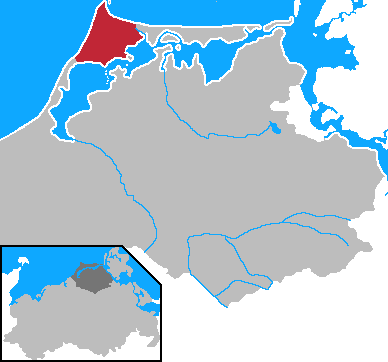
Darßer Weststrand – Mecklenburg-Vorpommern, wild driftwood beach
Arriving at Darßer Weststrand means stepping into a raw, natural stretch of Baltic coastline where bleached driftwood litters the shore and no commercial development interrupts the view. The beach is backed by dunes and forest, with no Strandkörbe or bars, creating a quiet, minimalist atmosphere. Expect a 30-minute walk from the Prerow car park, so come prepared for a bit of effort before you reach the sand.
The water here is swimmable but the Baltic’s temperature and conditions vary, so plan your visit between May and September for the best chance of calm weather. The beach’s lack of infrastructure means no lifeguards or rentals, so swimming is a personal responsibility. The absence of vendors and facilities keeps the crowd level low, making it a rare spot for solitude on a major Baltic beach.
Darßer Weststrand reveals a side of Germany’s coast that resists tourism’s usual footprint. This beach reflects the country’s commitment to preserving natural landscapes within national parks, offering a break from resort culture and a chance to experience the Baltic as it was before mass tourism.
- ▸ Walk 30 minutes from Prerow car park to avoid the limited parking near the dunes.
- ▸ Bring your own water and snacks – no bars or shops on site.
- ▸ Visit between May and September to avoid cold water and rough weather.
- No Strandkorb rental or beach bars
- No toilets on site – nearest facilities in Prerow village
- → Walking the dune trail from Prerow to the beach for driftwood spotting
- → Swimming in the Baltic during calm summer days
- → Birdwatching along the Vorpommersche Boddenlandschaft national park edge
Kniepsand (Amrum) – Schleswig-Holstein, expansive white sandbar
Kniepsand stretches 12 kilometers along Amrum’s west coast, offering a vast, open beach experience with white sand that rivals Sylt but without the crowds. The beach’s width and length mean you can walk for kilometers without seeing many people, especially outside the central lifeguarded zone. The setting is exposed to the North Sea, with a flat horizon and no immediate village backdrop.
Swimming here requires caution: strong North Sea currents dominate deeper water, so only swim within the lifeguarded central section during summer months. The beach offers limited Strandkorb rentals but no extensive commercial development, keeping the atmosphere quiet and natural. Best visited June through September when lifeguards are on duty and weather is most stable.
Kniepsand embodies the North Sea’s raw coastal culture, where nature’s power is evident and tourism is kept in check. The beach’s scale and solitude reflect a German preference for low-impact recreation, contrasting sharply with the busier Sylt scene just a short ferry ride away.

- ▸ Swim only within the central lifeguarded section during summer for safety.
- ▸ Rent a Strandkorb near the main access point to secure shade on busy days.
- ▸ Walk north or south along the sandbar to find near-empty stretches.
- Limited Strandkorb rental available
- Lifeguard service in central section during summer
- → Long-distance beach walking along the 12-km sandbar
- → Swimming safely in the lifeguarded zone
- → Beachcombing for shells and driftwood along quieter ends
Wenningstedt Beach (Sylt) – Schleswig-Holstein, calmer Sylt alternative
Wenningstedt Beach offers the same white sand as Westerland but with fewer bars and arcades, creating a more relaxed atmosphere. The beach is backed by dunes with the Risi-Bisi restaurant perched on top, a local institution. The setting feels less like a resort town and more like a quiet coastal village, appealing to visitors who want Sylt’s sand without its louder crowds.
The beach is swimmable with lifeguards on duty during summer, and Strandkorb rentals are standard here. Facilities include showers and restrooms, making it more comfortable for families or solo travelers who want convenience without sacrificing calm. Expect moderate crowds, especially in July and August, but less noise and fewer distractions than Westerland.
Wenningstedt reveals Sylt’s dual personality: a high-end resort scene just a short walk away, and a quieter, more local beach culture that values space and calm. This split shows how German beach tourism balances commercial appeal with preserving quieter coastal experiences.

- ▸ Choose Wenningstedt over Westerland to avoid the resort-town soundtrack.
- ▸ Book a Strandkorb early in summer to secure shade during peak hours.
- ▸ Dine at Risi-Bisi restaurant on the dunes for a local beachside meal.
- Showers and restrooms available
- Strandkorb rental standard
- Beach restaurants including Risi-Bisi
- → Swimming in lifeguarded zones during summer
- → Relaxing in rented Strandkorbs along the dune line
- → Dining at beach restaurants with sea views
Boltenhagen Beach – Mecklenburg-Vorpommern, family-friendly Baltic coast
Boltenhagen Beach stretches for 5 kilometers along the Baltic coast east of Travemünde, featuring fine sand and a promenade that runs through the resort center. The beach ends in a steep cliff (Steilküste) on the east side, adding a dramatic natural element. The setting is more developed than Darßer Weststrand but less so than Binz or Heiligendamm, striking a balance between accessibility and quiet.
The beach is popular with domestic German families, especially during school holidays, but remains relatively calm outside those periods. Swimming is safe and the water conditions typical of the Baltic, best between June and September. Facilities include showers, restrooms, and Strandkorb rentals, supporting a comfortable day trip or longer stay.
Boltenhagen reflects the regional preference for family-oriented beach resorts that avoid the heavy international tourism seen elsewhere. Its moderate development and local crowd provide insight into how Mecklenburg-Vorpommern balances tourism with community life.

- ▸ Visit outside German school holidays for a quieter experience.
- ▸ Use the promenade for easy access to shops and cafes along the beach.
- ▸ Explore the Steilküste cliff area at the east end for a change of scenery.
- Showers and restrooms available
- Strandkorb rental along the promenade
- Promenade with cafes and shops
- → Swimming in the Baltic during summer months
- → Walking or cycling along the seaside promenade
- → Exploring the steep coast (Steilküste) at the beach’s east end
Beaches in Germany
St. Peter-Ording – Schleswig-Holstein, wide-open North Sea beach
St. Peter-Ording is Germany’s widest beach, stretching up to 2 kilometers from the dune line to the waterline at low tide. The expansive flat sand creates a unique atmosphere, perfect for various activities. The iconic Pfahlbauten, wooden restaurants on stilts, offer a picturesque dining experience, especially at sunset.
Swimming is possible here, but be cautious of the conditions. The beach is generally safe, with lifeguards present during the summer months. However, the shallow waters can be churned by boat traffic, making it less ideal for swimming at certain times. The best months to visit are from May to September when the weather is warmest.
This beach is perfect for families and active travelers alike. With facilities like showers and Strandkorb rentals, you can enjoy a comfortable day by the sea. The wide-open space allows for activities like kite-surfing and land-sailing, making it a great spot for adventure seekers.

- ▸ Visit the Pfahlbauten restaurants for sunset views.
- ▸ Explore designated car zones on the beach at low tide.
- ▸ Try kite-surfing lessons available on-site.
- ▸ Arrive early to secure a good spot on the sand.
- Showers available for beachgoers.
- Strandkorb rentals for comfortable lounging.
- Lifeguard services during the summer.
- → Kite-surfing lessons offered at local schools.
- → Land-sailing on the flat sands during low tide.
- → Dining at Pfahlbauten restaurants with stunning views.
Norderney Weststrand – Lower Saxony, active surf beach
Norderney Weststrand is the go-to beach for surf enthusiasts on the East Frisian islands. The North Sea swell hits this exposed corner, creating ideal conditions for both surfing and kiteboarding. Compared to the central resort beach, Weststrand offers a quieter atmosphere, making it perfect for those looking to escape the crowds.
The beach is swimmable, but be aware of the surf conditions, especially if you’re not an experienced swimmer. Lifeguards are on duty during the summer months, ensuring safety for beachgoers. The best time to visit is from June to September when the weather is warm and the surf is consistent.
This beach caters to active travelers and families alike. With a surf school operating year-round, beginners can easily get into the sport. The local scene is relaxed, with a few restaurants nearby, making it a great spot to unwind after a day of activities.

- ▸ Join a surf school for lessons right on the beach.
- ▸ Enjoy quieter beach days compared to central Norderney.
- ▸ Check local restaurants for fresh seafood options.
- ▸ Bring your own gear for a more personalized experience.
- Showers available for rinsing off after the beach.
- Surf school offering rentals and lessons.
- Lifeguard services during the summer months.
- → Surfing lessons available for all skill levels.
- → Kiteboarding opportunities with rental gear on-site.
- → Dining at nearby restaurants with local cuisine.
Borkum – Lower Saxony, largest East Frisian beach
Borkum boasts the largest beach among the East Frisian islands, featuring 26 kilometers of wide North Sea shoreline. The beach’s vastness means that even during peak season, crowding is rarely an issue. The historical Wilhelmine architecture adds a unique charm to the beachside experience.
Swimming is safe here, with lifeguards present during the summer months. The beach is well-maintained, and the water is generally clean, making it suitable for families. The best months to visit are from June to September when the weather is most favorable.
This beach is ideal for those seeking a laid-back atmosphere without the density found on other islands. With ample space for sunbathing and beach games, Borkum is perfect for families and groups. The promenade offers a variety of dining options, enhancing the overall experience.

- ▸ Explore the historic Wilhelmine architecture along the promenade.
- ▸ Find plenty of space for beach games and relaxation.
- ▸ Enjoy local seafood at beachfront restaurants.
- ▸ Visit during weekdays for a quieter experience.
- Showers available for beachgoers.
- Lifeguard services during the summer months.
- Strandkorb rentals for comfortable lounging.
- → Swimming in designated areas monitored by lifeguards.
- → Beach volleyball and other games on the wide sand.
- → Dining at local restaurants with views of the sea.
Chiemsee Lake Beach (Prien) – Bavaria, lake-bathing facilities
Chiemsee Lake Beach in Prien offers a unique experience as Bavaria’s largest lake, often referred to as the region’s ‘sea.’ The beach features well-maintained lake-bathing facilities, making it a popular spot for both locals and tourists. The scenic backdrop of the lake and surrounding mountains enhances the overall atmosphere.
Swimming is enjoyable here, especially during the warm months of July and August when water temperatures reach 22-24°C. The beach is family-friendly, with lifeguards on duty to ensure safety. The best time to visit is from June to September when the weather is most pleasant.
This beach provides a perfect blend of relaxation and exploration. Visitors can take a ferry to Herreninsel to see Ludwig II’s palace, adding a cultural dimension to the beach day. The local scene is tranquil, with a few restaurants nearby offering local specialties.

- ▸ Take a ferry to Herreninsel for a palace visit.
- ▸ Enjoy local cuisine at the beachside restaurant.
- ▸ Arrive early to secure a good spot by the water.
- ▸ Check for special events at the lake during summer.
- Showers available for beachgoers.
- Lifeguard services during the summer months.
- Lake-bathing facilities for comfortable swimming.
- → Swimming in the lake with lifeguard supervision.
- → Ferry rides to Herreninsel for sightseeing.
- → Dining at the beachside restaurant with local dishes.
Compare beach tours and day trips in Germany

Choosing the Right Beach in Germany
In Germany, the choice lies between lively beach resorts and serene coastal spots. Each offers unique cultural experiences and local charm.
Wenningstedt Beach offers local dining and charming beachside events, perfect for cultural immersion.
Darßer Weststrand is quieter, ideal for those seeking a peaceful retreat with natural beauty.
Boltenhagen Beach features stunning coastal landscapes, perfect for capturing memorable photographs.
Kniepsand offers unique local traditions and a vibrant atmosphere, enriching your beach experience.
Before You Go to Germany’s Beaches
- Check ferry schedules to Amrum for access to Kniepsand.
- Be cautious of strong currents at Boltenhagen Beach.
- Use sun protection; UV levels can be high in summer months.
- Carry cash as some beachside vendors do not accept cards.
- Visit Wenningstedt Beach in August for local festivals.
- Respect local wildlife; avoid disturbing nesting areas on Darßer Weststrand.
- Learn basic German phrases to enhance interactions with locals.
- Observe beach etiquette; keep noise levels down during quiet hours.

Frequently Asked Questions about Germany’s Beaches
1When is the best time to visit Boltenhagen Beach?
The best time to visit Boltenhagen Beach is from May to September. During these months, the weather is warm, and beach activities are plentiful.
2How do I get to Kniepsand (Amrum)?
To reach Kniepsand, take a ferry from the mainland to Amrum. Ferries operate regularly, but check schedules for seasonal changes.
3Which beach is better for families, Wenningstedt Beach or Darßer Weststrand?
Wenningstedt Beach is better for families due to its amenities and activities. Darßer Weststrand is quieter and may lack facilities for children.
4Is swimming safe at St. Peter-Ording Beach?
Swimming at St. Peter-Ording Beach is generally safe, but be aware of changing tides and currents. Always check local conditions before entering the water.
5What facilities are available at Boltenhagen Beach?
Boltenhagen Beach offers restrooms, showers, and beach chair rentals. These amenities enhance your comfort during your visit.
6What local delicacies should I try at Wenningstedt Beach?
At Wenningstedt Beach, try fresh seafood dishes and local pastries. These culinary delights reflect the region’s coastal culture.
7What cultural experiences can I find at Kniepsand (Amrum)?
Kniepsand offers local art exhibitions and traditional music events. Engage with the community for a deeper cultural understanding.
Some links on this page are affiliate links. If you book through them, we earn a small commission at no extra cost to you.
More Germany travel guides