


The scent of pine and stone fills the air along the cobbled streets of the Kastri neighborhood in Delphi’s city center.
Delphi sits on the slopes of Mount Parnassus, known for its ancient sanctuary that once hosted the oracle of Apollo. Visitors come primarily for the Temple of Apollo ruins, the ancient theater, and the Delphi Archaeological Museum, which houses the bronze Charioteer statue. The town’s Kastri neighborhood offers a quiet base with local tavernas, while the nearby modern village of Delphi provides practical lodging and services. Unlike larger Greek sites, Delphi’s compact scale lets you explore heritage and village life in a single day, but it lacks nightlife and extensive dining options. Expect to spend mornings at the archaeological site and afternoons wandering the museum or the traditional streets of Kastri.
Visit the Temple of Apollo for its historical weight, explore the Delphi Archaeological Museum for artifacts like the Charioteer, walk the Kastri neighborhood for local life, and hike the ancient stadium for panoramic views tied to the oracle’s legacy.
Key takeaways
- Book the archaeological site ticket (~$15, 2026) early to avoid midday crowds.
- Arrive at the Temple of Apollo by 9:00 AM for cooler temperatures and fewer visitors.
- Stay in Kastri for authentic local tavernas and quieter evenings.
- Visit the Delphi Archaeological Museum in the afternoon when the site is busiest.
- Plan 3-4 hours to cover the temple, theater, stadium, and museum comfortably.
- Avoid weekends in summer; local tour groups flood the site then.
- Carry cash for small shops and family-run cafes in the village.
Why visit Delphi

Delphi stands apart from Athens and Meteora by offering an ancient oracle site deeply embedded in Greek spiritual history, not just grand ruins or monasteries. Its location on the slopes of Mount Parnassus combines archaeological significance with dramatic mountain views you won’t find in coastal Athens or the cliffside monasteries of Meteora. The Temple of Apollo, the ancient theater, and the museum with the bronze Charioteer anchor a cultural visit focused on ritual and prophecy. The nearby village preserves a quiet, lived-in atmosphere that keeps local life intertwined with the heritage, making it a true cultural immersion beyond just sightseeing.
- Explore the Temple of Apollo, the centerpiece of the ancient oracle site, with fewer crowds than Athens’ Acropolis.
- Walk the sacred path from the theater to the stadium, a rare intact layout showing ritual procession routes.
- Visit the Delphi Archaeological Museum housing the bronze Charioteer, a masterpiece unique to this site.
- Stay in the historic village center where local tavernas serve regional dishes tied to Mount Parnassus’ terroir.
- Skip the summer high season; spring and fall offer clearer views and quieter access to the oracle ruins.
Best for
Culture seekers focused on ancient Greek ritual and history will thrive here, especially solo travelers comfortable navigating small mountain villages. Those who appreciate museums and quiet neighborhood walks will find Delphi rewarding.
Skip if
Skip Delphi if you want lively nightlife or beach access; choose Athens for urban culture or Meteora for dramatic monasteries and hiking instead.
Top things to do in Delphi

1. Temple of Apollo ·
Explore the heart of Delphi’s oracle site where the Temple of Apollo stands as the centerpiece of ancient ritual and prophecy.
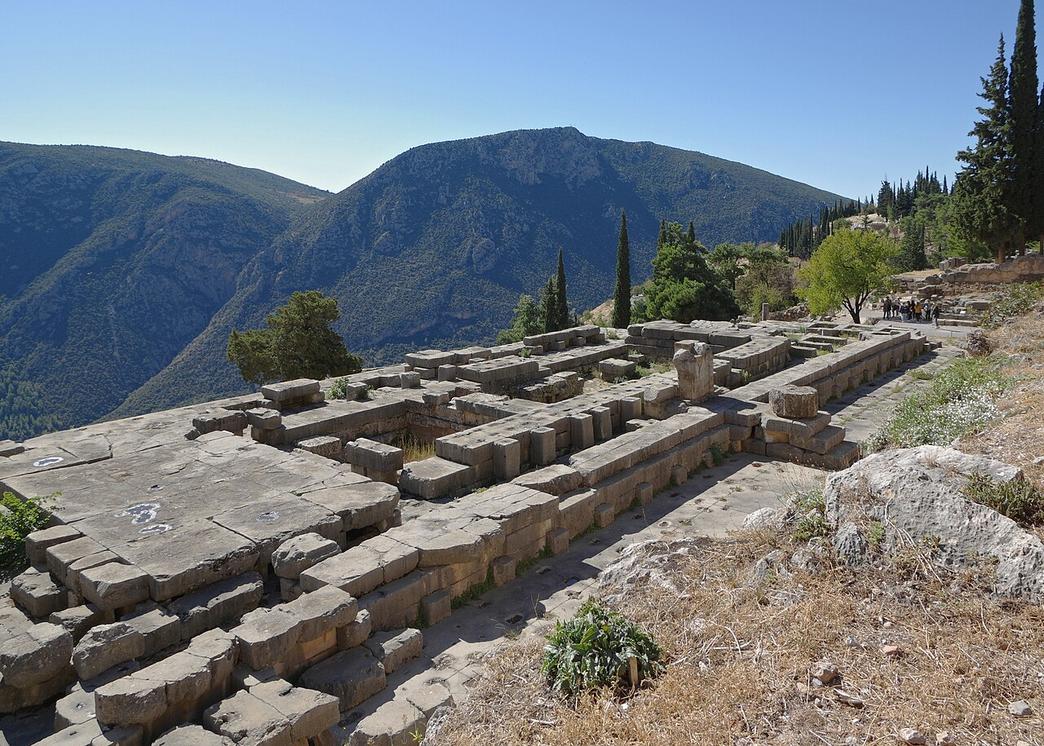
The Temple of Apollo dominates the archaeological site, sitting on a terraced slope with panoramic views of the valley below. Walking among the Doric columns and scattered ruins, you get a sense of the temple’s role as the oracle’s home, where pilgrims once sought divine guidance. The site includes the remains of the altar and the treasury buildings that housed offerings from city-states. Licensed guides often lead tours here, explaining the rituals and political significance behind the temple’s architecture.
This temple is the core of Delphi’s sanctuary, unlike the theatre or stadium which are secondary structures; it anchors the entire oracle complex.
- When: Visit early morning or late afternoon to avoid midday crowds and harsh sunlight, ideally between April and October when the site is fully accessible.
- Cost: ~$15, 2026
- Duration: 1.5 hours
- How to reach: Walk uphill from the central village of Delphi along the main archaeological road, starting at the site entrance near the central parking area.
Insider tip: If closed
If the temple area is closed, explore the nearby Delphi Archaeological Museum to see artifacts related to the temple’s history.
2. Delphi Archaeological Museum ·
See the bronze Charioteer and other artifacts that reveal the artistic and religious significance of Delphi’s sanctuary.
The museum houses the most important finds from the sanctuary, including the bronze Charioteer statue, a highlight of ancient Greek art. Exhibits cover votive offerings, sculptures, and inscriptions that illuminate the religious practices tied to the oracle. The layout guides you chronologically through Delphi’s development, with detailed labels and occasional audio guides available. The museum is located just a short walk from the archaeological site, making it a logical next stop after exploring the ruins.
The museum provides context that the ruins alone cannot, especially compared to the outdoor sites like the theatre or stadium, which lack explanatory displays.
- When: Open daily except Mondays, best visited mid-morning to early afternoon to avoid peak crowds, especially in spring and fall.
- Cost: ~$12, 2026
- Duration: 1.5 to 2 hours
- How to reach: Reach the museum by walking downhill from the Temple of Apollo site or from the village center along the main road toward the archaeological entrance.
Insider tip: If closed
If the museum is closed, spend more time walking the Sacred Way to see the treasuries and monuments that complement the artifacts inside.
3. Ancient Theatre of Delphi ·
Walk the stone seats of the theatre overlooking the valley, where dramas and rituals connected the oracle’s messages to the public.
The theatre sits above the Temple of Apollo, carved into the hillside with a commanding view of the valley and Mount Parnassus. Its stone seats remain intact enough to imagine the crowds gathered for religious dramas and ceremonies linked to the oracle’s pronouncements. The open-air setting offers a quiet spot to reflect on how performance and prophecy intertwined in ancient Greek culture. The theatre is accessible via the main archaeological trail and often less crowded than the temple area.
The theatre adds cultural depth to the visit, showing how the oracle’s influence extended into public ritual, unlike the stadium which is more specialized.
- When: Late afternoon visits provide softer light and cooler temperatures, especially from May through September.
- Cost: ~$15, 2026
- Duration: 45 minutes to 1 hour
- How to reach: From the Temple of Apollo, continue uphill on the main archaeological path; the theatre is a short walk past the temple ruins.
Insider tip: If closed
If the theatre is closed, head to the stadium above for a different perspective on ancient public events.
4. Stadium of Delphi ·
Visit the stadium above the theatre, where athletic contests honored the gods and complemented the spiritual life of the sanctuary.
The stadium crowns the archaeological site, perched at the highest point accessible to visitors. Its elongated stone seating and track outline reveal where athletes competed during the Pythian Games, held every four years in honor of Apollo. Walking the stadium’s length offers sweeping views of the valley and the sanctuary below, connecting sport with the religious atmosphere of Delphi. The climb up the steep path from the theatre requires moderate fitness but rewards with a quieter, less-visited spot.
The stadium completes the sanctuary’s story by showing the athletic dimension of Delphi’s religious festivals, unlike the theatre which focuses on drama.
- When: Morning visits are best to avoid heat and crowds, especially from April through October.
- Cost: ~$15, 2026
- Duration: 30 to 45 minutes
- How to reach: Reach the stadium by continuing uphill from the theatre along the marked archaeological trail; the path is steep but well maintained.
Insider tip: If closed
If the stadium is closed or inaccessible, spend more time exploring the Sacred Way and its treasuries.
5. Walk the Sacred Way ·
Follow the ancient path pilgrims took to reach the oracle, lined with treasuries and monuments that tell stories of city-states’ devotion.
The Sacred Way is the main route through the sanctuary, starting at the entrance near the modern parking area and winding uphill past treasuries, statues, and altars. Walking this path immerses you in the political and religious history of Delphi, as each treasury represents a city-state’s offerings to Apollo. The path ends near the Temple of Apollo, linking the physical journey with the spiritual purpose of the site. Interpretive signs along the way explain the significance of each monument and the rivalry between ancient Greek cities.
This walk connects all major sites and offers a narrative of Delphi’s role as a pan-Hellenic religious center, unlike isolated visits to the temple or museum.
- When: Early morning or late afternoon to avoid midday heat and crowds, best from April to October.
- Cost: ~$15, 2026
- Duration: 1.5 to 2 hours
- How to reach: Start the walk at the main archaeological entrance on the road from Delphi village; the path is well marked and mostly paved.
Insider tip: If closed
If the Sacred Way is closed, visit the museum to understand the sanctuary’s layout and history.
Solo female travel: Avoid walking the Sacred Way after dusk; the path is steep and less trafficked, with limited lighting.
6. Explore the modern Delphi village ·
Stroll the village streets to experience local life, traditional tavernas, and shops selling crafts tied to the region’s heritage.
Walk through the narrow streets of modern Delphi village, where local life unfolds around small tavernas serving regional dishes like lamb with herbs and wild greens. Browse shops offering handwoven textiles and ceramics that reflect the area’s cultural roots. The village sits just below the archaeological site, making it easy to combine a cultural day with a relaxed afternoon among locals. The main street, Odos Sikelianou, hosts most shops and eateries.
This offers a grounded view of daily life beyond the archaeological site, unlike the more tourist-focused museum or temple visits. It’s the best way to connect with the living culture of Delphi’s immediate community.
- When: Late morning through early evening, April to October for open shops and tavernas; avoid mid-afternoon closures common in winter.
- Cost: Free
- Duration: 1-2 hours
- How to reach: From the archaeological site or central plaza, walk downhill along Odos Sikelianou; the village is compact and fully walkable.
Insider tip: If closed
Visit the nearby archaeological museum to explore local artifacts indoors.
7. Visit the Castalian Spring ·
See the spring where pilgrims purified themselves before consulting the oracle, a quiet spot blending nature with ritual history.
Follow the short path from the main sanctuary to the Castalian Spring, a shaded natural water source where ancient visitors performed cleansing rituals before entering the oracle’s precinct. The spring’s stone basin and surrounding cypress trees create a contemplative atmosphere, contrasting with the open ruins nearby. This spot offers insight into the spiritual preparation behind the oracle’s consultations, visible in the worn steps and water channels.
It reveals the ritual context often overlooked by visitors focused only on the temple and theatre, adding depth to the oracle’s cultural role.
- When: Morning hours before 11:00 AM to avoid crowds and enjoy cooler temperatures, best in spring and fall when the water flow is steady.
- Cost: Free
- Duration: 30-45 minutes
- How to reach: Walk uphill from the village center or archaeological site entrance along the marked trail to the spring, about 0.3 miles / 0.5 km.
Insider tip: If closed
Explore the nearby archaeological site’s Sacred Way for other ritual landmarks.
8. Attend a lecture or guided cultural tour ·
Book a local guide or cultural expert to add context to the oracle’s role and the sanctuary’s political influence in ancient Greece.
Join one of the licensed guide outfits in Delphi for a focused tour or lecture that explains the oracle’s function, the sanctuary’s pan-Hellenic importance, and the political dynamics of ancient Greece. These tours often include detailed stories about the Temple of Apollo, the theatre, and the stadium, connecting archaeological remains with historical narratives. Booking a guide also grants access to lesser-known viewpoints and insider commentary unavailable from signs alone. Book on GetYourGuide.
A guided tour adds essential context missing from self-guided visits, unlike simply walking the ruins or visiting the museum without explanation.
- When: Book morning tours starting at 9:00 AM or early afternoon; guides are busiest in high season (May to September), so reserve in advance.
- Cost: ~$30-$50, 2026
- Duration: 2-3 hours
- How to reach: Meet guides at the archaeological site entrance or central plaza; walking access from the village center is straightforward.
Insider tip: If closed
Use audio guides or download expert podcasts on Delphi’s oracle and sanctuary history.
Solo female travel: Licensed guides often operate in small groups, which suits solo female travelers seeking personalized attention and safer navigation of the site.
9. Visit the Byzantine Museum of Delphi ·
Explore the region’s later history through religious artifacts and icons that show the transition from ancient to medieval culture.
Step into the Byzantine Museum to see a curated collection of religious icons, frescoes, and artifacts that trace the cultural shift from ancient Delphi to the Byzantine era. The exhibits highlight how Christianity reshaped local traditions and art, contrasting with the pagan sanctuary nearby. The museum’s quiet rooms allow time to study detailed iconography and understand the layered history of the region beyond the oracle’s time.
This museum offers a different historical layer than the archaeological site or the main museum, focusing on medieval religious culture rather than classical antiquity.
- When: Open daily except Mondays; best visited mid-morning or late afternoon to avoid overlap with peak archaeological site hours, April to October.
- Cost: ~$7, 2026
- Duration: 1-1.5 hours
- How to reach: Located near the central village square, reachable on foot from any accommodation in the village within 5 minutes.
Insider tip: If closed
Visit the Archaeological Museum of Delphi for classical period artifacts.
48 hours in Delphi
This two-day plan focuses on exploring Delphi’s ancient sanctuary and village life through a cultural lens, ideal for travelers who want to connect deeply with its heritage and local rhythms. It balances archaeological highlights with neighborhood walks and authentic meals, paced for thoughtful immersion.
Day 1
Morning
Start early at the Temple of Apollo to catch the morning light illuminating the ruins before the crowds arrive. Arrive by 8:30 AM to avoid the 11 AM queue and linger at the theatre and stadium, where the slopes of Mount Parnassus frame the site. Afterward, walk down to the nearby archaeological museum, timing your visit to avoid midday heat and enjoy the bronze Charioteer in quiet.
Afternoon
Head to the village center for lunch at a family-run taverna near the central plaza, ordering local mountain herbs and goat cheese dishes unique to the region. Spend the afternoon wandering the narrow streets of the historic town, visiting small craft shops and stopping at a café known for its traditional Greek coffee brewed in the old style. This slower pace lets you absorb village life and the lingering presence of the oracle’s legacy.
Evening
Walk up to the Castalian Spring viewpoint just before sunset for panoramic views of the valley below, where the fading light softens the ancient landscape. Dine at a tavern specializing in regional lamb and wild greens, located on a quiet street away from the main tourist flow. The evening here feels intimate and reflective, perfect for winding down after a day steeped in history.
Day 2
Morning
Begin with a visit to the nearby Corycian Cave, a half-hour drive from Delphi, to experience a different side of the oracle’s world – its connection to mountain rituals and nature worship. The morning light filters through the cave’s entrance, making early arrival essential. Pack water and sturdy shoes for this moderate hike, which contrasts with the urban heritage of Day 1.
Afternoon
Return to Delphi village for a late lunch at a small kitchen near the central market, focusing on fresh trout from local streams and seasonal vegetables. Spend the afternoon at the Archaeological Site’s lesser-known terraces and the ancient gymnasium, where fewer visitors go, allowing for a more contemplative experience. Use the alley shortcut behind the main street to avoid crowds and reach these quieter spots.
Evening
Finish with a relaxed dinner at a wine bar in the village’s eastern quarter, sampling local wines paired with meze plates featuring regional cheeses and olives. The atmosphere is lively but low-key, with locals gathering after work. This neighborhood offers a glimpse of everyday life beyond the tourist trail, rounding out your cultural immersion.
If you have a third day
Explore the village’s olive groves on foot, following a marked trail that passes small chapels and traditional stone houses, revealing rural life around Delphi. Alternatively, visit a local pottery workshop where artisans still use ancient techniques, adding a hands-on layer to your understanding of the region’s craft heritage.
Best time to visit Delphi
Quick answer
Visit between April to June and October to early December for mild weather and fewer crowds.
| Months to go | April to June, October to early December |
|---|---|
| Months to avoid | July and August due to extreme heat. |
Spring and fall are ideal for exploring Delphi’s ancient ruins and hiking the surrounding trails. Temperatures range from the mid-50s to low 80s Fahrenheit, making outdoor activities comfortable. In contrast, July and August can see highs in the upper 90s, which can be exhausting for walking tours. The cooler months also allow for better visibility at the archaeological sites. Rain is minimal during these periods, ensuring that trails remain accessible and enjoyable.
Average temperature (°F)
Monthly weather
Cold and wet; few visitors.
Still chilly; quiet time.
Mild; spring blooms begin.
Pleasant for hiking.
Ideal weather; fewer crowds.
Warm; great for exploration.
Hot; best to avoid.
Very hot; few visitors.
Cooling down; good time.
Mild; perfect for sightseeing.
Cooler; fewer tourists.
Cold; quiet time.
How to get to Delphi
Nearest airport
Athens International Airport (ATH), approximately 115 miles / 185 km from Delphi
From the airport
Take a direct bus from the airport to Delphi, which costs around $30, 2026. Buses run multiple times daily, and tickets can be purchased at the airport bus terminal.
Other ways to arrive
- From Athens city center, take a KTEL bus to Delphi, about 2.5 hours, costing around $20, 2026.
- From Thessaloniki, take a train to Larissa, then a bus to Delphi, totaling around 4 hours, costing approximately $40, 2026.
- From Kalambaka (near Meteora), take a bus to Delphi, about 3 hours, costing around $25, 2026.
Getting around Delphi
Walking is the best way to explore Delphi, as most attractions are within a short distance. For longer distances, consider local taxis or buses.
- Walk to major sites like the archaeological site and museum, free.
- Use local taxis for longer trips, costing around $10-$15, 2026.
- Take a local bus to nearby villages, costing about $5, 2026.
- Rent a bicycle for around $15 per day, 2026, to explore the area.
Day trips from Delphi
Delphi serves as a great base for exploring nearby historical and natural sites. These day trips enhance your cultural experience while providing stunning views.
Arachova
Arachova is known for its traditional architecture and vibrant local life.
Why: Explore its charming streets, enjoy local cheese, and take in the mountain views. It’s a perfect spot for a leisurely afternoon.
Mount Parnassus
Hiking opportunities and breathtaking views of the surrounding landscape.
Why: The trails offer a chance to experience the natural beauty and tranquility of the area, ideal for outdoor enthusiasts.
Skip if: You prefer urban settings and cultural sites.
Galaxidi
A picturesque coastal town with a rich maritime history.
Why: Stroll along the waterfront, visit local museums, and enjoy fresh seafood at seaside tavernas.
Skip if: You are not interested in coastal towns.
Combine Delphi with
Extend your journey by connecting Delphi with other fascinating destinations. These routes offer a blend of culture and history.
Delphi to Athens Delphi, Arachova, Athens
Start in Delphi, visit Arachova for lunch, then continue to Athens for a rich historical experience.
Delphi to Meteora Delphi, Kalambaka, Meteora
Travel from Delphi to Kalambaka, then explore the stunning monasteries of Meteora, a UNESCO World Heritage site.
Where to stay in Delphi
Compare prices across booking sites on the map below and see which neighbourhood fits your plans.
Delphi offers a range of neighborhoods catering to different traveler preferences. The historic center is ideal for those wanting to be close to the archaeological sites and museums. For a quieter experience, consider staying in the nearby village of Arachova, known for its charming streets and local tavernas. If you’re looking for convenience, the area around the main plaza provides easy access to shops and restaurants. Lastly, the outskirts offer a more tranquil setting with stunning views of Mount Parnassus.
historic center
Choose from several hostels and budget guesthouses that provide basic amenities and a friendly atmosphere. These properties often have shared facilities and a communal vibe, making them great for meeting fellow travelers. Expect simple rooms with essential comforts, but be prepared for limited privacy.
Insider tip: Look for hostels that offer free walking tours of the archaeological site; it’s a great way to learn while saving on guided tours.
Arachova
Family-run guesthouses and boutique hotels dominate this tier, offering comfortable rooms with local charm. Many properties include breakfast and are within walking distance of major attractions. While they provide a cozy atmosphere, some may lack modern amenities like air conditioning.
Insider tip: Request a room with a balcony for stunning views of the mountains, especially during sunset.
historic center
Luxury hotels in Delphi provide upscale accommodations with stunning views and top-notch amenities. Expect spacious rooms, fine dining options, and spa services. These properties are perfect for those looking to indulge after a day of exploring the ancient sites.
Insider tip: Book a room on the upper floors to enjoy panoramic views of the valley and the Temple of Apollo.
Where not to stay
The area near the bus station can be noisy and lacks charm, making it less desirable for a peaceful stay.
Solo female travelers
Stay at a hostel in the historic center that has a strong social vibe, making it easy to meet other travelers and explore together.
Booking through these links supports Pack Lightly at no extra cost to you.
Where to eat and drink in Delphi
Delphi’s culinary scene is shaped by its proximity to the fertile valleys and mountains of Phocis, offering a unique blend of flavors that highlight local ingredients. The region is known for its fresh herbs, olives, and cheeses, which are staples in many traditional dishes. The influence of nearby agricultural communities is evident in the vibrant food markets and family-run tavernas that serve authentic Greek cuisine.
Must-try dishes
Fava (Φάβα)
A creamy puree made from yellow split peas, often served as a dip.
Fava is a local specialty in Delphi, made with high-quality peas sourced from nearby farms, showcasing the region’s agricultural heritage.
Insider tip: Pair it with fresh bread for a delightful starter.
Souvlaki (Σουβλάκι)
Grilled skewers of marinated meat, typically served with pita and tzatziki.
Delphi’s souvlaki stands out due to the use of locally sourced meats and herbs, reflecting the region’s culinary traditions.
Insider tip: Order it with a side of fresh salad for a complete meal.
Kavourmas (Καβουρμάς)
A traditional dish made from slow-cooked pork, seasoned with local herbs and spices.
This dish is a community-specific favorite, often prepared for family gatherings and local festivals, highlighting Delphi’s culinary heritage.
Insider tip: It’s best enjoyed with a glass of local wine.
Choriatiki (Χωριάτικη)
A traditional Greek salad made with tomatoes, cucumbers, olives, and feta cheese.
Delphi’s version features fresh, locally grown vegetables and high-quality feta from nearby farms, making it a refreshing choice.
Insider tip: Drizzle with local olive oil for an extra flavor boost.
Local drinks
- Retsina (Ρετσίνα)Sample it at local tavernas that offer a selection of regional wines.
A traditional Greek white wine flavored with pine resin. - Greek Coffee (Ελληνικός καφές)Enjoy it at cafes around the main square, where locals often gather.
A strong, thick coffee brewed in a special pot called a briki.
Where to eat – by neighborhood
Historic Center
This area is filled with traditional tavernas and cafes, offering a variety of local dishes and a lively atmosphere.
Insider tip: Order your meal to share and enjoy a variety of flavors, as locals often do.
Arachova Street
Known for its vibrant food scene, this street features shops selling local cheeses, olives, and other delicacies.
Insider tip: Visit during the morning to catch the freshest produce and local specialties.
Dietary note
Vegetarians will find plenty of options, including salads, fava, and various vegetable dishes.
Daily budget for Delphi
Delphi offers a unique blend of historical significance and modern amenities, making it a bit pricier than other Greek destinations. Expect to pay more for lodging and dining near the archaeological sites, but there are still budget-friendly options available.
Shoestring
- lodging – Stay at a budget-friendly hostel or guesthouse.
- food – Eat at local tavernas or grab street food.
- transport – Use local buses or walk to nearby sites.
- activities – Visit the archaeological site and museum.
- buffer – Small expenses for snacks or drinks.
Trade-offs: Staying further from the main attractions can save money but may require more travel time.
Comfort
- lodging – Book a mid-range hotel or guesthouse.
- food – Enjoy meals at well-reviewed restaurants.
- transport – Use taxis or private transfers for convenience.
- activities – Include guided tours or special exhibits.
- buffer – For occasional treats or souvenirs.
Trade-offs: Choosing a more central location for lodging increases costs but saves time on travel.
Splurge
- lodging – Stay at a premium hotel with views of the valley.
- food – Dine at upscale restaurants with local cuisine.
- transport – Opt for private transport or guided tours.
- activities – Participate in exclusive experiences or workshops.
- buffer – For spontaneous purchases or tips.
Trade-offs: Higher costs come with enhanced comfort and convenience, allowing for a more relaxed experience.
Money-saver tip
Visit the local markets for fresh produce and affordable meals instead of dining at touristy restaurants.
Splurge that’s worth it
Consider a guided tour of the archaeological site for deeper insights into its history and significance.
Skip to save
Avoid overpriced souvenir shops near the main attractions; local markets offer better prices and unique items.
Practical tips for Delphi
Money
Cash or card. Most places in Delphi accept cards, but smaller shops and some local tavernas still prefer cash. Keep some euros on hand for these cash-only businesses, especially in the historic center.
ATMs. ATMs are widely available in Delphi, with most accepting foreign cards. The Eurobank ATMs tend to have lower fees for international withdrawals.
Tipping. Tipping is customary in Delphi, typically around 5-10% of the bill. For example, if your meal costs $30, a tip of $2-3 is appreciated.
Safety
Delphi is generally safe for travelers, with a visible police presence in tourist areas. However, remain vigilant in crowded spots, especially around popular attractions.
Connectivity
Mobile data. Mobile coverage is good throughout Delphi, with several local providers offering competitive rates. Expect to pay around $15-$30 for a local SIM card with data.
Wi-Fi. Most cafes and accommodations offer free Wi-Fi, particularly in the central area near the archaeological site. The cafes along the main street are reliable spots for connectivity.
Language
Main language: Greek. English level: English is commonly spoken in tourist areas, but proficiency may vary among locals. In more remote spots, communication might be challenging without basic Greek phrases.
Cultural notes
- Dress modestly when visiting religious sites, such as the Temple of Apollo.
- Always ask for permission before taking photos of locals or their property.
- Greet people with a friendly ‘Kalimera’ (Good morning) to show respect.
Solo female travel
Solo female travelers in Delphi generally find the atmosphere welcoming and friendly. The town is small, making it easy to navigate, and locals are often willing to help with directions or recommendations.
Frequently asked questions about Delphi
1Is Delphi better than Athens?
Yes, Delphi offers a unique blend of ancient history and stunning mountain scenery that Athens can’t match. The archaeological site and the Temple of Apollo are highlights that provide a deeper connection to Greece’s ancient past.
2How many days should I spend in Delphi?
Two days is ideal for Delphi. This allows enough time to explore the archaeological site, visit the museum, and enjoy the surrounding landscape without feeling rushed.
3What is the best time to visit Delphi?
Visit in spring (April to June) or fall (September to October) for pleasant weather and fewer crowds. These seasons enhance your experience of the outdoor archaeological sites.
4Is Delphi safe for solo female travelers?
Yes, Delphi is generally safe for solo female travelers. The town is small and welcoming, with a low crime rate, especially in the daytime and early evening.
5What is there to do besides visiting the archaeological site?
Explore the charming streets of Delphi, visit local shops, and hike the nearby trails for breathtaking views. The scenic paths around Mount Parnassus offer a great way to experience the natural beauty of the area.
6Can you swim in the nearby areas?
Skip it; swimming isn’t a highlight in Delphi. The nearest beaches are about 30 miles / 48 km away, in places like Itea, which is better suited for a beach day.
7What is the cost of a day in Delphi?
Roughly $90-$150 per day in 2026, including accommodation, meals, and entry fees to sites. Budget for guided tours if you want deeper insights into the history.
8Is it necessary to rent a car in Delphi?
No, renting a car isn’t necessary. The town is walkable, and local buses connect to nearby attractions, making it easy to get around without a vehicle.
Estimate your daily budget
See realistic daily costs by tier and category.