


Leaving the well-trodden paths of Iceland, you’ll find yourself in a realm where nature reigns supreme. The Hornstrandir reserve beckons with its rugged cliffs and untouched landscapes, a stark contrast to the bustling tourist spots. Here, the journey becomes an adventure, with every turn revealing breathtaking vistas and the thrill of isolation.
In this remote corner, expect to encounter dramatic fjords, sweeping valleys, and the vibrant colors of rhyolite at Landmannalaugar. The Laki crater row offers a glimpse into volcanic history, while the Askja caldera invites you to explore its otherworldly terrain. Each location tells a story of Iceland’s raw beauty and the spirit of adventure.
Off-the-beaten-path in Iceland means exploring remote areas like Hornstrandir and Landmannalaugar, where nature and adventure take center stage.
- Hornstrandir offers unparalleled isolation and stunning landscapes, perfect for those seeking true wilderness.
- Landmannalaugar is renowned for its colorful rhyolite mountains, ideal for hiking enthusiasts looking for unique terrain.
- The Laki crater row showcases Iceland’s volcanic history, rewarding visitors with dramatic views and geological wonders.
See every spot on the interactive map
Filter by country, zoom into each pin, and plan your route on the Pack Lightly Country Map tool.
Discover the Untamed Beauty of Iceland’s Wilderness
Iceland’s off-beat side is defined by its remote landscapes and adventurous spirit. The interior and Westfjords offer a chance to connect with nature in its purest form.
- Hornstrandir stands out for its rugged cliffs and wildlife, making it a paradise for hikers and nature lovers seeking solitude.
- Landmannalaugar’s unique rhyolite mountains provide a vibrant backdrop for hiking, showcasing Iceland’s geological diversity and stunning colors.
- The Laki crater row offers a dramatic landscape shaped by volcanic activity, perfect for those interested in Iceland’s natural history and breathtaking vistas.
Iceland’s Remote Interior and Westfjords Wilderness
This collection focuses on Iceland’s toughest terrain and least accessible wilds, from the roadless Hornstrandir reserve to the rhyolite peaks of Landmannalaugar. Expect rugged landscapes that demand preparation and reward with isolation. Spots like Askja caldera and the Laki crater row push beyond usual routes, perfect for travelers ready to tackle Iceland’s raw interior.
Hornstrandir Nature Reserve
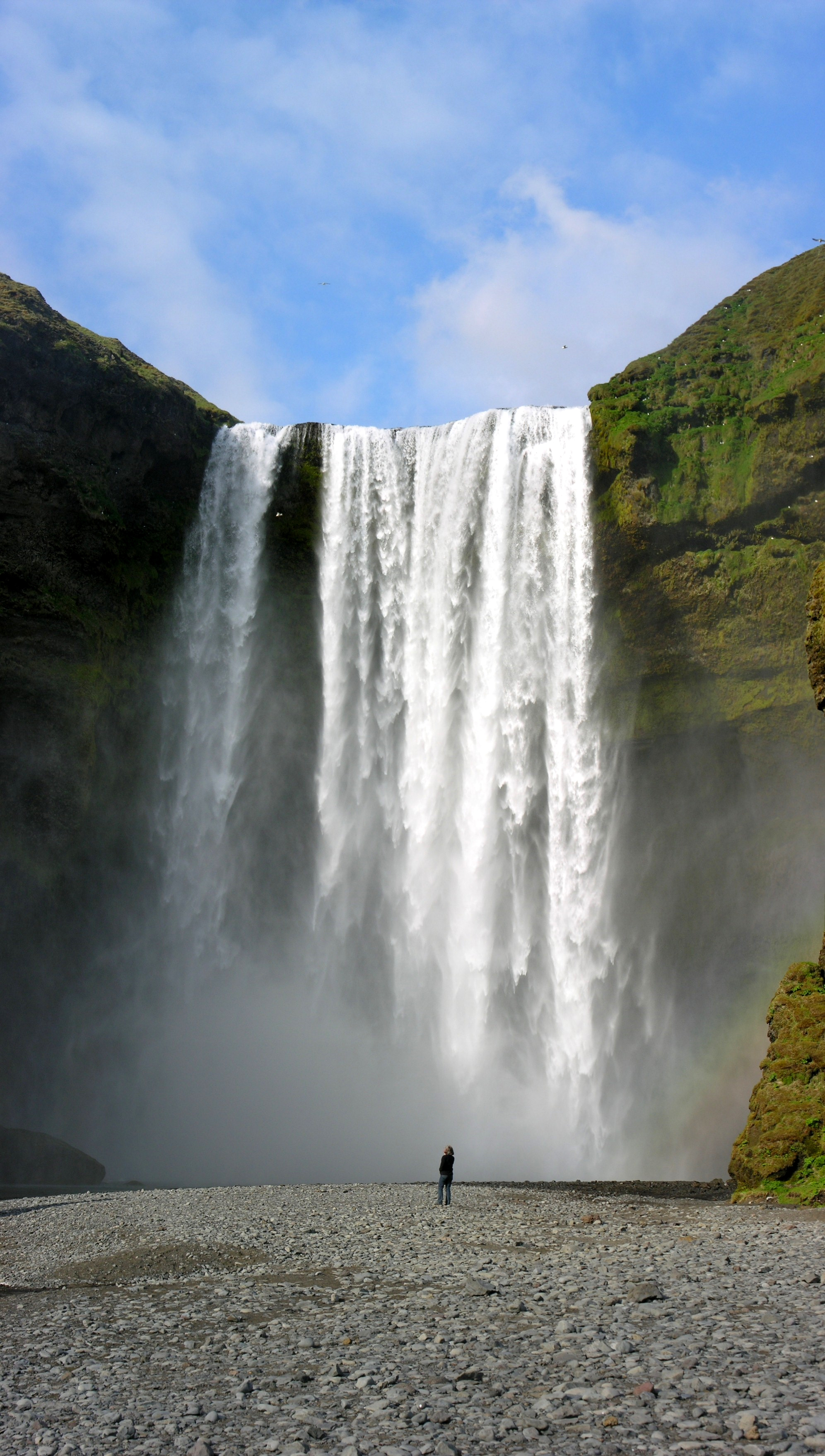
Landing on Hornstrandir’s isolated shores feels like stepping into a different world. No roads, no permanent residents, just raw Arctic wilderness. The reserve’s steep cliffs and fjords demand serious hiking skills and a 4×4 to reach Ísafjörður, the nearest town. Most visitors arrive by boat from Ísafjörður, timing their trip for summer when weather windows open. The reserve’s lack of infrastructure means you carry all essentials and plan for river crossings. This is not a casual day trip but a multi-day trek zone where you camp or stay in basic huts. The payoff is total solitude and chances to spot Arctic foxes. Skip Hornstrandir if you want comfort or easy access; it’s for those who want to push Iceland’s limits. Combine it with a Westfjords road trip but budget extra days for ferry schedules and weather delays. Solo travelers should note limited emergency options and prepare accordingly. Hornstrandir rewards those who prioritize wilderness over convenience and can handle unpredictable conditions.
Landmannalaugar
Landmannalaugar’s rhyolite mountains draw hikers who want color and challenge beyond the Ring Road. The area’s highland location means access is limited to summer months when the F-roads open. The drive requires a 4×4 and careful timing; rental companies often restrict vehicles here. Once there, the terrain mixes lava fields, hot springs, and jagged peaks with trails ranging from easy day hikes to multi-day treks like the Laugavegur. The natural hot springs offer a rare chance to soak after long days on the trail. Avoid weekends and mid-July when tour buses flood the area. Staying overnight at the mountain hut or camping lets you start early and avoid crowds. Landmannalaugar is worth it if you want to combine highland adventure with geothermal relief. Skip it if you’re not prepared for rough roads or want easy access. Combine with a trip to Kerlingarfjoll for a full highland circuit.
Laki Crater Row
The Laki craters stretch over 12 miles / 19 km in the southern highlands, a volcanic scar from the 1783 eruption. Reaching Laki requires a high-clearance 4×4 and a full day of driving on rough F-roads from Kirkjubæjarklaustur or the interior. The terrain is barren and lunar, with minimal facilities and no marked trails. This spot suits travelers who want to explore volcanic landscapes far from crowds and are comfortable with self-sufficient travel. The crater row is best combined with a highland circuit including Landmannalaugar or Askja. Avoid if you lack off-road experience or want easy access. The area’s remoteness means no cell coverage and limited water sources, so pack accordingly. The reward is a raw volcanic landscape few visitors see, especially outside summer’s narrow window.
Askja Caldera
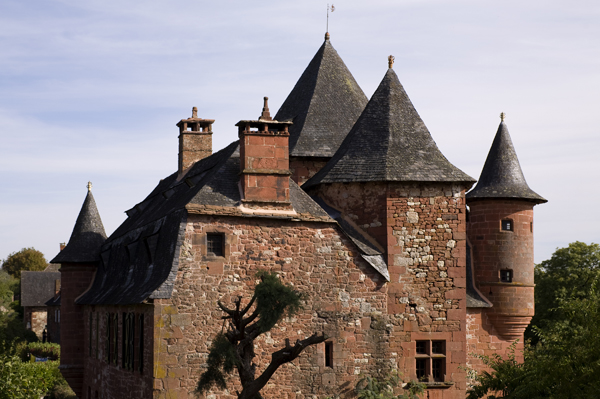
Askja caldera sits deep in Iceland’s highland interior, surrounded by volcanic deserts and geothermal vents. Getting there means a long 4×4 drive from Mývatn or Egilsstaðir, crossing several river fords and rough terrain. The area is remote with no services, so you must be fully self-sufficient. The caldera’s highlight is Víti crater, a turquoise geothermal lake perfect for a cold dip if you’re brave. Askja rewards travelers who want volcanic landscapes without crowds but demands serious planning and a weather window in summer. Skip Askja if you’re not confident driving F-roads or if you want easy access. Combine it with a highland loop including Kerlingarfjoll or Laki for a full volcanic circuit. Solo travelers should inform someone of their route and carry emergency gear.

Kerlingarfjoll
Kerlingarfjoll’s rhyolite peaks and steaming geothermal vents offer a highland experience with fewer crowds than Landmannalaugar. The area requires a 4×4 drive from Hrauneyjar or Gullfoss, crossing rough gravel roads and river fords. The mountain hut here is one of the few highland accommodations with reliable facilities, making it a good base for multi-day hikes. Trails vary from easy walks to steep climbs with panoramic views. The geothermal activity means you can warm up in natural hot springs after hiking. Kerlingarfjoll suits travelers who want highland adventure with some comfort and infrastructure. Avoid weekends and holiday periods when the hut fills up. Combine with Landmannalaugar or Askja for a full highland circuit. The area’s remoteness means no cell coverage; plan accordingly.
Drangajökull Glacier
Drangajökull is Iceland’s northernmost glacier, tucked in the Westfjords and accessible only by 4×4 on rough gravel roads. The glacier’s remoteness means few visitors venture here, making it ideal for travelers seeking solitude. Guided glacier hikes are available but require booking in advance and proper gear. The area’s weather is unpredictable, with fog and rain common even in summer. The glacier’s size and accessibility make it a worthwhile detour if you’re already exploring the Westfjords. Skip if you lack glacier hiking experience or proper equipment. Combine with a Westfjords road trip including Hornstrandir and Ísafjörður. Solo travelers should hire guides for glacier activities and inform contacts of their plans.

Rauðisandur Beach
Rauðisandur Beach in the Westfjords offers a vast stretch of red sand unlike Iceland’s typical black beaches. The drive requires a 4×4 on gravel roads from Patreksfjörður or Bíldudalur, with some river crossings. The beach is quiet even in summer, rewarding travelers who want a long, empty shoreline for walking or photography. Facilities are minimal, so bring supplies. The area suits travelers who want a coastal break after inland or highland exploration. Skip if you want amenities or easy access. Combine Rauðisandur with a Westfjords loop including Hornstrandir and Drangajökull. The beach’s size means you can find solitude even on busy days.

Álftavatn Lake
Álftavatn Lake lies on the Laugavegur trail between Landmannalaugar and Þórsmörk, a key stop for multi-day hikers. The area offers basic huts and campsites but no road access, so you must hike in. The lake’s calm waters and surrounding mountains provide a peaceful rest point after tough terrain. Most visitors arrive on the Laugavegur trek, so Álftavatn suits those prepared for multi-day hiking with a pack. Skip if you want day trips or vehicle access. The lake’s location makes it a natural base for exploring nearby rhyolite peaks or continuing to Þórsmörk. Solo hikers should book huts early and carry all essentials, as resupply is impossible.
Hornbjarg Cliffs
Hornbjarg Cliffs rise sharply above the Westfjords’ northern coast, offering dramatic views and birdwatching opportunities. The cliffs are accessible by a rough 4×4 road from Hólmavík, followed by a steep hike. The area is quiet year-round due to difficult access and limited facilities. The cliffs reward travelers who want raw coastal scenery and birdlife without crowds. Skip if you want easy access or amenities. Combine Hornbjarg with a Westfjords itinerary including Rauðisandur and Drangajökull. The hike is steep but short, making it suitable for moderately fit travelers prepared for uneven terrain.
Kerlingarfjoll Hot Springs
The hot springs scattered around Kerlingarfjoll provide natural geothermal pools to warm up after hiking. These springs are less crowded than those in Landmannalaugar and require a 4×4 to reach the mountain hut base. The terrain is rugged with volcanic rock and steam vents, so approach carefully. The springs are ideal for travelers who want to combine highland hiking with geothermal relaxation in a less touristy setting. Avoid weekends when the hut fills. Combine with Kerlingarfjoll hikes or a highland circuit including Askja. The area’s remoteness means no cell coverage and limited emergency access, so plan accordingly.
Hornstrandir Arctic Fox Trail
The Arctic Fox Trail in Hornstrandir is a demanding multi-day trek through the reserve’s most remote areas. The trail crosses fjords, steep ridges, and river valleys, requiring solid navigation skills and physical fitness. No roads or services exist along the route, so you must carry all supplies and camp or stay in basic huts. The trail offers the best chance to see Arctic foxes in their natural habitat. This trek suits experienced hikers who want total wilderness immersion and can handle unpredictable weather. Skip if you want shorter hikes or easier access. Combine with a Westfjords road trip and ferry to Ísafjörður. Solo travelers should register their itinerary and carry emergency communication devices.
Planning Your Off-Beat Adventure in the Westfjords and Highland Interior
Navigating Iceland’s remote regions can be challenging due to rugged terrain and limited access. The Westfjords and highland interior, particularly around Hornstrandir, require careful planning to make the most of your trip. Expect to tackle river crossings and rough roads, especially when visiting lesser-known pins.
Hornstrandir Exploration 7-10 days
Start your journey in Ísafjörður, then drive to Hornstrandir Nature Reserve. Expect rough roads and river crossings, so a 4WD is essential. Spend a few days hiking the stunning coastal cliffs and observing wildlife. From Hornstrandir, head to the nearby town of Hesteyri for a glimpse of local history. Finally, return to Ísafjörður for a taste of local culture before heading back.
Highland Interior Adventure 7-10 days
Begin in Reykjavík and take the scenic route to Landmannalaugar. The F-roads require a 4WD, especially in summer when river crossings are common. Spend a few days hiking the colorful rhyolite mountains and relaxing in natural hot springs. Next, drive to the Askja caldera for breathtaking views. Finish your trip at Kerlingarfjöll, known for its geothermal activity and stunning landscapes.
Essential Logistics for Off-Beat Travel in Iceland
Traveling to Iceland’s remote regions demands specific preparations. From vehicle requirements to access challenges, understanding these realities will enhance your adventure in the Westfjords and highland interior.
Vehicle requirements
A 4WD vehicle is non-negotiable for accessing Hornstrandir and the highland interior. Many roads are unpaved and can be treacherous, especially after rain. Rental companies may not cover damage from off-road driving, so check your insurance policy.
Road closures and seasonal access
Be aware that many highland roads are only open from late June to early September. Check local conditions before your trip, as weather can change rapidly. Some areas, like Askja, may require additional time to access due to snow or flooding.
Cash-only stretches
In remote areas like Hornstrandir, cash is often the only accepted form of payment. ATMs are scarce, so withdraw enough Icelandic króna in Ísafjörður before heading out. Expect limited services and plan accordingly.
Health access in remote regions
Medical facilities are limited in the Westfjords and highland interior. Carry a basic first-aid kit and know the location of the nearest medical center. In case of emergencies, be prepared for long travel times to reach help.
Frequently Asked Questions About Off-Beat Travel in Iceland
1How does this off-beat loop differ from doing the country’s main highlights?
This loop focuses on remote areas with fewer tourists, offering a chance to experience Iceland’s raw nature. Unlike the Golden Circle, you’ll encounter challenging terrain and need to be self-sufficient, making it ideal for adventurous travelers.
2Is Hornstrandir worth the detour if I’ve only got 7 days?
Yes, if you’re seeking solitude and stunning landscapes. However, be prepared for limited access and accommodation. If time is tight, consider focusing on either Hornstrandir or the highlands, rather than trying to fit both.
3What gear do I actually need that I can’t rent on the main tourist trail?
Bring sturdy hiking boots, a reliable tent, and a portable water filter. While some gear can be rented, specialized equipment for river crossings and remote camping is best brought from home to ensure safety and comfort.
4How do I sequence the pins to minimize backtracking?
Start in Ísafjörður, then head to Hornstrandir, followed by Hesteyri. After exploring, return to Ísafjörður before heading to the highlands. This route minimizes backtracking and allows for a more efficient trip.
5When does hiring a local guide become necessary?
Consider hiring a local guide for Hornstrandir, especially if you’re unfamiliar with the terrain. Guides can enhance your experience with local knowledge and ensure safety during hikes and river crossings.
More Iceland travel guides