


The air is still as you tread softly through the dense forest, anticipation building for a glimpse of the elusive Marsican brown bear.
Italy‘s diverse landscapes host a variety of wildlife, from the rugged Apennines to serene national parks. Here, the Marsican brown bear, an endemic subspecies, roams the wilds of Abruzzo, Lazio and Molise National Park. Experience the thrill of spotting these magnificent creatures in their natural habitat.
Quick answer
Wildlife in Italy means guided tours in national parks: best from May to September.
Key takeaways
- Book guided tours in Abruzzo for the best bear sightings.
- Visit Gran Paradiso National Park for Alpine ibex encounters.
- Join dawn vigils in winter for Apennine wolf sightings.
- Explore Stelvio National Park for red deer during rutting season.
- Hike Gran Paradiso for reliable marmot sightings.
What makes Italy worth the trip for wildlife
Abruzzo, Lazio and Molise National Park is home to the rare Marsican brown bear, a species that survives only in this region. This park, along with others like Gran Paradiso, offers incredible opportunities to observe Italy’s unique wildlife.
- The Marsican brown bear is endemic to Italy, with the best sighting odds in Abruzzo.
- Well-maintained trails and guided tours enhance access to wildlife hotspots.
- Active conservation efforts are in place to protect species like the Apennine wolf.
Book this if: Book if you want guided tours in Abruzzo for the Marsican brown bear or Alpine ibex in Gran Paradiso.
Skip if: Skip this if you seek big-cat sightings, as Italy lacks large felines in its wildlife.

Animals Around the World
Explore which animals you can spot in every country with our interactive map: search by species, region, or park.
Wildlife Map. Italy
Parks and reserves featured in this guide, plotted on the map below.
Which animals can you actually see in Italy
Abruzzo, Lazio and Molise National Park anchors Italy’s wildlife circuit with rare species like the Marsican brown bear. Gran Paradiso National Park offers alpine encounters from ibex to golden eagles, shaping a diverse reserve network for serious wildlife seekers.
| Animal | Spot chance | Best months | Where | Access |
|---|---|---|---|---|
| Marsican brown bear | Almost guaranteed in season | May, June, July, August, September | Abruzzo, Lazio and Molise National Park | Guided tour required |
| Wild boar | Almost guaranteed in season | September, October, November, December, January, February | Maremma Natural Park, Circeo National Park | Guided tour required |
| Apennine wolf | Almost guaranteed in season | October, November, December, January, February | Abruzzo, Lazio and Molise National Park | Guided tour required |
| Gray wolf | Almost guaranteed in season | May, June, July, August, September, October | Abruzzo, Lazio and Molise National Park, Gran Paradiso National Park | Guided tour required |
| Alpine ibex | Almost guaranteed in season | June, July, August, September, October | Gran Paradiso National Park | DIY (free access) |
| Golden eagle | Almost guaranteed in season | March, April, May, June, July, August | Gran Paradiso National Park, Stelvio National Park | DIY (free access) |
| Chamois | Almost guaranteed in season | June, July, August, September | Stelvio National Park, Gran Paradiso National Park | DIY (free access) |
| Alpine marmot | Almost guaranteed in season | June, July, August, September | Gran Paradiso National Park, Stelvio National Park | DIY (free access) |
| Red deer | Almost guaranteed in season | September, October | Stelvio National Park, Abruzzo National Park | Guided tour required |
| Bearded vulture | Almost guaranteed in season | January, February, March, April, May, June, July, August, September, October, November, December | Gran Paradiso National Park, Stelvio National Park | DIY (free access) |
| Ocellated Lizard | Almost guaranteed in season | May, June, July, August, September | Circeo National Park | DIY (free access) |
| Eurasian eagle-owl | Almost guaranteed in season | January, February, March, November, December | Gran Paradiso National Park, Majella National Park | Night tour with guide |
Marsican brown bear Almost guaranteed in season
Dense forests and rugged trails in Abruzzo, Lazio and Molise National Park set the stage for spotting the Marsican brown bear. Villavallelonga and Pescasseroli are your best bets to glimpse this elusive subspecies. Trekking or hides offer the closest approach, but sightings require patience and early starts.
Conservation: Critically endangered: estimated fewer than 60 individuals remain in the wild
Action: Active protection includes anti-poaching patrols and habitat monitoring focused on Villavallelonga and Pescasseroli.
Wild boar Almost guaranteed in season
Autumn dusk in Maremma Natural Park brings the sounders of wild boar rooting through cork oak forests. Guided walks at this time reveal their nocturnal habits and social groups. The thick underbrush and low light demand a guide to navigate quietly and safely.
Apennine wolf Almost guaranteed in season
Abruzzo National Park’s dawn vigils in winter offer a rare chance to see Italy’s densest wolf population. The cold morning air fills with howls as you wait in hides or quiet observation points. These guided tours maximize your odds during the peak months when wolves are most active.
Gray wolf Almost guaranteed in season
Join a dawn wolf-tracking tour in Abruzzo National Park where rangers run howling surveys to locate packs. The early morning mist and quiet forest heighten the experience. This is Europe’s largest wolf population, and the tours deliver consistent sightings year-round.
Alpine ibex Almost guaranteed in season
Gran Paradiso National Park’s summer high-altitude trails lead you into ibex territory. These sure-footed climbers appear on rocky ridges and steep slopes, often close enough for detailed observation. The park’s conservation efforts saved this species from extinction in the 1800s.
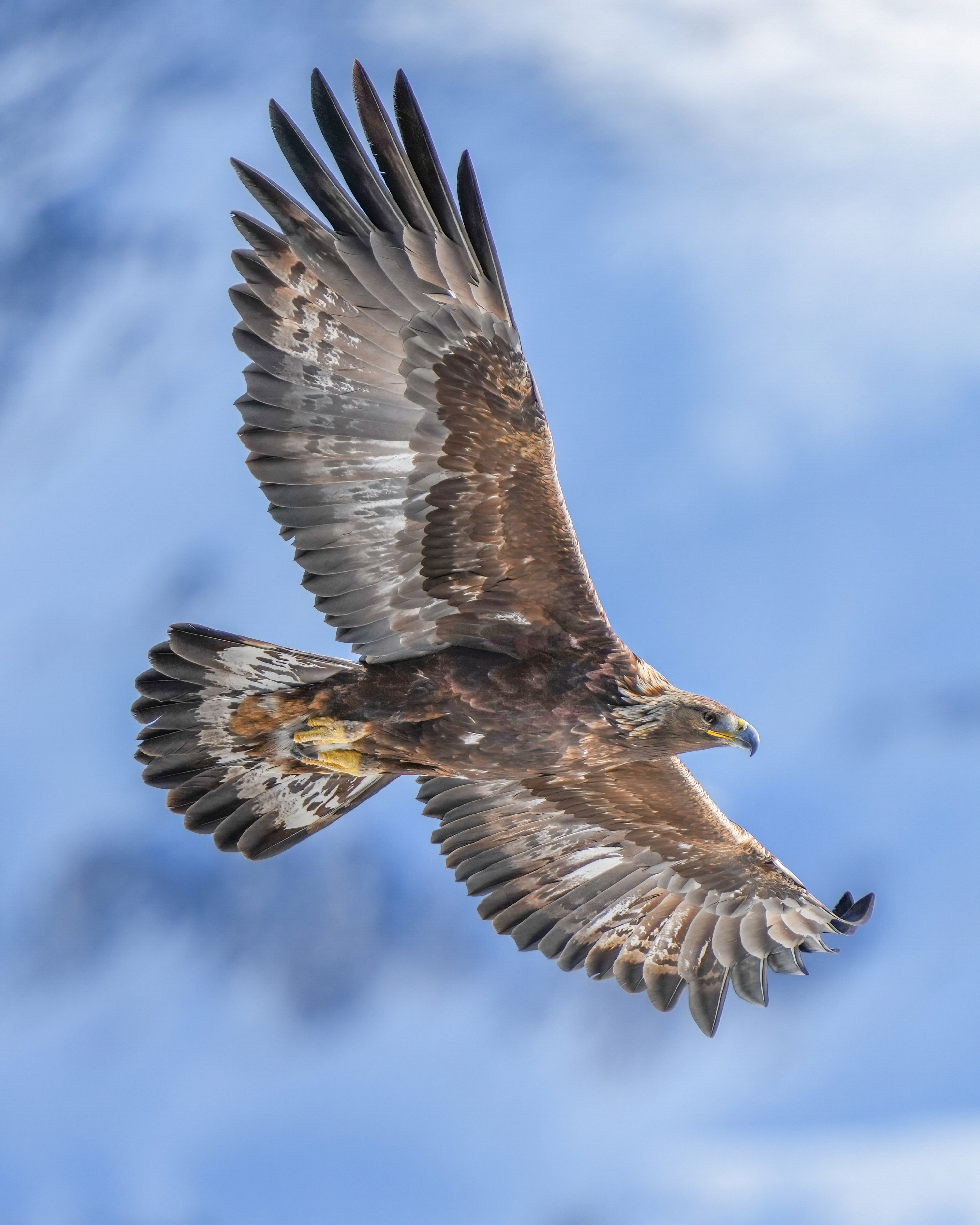
Golden eagle Almost guaranteed in season
Walk the Valnontey trail in Gran Paradiso from spring through summer to catch near-daily golden eagle sightings. These apex predators soar above alpine meadows and rocky crags, their shadow crossing the trail as you hike. Early mornings increase your chances of spotting them hunting.
Chamois Almost guaranteed in season
Above 6,500 feet (2000m) in Gran Paradiso National Park, grassy ridgelines reveal herds of chamois. Groups of 10 to 30 move nimbly across the slopes, often pausing to scan the valley below. Their reliable presence makes them one of Italy’s most consistently spotted mountain mammals.
Alpine marmot Almost guaranteed in season
Hiking above 5,900 feet (1800m) in Gran Paradiso from June onward, you’ll hear the sharp whistles of alpine marmots. These rodents are visible across alpine meadows, often sunning on rocks or darting into burrows. Their calls punctuate the mountain silence.
Red deer Almost guaranteed in season
At dawn in September, the valleys of Stelvio National Park fill with the resonant roars of rutting red deer stags. Guided jeep safaris bring you within meters of these powerful animals locked in combat. The spectacle is loud and raw, best experienced with a local expert who knows the rutting grounds.
Bearded vulture Almost guaranteed in season
The Cogne valley in Gran Paradiso offers near-daily sightings of reintroduced bearded vultures soaring over the western Alps. These large birds glide effortlessly year-round, visible from valley viewpoints. Their presence marks a successful reintroduction effort in this rugged alpine environment.
Ocellated Lizard Almost guaranteed in season
In the warm months, sandy coastal areas and rocky hillsides of Circeo National Park come alive with ocellated lizards. They are most visible in the morning and late afternoon, basking on sunlit rocks or darting through low vegetation. Spotting one requires patience and a keen eye.
Eurasian eagle-owl Almost guaranteed in season
Join a dusk guided watch in Majella National Park from December to February to hear the booming hoots of Eurasian eagle-owls during breeding season. These large owls are elusive by day but vocal and active at night, making guided night tours essential for sightings.

The animals that define Italy’s safari circuit
Italy’s national parks offer a rare blend of rugged terrain and rich wildlife, where you can track elusive mammals and soaring birds. This deep dive focuses on the best spots to encounter iconic species on foot or with expert guides, maximizing your chances without wasting time. Each park has a distinct character that shapes the wildlife experience.
Marsican brown bear
The Marsican brown bear (Ursus arctos marsicanus) moves silently through dense beech forests and rocky slopes around Villavallelonga and Pescasseroli. Trekking at dawn, you feel the forest’s stillness break only by distant rustling. Observation hides near watering holes reveal the bear’s cautious but curious nature, a rare glimpse of fewer than 60 individuals left in the wild.
Why this reserve: Abruzzo, Lazio and Molise National Park hosts the only viable population of this critically endangered subspecies. Its rugged terrain and protected habitat concentrate bears in accessible zones, supported by expert guides familiar with their patterns. No other Italian reserve offers comparable density or observation infrastructure for the Marsican bear.
What most visitors miss: Visitors often overlook the bear’s seasonal fruit foraging behavior in late summer, which draws them to specific valleys. The park also shelters Apennine wolves and red deer, creating a layered predator-prey dynamic rarely seen elsewhere.
Conservation: Classified as Critically Endangered by IUCN, the Marsican brown bear population hovers below 60 individuals. Threats include habitat fragmentation and human disturbance. The park runs active monitoring, anti-poaching patrols, and community outreach to stabilize numbers.
| How to see | Book a guided trekking tour with observation hides in advance, ideally a half-day or full-day format. Local certified guides maximize sighting odds and ensure minimal disturbance. Book this tour |
| Ethical note | Maintain distance and never attempt to feed or lure bears; use hides and follow guide instructions strictly. |
| Cost | ~$150 – $250 including guide fees and park entry |
Apennine wolf
The Apennine wolf (Canis lupus italicus) emerges from the forest shadows at dawn, its silhouette sharp against the misty valleys of Abruzzo National Park. Guided vigils in winter bring you close to packs howling in the cold air, a haunting soundtrack that signals their territorial presence. The wolves move with quiet confidence, often visible near forest edges and clearings.
Why this reserve: Abruzzo NP holds Italy’s densest wolf population, supported by extensive forest cover and prey abundance. The park’s long-standing wolf monitoring program and experienced guides provide unmatched access to wolf territories, unlike other Italian parks where wolves are more elusive.
What most visitors miss: Wolves here display complex social behaviors during winter mating season, including vocal exchanges and pack bonding rarely observed by casual visitors.
| How to see | Join a guided dawn vigil in winter months; half-day tours with certified wildlife trackers offer the best chance. Book weeks ahead. Book this tour |
| Ethical note | Keep noise to a minimum and avoid flash photography to prevent disturbing wolf packs. |
| Cost | ~$100 – $180 for guide and park fees |
Alpine ibex
The Alpine ibex (Capra ibex) navigates steep granite cliffs and alpine meadows above 6,500 feet / 1,980 m in Gran Paradiso National Park. Hiking high-altitude trails in summer, you spot their curved horns silhouetted against the sky. Their sure-footed movements on rocky ledges make close encounters thrilling yet safe, as they graze quietly in small groups.
Why this reserve: Gran Paradiso saved the Alpine ibex from extinction in the 1800s and now hosts a stable, dense population. The park’s well-marked high-altitude trails and ranger presence allow visitors to approach ibex habitats safely and responsibly, unmatched by other Alpine parks.
What most visitors miss: Ibex herds shift elevation daily, often moving to sunny ridges in the morning and shaded valleys by afternoon, a pattern few visitors track.
| How to see | Plan multi-hour treks on summer high-altitude trails with a certified mountain guide. Day hikes from park lodges maximize encounter chances. Book this tour |
| Ethical note | Do not approach or feed ibex; maintain distance to avoid disrupting their natural grazing. |
| Cost | ~$120 – $200 including guide and park access |
Golden eagle
Walking the Valnontey trail in Gran Paradiso from spring through summer, you catch sight of the golden eagle (Aquila chrysaetos) soaring effortlessly above alpine peaks. Their shadow briefly darkens the meadows as they scan for prey. The crisp mountain air and panoramic views heighten the experience of watching these raptors glide near daily.
Why this reserve: Gran Paradiso’s varied elevation and open valleys provide ideal hunting grounds for golden eagles. The park’s trail network offers multiple vantage points, making it easier to spot eagles than in more forested or lower-altitude reserves.
What most visitors miss: Golden eagles often hunt alongside bearded vultures, creating a dynamic aerial display that visitors rarely anticipate.
| How to see | Hike the Valnontey trail with a local guide from April to August for near-daily sightings. Half-day trips suffice. |
| Ethical note | Avoid disturbing nesting sites; keep to marked trails and observe from a distance. |
| Cost | ~$80 – $140 for guide and park entry |
Gray wolf
At dawn in Abruzzo National Park, the gray wolf (Canis lupus) moves through misty valleys, ears alert and nose to the ground. Joining a wolf-tracking tour, you hear howling surveys that rangers use to locate packs. The wolves’ cautious but confident presence in wild meadows and forest edges makes this a rare, immersive experience.
Why this reserve: Abruzzo NP hosts Europe’s largest wolf population, with rangers running dedicated tracking tours. The park’s extensive wilderness and prey base support stable packs, making it the top choice for wolf encounters in Italy.
What most visitors miss: Wolf howling surveys at dawn reveal pack communication and territorial boundaries, a behavior missed by daytime visitors.
| How to see | Book a dawn wolf-tracking tour with park rangers; half-day format recommended. Reserve early. Book this tour |
| Ethical note | Follow ranger instructions closely to avoid disrupting wolf behavior during surveys. |
| Cost | ~$110 – $190 including guide and park fees |
Chamois
Scanning grassy ridgelines above 6,500 feet / 1,980 m in Gran Paradiso, you spot herds of 10 – 30 chamois (Rupicapra rupicapra) moving with agility. Their alert eyes and nimble leaps across rocky slopes stand out against alpine meadows. The quiet mountain air carries their faint calls as they graze or rest in small groups.
Why this reserve: Gran Paradiso offers reliable chamois sightings due to its extensive alpine habitat and stable populations. The park’s open ridges and accessible trails make spotting chamois easier than in more forested or fragmented areas.
What most visitors miss: Chamois display seasonal group size changes, forming larger herds in summer and smaller groups in fall, a detail few notice.
| How to see | Trek above 6,500 feet / 1,980 m with a guide during summer months for best sightings. Half-day hikes from park lodges work well. |
| Ethical note | Keep distance to avoid stressing chamois, especially during rutting season. |
| Cost | ~$90 – $150 including guide and park entry |
Red deer
At dawn in September, the valleys of Stelvio National Park fill with the resonant roars of rutting red deer (Cervus elaphus). Guided jeep safaris bring you within meters of stags locking antlers in fierce competition. The crisp fall air carries the sound across the valley, punctuated by the occasional grunt and clash of antlers.
Why this reserve: Stelvio NP’s varied terrain and abundant forest-meadow edges create ideal rutting grounds. The park’s guided jeep safaris at dawn offer close, safe access unmatched by other Italian parks.
What most visitors miss: The intensity of rutting peaks early morning and late evening, with stags displaying territorial behaviors that casual visitors rarely witness.
| How to see | Book a guided dawn jeep safari in September; half-day tours maximize rut viewing. Reserve in advance. Book this tour |
| Ethical note | Stay inside vehicles during safaris and avoid loud noises to prevent disturbing the rut. |
| Cost | ~$130 – $220 including guide and park fees |
Alpine marmot
Hiking above 6,000 feet / 1,830 m in Gran Paradiso from June onward, alpine marmots (Marmota marmota) whistle from rocky outcrops and alpine meadows. Their burrows dot the landscape, and you often spot them sunbathing or foraging in small groups. Their sharp calls echo across the quiet mountain air, signaling alertness to nearby hikers.
Why this reserve: Gran Paradiso’s alpine meadows provide ideal habitat for marmots, with reliable sightings along popular hiking routes. The park’s balance of accessibility and wilderness ensures frequent encounters.
What most visitors miss: Marmots have a complex alarm call system that varies by predator type, a communication detail unnoticed by most visitors.
| How to see | Trek alpine trails with a guide from June through early fall. Half-day hikes suffice for sightings. |
| Ethical note | Avoid approaching burrows closely to prevent disturbing marmots’ natural behavior. |
| Cost | ~$70 – $120 including guide and park entry |
Wild boar
In autumn’s fading light, guided dusk walks in Maremma Natural Park reveal wild boar (Sus scrofa) rooting through cork oak forests. Their snuffling and grunting break the silence as sounders move in tight groups. The earthy scent of disturbed soil and fallen leaves fills the air, creating a raw, immersive forest experience.
Why this reserve: Maremma Natural Park’s Mediterranean forest and scrub provide prime wild boar habitat. The park’s guided dusk walks focus on boar activity peaks, offering better chances than daytime or other reserves.
What most visitors miss: Wild boar use scent marking and wallowing behaviors to communicate dominance, a subtlety missed without a guide’s explanation.
| How to see | Join guided dusk walks in autumn; half-day tours with local naturalists improve sightings. Book early. Book this tour |
| Ethical note | Keep quiet and avoid sudden movements to prevent startling boars, especially females with piglets. |
| Cost | ~$90 – $160 including guide and park fees |
Bearded vulture
From valley viewpoints in Gran Paradiso’s Cogne valley, bearded vultures (Gypaetus barbatus) soar year-round. Their massive wingspan and distinctive wedge-shaped tail stand out against the alpine sky. Watching them glide effortlessly over rocky cliffs, you notice their habit of dropping bones to crack them open, a rare behavior visible from designated lookout points.
Why this reserve: Gran Paradiso’s reintroduction program and rugged terrain support a stable bearded vulture population. The Cogne valley offers near-daily sightings from accessible viewpoints, unmatched by other western Alpine parks.
What most visitors miss: Bearded vultures’ bone-dropping feeding technique is a specialized behavior that few visitors witness without guidance.
| How to see | Visit Cogne valley viewpoints with a guide year-round. Half-day trips provide reliable sightings. |
| Ethical note | Observe from designated viewpoints to avoid disturbing nesting or feeding sites. |
| Cost | ~$80 – $140 including guide and park entry |
Ocellated Lizard
In warm months, the ocellated lizard (Timon lepidus) basks on sandy coastal areas and rocky hillsides of Circeo National Park. Early morning and late afternoon hikes reveal their bright, spotted skin as they dart between sunlit rocks. Their alert eyes and quick movements make spotting them a rewarding challenge.
Why this reserve: Circeo National Park’s sandy dunes and Mediterranean scrub create ideal habitat for this large lizard. The park’s accessible trails and warm climate concentrate sightings better than other coastal reserves.
What most visitors miss: Ocellated lizards are most active during cooler parts of the day, so midday visits often miss their peak visibility.
| How to see | Explore coastal and rocky trails with a guide during warm months, focusing on mornings and late afternoons. |
| Ethical note | Avoid handling or chasing lizards to prevent stress and injury. |
| Cost | ~$60 – $110 including guide and park fees |
Eurasian eagle-owl
At dusk in Majella National Park, the Eurasian eagle-owl (Bubo bubo) begins its breeding hooting calls. Guided watches bring you close to rocky outcrops where the owls nest. The deep, resonant hoots echo through the fading light, creating an eerie yet captivating atmosphere as the owls emerge to hunt.
Why this reserve: Majella NP’s rugged cliffs and quiet valleys provide prime nesting sites. The park’s guided dusk watches during winter breeding season offer focused access to this elusive species, unlike other parks with less organized observation.
What most visitors miss: The owls’ vocalizations vary by individual and time of night, a complexity unnoticed without expert guidance.
| How to see | Join dusk guided watches from December to February; half-day tours recommended. Book in advance. |
| Ethical note | Keep noise low and avoid flashlight use near nests to prevent disturbance. |
| Cost | ~$90 – $150 including guide and park entry |
Book wildlife tours in Italy
Compare guided safaris, nature walks, and reserve tours from local operators.
Which reserves to visit in Italy
Italy boasts several national parks that are prime locations for wildlife enthusiasts.
Abruzzo, Lazio and Molise National Park
This park is home to the endemic Marsican brown bear and has the densest population of wolves in Italy.
How to reach: Nearest hub is Rome; drive time is approximately 2 hours.
Park fee: $10
Gran Paradiso National Park
Known for its Alpine ibex and golden eagles, this park offers stunning mountain scenery.
How to reach: Nearest hub is Turin; drive time is about 1.5 hours.
Park fee: $8
When to visit Italy for wildlife
Visit from May to September for the best wildlife sightings, especially for the Marsican brown bear and Alpine ibex.
Peak window: June, July, and August are peak months for wildlife activity, particularly for the Marsican brown bear and Alpine ibex.
Avoid: January to April should be avoided due to low animal activity and potential road closures from winter weather.
Animal behavior changes significantly with the seasons; bears are more active in warmer months, while wolves are easier to spot in winter. Vegetation also flourishes in summer, enhancing visibility.
Marsican brown bears are highly active as they emerge from hibernation.
Alpine ibex are frequently seen on high-altitude trails.
Marsican brown bears are at peak activity, making sightings more likely.
Wild boars are actively foraging in the forests.
What a wildlife trip in Italy costs
Daily estimate: $150 – $250
| Cost component | What to expect |
|---|---|
| Guide fee | $50 – $100 for a certified guide per day. |
| Park entry | $10 – $15 per park. |
| Accommodation | Eco-lodges near reserves run $60 – $90/night See lodges. |
| Transport | $30 – $50 for car rental or shared transport. |
Money saver: Book guided tours in advance to secure lower rates and avoid peak pricing.
Book wildlife tours
Compare guided tours, safaris, and nature experiences in Italy.
Wildlife ethics in Italy: what to know before you book
Ethics matter in wildlife tourism to ensure conservation and respect for animals.
Do
- Book certified guides for wildlife tours.
- Choose operators with no-captive-animal policies.
- Ask about wildlife authority permits for tours.
Don’t
- Never support operators offering captive animal experiences.
- Avoid tours that use playback calls to attract animals.
- Don’t engage with operators lacking proper permits.
Operator checklist
Verify that the operator holds current permits from wildlife authorities and employs certified guides. Check if they limit vehicle numbers per sighting to minimize disturbance.
Safety and preparation for wildlife in Italy
Safety: Be aware of potential encounters with wild boars and wolves. Diseases like Lyme disease may be present in some areas.
Gear to bring
- Wear neutral clothing colors to blend into the environment.
- Bring binoculars (8×42 minimum) for wildlife observation.
- Pack sturdy boots for hiking in rugged terrain.
- Use dust bags for cameras to protect against dirt.
Health: Consult a travel health clinic: recommendations change.
Frequently asked questions about wildlife in Italy
1Are Marsican brown bear sightings actually common at Abruzzo, Lazio and Molise National Park? What’s the real probability?
Marsican brown bear sightings are high from May to September, but overall chances are low due to their rarity.
2Is 1 day at Gran Paradiso National Park enough to see Alpine ibex, or do I need 2+ days?
One day is often enough to see Alpine ibex, especially during summer when they are more active.
3Are guided dusk walks in Maremma Natural Park effective for seeing wild boar?
Yes, guided dusk walks in autumn provide good chances to see wild boar rooting in the forest.
4Is Stelvio National Park or Gran Paradiso National Park better for seeing golden eagles on a one-day trip?
Gran Paradiso National Park is better for golden eagle sightings, especially along the Valnontey trail.
5Is it okay for some operators to use playback calls to attract Eurasian eagle-owls?
No, using playback calls is not ethical and can disrupt the natural behavior of the owls.
6Is $150 realistic for a guided jeep safari in Stelvio National Park to see red deer?
Yes, $150 is a reasonable estimate for a guided jeep safari during the red deer rut in September.