


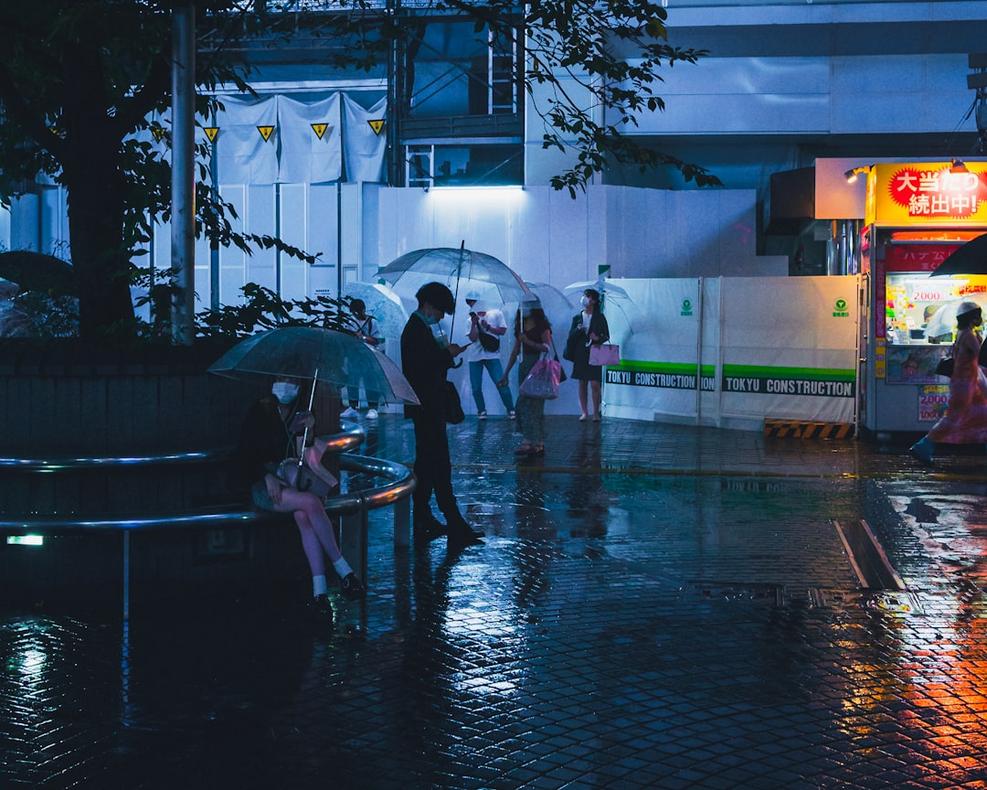
At Tokyo‘s Senso-ji Temple, bare ankles catch disapproving glances while rain soaks through cotton sneakers near Shibuya Crossing.
Japan demands packing that balances polished city looks and respectful temple wear with unpredictable weather. This list cuts clutter by focusing on versatile layers and easy-to-wash fabrics. The key is packing for comfort and cultural respect without overstuffing your bag.
Key Takeaways
- Pack merino wool base layers to regulate temperature from 46°F / 8°C to 69°F / 21°C.
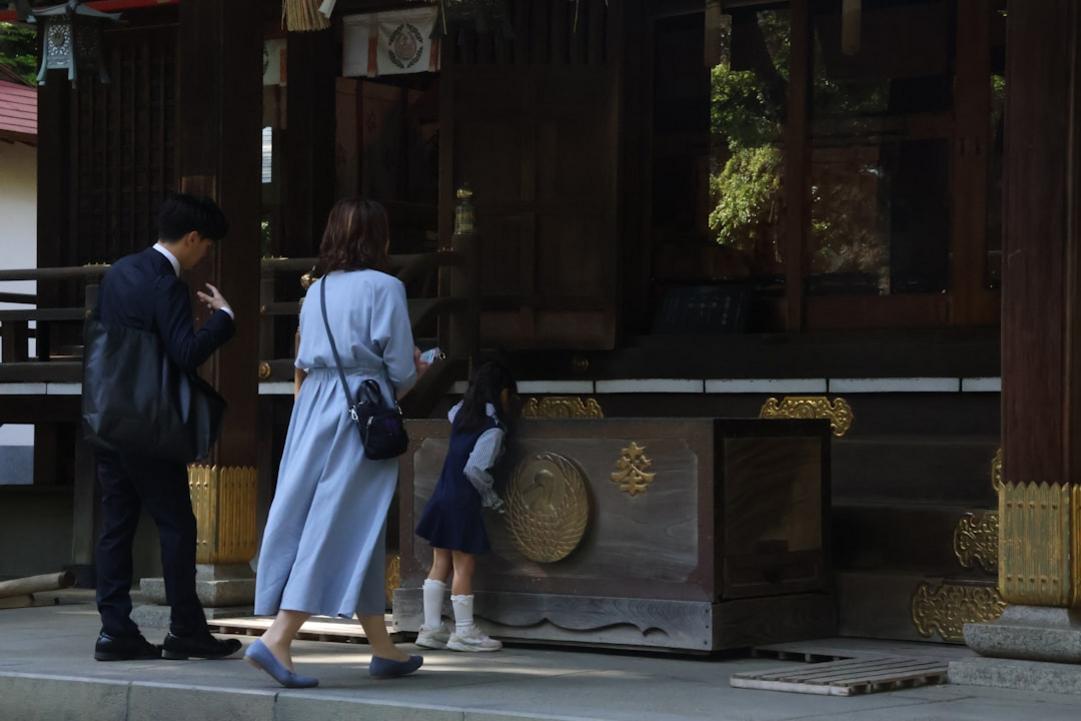
- Bring long pants and sleeves for temple visits like Kyoto‘s Kinkaku-ji to respect dress codes.
- Use coin laundries at $3-$5 per load to halve clothing volume for 14 days.
- No adapter needed. US plugs fit Japan’s 100V outlets directly.
- Carry an extra pair of clean socks daily; indoor shoe removal is universal.
- Wear waterproof sneakers for city and light hiking comfort in rainy months.
- Choose a lightweight backpack for easy city navigation and temple visits.

~40 items for a 14-day city, temple, and hiking trip
Recommended: backpack. A backpack suits Japan’s urban transit and temple walks better than a suitcase.
Best Time to Pack for Japan
Try the packing list generator tool
Free Pack Lightly tool, no signup.
Japan’s Climate Shifts: Packing for Spring-Fall vs Summer-Monsoon
Spring and fall in Japan, especially in Tokyo and Kyoto, offer mild temperatures ranging from 50°F/10°C in March to 68°F/20°C in November with moderate rainfall under 60mm. Packing focuses on lightweight rain protection and mid-weight layers for cool mornings and evenings. In contrast, summer months June through August bring hot, humid conditions with highs up to 86°F/30°C and heavy rainfall exceeding 150mm in July, especially in southern areas like Okinawa. Packing shifts to sun protection, waterproof gear, and breathable daypack rain covers to handle daily downpours.
Monthly Temperature
Monthly Rainfall
Pack insulated rain jacket and waterproof daypack cover.
Bring warm waterproof outerwear and rain protection gear.
Light rain jacket and packable rain cover needed daily.
Rain gear and sun protection balance for variable weather.
Prepare for warm, humid days with frequent showers.
Heavy rain gear and waterproof storage mandatory this month.
Maximize waterproof gear; pack sun protection for humid heat.
Sun and rain protection essential for hot, wet conditions.
Rain gear stays; sun protection still needed in humid warmth.
Light rain gear and sun protection for cooler, drier days.
Pack mid-weight rain jacket and waterproof daypack cover.
Insulated rain jacket and waterproof gear for chilly, dry days.
Popular Season Packing: Spring and Fall Essentials
- Light rain jacket
Handles frequent moderate showers without bulk. - Waterproof daypack cover
Protects electronics and documents from rain during city walks. - Compact umbrella
Easy to carry, perfect for sudden light rain. - Sun hat
Blocks sun during clear, mild days in Tokyo and Kyoto. - Packable dry bags
Keeps valuables dry during unexpected rain, lightweight for carry-on.
Shop packable rain jacket travel on Amazon
Off-Season Packing: Summer Monsoon Gear
June to August demands heavy rain protection and sun defense for humid heat.
- Heavy-duty rain jacket
Essential for daily heavy downpours in southern and central Japan. - Waterproof dry bags
Protects gear from constant moisture and monsoon-level rain. - Waterproof daypack cover
Prevents water damage during long outdoor excursions. - Sun hat with UV protection
Shields from intense sun during humid, hot days. - Quick-dry travel towel
Dries fast after rain, useful for humid conditions. - Waterproof phone case
Keeps devices safe from rain and sweat.
Tip
Off-season packing benefits from fewer bulky warm layers, which saves meaningful space for monsoon-specific gear.
Clothing Checklist for Japan
Pack warm layers for cold weather: insulated long pants and long-sleeve shirts for city and temples. Include a rain jacket for wet days and a light hoodie for layering. Laundry is available mid-trip, so pack for 8 days with one wash. Merino wool is worth the cost: it regulates temperature across Japan’s 40°F / 4°C winter to 86°F / 30°C summer range and resists odor through multiple wears.
See the detailed for fabric and style recommendations.

Clothing8 items
daily wear
temple / city
city / temples / trekking
city / temples / trekking
base layer / casual
rain / city
layering / evenings
hotel
Footwear3 items
Shop merino wool travel socks on Amazon
The Non-Negotiables: Documents & Money for Japan
These documents and money items control your entry and daily spending in Japan. Missing any of these stops your trip before it starts.
For a 14-day Japan trip: pack 7-8 days of clothes (plan one mid-trip laundry run), a packable rain jacket, slip-on shoes for temples, and JPY cash for smaller vendors. No power adapter needed for US plugs.
Covers all seasons: spring and fall are the easiest to pack for, winter requires insulation, monsoon season (June-August) demands serious waterproofing.
Documents & Money11 items
US citizens get 90 days visa-free but passport must be valid for entire stay.
Keep copies separate from your passport for emergencies or hotel check-ins.
Immigration may ask for proof of onward travel and lodging.
Japan’s healthcare is expensive; insurance with medical coverage is essential.
Carry some yen cash; many places don’t accept cards. Use 7-Eleven ATMs for withdrawals.
Prepaid SIM from providers like SoftBank or NTT Docomo ensures good coverage and data.
Label bags in English and Japanese to avoid lost luggage issues.
Use a discreet money belt to protect cash and cards in crowded urban areas.
Required if planning to rent a car for rural hiking access or countryside travel.
UV protection needed year-round, especially for temple visits and hiking.
Mosquitoes common in rural and forested hiking areas, especially summer and early fall.
What Goes in Your Carry-On for a Japan Flight
Japan’s airports and transport are efficient but strict on fragile items and valuables. This carry-on setup keeps you ready for customs, delays, and daily city-to-nature transitions.
Carry-On Checklist12 items
Essential for daily city and temple visits, plus short hikes; keeps valuables close.
Japan’s tap water is safe and free refills keep you hydrated on long temple walks and hikes.
Blocks noise and light on overnight trains or flights for better rest.
Keeps carry-on organized and speeds up security checks.
Secures lockers at hostels and train stations.
Keeps phone and eSIM devices charged during long travel days and hikes.
For entertainment and translation apps on flights and public transport.
Japan’s weather can change suddenly; rain gear avoids soaked clothes on temple visits and hikes.
Keeps travel-size toiletries accessible for airport security and overnight stays.
In case checked luggage is delayed or lost, fresh clothes keep you comfortable.
Carry prescription meds and basic first aid for long flights and remote hikes.
Airport and train station food options can be limited or pricey during travel delays.
Do you need a power adapter in Japan?
Electronics & Charging
Plug Advisory
US plugs work in Japan. Voltage is 100V, so modern US electronics charge without issues. No adapter needed.
Electronics6 items
Long days exploring cities and rural areas require reliable backup power for phones and cameras.
Hotel rooms often have limited outlets; charge multiple devices simultaneously.
Essential for trains and flights, plus noise-canceling helps on busy city streets.
Airports and train stations can be busy; track checked bags and daypack easily.
Cables get lost or damaged; having a spare avoids downtime.
Useful if renting a car in rural or mountainous areas where public transport is limited.
Mobile Data
Japan has excellent mobile coverage with multiple carriers offering eSIM plans. Activate an eSIM before arrival for seamless data access. eSIM for Japan
Toiletries for Japan Travel
Local Buying Tip
Buy refill shampoo, body wash, and face moisturizer at 7-Eleven, Matsumoto Kiyoshi, or local drugstores to save space. Bring personal toothpaste and deodorant for consistent quality.
Toiletries8 items
Japanese toothpaste flavors differ; bring your preferred brand for comfort.
Japanese deodorants can be less potent; bring your usual to stay fresh in cold and humid climates.
Hotels often provide these but quality varies; bring travel size for first days or buy locally.
Even in cold seasons, UV protection is needed due to reflective snow and clear skies.
Cold, dry air in winter causes chapped lips; SPF protects against sun and wind burn.
Convenient for quick face refreshes during long sightseeing days in cold weather.
Japanese hotels rarely provide razors; bring your own for grooming convenience.
Refill with local shampoo and body wash to save space and reduce plastic waste.
Health & Medical for Japan
Health Notice
Japan has low mosquito risk in winter and clean tap water throughout the country. Altitude sickness can occur in mountainous regions like the Japanese Alps. Sun exposure remains a factor due to snow reflection.
Health & Medical7 items
Pharmacies may not stock specific meds; bring enough for entire trip plus extra.
Cold weather and long walking days cause muscle aches and headaches.
Food changes and street snacks can upset digestion; pack for peace of mind.
Winter pollen and indoor heating can trigger allergies.
Cold weather can dry skin causing cracks; minor cuts need quick care.
Extensive walking on uneven terrain and city streets causes blisters.
Cold weather stiffens muscles; balm soothes soreness after hiking or long days.

Travel Gear That Earns Its Weight in Japan
Japan’s mix of urban exploration, temple visits, and mountain trekking demands versatile, lightweight gear. Expect sudden rain, crowded public transit, and varied terrain from Kyoto’s stone temple paths to the Kumano Kodo pilgrimage trails.
Travel Gear7 items
Japan’s frequent and unpredictable rain showers make a small umbrella essential for city and temple days.
Useful for quick drying after hiking or visiting onsen; dries fast in humid conditions.
Early morning or late evening hikes in rural areas require hands-free light; some temple paths have limited lighting.
Protects electronics and documents from rain and humidity during outdoor activities or crowded trains.
Japan’s mountain trails can be steep and rocky, especially in the Japanese Alps and Kumano Kodo routes.
Summer humidity in cities like Tokyo and Kyoto can be oppressive; a small fan cools you down on the go.
Useful for staying in budget hostels or temple lodgings where bedding may be thin or less familiar.
Shop waterproof dry bag travel on Amazon
Packing Organization for Japan
Packing Cubes
Use cubes to separate hiking gear from city clothes for easy access during multi-activity days.
Ziplock Bags
Store electronics and receipts in ziplock bags to protect from rain and humidity.
Laundry Bag
Keep worn clothes separate for easy laundry runs at coin laundromats common in Japan.
Rain Cover Backpack
Pack this in your daypack to shield your bag during sudden showers on hikes or city walks.
Compression Socks
Wear on flights and long train rides to reduce swelling after hours of sitting.
Cultural Dress Code Quick Reference
Why Pack 7 Days of Clothes for 14 Days
Laundry options in Japan are convenient but come with a cost and time tradeoff. Coin laundries charge around $3-5 per load and typically take 1-2 hours for washing and drying. Many hotels offer laundry services with faster turnaround but at a premium price, often double the coin laundry cost. Convenience stores sell emergency clothing, but prices are high and styles limited. Planning to pack half your clothes and washing mid-trip reduces weight and bulk, balancing cost and convenience.
Packing Impact
Packing half your clothes and washing mid-trip cuts luggage weight and avoids overpacking.

Packing Do’s & Don’ts for Japan
Do
- Roll clothes tightly and use packing cubes to maximize space and keep clean/dirty clothes separate.
Japanese accommodations often have limited storage; organized packing keeps your bag compact and accessible.
- Place essential electronics, travel documents, and a change of socks in your carry-on.
Removing shoes indoors means socks get visible; clean socks are crucial daily and carry-on access prevents delays.
- Photocopy your passport and store the copy separately from the original.
Japanese police occasionally request ID copies; having a backup speeds up routine checks.
- Download offline maps and train apps before departure.
Japan’s transit system is complex; offline access ensures smooth navigation without relying on constant internet.
- Weigh your luggage the night before departure.
Japan’s domestic flights and trains have strict baggage limits; avoid last-minute repacking fees.
- Pack a compact umbrella or rain jacket in your daypack.
Japan’s weather can change quickly, especially in spring and fall; staying dry keeps you comfortable exploring.
Don’t
- Don’t pack all clothes in one large compartment without organization.
Humidity and limited drying space mean separating worn from clean clothes prevents odor and clutter.
- Don’t rely solely on hotel laundry services for all your washing.
Hotel laundry is expensive and often slower than coin laundries, increasing trip costs and downtime.
- Don’t pack bulky shoes in checked luggage only.
Shoes get removed indoors frequently; having a lightweight pair in your carry-on avoids delays and discomfort.
- Don’t wait until the last minute to pack or check bag weight.
Japan’s strict baggage policies and tight schedules require early prep to avoid stress and fees.
- Don’t forget to bring extra clean socks in your daypack.
Shoes off indoors is universal; clean socks are essential for hygiene and comfort all day.
- Don’t underestimate the need for offline resources.
Limited free Wi-Fi outside major cities makes offline maps and guides critical for smooth travel.
Skip These: 7 Items That Waste Space in Japan
Japan’s efficient infrastructure means you can leave bulky items behind. Pack for the trip you’re taking, not a hypothetical worst-case scenario.
| Skip This | Why | Instead |
|---|---|---|
| Jeans | Jeans weigh about 900g and take 18 hours to dry in Japan’s 70-80% humidity, making them impractical for city and hiking days. | Two pairs of quick-dry travel pants weighing 300g total dry in under 2 hours and pack small. |
| Full-size towel | Hotels and ryokans provide towels; full-size towels add 400g and take up bulky space. | A 150g microfiber towel handles beach or onsen visits and packs down small. |
| Cotton t-shirts | Cotton absorbs 7x its weight in sweat and takes 4+ hours to dry in Japan’s humid summers. | Pack 3-4 quick-dry synthetic t-shirts weighing 100-150g each that dry in 30 minutes. |
| Too many dressy outfits | Japanese city and temple visits are casual; dress codes rarely require formal wear, so extra dressy clothes add unnecessary weight. | One smart casual outfit covers upscale dining or theater, weighing under 400g. |
| Laptop | Laptop adds 1.3kg and is redundant since smartphones handle maps, bookings, and photos efficiently. | Use a smartphone with a portable charger weighing under 200g. |
| Heavy hiking boots | Japan’s hiking trails are well-maintained; heavy boots weigh 1.5-2kg and slow you down. | Lightweight trail runners (400-600g) provide grip and dry quickly after rain. |
| Large guidebooks | Physical guidebooks weigh 300-500g and are bulky; phone apps and PDFs are updated and more convenient. | Download offline maps and guides on your phone, saving weight and space. |
Japan Packing FAQ
1Do I need a power adapter for Japan?
No adapter is needed. Japan uses Type A and Type B plugs with 100V supply, compatible with many North American devices. European plugs require an adapter.
2Can I find toiletries and basic items easily in Japan?
Yes. Convenience stores like 7-Eleven and FamilyMart, plus drugstore chains like Matsumoto Kiyoshi, stock toiletries, sunscreen, and travel necessities at reasonable prices throughout cities and towns.
3What size bag is best for a 14-day trip in Japan?
A carry-on sized backpack (40-45L) plus a 20L day pack is the practical choice. Japan’s coin lockers at train stations like Tokyo Station and Kyoto Station fit standard carry-on bags, keeping your main luggage stored while you explore.
4Is rain gear necessary year-round in Japan?
Yes. Pack a lightweight, packable rain jacket especially for June’s rainy season (tsuyu) and typhoon season from September to October. Umbrellas are common but less practical on hiking days on trails like Nakasendo or Kumano Kodo.
5How many outfits should I pack for two weeks in Japan?
Pack 5-6 tops, 2-3 bottoms, and 1-2 layering pieces. Plan to do laundry once mid-trip since coin laundromats (open 24/7 in most neighborhoods) and hotel laundry services are widely available.
6What should I keep in my carry-on bag during flights to Japan?
Keep passport, wallet, phone, chargers, a lightweight jacket, snacks, and a refillable water bottle. Japan’s airports including Narita and Kansai International have water fountains to refill after security.
7Is laundry easy to do in Japan during a 14-day trip?
Yes. Coin laundromats are common and efficient, with many open 24/7. One wash costs $3-5 USD and takes 1-2 hours. Hotels often offer laundry services but at a higher cost, typically $10-20 per item at ryokans like Gora Kadan.
8Are there any items restricted or prohibited from bringing into Japan?
Check Japan Customs rules before travel. Narcotics (including some prescription medications common elsewhere), firearms, and certain fresh foods are restricted. Some over-the-counter cold medicines containing pseudoephedrine require advance permission from Japan’s Ministry of Health.
Gear & Travel Partners
Some links on this page are affiliate links. Pack Lightly may earn a small commission at no extra cost to you.