


Malawi is a place where most visitors are better off not taking the wheel; the road-death rate of 31 per 100,000 is among the highest worldwide. The traffic is chaotic, with poor road conditions, pedestrians, cyclists, and frequent overtaking on narrow lanes. Most roads are poorly maintained, especially outside major cities, making driving stressful and risky. The high difficulty rating means that even experienced drivers must stay alert and cautious at all times. Planning your transportation carefully is essential to avoid accidents and delays.
This page advises against self-driving for most travelers due to safety concerns. An International Driving Permit (IDP) based on the 1949 Geneva Convention is required. Malawi drives on the left side of the road. Public transport, arranged transfers, and local drivers are the safer, more reliable options. If you are a prepared, cautious driver, self-driving can work, but only in specific regions and daylight hours. This guide covers the drive-or-skip decision, permit requirements, and alternative modes for safe travel.
The verdict
Most travelers should skip the rental in Malawi. The high road-death rate and chaotic traffic make self-driving risky, especially for those unfamiliar with local conditions. Relying on local drivers or organized transfers is the safest choice. Only experienced, defensive drivers comfortable with challenging conditions should consider renting a vehicle, and even then, only for specific routes during daylight. For peace of mind, avoid night driving and rural roads with poor signage and road quality.
Essential tips
- Carry your permit. An International Driving Permit based on the 1949 Geneva Convention is mandatory for driving in Malawi.
- Drive on the left. Malawi drives on the left side; adjust your driving habits accordingly to avoid confusion and accidents.
- Avoid night driving. Poor lighting, pedestrians, and cyclists make night driving dangerous; plan your trips during daylight hours.
- Beware the scooters. Scooters and bicycles are common and often unpredictable; stay vigilant, especially in urban areas and near markets.
- Check seasonal hazards. Heavy rains during the rainy season can cause flooding and road washouts, making some routes impassable.
- Use reliable transport options. Opt for organized transfers, taxis, or local drivers for safer, stress-free travel around Malawi.
- Verify fuel and toll costs. Fuel typically costs around $1.20 per litre; tolls are rare but verify local prices before travel.
How the traffic flows
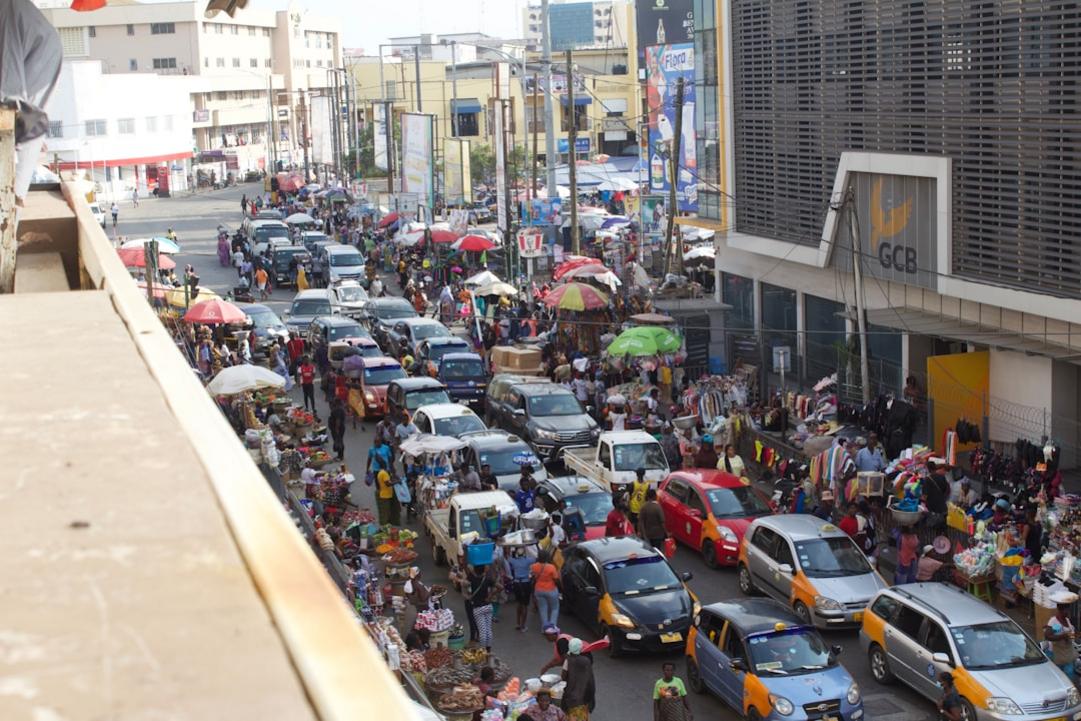
Malawi’s traffic environment is highly chaotic and unpredictable, with poor roads, dense pedestrian and cyclist activity, and a high road death rate of 31 per 100,000. The difficulty level is high, and drivers must be prepared for aggressive merging, frequent horn honking, and livestock on rural roads. The unwritten rules often override formal signage, making it essential to read the flow of traffic carefully. Expect larger vehicles like trucks and minibuses to dominate the road, often forcing smaller or slower vehicles to yield unexpectedly. Night driving is particularly hazardous due to poor lighting and unpredictable road conditions. For a foreign driver, understanding the local driving psychology is crucial to stay safe and avoid accidents in this environment. Patience, vigilance, and a proactive attitude are your best tools here, especially when navigating the busy city streets or rural tracks.
Right of Way
In Malawi, larger and more aggressive vehicles, such as trucks and minibuses, often take priority regardless of traffic signs. Pedestrians and cyclists frequently step into the road unexpectedly, and drivers must yield to them, especially at informal crossings. Roundabouts are common, but drivers tend to merge aggressively, expecting others to give way. Foreign drivers should anticipate that local drivers may not follow strict right-of-way rules and adapt by yielding proactively to avoid conflicts.
Signals and the Horn
Horn honking is a primary means of communication, used to announce your presence or alert others of your intentions. Headlights are often flashed to signal overtaking or to warn of your approach, especially at night or in rural areas. Indicators are frequently ignored or used loosely; do not rely solely on them. Use your horn sparingly but assertively to prevent misunderstandings, and remember that high beams are often used to signal overtaking intentions rather than just illumination.
Lane Discipline and Flow
Lane markings are often faded or ignored, with vehicles weaving and undertaking on the left or right as needed. Merging into traffic requires confidence and anticipation, as drivers tend to push into gaps rather than wait patiently. Keep your line steady, but be prepared for others to cut in or for sudden weaving. Undertaking on the right is common on rural roads, and filtering through traffic jams is expected, especially in urban areas.
Anticipating the Road
Always watch ahead for pedestrians stepping out unexpectedly, especially near markets and rural crossings. Scooters and bicycles often cut in without warning, and livestock can appear on rural roads, particularly in farming regions. Night driving is risky due to poor lighting and unpredictable hazards. Maintain a calm, steady pace, and stay alert for sudden stops or obstacles. Seasonal rains can worsen road conditions, making potholes and mud hazards more frequent.
Do
- Yield proactively
Always give way to larger vehicles and pedestrians to avoid conflicts and accidents.
- Use horn assertively
Honk to announce your presence or intentions, especially when overtaking or approaching blind spots.
- Maintain steady line
Hold your lane confidently, but stay flexible for weaving traffic and undertake when safe.
- Watch ahead carefully
Scan the road for pedestrians, livestock, and scooters, particularly in rural or market areas.
- Drive with patience
Expect delays and aggressive driving; keep your cool and adapt to the flow.
Do not
- Ignore larger vehicles
Never assume smaller vehicles or scooters will yield; they often push into gaps aggressively.
- Overuse horn
Avoid constant honking, which is seen as rude; use it only to communicate clearly.
- Stick rigidly to markings
Do not rely on lane markings; expect weaving and undertake only when safe.
- Assume pedestrians always stop
Never assume pedestrians will wait; they often step out unexpectedly without warning.

Road Conditions Overview
Malawi’s roads vary drastically from paved highways around major cities to poorly maintained rural tracks. Expect potholes, uneven surfaces and limited street lighting outside urban centres. Heavy rains worsen dirt roads, turning them muddy and often impassable. The high traffic difficulty rating reflects these challenges, combined with frequent pedestrian and cyclist presence. Avoid night driving to reduce risks caused by poor visibility and unlit hazards.
Traffic congestion peaks during morning and evening rush hours in Lilongwe and Blantyre, roughly 7 – 9 AM and 4 – 6 PM. Outside these windows, traffic eases but urban delays remain common. Rural roads see little congestion but pose night-driving dangers due to animals, cyclists and lack of lighting. Plan trips to avoid driving after dark, especially on secondary roads.
Key Traffic Facts
These core facts define driving conditions and safety in Malawi.
| Metric | Value | What it means for you |
|---|---|---|
| Driving side | Left | Drive on the left side, matching UK-style traffic flow and vehicle setup. |
| Traffic intensity | High | Expect challenging driving conditions with complex road users and poor infrastructure. |
| Road deaths per 100k | 31 per 100k | Malawi has one of the highest road fatality rates globally; drive with extreme caution. |
| Self-drive verdict | Not recommended | Visitors should avoid self-driving due to road hazards and traffic complexity. |
| Seasonal road hazard | Poor roads; pedestrians and cyclists; avoid night driving | Rain worsens road quality; expect vulnerable road users and limited night visibility. |
Traffic Rules and Limits
Typical speed limits and alcohol rules apply but enforcement varies widely. Confirm local signage and regulations before driving. Rules can change without notice, so stay alert to posted limits and police presence.
Drink-driving
The typical legal blood-alcohol limit is roughly 0.05%, but enforcement is inconsistent and random checks occur. Avoid drinking any alcohol before driving to eliminate risk and maintain full control.
International Driving Permit Requirements
An International Driving Permit is required to drive legally in Malawi, under the 1949 Geneva Convention. This permit must accompany your valid home country driving licence. Permits issued under other conventions may be refused by local authorities.
Carry your original home driving licence, the International Driving Permit, passport, rental agreement and insurance documents at all times. Obtain the IDP before arrival from your national automobile association or equivalent, usually for a small fee. The permit is valid for about one year and cannot be issued once abroad.
Many travellers overlook that only the 1949 Geneva Convention IDP is accepted, causing refusals at police stops. Some local authorities may require additional temporary permits. Even with correct documents, weigh carefully whether to drive given Malawi’s high traffic difficulty and road fatality rate.
Before you go
- Obtain the 1949 Geneva Convention International Driving Permit before travel
- Carry your original home driving licence alongside the IDP at all times
- Keep your passport, rental contract and insurance papers accessible when driving
- Verify your IDP is valid for Malawi and not from a different convention
- Understand local driving risks before deciding to drive yourself
How to get around
Most visitors rely on organized transfers or local drivers to explore Malawi. Public transport options are limited and often unreliable, especially outside major cities. Renting a car is possible but not recommended for inexperienced drivers due to poor road conditions and high traffic difficulty. Taxis and ride-hailing apps are available in Lilongwe and Blantyre, offering a safer alternative for short distances. For rural or mountainous areas, hiring a local driver ensures safety and efficiency, especially when navigating unpaved or poorly maintained roads.
| Mode | Flexibility | Cost | Safety | Tip |
|---|---|---|---|---|
| Car rental | Moderate – access to remote areas, but challenging roads | Roughly $65-80 per day, plus fuel | Low – poor roads and high traffic difficulty increase risk | Verify insurance covers gravel roads; consider hiring a local driver instead |
| Ride-hailing app | High – convenient in cities, limited outside urban areas | Mid-range, typically $2-10 per ride within cities | Moderate – safer than self-driving, but verify driver credentials | Use reputable apps, confirm fare upfront, avoid night trips |
| Metered taxi | Moderate – available in major towns, less in rural zones | Roughly $1-5 per km, negotiate fare for longer trips | Moderate – safer than unregulated taxis, confirm meter use | Agree fare before starting, avoid unmarked taxis |
| Intercity coach | Low – scheduled routes, limited scenic flexibility | Around $10-20 for long-distance routes | Moderate – generally safe, but check operator reputation | Book tickets in advance, verify operating hours |
| Bicycle | Low to moderate – best for short distances in cities | Low, roughly $5-10 per day | Low – traffic and road conditions pose risks | Wear helmet, stay on designated paths, avoid traffic-heavy roads |
Tolls and parking
Major roads are typically toll-free, but some highways may charge fees paid in cash or via mobile payment apps. Parking in cities is limited; use designated garages where possible. Street parking often involves paying a flat fee, and valuables should never be left on display. Always check for parking restrictions to avoid fines or towing, especially near government buildings and markets.
Fuel and prices
Malawi primarily sells petrol and diesel, with petrol grades typically 95 octane. Fuel prices hover around $1.20-1.50 per litre, but verify locally as prices fluctuate. Diesel is common for larger vehicles, and electric vehicle charging stations are sparse outside major cities. Fill up when possible, especially in rural areas where stations are few and far between. Use local fuel stations to avoid scams and ensure quality.
Traveling with children
Do
- Use approved child seats for children under 12 years old or under 150 cm tall.
- Ensure children wear helmets when riding scooters or bikes.
- Keep children in the back seat, especially in taxis or rental cars.
- Never leave children unattended in vehicles, especially in hot weather.
- Avoid letting children sit on the traffic side of the vehicle without proper safety measures.
Do not
Book transport the easy way
Compare and book buses, trains and transfers in one place, often cheaper than at the counter.
What to Do in a Road Incident
In Malawi, if you are involved in a road accident or your vehicle breaks down, first ensure the scene is safe. Move to a secure location if possible, away from traffic. Call the emergency services using the numbers shown here – police at 997 or ambulance at 998 – to report the incident. Contact your rental company immediately if you are driving a rental vehicle. Take clear photographs of the scene from multiple angles and exchange contact and insurance details with other parties involved. Notify your travel insurer as soon as possible to start the claims process. Stay calm, collected, and follow the instructions of emergency responders to ensure everyone’s safety.
Pro tip
A local SIM or eSIM is essential for live maps and ride-hailing apps in Malawi. Download offline maps before your trip to avoid losing navigation in areas with poor signal. Use translation apps to bridge language gaps, especially in rural areas where English proficiency may be limited. These tools will give you peace of mind and keep your journey smooth and safe.
Malawi Driving FAQs
1Do I need an International Driving Permit for Malawi?
Yes, an International Driving Permit (IDP) is required to drive in Malawi. The country adheres to the 1949 Geneva Convention, so ensure your license is valid and your IDP is current before renting or driving. Rental agencies will check this document, and it is mandatory for legal driving here. Carry both your home license and IDP at all times when on the road.
2Which side of the road do I drive on in Malawi?
Malawi drivers drive on the left side of the road. Be alert for this switch if you are used to driving on the right. Lane discipline is often informal, and road conditions can be poor, so stay vigilant. Buckle up at all times, and keep your focus on the unpredictable traffic flow.
3Is it safe to drive or rent a scooter in Malawi?
Given Malawi’s high road death rate of 31 per 100,000 people, driving can be risky, especially for visitors unfamiliar with local conditions. Self-driving is not recommended for most travelers due to poor roads, pedestrians, and cyclists sharing the space. Scooters are generally unsafe here because of traffic chaos and road quality. Hiring a local driver is a safer, more reliable option for exploring.
4Can I use ride-hailing apps in Malawi?
Ride-hailing apps are limited but available in major cities like Lilongwe and Blantyre. They provide a safer alternative to self-driving, especially given the high traffic difficulty and road conditions. Confirm app availability locally, and always verify driver details before getting in. Using these apps reduces the risk of accidents and ensures peace of mind.
5Is it cheaper or smarter to hire a driver in Malawi?
Hiring a driver typically costs around $65 per day and offers peace of mind in Malawi’s challenging traffic environment. It’s often smarter than self-driving, given the poor road conditions and high accident risk. A local driver knows the routes, avoids hazards, and can adapt quickly to changing traffic flow, making your trip safer and more efficient.
6Can I drive in Malawi with my home country license?
No, you cannot drive legally in Malawi with just your home license unless you also have an IDP. The country requires a valid IDP based on the 1949 Geneva Convention. Always carry both your home license and IDP when driving, and verify that your license is accepted before renting a vehicle.
7What is the speed limit in Malawi and what if I get pulled over?
Typical speed limits are around 50 km/h in urban areas, 80 km/h on rural roads, and up to 100 km/h on highways, but verify locally as rules can vary. If pulled over, remain calm and cooperative. Authorities may check your documents and issue fines for violations, so always adhere to posted limits and drive responsibly.
Speed limits, alcohol limits and fuel prices are typical figures and change over time. Confirm the current rules and local signage before you drive.
Some links on this page are affiliate links. We may earn a small commission at no extra cost to you when you use them.