


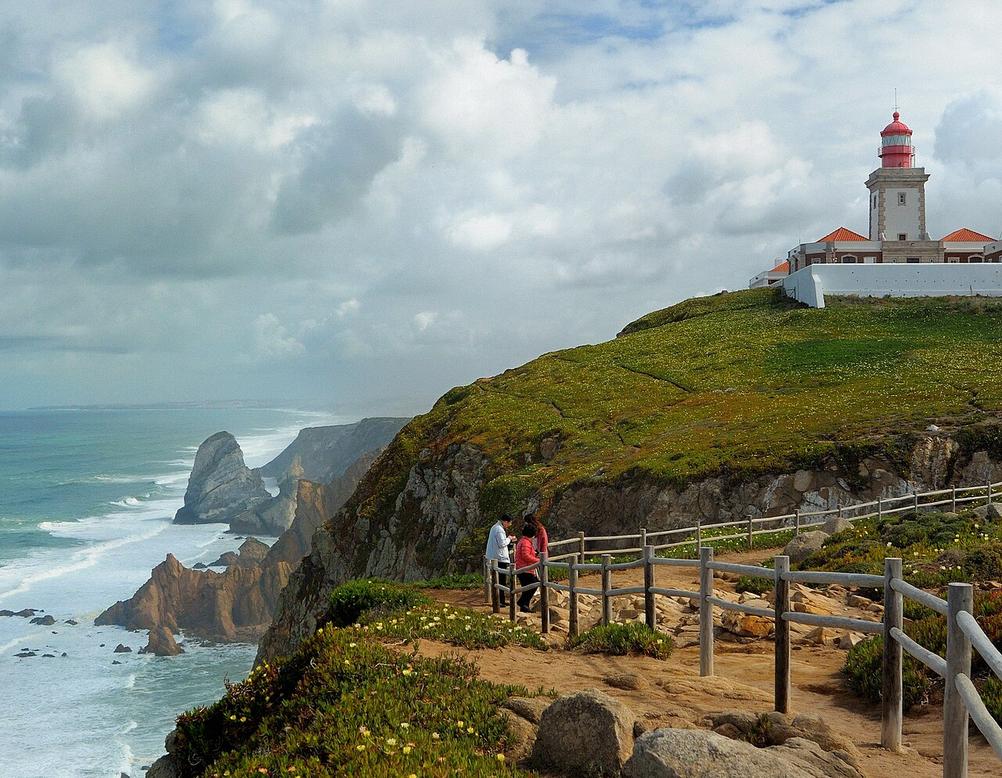
Stand at the edge of the world as waves crash against the cliffs at Cabo da Roca.
Cabo da Roca is a windswept cape near Sintra, marking the westernmost point of mainland Europe. Visitors flock here for breathtaking clifftop walks, a historic lighthouse, and stunning views of the Atlantic Ocean. The area is known for its rugged coastline and dramatic landscapes, making it a perfect day trip from Lisbon, just 28 miles / 45 km away. Whether you’re hiking the trails or enjoying a meal at a local café, this destination offers a unique blend of nature and history.
In Cabo da Roca, hike the scenic trails, visit the iconic lighthouse, and enjoy local cuisine at nearby cafes.
Key takeaways
- Visit the Cabo da Roca lighthouse, built in 1772.
- Hike the 2-mile trail to Praia da Ursa beach.
- Enjoy fresh seafood at local cafes for under $20.
- Experience stunning sunsets from the clifftops year-round.
- Explore the area in a day trip from Lisbon, just 28 miles / 45 km away.
Why visit Cabo da Roca
Cabo da Roca stands out as the westernmost point of mainland Europe, offering dramatic cliffs and sweeping ocean views that neighboring Sintra and Cascais can’t match. The iconic lighthouse and the rugged coastline create a unique landscape that draws nature lovers and adventure seekers alike. This spot is perfect for those looking to experience Portugal‘s raw beauty away from the more tourist-heavy areas.
- Visit the Cabo da Roca lighthouse, a historic landmark dating back to 1772.
- Explore the scenic walking trails along the cliffs, offering breathtaking Atlantic views.
- Catch the sunset from the cliffs; it’s less crowded than nearby beaches.
- Local tip: visit in spring for wildflowers blooming along the coastal paths.
Best for
Solo travelers seeking outdoor adventure will thrive here, as will nature enthusiasts looking for stunning landscapes without the crowds. It’s ideal for those who appreciate a rugged, natural setting.
Skip if
If you’re after vibrant nightlife or extensive dining options, consider staying in Sintra or Cascais instead, where the atmosphere is livelier.
Top things to do in Cabo da Roca
Cabo da Roca offers exhilarating outdoor adventures that showcase its stunning coastal scenery, making it a prime spot for nature lovers. Start with the iconic lighthouse hike for breathtaking views of the Atlantic.

1. Hike to Cabo da Roca Lighthouse ·
Experience the dramatic cliffs and sweeping ocean views at the westernmost point of mainland Europe.
The hike to the Cabo da Roca Lighthouse is a must-do, taking you along well-marked trails that wind through rugged cliffs. As you approach the lighthouse, the panoramic views of the Atlantic Ocean are simply unforgettable, with waves crashing against the rocks below. This is where you can truly feel the power of nature.
While many visitors might just snap a photo at the lighthouse, the hike offers a deeper connection to the landscape and a chance to explore the area’s natural beauty.
- When: Early morning or late afternoon for the best light, especially from March to October.
- Cost: Free
- Duration: 2 hours
- How to reach: From the center of Cabo da Roca, walk along the coastal path leading directly to the lighthouse, which is about a 30-minute stroll.
2. Explore the Cliffs of Areia ·
Discover the dramatic cliffs and unique rock formations along the coast.
The Cliffs of Areia offer stunning views and a chance to see the unique geological formations that define this part of Portugal. Walk along the cliffside trails, where you can spot seabirds and enjoy the fresh ocean breeze. The vibrant colors of the cliffs against the blue sea create a striking backdrop for photos.
This area is less crowded than the lighthouse, providing a peaceful escape while still showcasing Cabo da Roca’s natural beauty.
- When: Visit in the late afternoon for the best lighting and fewer crowds, especially in the summer months.
- Cost: Free
- Duration: 1-2 hours
- How to reach: Access the cliffs via the same coastal path leading to the lighthouse, just a short detour along the way.
3. Visit the Cabo da Roca Monument ·
Stand at the iconic monument marking the westernmost point of mainland Europe.
The Cabo da Roca Monument is a stone pillar with an inscription celebrating this unique geographical point. It’s a popular spot for photos, and the surrounding area features beautiful views of the ocean and cliffs. Take a moment to reflect on the significance of being at the edge of the continent.
While it may seem like a quick stop, the monument is a symbol of adventure and exploration, making it a meaningful part of your visit.
- When: Anytime during daylight hours, but early morning or sunset offers the best lighting.
- Cost: Free
- Duration: 30 minutes
- How to reach: The monument is located right next to the lighthouse, easily accessible by foot.
4. Relax at Praia da Ursa ·
Unwind at one of the most beautiful beaches in the region, known for its stunning scenery.
Praia da Ursa is a hidden beach accessible via a steep trail, rewarding you with breathtaking views of the unique rock formations and cliffs. The beach is less crowded, making it perfect for a peaceful retreat. Bring a picnic and enjoy the sound of the waves while soaking up the sun.
Unlike the more popular beaches, Praia da Ursa offers a tranquil atmosphere and stunning natural beauty, ideal for a relaxing afternoon.
- When: Visit during the warmer months, from June to September, for the best beach weather.
- Cost: Free
- Duration: Half day
- How to reach: From Cabo da Roca, take the trail leading to the beach, which takes about 30 minutes to descend.
Insider tip: If closed
If the beach is inaccessible due to weather, consider visiting the nearby Praia da Adraga instead.
5. Birdwatching at the Cliffs ·
Spot diverse bird species along the cliffs and enjoy the natural surroundings.
The cliffs around Cabo da Roca are home to various seabirds, making it a great spot for birdwatching. Bring binoculars and take your time observing the different species that inhabit the area. The combination of cliffs and ocean creates a rich ecosystem worth exploring.
This activity is perfect for nature enthusiasts and offers a quieter alternative to the more touristy spots.
- When: Early morning or late afternoon, especially during migration seasons in spring and fall.
- Cost: Free
- Duration: 1-2 hours
- How to reach: Walk along the coastal paths from the lighthouse to find the best viewing spots.
Book tours and tickets
Booking through these links supports Pack Lightly at no extra cost to you.
More in Cabo Da Roca
24 hours in Cabo da Roca
This itinerary suits adventurous travelers eager to explore the dramatic coastline and enjoy local flavors in a single day.

Morning
Start your day early with a hike along the cliffs at Cabo da Roca. Arrive by 7:00 AM to catch the stunning morning light illuminating the rugged coastline. The trail offers breathtaking views of the Atlantic Ocean and the iconic lighthouse, making it a perfect spot for photography. Afterward, grab a coffee and a pastry at a nearby café to recharge.
Afternoon
By noon, head to the nearby Praia da Ursa, a secluded beach that requires a short hike to reach. Spend a couple of hours relaxing on the sand and enjoying the dramatic rock formations. For lunch, pack a picnic with local cheeses and bread from a market in Sintra, or visit a beachside restaurant for fresh seafood. After lunch, take a leisurely stroll along the beach to soak in the scenery.
Evening
As the sun sets, make your way back to Cabo da Roca for a prime sunset viewing spot near the lighthouse. The colors reflecting off the ocean create a stunning backdrop. For dinner, enjoy a meal at a local tavern, where you can savor traditional Portuguese dishes like bacalhau à brás. The evening atmosphere is relaxed, perfect for reflecting on the day’s adventures.
If you have a second day
If you have another day, consider visiting the nearby Sintra-Cascais Natural Park for more hiking trails and stunning views. You could also explore the historic town of Sintra, known for its palaces and gardens.
Best time to visit Cabo da Roca
Quick answer
Visit from April to June for mild weather and fewer crowds.
| Months to go | April to June, October to early December |
|---|---|
| Months to avoid | July and August due to heat and crowds. |
April to June offers pleasant temperatures averaging 61°F / 16°C to 70°F / 21°C, perfect for clifftop walks and enjoying the scenery. The summer months of July and August can be uncomfortably hot, reaching up to 80°F / 27°C, making outdoor activities less enjoyable. October to early December sees a return to milder weather, ideal for exploring without the summer rush. Rainfall is minimal in the spring and fall, ensuring clear views of the Atlantic and the surrounding landscapes.
Average temperature (°F)
Monthly weather
cool and wet, low crowds
cool and dry, quiet
mild and dry, fewer tourists
pleasant and dry, ideal for walks
warm and dry, great views
warm and sunny, peak season
hot and crowded, beach time
hot and busy, plan ahead
warm and less crowded
cooling down, good for hikes
mild and wet, fewer visitors
cool and wet, quiet
How to get to Cabo da Roca
Nearest airport
Lisbon Humberto Delgado Airport (LIS), about 30 miles / 48 km east
From the airport
Rent a car at Lisbon Airport for the most direct and flexible route, about 45 minutes drive (~$50/day, 2026). Avoid public transit transfers that require multiple buses and trains; driving lets you control timing and explore nearby spots on your schedule.
Other ways to arrive
- Lisbon city center, public bus + local shuttle, 90 minutes, ~$10-$15, 2026
- Sintra by train, then taxi or local bus, 30 minutes, ~$15-$25, 2026
- Cascais by train, then taxi or bike, 45 minutes, ~$20-$30, 2026
Getting around Cabo da Roca
Walking dominates around the cape itself, where roads are narrow and parking is limited. Renting a car is the best option for exploring the wider area, especially if staying at an eco-lodge outside the main viewpoint.
- Walk for short distances to the lighthouse, monument, and clifftop trails; free and practical.
- Rent a car to reach beaches and nearby villages on your own schedule; expect ~$50/day in 2026.
- Taxi for quick trips from Sintra or Cascais if not renting a car; fares start around $25 one way.
Avoid
Avoid relying on local buses for flexible exploration; schedules are infrequent and stops are distant from trailheads.
Day trips from Cabo da Roca
These day trips fit Cabo da Roca’s rugged coastal setting and add variety beyond the cape’s clifftop views.
Sintra, Portugal
Palaces, Moorish castle, and forested hills with hiking trails.
Why: Sintra’s blend of history and nature offers a contrast to Cabo da Roca’s wild coast and rewards early starts with fewer crowds.
Skip if: You’re short on time and focused solely on coastal landscapes.
Praia da Ursa, Portugal
A challenging hike down to one of the most rugged, wild beaches near Cabo da Roca.
Why: The steep descent and raw coastline give a hands-on adventure that complements the cape’s panoramic views.
Skip if: You have mobility issues or limited hiking experience.
Cascais, Portugal
Seaside town with beaches, seafood, and a marina.
Why: Cascais offers a lively town break after the cape’s isolation, with easy transport connections back to Lisbon.
Skip if: You prefer natural settings over town scenes.
Combine Cabo da Roca with
Cabo da Roca fits naturally into a coastal and cultural loop around Lisbon and Sintra, ideal for active travelers focused on outdoor exploration.
3-day Lisbon coast and nature loop Lisbon → Sintra → Cabo da Roca → Cascais
This route balances urban culture, historic sites, and coastal adventure with manageable drives and public transport links.
5-day Lisbon to western coast trek Lisbon → Sintra → Cabo da Roca → Praia da Ursa → Ericeira
Add Praia da Ursa’s rugged hike and Ericeira’s surf scene to extend your stay with varied outdoor challenges and ocean views.
Where to stay in Cabo da Roca
Compare prices across booking sites on the map below and see which neighbourhood fits your plans.
Cabo da Roca offers a mix of accommodations, primarily clustered near the cliffs and beaches. Travelers often choose spots close to the lighthouse for stunning views or quieter areas further from the main tourist paths.

Mid-range – Near the lighthouse
Opt for family-run guesthouses that provide a cozy atmosphere and local charm, often with breakfast included. These places may lack the amenities of larger hotels but offer a more personal touch.
Insider tip: Request a room with an ocean view for the best experience.
Solo female travelers
Choose a guesthouse near the lighthouse for well-lit streets and easy access to local dining options.
Book your stay
Booking through these links supports Pack Lightly at no extra cost to you.
Where to eat and drink in Cabo da Roca
Cabo da Roca’s culinary scene is heavily influenced by its coastal location, featuring fresh seafood and traditional Portuguese flavors. The nearby fishing port of Cascais supplies local restaurants with daily catches, making fish dishes a highlight here.
Must-try dishes
Sopa de Pedra (Stone Soup)
A hearty soup made with various meats, beans, and vegetables, traditionally cooked in a stone pot.
Insider tip: Try it during lunch for the freshest version, as it’s often made in larger batches for the midday meal.
Bacalhau à Brás (Cod à Brás)
A dish made with shredded salted cod, onions, and thinly sliced fried potatoes, bound together with scrambled eggs.
Insider tip: Opt for a place that serves it with a side of olives for an authentic touch.
Polvo à Lagareiro (Octopus à Lagareiro)
Grilled octopus drizzled with olive oil and served with potatoes and vegetables.
Insider tip: Order it grilled rather than boiled for a more robust flavor.
Local drinks
- Vinho VerdeAvailable at most local restaurants, especially those serving seafood.
A light, slightly effervescent wine from the Minho region, often enjoyed chilled. - GinjinhaFind it at local bars or cafes, especially after dinner.
A cherry liqueur that is sweet and fruity, typically served in a shot glass.
How to eat like a local in Cabo da Roca
Lunch is the main meal of the day in Cabo da Roca, with many restaurants offering a ‘prato do dia’ (dish of the day) that features seasonal ingredients. Aim to eat around 1:00 PM to enjoy the freshest options.
Daily budget for Cabo da Roca
Cabo da Roca offers a unique blend of affordability and scenic beauty, making it a budget-friendly destination within Portugal. Prices are generally lower than in Lisbon, but expect some tourist inflation due to its iconic status.
Shoestring
- lodging – dormitory bed in a local hostel
- food – casual meals at local cafes
- transport – public transport or walking
- activities – self-guided walks and views
- buffer – small expenses or snacks
Trade-offs: You may miss out on more comfortable lodging and dining experiences.
Comfort
- lodging – private room in a guesthouse
- food – meals at mid-range restaurants
- transport – occasional taxis or rideshares
- activities – guided tours or entry fees
- buffer – small expenses or souvenirs
Trade-offs: Opting for comfort means less budget flexibility for activities.
Splurge
- lodging – upscale hotel with ocean views
- food – fine dining experiences
- transport – private transport options
- activities – premium guided experiences
- buffer – extra for spontaneous purchases
Trade-offs: Higher spending limits the number of days you can stay.
Money-saver tip
Choose to walk along the scenic trails instead of paying for guided tours – the views are stunning and free.
Splurge that’s worth it
Dining at a restaurant with ocean views is worth the splurge for the sunset experience.
Skip to save
Skip the overpriced souvenir shops near the lighthouse; local markets offer better deals.
Practical tips for Cabo da Roca
Money
| Cash or card | Cash is preferred in Cabo da Roca, but some places accept cards. |
|---|---|
| ATMs | There are ATMs in the area, and they generally work with foreign cards, though fees may apply. |
| Tipping | Tip around 10% in restaurants; for example, if your bill is $30, leave $3. |
Safety
Cabo da Roca is generally safe for travelers, but stay aware of your surroundings, especially near the cliffs.
Local warnings:
- Strong winds can create dangerous conditions near the cliffs.
Connectivity
| Mobile data | Mobile data coverage is good in Cabo da Roca; consider getting a local SIM from Vodafone or MEO. |
|---|---|
| Wi-Fi | Wi-Fi is available in most cafes and accommodations, but speeds may vary. |
Language
| Main language | Portuguese |
|---|---|
| English level | English is spoken in tourist areas, but proficiency varies among locals. |
Solo female travel
Cabo da Roca is welcoming for solo female travelers, with a relaxed atmosphere and friendly locals.
| Transport | Use taxis or rideshare apps for safe transport at night. |
|---|
Frequently asked questions about Cabo da Roca
1Is Cabo da Roca worth visiting?
Yes – Cabo da Roca is a must-visit for its dramatic cliffs and stunning views of the Atlantic Ocean. The lighthouse and the monument marking the westernmost point of mainland Europe add to its appeal.
2How do you get to Cabo da Roca from Lisbon?
Take a bus from Lisbon to Cascais, then transfer to another bus directly to Cabo da Roca. The total journey takes about 1.5 hours and costs around $10.
3Is Cabo da Roca safe for solo female travelers?
Yes – Cabo da Roca is generally safe for solo female travelers. The area is well-frequented by tourists, and locals are friendly and helpful.
4Can you swim in the ocean at Cabo da Roca?
Skip it – swimming is not recommended due to strong currents and rocky beaches. Enjoy the views instead from the cliffs.
5What is the best time to visit Cabo da Roca?
Visit between April and October for the best weather and clearer views. Summer months can be crowded, but the scenery is worth it.
6Do you need a car to visit Cabo da Roca?
No – public transport is sufficient. Buses run regularly from Lisbon and Cascais, making it easy to reach without a car.
Hero image: Olga1969 (CC BY 4.0), via Wikimedia Commons. Other photos via Unsplash and Wikimedia Commons.