


Hear the clinking glasses and chatter at the bustling cafes along Dunavska Street in Novi Sad’s historic city center.
Novi Sad, Serbia’s second-largest city on the Danube, draws visitors for its Austro-Hungarian architecture and the imposing Petrovaradin Fortress overlooking the river. The city’s historic core around Dunavska Street offers lively cafes and markets, while the Petrovaradin neighborhood anchors the fortress and EXIT festival scene. Liman, a riverside residential area, contrasts with the old town’s historic vibe. Novi Sad delivers a focused cultural rhythm with fewer tourist crowds than Belgrade but lacks the capital’s nonstop nightlife. Expect a city where heritage and local life intersect, best explored on foot through its layered neighborhoods and museums. Plan your stay near the city center to maximize access to key sites and the fortress trail.
Explore Petrovaradin Fortress for history and views, stroll Dunavska Street for local cafes and markets, visit the Museum of Vojvodina for regional heritage, walk the Danube promenade for riverside life, and time your visit for the EXIT festival to experience Novi Sad’s cultural pulse.
Key takeaways
- Stay in the city center near Dunavska Street for easy access to main sites and local life.
- Book Petrovaradin Fortress guided tours in advance during summer months to avoid crowds.
- Visit the Museum of Vojvodina on weekdays for quieter, in-depth cultural context.
- Walk the Danube promenade in the late afternoon for riverside atmosphere and local vendors.
- Plan around EXIT festival dates (summer) for a unique cultural event but expect higher accommodation prices.
- Use local buses or walk between Liman and the old town; taxis add unnecessary cost.
- Explore the Saturday farmers market near the city center for regional food and crafts.
- Avoid staying in the industrial zone east of the city center; it lacks cultural attractions and evening options.
Why visit Novi Sad
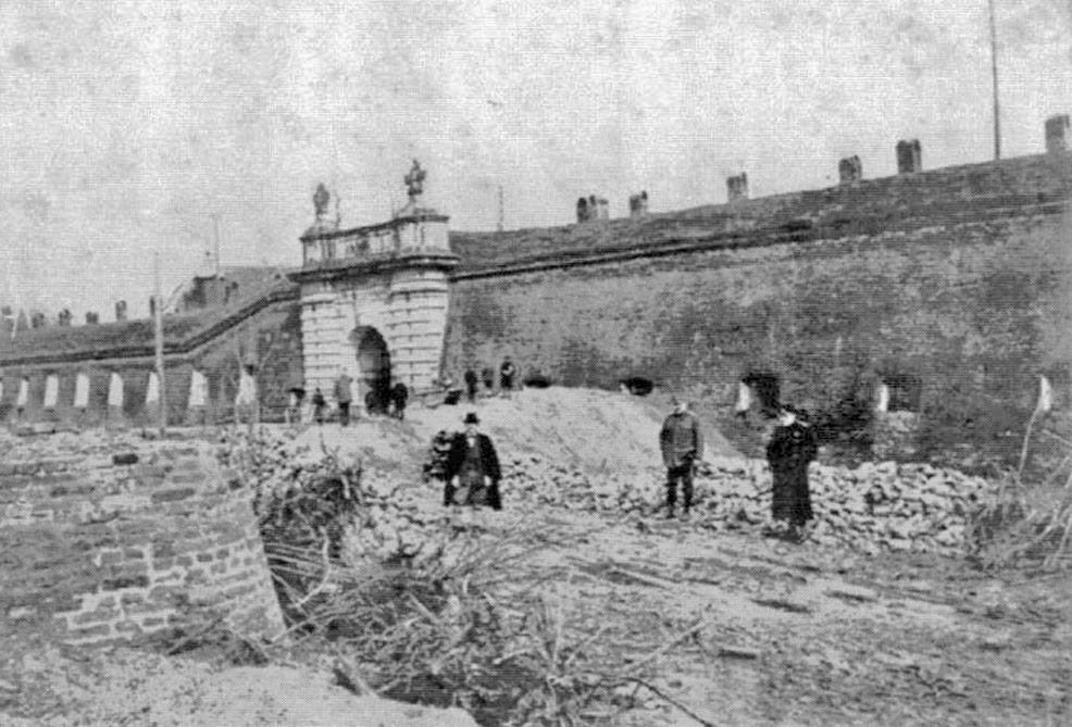
Novi Sad stands apart from Belgrade, Subotica, and Niš by combining a hilltop Austro-Hungarian fortress with a lively riverside urban core. The Petrovaradin Fortress dominates the skyline, offering layered history and commanding views over the Danube. The historic center’s mix of baroque architecture and local markets contrasts with the modern energy of the Danube Park and river promenades. Unlike Belgrade’s sprawling urban intensity or Subotica’s Art Nouveau focus, Novi Sad balances heritage with a strong local rhythm centered on its fortress and the EXIT festival’s summer buzz. The city’s neighborhoods, especially Stari Grad and Podbara, reveal everyday life shaped by centuries of cultural exchange and river trade. This cultural layering makes Novi Sad a prime spot for exploring Serbia’s northern identity beyond the capital’s shadow.
- Petrovaradin Fortress offers extensive underground tunnels and panoramic Danube views, unique in Serbia’s urban centers.
- EXIT festival transforms the fortress into a global music hub every summer, attracting international crowds and local vibrancy.
- Stari Grad neighborhood hosts a concentration of Austro-Hungarian architecture and traditional markets within walking distance.
- Riverside promenades along the Danube provide a cultural meeting point with cafes, galleries, and street performances.
- Podbara district preserves working-class heritage with authentic local eateries and craft workshops rarely found in tourist guides.
- Unlike Belgrade, Novi Sad’s compact center means you spend less time in transit and more time exploring layered history.
Best for
Culture seekers who prioritize historic neighborhoods, urban walks, and layered heritage will appreciate Novi Sad’s accessible scale. Solo travelers comfortable navigating local markets and museums will find the city manageable and rewarding. Those interested in combining heritage with seasonal cultural events like EXIT will get the most out of a summer visit.
Skip if
Skip Novi Sad if nightlife or large-scale urban amenities are your priority; Belgrade offers a more intense city experience and broader nightlife options.
Top things to do in Novi Sad
Novi Sad’s cultural core revolves around the imposing Petrovaradin Fortress, where history and panoramic Danube views converge. Exploring the fortress’s underground tunnels and the Austro-Hungarian architecture in Stari Grad reveals the city’s layered heritage. These activities, combined with local markets and craft workshops in Podbara, showcase Novi Sad’s blend of urban life and deep-rooted traditions.
1. Petrovaradin Fortress underground tunnels tour ·
Explore the extensive Austro-Hungarian tunnels beneath Petrovaradin Fortress to understand its military history and strategic importance.
This tour takes you deep into the labyrinth of tunnels carved into the rock under Petrovaradin Fortress, built by the Austro-Hungarian Empire. Licensed local guides explain the fortress’s role in regional defense and how the tunnels functioned as supply routes and shelters. The experience includes narrow passages, original stone walls, and occasional exhibits on military engineering. The tour starts near the main entrance on the fortress’s eastern side, close to the Danube promenade. The underground environment is cool and dimly lit, so wear sturdy shoes and bring a light jacket. Book on GetYourGuide.
This tour offers direct access to the fortress’s hidden military infrastructure, unlike the surface-only visits that focus on architecture and views. It reveals the strategic complexity behind the fortress’s design.
- When: Book morning tours from April to October to avoid crowds and enjoy cooler temperatures underground.
- Cost: ~$15, 2026
- Duration: 1.5 hours
- How to reach: Walk or take a short taxi ride from Novi Sad’s city center across the Varadin Bridge to the fortress entrance on Petrovaradin’s hilltop.
Insider tip: If closed
Visit the Museum of Vojvodina in Stari Grad for a comprehensive overview of regional history and artifacts.
2. Panoramic Danube views from Petrovaradin Fortress ·
Climb the fortress ramparts for commanding views over the Danube and Novi Sad’s historic core, a vantage point unique in Serbia.
Climbing the fortress walls rewards you with sweeping views of the Danube River flowing past Novi Sad’s old town and the sprawling Vojvodina plains beyond. The ramparts offer multiple lookout points, including the famous clock tower visible from the city below. This vantage point captures the layered history of Novi Sad, from the Austro-Hungarian architecture to the modern riverfront. The walk around the fortress walls is paved but uneven in places, so comfortable shoes are essential. The best views are from the western side, where the river bends and the city’s rooftops cluster.
This activity requires no guide or ticket, making it a flexible option to combine with other fortress visits. It offers a visual context for the city’s geography and history that indoor museums cannot match.
- When: Late afternoon before sunset from April through September provides the best light and cooler temperatures.
- Cost: Free
- Duration: 1 hour
- How to reach: Reach the fortress by walking uphill from the city center via Dunavska Street or take a short taxi to the main gate near the Danube promenade.
Insider tip: If closed
If the fortress is closed, stroll along the Danube quay in Stari Grad for river views and local life.
3. Stari Grad walking tour with Austro-Hungarian architecture focus ·
Walk through Stari Grad’s baroque streets to see well-preserved Austro-Hungarian buildings and learn about Novi Sad’s imperial past.
This guided walking tour navigates the cobblestone streets of Stari Grad, Novi Sad’s historic core, highlighting Austro-Hungarian baroque and neoclassical architecture. Expect stops at key landmarks like the Name of Mary Church and the Bishop’s Palace, with detailed stories about their construction and role in the city’s development. The tour also covers lesser-known streets like Dunavska and Zmaj Jovina, where local cafes and artisan shops preserve the neighborhood’s old-world charm. Guides often include anecdotes about the fortress’s influence on urban planning and the cultural shifts during the empire’s rule. Book on GetYourGuide.
This tour focuses on architectural heritage rather than general sightseeing, providing depth that self-guided walks or generic city tours lack.
- When: Morning tours on weekdays from April to October avoid weekend crowds and allow time for afternoon museum visits.
- Cost: ~$20, 2026
- Duration: 2 hours
- How to reach: Start from the central Freedom Square (Trg Slobode) in Stari Grad, easily accessible on foot from most city center accommodations.
Insider tip: If closed
Explore the Museum of Vojvodina for architectural exhibits and historical context indoors.
Solo female travel: Stari Grad remains lively and well-lit into the evening, making solo female walking tours safe when sticking to main streets.
4. EXIT festival experience at Petrovaradin Fortress (summer only) ·
Attend EXIT festival to witness how the fortress transforms into a global music hub blending heritage with contemporary culture.
Every July, Petrovaradin Fortress hosts EXIT, one of Europe’s largest summer music festivals, drawing international crowds to its historic ramparts. The fortress’s open-air stages and underground tunnels become venues for electronic, rock, and world music acts. The festival atmosphere contrasts sharply with the fortress’s austere military past, creating a dynamic cultural collision. Food stalls, art installations, and riverfront parties spill into the surrounding neighborhoods, especially Podbara. Tickets sell out fast, so booking in advance is essential. The experience is loud and crowded but offers a rare chance to see heritage sites activated by contemporary culture.
EXIT festival is the only event that fully activates Petrovaradin Fortress as a cultural venue, unlike daytime tours or museum visits.
- When: Attend in mid to late July during the festival’s 4-day run; evenings offer the best performances and atmosphere.
- Cost: ~$100-$150 for multi-day passes, 2026
- Duration: Full day to multiple days
- How to reach: Walk from Novi Sad center across the Varadin Bridge to the fortress; expect crowds and plan extra time for entry.
Insider tip: If closed
Visit the fortress outside festival dates for quiet exploration of its history and views.
Solo female travel: Solo female travelers should plan arrival and departure during daylight or with trusted groups; festival crowds can be overwhelming after dark.
5. Museum of Vojvodina ·
Dive into regional history and ethnography at the Museum of Vojvodina, located in a historic building in Stari Grad.
Housed in a grand 19th-century building on Dunavska Street, the Museum of Vojvodina presents extensive collections covering the region’s archaeology, ethnography, and art. Exhibits include prehistoric artifacts, traditional costumes, and displays on the cultural diversity of Vojvodina’s ethnic groups. The museum’s layout guides visitors through the area’s layered history, from ancient times through Austro-Hungarian rule to modern Serbia. Temporary exhibitions often focus on local crafts or historical events tied to Novi Sad. The museum is quiet and well-organized, ideal for a focused afternoon visit after a morning walk in Stari Grad.
This museum offers a deeper dive into the region’s cultural complexity than general Serbian history museums in Belgrade or elsewhere.
- When: Open weekdays from 10:00 AM to 6:00 PM, best visited mid-morning or early afternoon to avoid local school groups.
- Cost: ~$5, 2026
- Duration: 2 hours
- How to reach: Located in Stari Grad, reachable on foot from Freedom Square or a short taxi ride from other neighborhoods.
Insider tip: If closed
Walk the Stari Grad architecture tour to connect historical context with physical sites.
6. Podbara neighborhood craft workshops and local eateries ·
Discover working-class heritage through artisan workshops and authentic local food spots in Podbara’s less touristy streets.
Explore Podbara’s quieter streets where traditional crafts like pottery and woodworking still thrive in small workshops. Visit family-run bakeries and butchers serving recipes passed down through generations. The neighborhood’s working-class roots show in the unpolished charm of its eateries, where you can try local specialties away from the tourist crowds. This area offers a grounded look at Novi Sad’s everyday culture beyond the main squares.
Podbara offers a more intimate, less commercialized cultural experience than the busy Stari Grad, letting you connect with local artisans and food traditions firsthand.
- When: Late morning to early afternoon on weekdays when workshops are active and eateries serve fresh meals.
- Cost: Free to ~$15, 2026 depending on purchases or food orders
- Duration: 2-3 hours
- How to reach: Walk or take a short taxi ride east from the city center across the Varadin Bridge, entering Podbara via Kralja Petra I street.
Insider tip: If closed
Visit the artisan stalls and food vendors around the central market in Stari Grad for a similar local vibe.
7. Danube Park and riverside promenade stroll ·
Walk the riverside promenade and Danube Park to experience Novi Sad’s social heart with cafes, galleries, and street performances.
Start at Danube Park, a green oasis with sculptures and benches where locals gather for coffee or chess. Follow the promenade along the Danube River, passing open-air galleries and occasional street musicians. The route connects to the historic center and offers views of Petrovaradin Fortress across the water. This stroll blends urban life with cultural touchpoints, especially lively in the late afternoon and early evening.
This walk combines nature, art, and social life in one accessible route, unlike the more isolated fortress or museum visits that require separate transit.
- When: Afternoons and early evenings, especially Thursday to Sunday when street performers are most active.
- Cost: Free
- Duration: 1-2 hours
- How to reach: From the city center, walk south along Dunavska Street to reach Danube Park and continue to the riverside promenade.
Insider tip: If closed
If weather is poor, visit the nearby Museum of Vojvodina for indoor cultural exhibits.
Solo female travel: The promenade and park are well-lit and populated in the evenings, making solo walks comfortable after dark.
8. Gallery of Matica Srpska ·
Visit Serbia’s oldest cultural institution’s gallery to see classic and modern Serbian art in a historic Stari Grad setting.
Step inside the Gallery of Matica Srpska on Dunavska Street to explore a curated collection of Serbian paintings and sculptures from the 18th century onward. The building itself is a cultural landmark in Stari Grad, with period architecture that frames the artworks. Exhibits rotate regularly, highlighting both established and emerging Serbian artists. The gallery offers context on regional art history often overlooked in larger museums.
This gallery provides deeper insight into Serbian art beyond the more general Museum of Vojvodina, focusing on national identity through visual culture.
- When: Weekday mornings or early afternoons to avoid crowds and catch guided tours if available.
- Cost: ~$5-$7, 2026
- Duration: 1.5-2 hours
- How to reach: Located in Stari Grad, reachable on foot from most central accommodations via Dunavska Street.
Insider tip: If closed
Visit the nearby Pavle Beljanski Memorial Collection for a complementary modern art focus.

9. Guided food tour focusing on Vojvodina specialties ·
Taste regional dishes unique to Vojvodina on a guided food tour that includes markets and family-run eateries in the city center.
Join a licensed guide for a 3-4 hour walking tour through Novi Sad’s central market and historic neighborhoods, sampling dishes like fish paprikash, kulen sausage, and layered pastries. The tour includes stops at family-run bakeries and small taverns where recipes reflect Vojvodina’s multicultural heritage. Guides explain the origins of each dish and introduce you to local producers. This tour offers a focused culinary lens on the region’s food culture. Book on GetYourGuide.
This guided tour beats self-guided attempts by opening doors to lesser-known eateries and providing historical context for each dish, unlike generic food walks.
- When: Late mornings or early afternoons, Tuesday through Saturday when markets and eateries are fully operational.
- Cost: ~$40-$50, 2026
- Duration: 3-4 hours
- How to reach: Starts in the city center near the central market, easily accessible on foot from most accommodations in Stari Grad.
Insider tip: If closed
Explore the central market independently and dine at a family-run tavern in Podbara for a similar taste profile.
Solo female travel: Tours run in small groups with licensed guides, providing a safe and social environment for solo female travelers.
10. Riblja Čorba and other local dishes at Podbara taverns ·
Sample Novi Sad’s traditional fish stew and other local dishes in Podbara’s authentic taverns favored by locals.
Head to Podbara’s taverns where the focus is on hearty, traditional dishes like riblja čorba (fish stew), fresh river fish, and slow-cooked meats. These establishments have a no-frills atmosphere and attract locals rather than tourists. The food is often cooked from family recipes, served with simple sides like ajvar or fresh bread. Dining here offers a direct connection to the city’s culinary roots in a neighborhood that retains its working-class character.
Podbara taverns provide a more genuine and affordable alternative to the tourist-oriented restaurants in the city center, especially for traditional fish dishes.
- When: Evenings, Wednesday through Sunday, when taverns serve their full menus and local crowds gather.
- Cost: ~$10-$20, 2026
- Duration: 1.5-2 hours
- How to reach: Reach Podbara by walking east from the city center across the Varadin Bridge or by a short taxi ride along Kralja Petra I street.
Insider tip: If closed
Try traditional fish dishes at family-run restaurants near the central market if Podbara taverns are closed.
Solo female travel: Podbara taverns are casual but busy; sitting at the bar or a communal table helps solo travelers blend in comfortably.
11. Freedom Square (Trg Slobode) and surrounding cafes ·
Spend time at Freedom Square, the city’s central plaza, to observe daily life and enjoy cafes framed by Austro-Hungarian architecture.
Freedom Square sits at Novi Sad’s historic core, surrounded by Austro-Hungarian buildings that reveal the city’s layered past. You can watch locals gather here, from students to retirees, while sipping coffee at one of the many cafes lining the square. The square’s open layout makes it a natural meeting point and a window into daily urban rhythms. Nearby streets offer small shops and bakeries that add texture to the scene.
Choose this spot if you want a relaxed introduction to Novi Sad’s urban life and architecture without the crowds of the fortress area.
- When: Late morning or early afternoon on weekdays offers a quieter vibe; weekends bring more locals and occasional street performances. Spring through fall is best for outdoor seating.
- Cost: Free
- Duration: 1-2 hours
- How to reach: From the city center, walk or take a short tram ride to the heart of Stari Grad; the square is pedestrian-friendly and well-signposted.
Insider tip: If closed
Visit the nearby Dunavska Street for a similar mix of cafes and historic architecture.
12. Visit the Name of Mary Church ·
Explore this neo-Gothic Catholic church in Stari Grad, a landmark reflecting Novi Sad’s religious and architectural diversity.
The Name of Mary Church stands as a neo-Gothic centerpiece in Novi Sad’s old town, its spires visible from many points along the Danube. Inside, stained glass windows and intricate woodwork highlight the craftsmanship of the Austro-Hungarian era. The church’s location near the main pedestrian streets makes it easy to combine with a walk through Stari Grad’s historic core. It offers insight into the city’s multi-confessional heritage and architectural influences.
This visit suits travelers interested in religious architecture and the cultural layers of Novi Sad beyond the fortress and riverfront.
- When: Morning hours before noon are quieter for contemplation and photography; avoid Sundays during mass if you want to explore without crowds.
- Cost: Free
- Duration: 30-45 minutes
- How to reach: Walk from Freedom Square through the pedestrian streets of Stari Grad; the church is centrally located and easy to find on foot.
Insider tip: If closed
Explore the nearby Orthodox Cathedral for a contrasting religious architectural style.
13. Local market visit at Liman neighborhood ·
Browse fresh produce and regional products at Liman’s local market to connect with everyday Novi Sad life beyond tourist spots.
Liman’s market offers a glimpse into daily life away from the tourist trail, with stalls selling fresh fruits, vegetables, cheeses, and local specialties. The market buzzes with residents shopping for their weekly groceries, giving you a chance to observe authentic interactions and regional food culture. It’s smaller and less polished than the central market but more intimate and neighborhood-focused. Sampling seasonal produce here connects you directly to the Vojvodina region’s agricultural roots.
Pick this market if you want to experience Novi Sad’s local rhythms and food culture without the tourist crowds of the main market.
- When: Early morning on weekdays is best for the freshest selection and fewer crowds; avoid late afternoon when stalls start packing up.
- Cost: Free to browse; purchases vary (~$1-$10, 2026)
- Duration: 1-1.5 hours
- How to reach: Take a short bus or tram ride from the city center to Liman; the market is within walking distance from the main residential streets.
Insider tip: If closed
Visit the central market near the city center for a larger selection of regional products.
14. Walk along the Danube’s Petrovaradin side riverbank ·
Explore the quieter riverbank opposite the city center for a less crowded perspective on the Danube and fortress silhouette.
The Petrovaradin riverbank offers a peaceful walking route with views of Novi Sad’s skyline and the imposing fortress above. This side of the Danube is less developed for tourism, so you’ll find locals fishing, jogging, or relaxing on benches. The walk reveals a different urban rhythm, with small docks and occasional street art. It’s a good spot for photography, especially at sunset when the fortress lights up across the water.
This walk appeals to travelers who want a quieter, more local perspective on the Danube and fortress beyond the busy city center.
- When: Late afternoon to early evening provides the best light and cooler temperatures, especially from May through September.
- Cost: Free
- Duration: 1-2 hours
- How to reach: Cross the pedestrian bridge or take a short taxi from the city center to Petrovaradin; the riverbank path is easily accessible on foot from the fortress area.
Insider tip: If closed
Stroll the city center’s Danube promenade for a livelier riverside experience.
More in Novi Sad
72 hours in Novi Sad
This three-day plan maps out a cultural deep dive through Novi Sad’s historic core, artisan neighborhoods, and riverside life, tailored for a culture seeker. It balances heritage landmarks, local food, and authentic neighborhood rhythms to help you move confidently through the city’s layers.
Day 1
Morning
Start your day with the Petrovaradin Fortress underground tunnels tour just after opening to avoid crowds and the midday heat. The morning light on the fortress walls adds texture to the stonework, and the quiet before the afternoon visitors lets you absorb the Austro-Hungarian military history fully. Grab a coffee at the fortress café before descending to the city center.
Afternoon
Head into Stari Grad for the walking tour focused on Austro-Hungarian architecture. Begin around Freedom Square to watch locals gather, then weave through baroque streets. Stop for lunch at a family-run eatery near the square serving regional dishes like gibanica or fresh fish. After lunch, visit the Museum of Vojvodina to anchor your understanding of the region’s history and ethnography.
Evening
Return to Petrovaradin Fortress for panoramic Danube views at sunset, timing your climb to catch the golden hour over the river and city. For dinner, choose a riverside restaurant in Stari Grad offering traditional Vojvodina specialties with a relaxed atmosphere. The evening here is calm, with locals strolling the promenade and street musicians playing near the cafes.

Day 2
Morning
Spend the morning exploring Podbara, a working-class neighborhood with a strong artisan presence. Visit craft workshops that open mid-morning and watch local artisans at work. Grab a late breakfast or coffee at a tucked-away café favored by residents, then stroll the less touristy streets to get a feel for everyday Novi Sad life.
Afternoon
Book a guided food tour focusing on Vojvodina specialties that starts near Podbara and moves through local markets and family-run eateries. This immersive lunch experience lets you taste dishes like Riblja Čorba in authentic taverns, avoiding tourist traps. Afterward, take a slow walk along the Danube Park and riverside promenade to digest and enjoy the city’s social pulse.
Evening
Dine in Podbara’s taverns known for traditional fish stew and other local dishes, where the atmosphere is lively but not touristy. The neighborhood’s evening vibe is intimate and unpretentious, with small groups gathering over hearty meals. Skip the city center tonight to experience a side of Novi Sad where locals unwind.
Day 3
Morning
Begin early at the Liman neighborhood’s local market to catch the freshest produce and regional products before the crowds arrive. This morning ritual connects you with Novi Sad’s everyday life beyond the historic center. Follow the market visit with a walk along the Danube’s Petrovaradin side riverbank, where the quieter atmosphere offers a different perspective on the fortress and river.
Afternoon
Spend the afternoon at the Gallery of Matica Srpska in Stari Grad, Serbia’s oldest cultural institution. The gallery’s collection of classic and modern Serbian art provides a focused cultural contrast to the historical sites visited earlier. Afterward, visit the Name of Mary Church nearby to appreciate its neo-Gothic architecture and the religious diversity it represents.
Evening
Wrap up your trip with a relaxed evening at Freedom Square, choosing a café terrace to watch the city’s evening unfold under Austro-Hungarian facades. Order a light dinner or dessert from a nearby bakery or café, soaking in the plaza’s rhythm without the tourist rush. This low-key night lets you reflect on the city’s layers before departure.
If you have a fourth day
Add a deep dive into the historic neighborhoods around the fortress’s eastern slopes, exploring lesser-known streets with local galleries and small artisan shops. Alternatively, spend a morning at a local language school or cultural center offering Serbian lessons or workshops on Vojvodina crafts to extend your connection beyond sightseeing.
Best time to visit Novi Sad
Quick answer
Novi Sad rewards a visit in any season, but spring and autumn (Feb-Jun, Sep-Nov) give the best mix of comfortable weather and thinner crowds.
| Months to go | Year-round (best in Feb-Jun, Sep-Nov) |
|---|---|
| Months to avoid | Jan (cold, but quiet and cheaper) |
Novi Sad has distinct seasons. Summer (Jun-Aug) is the warm time, averaging around 74F, and its wettest stretch. Winter (Dec-Feb) is cold, near 38F with short daylight and frequently rainy.
Spring (Mar-May, around 54F) and autumn (Sep-Nov, around 56F) are the comfortable shoulders and the easiest time to explore on foot. Jan is the cold, low-key season: cheaper, quieter, and fine if you do not mind bundling up.
Average temperature (°F)
Monthly weather
Chilly, thinner crowds
Chilly, thinner crowds
Comfortable and pleasant
Comfortable and pleasant
Mild with passing showers
Mild with passing showers
Comfortable and pleasant
Comfortable and pleasant
Comfortable and pleasant
Comfortable and pleasant
Comfortable and pleasant
Chilly, thinner crowds
Time it around
Crowds and prices climb in Jul-Aug, Dec. For similar conditions with fewer people, aim for Feb-Jun, Sep-Nov.
How to get to Novi Sad
Nearest airport
Belgrade Nikola Tesla Airport (BEG), 55 miles / 90 km, about 1.5 hours by road
From the airport
Take the public airport bus or a shared shuttle to Novi Sad for around $15-$20, 2026. A metered taxi costs about $70-$90, 2026, but traffic can add time and cost. Renting a car is practical if planning onward travel in Vojvodina or Serbia.
Other ways to arrive
- From Belgrade by train: 1.5 to 2 hours, ~$8-$12, 2026, frequent departures from Belgrade Central Station.
- From Budapest by bus: around 4.5 hours, ~$25-$35, 2026, direct international buses run daily.
- From Subotica by regional bus: about 1.5 hours, ~$7-$10, 2026, multiple daily services connect northern Vojvodina.
- From Zagreb by bus: roughly 5.5 hours, ~$30-$40, 2026, direct routes available but less frequent.
Getting around Novi Sad
Public buses cover most neighborhoods and run frequently, but schedules can be irregular. Walking suits the compact historic center and Petrovaradin Fortress area. For solo travelers focused on culture, taxis or rideshares offer safe, efficient transport after dark.
- Public bus: Use for daytime trips across neighborhoods, fares around $1-$2, 2026.
- Walking: Best for Stari Grad and Petrovaradin Fortress; streets are pedestrian-friendly and rich in architecture.
- Taxi or rideshare: Use for late evenings or when time is tight; expect fares starting near $5-$7 within the city.
- Bicycle rental: Available near the Danube promenade; ideal for short trips and exploring riverside areas.
- Car rental: Useful only if planning day trips outside Novi Sad; parking in the center can be limited and costly.
Avoid
Avoid relying solely on public buses late at night; service frequency drops and routes can be confusing for newcomers.
Day trips from Novi Sad
These day trips extend your cultural exploration beyond Novi Sad’s city limits, offering insight into Vojvodina’s diverse heritage and landscapes. Each destination requires at least a 30-minute drive, making them manageable half- or full-day excursions.
Sremski Karlovci
Baroque architecture, wine cellars, and Serbian Orthodox heritage.
Why: This small town offers a concentrated dose of Austro-Hungarian influence and local wine culture, with landmarks like the Orthodox Seminary and the Chapel of Peace. It’s a short drive east and less touristy than Novi Sad’s center.
Skip if: Not interested in religious architecture or wine tasting.
Fruška Gora National Park
Monasteries, hiking trails, and panoramic views of the Pannonian Plain.
Why: Known as the ‘Serbian Holy Mountain,’ Fruška Gora hosts dozens of 16th- and 17th-century monasteries. The park’s trails and viewpoints offer a cultural and natural contrast to Novi Sad’s urban vibe, perfect for a day immersed in history and landscape.
Skip if: Prefer urban cultural sites over nature and religious heritage.
Bač Fortress
Medieval fortress ruins and local village life.
Why: Bač Fortress is one of the best-preserved medieval fortifications in Vojvodina, offering a tangible connection to the region’s turbulent history. The nearby village provides a glimpse into rural Serbian life, making it a culturally rich excursion.
Skip if: Limited interest in medieval military architecture.
Ruma
Town center with Austro-Hungarian architecture and local markets.
Why: Ruma offers a quieter alternative to Novi Sad with authentic market scenes and well-preserved architecture. It’s a good spot to observe everyday life in Vojvodina outside the tourist circuit.
Skip if: Short on time or prefer more iconic cultural sites.
Combine Novi Sad with
Extend your trip by linking Novi Sad with other Serbian destinations that deepen your understanding of the country’s layered history and cultural diversity. These routes suit multi-night stays and offer complementary experiences.
Novi Sad – Belgrade – Subotica Novi Sad, Belgrade, Subotica
Start in Novi Sad for Vojvodina’s Austro-Hungarian heritage, then move to Belgrade for Serbia’s capital culture and history. Finish in Subotica to explore Art Nouveau architecture and the Hungarian minority culture near the Hungarian border.
Novi Sad – Sombor – Osijek (Croatia) Novi Sad, Sombor, Osijek
Travel west to Sombor, a town with baroque architecture and a relaxed vibe, then cross into Croatia’s Osijek for a mix of Croatian and Hungarian cultural influences. This route highlights cross-border cultural layers in the Pannonian Basin.
Novi Sad – Niš – Kruševac Novi Sad, Niš, Kruševac
Head south to Niš, Serbia’s third-largest city with Roman and Ottoman heritage, then Kruševac, a medieval Serbian capital. This route contrasts northern Vojvodina’s Austro-Hungarian legacy with Serbia’s medieval heartland.
Getting from Novi Sad
Where to stay in Novi Sad
Compare prices across booking sites on the map below and see which neighbourhood fits your plans.
Novi Sad’s lodging splits clearly between historic, riverside, and quieter residential zones. The city center around Zmaj Jovina Street offers walkable access to Petrovaradin Fortress and the old town’s museums, ideal for culture seekers. Stari Grad, the historic core, combines charming streets with local markets and cafes. Liman, south of the Danube, is a quieter residential area with river views and easy tram access. Podbara, near the fortress, has a village feel with artisan shops and fewer tourists. Salajka, north of the center, is lively with local eateries and nightlife. For a more peaceful stay, Veternik on the outskirts offers guesthouses close to hiking trails along the Danube’s edge.
Stari Grad
Budget stays in Novi Sad mostly consist of small guesthouses and hostels clustered in Stari Grad and Salajka. These offer dorm beds or simple private rooms with basic amenities. Expect shared bathrooms and minimal extras, but excellent access to local markets and street food. This tier lacks river views or boutique touches but puts you steps from the fortress and old town. It’s ideal for solo travelers prioritizing location over luxury.
Insider tip: Request a room facing the inner courtyard in Stari Grad guesthouses to avoid street noise, especially during EXIT festival season.
Liman
Mid-range options include family-run boutique hotels and renovated apartments mainly in Liman and Podbara. These properties offer river views, private bathrooms, and modern comforts like air conditioning and Wi-Fi. You get a quieter atmosphere than the center but remain within a 15-minute walk of Petrovaradin Fortress and the old town. This tier balances comfort with local charm, often featuring breakfast with homemade regional specialties.
Insider tip: Book early for river-view rooms in Liman during summer; they fill fast because of proximity to the fortress and EXIT festival grounds.
Stari Grad
Splurge accommodations are rare but include a handful of boutique hotels and upscale riverfront apartments near the city center and Petrovaradin Fortress. These properties offer spacious rooms, stylish design, and premium amenities like spa services or rooftop terraces. Staying here puts you within easy walking distance of galleries, museums, and the fortress’s historic ramparts. Expect personalized service and quiet streets away from nightlife noise.
Insider tip: Choose accommodations on the fortress side of Stari Grad to enjoy sunset views over the Danube and avoid the louder main streets.
Local institution: Hotel Park – a long-established boutique hotel known for its central location and classic style.
Where not to stay
Avoid the area along Bulevar Evrope near the bus station; it’s noisy with heavy traffic and lacks pedestrian-friendly streets or cultural attractions.
Solo female travelers
Stay in Stari Grad guesthouses or mid-range hotels in Liman; both neighborhoods have well-lit streets and a steady local presence after dark, enhancing safety and ease of solo exploration.
Booking through these links supports Pack Lightly at no extra cost to you.
Neighborhoods in Novi Sad
Novi Sad features distinct neighborhoods that blend historical charm with modern life. Each area has its own character, shaped by the Danube River and the city’s rich cultural heritage, making it easy to navigate based on your interests.

Stari Grad
Stari Grad, the historic core of Novi Sad, showcases Austro-Hungarian architecture with cobblestone streets and vibrant squares. The area is alive with a mix of locals and tourists, especially during the day when markets and cafes bustle with activity.
Liman
Liman is a residential neighborhood known for its spacious parks and modern apartment buildings, creating a relaxed suburban vibe. The area attracts families and young professionals, especially during the warmer months when outdoor activities flourish.
Podbara
Podbara has a village-like feel with narrow streets and a close-knit community atmosphere. This neighborhood is less touristy, featuring artisan shops and local markets that reflect the everyday life of Novi Sad residents.
Salajka
Salajka is a lively neighborhood filled with local eateries, bars, and a youthful energy. The area is popular among students and young professionals, especially in the evenings when the nightlife comes alive.
Veternik
Veternik is a peaceful suburb on the outskirts of Novi Sad, characterized by family homes and green spaces. This area offers a slower pace of life, making it ideal for those seeking tranquility away from the city center.
Where to eat and drink in Novi Sad
Novi Sad’s culinary scene is a delightful blend of traditional Vojvodina flavors and modern influences, setting it apart from other Serbian cities. The region is known for its rich agricultural produce, particularly fresh fish from the Danube and hearty dishes featuring local meats and vegetables. The city’s vibrant markets and community-driven food culture reflect its diverse heritage, influenced by various ethnic groups. Expect to find a mix of rustic taverns and contemporary eateries that celebrate local ingredients and seasonal dishes.
Must-try dishes
Fiš paprikaš
A spicy fish stew made with fresh river fish, paprika, and vegetables.
This dish is a staple in Novi Sad, particularly during the annual Fišijada festival, celebrating local fishing traditions.
Insider tip: Order it with homemade bread for an authentic experience.
Sarma
Cabbage rolls stuffed with minced meat and rice, simmered in a savory sauce.
Novi Sad’s version often includes local smoked meats, giving it a unique flavor profile that reflects the region’s culinary traditions.
Insider tip: Pair it with a glass of local wine for a true taste of Vojvodina.
Kulen
A spicy, cured sausage made from pork and seasoned with paprika and garlic.
This regional specialty is often produced by local artisans in Novi Sad, showcasing the area’s rich meat-curing traditions.
Insider tip: Enjoy it as part of a charcuterie board with local cheeses.
Rakija
A traditional Serbian fruit brandy, often made from plums or grapes.
Novi Sad is known for its high-quality rakija, often produced by local distilleries that have been perfecting their craft for generations.
Insider tip: Ask for a homemade version for a taste of local tradition.
Local drinks
- Vojvodina wineVisit a wine bar in Liman that specializes in regional selections.
Wines produced from local grape varieties, known for their unique flavors and quality. - Craft beerCheck out a craft brewery in Podbara for a tasting flight.
Locally brewed beers that reflect the growing craft beer movement in Serbia.
Where to eat – by neighborhood
Stari Grad
The historic core of Novi Sad, filled with charming cafes, traditional restaurants, and local markets.
Insider tip: Visit the small bakeries for fresh pastries in the morning, a local favorite.
Liman
A lively area with a mix of family-run eateries and trendy cafes, perfect for casual dining.
Insider tip: Join locals for lunch at the outdoor terraces during the summer months.
Podbara
Known for its artisan shops and fewer tourists, this neighborhood offers a more authentic dining experience.
Insider tip: Try to find the hidden taverns that serve traditional dishes made from family recipes.
Salajka
A vibrant neighborhood with a mix of nightlife and local eateries, popular among younger crowds.
Insider tip: Order a late-night snack from street vendors after enjoying the local bars.
Restaurants worth knowing
Restaurant Pivnica
Café Veliki
Bistro Bulevar
Local markets
| Novi Sad Market | Open daily from 7 AM to 3 PM. – Fresh produce, local meats, and homemade cheeses. |
|---|---|
| Fruška Gora Market | Open on weekends from 8 AM to 2 PM. – Local fruits, vegetables, and artisanal products from the nearby Fruška Gora region. |
Dietary note
Vegetarians will find options in many restaurants, but traditional dishes often feature meat.
Daily budget for Novi Sad
Novi Sad offers a surprisingly affordable experience compared to other European cities, making it a great destination for budget-conscious travelers. The presence of the EXIT festival and vibrant cultural scene can elevate costs during peak times, but overall, daily expenses remain reasonable.
Shoestring
- lodging – dormitory in a hostel
- food – street food and local markets
- transport – public transport or walking
- activities – entry fees to museums or attractions
- buffer – miscellaneous expenses
Trade-offs: Expect to stay in shared accommodations and eat at local eateries for the lowest costs.
Comfort
- lodging – private room in a guesthouse
- food – meals at mid-range restaurants
- transport – occasional taxis or rideshares
- activities – guided tours or special events
- buffer – miscellaneous expenses
Trade-offs: Enjoy more comfort and flexibility, but be prepared to pay for quality meals and experiences.
Splurge
- lodging – upscale hotel or boutique stay
- food – fine dining experiences
- transport – private transport options
- activities – exclusive tours or events
- buffer – miscellaneous expenses
Trade-offs: Indulge in luxury but keep in mind that costs can add up quickly.
Money-saver tip
Eat at the local food market, where you can find delicious meals at a fraction of restaurant prices.
Splurge that’s worth it
Consider splurging on a wine tasting tour in the nearby Fruška Gora region, which offers a unique insight into local viticulture.
Skip to save
Avoid overpriced tourist traps like the restaurants near the Petrovaradin Fortress, which often charge significantly more for similar food elsewhere.

Practical tips for Novi Sad
Money
Cash or card. Most businesses in Novi Sad accept cards, but smaller shops and markets may only take cash. Always carry some cash for local eateries and street vendors.
ATMs. ATMs are widely available, especially in the city center. Look for those from Raiffeisen Bank or Banca Intesa to minimize foreign transaction fees.
Tipping. Tipping is customary, typically around 10% of the bill. For example, if your meal costs $20, leaving a $2 tip is appreciated.
Safety
Novi Sad is generally safe for travelers, but like any city, it’s wise to stay alert, especially in crowded areas. Avoid displaying valuables to minimize risks.
Where to walk at night. Stari Grad and Liman are safe for evening walks, with plenty of people around. Avoid Podbara after dark, as it can feel quieter and less secure.
Common scams:
- Overcharging at tourist traps, especially in busy areas.
- Fake charity collectors asking for donations.
- Street performers who may expect tips without prior agreement.
Connectivity
Mobile data. Mobile coverage is reliable throughout the city. Consider getting a local SIM from Telenor or MTS, with prices around $10-$15 for a basic data plan.
Wi-Fi. Most cafes and accommodations offer free Wi-Fi. The area around Zmaj Jovina Street has several spots with good connectivity.
Late-night transit. Public transit options are limited late at night, with no metro service after midnight. Rideshare apps are your best bet for getting around after hours.
Language
Main language: Serbian. English level: English is commonly spoken in tourist areas and among younger locals. However, in more traditional settings, communication may be limited.
Cultural notes
- Dress modestly when visiting religious sites.
- Ask permission before taking photos of people.
- Greet locals with a friendly ‘Dobar dan’ (Good day).
Solo female travel
Novi Sad is welcoming for solo female travelers, with a lively atmosphere and friendly locals. Evening transport options are available, but it’s best to stick to well-lit areas.
- Neighborhood: Stari Grad is ideal for solo female travelers, offering vibrant cafes and shops.
Frequently asked questions about Novi Sad
1Is the Petrovaradin Fortress underground tunnels tour worth it?
Yes, the underground tunnels tour is a highlight. It offers a unique perspective on the fortress’s history and stunning views of the Danube.
2Should I do the EXIT festival or skip to exploring the Museum of Vojvodina?
Do the EXIT festival if you’re visiting in summer; it’s a vibrant cultural experience. However, if you prefer a quieter, more educational experience, the Museum of Vojvodina is a solid choice.
3Liman or Stari Grad – where should I stay?
Stay in Stari Grad for a lively atmosphere filled with cafes and historical sites. Choose Liman for a more residential vibe with local eateries and parks.
4What is Novi Sad known for?
Novi Sad is known for its Austro-Hungarian architecture and the Petrovaradin Fortress, which hosts the famous EXIT festival every summer.
5Is it safe for solo female travelers in Novi Sad?
Yes, Novi Sad is generally safe for solo female travelers. Stick to well-lit areas in Stari Grad at night and use local transport options.
6What does a day cost in Novi Sad?
Roughly $65 per day in 2026 covers accommodation, meals, and activities. Dining at local eateries and visiting museums keeps costs reasonable.
7Can you swim in the Danube near Novi Sad?
Skip it; swimming in the Danube is not recommended due to strong currents. Enjoy the riverside promenades instead.
8What local dishes should I try in Novi Sad?
Try Fiš paprikaš and Sarma for authentic local flavors. These dishes reflect the region’s culinary heritage and are widely available in local restaurants.
Estimate your daily budget
See realistic daily costs by tier and category.