


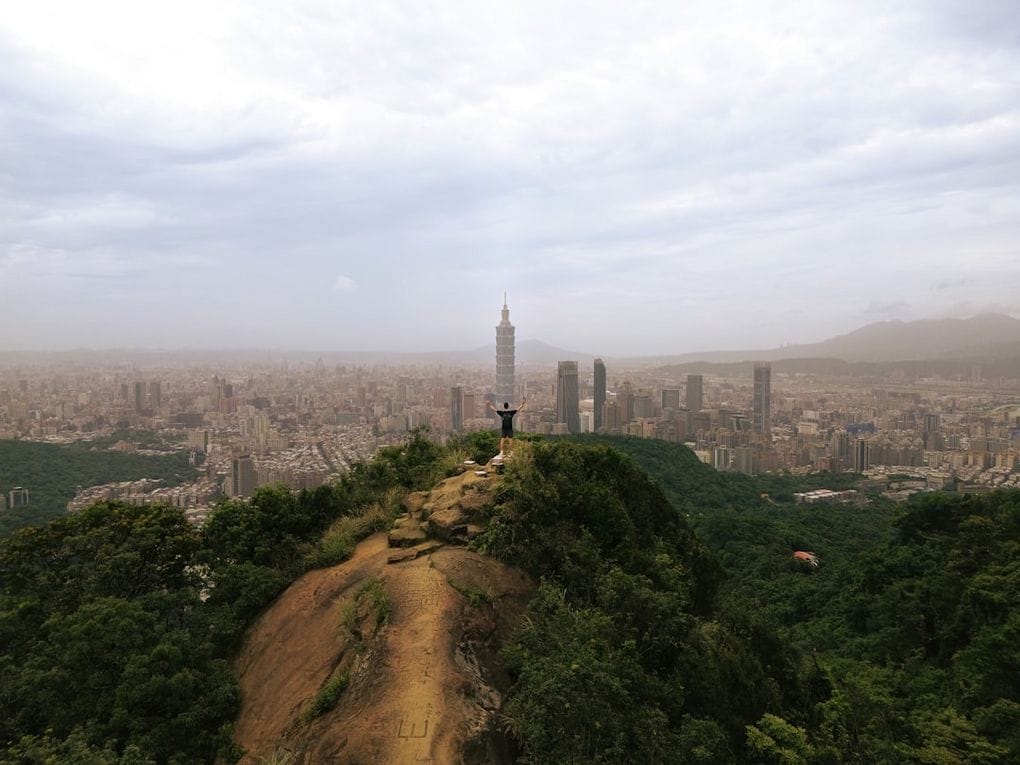
Taiwan sits in the moderate-prep bracket: doable in 4-8 weeks but not casual. No required vaccines and no current malaria transmission; four recommended vaccines including Japanese Encephalitis for rural travel. Focus on dengue precautions during summer months and ensure you are up to date on routine vaccinations.
Travelers should consider Hepatitis A and COVID-19 vaccines as strongly recommended. Japanese Encephalitis is particularly relevant for those visiting rural areas. This prep is essential for a safe and enjoyable trip.
Why timing matters
Plan a travel-clinic visit 4-8 weeks before departure. This allows time for multi-dose vaccines like Hepatitis B and ensures you have a dengue prevention pack ready. Do not leave it to the last week to avoid last-minute complications.
Key takeaways
- Hepatitis A is often overlooked; get vaccinated 4 weeks before departure.
- Japanese Encephalitis is crucial for rural travel; start 6 weeks prior.
- Dengue risk increases in summer; pack mosquito repellent and protective clothing.
- COVID-19 vaccination is recommended; check booster status 2 weeks before travel.
- Routine vaccines like MMR should be up to date, but are not specific to Taiwan.
Vaccinations Overview
The table below outlines required and recommended vaccines for Taiwan, highlighting their importance for different travel scenarios.
| Category | Vaccine | Who | Why | When to start | Cost | Side effects | Notes |
|---|---|---|---|---|---|---|---|
| Strongly Recommended | Hepatitis A | All travelers to Taiwan. | Hepatitis A can be contracted through contaminated food or water. | Start 4 weeks before departure | $40-90 | Sore arm, mild fever 24h | Verify booster status with your GP. |
| Strongly Recommended | Hepatitis B | All travelers to Taiwan. | Hepatitis B is spread through contact with infectious body fluids. | Start 4 weeks before departure | $40-90 | Tenderness at injection site | Multi-dose series. |
| Strongly Recommended | COVID-19 | All travelers to Taiwan. | COVID-19 remains a risk; vaccination helps prevent severe illness. | Start 2 weeks before departure | $0-40 | Mild headache or fatigue | Check for booster eligibility. |
| Strongly Recommended | Japanese Encephalitis | Travelers to rural areas in Taiwan. | Japanese Encephalitis is transmitted by mosquitoes in rural regions. | Start 6 weeks before departure | $200-300 | Sore arm, mild fever | Multi-dose series. |
What border officers actually check
No vaccinations are required to enter Taiwan for typical short tourist stays, which are generally defined as visits of up to 90 days. However, a Yellow Fever certificate is required if you arrive from or transit through a Yellow Fever risk country for more than 12 hours. This includes countries in sub-Saharan Africa and parts of tropical South America. Long-stay visas or work permits may have additional requirements, so check accordingly.
If transiting through a Yellow Fever risk country for 12 hours or more, a vaccination certificate will be checked upon arrival. Common transit hubs that may catch you off guard include Doha and Sao Paulo. Remember that ‘transit’ means remaining airside; passing through immigration can trigger the requirement. Flight delays can extend a layover, so be mindful of your total time in transit when planning.
Documentation checks typically focus on the International Certificate of Vaccination or Prophylaxis (ICVP), verifying the issuance date, signature from an approved centre, and matching name with your passport. Entry rules can change between booking and travel, so confirm with the embassy or your travel clinic at least four weeks before departure. If you lose your vaccination card mid-trip, seek advice from local health authorities on what to do next.
Health risks without a vaccine
Even with vaccinations, travelers in Taiwan face exposure to mosquito-borne, food-borne, and water-borne diseases. Not every disease has a vaccine, and you should be aware of the risks present. The table below outlines the key health concerns to consider during your trip.
| Risk | Presence | High-risk situations | Prevention | When to see a doctor |
|---|---|---|---|---|
| Dengue | Year-round, peaks in summer months | Dusk-to-dawn outdoors, urban gardens with standing water | Use DEET 30% repellent, wear long sleeves and pants | Fever 38 degrees C+ within 14 days of return |
| Leptospirosis | Wet-season risk (May to October) | Contact with contaminated water in rural areas | Avoid swimming in fresh water, wear protective gear | Fever, muscle pain, or jaundice after exposure |
| Melioidosis (Burkholderia pseudomallei) | Country-wide, urban and rural | Contact with contaminated soil or water | Avoid walking barefoot in rural areas, wash hands frequently | Fever, cough, or skin lesions after exposure |

Your prep timeline
Plan a travel-clinic visit four to eight weeks before departure – Taiwan is moderate prep but not casual. Starting early allows time for any recommended vaccinations, especially Hepatitis B, which may require a multi-dose schedule. Dengue prevention measures should be packed, and a traveler’s diarrhea kit should be prepared. Last-minute preparations can lead to rushed decisions and missed vaccinations.
| Activity | Ideal timing | Deadline | Why |
|---|---|---|---|
| Book travel-clinic consult | 4-8 weeks before departure | Latest: 2 weeks before departure | Consultation ensures you receive tailored advice for your trip. |
| Start recommended vaccinations | 4-6 weeks before departure | 2 weeks before departure (single-dose shots only) | Vaccinations like Hepatitis A and B require time to become effective. |
| Pick up final medicine kit + insurance paperwork | 1-2 weeks before departure | Day before departure at the latest | Having your medicine kit ready ensures you are prepared for any health issues. |
Documents to carry
Carry the International Certificate of Vaccination or Prophylaxis (ICVP) for any vaccinations received. Digital alternatives may be available through health apps, but always have a physical copy. Bring your current vaccination record, a list of medications, your trip itinerary (including any rural stays), and any known allergies to your travel clinic consult. Keep essential documents with your passport for easy access, while storing additional paperwork in a separate bag for safety.
What this prep costs
Expect to spend USD300-700 for a basic package. This typically includes the consultation fee, vaccination costs, and ICVP issuance. Insurance coverage varies; routine boosters are usually covered, while travel-specific vaccinations may not be. A good travel insurance policy covers post-vaccination side effects, medical evacuation, and unexpected illness abroad; however, pre-existing conditions and routine vaccinations are typically excluded. Always ask your clinic for a written cost estimate before starting any vaccination schedule.
Action checklist
- Schedule a travel-clinic visit as soon as possible.
- Confirm your vaccination history and routine boosters.
- Pack a dengue prevention kit with DEET and permethrin.
- Prepare a traveler’s diarrhea kit with necessary medications.
- Gather all important documents and keep them organized.
- Ensure you have travel insurance that covers vaccinations.
Your travel medicine kit
Practical items worth ordering before you leave. Links below are affiliate links to Amazon – we may earn a small commission at no extra cost to you.
Essential protection against dengue and other mosquito-borne diseases present year-round.
Treat clothing and nets for added mosquito and tick protection, especially if hiking.
For treating bacterial diarrhea from contaminated food or water.
For treating dehydration from diarrhea or heat-related illness.
Protection against UV radiation, especially during summer months and at higher elevations.
Use when soap and water unavailable, especially before eating.
For insect bite reactions and minor allergies.
For treating minor injuries and preventing infection.
To monitor fever during potential illness.

On-the-ground prevention
Mosquito prevention
Dengue mosquitoes bite during the day – protection from sunrise to sunset matters more than night-time precautions.
- • Apply DEET 20-30% insect repellent every 4-6 hours for adults.
- • Dress in permethrin-treated clothing during evenings for added protection.
- • Sleep in screened or air-conditioned rooms to reduce mosquito exposure.
- • Avoid standing water where mosquitoes breed to lower bite risk.
- • Adjust outdoor activities to avoid peak mosquito hours at dawn and dusk.
- • For children over 2 months, use a repellent with 10% DEET.
Food and water hygiene
Traveler’s diarrhea is the most likely thing to ruin a trip in Taiwan – more common than every vaccinated-against disease combined.
- • Drink bottled or filtered water, ideally with a 0.1 micron filter.
- • Avoid ice cubes in rural areas; use them cautiously in urban settings.
- • Eat only peeled fruits or those you can peel yourself.
- • Choose street food from hot, fresh, busy stalls to minimize risk.
- • Carry oral rehydration salts (ORS) to manage dehydration if needed.
- • Use hand sanitizer with at least 60% alcohol regularly.
Specific traveler groups
| Group | Watch for | Action |
|---|---|---|
| Children | Children should receive routine vaccinations and be protected against dengue, especially during summer months. | Ask about the recommended vaccines for children before traveling. |
| Pregnant travelers | Pregnant travelers should be aware of dengue risks and take precautions to avoid mosquito bites. | Inquire about dengue and pregnancy risks with your healthcare provider. |
| Older adults (60+) | Older adults may face increased dengue severity; hydration is crucial in hot weather. | Discuss heat tolerance and dengue precautions with your doctor. |
| Chronic conditions | Travelers with chronic conditions should ensure their medications are suitable for travel. | Ask your doctor about any medication adjustments needed for travel. |
Travel insurance for medical coverage
Heymondo covers medical treatment and evacuation abroad, useful if a vaccine reaction or unexpected illness needs care. Our link applies 5% off automatically.
Frequently asked questions
1Do I need malaria pills for Taiwan?
No, you do not need malaria pills for Taiwan as there is no malaria risk in the country. Focus on dengue prevention instead, especially during the summer months when mosquito activity peaks. Carrying DEET insect repellent is advisable. For more details, consult your travel clinic.
2Is the Yellow Fever certificate required for Taiwan?
No, a Yellow Fever certificate is not required for Taiwan as there are no vaccination requirements for entry. However, if you are arriving from a country with Yellow Fever risk, you may need to show proof of vaccination. Always check the latest entry requirements before traveling. For more information, ask your travel clinic.
3Do vaccines protect me from dengue in Taiwan?
Currently, there are no vaccines available for dengue, so prevention relies on avoiding mosquito bites. Use insect repellent and wear protective clothing to minimize risk. Dengue is prevalent during the warmer months, so take extra precautions during this time. For more tips, refer to the prevention section.
4How can I prevent dengue in Taiwan?
Prevent dengue by using DEET insect repellent, wearing long sleeves, and avoiding standing water. Mosquitoes that transmit dengue bite during the day, so be vigilant. Staying in air-conditioned or screened accommodations can also help reduce exposure. For further advice, consult your travel clinic.
5Do I need the Rabies vaccine for Taiwan?
No, the Rabies vaccine is not recommended for travelers to Taiwan unless you plan to engage in activities that may expose you to bats or other wildlife. The risk of rabies is low in urban areas. Always assess your travel plans and consult your travel clinic for personalized advice.
6What should I pack for health in Taiwan?
Pack a health kit including DEET insect repellent, sunscreen, hand sanitizer, and oral rehydration salts. These items will help you manage heat and hygiene effectively. Staying hydrated and protected from insects is crucial during your trip. For a complete list, refer to the prevention section.
7What are the health risks in Taiwan?
Health risks in Taiwan mainly include dengue fever and traveler’s diarrhea. Dengue is transmitted by daytime mosquitoes, while traveler’s diarrhea can occur from contaminated food and water. Staying informed about local health conditions can help you prepare. For more details, consult your travel clinic.
8When should I consult a travel clinic for Taiwan?
Consult a travel clinic at least 4-8 weeks before your trip to Taiwan. This allows time for any recommended vaccinations and health advice tailored to your itinerary. Discussing your travel plans early ensures you are well-prepared. For specific questions, ask your travel clinic.
Some links on this page are affiliate links. We may earn a small commission at no extra cost to you when you use them.