


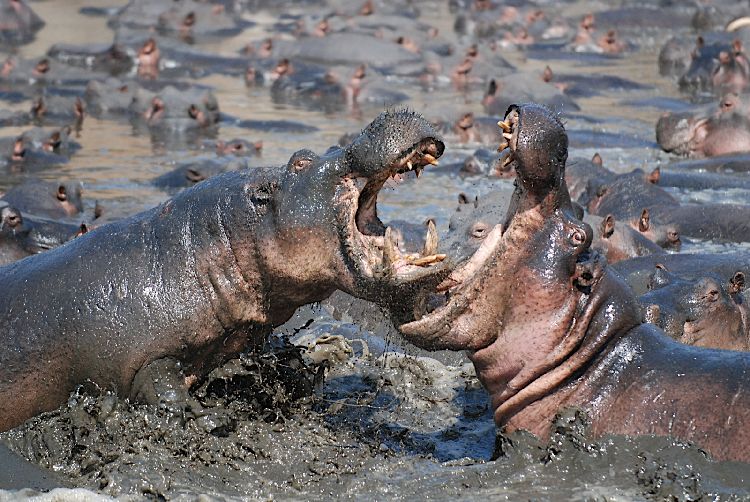
Watch hippos basking in the sun along the banks of the Katuma River.
Katavi National Park is a remote wilderness in western Tanzania, accessible by light aircraft. Known for its vast savannas and abundant wildlife, it offers a genuine safari experience with few other visitors. The park is home to one of the largest buffalo populations in Africa, and during the dry season, hippos crowd into shrinking pools. This isolation allows for intimate wildlife encounters, making it a prime destination for nature enthusiasts.
In Katavi National Park, go on guided wildlife safaris and boat trips to see hippos and buffalo in their natural habitat.
Key takeaways
- Spot over 3,000 buffalo roaming the park.
- Take a boat trip on the Katuma River for $100.
- Visit during the dry season for optimal wildlife viewing.
- Expect to see hundreds of hippos in the pools.
- Book a guided safari for a more immersive experience.
Why visit Katavi National Park
Katavi National Park stands out from Tanzania’s more popular parks like Serengeti and Ngorongoro Crater due to its remote wilderness and abundant wildlife. The park is known for its massive buffalo herds and hippos crowding the shrinking pools during the dry season. Unlike the crowded safari routes, Katavi offers a genuine sense of solitude and adventure, making it a prime spot for wildlife enthusiasts seeking an authentic experience.
- Spot herds of over 1,000 buffalo near the Katuma River during the dry season.
- Experience fewer tourists, allowing for a more intimate wildlife viewing experience.
- Visit during the dry season (June to October) for the best wildlife sightings.
- Engage with local guides who share insights about the park’s unique ecosystem.
Best for
This park is perfect for solo travelers and small groups who prioritize wildlife and nature over luxury. It’s ideal for those who enjoy rugged adventures and are comfortable with basic accommodations.
Skip if
Avoid Katavi if you prefer well-developed tourist infrastructure or luxury lodges; consider Serengeti for a more polished safari experience.
Top things to do in Katavi National Park
Katavi National Park offers thrilling wildlife encounters and stunning landscapes, making it a prime destination for nature enthusiasts. Start with a guided safari to witness the park’s impressive hippo populations and vast buffalo herds.
1. Guided Safari Tour ·
Experience the thrill of a guided safari to see hippos and buffalo in their natural habitat.
Join one of the licensed guide outfits in the park for a full-day safari that takes you through diverse landscapes. Expect to see large herds of buffalo grazing and hippos lounging in shrinking pools, especially during the dry season. The guides share insights about the ecosystem, enhancing your understanding of this remote wilderness.
This tour offers a deeper connection to the wildlife compared to self-driving, as guides know the best spots and times for sightings.
- When: Early morning or late afternoon, particularly from June to October for optimal wildlife visibility.
- Cost: ~$200
- Duration: Full day
- How to reach: Depart from your lodge within the park; most lodges arrange pick-up for guided tours.
2. Birdwatching at Lake Katavi ·
Discover a rich variety of bird species at the serene Lake Katavi.
Take a guided birdwatching tour around Lake Katavi, where you can spot over 400 bird species, including the striking African fish eagle. The calm waters and surrounding wetlands create an ideal environment for both novice and experienced birders. Bring binoculars and enjoy the tranquility of this natural setting.
This activity is perfect for those looking to experience the park’s biodiversity beyond the big game.
- When: Best during the early morning hours from June to October when birds are most active.
- Cost: ~$100
- Duration: Half day
- How to reach: Access the lake via a short drive from your lodge; many lodges offer transportation.
Insider tip: If closed
Consider a walking safari in the nearby bush for a different perspective on wildlife.
3. Walking Safari ·
Engage with nature on a walking safari led by experienced guides.
Explore the park on foot with a licensed guide, who will lead you through the bush while sharing knowledge about the flora and fauna. This immersive experience allows you to appreciate the smaller details of the ecosystem, from animal tracks to unique plant species. It’s a refreshing way to connect with the wilderness.
Walking safaris provide a unique perspective that vehicle safaris can’t offer, allowing for a more intimate experience with nature.
- When: Morning hours from June to October for cooler temperatures and active wildlife.
- Cost: ~$150
- Duration: Half day
- How to reach: Start from your lodge; most offer walking safari packages.
Solo female travel: Group tours are available, providing a comfortable environment for solo travelers.
4. Fishing in the Katuma River ·
Try your hand at fishing in the Katuma River, known for its diverse fish species.
Join a fishing excursion on the Katuma River, where you can catch species like tilapia and catfish. Local guides provide equipment and share fishing techniques, making it accessible for all skill levels. Enjoy the peaceful surroundings while waiting for a bite.
Fishing offers a relaxing break from traditional safari activities and a chance to engage with local fishing practices.
- When: Best from June to October when the river is less crowded and fish are more active.
- Cost: ~$80
- Duration: Half day
- How to reach: Access the river via a short drive from your lodge; guides typically arrange transportation.
Insider tip: If closed
Consider a boat ride on the river for wildlife viewing instead.
5. Cultural Visit to Local Villages ·
Engage with local communities to learn about their traditions and lifestyle.
Take a guided tour to nearby villages where you can interact with local residents and learn about their daily lives. This experience often includes traditional meals and crafts demonstrations, providing insight into the rich cultural heritage of the region.
This visit adds a cultural dimension to your wildlife experience, showcasing the human side of the park’s environment.
- When: Weekdays are preferable to avoid larger weekend gatherings.
- Cost: ~$50
- Duration: Half day
- How to reach: Most lodges can arrange transportation to nearby villages.
6. Relax at Your Lodge ·
Unwind at your eco-lodge and enjoy the natural surroundings.
Spend some downtime at your lodge, taking in the views and enjoying the amenities. Many lodges offer outdoor seating areas where you can relax and watch wildlife from a distance. This is a great way to recharge between activities.
This option allows you to enjoy the park’s beauty at a slower pace, perfect for those who prefer a more relaxed itinerary.
- When: Anytime during your stay, especially during the heat of midday.
- Cost: Free
- Duration: Flexible
- How to reach: Simply return to your lodge after your activities.
Book tours and tickets
Booking through these links supports Pack Lightly at no extra cost to you.
24 hours in Katavi National Park
This itinerary suits adventurous travelers eager to experience the wild beauty of Katavi National Park in a single day, balancing effort with relaxation.
Morning
Start your day before dawn with a guided walking safari at 6:00 AM. The early morning light casts a golden hue over the savannah, perfect for spotting wildlife like buffalo and hippos. Choose a certified naturalist guide who knows the best trails and can share insights about the ecosystem. After the walk, enjoy breakfast at your lodge, savoring local fruits and freshly brewed coffee.
Afternoon
By noon, embark on a boat safari along the Katuma River, where you can observe hippos lounging in the water and birds soaring overhead. This leisurely cruise lasts about three hours, allowing you to soak in the serene environment. For lunch, pack a picnic from your lodge to enjoy on the riverbank, surrounded by the sounds of nature.
Evening
As the sun sets around 6:30 PM, head to a nearby viewpoint to watch the sky transform into shades of orange and pink. Afterward, return to your lodge for dinner, opting for a traditional Tanzanian meal featuring grilled meats and local vegetables. The evening atmosphere is tranquil, perfect for reflecting on the day’s adventures under a starlit sky.
If you have a second day
If time allows, consider a full-day game drive to explore deeper into the park, where you can encounter more wildlife and diverse landscapes. Alternatively, visit the nearby villages to learn about local culture and traditions.
Best time to visit Katavi National Park
Quick answer
Visit from April to June for the best wildlife viewing and pleasant weather.
| Months to go | April to June, October to early December |
|---|---|
| Months to avoid | March and November due to heavy rains that can hinder access. |
The dry season from April to June offers the best wildlife sightings as animals congregate around shrinking water sources. Temperatures range from 68°F / 20°C to 88°F / 31°C, making for comfortable days and cooler nights. October to early December sees a resurgence in wildlife activity as the rains begin, but expect some muddy trails. March and November bring heavy rainfall, which can limit access to certain areas and reduce visibility for wildlife spotting.
Average temperature (°F)
Monthly weather
humid wet, off-peak prices
warm wet, fewer tourists
wet, access may be limited
cooling down, wildlife active
drying out, great for safaris
cool dry, peak wildlife viewing
cool dry, excellent conditions
cool dry, great for exploration
warm dry, wildlife congregating
warming up, wildlife active
wet, access may be limited
humid wet, fewer tourists
How to get to Katavi National Park
Nearest airport
Mpanda Airport (PMA), about 25 miles / 40 km from Katavi National Park
From the airport
Book a lodge-arranged 4×4 transfer from Mpanda Airport directly to your eco-lodge inside the park for around $150-$200, 2026. This is the fastest, safest, and most reliable option since public transport is scarce and roads are rough.
Other ways to arrive
- Dar es Salaam, light aircraft charter, 3-4 hours, $800-$1,200, 2026
- Mbeya, 4×4 overland via rough dirt roads, 8-10 hours, $100-$150, 2026
- Tukuyu, 4×4 overland, 6-8 hours, $80-$130, 2026
Getting around Katavi National Park
The only practical way to explore is by 4×4 safari vehicle arranged through your lodge or guide. Walking is limited to guided trails near the lodge; self-driving is impossible on rough, unmarked roads.
- 4×4 safari vehicle – for game drives and transfers; lodge usually includes this in the package, around $50-$75 per day, 2026
- Guided walking tours – early morning or late afternoon, included with lodge stay, best for spotting hippos and birds close to camp
- Boat rides – seasonal on the Katuma River, arranged by lodge, $40-$60 per trip, 2026
Avoid
Avoid renting your own vehicle; dirt roads are challenging and unmarked, and local operators have the only reliable access.
Day trips from Katavi National Park
Day trips from Katavi focus on deepening wildlife encounters or exploring nearby natural features, best if you have extra time beyond the main park experience.
Katuma River Boat Safari
See large hippo pods and crocodiles congregating in shrinking pools during the dry season.
Why: Boat trips offer a rare water-level perspective on hippos and riverine birds, impossible to replicate on land.
Skip if: You have limited time or prefer land-based game drives.
Mpanda Town Visit
Experience local market life and buy supplies before or after your park stay.
Why: Mpanda is the only sizable town nearby with basic services and a small airport, useful for logistics.
Skip if: You want to maximize time inside the park.
Remote Walking Trails near Lodge
Spot smaller wildlife and bird species on foot with a certified naturalist guide.
Why: Walking reveals details missed on vehicle safaris, like tracks, insects, and plant life.
Skip if: You prefer vehicle safaris or have mobility limits.
Combine Katavi National Park with
Katavi fits best into an off-the-beaten-track Tanzania itinerary focused on remote wilderness and large mammal concentrations.
10-day Western Tanzania Wildlife Loop Katavi National Park → Mahale Mountains National Park → Gombe Stream National Park
This route links three remote parks known for distinct wildlife: Katavi’s buffalo herds and hippos, Mahale’s chimpanzees, and Gombe’s riverine forest primates, all accessed by charter flights or rugged roads.
14-day Tanzania Northern & Western Safari Serengeti National Park → Ngorongoro Crater → Katavi National Park
Start with classic northern circuit parks, then fly or drive to Katavi for a contrasting experience in a wild, vehicle-sparse environment packed with hippos and buffalo.
Where to stay in Katavi National Park
Compare prices across booking sites on the map below and see which neighbourhood fits your plans.
Accommodations in Katavi National Park are primarily focused around eco-lodges and tented camps, catering to wildlife enthusiasts. Most options are located near the park’s entrance, providing easy access to game drives and walking safaris.
Mid-range – Near the park entrance
Choose from family-run lodges or tented camps that offer comfortable amenities and guided tours. These options provide a balance of quality and affordability, though they may lack some luxury features.
Insider tip: Request a tent with a view of the river for the best wildlife sightings.
Solo female travelers
Opt for a tented camp with a strong reputation for safety and guided tours, ensuring a social atmosphere with other travelers.
Book your stay
Booking through these links supports Pack Lightly at no extra cost to you.
Where to eat and drink in Katavi National Park
Katavi National Park offers a unique culinary experience, heavily influenced by local fishing communities and the abundance of fresh ingredients from the surrounding wilderness. Expect to find dishes featuring regional staples like tilapia and game meat, often prepared using traditional methods that highlight the flavors of the area.
Must-try dishes
Samaki wa Kupaka (Grilled Fish with Coconut Sauce)
Freshly caught fish, typically tilapia, grilled and served with a rich coconut sauce.
Insider tip: Try it for lunch when the fish is freshest, and avoid places that serve frozen fish.
Nyama Choma (Grilled Meat)
Marinated meat, usually goat or beef, grilled over an open flame and served with a side of ugali (maize porridge).
Insider tip: Visit in the evening for the best experience, as the grills are lively and the meat is freshly prepared.
Uji (Porridge)
A thick porridge made from maize or millet, often served with honey or sugar.
Insider tip: Pair it with fresh fruit for a complete breakfast.
Local drinks
- Kilimanjaro BeerAvailable at most local bars and eateries throughout the park area.
A popular Tanzanian lager known for its crisp taste and refreshing qualities. - Chai (Tea)Served at local cafes and roadside stalls, especially in the mornings.
A spiced tea made with black tea, milk, and a blend of spices like ginger and cardamom.
How to eat like a local in Katavi National Park
Lunch is the main meal of the day in Katavi, so aim to eat your biggest meal around 1:00 PM. Many local kitchens close by 4:00 PM, transitioning to bars in the evening.
Daily budget for Katavi National Park
Katavi National Park offers a unique pricing landscape within Tanzania. While some costs are lower due to its remote nature, the limited options for lodging and activities can drive prices higher than expected.
Shoestring
- lodging – basic campsite or shared accommodation
- food – local eateries or self-catering
- transport – shared vehicle or walking
- activities – self-guided walks or viewing points
- buffer – miscellaneous expenses
Trade-offs: Expect limited comfort and fewer organized activities.
Comfort
- lodging – mid-range lodge or tented camp
- food – meals at the lodge or local restaurants
- transport – private transfers or guided tours
- activities – guided wildlife viewing or park fees
- buffer – miscellaneous expenses
Trade-offs: You may sacrifice some flexibility in activities.
Splurge
- lodging – luxury lodge with full amenities
- food – fine dining experiences
- transport – private vehicle with a driver
- activities – exclusive guided safaris or experiences
- buffer – miscellaneous expenses
Trade-offs: Expect a more curated experience with higher costs.
Money-saver tip
Book your activities directly with local guides instead of through your lodge to save on markup.
Splurge that’s worth it
A guided safari with a certified naturalist offers deeper insights into the wildlife and ecosystem, making it worth the investment.
Skip to save
Avoid the overpriced lodge dining options; instead, opt for local eateries that provide authentic meals at a fraction of the cost.
Practical tips for Katavi National Park
Money
| Cash or card | Cash is essential in Katavi National Park; credit cards are rarely accepted. |
|---|---|
| ATMs | There are no ATMs in or near the park, so withdraw cash before arriving. |
| Tipping | Tip around 10% for guides and service staff, such as $5 for a half-day tour. |
Safety
Katavi National Park is remote and generally safe, but always stay aware of your surroundings.
Local warnings:
- Beware of sandflies, especially during the dry season.
- Stay hydrated; temperatures can soar above 90°F / 32°C.
Connectivity
| Mobile data | Mobile data coverage is limited; consider getting a local SIM from Vodacom for better connectivity. |
|---|---|
| Wi-Fi | Wi-Fi is typically available only at lodges, but speeds may be slow. |
Language
| Main language | Swahili |
|---|---|
| English level | English is spoken by some guides and lodge staff, but proficiency varies. |
Cultural notes
| Dress modestly, especially when visiting local communities. |
| Always ask permission before taking photos of people. |
Solo female travel
Solo female travelers generally find Katavi welcoming, but it’s wise to stay in well-populated areas.
| Transport | Use guided transport options for night travel to ensure safety. |
|---|---|
| Meeting people | Join group tours or activities at lodges to meet fellow travelers. |
Frequently asked questions about Katavi National Park
1Is Katavi National Park worth visiting?
Yes – Katavi National Park offers a genuine wilderness experience with huge buffalo herds and hippos in shrinking pools. It’s less crowded than other parks, making it ideal for wildlife enthusiasts.
2How many days do you need in Katavi National Park?
Book at least 3 days. This allows time for guided walks, game drives, and relaxing at your lodge while maximizing wildlife sightings.
3When is the best time to visit Katavi National Park for wildlife viewing?
Visit during the dry season from June to October. This is when animals congregate around water sources, providing excellent viewing opportunities.
4How do you get to Katavi National Park from Dar es Salaam?
Fly from Dar es Salaam to Katavi National Park via light aircraft. Flights take about 2 hours, and it’s the most efficient way to reach the park.
5Is Katavi National Park safe for solo female travelers?
Yes – Katavi is generally safe for solo female travelers. Staying in reputable lodges and joining guided tours enhances safety and comfort.
6Can you swim in the rivers at Katavi National Park?
Skip it – swimming in the rivers is not safe due to crocodiles and hippos. Enjoy the wildlife from a safe distance instead.
7What does a day in Katavi National Park cost?
Roughly $300 per day, including lodging, meals, and park fees. Expect to pay around $150 for a lodge, $50 for meals, and $100 for guided activities.