


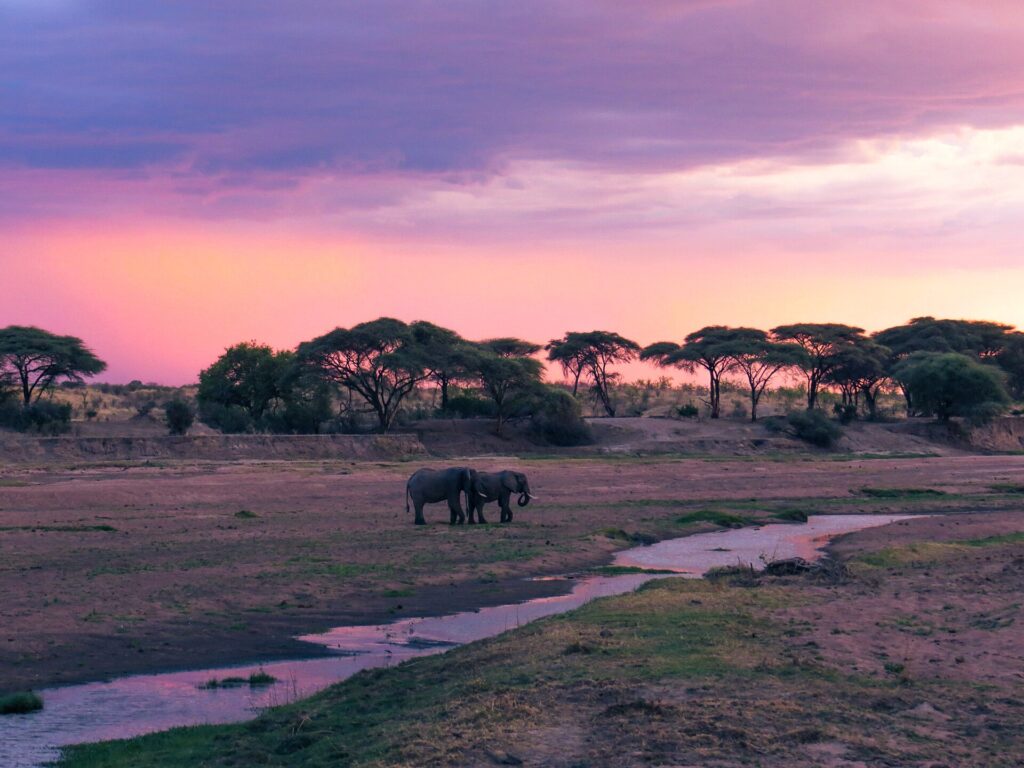
At sunset, the Great Ruaha River glows as elephants gather to drink.
Ruaha National Park is a vast, remote park in central Tanzania, famous for its large lion prides and elephant herds. Visitors flock here for exceptional wildlife viewing and the chance to experience nature without the crowds. The park spans over 5,000 square miles, making it one of the largest in Tanzania. With baobab-dotted hills and the winding Great Ruaha River, the scenery is as captivating as the wildlife.
In Ruaha National Park, embark on thrilling game drives, guided walking safaris, and birdwatching tours to see diverse wildlife.
Key takeaways
- Spot over 10,000 elephants roaming the park.
- Experience guided walking safaris from June to October.
- Game drives start around $150 per person, 2026.
- Visit the park’s baobab trees, iconic to the landscape.
- Plan for 3-4 days to fully explore Ruaha.
Why visit Ruaha National Park
Ruaha National Park stands out from Tanzania’s more popular parks like Serengeti and Ngorongoro Crater due to its remote location and abundant wildlife. The park is known for its impressive lion prides and large elephant herds, set against a backdrop of baobab-dotted hills. With fewer visitors, you can experience a more intimate connection with nature, especially along the Great Ruaha River, where wildlife congregates during the dry season.
- Spot one of the largest lion populations in Africa, with prides often exceeding 20 members.
- Experience the unique landscape of baobab trees, which are iconic to the park’s scenery.
- Visit during the dry season (June to October) for the best wildlife viewing as animals gather around water sources.
- Engage with local guides who offer insights into the park’s ecology and wildlife behavior, enhancing your experience.
Best for
Wildlife enthusiasts and solo travelers seeking adventure will thrive here, especially those comfortable with basic accommodations and eager for immersive nature experiences. Expect long days of exploration and the thrill of spotting big predators.
Skip if
If luxury lodges and crowded safari experiences are your preference, consider the Serengeti instead. Ruaha’s remote setting may not suit travelers looking for high-end amenities.
Top things to do in Ruaha National Park
Ruaha National Park offers thrilling wildlife encounters and breathtaking landscapes, making it a prime destination for nature enthusiasts. Start with a guided safari to experience the park’s impressive predator population.
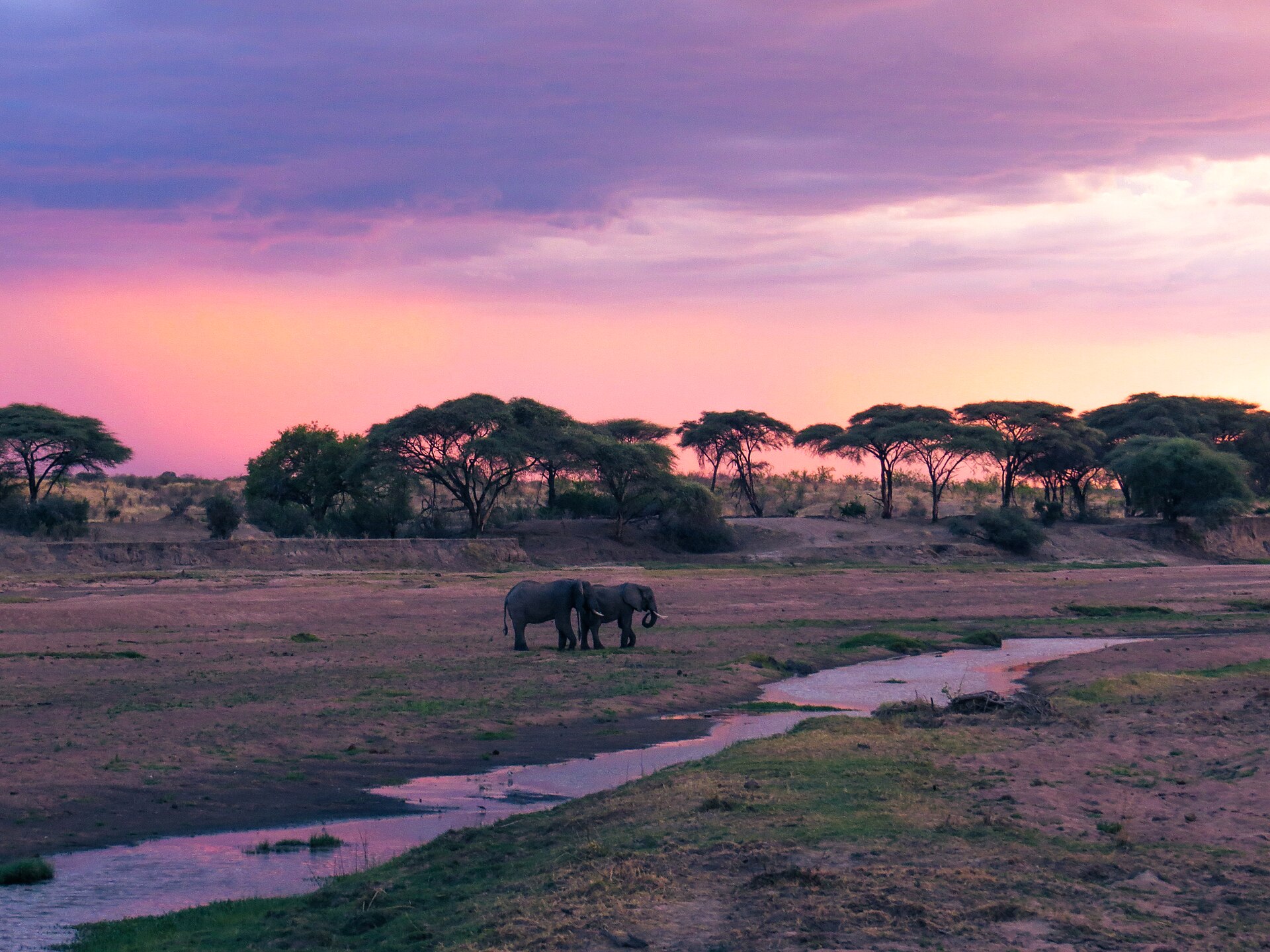
1. Guided Safari Tour ·
Experience the thrill of spotting lions, elephants, and wild dogs on a guided safari.
Join one of the licensed guide outfits in Ruaha for a full-day safari that takes you through diverse habitats. You’ll traverse savannahs and woodlands, stopping at waterholes where wildlife congregates. The excitement of seeing a lion pride or a herd of elephants up close is unmatched.
This tour offers a chance to see the park’s big predators in their natural habitat, unlike self-guided options that may miss key wildlife hotspots.
- When: Early morning or late afternoon, especially from June to October when animals are most active.
- Cost: ~$150
- Duration: Full day
- How to reach: Depart from your lodge within the park, where most guided tours start. The guides will pick you up directly.
Solo female travel: Group tours are available, providing a social atmosphere for solo travelers.
2. Walking Safari ·
Get up close with nature on a walking safari led by experienced guides.
Explore the park on foot with a licensed guide, learning about the ecosystem and tracking wildlife. This immersive experience allows you to appreciate the smaller details of the environment, from animal tracks to unique plants. Expect to walk for several hours, covering about 3-5 miles / 5-8 km.
Walking safaris provide a different perspective on the park, allowing for a deeper connection with the landscape compared to vehicle safaris.
- When: Morning hours from June to October for cooler temperatures and active wildlife.
- Cost: ~$100
- Duration: Half day
- How to reach: Meet your guide at the designated starting point near your lodge, typically accessible by a short walk.
Insider tip: If closed
Consider a vehicle safari instead if walking is not possible due to weather conditions.
3. Birdwatching ·
Discover over 500 bird species in one of Tanzania’s top birding destinations.
Bring your binoculars and join a birdwatching tour to spot a variety of species, including the majestic African fish eagle and colorful lilac-breasted rollers. The guides know the best spots and can help identify birds by sight and sound, making this a rewarding experience for both novice and expert birders.
Ruaha’s diverse habitats attract a wide range of birds, especially during the wet season from November to April.
- When: Best from November to April when migratory birds are present.
- Cost: ~$80
- Duration: Half day
- How to reach: Tours typically start from your lodge, with guides providing transportation to prime birding locations.
Insider tip: If closed
Visit a nearby waterhole for wildlife viewing instead.
4. Visit the Ruaha River ·
Relax by the banks of the Great Ruaha River, a vital water source for wildlife.
Spend a leisurely afternoon at the river, where you can observe animals coming to drink and bathe. The river is lined with baobab trees and offers stunning views, making it a perfect spot for photography or simply unwinding in nature.
This location provides a peaceful contrast to the more active safari experiences, allowing for reflection and relaxation.
- When: Late afternoon, especially during the dry season from June to October.
- Cost: Free
- Duration: 2-3 hours
- How to reach: Access the river from your lodge, which may offer guided visits or allow for self-exploration.
5. Cultural Visit to Local Villages ·
Engage with local communities to learn about their culture and traditions.
Take a guided trip to nearby villages where you can interact with locals, learn about their daily lives, and experience traditional customs. This visit often includes demonstrations of crafts or cooking, providing insight into the local culture.
This experience enriches your understanding of the region beyond wildlife, connecting you with the people who live alongside the park.
- When: Weekdays are best to avoid larger weekend gatherings.
- Cost: ~$50
- Duration: Half day
- How to reach: Guided tours typically include transportation from your lodge to the villages.
Solo female travel: Group tours are available, enhancing safety and social interaction.
6. Night Game Drive ·
Experience the thrill of a night safari to see nocturnal wildlife.
Join a guided night game drive to spot animals that are active after dark, such as leopards and hyenas. Equipped with spotlights, your guide will help you find these elusive creatures in their natural habitat, offering a unique perspective on the park’s wildlife.
Night drives are a rare opportunity to see animals that are rarely encountered during the day, making it a memorable addition to your safari experience.
- When: Night drives typically start around 7:00 PM and run for a few hours.
- Cost: ~$100
- Duration: 2-3 hours
- How to reach: Depart from your lodge, where guides will take you to the best spots for night viewing.
Insider tip: If closed
Consider a sunset drive instead, which offers similar wildlife viewing opportunities.
7. Photography at Sunset ·
Capture stunning sunset views over the African landscape.
Find a scenic spot within the park to set up for sunset photography, where the sky transforms into vibrant hues over the savannah. This is a perfect way to unwind after a day of activities, allowing for reflection and creativity.
While not a structured activity, the beauty of the sunsets in Ruaha is a highlight that shouldn’t be missed.
- When: Arrive at least 30 minutes before sunset, which occurs around 6:30 PM in the dry season.
- Cost: Free
- Duration: 1 hour
- How to reach: Access a viewpoint from your lodge or a nearby location within the park.
Book tours and tickets
Booking through these links supports Pack Lightly at no extra cost to you.
24 hours in Ruaha National Park
This day plan is perfect for wildlife enthusiasts eager to experience the raw beauty of Ruaha National Park, balancing adventure with relaxation.
Morning
Start your day at 5:00 AM with a guided walking safari led by a certified naturalist. The early morning light casts a golden hue over the baobab-dotted hills, and the park awakens with the sounds of wildlife. Spotting lions and elephants in their natural habitat is a thrilling way to begin your adventure. After the walk, return to your eco-lodge for a hearty breakfast around 8:00 AM, fueling up for the day ahead.
Afternoon
By noon, head out for an afternoon game drive, which is the main highlight of your day. The best time to see wildlife is during the warmer hours when animals are more active. Pack a light lunch from your lodge to enjoy in the field while watching for herds of elephants and prides of lions. This experience typically lasts until around 4:00 PM, giving you ample time to explore the park’s diverse landscapes.
Evening
As the sun begins to set around 6:00 PM, find a scenic viewpoint to watch the sunset over the Great Ruaha River. The colors reflecting off the water create a stunning backdrop for your evening. Afterward, enjoy dinner at your lodge, where you can savor local dishes made from fresh ingredients, sharing stories of the day’s adventures with fellow travelers.
If you have a second day
If you have another day, consider a full-day boat safari on the Great Ruaha River to see hippos and crocodiles up close. Alternatively, a visit to a nearby village can provide insights into local culture and traditions.
Best time to visit Ruaha National Park
Quick answer
Visit from April to June and October to early December for the best wildlife viewing and comfortable temperatures.
| Months to go | April to June, October to early December |
|---|---|
| Months to avoid | December to March due to extreme heat and rain. |
The dry season from April to June offers optimal wildlife viewing as animals gather around water sources. Temperatures range from 61°F / 16°C to 86°F / 30°C, making it comfortable for daytime activities. The wet season from December to March brings high humidity and temperatures up to 95°F / 35°C, which can deter outdoor exploration. October to early December is also great, as the weather is warm and the wildlife is still active before the rains begin.
Average temperature (°F)
Monthly weather
hot and humid, peak rains
warm, still rainy
hot and humid, rains continue
cooling down, less rain
pleasant, dry season begins
cool and dry, great wildlife
coolest month, excellent viewing
dry and cool, ideal for safaris
warming up, wildlife active
hot, wildlife gathering
warming, rains start
hot and rainy, less ideal
How to get to Ruaha National Park
Nearest airport
Mbeya Airport (MBI), about 90 miles / 145 km southwest of Ruaha National Park
From the airport
The best way is to rent a 4×4 vehicle at Mbeya Airport for the 3-4 hour drive to Ruaha, costing around $80-$120 for a day rental (2026). Book the rental online in advance or arrange through your lodge for a smoother handoff.
Other ways to arrive
- Dar es Salaam, domestic flight to Iringa Airport, then 2.5 hours by 4×4 to Ruaha ($150-$200, 2026)
- Iringa town, hire a 4×4 taxi or lodge shuttle for the 2.5-hour dirt road transfer to Ruaha ($60-$90, 2026)
- Mbeya, bus to Iringa then 4×4 taxi to Ruaha (6-7 hours total, $30-$50, 2026)
Getting around Ruaha National Park
Most movement inside Ruaha happens by 4×4 safari vehicle, essential for navigating rough dirt tracks and spotting wildlife. Booking a lodge that provides a certified naturalist guide with a dedicated vehicle is the best choice for your profile.
- 4×4 safari vehicle + guide: Use for all game drives and transfers inside the park, $150-$250 per day including guide (2026).
- Walking safari: Best for early morning or late afternoon guided walks near the lodge, usually included in lodge packages.
- Boat safari: Available on the Great Ruaha River for wildlife viewing, arranged through the lodge, around $50 per trip (2026).
Avoid
Avoid self-driving unless experienced with rough off-road conditions and navigation; park roads are unpaved and challenging.
Day trips from Ruaha National Park
These day trips complement your Ruaha stay by offering cultural or alternative wildlife experiences within manageable travel times.
Iringa town, Tanzania
Visit the local market and the Isimila Stone Age site for a cultural and archaeological break.
Why: Iringa offers a glimpse into regional history and daily life, contrasting the remote wilderness of Ruaha.
Skip if: Skip if your priority is strictly wildlife; the town is best for a half-day cultural detour.
Great Ruaha River boat safari
See hippos, crocodiles, and birds from the river, adding a different perspective on Ruaha’s ecosystem.
Why: The boat safari reveals wildlife not easily seen on land and cools off during the hot midday.
Mufindi tea plantations
Explore highland tea estates and rural Tanzania, offering a refreshing contrast to the park’s dry savanna.
Why: The cooler climate and lush plantations provide a scenic, less-visited landscape outside Ruaha’s core safari zone.
Skip if: Skip if pressed for time or focused on big predators.
Combine Ruaha National Park with
Ruaha fits best into Tanzania itineraries focused on remote wildlife and big predators, pairing well with other parks and cultural stops in southern Tanzania.
10-day Southern Tanzania safari loop Mbeya → Ruaha National Park → Udzungwa Mountains National Park → Mikumi National Park
This route links Ruaha’s predator-rich wilderness with Udzungwa’s rainforest trekking and Mikumi’s classic savanna, balancing adventure and wildlife variety.
7-day Ruaha and Selous circuit Iringa → Ruaha National Park → Selous Game Reserve
Combine Ruaha’s large lion prides and elephants with Selous’ river safaris and walking trails for a deep dive into Tanzania’s southern wildlands.
12-day Tanzania big five and culture Arusha → Ruaha National Park → Iringa → Dar es Salaam
Start in northern Tanzania’s safari hub, then head south to Ruaha’s remote predators before finishing with cultural highlights in Iringa and coastal Dar es Salaam.
Where to stay in Ruaha National Park
Compare prices across booking sites on the map below and see which neighbourhood fits your plans.
Accommodations in Ruaha National Park are primarily concentrated near the park’s entrance, catering to wildlife enthusiasts and adventure seekers. Most options are eco-lodges or tented camps that provide easy access to safari activities and the stunning landscapes of the park.
Mid-range – Near the park entrance
Choose from eco-lodges or tented camps that offer comfortable accommodations with a focus on sustainability and wildlife experiences. These properties typically provide guided safari tours and meals included, but may lack some luxury amenities.
Insider tip: Request a tent with a view of the river for the best wildlife sightings right from your accommodation.
Solo female travelers
Opt for a well-reviewed eco-lodge near the park entrance that offers guided tours and has a strong reputation for safety and community engagement.
Book your stay
Booking through these links supports Pack Lightly at no extra cost to you.
Daily budget for Ruaha National Park
Ruaha National Park offers a unique pricing landscape within Tanzania, with costs skewing higher due to its remote location and the premium on guided wildlife experiences.
Shoestring
- lodging – basic camping or shared dorms
- food – local eateries or self-catering
- transport – shared taxis or walking
- activities – self-guided walks or park entry fees
- buffer – miscellaneous expenses
Trade-offs: Expect limited comfort and amenities, with fewer guided experiences.
Comfort
- lodging – mid-range lodges or safari camps
- food – meals at lodges or local restaurants
- transport – private transfers or guided tours
- activities – guided wildlife tours or park activities
- buffer – miscellaneous expenses
Trade-offs: You may miss out on some exclusive experiences available at higher-end lodges.
Splurge
- lodging – luxury lodges with full amenities
- food – gourmet dining experiences
- transport – private vehicles for convenience
- activities – exclusive guided safaris and experiences
- buffer – miscellaneous expenses
Trade-offs: While you enjoy premium services, the overall experience may feel less adventurous.
Money-saver tip
Book your park entry tickets in advance online to save on fees and avoid long lines at the entrance.
Splurge that’s worth it
A guided night safari is worth the splurge, offering a chance to see nocturnal wildlife in their natural habitat.
Skip to save
Avoid overpriced lodge dining; local restaurants offer delicious meals at a fraction of the cost.
Practical tips for Ruaha National Park
Money
| Cash or card | Cash is essential in Ruaha National Park; credit cards are rarely accepted. |
|---|---|
| ATMs | There are no ATMs within the park, so withdraw cash before arriving. |
| Tipping | Tip guides and staff around 10% of the service cost, typically $5-$10 for a day guide. |
Safety
Ruaha National Park is generally safe for travelers, but it’s wise to stay with your group during activities.
Local warnings:
- Beware of sandflies, especially during the early morning and late afternoon.
Connectivity
| Mobile data | Mobile data coverage is limited; consider getting a local SIM from Vodacom for better connectivity. |
|---|---|
| Wi-Fi | Most lodges offer limited Wi-Fi, but expect slow speeds and outages. |
Language
| Main language | Swahili |
|---|---|
| English level | English is spoken by guides and some lodge staff, but proficiency varies. |
Cultural notes
| Dress modestly when visiting local communities or religious sites. |
| Always ask for permission before taking photos of people. |
Solo female travel
Solo female travelers generally find Ruaha welcoming, especially in organized tours.
| Transport | Use lodge-arranged transport for safety when traveling at night. |
|---|---|
| Meeting people | Join group activities at your lodge to meet fellow travelers. |
Frequently asked questions about Ruaha National Park
1Is Ruaha National Park worth visiting?
Yes – Ruaha National Park is known for its large lion prides and elephant populations, making it a prime destination for wildlife enthusiasts.
2How many days do you need in Ruaha National Park?
Book at least three days. This allows time for multiple game drives and guided walks to fully experience the park’s wildlife.
3When is the best time to visit Ruaha National Park for wildlife viewing?
Visit during the dry season from June to October. Wildlife congregates around water sources, making sightings more frequent.
4Do you need a car to visit Ruaha National Park?
Yes – a 4×4 vehicle is essential for navigating the park’s rough roads. Consider hiring a local guide for the best experience.
5Is Ruaha National Park safe for solo female travelers?
Yes – many solo female travelers visit Ruaha without issues. Staying in reputable lodges and joining guided tours enhances safety.
6Can you swim in the Great Ruaha River?
Skip it – swimming in the Great Ruaha River is not safe due to wildlife and strong currents. Stick to designated areas for activities.
7What does a day in Ruaha National Park cost?
Roughly $150-200 per day. This includes park fees, guided tours, and lodging, with meals typically around $30.