


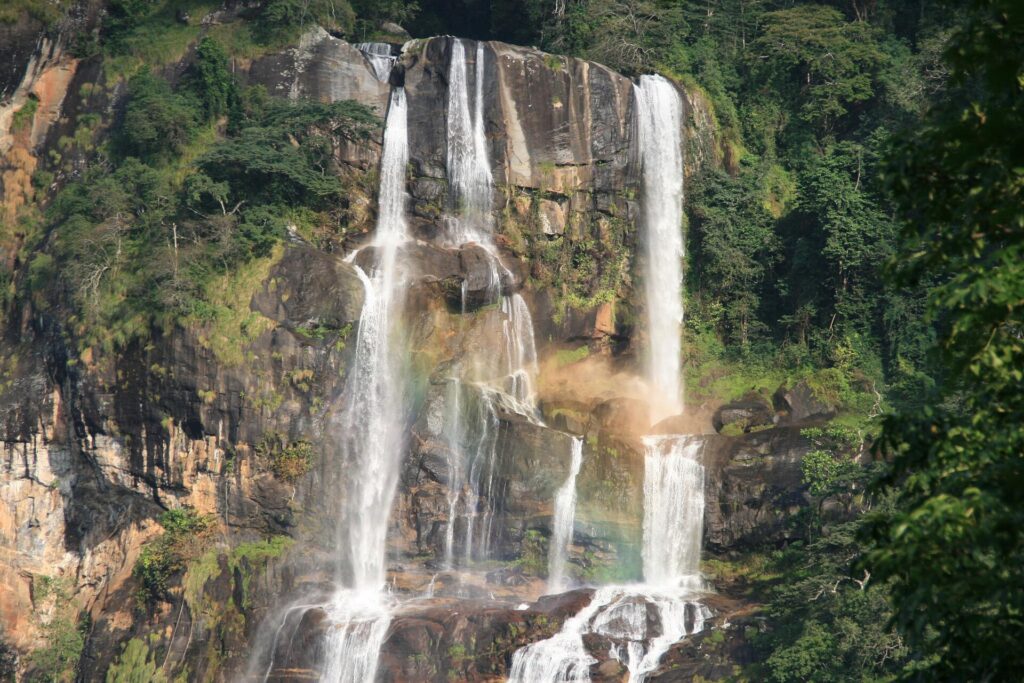
The sound of cascading water fills the air as you approach Sanje Waterfalls.
Udzungwa Mountains National Park is a lush, forested area in southern Tanzania, known for its stunning biodiversity. Visitors flock here to hike the trails leading to the impressive Sanje Waterfalls, which drop over 400 feet / 122 m. The park is home to unique wildlife, including endemic primates and birds found nowhere else. Covering about 1,200 square miles, it offers a true escape into nature, just a few hours from Dar es Salaam.
Hike to Sanje Waterfalls, explore dense rainforests, and spot endemic wildlife like the Iringa red colobus monkey.
Key takeaways
- Hike to Sanje Waterfalls, a 1.5-mile trek from the park entrance.
- Spot endemic primates, including the Iringa red colobus monkey.
- Visit during the dry season from June to October for best conditions.
- Entry fee is around $30 per person, 2026.
- Guided tours available for around $50, 2026.
Why visit Udzungwa Mountains National Park
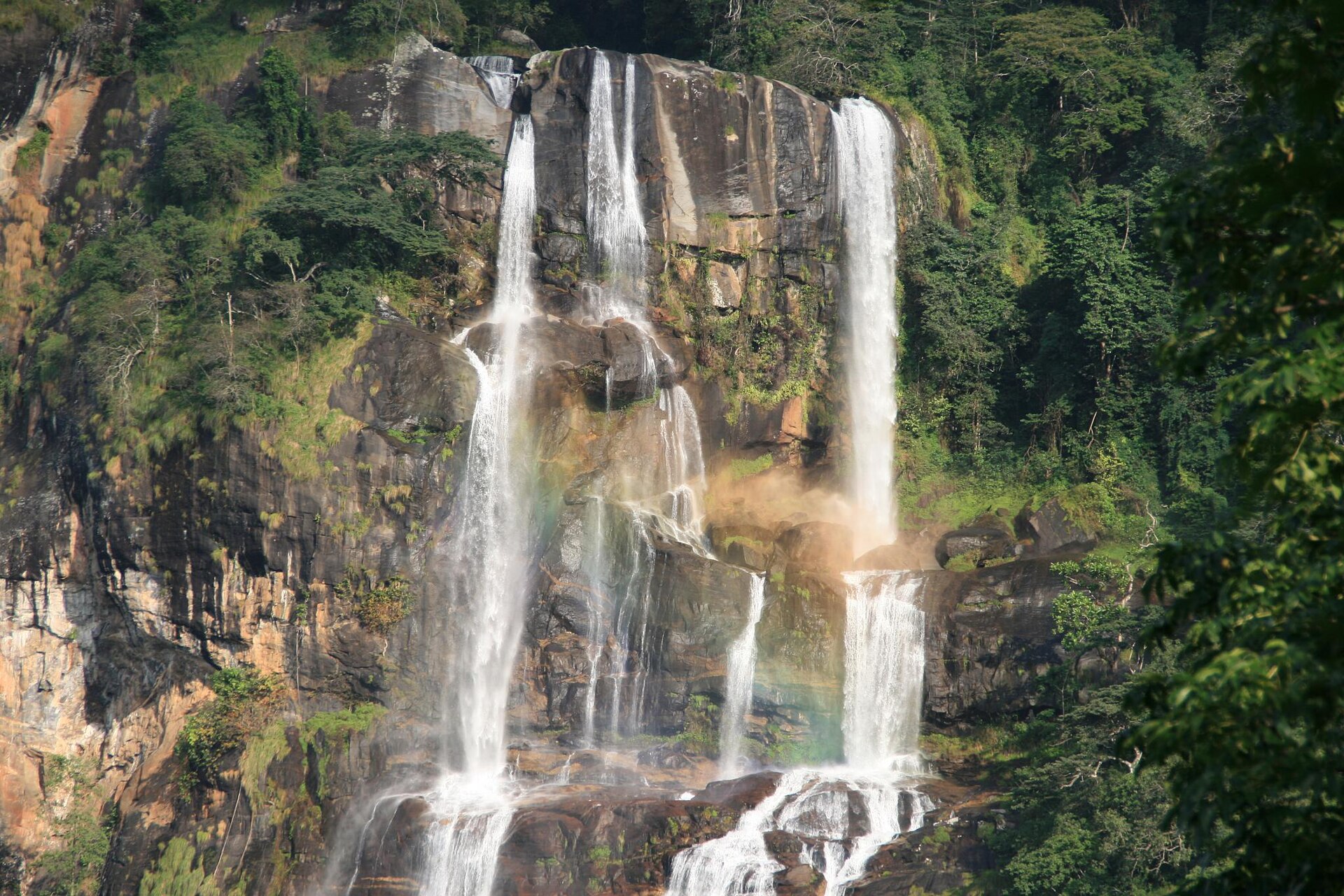
Udzungwa Mountains National Park stands out from Tanzania’s more famous parks like Serengeti and Ngorongoro Crater by offering a unique blend of dense rainforest and endemic wildlife. The park is home to the stunning Sanje Waterfalls, which cascade through lush greenery, providing a refreshing escape after a challenging hike. This destination is perfect for those seeking adventure in a less commercialized setting, where the focus is on trekking and wildlife spotting rather than traditional safari experiences.
- Explore the Sanje Waterfalls, a breathtaking 1,000-foot drop surrounded by rich biodiversity.
- Encounter endemic species like the Iringa red colobus monkey, found nowhere else on Earth.
- Join guided treks with local operators who share insights on the park’s unique ecology.
- Visit during the rainy season (November to April) for vibrant flora and fewer crowds.
Best for
Adventure hikers and solo travelers will thrive here, especially those comfortable with rugged terrain and looking for immersive nature experiences. If you enjoy multi-day treks and wildlife encounters, this park is ideal.
Skip if
If you prefer a more traditional safari experience with abundant wildlife viewing from vehicles, consider visiting Serengeti or Tarangire National Park instead.
Top things to do in Udzungwa Mountains National Park
Udzungwa Mountains National Park offers thrilling hikes to stunning waterfalls and encounters with unique wildlife. Start with the trek to Sanje Waterfalls for an unforgettable experience.
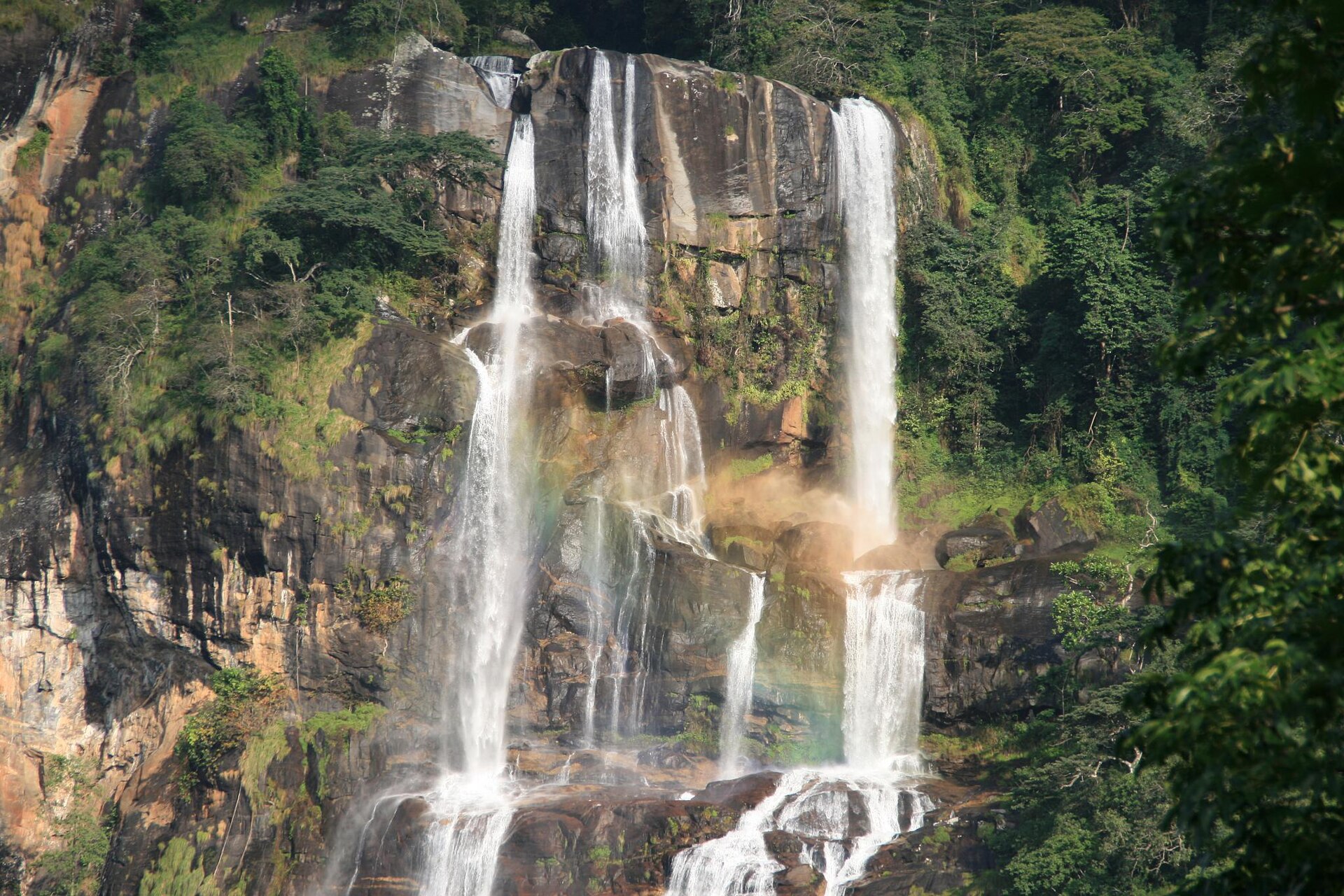
1. Hike to Sanje Waterfalls ·
This hike leads you to one of the tallest waterfalls in Tanzania, surrounded by lush rainforest.
The trek to Sanje Waterfalls is a highlight of Udzungwa, taking you through dense forest filled with endemic flora and fauna. As you ascend, the sound of rushing water grows louder, culminating in a breathtaking view of the falls cascading down 1,000 feet / 305 m. Guided by one of the licensed local operators, you’ll learn about the unique ecosystem along the way.
This hike is a must because it combines stunning scenery with the chance to see endemic primates, unlike other trails that may not offer such a rich experience.
- When: Early morning is best, especially from June to October when the weather is dry.
- Cost: ~$15, 2026
- Duration: Half day
- How to reach: From the park entrance, take a guided tour that starts at the visitor center and follows the marked trail to the falls.
Solo female travel: Guided tours are available, providing a safe and social environment.
2. Explore the Mwanihana Trail ·
This trail offers a more challenging hike with rewarding views and diverse wildlife.
The Mwanihana Trail is known for its steep climbs and rich biodiversity, making it ideal for adventurous hikers. As you navigate through the forest, keep an eye out for the rare Udzungwa red colobus monkeys and various bird species. The trail culminates in panoramic views of the surrounding mountains, providing a perfect backdrop for photos.
Choose this trail for a more strenuous hike that rewards you with fewer crowds and a chance to see wildlife up close.
- When: Best tackled in the dry season, from June to October, to avoid muddy paths.
- Cost: ~$15, 2026
- Duration: Full day
- How to reach: Access the trailhead from the park entrance by joining a guided group or hiring a local guide.
3. Visit the Udzungwa Mountains Research Centre ·
Learn about conservation efforts and the unique biodiversity of the region.
The Udzungwa Mountains Research Centre offers insights into the ongoing conservation projects in the park. You can engage with researchers and learn about the endemic species that call this area home. The center often hosts educational talks and exhibits that highlight the importance of preserving this unique ecosystem.
This visit complements the outdoor activities by providing context about the wildlife and conservation efforts in the park.
- When: Open weekdays from 9:00 AM to 4:00 PM, best visited in the morning.
- Cost: Free
- Duration: 1-2 hours
- How to reach: Located near the park entrance, it’s a short walk from the visitor center.
Insider tip: If closed
If closed, consider a guided nature walk nearby to learn about local flora.
4. Birdwatching in the Rainforest ·
Spot rare birds in their natural habitat while enjoying the tranquility of the forest.
Udzungwa is a birdwatcher’s paradise, with over 400 species recorded. Join a guided birdwatching tour to explore the best spots, where you can see endemic species like the Udzungwa forest partridge. The guides are knowledgeable and can help you identify various birds by sight and sound.
This activity is perfect for those who prefer a quieter experience, allowing you to connect with nature without the physical demands of hiking.
- When: Early mornings are ideal, especially from November to April during the breeding season.
- Cost: ~$20, 2026
- Duration: Half day
- How to reach: Meet your guide at the visitor center, where tours typically start.
5. Visit the Local Villages ·
Experience local culture and hospitality in the villages surrounding the park.
Exploring the nearby villages provides a glimpse into the daily lives of the local communities. Engage with residents, learn about their traditions, and enjoy local cuisine. This cultural immersion complements the natural beauty of the park and offers a different perspective on the region.
This activity adds a cultural layer to your visit, contrasting the natural wonders with human stories.
- When: Weekdays are best to avoid larger crowds, especially in the morning.
- Cost: ~$10, 2026
- Duration: 2-3 hours
- How to reach: Take a short taxi ride from the park entrance to the nearest village.
Solo female travel: Traveling in groups is recommended for added comfort and safety.
6. Relax at the Park’s Picnic Areas ·
Unwind in nature with a picnic surrounded by the sounds of the rainforest.
The park features designated picnic areas where you can enjoy a meal amidst the stunning scenery. Bring your own food or purchase snacks from local vendors near the entrance. This is a great way to recharge after a hike or simply enjoy a peaceful moment in nature.
This option is perfect for a laid-back day, especially if the weather isn’t ideal for hiking.
- When: Anytime during park hours, but midday is ideal for a leisurely lunch.
- Cost: Free
- Duration: 1-2 hours
- How to reach: Easily accessible from the main trails, just follow the signs to the picnic areas.
Book tours and tickets
Booking through these links supports Pack Lightly at no extra cost to you.
24 hours in Udzungwa Mountains National Park
This day plan is perfect for adventure hikers eager to explore the stunning trails and unique wildlife of Udzungwa Mountains National Park. It balances a challenging trek with opportunities to relax and enjoy local flavors.
Morning
Start your day early at 6:00 AM with a hearty breakfast at a local guesthouse, fueling up for the trek ahead. By 7:00 AM, head to the trailhead for the Sanje Waterfalls hike, where the morning light filters through the trees, creating a magical atmosphere. The trek takes about 3 hours, leading you through dense rainforest, with the sound of birds and the promise of spotting endemic primates along the way.
Afternoon
After reaching the breathtaking Sanje Waterfalls, take a moment to enjoy the view and snap some photos. By 12:00 PM, make your way back down and stop for lunch at a nearby café, where you can savor local dishes like ugali and grilled fish. Spend the afternoon relaxing and soaking your feet in the cool waters of a nearby stream, or take a leisurely walk along the park’s easier trails to spot more wildlife.
Evening
As the sun begins to set around 6:30 PM, find a scenic viewpoint to watch the colors change over the mountains. For dinner, head to a local eatery that serves traditional Tanzanian cuisine, enjoying a relaxed meal while reflecting on the day’s adventures. The evening atmosphere is tranquil, with the sounds of nature surrounding you as you wind down.
If you have a second day
If you have another day, consider exploring the lesser-known trails in the park, such as the Mwanihana Trail, which offers a chance to see more wildlife and unique plant species. Alternatively, visit a local village to learn about the culture and traditions of the area.

Best time to visit Udzungwa Mountains National Park
Quick answer
Visit from April to June and October to early December for the best hiking conditions.
| Months to go | April to June, October to early December |
|---|---|
| Months to avoid | March and November due to heavy rainfall. |
The dry months from April to June and October to early December offer ideal conditions for trekking, with temperatures ranging from 60°F / 16°C to 80°F / 27°C. During these times, trails are accessible, and the wildlife is more active, enhancing your chances of spotting endemic species. March and November see increased rainfall, which can make trails muddy and less enjoyable. The wet season can also lead to trail closures, limiting access to some of the park’s best features.
Average temperature (°F)
Monthly weather
humid wet, off-peak prices
warm wet, fewer crowds
heavy rain, muddy trails
cooling down, good hiking
dry and mild, great views
cool dry, best hiking
cool dry, fewer visitors
cool dry, ideal trekking
mild dry, good wildlife
warming up, active wildlife
increased rain, muddy trails
humid wet, off-peak prices
How to get to Udzungwa Mountains National Park
Nearest airport
Iringa Airport (IRI), about 25 miles / 40 km from the park entrance
From the airport
The best way from Iringa Airport is a pre-arranged private transfer or taxi, which takes about 1 hour and costs around $40-$50, 2026. Book transfers through your accommodation or local operators in Iringa town for reliability and fixed rates.
Other ways to arrive
- Dar es Salaam, bus or shuttle, 6-8 hours, $20-$30, 2026
- Mbeya, bus or shared taxi, 4-5 hours, $15-$25, 2026
- Morogoro, bus, 5-6 hours, $15-$25, 2026
Getting around Udzungwa Mountains National Park
Walking is the only way to explore the park’s trails and waterfalls. For transfers to trailheads, hiring a local driver with a 4×4 is the most practical and comfortable choice.
- Walking – mandatory inside the park to reach waterfalls and primate habitats, no cost beyond park fees.
- 4×4 vehicle – use for transfers from accommodation to trailheads, expect $30-$50 per trip, 2026.
- Motorbike taxi – limited use near park edges, avoid after dark, $5-$10 per ride.
Avoid
Avoid renting a car yourself; roads to the park are rough dirt tracks requiring 4×4 skills and local knowledge.
Day trips from Udzungwa Mountains National Park
These day trips complement your rainforest trekking with cultural or natural highlights reachable within a few hours.
Iringa town
Explore local markets and the Isimila Stone Age site with ancient rock formations.
Why: Offers a cultural contrast to the park’s wilderness and a chance to stock up on supplies.
Skip if: Skip if focused solely on hiking and wildlife.
Mufindi Highlands
Visit tea plantations and cooler highland scenery with small-scale farming communities.
Why: Provides a refreshing change of pace and insight into local agriculture near the park.
Skip if: Skip if short on time or uninterested in rural landscapes.
Sanje Waterfalls (inside Udzungwa Mountains National Park)
Reach the tallest waterfall in the park through dense rainforest trails.
Why: The hike offers direct encounters with endemic primates and bird species unique to this park.
Combine Udzungwa Mountains National Park with
Udzungwa Mountains National Park fits into Tanzania itineraries focused on nature, trekking, and less-visited wildlife areas.
10-day Southern Tanzania Nature Loop Dar es Salaam → Udzungwa Mountains National Park → Ruaha National Park → Mikumi National Park
This route moves south from the coast into Tanzania’s less crowded parks, combining rainforest trekking with savanna game drives and diverse ecosystems.
7-day Iringa and Highlands Trek Iringa → Udzungwa Mountains National Park → Mufindi Highlands
Focuses on the highland region’s natural and cultural highlights, balancing active rainforest hikes with visits to tea plantations and local villages.
Where to stay in Udzungwa Mountains National Park
Compare prices across booking sites on the map below and see which neighbourhood fits your plans.
Accommodations near Udzungwa Mountains National Park cater primarily to hikers and nature enthusiasts. Most travelers choose lodgings close to the park entrance for easy access to trails, while others prefer guesthouses in nearby villages for a quieter experience.
Mid-range – Near the park entrance
Stay in family-run guesthouses that offer cozy rooms and local meals, perfect for hikers needing a good night’s rest. These places provide a warm atmosphere but may lack some modern amenities.
Insider tip: Request a room with a view of the mountains for a stunning sunrise.
Solo female travelers
Choose a guesthouse near the park entrance, where the area is well-lit and frequented by other travelers.
Book your stay
Booking through these links supports Pack Lightly at no extra cost to you.
Where to eat and drink in Udzungwa Mountains National Park
The culinary scene in Udzungwa Mountains National Park is shaped by its rich biodiversity and local agricultural practices. Expect to find dishes featuring fresh, regional ingredients like bananas and cassava, often prepared using traditional methods that reflect the area’s cultural influences.
Must-try dishes
Ugali na Nyama (Ugali with Meat)
A staple dish made from maize flour cooked into a dense porridge, served with a side of meat stew.
Insider tip: Order it for lunch when it’s freshly made; avoid places that serve it late in the day.
Matoke (Steamed Green Bananas)
Green bananas steamed and often mashed, served with a sauce or stew.
Insider tip: Pair it with a local fish stew for a hearty meal.
Kachori (Spiced Lentil Pastry)
Deep-fried pastries filled with spiced lentils, often served with chutney.
Insider tip: Grab a few in the afternoon for a quick energy boost before your hike.
Local drinks
- Chai (Tea)Any local café or roadside stall, especially in the villages surrounding the park.
A spiced tea made with black tea leaves, milk, and a blend of spices.
How to eat like a local in Udzungwa Mountains National Park
Lunch is the main meal of the day, so aim to eat your biggest meal around 1:00 PM. Many local kitchens close by 4:00 PM, reopening later as bars, so plan your dining accordingly.
Daily budget for Udzungwa Mountains National Park
Udzungwa Mountains National Park offers a unique blend of affordability and adventure, with costs skewing slightly higher due to its remote location and specialized trekking activities.
Shoestring
- lodging – basic guesthouse or camping
- food – local eateries or self-catering
- transport – shared taxis or local transport
- activities – self-guided hikes
- buffer – miscellaneous expenses
Trade-offs: Expect limited amenities and a lack of guided tours.
Comfort
- lodging – mid-range lodge or guesthouse
- food – mix of local and some higher-end dining
- transport – private transport for convenience
- activities – guided hikes or park entry fees
- buffer – miscellaneous expenses
Trade-offs: You may miss out on some local experiences by opting for comfort.
Splurge
- lodging – upscale lodge with amenities
- food – fine dining options
- transport – private drivers for flexibility
- activities – premium guided tours or special activities
- buffer – miscellaneous expenses
Trade-offs: This level may sacrifice authentic local interactions for comfort.
Money-saver tip
Book your guided treks directly with local operators instead of through hotels to save around $20.
Splurge that’s worth it
A guided trek to the Sanje Waterfalls is worth the splurge for its breathtaking views and expert insights.
Skip to save
Avoid overpriced souvenirs at park entrances; local markets offer better prices and authentic crafts.
Practical tips for Udzungwa Mountains National Park
Money
| Cash or card | Cash is essential in Udzungwa Mountains National Park; credit cards are rarely accepted. |
|---|---|
| ATMs | There are no ATMs within the park, so withdraw cash in nearby towns before heading in. |
| Tipping | Tip around 10% for guides and drivers; for example, $5 for a day hike guide is appreciated. |
Safety
Travelers generally find Udzungwa Mountains safe, but it’s wise to stay on marked trails and travel in groups.
Local warnings:
- Beware of sandflies, especially during the rainy season; use insect repellent.
Connectivity
| Mobile data | Mobile data coverage is limited; consider getting a local SIM from Vodacom for better connectivity. |
|---|---|
| Wi-Fi | Wi-Fi is scarce; most accommodations may offer it, but expect slow speeds. |
Language
| Main language | Swahili |
|---|---|
| English level | English is spoken in tourist areas, but proficiency may vary among locals. |
Solo female travel
Solo female travelers generally feel comfortable in Udzungwa Mountains, especially on guided tours.
| Transport | Use registered taxis or arrange transport through your accommodation for night travel. |
|---|---|
| Meeting people | Join group hikes or workshops offered by local guides to meet fellow travelers. |
Frequently asked questions about Udzungwa Mountains National Park
1Is Udzungwa Mountains National Park worth visiting?
Yes – Udzungwa Mountains National Park is a prime destination for hiking enthusiasts. The park features stunning rainforest trails leading to impressive waterfalls and unique wildlife.
2How many days do you need in Udzungwa Mountains National Park?
Plan for at least two days. Use the first day for acclimatization and exploring shorter trails, and the second day for a full trek to the Sanje Waterfalls.
3When is the best time to visit Udzungwa Mountains National Park for hiking?
The best time is during the dry season from June to October. This period offers clearer trails and less rain, making hikes more enjoyable.
4Do you need a car to visit Udzungwa Mountains National Park?
No – public transport options are available. Use a bus from Dar es Salaam to Mikumi, then arrange a local taxi to the park entrance.
5Is Udzungwa Mountains National Park safe for solo female travelers?
Yes – the park is generally safe for solo female travelers. Stick to well-trodden trails and consider joining guided tours for added security.
6Can you swim in the waterfalls at Udzungwa Mountains National Park?
Yes – swimming is possible at some waterfalls, particularly the Sanje Waterfalls. Just be cautious of slippery rocks and strong currents.
7What should you NOT do in Udzungwa Mountains National Park?
Avoid straying off marked trails. The dense rainforest can be disorienting, and it’s essential to respect the natural habitat and wildlife.
Estimate your daily budget
See realistic daily costs by tier and category.