


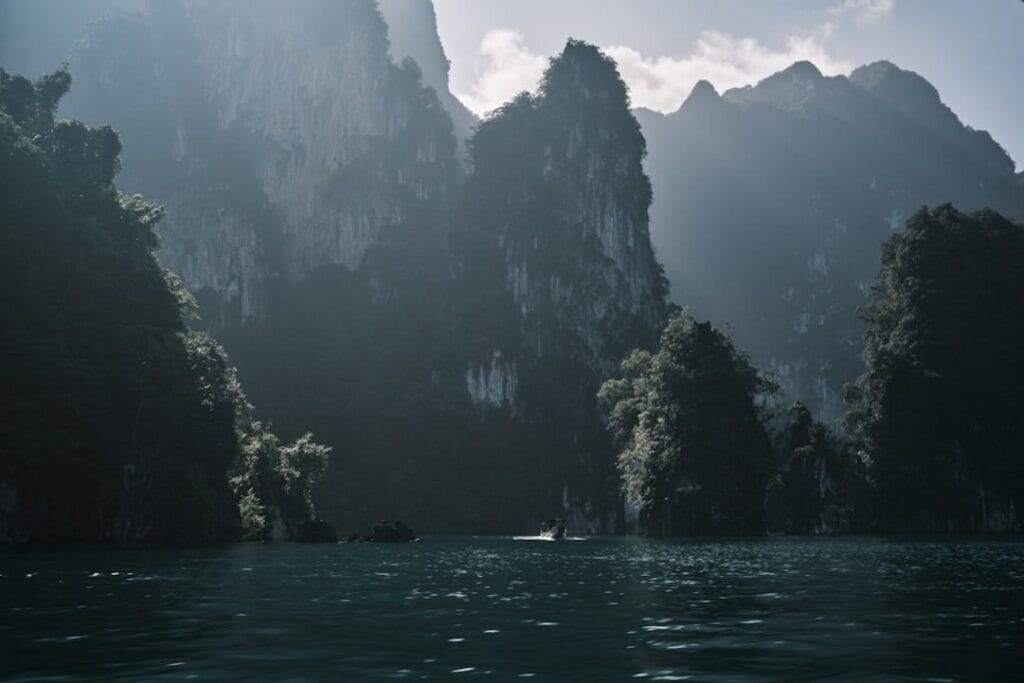
Hear gibbons calling at Haew Suwat Waterfall as mist cools the air in Khao Yai National Park’s forested heart.
Khao Yai National Park, Thailand’s oldest and a UNESCO site, covers rainforest, waterfalls, and wildlife including wild elephants. Visitors focus on the Haew Suwat Waterfall zone and the Pak Chong buffer area, both offering distinct access points and wildlife encounters. Located roughly 75 miles / 120 km northeast of Bangkok, it’s the closest place to see wild elephants in their natural habitat near the capital. The park’s early morning guided walks demand effort but deliver sightings that resorts outside the buffer zone can’t match. Unlike coastal parks, Khao Yai’s terrain requires stamina and patience, rewarding those who book certified naturalist guides and stay inside the buffer zone. Midday heat calls for a break at your eco-lodge before late afternoon walks or boat trips to maximize wildlife activity.
Book early morning guided walks at Haew Suwat Waterfall for wildlife spotting, hike the scenic Pha Diao Dai viewpoint trail, and take a late afternoon boat ride on Lam Takhong Reservoir to see elephants and gibbons active near Bangkok.
Key takeaways
- Book certified naturalist guides for 5 AM walks at Haew Suwat Waterfall zone.
- Stay inside Pak Chong buffer zone lodges for best wildlife access and shorter transfers.
- Park entrance fees run around $15 per day, 2026, payable at main gates.
- Avoid midday hikes; rest at your eco-lodge between 10 AM and 3 PM to beat heat.
- Lam Takhong Reservoir boat rides start late afternoon; reserve in advance to secure spots.
- Carry insect repellent and wear sturdy hiking shoes for uneven trails around Pha Diao Dai.
- Travel from Bangkok takes about 2.5 hours by private car or arranged transfer.
Why visit Khao Yai National Park
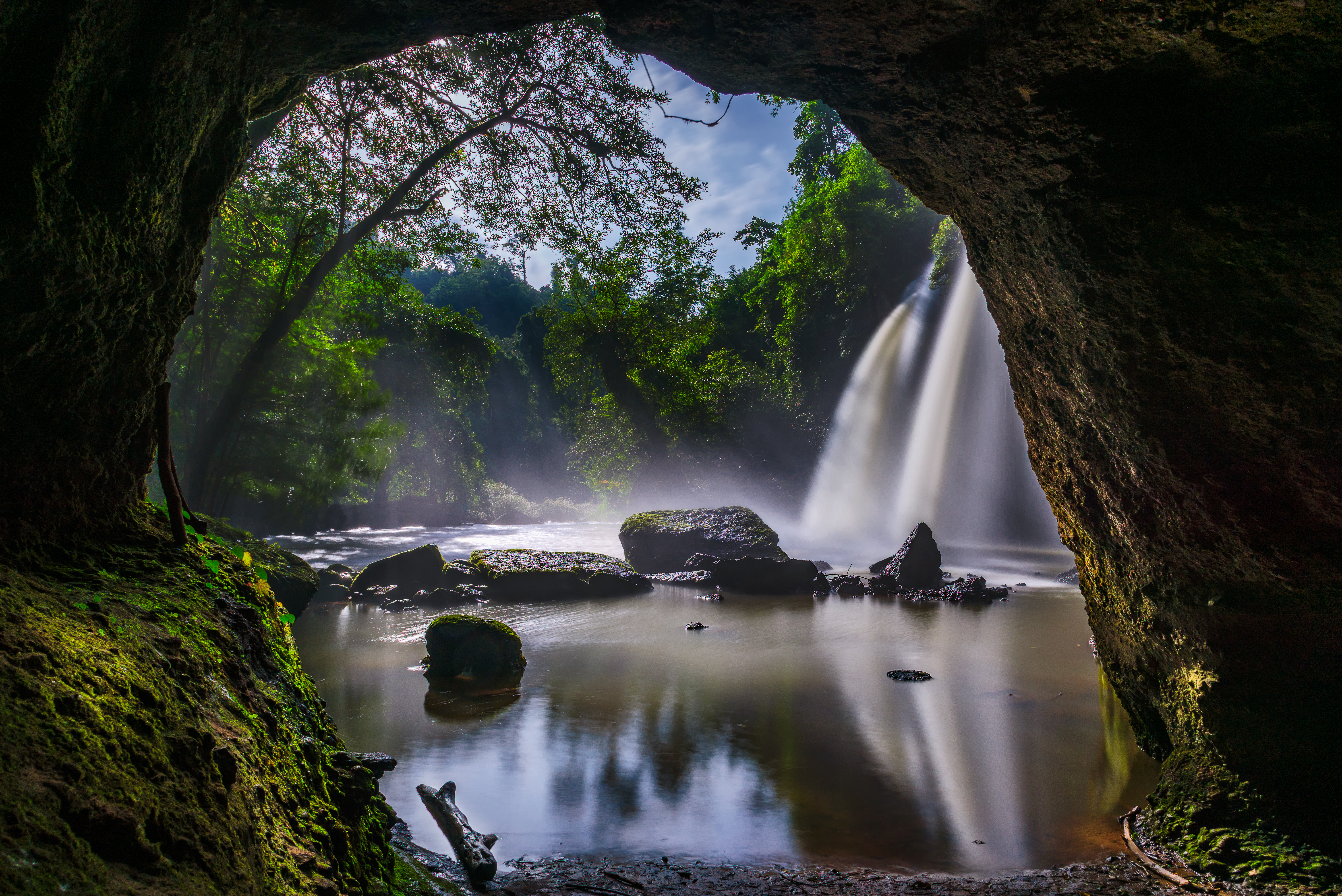
Khao Yai National Park stands out from Thailand’s other major parks like Doi Inthanon and Erawan by offering wild elephants within easy reach of Bangkok. Unlike Erawan’s famous waterfalls or Doi Inthanon’s high-altitude trails, Khao Yai combines dense rainforest, expansive viewpoints, and reliable wildlife sightings in one accessible location. The park’s Haew Narok Waterfall and the Lam Ta Khong grasslands provide distinct terrain for active trekking and wildlife spotting. Its proximity to the capital means you can start early guided walks without long transfers, maximizing your time tracking wild animals. This is a place where adventure meets practical access to Thailand’s oldest protected forest.
- Book certified naturalist guides for dawn and dusk wildlife walks inside the park’s buffer zone.
- Stay at eco-lodges adjacent to Lam Ta Khong for direct access to elephant herds and gibbons.
- Haew Narok Waterfall trail offers a challenging 2.5-mile hike with rewarding panoramic views.
- Unlike other parks, Khao Yai’s dry season (December – February) concentrates wildlife near open grasslands.
- Most guides avoid the crowded visitor center trails; opt for routes near Pha Diao Dai for better sightings.
Best for
Solo travelers focused on wildlife and nature will thrive here, especially those who value early starts and active trekking. Mid-range budgets suit eco-lodge stays inside the park’s buffer zone, maximizing wildlife encounters without sacrificing comfort.
Skip if
Skip Khao Yai if seeking beach or waterfall-centric trips; Erawan National Park offers better waterfall hikes, while Khao Sok is stronger for jungle immersion.
Top things to do in Khao Yai National Park
1. Wild Elephant Spotting Guided Walk ·
Start your day with a certified naturalist guide to track wild elephants in the park’s buffer zone, where sightings are most reliable at dawn.
Begin before sunrise with a certified naturalist guide from one of the licensed operators near the park’s Lam Ta Khong entrance. The walk follows trails in the buffer zone, where wild elephants come down to forage early. Along the way, expect to see fresh tracks, dung, and possibly hear distant calls before spotting the elephants themselves. The quiet dawn atmosphere and expert guide insights make this a focused wildlife tracking experience rather than a casual stroll. Book on GetYourGuide.
This guided walk beats self-guided attempts or vehicle safaris because the buffer zone trails offer closer, more consistent elephant sightings at dawn, unlike the busier main park roads.
- When: Start between 5:00 AM and 6:30 AM, best from November to February when elephants are more active in open areas.
- Cost: ~$40-$60, 2026
- Duration: 2-3 hours
- How to reach: From the park center near the Lam Ta Khong entrance, walk or take a short shuttle to the buffer zone trailhead where guides meet guests.
Insider tip: If closed
If weather or park restrictions close the trails, opt for the Khao Yai Night Safari to see nocturnal wildlife instead.
Solo female travel: Book with a licensed guide outfit that offers small groups; guides usually pick up from eco-lodges inside the buffer zone for safer early starts.
2. Haew Narok Waterfall Trek ·
Trek the steep trail to Haew Narok, the park’s largest waterfall, combining physical effort with rewarding views and chances to spot gibbons en route.
Start at the Haew Narok trailhead near the park’s main visitor center and follow the steep, well-marked path down through dense rainforest. The trek demands good fitness, with uneven terrain and some slippery sections. Along the way, listen for the calls of gibbons swinging through the canopy. The waterfall itself drops in three tiers, creating a powerful cascade visible from several viewpoints. The return climb is strenuous but offers forest views and occasional wildlife sightings.
Haew Narok is the largest waterfall in the park and offers a more challenging hike than the easier Haew Suwat, making it the top choice for active visitors wanting wildlife and scenery combined.
- When: Go mid-morning to early afternoon to avoid the hottest part of the day, best from November to April when trails are dry.
- Cost: ~$6 park entrance fee, 2026
- Duration: 3-4 hours
- How to reach: Reach the Haew Narok trailhead by rental car or shuttle from the park center along Thanarat Road; parking is available near the visitor center.
Insider tip: If closed
If the trail is closed due to rain or maintenance, hike to Pha Diao Dai Viewpoint for a shorter, less demanding trek with good views.
3. Khao Yai Night Safari ·
Join a guided night safari to catch nocturnal wildlife like civets, porcupines, and owls active after dark in the park’s protected zones.
Depart after sunset with a licensed naturalist guide in a small group, driving slowly along designated night safari routes inside the park’s protected zones. The guide uses spotlights to locate nocturnal animals such as civets, porcupines, owls, and occasionally wild boars. The safari focuses on quiet observation and minimal disturbance. This is the only way to see the park’s active night wildlife, as self-driving is prohibited after dark. Book on GetYourGuide.
The night safari offers wildlife encounters unavailable during the day, unlike daytime hikes or drives that focus on diurnal species.
- When: Start around 7:00 PM to 9:00 PM, best from November to February when nights are cooler and animals are more active.
- Cost: ~$50-$70, 2026
- Duration: 2-3 hours
- How to reach: Meet guides at the park’s main entrance or eco-lodges inside the buffer zone; transportation is usually included in the tour.
Insider tip: If closed
If the night safari is canceled, schedule the Wild Elephant Spotting Guided Walk at dawn instead.
Solo female travel: Choose operators with small-group tours and female guides for added comfort and safety during night hours.
4. Pha Diao Dai Viewpoint Hike ·
Climb the short but steep trail to Pha Diao Dai for panoramic views over the forest canopy and a chance to spot hornbills and macaques.
From the Lam Ta Khong area, take the well-marked trail that climbs steeply for about 0.6 miles (1 km) to the Pha Diao Dai viewpoint. The hike is short but requires steady footing on rocky steps. At the top, the overlook reveals a sweeping panorama of the forest canopy and distant hills. Watch for hornbills flying through the treetops and troops of macaques near the trail. The site is less crowded than other viewpoints, offering a quieter wildlife observation spot.
This hike is a quick, high-reward option compared to longer treks like Haew Narok, ideal for fitting a wildlife viewpoint into a half-day schedule.
- When: Go mid-morning or late afternoon to catch active hornbills and cooler temperatures, best November to March.
- Cost: ~$6 park entrance fee, 2026
- Duration: 1-2 hours
- How to reach: Access the trailhead by rental car or shuttle from the park center via Thanarat Road; parking is available near Lam Ta Khong reservoir.
Insider tip: If closed
If the trail is closed, take the Boat Ride on Lam Takhong Reservoir for a water-based wildlife perspective.
5. Boat Ride on Lam Takhong Reservoir ·
Take a late afternoon boat ride on the Lam Takhong Reservoir to spot water birds and enjoy a different perspective of the park’s landscape.
Board a small motorized boat from the Lam Ta Khong reservoir dock, located near the park’s buffer zone eco-lodges. The ride cruises along the reservoir’s edge, offering views of forested hills and open water. Expect to see water birds like kingfishers, egrets, and occasionally hornbills flying overhead. The calm late afternoon light enhances wildlife spotting and photography. The boat ride is gentle, providing a break from hiking with a fresh perspective on the park’s ecosystem. Book on GetYourGuide.
This boat ride complements the land-based hikes by offering access to aquatic habitats and birdwatching not visible from trails or roads.
- When: Take the boat between 3:30 PM and 5:30 PM to catch the best light and bird activity, best from November to February when water levels are stable.
- Cost: ~$20-$30, 2026
- Duration: 1-1.5 hours
- How to reach: Reach the Lam Ta Khong reservoir dock by shuttle or rental car from the park center along Thanarat Road; the dock is near several eco-lodges.
Insider tip: If closed
If the reservoir is closed due to weather or maintenance, hike to Pha Diao Dai Viewpoint for forest canopy views instead.
6. Haew Suwat Waterfall Visit ·
Visit the iconic Haew Suwat waterfall, famous for its cinematic appearance and accessible via a short walk from the main road.
Haew Suwat waterfall drops in a wide curtain over a rocky cliff, framed by dense forest. The trail from the main road is a brief 10-minute walk on a well-maintained path, making it accessible even after a long day of trekking. The waterfall’s pool below offers a chance to cool off, but swimming is often restricted during high water. The site gained fame from a popular Thai film, so expect some photo stops along the viewing platform.
This waterfall is easier to reach than others in the park, like Haew Narok, which requires a longer trek and more effort. Haew Suwat offers a quick, rewarding nature stop without sacrificing wildlife chances.
- When: Visit early morning between 7:00 AM and 9:00 AM to avoid crowds and catch the best light on the falls, especially from November to February when the water flow is steady but not overwhelming.
- Cost: ~$6, 2026
- Duration: 1-2 hours
- How to reach: From the park’s main visitor center, drive or take a rental vehicle along Thanarat Road for about 4 miles / 6.5 km to the Haew Suwat parking area, then walk the short trail to the falls.
Insider tip: If closed
If the trail is closed due to heavy rain or maintenance, visit the nearby Pak Chong viewpoint for panoramic forest views and possible elephant sightings.
7. Birdwatching at Nong Phak Chi Wildlife Watching Tower ·
Spend early morning at Nong Phak Chi tower to observe hornbills, barbets, and other tropical birds gathering in the open grasslands.
Nong Phak Chi Wildlife Watching Tower overlooks open grasslands where hornbills, barbets, and various tropical birds gather at dawn. The tower provides an elevated, unobtrusive vantage point for spotting flocks feeding and calling. Expect to see wild elephants crossing nearby during the early hours, adding to the wildlife spectacle. Bring binoculars and a camera with a zoom lens for the best experience.
This spot beats other birdwatching sites in the park because of its open landscape and reliable early-morning activity, unlike dense forest trails where birds are harder to spot.
- When: Arrive before 6:00 AM to catch the peak bird activity, especially from November through February when migratory species increase the variety.
- Cost: Free
- Duration: 2-3 hours
- How to reach: From the visitor center, take Thanarat Road east for about 5 miles / 8 km to the Nong Phak Chi parking area, then walk a short path to the tower.
Insider tip: If closed
If the tower is inaccessible, try the Pak Chong grasslands near the park entrance for similar birdwatching opportunities.
Solo female travel: The tower area is quiet and remote before sunrise; arrange transport to arrive and leave during daylight hours for better security.
8. Khao Yai Waterfall Circuit Trek ·
Combine several smaller waterfalls on a moderate trek that covers forest trails and river crossings, ideal for a half-day adventure.
The Waterfall Circuit Trek links multiple smaller falls like Pha Kluai Mai and Pha Diao Dai through forest trails and shallow river crossings. The route covers varied terrain with moderate elevation changes, offering chances to spot gibbons and wild elephants along the way. Licensed naturalist guides lead this trek, explaining flora and fauna while ensuring safe navigation. The trek’s mix of waterfalls and wildlife makes it a solid half-day challenge without the exhaustion of longer hikes.
This trek offers more wildlife variety and waterfall views than the single-stop Haew Suwat visit, making it the best choice for active travelers wanting a full morning or afternoon outdoors.
- When: Start mid-morning around 8:00 AM to avoid the midday heat, best from November to February when trails are dry and wildlife is more visible.
- Cost: ~$25-$35 for guide, plus ~$6 park fee, 2026
- Duration: Half day
- How to reach: Reach the trailhead by driving or renting a vehicle along Thanarat Road, parking near the park’s main entrance, then follow marked signs to the waterfall circuit.
Insider tip: If closed
If heavy rain closes the trails, use the visitor center exhibits to learn about the park’s waterfalls and wildlife instead.
9. Visit to the Park’s Visitor Center and Nature Exhibits ·
Use the visitor center to deepen your understanding of the park’s ecosystems and wildlife before or after your treks.
The Khao Yai National Park Visitor Center features detailed exhibits on local ecosystems, animal species, and conservation efforts. Interactive displays and maps help plan treks and wildlife spotting routes. Staff can provide updates on trail conditions and animal sightings, making it a practical stop for preparation or recovery. The center also offers restrooms and shaded seating, useful for midday breaks.
This center is the best starting point for understanding the park’s layout and wildlife, unlike informal info points or online sources that lack current trail and animal activity updates.
- When: Open daily from 8:00 AM to 4:30 PM, best visited early morning before treks or midday during the hottest hours from March to May.
- Cost: Free
- Duration: 30 minutes to 1 hour
- How to reach: Located near the main park entrance on Thanarat Road, accessible by rental car or shuttle from nearby towns.
Insider tip: If closed
If the visitor center is closed, pick up maps and info at the park entrance gate or from your lodge’s front desk.
48 hours in Khao Yai National Park
This two-day plan targets wildlife-focused travelers staying inside or near Khao Yai’s buffer zone, maximizing encounters with wild elephants and other fauna. It balances early-morning treks and afternoon rest, fitting the park’s heat and terrain for an active adventure.
Day 1
Morning
Start pre-dawn with the 5:00 AM guided walk along the Haew Suwat Trail to catch wildlife activity in the cool morning light. The trail’s early start avoids crowds and increases chances to spot wild elephants and gibbons moving through the forest. Return to your eco-lodge by 8:30 AM for a hearty breakfast and a break before the midday heat.
Afternoon
After resting, head out around 3:30 PM for the afternoon boat ride on Lam Takhong Reservoir. This slower-paced activity lets you watch elephants coming to drink at the water’s edge while staying cool. Grab lunch beforehand at the lodge’s restaurant, which serves local dishes with fresh ingredients sourced nearby, perfect for refueling after the morning trek.
Evening
Finish the day at the Pha Diao Dai viewpoint just before sunset to catch the fading light over the park’s rolling hills. Dinner awaits at a nearby family-run Thai kitchen in Pak Chong town, specializing in northeastern Isaan cuisine with grilled river fish and spicy salads, offering a lively atmosphere without the tourist crowds.
Day 2
Morning
Shift gears with a late start around 7:00 AM and join a naturalist-led walk on the Khao Khieo Trail, less strenuous but rich in birdlife and smaller mammals. The trail’s eastern exposure means morning sun warms the forest gradually, making it easier to spot active wildlife. Stop at the small café near the park entrance afterward for a strong Thai iced coffee and fresh tropical fruit.
Afternoon
Spend the afternoon at the nearby Chok Chai Farm, a working dairy and cattle ranch about 15 minutes from the park entrance. This half-day visit offers a contrast to the jungle trek with hands-on experiences like milking demonstrations and farm-to-table snacks. It’s a good way to stay active without the humidity and heat of the forest trails.
Evening
Wrap up with dinner at a casual open-air restaurant in Pak Chong’s center, focusing on grilled meats and local vegetables, paired with a cold Chang beer. The town’s relaxed evening vibe and street food stalls nearby make it easy to wander after dinner and sample snacks like sticky rice with mango or fried chicken.
If you have a third day
Add a morning visit to the nearby Wat Thep Phithak Punnaram temple for a quiet cultural contrast, exploring its serene grounds and intricate murals. Follow this with a walk through the local market in Pak Chong to sample fresh tropical fruits and regional snacks before heading back to the park.
Best time to visit Khao Yai National Park
Quick answer
Visit from April to June and October to early December for the best wildlife viewing and comfortable temperatures.
| Months to go | April to June, October to early December |
|---|---|
| Months to avoid | July to September due to heavy rainfall and muddy trails. |
Khao Yai National Park experiences its best conditions from April to June and again from October to early December. During these months, temperatures range from 70°F / 21°C to 85°F / 29°C, making it ideal for wildlife spotting, especially elephants and gibbons. The trails remain accessible, and the lush rainforest is vibrant. Conversely, July to September brings heavy rains, with temperatures dropping slightly and trails becoming muddy, which can hinder outdoor activities. The wildlife viewing window opens up again in October as the rains subside, allowing for excellent exploration opportunities.
Average temperature (°F)
Monthly weather
Cool and dry, great for hiking.
Pleasant weather, ideal for wildlife.
Warm, good for outdoor activities.
Warm, wildlife active.
Hot, start of rainy season.
Warm, rain increases.
Rainy, trails may close.
Wet, less wildlife activity.
Heavy rain, muddy trails.
Cooler, wildlife returns.
Pleasant, great for hiking.
Cool and dry, ideal for visits.
How to get to Khao Yai National Park
Nearest airport
Don Mueang International Airport (DMK), 75 miles / 120 km
From the airport
Take a metered taxi or a private transfer from the airport, costing around $50-$70, 2026. Alternatively, use a shuttle service that operates from the airport to Pak Chong, which is about $15-$20, 2026.
Other ways to arrive
- From Bangkok, take a bus from Mo Chit Bus Terminal to Pak Chong, around 2.5 hours, costing $5-$10, 2026.
- From Ayutthaya, take a train to Pak Chong, approximately 3 hours, costing around $10, 2026.
- From Nakhon Ratchasima, hire a taxi to Khao Yai, about 1.5 hours, costing around $30-$40, 2026.
Getting around Khao Yai National Park
The best way to explore Khao Yai National Park is by renting a car or using a private driver. This gives you the flexibility to visit various attractions at your own pace.
- Rent a car for full flexibility; costs around $30-$50 per day, 2026.
- Hire a private driver for a day tour; expect to pay around $60-$100, 2026.
- Use local taxis for short trips within the park; fares typically range from $10-$20, 2026.
- Join a guided tour for a structured experience; prices start at $50, 2026.
Avoid
Public buses are infrequent and not reliable for park access.
Day trips from Khao Yai National Park
These day trips offer a chance to explore nearby attractions while enjoying the natural beauty of the region. Each destination provides a unique experience that complements your stay in Khao Yai.
Pak Chong Night Market
Experience local food and culture.
Why: The market is vibrant in the evenings, offering a variety of street food and local crafts. It’s a great way to mingle with locals and enjoy authentic Thai cuisine.
Chokchai Farm
Visit a working dairy farm.
Why: Chokchai Farm offers tours where you can learn about dairy production and even try your hand at milking cows. It’s a fun and educational experience for all ages.
Khao Yai Art Museum
Explore contemporary art in a natural setting.
Why: The museum features impressive installations and sculptures set against the backdrop of Khao Yai’s landscape. It’s a peaceful spot to appreciate art and nature.
Skip if: You’re not interested in art.
Combine Khao Yai National Park with
Extend your adventure by combining Khao Yai with these nearby destinations. Each route offers unique experiences that enhance your trip.
Khao Yai to Nakhon Ratchasima Khao Yai National Park, Nakhon Ratchasima
Nakhon Ratchasima, known for its historical sites and local markets, is a great next stop after exploring Khao Yai.
Khao Yai to Ayutthaya Khao Yai National Park, Ayutthaya
Ayutthaya’s ancient ruins provide a cultural contrast to Khao Yai’s natural beauty, making it a worthwhile addition to your itinerary.
Where to stay in Khao Yai National Park
Compare prices across booking sites on the map below and see which neighbourhood fits your plans.
Khao Yai National Park offers diverse lodging options across several areas. The Pak Chong area is popular for its proximity to the park entrance and various guesthouses. For a quieter experience, consider the rural lodges near the park’s northern edge, which provide easy access to hiking trails. If you prefer a more upscale stay, look for boutique hotels in the nearby towns that offer a blend of comfort and local charm.
Pak Chong
Choose from a variety of budget-friendly guesthouses and hostels in Pak Chong. These accommodations typically offer shared facilities and a communal atmosphere, perfect for meeting fellow travelers. While basic, they provide essential amenities and easy access to local eateries.
Insider tip: Look for guesthouses that offer early breakfast options to fuel your morning hikes.
Pak Chong
Mid-range options include family-run lodges and boutique hotels near the park entrance. These properties often feature comfortable rooms, on-site dining, and guided tour arrangements. Expect a cozy atmosphere with a touch of local decor, but be aware that some may lack extensive amenities.
Insider tip: Request a room with a balcony for stunning views of the surrounding hills.
Near the northern edge of the park
For a luxurious experience, opt for upscale resorts located just outside the park. These properties offer spacious rooms, fine dining, and wellness facilities. While they provide a high level of comfort, they may be farther from the park’s main attractions.
Insider tip: Book a spa treatment in advance to secure your preferred time slot.
Where not to stay
Avoid accommodations in the busy areas near the main road, as traffic noise can be disruptive, especially at night.
Solo female travelers
Stay at a hostel in Pak Chong with a strong social vibe, where you can easily connect with other travelers and enjoy a safe environment.
Booking through these links supports Pack Lightly at no extra cost to you.
Where to eat and drink in Khao Yai National Park
Khao Yai National Park’s food scene is shaped by its proximity to fertile farmland and a diverse range of local ingredients. The region is known for its fresh produce, particularly fruits like grapes and strawberries, which influence local dishes and desserts. You’ll find a mix of traditional Thai flavors and innovative culinary creations that highlight the area’s agricultural bounty.
Must-try dishes
Som Tum Thai (ส้มตำไทย)
A spicy green papaya salad mixed with lime, fish sauce, and chili.
This dish uses local ingredients like fresh papaya and chilies, making it a staple in the region’s cuisine, especially at local eateries.
Insider tip: Order it spicy to experience the authentic kick that locals love.
Khao Yai Grape Salad (สลัดองุ่นเขาใหญ่)
A refreshing salad featuring local Khao Yai grapes, mixed greens, and a tangy dressing.
Khao Yai is famous for its vineyards, and this salad showcases the region’s sweet grapes, making it a must-try.
Insider tip: Pair it with a glass of local wine for a true Khao Yai experience.
Khao Yai Strawberry Shortcake (เค้กสตรอเบอรี่เขาใหญ่)
A light and fluffy cake layered with fresh strawberries and whipped cream.
The region is known for its strawberries, and this dessert highlights their freshness, often made by local bakeries.
Insider tip: Enjoy it with a cup of local coffee for the perfect afternoon treat.
Grilled Pork Skewers (หมูปิ้ง)
Marinated pork skewers grilled to perfection, often served with a spicy dipping sauce.
These skewers are a popular street food item, easily found at local markets and roadside stalls throughout the area.
Insider tip: Get them fresh off the grill for the best flavor.
Local drinks
- Khao Yai WineVisit one of the local wineries for tastings and tours, particularly in the Khao Yai Wine Region.
Locally produced wine from the vineyards surrounding Khao Yai National Park. - Thai Iced Tea (ชาเย็น)Available at most local restaurants and cafes throughout the park area.
A sweetened black tea served over ice with condensed milk.
Where to eat – by neighborhood
Pak Chong
This bustling town near the park is filled with street food stalls, local restaurants, and cafes offering a variety of Thai dishes.
Insider tip: Order food to go and enjoy it in one of the nearby parks or picnic areas.
Khao Yai Vineyard Area
Home to several vineyards, this area features wine tasting rooms and restaurants that focus on locally sourced ingredients.
Insider tip: Pair your meal with a glass of wine from the vineyard for a true local experience.
Dietary note
Many local dishes can be made vegetarian upon request, but be sure to specify when ordering.
Daily budget for Khao Yai National Park
Khao Yai National Park offers a unique blend of nature experiences that can impact daily costs compared to other regions in Thailand. The proximity to Bangkok and the park’s popularity as a weekend getaway can drive prices up, especially for lodging and activities.
Shoestring
- lodging – Stay in a budget-friendly hostel or guesthouse.
- food – Eat at local street vendors and small restaurants.
- transport – Use local buses or shared taxis for getting around.
- activities – Explore the park with self-guided hikes.
- buffer – For snacks and incidental expenses.
Trade-offs: Expect basic accommodations and limited dining options.
Comfort
- lodging – Book a mid-range eco-lodge near the park.
- food – Enjoy meals at local restaurants with a wider menu.
- transport – Use Grab for convenient rides.
- activities – Join guided tours for wildlife spotting.
- buffer – For snacks and incidental expenses.
Trade-offs: Enjoy more comfort and convenience, but at a higher cost.
Splurge
- lodging – Stay at a premium lodge with full amenities.
- food – Dine at upscale restaurants featuring local cuisine.
- transport – Hire a private driver for the day.
- activities – Book exclusive guided tours or experiences.
- buffer – For snacks and incidental expenses.
Trade-offs: Experience top-tier comfort and exclusive access to activities.
Money-saver tip
Opt for local eateries in Pak Chong for affordable and delicious meals.
Splurge that’s worth it
Invest in a guided wildlife tour to increase your chances of spotting elephants and other wildlife.
Skip to save
Avoid overpriced tourist traps like souvenir shops near park entrances.
Practical tips for Khao Yai National Park
Money
Cash or card. While many places accept cards, cash is still preferred at local markets and smaller eateries. Keep some cash handy for entrance fees and street food.
ATMs. ATMs are available in Pak Chong, the nearest town, but expect foreign transaction fees. Bangkok Bank tends to have better compatibility with foreign cards.
Tipping. Tipping is not customary, but rounding up the bill is appreciated; for example, leaving an extra $1 on a $10 meal is a nice gesture.
Safety
Khao Yai is generally safe for travelers, but it’s wise to stay aware of your surroundings, especially in less populated areas. Wildlife encounters are common, so respect their space.
Local warnings:
- Watch for wild elephants on the roads, especially at dusk.
- Beware of sandflies near water sources; use insect repellent.
- Road conditions can be poor during the rainy season, affecting travel times.
Connectivity
Mobile data. Mobile coverage is decent throughout Khao Yai, with AIS being the most reliable provider. Expect to pay around $10-$15 for a local SIM card with data.
Wi-Fi. Wi-Fi is available in most accommodations and some cafes, particularly in Pak Chong. The area around the main park entrance has several spots with good connectivity.
Language
Main language: Thai. English level: English is spoken in tourist areas, but proficiency varies among locals. Expect limited English in smaller shops and markets.
Cultural notes
- Dress modestly when visiting temples; shoulders and knees should be covered.
- Always ask for permission before taking photos of locals.
- Remove your shoes when entering someone’s home or certain establishments.
Solo female travel
Solo female travelers generally find Khao Yai welcoming, with friendly locals and a relaxed atmosphere. Public transport is limited, so consider renting a car or joining guided tours for convenience.
- Transport: Public transport options are sparse; consider booking a guided tour for easier access to attractions.
- Meeting people: Stay at hostels like the Khao Yai Garden Lodge, which offers a social atmosphere and opportunities to meet fellow travelers.
Frequently asked questions about Khao Yai National Park
1Is Khao Yai National Park worth visiting?
Yes, Khao Yai is known for its diverse wildlife, including wild elephants and gibbons, making it a prime destination for nature enthusiasts.
2How many days should I spend in Khao Yai National Park?
Two to three days is ideal to explore the park’s trails, waterfalls, and wildlife spotting opportunities without feeling rushed.
3What is the best time to visit Khao Yai National Park?
Visit between November and February for cooler temperatures and clearer skies, perfect for hiking and wildlife viewing.
4Do I need a car to get around Khao Yai National Park?
Yes, a car is recommended for exploring the park efficiently, as public transport options are limited.
5Is Khao Yai National Park safe for solo female travelers?
Yes, Khao Yai is generally safe for solo female travelers, especially in popular areas like the visitor center and main trails.
6Can you swim in Khao Yai National Park?
No, swimming is not allowed in most areas of the park due to safety and conservation efforts, but you can enjoy the scenic waterfalls.
7What is the nearest airport to Khao Yai National Park?
The nearest major airport is Don Mueang International Airport in Bangkok, about 75 miles / 120 km away, making it accessible for travelers.
8What should I avoid doing in Khao Yai National Park?
Avoid feeding the wildlife, as it disrupts their natural behavior and can lead to dangerous encounters.
More in Khao Yai National Park