


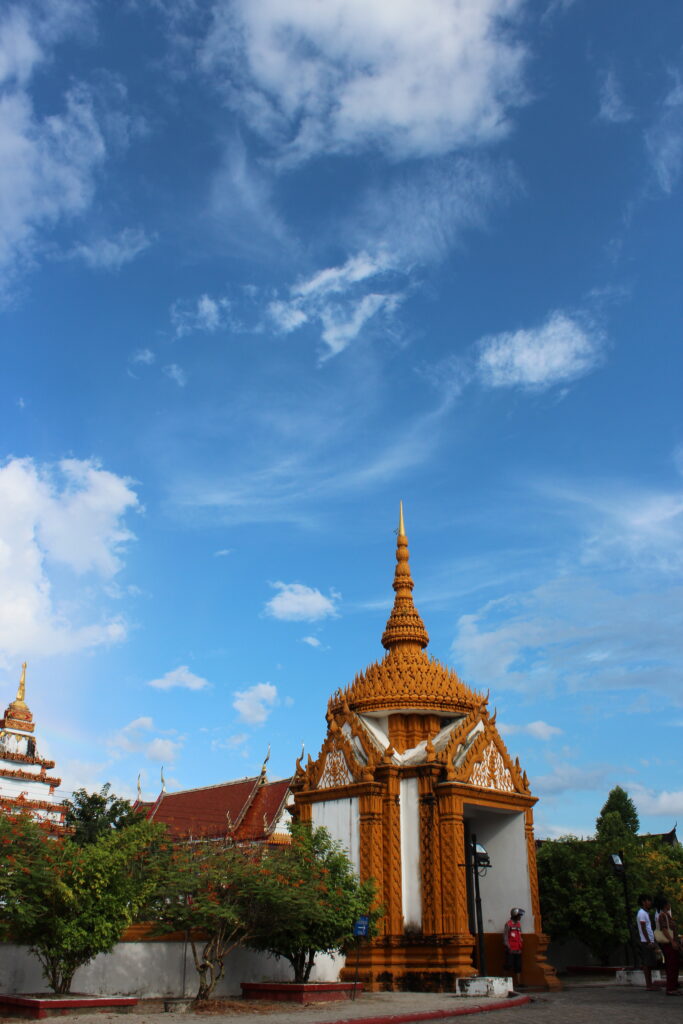
Nakhon Si Thammarat reveals centuries of southern Thai culture through its temples and traditional crafts.
This city in southern Thailand centers on Wat Phra Mahathat Woramahawihan, a temple complex that anchors local religious life and history. The temple’s large chedi and intricate murals tell stories of the region’s Buddhist heritage dating back over a millennium. Beyond the temple, small museums and artisan workshops preserve the city’s role as a cultural hub for southern Thai traditions.
Visiting here requires a modest entrance fee and adherence to a strict dress code, reflecting the site’s religious significance. Most visitors spend two to three hours exploring the temple grounds and nearby cultural sites, making it a manageable half-day stop that fits well into a broader itinerary through Surat Thani province.
What to expect
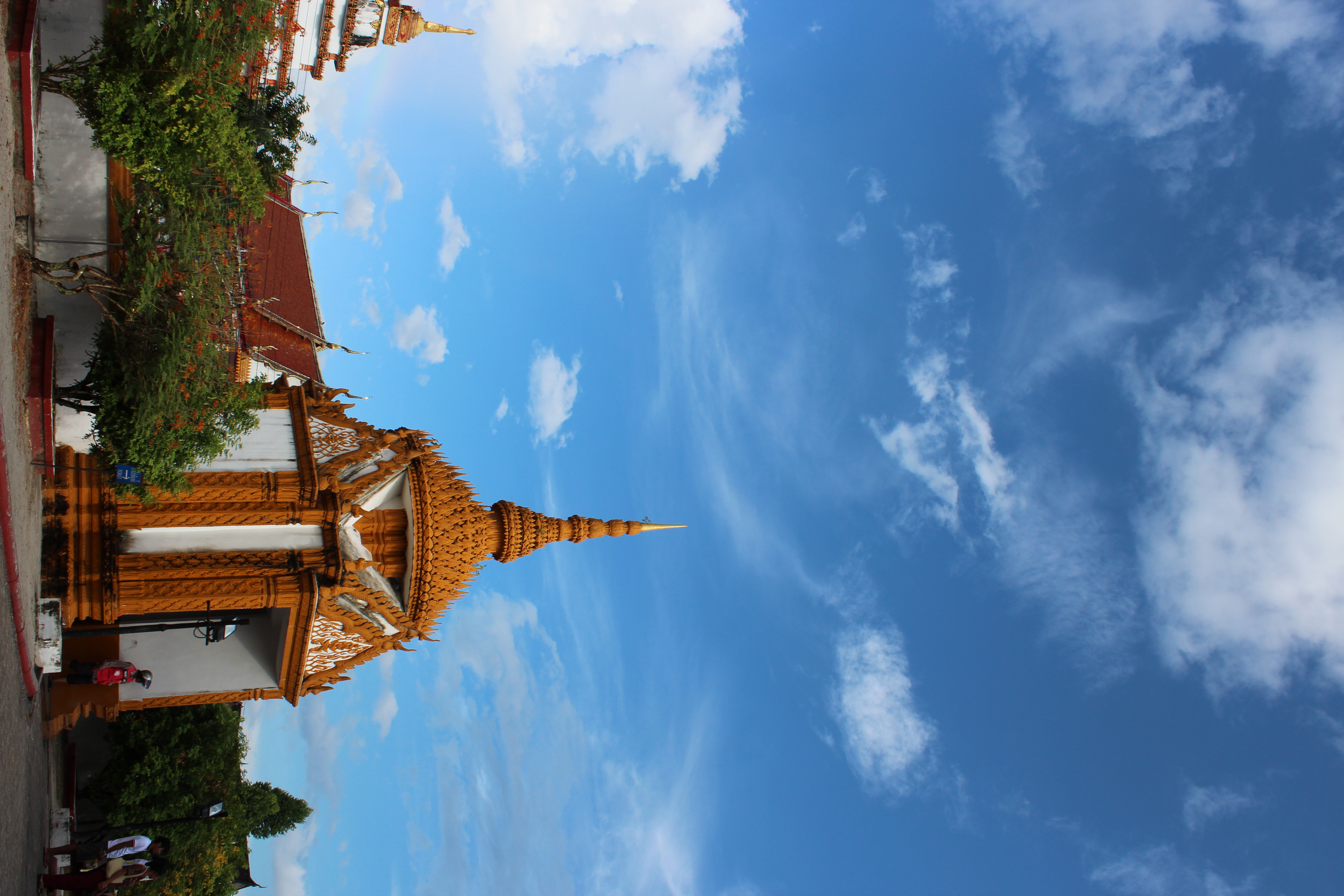
- Step inside Wat Phra Mahathat to see the towering chedi covered in gold leaf and detailed stone carvings.
- Notice the faded but intricate murals depicting Buddhist legends along the temple walls.
- Walk through quiet courtyards where monks chant and locals perform daily rituals.
- Explore small museums nearby that display southern Thai textiles and traditional crafts.
- Sense the contrast between the temple’s calm interior and the lively market streets outside.
Balancing cultural depth with practical access in Nakhon Si Thammarat
Core cultural stopNakhon Si Thammarat offers a focused cultural experience centered on one of southern Thailand’s oldest temples, founded over a thousand years ago. The entrance fee and dress code are straightforward but non-negotiable, so prepare accordingly to avoid delays. The site rarely feels overcrowded, allowing for contemplative visits. This stop suits travelers who prioritize historical context and religious architecture over crowds or nightlife. Skip it if your schedule is tight or if you prefer more dynamic urban experiences, but for cultural insight into southern Thailand’s Buddhist traditions, it delivers clear value.
Nakhon Si Thammarat Visit Essentials
| Entrance Fee | Modest fee required |
| Opening Hours | Morning to late afternoon |
| Typical Visit Duration | 2 to 3 hours |
| Getting There | Located in city center, accessible by local transport |
| Dress Code | Modest clothing covering shoulders and knees required |
| Closing Days | Open daily |
Exploring Nakhon Si Thammarat’s Temple and Market Circuit
Start your visit at Wat Phra Mahathat Woramahawihan, the city’s main temple, which opens early and draws locals for morning prayers. Focus on the large chedi, a 78-meter tall brick stupa, and the intricate Buddha statues surrounding it. Spend about 45 minutes here to avoid the midday crowd and catch the temple grounds in cooler light. From there, walk 10 minutes to the nearby Nakhon Si Thammarat National Museum if you want context on the region’s history, but skip it if pressed for time since the exhibits are basic and take about 30 minutes.
Next, head to the Talat Kao Market, a 15-minute tuk-tuk ride from the temple area. This market operates mainly in the morning and early afternoon, offering southern Thai snacks, fresh produce, and traditional crafts. Allocate 30 to 45 minutes to explore stalls and try local food like Khanom Jeen (fermented rice noodles). Avoid the late afternoon when many vendors pack up and the market thins out. Finish your visit with a walk along the city’s old town streets, where you’ll find Sino-Portuguese architecture and small shrines. This area is best explored on foot in the late afternoon when shops are open but before sunset.
Key Stops in Nakhon Si Thammarat
Wat Phra Mahathat Woramahawihan
This temple is the spiritual heart of Nakhon Si Thammarat, featuring a towering brick chedi that dominates the skyline. The temple complex includes several Buddha statues and a museum with relics, reflecting the city’s role in southern Thai Buddhism.
TipVisit before 9 AM to avoid crowds and see monks in their morning rituals. The temple closes around 5 PM, so plan accordingly to avoid missing the main hall.
Nakhon Si Thammarat National Museum
The museum offers a straightforward overview of the province’s history, including artifacts from the Srivijaya period and traditional southern Thai crafts. It’s a quick stop for context but lacks detailed English signage.
TipFocus on the indigo-dyeing exhibit, which is the most informative section. Skip the rest if you have less than 30 minutes.
Talat Kao Market
This morning market is where locals shop for fresh ingredients and traditional snacks. It’s a good place to sample southern Thai street food and observe daily life outside tourist zones.
TipArrive before noon to catch the full range of vendors. Try the Khanom Jeen with spicy fish curry, a regional specialty rarely found elsewhere.
Old Town Sino-Portuguese Quarter
The old town streets feature colonial-era buildings with faded paint and wooden shutters, reflecting the city’s trading past. Small shrines and street art add layers to the urban fabric.
TipWalk the streets between 3 PM and 5 PM when shops are open but the sun is lower, reducing harsh shadows for photos.
Essential Gear for Nakhon Si Thammarat
- Modest clothing
Nakhon Si Thammarat is home to several temples where visitors must wear clothing that covers shoulders and knees. - Cash in Thai baht
Many local vendors and small shops do not accept credit cards, so having cash on hand is essential for purchases. - Comfortable walking shoes
The city features many historical sites and temples that require walking on uneven surfaces. - Sunglasses
The tropical sun can be intense, especially when exploring outdoor sites like Wat Phra Mahathat. - Reusable water bottle
Staying hydrated is crucial while walking around the city, especially in the warm climate.
Getting to Nakhon Si Thammarat from Surat Thani
Nakhon Si Thammarat is approximately 90 kilometers from Surat Thani, taking about 1.5 to 2 hours by car.
- Bus
Buses leave regularly from Surat Thani’s bus terminal; buy a ticket in advance to secure a seat during peak travel times. - Taxi
Negotiate the fare before starting the trip to avoid surprises at the end. - Private car rental
Renting a car gives you flexibility to explore surrounding areas at your own pace.
Site-Specific Risks in Nakhon Si Thammarat
- Dress code refusal at temples
Always check the dress code before visiting temples and carry a shawl or scarf to cover up if needed. - Limited English signage
Download a translation app or carry a phrasebook to help communicate with locals. - Crowded weekends at popular sites
Visit major attractions early in the morning to avoid large crowds. - Unregulated tour guides
Research and book tours through reputable companies to ensure a safe experience.
Local Insight: Explore Local Markets
Visit the local markets in the evening for a taste of authentic Thai street food and to experience the local culture away from tourist spots.
Frequently Asked Questions about Nakhon Si Thammarat
1What is the best way to explore the cultural sites in Nakhon Si Thammarat?
Hire a local guide to gain deeper insights into the history and significance of each site. A guide can provide context that enhances your experience, especially at places like Wat Phra Mahathat. If you prefer independence, consider exploring on your own, but you may miss out on valuable information.
2Are there any photography restrictions at the temples?
Photography is generally allowed at most temples, but be respectful and avoid using flash in sacred areas. Always check for specific signs indicating restrictions, especially in areas with worshippers. If you’re keen on capturing the essence of the temples, bring a good camera but be mindful of the rules.
3Is there a restroom available at the cultural sites?
Most major temples, including Wat Phra Mahathat, have restroom facilities nearby, but they may not be well-maintained. Plan to use restrooms before visiting smaller sites, as they might lack facilities. Prioritize visiting the larger temples first to ensure access to cleaner restrooms.
4What should I wear when visiting the temples?
Dress modestly with shoulders and knees covered, as this is a requirement for entering temple grounds. Lightweight, breathable clothing is ideal due to the tropical climate. If you forget to dress appropriately, some temples may provide sarongs for rent, but it’s best to come prepared.
5How long should I allocate for visiting the main cultural sites?
Plan for at least half a day to fully appreciate the main sites, including Wat Phra Mahathat and the local museums. Each site can take around 30 to 60 minutes, depending on your interest level. If you’re short on time, prioritize Wat Phra Mahathat, as it is the most significant.
6Are there any unofficial guides I should be cautious of?
Be wary of unofficial guides who may offer services at lower prices but lack proper knowledge and credentials. Stick to licensed guides recommended by reputable sources or local tourism offices. This ensures a more informative and safe experience during your visit.
Explore Local Cuisine
After visiting the cultural sites, head to a nearby local restaurant to try traditional dishes like Khao Yum or Khanom Jeen. This will give you a taste of the region’s flavors and a chance to relax after your explorations.
Hero image: Seksan Phonsuwan (CC BY 3.0), via Wikimedia Commons. Other photos via Unsplash and Wikimedia Commons.
Some links on this page are affiliate links. We may earn a small commission at no extra cost to you when you book through them.