


The most reliable place on earth to see wild lions is the Mara-Serengeti ecosystem of Kenya and Tanzania, where a sighting on any morning game drive in the dry season is close to guaranteed.
Lions are not hard to find if you go to the right place in the right month. They are extinct across most of the range they held a century ago, which is exactly why a handful of parks now carry almost the entire show. Pick one of those parks in the dry season and you will not just see a lion, you will watch a pride. Pick the wrong place or the wrong month and you can spend a week looking at grass.
Best places to see lions in the wild
Wild lions survive in good numbers in a short list of southern and eastern African parks, plus one outlier in India. These are the places where the encounter is dependable, the access is straightforward, and the prides are large enough that a sighting in the dry season is the rule, not the exception. They are ranked here by how sure the encounter is, not by fame.
Kenya Masai Mara National Reserve
The Masai Mara holds one of the highest lion densities in Africa, and its prides are completely habituated to vehicles. A pride sighting is close to a guarantee on any morning drive, often on or beside the previous night’s kill in the open grassland. From July to October the wildebeest migration crosses up from the Serengeti and the lions follow the herds to the Mara River. Best from July to October.
Tanzania Serengeti and Ngorongoro Crater
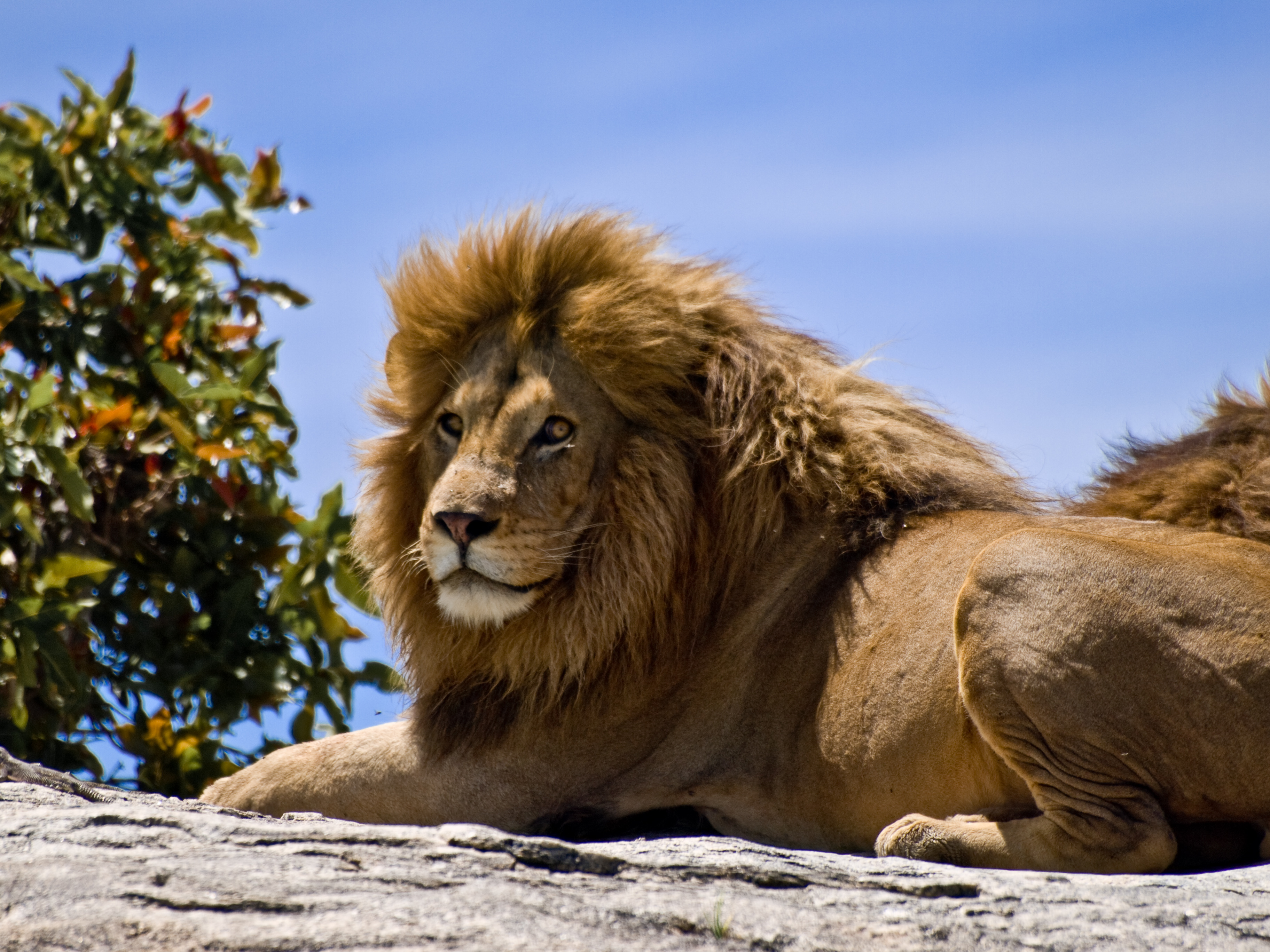
Tanzania has the largest lion population in Africa. The Serengeti Seronera Valley is the most consistent spot year round for kills and cubs, while the Ngorongoro Crater holds resident prides on its floor that are viewed from a few metres away. The crater is the closest thing to a guaranteed lion in Africa. Best from June to October.

South Africa Kruger and Sabi Sand
The Kruger National Park is the easiest big-cat destination to reach independently, with good tar roads and self-drive access. For the most reliable sightings, the private Sabi Sand reserves on Kruger’s western edge run off-road tracking with expert guides and habituated prides, which is why they produce the best close-range lion encounters in the country. Dry winter months concentrate game at the waterholes. Best from May to September.

Botswana Okavango Delta and Chobe
The Okavango Delta and Moremi Game Reserve hold the highest density of large predators in Africa, including prides that have learned to hunt in shallow floodwater. Mokoro and motorboat trips reach lions at the waterfronts, and vehicle drives find them resting in shaded woodland. Chobe to the north pairs lions with the continent’s biggest elephant herds. Best from April to October.

Zambia South Luangwa National Park
South Luangwa runs the best walking safaris in Africa for big cats. Armed professional guides track prides on foot through the ebony groves, and evening vehicle drives turn up regular kills in the open floodplain woodland. This is the place to see lions without a windscreen between you and them. Best from April to October, with September the peak of the dry season.
Zimbabwe Hwange National Park
Hwange is Zimbabwe’s largest park and holds strong lion numbers around its pumped waterholes, which draw game through the long dry months. It sits an easy drive from Victoria Falls, so it pairs naturally with the waterfall on a single trip. Best from June to October.
Namibia Etosha National Park
The floodlit waterholes at Etosha are among the best places on earth to watch lions hunt after dark. The camps at Okaukuejo and Halali keep their waterholes lit until midnight, where resident prides ambush zebra and wildebeest in the dry season. Best from May to October.

See every country where lions live, with the odds month by month
The Animals Around the World map shows all 13 countries with wild lions, the exact parks and reserves, and how good your chances are in each month of the year. Lions are one of more than 1,900 animals mapped in it.
The Mara-Serengeti: the surest bet on earth
If you only get one safari and you want lions above all else, go to the Mara-Serengeti ecosystem. The same vast plain straddles the Kenya-Tanzania border, the Masai Mara on the Kenyan side and the Serengeti on the Tanzanian side, and between them they hold one of the densest lion populations anywhere. The prides here have been watched and filmed for decades, so they ignore vehicles entirely, which means you watch natural behaviour at close range rather than a tail disappearing into the bush.
The migration is the reason the odds are so high. From roughly July to October close to two million wildebeest and zebra move through the system, and the resident lion prides have built their territories around the herds and the river crossings. More prey held in one place means more lions, more visibly, more of the time. This is the rare wildlife trip where the headline animal is almost a formality.
Verdict: book the Mara or the Serengeti for the dry season
Across thirteen countries the data points one way. For a first lion safari, the Masai Mara from July to October or the Serengeti and Ngorongoro Crater from June to October give the highest sighting odds with the easiest access. Botswana and South Africa are excellent runners-up. Everything else on this page is for a second or third trip, or for a specific lion you cannot see anywhere else.
The catch is honesty about reliability. No wild animal is a vending machine, and even in the Mara a single morning can come up empty. The fix is time. Give a lion-focused trip at least three full days of drives in one of the top parks and the probability of a good sighting climbs from likely to near certain. One afternoon on a layover is a gamble.
The Mara is also where a booked drive earns its keep. A guided Masai Mara safari game drive puts you with a driver who knows where the resident prides denned last night, which is worth more than any amount of luck.
Best time to see lions by country
The pattern is the same across Africa: the dry season concentrates game at shrinking water, the grass is short, and lions are easiest to find. The exact months shift with the rains, which fall at different times north and south of the equator. India runs on a different calendar again. This table is the quick reference for matching a trip to a park.
| Country | Top park | Best months | What makes it strong |
|---|---|---|---|
| Kenya | Masai Mara | July to October | Highest density plus the migration river crossings |
| Tanzania | Serengeti, Ngorongoro Crater | June to October | Africa’s largest lion population, crater prides at close range |
| South Africa | Kruger, Sabi Sand | May to September | Easy access plus expert off-road tracking in private reserves |
| Botswana | Okavango Delta, Chobe | April to October | Highest predator density in Africa, water-hunting prides |
| Zambia | South Luangwa | April to October | Best walking safaris for big cats on foot |
| Zimbabwe | Hwange | June to October | Strong numbers at waterholes, easy from Victoria Falls |
| Namibia | Etosha | May to October | Floodlit waterholes for lions hunting after dark |
| Uganda | Ishasha, Queen Elizabeth | June to October | Tree-climbing lions, seen aloft almost daily in season |
| Rwanda | Akagera | June to September | Reintroduced prides in Rwanda’s only Big Five park |
| India | Gir National Park | October to May | The only wild Asiatic lions left on earth |
The unusual lions: tree-climbers, desert prides and Asia
Beyond the classic savannah pride, a few lions break the rules and are worth a detour for travellers who have already seen the standard version.

- Tree-climbing lions Ishasha, Uganda
The Ishasha sector of Queen Elizabeth National Park has prides that lounge in the branches of large fig trees to escape the heat and insects. Game drives find lions aloft almost daily from June to October. - Reintroduced lions Akagera, Rwanda
Lions were brought back to Akagera in 2015 after decades of local extinction, with rhinos following in 2017. It is now Rwanda’s only Big Five park and pairs naturally with the gorilla trekking at Volcanoes National Park. - The last Asiatic lions Gir, India
Gir National Park in Gujarat is the only place on earth with wild Asiatic lions, a separate subspecies down to a few hundred animals. Jeep safaris run from October to mid-June, with the cool dry winter months and early morning slots giving the highest sighting rates. - West African lions Niokolo-Koba, Senegal
The most threatened lions of all. Niokolo-Koba holds Senegal’s only confirmed population, and even there sightings are occasional. This is for completists, not a first safari.

One thing the African lion is not: the mountain lion of the Americas. That animal, also called the cougar or puma, is a different cat entirely. It is widespread across the western United States but almost never seen, since it is solitary, shy and largely nocturnal. If lions are your goal, look to Africa or India, not a North American national park.
How to watch lions on safari
Lions sleep up to twenty hours a day, so timing matters more than luck. They are most active in the cool of early morning and late afternoon, when they hunt, move and feed. The midday drive that fills package tours usually finds a flat, dozing pride and little else. Book the dawn drive instead.
Go at first light, stay for the dry season
The two levers that decide a lion trip are time of day and time of year. A drive that leaves at dawn at the peak of the dry season beats a late-morning drive in the shoulder months every time. Combine both: pick a peak dry-season month from the table above, and be in the vehicle as the gate opens.
Lions are wild predators, not a photo backdrop
Every population on this list is classed as Vulnerable on the IUCN Red List, and lions are dangerous to people on foot. Stay inside the vehicle unless a licensed armed guide says otherwise, never get between a lion and its kill or cubs, and keep noise down. Choose operators that do not bait, crowd or chase the animals for a closer shot.
Done right, a lion sighting is the easy part of an African safari, not the hard one. Choose one of the top parks, go in the dry season, take the dawn drive, and the grass that looked empty on day one turns out to have a pride in it after all.
Common questions
01Where is the best place to see lions in the wild?
The Mara-Serengeti ecosystem of Kenya and Tanzania is the most reliable place on earth to see wild lions. The Masai Mara from July to October and the Serengeti and Ngorongoro Crater from June to October hold one of the densest lion populations anywhere, with sightings close to guaranteed on a morning drive.
02What is the best time of year to see lions on safari?
The dry season, which concentrates game at shrinking waterholes and keeps the grass short. In East Africa that means roughly July to October, and in southern Africa May to October. India’s Gir runs the opposite way, with the cool dry months from October to May being best.
03Can you see lions outside Africa?
Yes, but only in one place. Gir National Park in Gujarat, India, holds the last wild Asiatic lions, a separate subspecies of a few hundred animals. Jeep safaris run from October to mid-June. Nowhere else on earth has wild lions outside Africa.
04Where can you see tree-climbing lions?
The Ishasha sector of Queen Elizabeth National Park in Uganda is the most famous spot, where prides regularly lounge in the branches of large fig trees. Game drives find lions in the trees almost daily from June to October. Lake Manyara in Tanzania has the same behaviour less reliably.
05How likely are you to see a lion on safari?
Very likely in the top parks during the dry season, but not certain on a single drive. Give a lion-focused trip at least three full days of drives in a high-density park like the Masai Mara, Serengeti or Kruger and a good sighting becomes near certain. One short drive is a gamble.
06Are lions endangered?
Lions are listed as Vulnerable on the IUCN Red List, with the West African and Asiatic populations in the most trouble. They have vanished from most of their historic range, which is why a small number of well-run parks now hold the bulk of the wild population. Responsible viewing matters.
Image credits, all via Wikimedia Commons under Creative Commons licences: male lion in the Serengeti Giles Laurent (CC BY-SA 4.0); male Masai lion on rock wwarby (CC BY 2.0); lioness in the Serengeti Ghost1590 (CC BY-SA 4.0); lioness in Kruger freestock.ca (CC BY-SA 3.0); lions in the Okavango Delta Hp.Baumeler (CC BY-SA 4.0); male lion and cub in Etosha Charles J. Sharp (CC BY-SA 4.0); tree-climbing lions in Ishasha Charles J. Sharp (CC BY-SA 4.0); Asiatic lions in Gir 0720reemagupta (CC BY-SA 4.0).


