


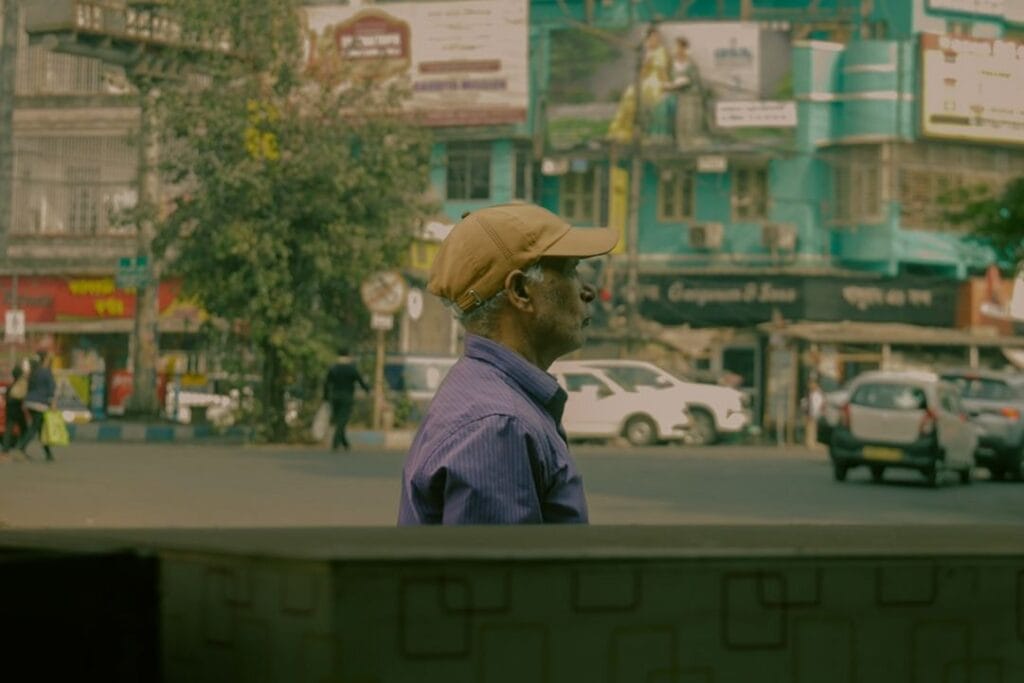
The salty breeze mixes with sizzling spices at the Palolem Beach shacks as waves lap the shore under a warm afternoon sun.
Goa is a coastal state on India’s Arabian Sea shore, known for its laid-back beach culture and Portuguese-era architecture. Travelers come for the swimmable bays and fresh seafood, splitting time between northern beach hubs like Calangute and quieter southern stretches such as Palolem. Panaji, the capital, offers colonial charm but lacks the beach vibe that draws most visitors. The population hovers around 1.5 million, with tourism shaping much of the economy. Goa’s appeal lies in slow beach days and sunset bars, not in bustling nightlife or luxury resorts. Expect a relaxed pace with occasional crowds in peak season. Plan to stay near Palolem or Agonda for calm waters and easy hammock afternoons.
Goa offers beach days at Palolem and Agonda, sunset drinks at Vagator’s cliff bars, seafood lunches at fishing villages, shopping at Anjuna Flea Market, and quiet swims at Butterfly Beach. Each spot delivers a distinct coastal vibe worth prioritizing.
Key takeaways
- Book accommodations near Palolem Beach for calm water and hammock-friendly afternoons.
- Visit Anjuna Flea Market on Wednesdays to avoid weekend crowds and find local crafts.
- Plan sunset drinks at Vagator’s cliff bars between 5:30 PM and 7:30 PM for best light.
- Rent snorkeling gear at Agonda Beach to explore reefs just offshore.
- Avoid Calangute in peak season (December – February) due to heavy tourist traffic.
- Arrange airport transfers ahead; taxi rides from Dabolim Airport cost around $15-$25, 2026.
- Carry cash for beach shacks; many do not accept cards outside main towns.
- Expect daily mid-range budgets around $60-$120, 2026, including meals and rentals.
Map of Goa
131 handpicked places. Filter by category or traveller type, tap a pin or a list item for the full write-up, and save the map to your phone.
All 131 places
- TransportGoa’s newer North Goa airport near the Maharashtra border, about 35km from Panaji and handy for Arambol, Mandrem and the northern beaches. Good for: Backpackers, Couples, Families, Older travelers, Digital nomads
- TransportGoa’s original airport near Vasco in the centre-south, closest to the southern beaches (Palolem, Agonda, Colva) and Panaji. Good for: Backpackers, Couples, Families, Older travelers, Digital nomads
- TransportGoa’s main railway hub in Margao, the arrival point for the Konkan Railway from Mumbai and the gateway to the southern beaches. Good for: Backpackers, Couples, Families, Older travelers
- PracticalA large multi-specialty private hospital at Dona Paula near Panaji with 24/7 emergency care and English-speaking staff, the practical choice for travellers if something goes wrong. Good for: Backpackers, Couples, Families, Older travelers, Digital nomads
- ShoppingA large, well-stocked supermarket on the Candolim strip, the practical stop for water, snacks, sunscreen, booze and imported basics for a self-catering north stay. Good for: Backpackers, Couples, Families, Older travelers, Digital nomads
- NatureIndia’s tallest tier of waterfalls, a 310-metre four-stage cascade on the Karnataka border in the Bhagwan Mahaveer sanctuary. Good for: Backpackers, Couples, Families
- NatureThe south’s most beautiful bay: a palm-fringed crescent of calm water, ideal for kayaking, dolphin boats and swimming. Good for: Backpackers, Couples, Families, Older travelers
- AreasThe southernmost taluka and the gateway to Palolem, Agonda, Patnem and Cola beaches. Chaudi is the small service town with the train station and buses. Good for: Backpackers, Couples, Families, Older travelers, Digital nomads
- SightsThe blinding-white church on its zigzag staircase above Panaji is the city’s landmark, founded 1541 and rebuilt 1619. Good for: Backpackers, Couples, Families, Older travelers
- SightsA small, well-curated museum inside the Convent of Santa Monica in Old Goa, showing Indo-Portuguese religious silver, ivory and woodwork. Good for: Couples, Families, Older travelers
- NatureTwo dramatic red-cliff coves below Chapora Fort, split into Big and Little Vagator. Good for: Backpackers, Couples, Families, Older travelers
- NatureAn estuarine mangrove sanctuary on Chorao Island in the Mandovi, named for India’s great ornithologist. Reached by a short ferry from Ribandar, explored by canoe or boardwalk at low tide. Good for: Couples, Families, Older travelers
- NatureA hidden double-cove south of Agonda with an emerald freshwater lagoon backing the sand, reached down a steep rough track. Good for: Backpackers, Couples, Families, Older travelers
- SightsA contemporary-arts centre in a restored Altinho mansion above Panaji, with rotating exhibitions, a courtyard cafe and talks. Good for: Couples, Families, Older travelers
- NatureA 200-square-kilometre Western Ghats forest reserve in Goa’s northeast, rich in birds, butterflies and the odd big cat. Good for: Couples, Families, Older travelers
- NatureGoa’s northernmost beach, a long empty stretch of sand backed by casuarina trees where the Tiracol river meets the sea. Good for: Backpackers, Couples, Families, Older travelers
- NaturePalolem’s quieter sister, a 10-minute walk south over the headland. Mellow beach huts, yoga and a long-stay crowd, with calmer crowds than Palolem. Good for: Backpackers, Couples, Families, Older travelers
- SightsPanaji’s main museum, covering Goan history, archaeology, Christian and Hindu art and a quirky antique-furniture gallery. Good for: Couples, Families, Older travelers
- SightsA 1661 Franciscan church beside the Archaeological Museum in Old Goa, with intricately carved and gilded woodwork and old frescoes inside. Good for: Backpackers, Couples, Families, Older travelers
- SightsThe most famous church in Goa and a UNESCO World Heritage Site in Old Goa, holding the relics of St Francis Xavier in a silver casket. Good for: Backpackers, Couples, Families, Older travelers
- AreasSouth Goa’s commercial capital and rail gateway (Madgaon station). Good for: Backpackers, Couples, Families, Older travelers, Digital nomads
- AreasGoa’s small Portuguese-flavoured capital on the Mandovi estuary. Base here for the Fontainhas Latin Quarter, river-cruise jetties and a more grown-up, non-beach side of the state. Good for: Backpackers, Couples, Families, Older travelers, Digital nomads
- AreasPanaji’s old Latin Quarter: a warren of ochre, blue and green Portuguese townhouses, tiled chapels and azulejo street signs. The most photogenic walk in Goa and best done early morning before the heat. Good for: Backpackers, Couples, Families, Older travelers, Digital nomads
- AreasThe former colonial capital, now a UNESCO ensemble of vast 16th and 17th century churches set in lawns 10km east of Panaji. Good for: Backpackers, Couples, Families, Older travelers, Digital nomads
- AreasThe original hippie-trail village, now a mix of cliff bars, the Wednesday flea market and the trance scene that put Goa on the map. Good for: Backpackers, Couples, Families, Older travelers, Digital nomads
- AreasThe leafy inland village behind Anjuna that became Goa’s design-and-dining heartland. Villa stays, concept stores and the restaurants travellers actually plan around (Gunpowder, Vinayak nearby). Good for: Backpackers, Couples, Families, Older travelers, Digital nomads
- AreasThe bohemian far north: drum circles at sunset, a freshwater lake behind the beach, yoga, live music and long-stay budget crowd. Good for: Backpackers, Couples, Families, Older travelers, Digital nomads
- AreasNorth Goa’s working market town, not a beach base but the hub you pass through. Good for: Backpackers, Couples, Families, Older travelers, Digital nomads
- AreasThe south’s signature crescent bay: palm-backed, calm-water, beach-hut village in Canacona. Busier than it once was but still the most picture-book base in South Goa. Good for: Backpackers, Couples, Families, Older travelers, Digital nomads
- AreasPalolem’s quieter neighbour: a long golden strip with turtle-nesting protection, low-key beach huts and almost no nightlife. Good for: Backpackers, Couples, Families, Older travelers, Digital nomads
- SightsOne of Asia’s largest churches, built for the Portuguese over 80 years and finished in 1652. The Golden Bell is among the best-toned in the world. Good for: Backpackers, Couples, Families, Older travelers
- SightsThe lone 46-metre laterite bell tower is all that survives of a vast 1602 Augustinian church, now an evocative ruin on Holy Hill above Old Goa. Good for: Backpackers, Couples, Families, Older travelers
- SightsOne of Goa’s grandest Hindu temples, in Kavalem near Ponda, with a distinctive lamp tower and pyramidal dome that blend Hindu and colonial forms. Good for: Backpackers, Couples, Families, Older travelers
- SightsGoa’s most visited Hindu temple, in Mardol near Ponda, dedicated to a form of Shiva and famous for its white seven-storey lamp tower. Good for: Backpackers, Couples, Families, Older travelers
- SightsThe best-preserved Portuguese fort in Goa, a 1612 bastion above Sinquerim with a four-storey lighthouse and Arabian Sea views. Free to the upper fort, small fee for the lighthouse. Good for: Backpackers, Couples, Families, Older travelers
- SightsThe ruined red-laterite hilltop fort above the Chapora river, famous to a generation as the Dil Chahta Hai film spot. Good for: Backpackers, Couples, Families, Older travelers
- SightsA restored 1551 riverside fort across the Mandovi from Panaji, now a cultural centre with galleries and Mario Miranda cartoons rather than empty ramparts. Good for: Backpackers, Couples, Families, Older travelers
- SightsA remote, rugged clifftop fort in the deep south with dramatic Arabian Sea drops and almost no crowds. Pre-Portuguese in origin, named for the legend that Rama stayed here. Good for: Backpackers, Couples, Families, Older travelers
- NatureThe busiest, most developed beach in Goa: water sports, shacks, vendors and crowds. Good for: Backpackers, Couples, Families, Older travelers
- NatureRocky, cliff-backed and bohemian, Anjuna trades soft sand for character: cliff bars, the Wednesday flea market and sunset DJ sets. Good for: Backpackers, Couples, Families, Older travelers
- NatureA long, quieter beach north of the Chapora river known as a turtle-nesting site and for its Russian-leaning crowd and kitesurfing in season. Good for: Backpackers, Couples, Families, Older travelers
- NatureA wide, clean, low-density beach with a string of stylish beach clubs and boutique huts. Good for: Backpackers, Couples, Families, Older travelers
- NatureThe far-north bohemian beach: drum circles at sunset, a sweet-water lake tucked behind the cliffs, paragliding and a long-stay backpacker scene. Good for: Backpackers, Couples, Families, Older travelers
- NatureThe calmer southern extension of the Calangute strip, backed by mid-range resorts and a more relaxed shack scene. Good for: Backpackers, Couples, Families, Older travelers
- NatureA two-kilometre golden strip and protected Olive Ridley turtle-nesting site, with low-rise huts and almost no nightlife. The South Goa choice for genuine calm. Good for: Backpackers, Couples, Families, Older travelers
- NatureA tiny, near-inaccessible cove between Palolem and Agonda, reached by boat from Palolem or a rough jungle trail. Good for: Backpackers, Couples, Families, Older travelers
- NatureThe largest and oldest resort beach in the south, a wide white strip popular with Indian holidaymakers and families. Good for: Backpackers, Couples, Families, Older travelers
- NatureA long, calm fishing-village beach just south of Colva, with wooden outriggers on the sand and a slow, local feel. Good for: Backpackers, Couples, Families, Older travelers
- SightsThe most visited spice plantation in Goa, a 113-acre organic farm near Ponda where guided tours walk you through pepper, vanilla, cardamom and areca, ending in a Goan thali. Good for: Backpackers, Couples, Families, Older travelers
- Hidden gemsA 200-year-old family-run plantation in remote Savoi village, the quieter and more authentic alternative to the tour-bus farms. Good for: Backpackers, Couples
- ShoppingThe original Goa hippie market, every Wednesday from morning until early evening near Anjuna beach. Bohemian fashion, jewellery, Kashmiri and Tibetan stalls and street food. Good for: Backpackers, Couples, Families
- ShoppingAlso called Ingo’s Night Market, a sprawling Saturday-evening market at Arpora running roughly November to March. Good for: Backpackers, Couples, Families
- ShoppingThe Mapusa Municipal Market, busiest on Fridays, where village vendors sell spices, Goan sausage, pickles, pottery and produce. Good for: Backpackers, Couples, Families
- SightsThe most photogenic lane in Fontainhas, lined with ochre, indigo and lime Portuguese houses, tiled name-plaques and overhanging balconies. Good for: Backpackers, Couples
- Hidden gemsA sleepy river island reached by a free car ferry from Old Goa, with empty lanes, old Portuguese mansions and the hilltop Our Lady of Compassion church for wide Mandovi views. Good for: Backpackers, Couples
- Hidden gemsThe largest island in the Mandovi, home to the Salim Ali bird sanctuary, old chapels and a slow village pace. Good for: Backpackers, Couples
- Food & drinkThe Assagao institution locals send you to for honest Goan home cooking: fish curry rice, butter-garlic prawns, stuffed crab and squid at wallet-friendly prices. Good for: Backpackers, Couples, Families, Older travelers
- Food & drinkA Panaji restaurant built on researched, regional Goan recipes collected from home cooks: try sorpotel, xacuti, prawn curry and bebinca. Good for: Backpackers, Couples, Families, Older travelers
- Food & drinkA South Goa legend in Betalbatim, famous for seafood, live music and a Bollywood guest list over decades. Big menu, reliable crab, prawns and Goan classics, lively rather than intimate. Good for: Backpackers, Couples, Families, Older travelers
- Food & drinkA riverside seafood institution at Cavelossim in the south (with a Panaji branch too), running over 20 years on prawn curry, fish thali and crab with live music. Good for: Backpackers, Couples, Families, Older travelers
- Food & drinkA Calangute beachfront institution since 1932, famous for tiger prawns, stuffed crab and Goan sausage right on the sand. Good for: Backpackers, Couples, Families, Older travelers
- Food & drinkA south-Indian-meets-Goan restaurant in a leafy Assagao garden, beloved for appams, Malabar curries, pork and tapioca. Good for: Backpackers, Couples, Families, Older travelers
- Food & drinkA no-nonsense Panaji favourite for a proper Goan fish thali at a fair price: rice, curry, fried fish, sol kadhi and sides. Good for: Backpackers, Couples, Families, Older travelers
- Food & drinkA small Anjuna-Vagator joint that quietly makes some of the best burgers in North Goa, with a bigger outlet at Morjim. Good for: Backpackers, Couples, Families, Older travelers
- Food & drinkA Mediterranean restaurant and bar near the Vagator helipad, good for mezze, wood-fired plates and a long evening with sea breeze. Good for: Backpackers, Couples, Families, Older travelers
- ActivitiesThe Greek clifftop institution above Vagator: white-and-blue terraces, sunset over the sea, Mediterranean food and evening shows. Good for: Backpackers, Couples
- ActivitiesAn upscale beach club on Little Vagator headland from a celebrity-chef pedigree, with daybeds, sea views and a dinner-into-DJ flow. Good for: Backpackers, Couples
- ActivitiesThe flagship Baga nightclub on Tito’s Lane, right on the sand, packed and commercial with Bollywood and EDM. Good for: Backpackers, Couples
- ActivitiesThe legendary Anjuna cliff shack that turns into a late party with trance and a bohemian crowd. Daytime it is a relaxed beachside hangout; after dark it is one of the north’s enduring party names. Good for: Backpackers, Couples
- Food & drinkThe Anjuna original (now also in Panaji): a Mediterranean-Middle Eastern garden cafe with strong coffee, all-day breakfast, a lifestyle shop and reliable wifi. Good for: Backpackers, Couples, Digital nomads
- Food & drinkA long-running vegetarian and vegan garden cafe in Vagator, plus a small guesthouse, popular with the yoga-and-long-stay crowd. Good for: Backpackers, Couples, Digital nomads
- Food & drinkA charming courtyard cafe inside the Sunaparanta arts centre in Altinho, Panaji: cakes, waffles, salads and coffee in a heritage-cottage setting. Good for: Backpackers, Couples, Digital nomads
- Food & drinkA farm-to-table bistro and wine bar in Panaji, more dinner-date than coffee-stop, with inventive plates and a strong cocktail and wine list. Good for: Backpackers, Couples, Digital nomads
- Food & drinkA tiny, beloved heritage bar in Fontainhas where locals and travellers spill onto the lane over feni cocktails and cold beer. Good for: Backpackers, Couples
- Food & drinkThe Baga nightlife strip itself, a short lane packed with bars and clubs (Tito’s, Mambo, Cape Town) that defines mainstream Goa partying. Good for: Backpackers, Couples
- Food & drinkA historic Vagator open-air venue that helped birth the Goa trance scene and still hosts big psytrance nights and seasonal parties. Good for: Backpackers, Couples
- SleepThe grande-dame five-star built into the ramparts of Fort Aguada above Sinquerim, with sea-view rooms, pools and a spa across 73 acres. Good for: Couples, Families, Older travelers
- SleepA design-forward upper-tier resort on Vagator with a clifftop pool, sea views and a party-leaning vibe to match the area. Good for: Couples, Families, Older travelers
- SleepA reliable mid-to-upper city hotel near Miramar, the pick when you want Panaji’s culture and river over a beach base. Good for: Couples, Families, Older travelers
- SleepAn eco-conscious cottage retreat tucked in the trees between Palolem and Patnem, with rustic huts, a yoga shala and a long-standing reputation. Good for: Couples, Families, Older travelers
- SleepA heritage guesthouse in a restored Portuguese townhouse in or near Fontainhas, the mid-range way to actually sleep inside the Latin Quarter. Good for: Couples, Families, Older travelers
- SleepOne of India’s largest hostels, a Portuguese-themed villa complex in Anjuna with dorms, private rooms, a pool and constant social energy. Good for: Backpackers
- SleepA lively, budget-friendly hostel minutes from Palolem beach, popular with solo travellers and friend groups for its social vibe and themed decor. Good for: Backpackers
- SightsThe oldest temple in Goa, a 12th-13th century black-basalt Shiva temple in Kadamba style, hidden in the Western Ghats forest near Mollem. Good for: Backpackers, Couples, Families, Older travelers
- NatureA 50-metre fall near Sanquelim, best in and just after the monsoon, with the ancient rock-cut Arvalem caves a short walk away. Good for: Backpackers, Couples, Families
- Hidden gemsA near-empty, casuarina-backed beach in the deep south and a protected Olive Ridley turtle-nesting site, sometimes called Turtle Beach. Good for: Backpackers, Couples
- Hidden gemsRock-cut caves near Sanquelim, locally tied to the Pandavas, dating to roughly the 6th century with a Shiva linga inside. Good for: Backpackers, Couples
- Hidden gemsA grand, half-crumbling 17th-century Portuguese mansion in sleepy Chandor, still lived in by descendants who show you the ballroom, the chandeliers and the family chapel. Good for: Backpackers, Couples
- ActivitiesA long-running surf school on Morjim beach offering lessons and board rental on Goa’s gentle beach breaks. Best waves October to November, smaller and beginner-friendly December to March. Good for: Backpackers, Couples
- ActivitiesA palm-grove yoga retreat centre on Mandrem beach with drop-in classes, teacher trainings and a wellness program. One of the established names in Goa’s yoga north. Good for: Couples, Digital nomads, Older travelers
- ActivitiesAn award-winning Ayurvedic and wellness spa inside the Park Hyatt at Arossim in the south, open to non-residents by appointment. Good for: Couples, Older travelers
- NatureThe open rampart of Chapora Fort gives the best free panorama in North Goa: Vagator’s red cliffs, the river mouth and the Arabian Sea. Good for: Backpackers, Couples
- SightsPanaji’s city beach where the Mandovi meets the sea, with a sunset promenade looking across to the Reis Magos fort and Aguada headland. Good for: Backpackers, Couples
- NatureA hilltop church on Divar Island reached by the free ferry, with wide views over the Mandovi backwaters and Old Goa across the water. Good for: Backpackers, Couples
- NatureA small curving bay near the airport and Vasco, handy for a first or last beach day without driving far. Good for: Backpackers, Couples, Families, Older travelers
- NatureA long, palm-backed central-south beach famous as the place where Goa’s bakers learned their craft, now a calm resort stretch. Good for: Backpackers, Couples, Families, Older travelers
- NatureA clean, white-sand south beach with black-lava outcrops, backed by upscale resorts between the sea and the Sal river. Good for: Backpackers, Couples, Families, Older travelers
- NatureThe sandy spit at the very tip of the Cavelossim peninsula where the Sal river meets the sea, one of the cleanest and calmest beaches in the south. Good for: Backpackers, Couples, Families, Older travelers
- Hidden gemsA wild, near-empty beach south of Palolem backed by a river and casuarina trees, with a couple of basic shacks and nothing else. Good for: Backpackers, Couples
- Food & drinkA modern-European fine-dining room on the Calangute-Baga road, with an imaginative menu touched by Asian and south-Indian flavours. Good for: Backpackers, Couples, Families, Older travelers
- Food & drinkAn inventive Indian-meets-European restaurant on quiet Morjim beach, long regarded as one of Goa’s most creative kitchens, strong on steaks and starters. Good for: Backpackers, Couples, Families, Older travelers
- Food & drinkA small Candolim restaurant widely rated as the best Burmese and Southeast Asian food in Goa, near the Taj Holiday Village. Good for: Backpackers, Couples, Families, Older travelers
- Food & drinkA long-running Anjuna garden cafe, one of the first risers in the morning, popular for breakfasts, bakes, juices and a mellow shaded vibe. Good for: Backpackers, Couples, Digital nomads
- ActivitiesA stylish beach club and resort on Morjim sand with daybeds, pool, sunset sessions and a calmer, design-led crowd than the Baga clubs. Good for: Backpackers, Couples
- Hidden gemsAn open-air heritage village in Loutolim recreating rural Goan life of a century ago, plus the giant Sant Mirabai sculpture and a spice garden. Good for: Backpackers, Couples
- SightsA cluster of brightly painted heritage facades and street art in the Sao Tome quarter of Panaji, a quieter photogenic pocket next to Fontainhas. Good for: Backpackers, Couples
- SightsA small, intact 18th-century Portuguese fort on the river island of Corjuem near Aldona, reached by a short ferry or bridge. Good for: Backpackers, Couples, Families, Older travelers
- SightsA revered Hindu temple in Mardol near Ponda, dedicated to Mahalsa, with an ornate brass-and-wood interior and a tall lamp tower. Good for: Backpackers, Couples, Families, Older travelers
- SightsA scenic plantation at Keri near Ponda with guided spice walks, an elephant-free focus on flora, a buffet Goan lunch and a feni-tasting. Good for: Backpackers, Couples, Families, Older travelers
- SightsThe tidal creek and arched footbridge between Fontainhas and Sao Tome, framed by coloured houses and a small heritage chapel. Good for: Backpackers, Couples
- NatureThe smaller, rockier southern cove of Vagator, reached by a short scramble down from the cliff, with the famous half-buried Shiva carving on the rocks. Good for: Backpackers, Couples, Families, Older travelers
- SleepA heritage boutique hotel inside a restored 19th-century mansion in Fontainhas, the atmospheric mid-to-upper way to sleep in the Latin Quarter. Good for: Couples, Families, Older travelers
- Food & drinkA heritage Margao tea-room and restaurant running since 1950, beloved for prawn patties, beef croquettes, cutlet pao and old-school Goan-Portuguese snacks. Good for: Backpackers, Couples, Digital nomads
- ShoppingThe second of North Goa’s big Saturday-night markets, on the Baga river, smaller and more food-and-music focused than Arpora’s. Good for: Backpackers, Couples, Families
- SightsA neo-Gothic white church standing alone in the Saligao paddy fields, floodlit and almost fairytale at night. Good for: Backpackers, Couples, Families, Older travelers
- NatureThe North Goa party beach: daytime water sports, then Tito’s Lane nightlife after dark. Britto’s and Cafe Mambo anchor the strip. Good for: Backpackers, Couples, Families, Older travelers
- NatureA wide, clean, low-density beach south of Benaulim lined with luxury resorts and black-lava-flecked sand. Good for: Backpackers, Couples, Families, Older travelers
- SightsOne of the oldest churches still standing in Goa, built 1613 to serve early Goan Catholics in Anjuna. Good for: Backpackers, Couples, Families, Older travelers
- SightsModelled on St Peter’s in Rome, this domed 1661 church is the most graceful of Old Goa’s set and far quieter than the Basilica. Good for: Backpackers, Couples, Families, Older travelers
- NatureThe quietest of the far-north stretch, between Ashwem and Arambol, with a tidal creek you cross on bamboo bridges. Good for: Backpackers, Couples, Families, Older travelers
- NatureThe sheltered cove right below Fort Aguada, the start of the long northern sands. Good for: Backpackers, Couples, Families, Older travelers
- SleepA calmer alternative to the Anjuna and Baga hostel chaos, with a pool, good food and communal energy near quiet Mandrem beach. Good for: Backpackers
- SleepA well-reviewed Palolem hostel with a strong communal area and friendly staff, a short walk from the beach. Good for: Backpackers
- SightsTidal-sluice paddies on reclaimed estuaries. Good for: Backpackers, Couples
- AreasThe Ponte Conde de Linhares, often shortened to Ponte de Linhares is a 3.2 km (2.0 mi / 3 km) long causeway connecting Ribandar to the main city of Panjim in Goa, India. Good for: Backpackers, Couples, Families, Older travelers, Digital nomads
- SightsAgonda is a large village located in Canacona in Kushavati district, India. Good for: Backpackers, Couples, Families, Older travelers
- ActivitiesGoa’s best wreck. split hull with resident grouper. but visibility is Goa’s perpetual limit at 8-12 meters. Good for: Backpackers, Couples
- ActivitiesGoa’s only realistic snorkel site. visibility moderate (5-10m post-monsoon); best Oct-Mar. Good for: Backpackers, Couples
- SightsArchaeological Museum and Portrait Gallery was set up in 1964, NS reorganised in 1981-82. Good for: Couples, Families, Older travelers
- SightsThe Usgalimal rock engravings or Usgalimal petroglyphs at Usgalimal village, in South Goa, is one of the most important prehistoric sites in Western India. Good for: Backpackers, Couples, Families, Older travelers
- SightsArchaeological site in South Goa District, India Good for: Backpackers, Couples, Families, Older travelers
Why visit Goa
Goa stands apart from Kerala, Karnataka, and Maharashtra with its unique blend of Arabian Sea beaches and Portuguese colonial heritage. Unlike Kerala’s backwaters or Karnataka’s hill stations, Goa offers swimmable bays like Palolem and Calangute with lively beach shacks and calm waters. The Portuguese-era churches in Old Goa and the colorful Latin Quarter of Panaji provide a distinct architectural contrast to neighboring states. Goa’s slow beach days, fresh seafood markets, and sunset bars create a relaxed rhythm that differs sharply from the busier urban centers nearby. The state’s combination of accessible coastline and laid-back neighborhoods like Anjuna and Arambol makes it ideal for unwinding without sacrificing local flavor.
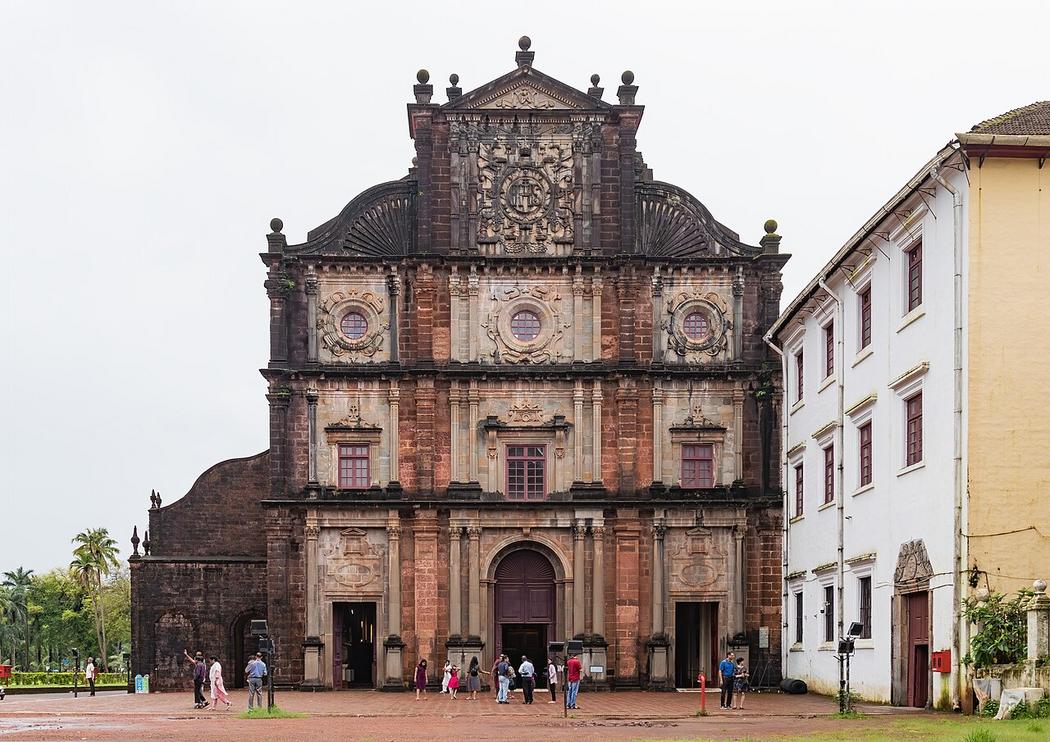
- Old Goa’s Basilica of Bom Jesus houses the relics of St. Francis Xavier, a rare colonial landmark in India.
- Palolem Beach offers a swimmable bay with calm waters, unlike the rougher coasts in Karnataka or Maharashtra.
- Weekend night markets in Arpora draw crowds for local crafts and fresh seafood, blending beach life with shopping.
- Goa’s Portuguese influence shapes its cuisine, with dishes like vindaloo and sorpotel unique to the region.
- Many beach shacks operate year-round, providing consistent access to fresh seafood and relaxed dining.
- Despite its popularity, northern Goa’s main beaches still have quiet stretches if you avoid peak weekends.
Best for
You will appreciate Goa if you want slow beach days with easy access to calm swimming bays and fresh seafood. Solo travelers and friends who prefer relaxed beach vibes over nightlife crowds will find quiet neighborhoods like Palolem or Agonda ideal.
Skip if
Skip Goa if you want dense urban culture or mountain trekking; pick Kerala for backwaters or Karnataka for hill stations instead.

Top things to do in Goa
Goa’s appeal lies in its calm, swimmable beaches and laid-back seafood shacks, with Palolem Beach leading the way. These activities highlight Goa’s unique blend of slow beach days and Portuguese heritage, anchored by quiet bays and sunset bars. Expect a rhythm that favors relaxation over crowds, with fresh seafood markets and mellow beach vibes shaping your stay.
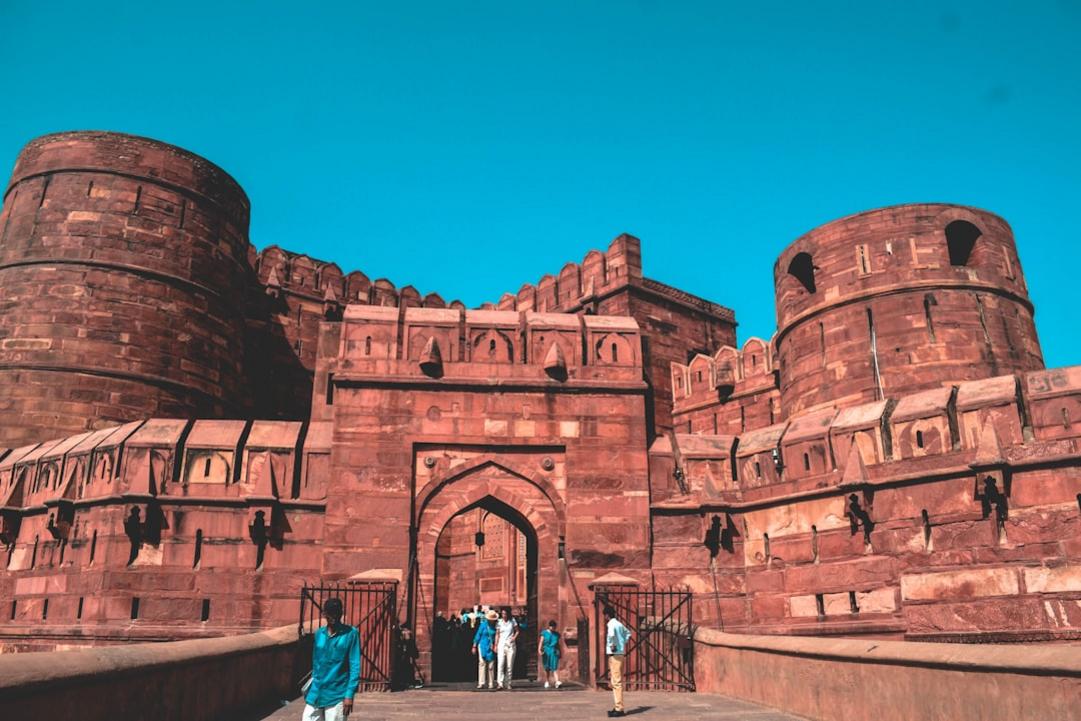
1. Palolem Beach swim and relax ·
Spend slow days swimming in Palolem’s calm bay and lounging in family-run beach huts away from weekend crowds.
Palolem Beach offers a wide crescent of soft sand and calm waters ideal for swimming and lounging. The southern end near the village has family-run beach huts where you can rent a hammock or simple cabana, perfect for slow afternoons. The bay’s gentle waves make it easy to swim right from the shore without crowds pushing in. Walk along the sand to find quieter spots away from the weekend influx, especially midweek when the vibe is more laid-back. The beach’s palm-lined edges and occasional fishing boats add to the relaxed atmosphere.
Palolem’s calm bay beats the more crowded northern beaches like Calangute for a relaxed swim and hammock day. It’s less commercial and more scenic than the busy beach strips.
- When: Morning or late afternoon on weekdays from November to March for the best weather and fewer crowds.
- Cost: ~$5-$10, 2026
- Duration: Half day to full day
- How to reach: Reach Palolem by rental scooter or taxi from Margao town via the NH66 highway, then take the local road south to the beach village. It’s about 30 miles / 48 km from Panaji, the state capital.
Insider tip: If closed
Head to Agonda Beach for similarly calm waters and fewer crowds if Palolem is too busy or affected by weather.
Solo female travel: Choose beach huts on the southern end near the village for a quieter, safer vibe after dark; avoid isolated northern stretches at night.
2. Sunset at Palolem’s beach bars ·
Catch the sunset from one of Palolem’s rustic beach bars with fresh seafood and chilled drinks in hand.
Palolem’s beach bars line the shore, mostly simple wooden shacks with open fronts facing the sea. Arrive an hour before sunset to grab a seat at one of the bars near the central beach area, like those around the main jetty. Order fresh seafood like grilled pomfret or prawn curry paired with a cold Kingfisher beer or fresh coconut water. The sun dips slowly over the Arabian Sea, casting warm light on the palm trees and beachgoers. The atmosphere is relaxed, with barefoot locals and travelers chatting or listening to soft music.
Palolem’s beach bars offer a more intimate, less touristy sunset experience than the larger beach clubs in northern Goa like Baga or Anjuna.
- When: Late afternoon to early evening, around 5:30 PM to 7:00 PM, November through March for clear skies.
- Cost: ~$10-$20, 2026
- Duration: 2 hours
- How to reach: Walk along Palolem’s main beach road to reach the cluster of beach bars near the central jetty area; no transport needed if staying nearby.
Insider tip: If closed
Visit Agonda Beach bars for a quieter sunset with similar seafood options if Palolem’s bars are closed or crowded.
3. Old Goa’s Basilica of Bom Jesus visit ·
Explore the UNESCO-listed basilica housing St. Francis Xavier’s relics, a rare colonial landmark in India.
The Basilica of Bom Jesus stands in Old Goa, a short drive from Panaji, as a prime example of Portuguese Baroque architecture. Inside, the main altar and the silver casket holding St. Francis Xavier’s relics draw steady visitors. The basilica’s interior features intricate woodwork and gilded details contrasting with its austere exterior. Surrounding the basilica, the Old Goa area includes other colonial churches and quiet streets that reflect Goa’s 16th-century history. The site offers a calm break from the beaches and a glimpse into Goa’s unique colonial past.
This basilica is the only colonial church in India with a UNESCO World Heritage status and the relics of a saint, unlike other churches in Goa that lack this significance.
- When: Morning hours, 9:00 AM to 11:00 AM, weekdays to avoid weekend crowds; best visited November to February when the weather is cooler.
- Cost: Free
- Duration: 2 hours
- How to reach: Take a taxi or rental scooter from Panaji along the NH66 highway to Old Goa, about 10 miles / 16 km northeast; parking is available near the basilica.
Insider tip: If closed
Visit Se Cathedral nearby for another colonial church experience if Bom Jesus is closed for maintenance or religious events.
4. Agonda Beach day with seafood lunch ·
Relax on Agonda’s quieter sands and enjoy fresh seafood at family-run shacks along the shore.
Agonda Beach offers a quieter alternative to Palolem with a long stretch of clean sand and gentle waves. The beach is less developed, with family-run shacks serving freshly caught fish grilled or curried to order. Spend the day swimming, sunbathing, or reading in a hammock under palm trees. The shacks near the central beach road serve Goan specialties like fish thali and crab xec xec, often paired with fresh lime soda. Agonda’s calm vibe suits travelers looking to avoid crowds and enjoy slow meals by the sea.
Agonda is less crowded and more peaceful than Palolem, making it the better choice for a low-key beach day with quality seafood away from weekend tourists.
- When: Midday to afternoon, November through March for dry weather and calm seas.
- Cost: ~$10-$15, 2026
- Duration: Full day
- How to reach: From Margao or Palolem, take a taxi or rental scooter north along the coastal road; Agonda is about 5 miles / 8 km north of Palolem.
Insider tip: If closed
Return to Palolem Beach for a similar beach day if Agonda is affected by rough seas or monsoon closures.
Solo female travel: Stick to shacks near the main beach road for a safer environment after sunset; avoid isolated spots on the far ends of the beach at night.

5. Arpora Saturday Night Market ·
Browse local crafts and sample fresh seafood at this lively weekend market blending beach life with shopping.
The Arpora Saturday Night Market sets up in the village’s open ground, drawing locals and travelers for an evening of food, music, and shopping. Stalls sell handmade jewelry, textiles, and souvenirs alongside street food counters offering Goan sausages, seafood skewers, and vegetarian snacks. Live music stages add to the festive atmosphere, with a mix of local bands and DJs. The market runs from early evening until around midnight, making it a prime spot to combine dinner with browsing crafts. It’s a short taxi ride from popular beach areas like Baga and Calangute.
This market offers a more authentic and less touristy vibe than the larger Anjuna Flea Market, with better seafood options and a local crowd.
- When: Saturday evenings from 6:00 PM to midnight, November through March for the best weather and full vendor participation.
- Cost: Free entry; food and shopping vary (~$5-$20, 2026)
- Duration: 3-4 hours
- How to reach: Take a taxi or rental scooter from northern beach towns like Baga or Calangute along the main highway to Arpora village, about 6 miles / 10 km from Panaji.
Insider tip: If closed
Visit the Anjuna Flea Market on Wednesday afternoons for a daytime alternative with crafts and food stalls.
Solo female travel: Stay in groups or near the main market area after dark; taxis are readily available but book rides before midnight to avoid waits.
6. Mandovi River sunset cruise ·
Take a calm evening cruise on the Mandovi River to see Panaji’s colonial skyline and floating markets.
Board one of the licensed boat operators near Panaji’s riverfront for a relaxed cruise along the Mandovi River. The ride offers clear views of Panaji’s colonial-era buildings, the floating markets where locals trade fresh produce, and the quiet mangrove-lined banks. The atmosphere softens as the sun sets, casting warm light on the city’s skyline and the river’s calm surface. The cruise typically lasts about 90 minutes, allowing time to soak in the slow pace and occasional live music on some boats. Book on GetYourGuide.
This cruise beats the crowded beach strip boat rides by focusing on the quieter riverfront and local floating markets, offering a more peaceful vibe than the ocean tours.
- When: Start around 5:30 PM to catch the sunset, best from November to February when the weather is dry and evenings are cooler.
- Cost: ~$15-$20, 2026
- Duration: 1.5 hours
- How to reach: Walk or take a short taxi ride to Panaji’s riverfront near the Mandovi jetty, accessible from Panaji town center via the main road along the river.
Insider tip: If closed
Visit the Miramar Beach promenade for sunset views of the river and city skyline instead.
7. Snorkeling at Grande Island ·
Explore underwater reefs and marine life on a half-day snorkeling trip to Grande Island near Panaji.
Join one of the licensed snorkeling operators departing from Panaji’s ferry point for a half-day trip to Grande Island. The island’s reefs host colorful corals, tropical fish, and occasional sea turtles, all visible in clear water. The trip includes boat transfers, snorkeling gear, and often a beachside lunch on the island. The calm bays around Grande Island make it accessible for swimmers of moderate skill, with guides providing safety briefings and snorkeling tips. Book on GetYourGuide.
Grande Island snorkeling offers better coral variety and less crowded waters compared to the more touristy beaches around North Goa.
- When: Morning departures between 8:00 AM and 10:00 AM from November to March provide the clearest water and calmest sea conditions.
- Cost: ~$25-$35, 2026
- Duration: Half day
- How to reach: Reach Panaji ferry point by taxi or local bus from central Goa, then board the snorkeling boat operated by licensed tour companies.
Insider tip: If closed
Try snorkeling at the quieter beaches near Palolem or Agonda, where shore snorkeling is possible though less vibrant.
Solo female travel: Join group tours rather than private boats for better safety and company; operators usually have female guides.
8. Beach walk from Palolem to Patnem ·
Enjoy a gentle 1.5-mile (2.5 km) beach walk linking two calm bays with quiet shacks and swimming spots.
Start at Palolem Beach’s southern end and stroll along the soft sand toward Patnem Beach, passing small fishing boats and scattered shacks serving fresh coconut water and seafood. The walk stays close to the waterline, with opportunities to pause for swims in calm, shallow bays. Both beaches are known for their relaxed atmosphere, making this a slow, sensory experience rather than a hike. The path is flat and well-trodden, suitable for any fitness level and ideal for a midday or late afternoon outing.
This walk connects two of South Goa’s most peaceful beaches, avoiding the busier northern coast and offering a genuine sense of quiet beach life.
- When: Late afternoon from November to February when the sun softens and the tide is low for easier walking.
- Cost: Free
- Duration: 1-2 hours
- How to reach: Reach Palolem by taxi or local bus from Margao or Canacona; the walk starts at Palolem’s main beach area.
Insider tip: If closed
Explore the nearby Agonda Beach for a similarly quiet beach day with less walking required.
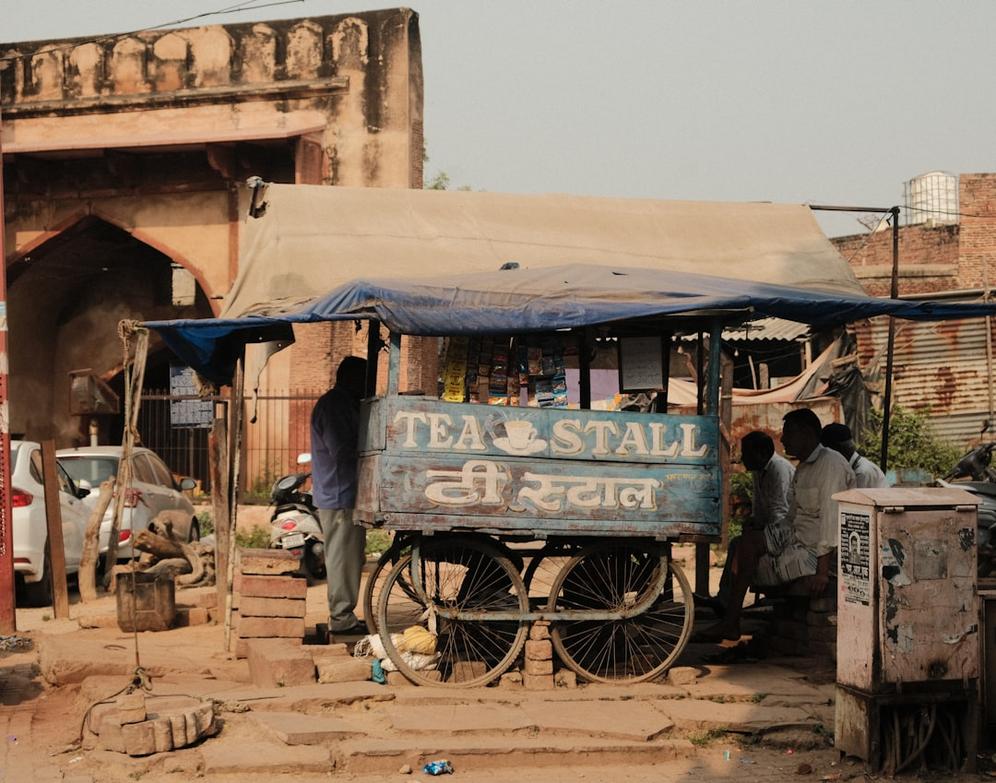
9. Seafood lunch at a Calangute shack ·
Skip the busy main strip and pick a quieter shack on Calangute’s north end for fresh Goan seafood.
Head to the northern end of Calangute Beach where family-run shacks serve freshly caught fish, prawns, and crab prepared Goan style with coconut and spices. These shacks are less crowded than the main strip, offering a relaxed atmosphere with tables on the sand and ocean views. Expect simple menus with daily specials based on the catch, often including fish curry rice and fried prawns. The pace is unhurried, with the sound of waves and occasional local musicians adding to the laid-back vibe.
Choosing the north end avoids the tourist-heavy central Calangute area, delivering better seafood quality and a calmer setting.
- When: Lunch hours from 12:00 PM to 3:00 PM, best between November and March when seafood is freshest and the weather is dry.
- Cost: ~$10-$20, 2026
- Duration: 1.5 hours
- How to reach: Take a taxi or scooter north along Calangute Beach Road from the main Calangute area; shacks are within walking distance from the quieter northern parking zone.
Insider tip: If closed
Try seafood at the quieter Candolim Beach shacks for a similar vibe with fewer crowds.
Solo female travel: Sit closer to the shack kitchen area where staff are more attentive; avoid isolated tables after dark.
10. Visit Panaji’s Latin Quarter (Fontainhas) ·
Stroll the colorful streets of Fontainhas to see Portuguese-era houses and quaint cafes away from the beach crowds.
Wander the narrow lanes of Fontainhas, Panaji’s Latin Quarter, where pastel-colored houses with wrought-iron balconies line cobblestone streets. The area feels like a small European village with its colonial architecture, street art, and quiet cafes serving Goan coffee and pastries. Visit during the day to explore art galleries and small shops selling local crafts. The neighborhood is compact and walkable, offering a peaceful contrast to the busy riverfront and beach areas nearby.
Fontainhas offers a cultural break from the beach scene, showcasing Goa’s Portuguese heritage in a walkable, low-traffic setting unlike the crowded markets or beaches.
- When: Morning or late afternoon for softer light and cooler temperatures, best from November to February to avoid monsoon humidity.
- Cost: Free
- Duration: 1-2 hours
- How to reach: Reach Panaji town center by taxi or bus, then walk south along the main road to Fontainhas, entering near the Church of Our Lady of the Immaculate Conception.
Insider tip: If closed
Explore the nearby Altinho neighborhood for colonial villas and quiet streets if Fontainhas feels too busy.
Solo female travel: Fontainhas is safe for solo female travelers during daylight hours; avoid wandering late at night due to limited street lighting.
11. Relax at Butterfly Beach ·
Reach this small, quiet beach by boat from Palolem for a peaceful day away from the main tourist areas.
Butterfly Beach sits tucked away behind rocky cliffs near Palolem, accessible only by boat or a steep hike. The sand is soft and the water calm, making it ideal for swimming or lounging without crowds. The beach’s seclusion means few vendors or shacks, so bring your own snacks and water. The boat ride itself offers views of the coastline and occasional dolphins.
Choose this if you want a low-key beach day far from the busier northern or central Goa shores, especially after a few active days.
- When: Morning or early afternoon to avoid afternoon winds; best from November to March when the sea is calm.
- Cost: ~$10-$15 for a round-trip boat ride, 2026
- Duration: Half day
- How to reach: From Palolem village, hire a local boat operator at the southern jetty; the ride takes about 10 minutes across the bay.
Insider tip: If closed
Spend a quiet afternoon at Patnem Beach, just north of Palolem, which is less crowded but still swimmable.
12. Explore Reis Magos Fort ·
Visit this restored 16th-century fort with views over the Mandovi River, a calm spot for history and sunsets.
Reis Magos Fort perches on a hill overlooking the Mandovi River near Panaji, offering a quiet alternative to the more touristy forts. The restoration work has preserved its Portuguese-era walls and cannons, with a small museum inside detailing local history. The fort’s ramparts provide sweeping views of the river and Panaji’s skyline, especially striking at sunset. The grounds are peaceful, with few visitors during weekdays.
Pick Reis Magos if you want a historical outing without the crowds of Aguada or Chapora forts, combined with easy access from Panaji.
- When: Late afternoon for sunset views; open daily except Mondays; best November to February for cooler weather.
- Cost: ~$2 entrance fee, 2026
- Duration: 2 hours
- How to reach: Take a taxi or local bus from Panaji center to the fort, about 6 miles / 10 km north; the road is well maintained.
Insider tip: If closed
Visit the nearby Mandovi River promenade in Panaji for a riverside walk and sunset views.
13. Attend a Goan cooking class ·
Learn to prepare Goan dishes like vindaloo and sorpotel in a small-group cooking class near Panaji.
This cooking class introduces you to Goan culinary staples such as pork vindaloo, sorpotel, and fish curry, using fresh local ingredients. Classes usually start with a market visit to select spices and produce, followed by hands-on cooking under a local chef’s guidance. The group size stays small to allow personal attention and questions. The session ends with a shared meal where you taste your creations paired with local beverages. Book on GetYourGuide.
Ideal for food lovers wanting to bring Goan flavors home and understand the region’s unique spice blends beyond eating out.
- When: Weekdays mid-morning to early afternoon; best from November to March when markets are vibrant and weather is mild.
- Cost: ~$30-$50 per person, 2026
- Duration: 4 hours
- How to reach: Most classes operate from Panaji or nearby villages; arrange pickup from your accommodation or take a taxi from Panaji center.
Insider tip: If closed
Try a Goan seafood lunch at a local beach shack to sample traditional dishes without the cooking.
14. Visit the Saturday Anjuna Flea Market ·
Browse crafts and local foods at Anjuna’s weekend market, a quieter alternative to northern Goa’s busier spots.
The Saturday Anjuna Flea Market offers a laid-back shopping experience with stalls selling handmade crafts, textiles, jewelry, and fresh local produce. Unlike the more crowded Wednesday market, this one attracts fewer tourists, making it easier to browse and chat with vendors. Food stalls serve Goan snacks and fresh juices, perfect for a slow midday break. The market sits near the beach, so you can combine shopping with a walk along the shore.
Choose this market if you want a relaxed shopping day without the crowds of the Wednesday Anjuna or Mapusa markets.
- When: Saturday mornings from 9:00 AM to 2:00 PM; best November to February for pleasant weather and full vendor presence.
- Cost: Free entry; budget ~$10-$20 for purchases, 2026
- Duration: 2-3 hours
- How to reach: From Panaji or Mapusa, take a taxi or local bus to Anjuna village, about 12 miles / 19 km north; the market is a short walk from the main road.
Insider tip: If closed
Visit the Mapusa Market on Friday mornings for a larger, more local-focused market experience.
15. Day at Miramar Beach near Panaji ·
Spend a calm afternoon on Miramar Beach, a clean, swimmable spot close to Panaji’s center and cafes.
Miramar Beach lies just south of Panaji’s center, offering a wide sandy shore with gentle waves and clear water suitable for swimming. The beach is less touristy than northern Goa’s main strips, with a few cafes and vendors nearby but no large resorts. The promenade invites slow walks, and the nearby Dona Paula viewpoint offers panoramic views of the Arabian Sea. The beach is popular with locals, especially in the late afternoon when the breeze picks up.
Pick Miramar for a convenient beach break if based in Panaji or for a quiet swim without traveling far from the city.
- When: Afternoons from 3:00 PM to sunset; best November to March for calm seas and cooler temperatures.
- Cost: Free
- Duration: Half day
- How to reach: Reachable by local bus or taxi from Panaji center within 10 minutes; the beach is a short walk from the main road.
Insider tip: If closed
Head to Bambolim Beach nearby for a similar quiet beach experience with fewer visitors.
72 hours in Goa
This three-day plan maps a relaxed, beach-focused rhythm for solo or duo travelers who want to savor Goa’s calm bays and fresh seafood without the crowds. It balances slow mornings, gentle walks, and quiet evenings with just enough local flavor to feel grounded in the place.
Day 1
Morning
Start your day with a slow swim and some hammock time at Palolem Beach, arriving early to enjoy the soft morning light and avoid the weekend crowd. Grab a coffee from one of the family-run beach huts on the south end, where the vibe is laid-back and the bay is calm enough for a peaceful dip.
Afternoon
Walk the 1.5-mile (2.5 km) stretch from Palolem to Patnem Beach, stopping for a fresh seafood lunch at a quiet shack near Patnem’s north end. The afternoon sun hits the water just right here, making it ideal for a second swim or just lounging on the sand before heading back.
Evening
Catch the sunset at one of Palolem’s rustic beach bars on the north side, where chilled drinks and grilled seafood come with uninterrupted views of the horizon. The atmosphere is mellow, with soft music and locals winding down after their day.
Day 2
Morning
Head north to Old Goa and arrive early at the Basilica of Bom Jesus to beat the mid-morning crowds and enjoy the cool, shaded interiors. The morning light filters through the stained glass, making this UNESCO site feel calm and contemplative before the heat builds.
Afternoon
Drive or taxi to Agonda Beach for a slow afternoon on quieter sands. Choose a family-run seafood shack for lunch, where the catch is fresh and the pace unhurried. Spend the afternoon swimming or napping in a beach hammock, soaking in the slower side of Goa’s coastline.
Evening
Finish the day at the Arpora Saturday Night Market, arriving around 6:00 PM to browse crafts and sample street food before the peak crowd arrives. Pick a seafood stall for dinner and enjoy the lively yet relaxed market vibe, a contrast to the quiet beaches earlier.
Day 3
Morning
Start early with a visit to the Saturday Anjuna Flea Market, arriving just after it opens to avoid the busiest hours. Explore local crafts and grab a fresh juice or light snack from one of the stalls, soaking in the colorful, laid-back market atmosphere.
Afternoon
Take a calm afternoon at Miramar Beach near Panaji, where the water is clean and swimmable and the nearby cafes offer shaded seating. This spot offers a different pace from the southern beaches, with a more urban backdrop and fewer tourists.
Evening
Dine in Panaji’s Latin Quarter (Fontainhas), choosing a quiet café on one of the narrow streets for Goan fish curry or sorpotel. The evening light softens the pastel Portuguese-era houses, and the neighborhood’s calm streets make for a peaceful end to your trip.
If you have a fourth day
Spend a fourth day exploring Reis Magos Fort in the late afternoon, timing your visit to catch the sunset over the Mandovi River from the ramparts. Follow this with a quiet dinner at a riverside shack nearby, where the pace slows even further and the views stretch wide.
Best time to visit Goa
Quick answer
Goa stays warm all year, so plan around rain rather than temperature: the drier, most comfortable window is Mar-Apr. Skip Jun-Oct unless you can handle the heaviest rain.
| Months to go | Nov-May |
|---|---|
| Months to avoid | Jun-Oct |
Goa stays warm the whole year, roughly 78 to 85F, with little seasonal change. The bigger variable is rain, which decides how comfortable each month feels far more than temperature does.
The wet season runs May-Oct, averaging about 28 rainy days a month with heavy but usually short downpours. The drier, easier stretch is Dec-Apr, when skies stay clear for longer and outdoor plans hold up better.
Average temperature (°F)
Monthly weather
Hot but mostly dry
Very hot, seek shade
Very hot, seek shade
Very hot, seek shade
Very hot, seek shade
Warm but soaked often
Warm but soaked often
Warm but soaked often
Warm but soaked often
Hot and humid
Hot but mostly dry
Hot but mostly dry
Time it around
Crowds and prices climb in Nov-Feb. For similar conditions with fewer people, aim for Mar-Apr.
How to get to Goa
Nearest airport
Dabolim Airport (GOI), ~21 miles / 34 km from Panaji
From the airport
Take a metered taxi from Dabolim Airport to your accommodation; expect around $15-$20, 2026. The public airport bus runs to Panaji and major beach towns for under $5, 2026, but it’s slower and less frequent. Renting a scooter or car at the airport is an option if planning to explore widely.
Other ways to arrive
- Mumbai by train or bus: 9-11 hours, ~$15-$25, 2026; trains arrive at Madgaon station in South Goa.
- Mumbai by flight: 1 hour, ~$50-$80, 2026; connects to Dabolim Airport.
- Bangalore by flight: 1.5 hours, ~$50-$90, 2026; connects to Dabolim Airport.
- Kerala (Cochin) by train or bus: 8-10 hours, ~$10-$20, 2026; arrives at Madgaon station.
- Hubli by train: 6-8 hours, ~$10-$15, 2026; connects to Goa’s railway network.
Getting around Goa
Scooters dominate local transport and suit beach drifters who want freedom and flexibility. Metered taxis exist but are costly and often require negotiation. Renting a scooter or small motorcycle is the best choice for solo travelers or pairs aiming to explore beaches and villages at their own pace.
- Scooter rental: Use for daily beach hopping and short trips; costs ~$8-$12 per day, 2026.
- Metered taxi: Use for airport transfers or short city rides; expect $10-$20 per trip, 2026.
- Public bus: Use for budget travel between major towns; fares under $2, 2026, but infrequent and slow.
- Auto-rickshaw: Use for short distances in towns; fares around $1-$3, 2026.
- Car rental: Use if traveling with luggage or in groups; costs start at ~$30 per day, 2026.
- Bicycle rental: Use for flat areas near beaches; costs ~$5-$7 per day, 2026.
Avoid
Avoid relying on unmetered taxis for long trips; they often overcharge and lack transparency.
Day trips from Goa
These day trips extend your beach-focused stay with cultural, natural, and historic sites beyond Goa’s main coastline. Each destination offers a distinct vibe and requires at least 30 minutes one-way travel, making them ideal for a half- or full-day excursion.
Dudhsagar Waterfalls
A dramatic waterfall set in the Western Ghats, perfect for nature lovers and light trekking.
Why: The falls cascade over 1,000 feet / 305 m and are surrounded by dense forest, offering a cool break from the coast. Access involves a jeep ride or a moderate hike, rewarding with refreshing swimming spots and scenic views.
Skip if: You prefer purely beach-focused days or dislike rough roads and hiking.
Spice Plantations near Ponda
Guided tours of working spice farms showcasing cardamom, pepper, and vanilla cultivation.
Why: Learn about Goa’s agricultural heritage and sample fresh spices and local snacks. The plantations offer shaded walks and a quiet contrast to beach crowds.
Skip if: You want to avoid structured tours or prefer outdoor water activities.
Chorla Ghat
A forested mountain area on Goa’s border with Maharashtra and Karnataka, known for waterfalls and wildlife.
Why: Ideal for a slow day of nature walks, birdwatching, and visiting tribal villages. The cooler climate and greenery offer a refreshing change from the coast’s heat.
Skip if: You dislike long drives on winding roads or prefer coastal scenery.
Divar Island
A peaceful island with Portuguese-era churches, quiet villages, and riverside views.
Why: Accessible by a short ferry from Old Goa, it offers a glimpse of rural Goan life and calm away from tourist hubs. Ideal for a relaxed cycle or walk with a local meal.
Skip if: You want to stay strictly on the mainland or avoid ferry rides.
Combine Goa with
Extend your trip by linking Goa with nearby destinations that offer different landscapes and cultural flavors. These routes suit travelers who want multi-night stays beyond Goa’s beaches, adding depth to the coastal drift.
Goa to Hampi Goa - Hospet - Hampi
Hampi’s UNESCO ruins lie about 200 miles / 320 km east of Goa. Hospet is the gateway town with train and bus connections. This route adds historic ruins and rugged landscapes after your beach stay.
Goa to Gokarna Goa - Karwar - Gokarna
Travel north along the coast to Gokarna, a quieter beach town with a spiritual vibe. Karwar is a convenient transit point. This route suits travelers wanting more beach time with less tourist traffic.
Goa to Mysore Goa - Hubli - Mysore
Head east to Mysore for palaces, markets, and gardens. Hubli connects Goa by train and bus. This route blends coastal relaxation with South Indian heritage and city culture.

Where to stay in Goa
Compare prices across booking sites on the map below and see which neighbourhood fits your plans.
Goa’s lodging splits clearly between beachside zones, historic towns, and quieter inland pockets. North Goa’s Calangute and Candolim attract budget and mid-range travelers chasing lively beaches and easy access to shacks. South Goa’s Palolem and Agonda offer calmer sands and bungalow vibes for those seeking slow days and nature. Panaji’s Fontainhas neighborhood suits culture lovers wanting walkable colonial streets and river views. Anjuna and Vagator combine beach access with a laid-back scene and some nightlife. For a mix of riverfront calm and local markets, look near Mapusa town. These zones shape your daily rhythm, whether you want beach proximity, quiet afternoons, or old-town charm.
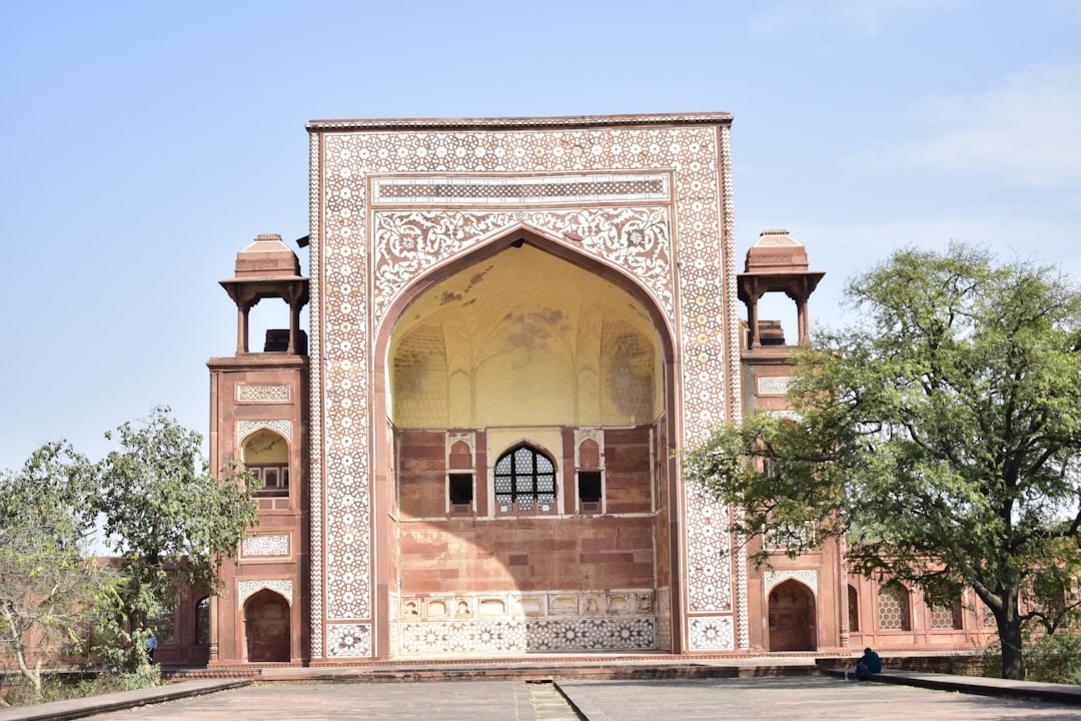
Anjuna
Budget stays in Goa mostly mean beach cabanas, simple guesthouses, or hostel dorms. These offer basic comfort steps from the sand but often lack air conditioning or private bathrooms. Expect shared facilities and a social vibe, especially in Anjuna or Calangute. This tier suits travelers who prioritize location and atmosphere over luxury, with many family-run places that feel informal and easygoing.
Insider tip: Request a cabana on the quieter north side of Anjuna Beach to avoid the main road noise and catch better sunset views.
Candolim
Mid-range options include boutique hotels, well-kept guesthouses, and beachside cottages with private bathrooms and AC. These properties balance comfort with local character, often featuring small pools or garden spaces. Candolim and Palolem are prime spots here, offering walkable beach access and calm surroundings without the crowds. This tier suits travelers who want a relaxed pace with reliable amenities and some style.
Insider tip: Book early for stays in Candolim during winter months; off-season rates drop sharply after May but many places close for monsoon.
Fontainhas
Splurge stays in Goa center on colonial-era mansions, boutique resorts, and riverfront luxury hotels. These properties offer spacious rooms, upscale dining, and often private beach access or poolside service. Panaji’s Fontainhas and South Goa’s Agonda host the best of these, blending heritage with modern comfort. This tier suits travelers who want to unwind fully with style and privacy, often paying a premium for location and design.
Insider tip: In Fontainhas, ask for rooms facing the river to catch the morning light and avoid street noise from the main road.
Local institution: The Park Hyatt Goa Resort and Spa - a long-standing luxury property known for its extensive grounds and beachfront setting.
Where not to stay
The stretch along the highway near Baga Beach is loud after 11 PM with party crowds and traffic noise, making it a poor choice for restful nights.
Solo female travelers
Choose guesthouses or boutique hotels in Candolim or Palolem where streets stay well-lit after dark and staff are accustomed to solo female travelers.
Booking through these links supports Pack Lightly at no extra cost to you.
Neighborhoods in Goa
Goa's neighborhoods are distinct yet interconnected, shaped by their coastal geography and colonial history. Each area offers a unique vibe, from bustling markets to serene beaches, catering to various traveler preferences.
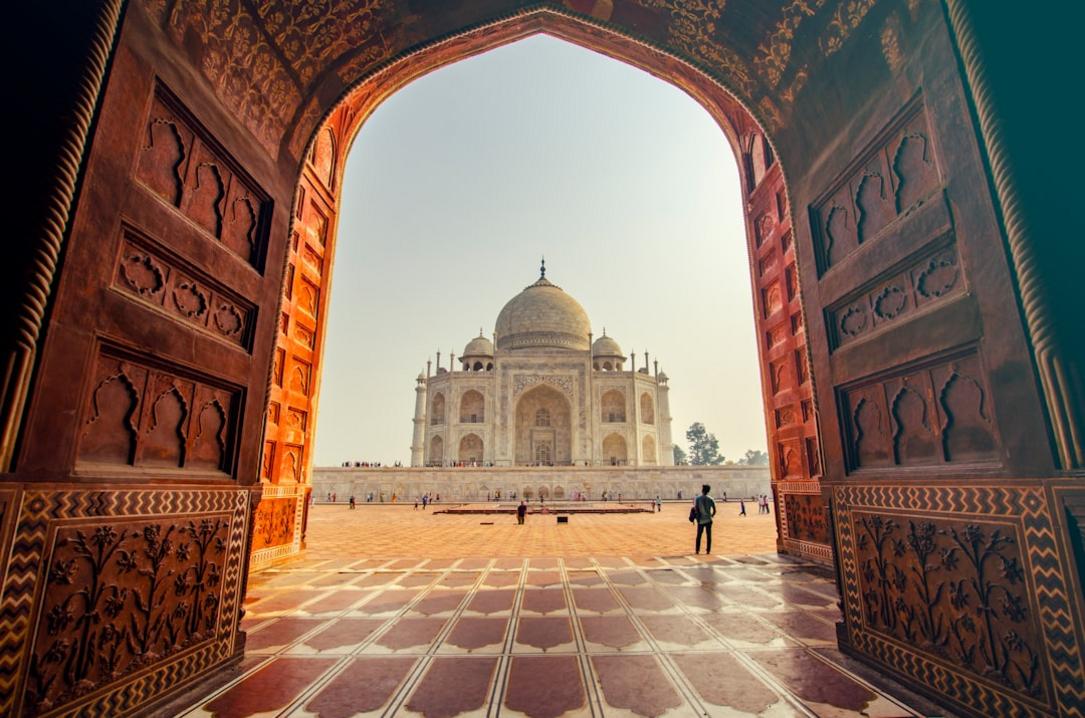
Anjuna
Anjuna is known for its vibrant beach culture, characterized by colorful shacks and a mix of backpackers and locals. The area features a blend of Portuguese and Goan architecture, with lively markets and a laid-back atmosphere.
Candolim
Candolim offers a more upscale beach experience with a mix of resorts and local businesses. The area is quieter than its northern counterparts, attracting families and couples looking for relaxation.
Fontainhas
Fontainhas is the Latin Quarter of Panaji, featuring narrow, winding streets lined with colorful Portuguese-style houses. This area is rich in history and culture, with a strong local community vibe.
Mapusa
Mapusa is a bustling market town that serves as a commercial hub for North Goa. The area is lively, with a mix of locals and tourists, especially during market days.
Where to eat and drink in Goa
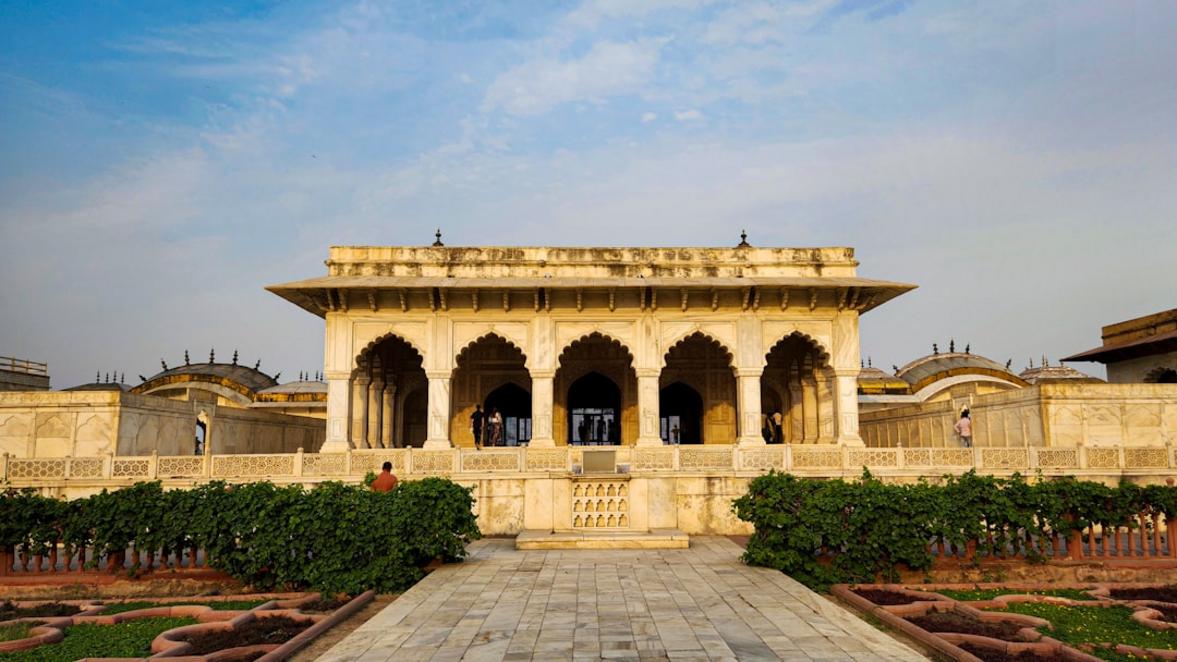
Goa's culinary scene is a vibrant blend of coastal flavors and Portuguese influences, setting it apart from the rest of India. Fresh seafood, coconut, and spices dominate the local cuisine, with dishes often prepared in traditional Goan styles. The fishing ports of Vasco da Gama and the bustling markets in Mapusa showcase the region's rich seafood bounty. The local Catholic community also adds a unique twist to the food culture, especially during festivals.
Must-try dishes
Xacuti (Chicken or Lamb)
A rich, spicy curry made with roasted spices and coconut.
Xacuti is a signature dish of Goa, showcasing the region's unique blend of spices and coconut, often prepared in family-run kitchens.
Insider tip: This dish is a must for anyone wanting to experience authentic Goan flavors.
Fish Recheado
Fish marinated in a spicy red masala and then fried or grilled.
This dish highlights the local fishing culture and is often made with freshly caught fish from the Arabian Sea.
Insider tip: The combination of spices and fresh fish makes this a standout dish.
Prawn Balchão
A tangy and spicy prawn pickle made with vinegar and spices.
Balchão is a traditional Goan dish that reflects the Portuguese influence on local cuisine, often made in homes during special occasions.
Insider tip: Pair it with rice for a true Goan experience.
Feni
A local spirit made from cashew apples or coconut sap.
Feni is unique to Goa and is often enjoyed as an aperitif or in cocktails, showcasing local distillation methods.
Insider tip: Don’t miss trying it in a Goan cocktail for a local twist.
Local drinks
- Goan Coconut WaterAvailable at beach shacks across Goa, especially in Anjuna.
Fresh coconut water served straight from the coconut. - Masala ChaiEnjoy it at local tea stalls in Fontainhas, where it’s brewed fresh.
Spiced tea made with a blend of local spices and milk.
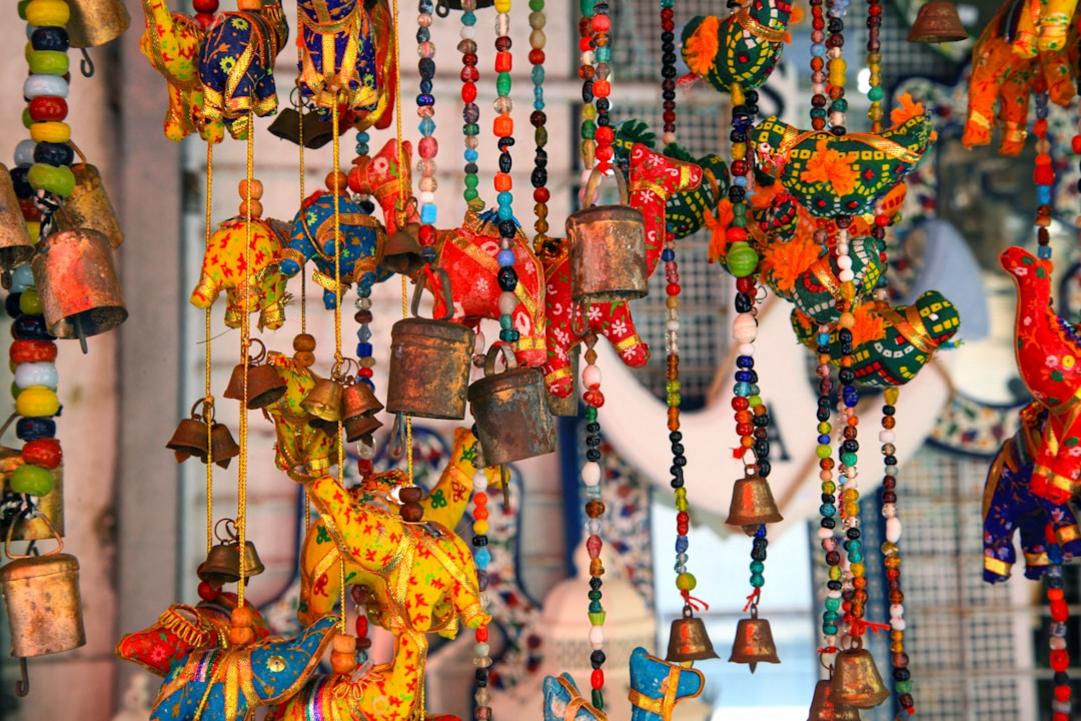
Where to eat - by neighborhood
Anjuna
Known for its beach shacks and vibrant nightlife, Anjuna offers a mix of local seafood and international cuisine.
Insider tip: Order the catch of the day at beach shacks for the freshest seafood experience.
Candolim
A quieter beach area with family-run restaurants serving traditional Goan dishes and fresh seafood.
Insider tip: Try the thali for a variety of local flavors in one meal.
Fontainhas
The Latin Quarter of Panaji, filled with quaint cafes and restaurants offering traditional Goan and Portuguese dishes.
Insider tip: Visit during lunch hours for the best home-cooked meals at local eateries.
Mapusa
Home to the famous Friday market, Mapusa is where locals shop for fresh produce and spices.
Insider tip: Sample street food from vendors at the market for an authentic taste of Goa.
Restaurants worth knowing
Gunpowder
Fisherman's Wharf
Vinayak Family Restaurant
Local markets
| Mapusa Market | Fridays, 7 AM - 7 PM. - Fresh produce, spices, and local snacks. |
|---|---|
| Anjuna Flea Market | Wednesdays, 10 AM - 6 PM. - Local handicrafts, clothing, and street food. |
Dietary note
Many restaurants offer vegetarian and seafood options, making it easy for different dietary preferences.
Daily budget for Goa
Goa's daily costs can be higher than other regions in India due to its popularity as a beach destination and the influx of international tourists. Expect to pay a premium for beachfront accommodations and dining experiences.
Shoestring
- lodging - dormitory beds or budget guesthouses
- food - local eateries and street food
- transport - public transport or shared taxis
- activities - beach access and free attractions
- buffer - miscellaneous expenses
Trade-offs: Expect basic amenities and shared facilities.
Comfort
- lodging - mid-range hotels or private guesthouses
- food - a mix of local restaurants and beach shacks
- transport - occasional taxis or bike rentals
- activities - guided tours or water sports
- buffer - miscellaneous expenses
Trade-offs: Enjoy more comfort and privacy, but still be mindful of costs.
Splurge
- lodging - upscale resorts or boutique hotels
- food - fine dining and premium seafood
- transport - private car hires or luxury taxis
- activities - exclusive experiences like private tours
- buffer - miscellaneous expenses
Trade-offs: Experience high-end services and amenities, but at a significant cost.
Money-saver tip
Opt for local buses or rent a scooter to explore the beaches and towns, which can save on transport costs.
Splurge that's worth it
Dining at a beachfront restaurant like Fisherman’s Wharf offers a memorable meal with stunning sunset views.
Skip to save
Avoid overpriced beach clubs that charge high entry fees without offering significant value.
Practical tips for Goa
Money
Cash or card. In Goa, cash is still king, especially at local markets and smaller eateries. Many beach shacks and street vendors only accept cash, so keep some on hand.
ATMs. ATMs are widely available in tourist areas, but foreign cards may incur fees. HDFC and ICICI banks typically offer better service for international cards.
Tipping. Tipping is appreciated but not mandatory; rounding up the bill or leaving around 10% is common. For a meal costing $15, a tip of $1.50 is a nice gesture.
Safety
Goa is generally safe for travelers, but petty crime can occur, especially in crowded areas. Stay aware of your surroundings and keep valuables secure.
Where to walk at night. Anjuna and Candolim are safe for evening strolls, while areas around Mapusa can feel less secure after dark. Avoid walking alone in less populated areas late at night.
Common scams:
- Overcharging for taxi rides, especially from the airport.
- Fake tour guides offering services at inflated prices.
- Beach vendors selling counterfeit goods.
Local warnings:
- Be cautious of strong currents while swimming at some beaches.
- Watch for uneven pavement in older areas, especially in Fontainhas.
- Dengue fever can be a concern during the monsoon season.
Connectivity
Mobile data. Mobile data coverage is generally good in urban areas, with Jio and Airtel being reliable providers. Expect to pay around $10 for a local SIM with decent data.
Wi-Fi. Many cafes and accommodations offer free Wi-Fi, especially in Anjuna and Candolim. However, speeds can vary, so check reviews for reliability.
Late-night transit. Public transit options are limited late at night; rideshare apps like Uber and Ola are your best bet. Expect to rely on taxis after dark, especially in quieter neighborhoods.
Language
Main language: Konkani. English level: English is widely spoken in tourist areas and by younger locals, but proficiency may vary in rural settings. Expect less English in smaller shops and markets.
Cultural notes
- Dress modestly when visiting religious sites; cover shoulders and knees.
- Always ask before taking photos of people or their property.
- Greet locals with a smile and a nod; it's a friendly gesture.
Solo female travel
Solo female travelers can navigate Goa with relative ease, especially in tourist-friendly areas. Cafes and hostels are generally welcoming, and many locals are friendly and helpful.
- Neighborhood: Stick to well-populated areas like Anjuna and Candolim for evening outings.
- Transport: Use rideshare apps for late-night transport to ensure safety and convenience.
- Meeting people: Consider staying in hostels or guesthouses with a social atmosphere to meet other travelers.
Frequently asked questions about Goa
1Is Palolem Beach worth visiting?
Yes, Palolem Beach is a highlight for its calm waters and vibrant beach shacks. It's perfect for relaxing and enjoying fresh seafood, especially during sunset.
2Should I do a sunset cruise on the Mandovi River or skip to a beach bar?
Skip it. While the Mandovi River cruise offers nice views, the beach bars at Palolem provide a more authentic Goan experience with better sunset views.
3Anjuna or Candolim - where should I stay?
Choose Anjuna for a bohemian vibe with lively markets and nightlife. Opt for Candolim if you prefer a quieter beach experience with family-friendly amenities.
4What is Xacuti known for?
Xacuti is a traditional Goan dish known for its rich, spicy coconut curry, typically made with chicken or lamb. It's a must-try for anyone looking to experience local flavors.
5How many days should I spend in Goa?
Roughly 5-7 days is ideal to explore both the northern and southern beaches, enjoy local cuisine, and relax without feeling rushed.
6Is Goa safe for solo female travelers?
Yes, Goa is generally safe for solo female travelers, especially in popular areas like Palolem and Anjuna. Staying in well-lit areas and using reputable transport options enhances safety.
7Can you swim at Butterfly Beach?
Yes, you can swim at Butterfly Beach, known for its clear waters and scenic beauty. It's less crowded, making it a great spot for a peaceful swim.
8What does a day in Goa cost?
Expect to spend around $60-$120 per day, including meals, beach rentals, and local transportation. This budget allows for a comfortable experience without overspending.