


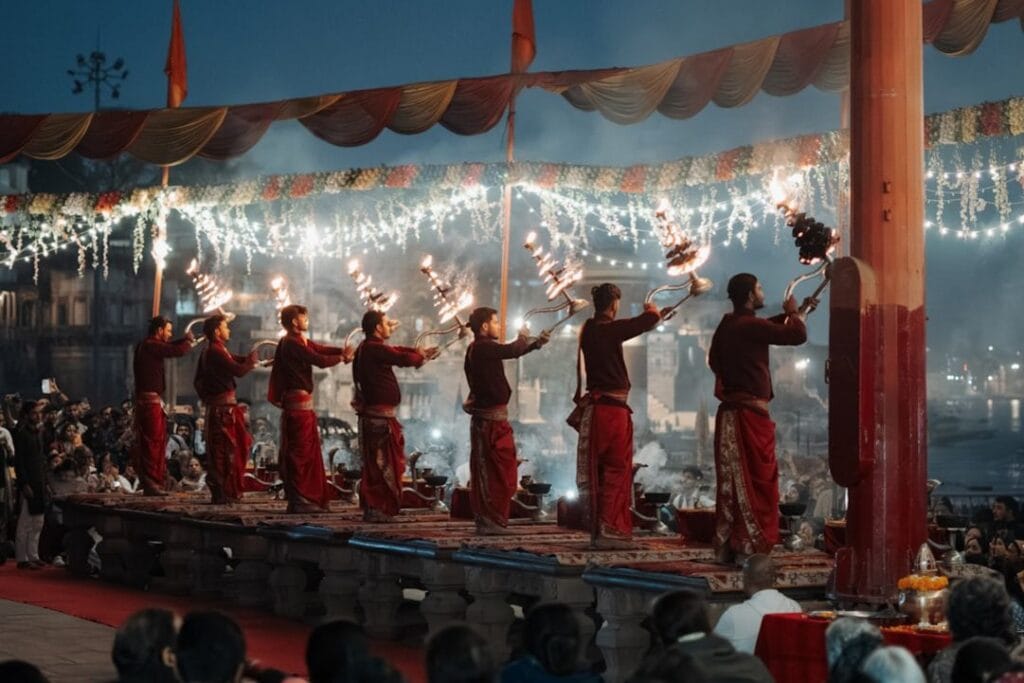
Hear the rushing Ganges and smell wood smoke at Triveni Ghat, where evening aarti lights flicker on the riverbank.
Rishikesh sits on the Ganges in the Himalayan foothills, drawing travelers for yoga courses and white-water rafting. The Laxman Jhula area buzzes with backpackers and ashrams, while Tapovan offers quieter riverside stays. About 15 miles / 24 km north of Haridwar, Rishikesh delivers adventure that nearby hill stations lack, especially in river sports. The town’s spiritual vibe contrasts with its rugged outdoor offerings, making it ideal for active travelers who want both effort and reflection. Expect basic infrastructure outside the main zones and limited nightlife, so plan your days around daylight and river conditions.
Raft the Ganges with certified guides for adrenaline and views. Practice yoga at a riverside ashram for focus. Cross Laxman Jhula suspension bridge for local life. Hike to Neer Garh Waterfall for a short trek and cool down.
Key takeaways
- Book white-water rafting in advance; peak season is March to June, ~$25 per trip, 2026.
- Stay in Tapovan for quieter riverside access and early rafting pickups.
- Visit Triveni Ghat by 6:00 PM for the evening aarti ceremony on the riverbank.
- Cross Laxman Jhula early morning to avoid crowds and midday heat.
- Hire certified rafting guides only; uncertified operators risk safety and fines.
- Carry cash; many small shops and cafes near Ram Jhula don’t accept cards.
- Avoid monsoon season (July-September) for rafting; river swells close runs.
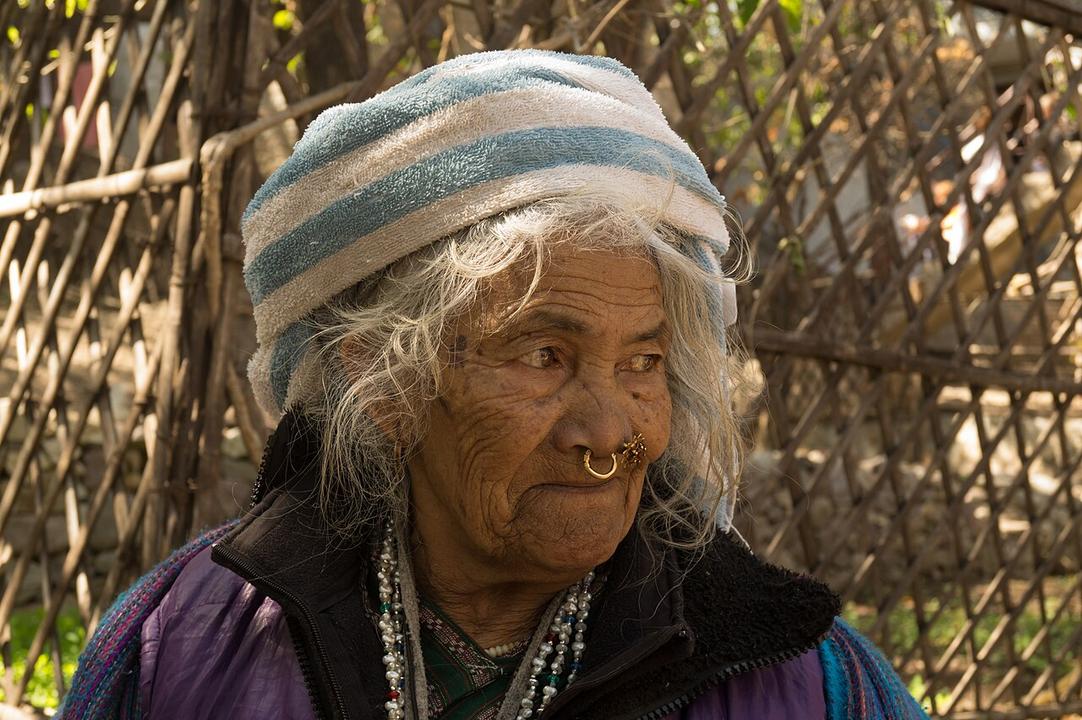
Why visit Rishikesh
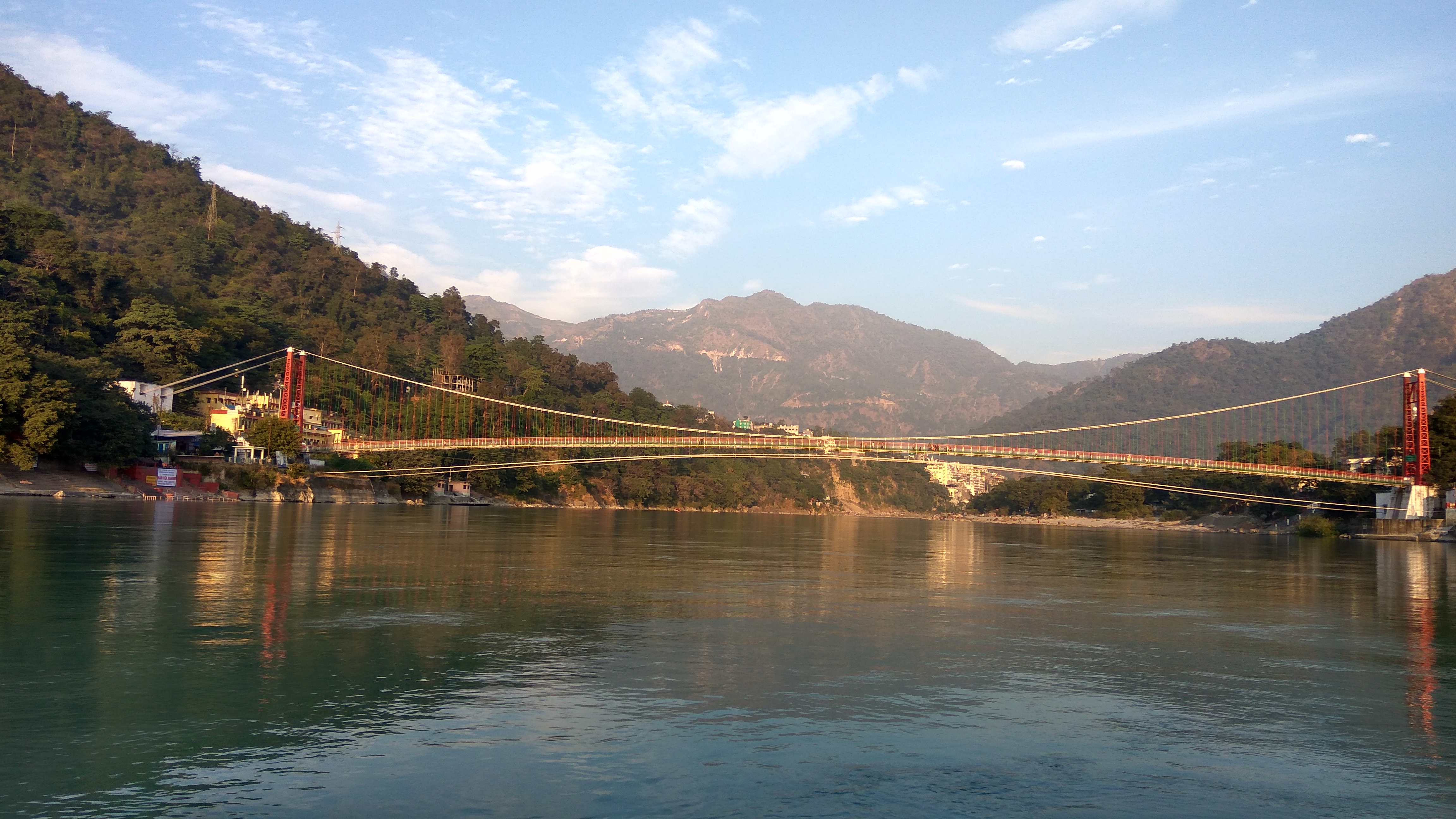
Rishikesh stands out from nearby Haridwar and Dehradun by combining serious yoga culture with intense outdoor adventure on the Ganges. Unlike Haridwar’s mainly religious tourism, Rishikesh offers white-water rafting and challenging hikes in the Himalayan foothills. The iconic Laxman Jhula suspension bridge anchors the town’s riverside energy, linking ashrams with rugged trails. This mix makes Rishikesh a base for active travelers who want both spiritual immersion and physical challenge.
- Raft the Ganges with operators like Red Chilli Adventure, offering class III-IV rapids close to town year-round.
- Start pre-dawn hikes from Tapovan neighborhood for Himalayan views and early access to trailheads.
- Book certified guides for technical treks around Shivpuri to avoid unmarked routes and unsafe shortcuts.
- Attend the evening Ganga Aarti at Triveni Ghat for a disciplined, crowd-controlled spiritual ritual.
- Skip the tourist-heavy Laxman Jhula midday; early morning or late evening crossings avoid crowds and heat.
Best for
Solo travelers and pairs who want a mix of yoga culture and adrenaline sports will thrive here. Ideal for those comfortable with basic guesthouses near trailheads and early starts for rafting or trekking.
Skip if
Skip Rishikesh if seeking polished luxury or nightlife; Dehradun offers better urban comforts and easier transport connections.
Top things to do in Rishikesh
1. White-water rafting on the Ganges ·
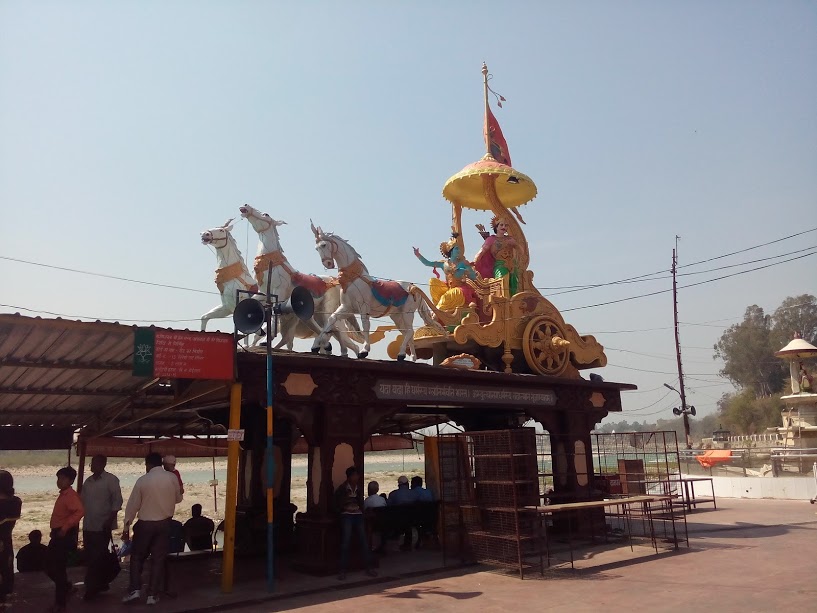
Conquer Class III-IV rapids on the Ganges with certified guides and rental gear for a full-throttle Himalayan river adventure.
Launch from the rafting base near Shivpuri, about 6 miles / 10 km north of Rishikesh center, with one of the licensed guide outfits. Navigate a series of Class III-IV rapids, including the notorious ‘Golf Course’ and ‘Sivananda Falls,’ while surrounded by steep Himalayan foothills. The guides provide all safety gear and instruction, making it accessible even if you’re new to rafting. Expect a mix of adrenaline and scenic river views, with a lunch stop on a riverbank beach before the return. Book on GetYourGuide.
This route offers the best balance of challenging rapids and manageable distance compared to shorter or less intense stretches closer to town.
- When: Rafting runs daily from March through June and September through November, best in the morning to avoid afternoon wind and crowds.
- Cost: ~$35-$50, 2026
- Duration: Half day
- How to reach: Take a shared jeep or taxi north on NH 94 to Shivpuri; the rafting operators’ offices cluster near the river launch point.
Insider tip: If closed
Try kayaking on the calmer Ganges stretch near Triveni Ghat or join a guided trek along the riverbanks.
Solo female travel: Book with a certified operator that offers women-only rafting groups or guides for added comfort and support.
2. Trekking to Neer Garh Waterfall ·
Hike a steep 2-mile / 3.2 km trail from Laxman Jhula to a powerful waterfall, perfect for a post-rafting cooldown.
Start the trek from the east end of Laxman Jhula bridge, following the marked trail through dense forest and rocky terrain. The path climbs steadily for about 2 miles / 3.2 km, rewarding you with views of the Ganges and surrounding hills. Neer Garh Waterfall crashes into a natural pool, ideal for a refreshing dip after a hot day. The trail is narrow and can be slippery after rain, so sturdy shoes and a steady pace are essential.
This waterfall trek is the most accessible and scenic option near Rishikesh, unlike longer or less maintained routes further out.
- When: Best from October to March when the trail is dry and temperatures are cooler; start early morning to avoid afternoon heat.
- Cost: Free
- Duration: 2-3 hours
- How to reach: Walk or take a short auto-rickshaw ride to the Laxman Jhula east end in the Tapovan neighborhood, where the trailhead begins.
Insider tip: If closed
Visit the nearby Patna Waterfall trail for a less steep but longer hike with fewer crowds.
3. Crossing Lakshman Jhula suspension bridge ·
Walk this iconic iron suspension bridge for panoramic river views and access to key ashrams on both banks.
Step onto Lakshman Jhula from the bustling Tapovan side and cross the 750-foot iron suspension bridge over the Ganges. The bridge offers sweeping views of the river, forested hills, and the temples lining both banks. On the east side, explore the serene Sivananda Ashram and other yoga centers. The bridge is pedestrian-only and often crowded midday, so early morning or late afternoon crossings provide a quieter experience and better light for photos.
Lakshman Jhula is the most iconic and accessible suspension bridge in Rishikesh, unlike the less scenic Ram Jhula nearby.
- When: Cross early morning or late afternoon to avoid crowds and heat, year-round except during monsoon floods (July-August).
- Cost: Free
- Duration: 30 minutes to 1 hour
- How to reach: Reach Tapovan neighborhood by foot or auto-rickshaw from central Rishikesh; the bridgehead is well signposted.
Insider tip: If closed
Walk across Ram Jhula suspension bridge 1 mile / 1.6 km downstream for similar views and access to ashrams.
4. Sunrise yoga session by the Ganges ·
Join a guided early-morning yoga class on the riverbank to align body and mind before a day of adventure.
Meet at one of the riverside yoga schools near Triveni Ghat or the Sivananda Ashram for a guided session as the sun rises over the Ganges. The class typically lasts 60-90 minutes and includes breathing exercises, sun salutations, and meditation. The cool morning air and river sounds create a focused atmosphere that energizes for the day ahead. Most sessions provide mats and props, and instructors accommodate all levels. Book on GetYourGuide.
This session combines the spiritual energy of the Ganges with expert guidance, unlike self-practice or crowded group classes in town.
- When: Daily at 6:00 AM year-round; book in advance for popular schools during peak season (October to March).
- Cost: ~$10-$20, 2026
- Duration: 1-1.5 hours
- How to reach: Walk or take a short auto-rickshaw ride to the Triveni Ghat area or Sivananda Ashram on the east bank of the river.
Insider tip: If closed
Practice yoga independently at sunrise on the riverbank near Ram Jhula or join an indoor class in town.
Solo female travel: Some schools offer women-only classes or private sessions for solo female travelers seeking a focused environment.
5. Bungee jumping at Mohan Chatti ·
Add a high-adrenaline jump from one of India’s highest bungee platforms, 12 miles / 19 km from Rishikesh center.
Drive or take a taxi to Mohan Chatti, a dedicated adventure park hosting India’s highest bungee jump platform. After a safety briefing and gear fitting, leap from a 260-foot platform into a deep valley surrounded by forested hills. The jump includes a free fall followed by a controlled rebound, delivering a rush of adrenaline. The park also offers ziplining and giant swings, making it a full adventure day outside town. Book on GetYourGuide.
Mohan Chatti’s bungee jump is the highest and most professionally run near Rishikesh, unlike smaller or less regulated jumps elsewhere.
- When: Open daily from 9:00 AM to 5:00 PM, best on weekdays to avoid weekend crowds; avoid monsoon season (July-August).
- Cost: ~$50-$70, 2026
- Duration: Half day
- How to reach: Hire a taxi or use a private shuttle from Rishikesh center; the drive takes about 45 minutes via NH 94.
Insider tip: If closed
Try white-water rafting on the Ganges or ziplining at a nearby adventure park closer to town.
6. Camping and bonfire by the Ganges ·
Spend a night riverside with tents and bonfires, combining outdoor gear with the town’s spiritual atmosphere.
Set up camp along the riverbank near the Laxman Jhula area with one of the licensed outdoor operators. Nights include a bonfire and group meals under the stars, blending rugged camping with the ambient sounds of the Ganges. The experience mixes physical comfort with the town’s spiritual vibe, as you hear distant temple bells and occasional chants. Prepare for basic facilities and bring your own sleeping gear or rent locally. Book on GetYourGuide.
This option beats staying in town for a night by offering direct immersion in the riverside environment, unlike standard guesthouses that lack the outdoor element.
- When: October to March evenings are best for cool, dry weather; start camping after 4:00 PM to catch sunset light on the river.
- Cost: ~$25-$40, 2026
- Duration: Overnight
- How to reach: Walk or take a short rickshaw ride from the main Laxman Jhula bridge area to riverside campsites along the Ganges’ east bank.
Insider tip: If closed
Attend an evening Ganga Aarti at Triveni Ghat for a riverside spiritual experience without camping.
Solo female travel: Choose campsites recommended by female travelers or those with women-only group options to ensure a secure environment.
7. Visit Beatles Ashram (Chaurasi Kutia) ·
Explore the abandoned ashram with graffiti and meditation caves, a rugged cultural stop blending history and nature.
Walk the overgrown paths of the former Maharishi Mahesh Yogi ashram, now a canvas for street art and quiet meditation caves. The site sits on the river’s west bank, accessible via a short trek from the main road. You’ll see crumbling walls, colorful murals, and remnants of the Beatles’ 1968 stay, all surrounded by dense forest. The terrain is uneven, so wear sturdy shoes and expect minimal facilities.
This stop offers a raw, offbeat contrast to polished yoga centers, unlike the more commercialized ashrams in town.
- When: Visit during weekday mornings between 8:00 AM and 11:00 AM to avoid crowds and midday heat, best from October to March.
- Cost: ~$5, 2026
- Duration: 2 hours
- How to reach: Reach the ashram by walking 1 mile / 1.6 km from the Tapovan neighborhood or take a rickshaw to the main entrance on the west bank.
Insider tip: If closed
Explore the nearby Neer Garh Waterfall trail for a nature hike with fewer visitors.
8. Kayaking on the Ganges ·
Paddle calmer river sections solo or guided, a technical alternative to rafting that demands solid skills and gear.
Launch from the Shivpuri area and navigate the gentler stretches of the Ganges with a certified guide or solo if experienced. Kayaking here requires strong paddling skills and proper gear, available for rent from local outfitters. The route offers a mix of mild rapids and flat water, letting you focus on technique and river reading. Expect to carry your kayak over some portages and prepare for changing currents. Book on GetYourGuide.
Kayaking provides a more technical, less crowded alternative to commercial rafting trips, ideal for paddlers wanting a challenge.
- When: Best from September to November and February to April when water levels are moderate and weather is stable; mornings before 10:00 AM offer calmer conditions.
- Cost: ~$40-$60, 2026
- Duration: Half day
- How to reach: Take a shared taxi or rickshaw to Shivpuri, about 7 miles / 11 km northwest of central Rishikesh, where most kayaking operators launch.
Insider tip: If closed
Try white-water rafting on the same river sections for a less technical but still active experience.
Solo female travel: Book with operators offering women-only groups or guides to ensure comfort and safety on the water.
9. Hiking to Rajaji National Park edge ·
Take a half-day trek to the park’s foothills for wildlife spotting and Himalayan foothill terrain without leaving Rishikesh.
Start from the Tapovan neighborhood and follow the marked trail leading into the Rajaji National Park buffer zone. The hike covers mixed forest and river views, with chances to spot deer, monkeys, and various birds. The terrain includes moderate elevation gain and uneven paths, suitable for hikers with some experience. Guides from local trekking agencies can enhance wildlife spotting and navigation.
This trek offers a wilderness feel close to town, unlike urban walks or short riverfront strolls that lack wildlife opportunities.
- When: Go early morning between 6:00 AM and 9:00 AM from October to March to avoid heat and maximize animal activity.
- Cost: ~$15-$25 for guide, 2026
- Duration: Half day
- How to reach: Reach the trailhead by rickshaw or motorbike taxi to Tapovan, about 1.5 miles / 2.5 km from the city center.
Insider tip: If closed
Walk the nearby Neer Garh Waterfall trail for a shorter nature hike with fewer wildlife chances.
10. Evening Ganga Aarti at Triveni Ghat ·
Experience the intense riverside ritual with fire, chants, and crowds, a sensory contrast to the day’s physical exertion.
Arrive at Triveni Ghat before sunset to secure a spot for the daily Ganga Aarti ceremony. The ritual features priests waving fire lamps, rhythmic chanting, and offerings floated on the river. The atmosphere is crowded and lively, with locals and travelers packed along the steps. The event lasts about 45 minutes and offers a sharp cultural contrast to the day’s outdoor activities.
This ceremony is the most accessible spiritual event in Rishikesh, unlike quieter or private ashram rituals that require bookings.
- When: Daily at 6:30 PM year-round; arrive 30 minutes early to avoid standing far back.
- Cost: Free
- Duration: 1 hour
- How to reach: Walk or take a rickshaw to Triveni Ghat in the Old City area, near the confluence of three rivers.
Insider tip: If closed
Visit the Ram Jhula area for evening riverside cafes and sunset views if the aarti is canceled.
Solo female travel: Avoid the very front rows after dark due to crowd density; stay near the edges where movement is easier.
11. Indoor rock climbing at a local gym ·
Train or warm up with controlled climbs indoors, a weather-proof option for active travelers focused on technical skills.
Use one of the climbing gyms near the Laxman Jhula area to practice bouldering and top-rope routes on artificial walls. The gyms offer rental gear and coaching for beginners and intermediate climbers. This controlled environment lets you focus on technique without river or weather risks. Sessions typically last 1-2 hours and provide a solid workout before or after outdoor adventures.
Indoor climbing is the best fallback on rainy or extremely hot days, unlike outdoor routes that depend on weather and river conditions.
- When: Open daily from 10:00 AM to 8:00 PM; visit midday to avoid peak evening crowds, especially in monsoon season (July-September).
- Cost: ~$10-$15 per session, 2026
- Duration: 1-2 hours
- How to reach: Reach the gym by rickshaw from the city center, typically within 1 mile / 1.5 km of Laxman Jhula bridge.
Insider tip: If closed
Do yoga classes at nearby ashrams for indoor physical training on wet days.
48 hours in Rishikesh
This two-day plan focuses on active outdoor adventures and recovery moments tailored for the adventure hiker who values efficient pacing and local insight. It balances Rishikesh’s white-water thrills with its riverside yoga culture, making sure you get the most out of your limited time.
Day 1
Morning
Start before dawn with a white-water rafting trip on the Ganges, booking with a certified operator near Laxman Jhula. The early light hits the river just as you gear up, avoiding the midday crowds and heat. After the adrenaline, head to a nearby riverside café in Tapovan for a hearty breakfast of fresh fruit and chai, soaking in the calm before the day heats up.
Afternoon
Spend the afternoon exploring the trails around Neer Garh Waterfall, a moderate trek that rewards with cool pools and forest shade. Stop for lunch at a small vegetarian dhaba near the trailhead, where thali plates run around $5-$7, 2026, perfect for refueling without slowing your pace. Afterward, return to your guesthouse in the Muni Ki Reti neighborhood to dry gear and rest before evening.
Evening
Head to the banks of the Ganges near Ram Jhula for sunset. The light on the suspension bridge and river creates a sharp contrast against the foothills. For dinner, pick a casual spot in the nearby Old Rishikesh area serving local lentil and rice dishes, where you can eat for under $10, 2026. The evening vibe here is relaxed but lively, with street musicians and yoga practitioners winding down.
Day 2
Morning
Shift gears with a sunrise yoga session at an ashram in the Lakshman Jhula area, arriving early to secure a spot and avoid the mid-morning rush. The morning light filters through the trees, enhancing focus and calm after yesterday’s physical exertion. Follow this with a breakfast of fresh parathas and masala chai at a small café on the main road, favored by locals for its quick service and solid flavor.
Afternoon
Dedicate the afternoon to a half-day trek up to the nearby hilltop viewpoint at Bharat Mandir, accessed via the forest trail from the city outskirts. The climb is steady but manageable, offering panoramic views of the Ganges and surrounding hills. Pack water and snacks from a market stall in the Swarg Ashram neighborhood before heading out. After descending, stop for a late lunch at a riverside eatery in Swarg Ashram, specializing in simple dal and vegetable dishes around $6-$8, 2026.
Evening
Spend your final evening at the Ganga Aarti ceremony near Triveni Ghat, arriving early to claim a good spot on the steps. The ceremony’s rhythm and firelight provide a powerful close to your stay. For dinner, explore the small street food stalls along the main bazaar in Muni Ki Reti, sampling local chaat and samosas for under $5, 2026, perfect for a casual, flavorful end to your adventure.
If you have a third day
Use a third day to explore the quieter village of Shivpuri, just outside Rishikesh, for a morning hike and riverside picnic away from the crowds. Alternatively, join a guided workshop on traditional yoga philosophy in a smaller ashram, deepening your connection to the local practice beyond the physical postures.
Best time to visit Rishikesh
Quick answer
Visit from April to June and October to early December for the best weather and outdoor activities.
| Months to go | April to June, October to early December |
|---|---|
| Months to avoid | July to September due to heavy monsoon rains that can disrupt activities. |
Rishikesh experiences a warm climate from April to June, with temperatures ranging from 70°F / 21°C to 95°F / 35°C. This period is ideal for outdoor activities like white-water rafting and trekking, as the weather is pleasant and the Ganges is at a good level for adventure sports. From July to September, the monsoon brings heavy rainfall, making many trails unsafe and leading to potential closures of outdoor activities. October to early December sees a drop in temperatures to around 55°F / 13°C to 85°F / 29°C, perfect for yoga retreats and exploring the town without the summer crowds. This window allows for comfortable exploration of the ashrams and participation in outdoor adventures.
Average temperature (°F)
Monthly weather
Cool and dry, good for yoga.
Mild temperatures, pleasant for trekking.
Warm, ideal for outdoor activities.
Great weather for rafting.
Hot, but perfect for water sports.
Very warm, ideal for early morning hikes.
Monsoon season, many activities closed.
Heavy rains, not suitable for trekking.
Continued rain, trails may be unsafe.
Cooler, perfect for yoga and exploration.
Pleasant weather, great for outdoor activities.
Cool and dry, good for yoga.
How to get to Rishikesh
Nearest airport
Dehradun Airport (DED), 20 miles / 32 km
From the airport
Take the public airport bus for around $10, 2026, which drops you at the main bus station in Rishikesh. Alternatively, a metered taxi costs about $25, 2026.
Other ways to arrive
- From Delhi: Take a train to Haridwar (5 hours, ~$10, 2026) and then a taxi to Rishikesh (30 minutes, ~$15, 2026).
- From Haridwar: Use a local bus to Rishikesh (1 hour, ~$2, 2026).
- From Mussoorie: Hire a taxi to Rishikesh (2 hours, ~$30, 2026).
Getting around Rishikesh
Walking is the best way to explore Rishikesh, especially along the Ganges. For longer distances, consider using auto-rickshaws or taxis.
- Walk: Ideal for short distances and exploring the riverside.
- Auto-rickshaw: Use for quick trips around town, costing around $2-$5, 2026.
- Taxi: Hire for longer distances or trips outside the city, costing about $10-$15, 2026.
- Bicycle rental: Rent for around $5, 2026, to explore at your own pace.
Day trips from Rishikesh
These day trips offer a chance to explore the stunning landscapes and cultural sites surrounding Rishikesh.
Haridwar
Visit the sacred ghats and witness the Ganga Aarti ceremony.
Why: Haridwar is one of the holiest cities in India, offering a deep dive into Hindu rituals and culture.
Skip if: You have limited time in Rishikesh and prefer to focus on local experiences.
Neelkanth Mahadev Temple
Explore this revered temple set in a lush forest.
Why: The scenic drive and tranquil surroundings make it a refreshing escape from the city.
Skip if: You’re not interested in religious sites or prefer more active excursions.
Rajaji National Park
Experience wildlife and nature through safaris and trekking.
Why: Home to diverse flora and fauna, it’s perfect for nature lovers and adventure seekers.
Skip if: You prefer cultural experiences over wildlife.
Combine Rishikesh with
Extend your adventure by connecting Rishikesh with nearby destinations for a richer experience.
Rishikesh to Haridwar to Mussoorie Rishikesh, Haridwar, Mussoorie
Start in Rishikesh, visit Haridwar for a day, then head to Mussoorie for stunning hill views.
Rishikesh to Auli Rishikesh, Auli
Travel from Rishikesh to Auli for skiing and breathtaking mountain scenery.
Where to stay in Rishikesh
Compare prices across booking sites on the map below and see which neighbourhood fits your plans.
Rishikesh offers diverse lodging options catering to various traveler preferences. The bustling area near the Ganges River is perfect for those seeking vibrant energy and easy access to yoga studios and cafes. For a quieter experience, consider the neighborhoods around Laxman Jhula, where you can find serene spots close to the river. If you’re looking for convenience to hiking trails, the area near the Neer Garh Waterfall is ideal. Each zone provides a unique atmosphere, making it easy to find the right fit for your stay.
Laxman Jhula
Hostels and budget guesthouses dominate this tier, providing dormitory-style accommodations and shared facilities. Expect a lively atmosphere with opportunities to meet fellow travelers. While amenities may be basic, the social vibe makes it easy to connect with others, especially in communal areas.
Insider tip: Look for hostels that offer yoga classes or group activities; they often have the best social scenes.
Near the Ganges River
This tier features family-run guesthouses and boutique hotels that provide a comfortable stay with personalized service. Many properties offer river views and easy access to local attractions. While you won’t find luxury amenities, the charm and hospitality make up for it.
Insider tip: Request a room with a river view for a peaceful ambiance, especially during sunrise.
Tapovan
Luxury resorts and upscale hotels are available for those wanting a more indulgent experience. Expect high-end amenities, spa services, and fine dining options. While these properties offer comfort and style, they may be located further from the main attractions.
Insider tip: Check for off-season rates; some resorts offer significant discounts during quieter months.
Where not to stay
Avoid the area around Ram Jhula at night; it can be less well-lit and quieter, making it feel isolated.
Solo female travelers
Choose a hostel in Laxman Jhula with a strong social vibe; this area stays lively and well-lit at night.
Booking through these links supports Pack Lightly at no extra cost to you.
Where to eat and drink in Rishikesh
Rishikesh’s food scene is defined by its vegetarian offerings, influenced by the spiritual practices surrounding yoga and Ayurveda. The local cuisine features fresh ingredients sourced from the nearby Ganges River and the surrounding hills, emphasizing health and wellness. Expect to find a variety of dishes that cater to both traditional Indian tastes and modern health-conscious trends.
Must-try dishes
Aloo Puri (आलू पूरी)
A deep-fried bread served with spiced potato curry.
This dish is a popular breakfast item in Rishikesh, often enjoyed by locals after morning yoga sessions, making it a city signature dish.
Insider tip: The crispy puris paired with the spicy potato curry are a perfect post-yoga fuel.
Chole Bhature (छोले भटूरे)
A dish of spicy chickpeas served with fluffy fried bread.
Rishikesh’s version is known for its unique blend of spices, making it a local favorite that reflects the city’s culinary identity.
Insider tip: Don’t skip the tangy pickles that accompany this dish; they elevate the flavors.
Kachori (कचौरी)
Spiced lentil-filled pastries, deep-fried until golden brown.
Kachoris are a popular snack in Rishikesh, often sold at local street stalls, showcasing the city’s vibrant street food culture.
Insider tip: Pair it with tamarind chutney for an extra kick.
Lassi (लस्सी)
A yogurt-based drink, often flavored with fruits or spices.
Rishikesh is famous for its refreshing lassis, particularly mango lassi, which is a must-try after a hot day of exploring.
Insider tip: Opt for the thick version; it’s a local favorite and incredibly satisfying.
Local drinks
- Herbal Tea (हर्बल चाय)Sample it at one of the many yoga retreats or cafes in the Ram Jhula area.
A soothing tea made from local herbs and spices. - Fresh Coconut Water (ताजा नारियल पानी)Available from street vendors throughout Rishikesh, especially near the riverbanks.
Refreshing coconut water served straight from the coconut.
Where to eat – by neighborhood
Tapovan
Known for its array of vegetarian restaurants and cafes, Tapovan is a hub for health-conscious travelers and yoga enthusiasts.
Insider tip: Order a thali to sample a variety of dishes in one meal, just like the locals do.
Laxman Jhula
This area is bustling with street food stalls and eateries offering local delicacies and quick bites.
Insider tip: Try to eat at the stalls during the evening when the food is freshly prepared and the atmosphere is lively.
Dietary note
Rishikesh is predominantly vegetarian, making it easy for vegetarians and vegans to find suitable options.
Daily budget for Rishikesh
Rishikesh offers a unique blend of spiritual and adventure tourism, which can affect daily costs. Expect to pay a bit more for activities like yoga classes and white-water rafting compared to other Indian destinations.
Shoestring
- lodging – Dormitory beds in hostels are common.
- food – Street food and local eateries keep costs low.
- transport – Use local buses or shared taxis.
- activities – Join group yoga classes or free events.
- buffer – For unexpected expenses.
Trade-offs: Expect basic accommodations and limited dining options.
Comfort
- lodging – Private rooms in guesthouses or mid-range hotels.
- food – Enjoy meals at popular cafes and restaurants.
- transport – Use taxis or private transport for convenience.
- activities – Participate in guided tours or workshops.
- buffer – For spontaneous purchases.
Trade-offs: Enjoy more comfort but may miss out on local experiences.
Splurge
- lodging – Stay at upscale hotels with amenities.
- food – Dine at high-end restaurants with diverse menus.
- transport – Opt for private drivers or luxury transport.
- activities – Book exclusive yoga sessions or adventure sports.
- buffer – For any additional costs.
Trade-offs: Experience luxury but at a significantly higher cost.
Money-saver tip
Eat at local dhabas (roadside eateries) for authentic meals at lower prices.
Splurge that’s worth it
Consider a guided white-water rafting trip on the Ganges; it’s an exhilarating experience that showcases the area’s natural beauty.
Skip to save
Avoid overpriced yoga retreats that promise too much; many affordable classes offer similar benefits.
Practical tips for Rishikesh
Money
Cash or card. Rishikesh is increasingly cashless, but many small shops and local eateries still prefer cash. Keep some cash handy for street food and local markets.
ATMs. ATMs are available throughout Rishikesh, but foreign cards may incur fees. HDFC Bank and ICICI Bank generally offer better service for international cards.
Tipping. Tipping is appreciated but not mandatory; rounding up the bill is common. For example, leave around $1 for a meal costing $5.
Safety
Rishikesh is relatively safe for travelers, but it’s wise to stay alert in crowded areas. Avoid walking alone late at night, especially near the riverbanks.
Common scams:
- Overpriced yoga classes pitched by aggressive street vendors.
- Fake guides offering tours without proper credentials.
Local warnings:
- Watch for strong currents in the Ganges, especially during monsoon season.
- Be cautious of sandflies near the river in the evenings.
Connectivity
Mobile data. Mobile coverage is generally good in Rishikesh, with 4G available in most areas. Consider buying a local SIM from Airtel or Jio for around $5-$10.
Wi-Fi. Many cafes and accommodations offer free Wi-Fi, but speeds can vary. The area around Laxman Jhula has several spots with reliable connections.
Language
Main language: Hindi. English level: English is commonly spoken in tourist areas, but proficiency varies among locals. You may encounter language barriers in more remote spots.
Cultural notes
- Dress modestly when visiting temples; shoulders and knees should be covered.
- Ask permission before taking photos of locals or religious ceremonies.
- Remove shoes before entering temples and some shops.
Solo female travel
Solo female travelers generally find Rishikesh welcoming, with a vibrant atmosphere and many other travelers around. However, it’s best to avoid isolated areas after dark.
- Meeting people: Hostels like Zostel have a lively social scene, making it easy to meet other travelers.
Frequently asked questions about Rishikesh
1Is Rishikesh better than Haridwar?
Yes, Rishikesh offers a more laid-back atmosphere and is known for its yoga and adventure activities, while Haridwar is more focused on religious ceremonies.
2What is Rishikesh known for?
Rishikesh is known as the yoga capital of the world, attracting visitors for its ashrams, yoga courses, and white-water rafting on the Ganges.
3How many days should I spend in Rishikesh?
Three days is ideal to explore yoga classes, enjoy outdoor activities like rafting, and visit local temples and the Ganges aarti.
4Is Rishikesh safe for solo female travelers?
Yes, Rishikesh is generally safe for solo female travelers, especially in areas near the Ganges and popular ashrams, but always stay aware of your surroundings.
5Can you swim in the Ganges at Rishikesh?
No, swimming in the Ganges is not recommended due to strong currents and pollution, but you can enjoy rafting and river activities.
6What is the best time to visit Rishikesh for yoga?
The best time for yoga in Rishikesh is from September to November and March to May when the weather is pleasant and conducive for outdoor activities.
7Do I need a car to get around Rishikesh?
No, you can easily walk or use local transport like auto-rickshaws and taxis to navigate Rishikesh, as most attractions are close to each other.
8What NOT to do in Rishikesh?
Avoid swimming in the Ganges, disrespecting local customs, and engaging in loud behavior, especially during spiritual ceremonies.