


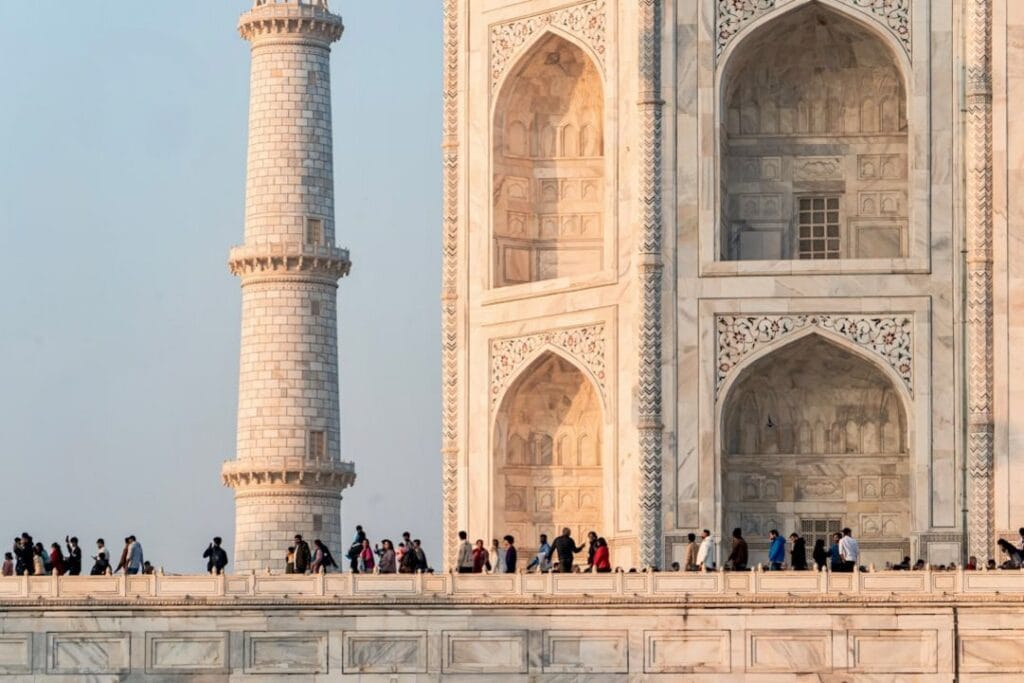
India’s beauty lies in its sharp contrasts – Mughal domes and minarets rise against arid desert skies, while southern hills cradle lush plantations under soft light. The interplay of intricate architecture, vast deserts, and tropical greenery sets India apart from its neighbors. This is a country where visual identity shifts dramatically from north to south, demanding a selective eye for detail and scale.
This list spans the agra/taj-mahal/”>Taj Mahal’s iconic white marble, the rugged dunes around Jaisalmer Fort, and the serene waters of Kerala Backwaters. You’ll encounter alpine lakes like Pangong Tso and the ancient ruins of Hampi, each place offering distinct textures and moods. Skip this guide if you want only beaches; it’s for travelers who seek layered landscapes and architectural depth.
Key takeaways
- Visit Taj Mahal at sunrise to capture its marble glow before crowds arrive.
- Jaisalmer Fort’s golden sandstone shines best in late afternoon light during fall months.
- Kerala Backwaters demand a dawn boat ride for mist-shrouded canals and soft reflections.
- Combine Hampi’s boulder-strewn ruins with Munnar’s tea hills for contrasting terrain in 5 days.
- Pangong Tso’s alpine blue peaks between October and March when skies are clearest.
- Varanasi Ghats offer the most intense visual rituals at dusk during winter evenings.
- Khajuraho’s temple carvings reveal their full detail in soft morning light, not midday.
- Nubra Valley’s desert meets snow-capped mountains best explored over 3 days for full effect.
- Udaipur City Palace’s lakeside architecture is overrated at midday; visit late afternoon instead.
- Kerala Backwaters’ unique beauty lies in narrow waterways lined with palm silhouettes at sunrise.
Overview
| Place | Vibe | Beauty signature | Peak moment | Verdict |
|---|---|---|---|---|
| Taj Mahal | Mughal mausoleum complex | Symmetrical white marble domes and reflecting pools | Sunrise before crowds gather | Essential for architecture lovers; skip if pressed for time in India. |
| Pangong Tso | High-altitude alpine lake | Turquoise lake framed by barren Himalayan ridges | Clear skies October through March | For adventurous travelers who tolerate cold and altitude. |
| Varanasi Ghats | Riverside ritual staircases | Stone steps crowded with worshippers and burning pyres | Dusk during winter evenings | Ideal for cultural immersion; skip if you avoid crowds. |
| Hampi | Ruined granite boulder landscape | Ancient temple ruins among massive rock formations | Early morning light | Perfect for history buffs and photographers seeking texture. |
| Munnar | Tea-covered rolling hills | Endless green terraces under misty skies | Monsoon’s end for lushest colors | Best for nature lovers wanting cool hill scenery. |
| Jaisalmer Fort | Desert sandstone citadel | Golden sandstone walls glowing in late afternoon | Fall months at sunset | Great for desert architecture fans; skip midday heat. |
| Udaipur City Palace | Lakeside royal palace complex | Ornate balconies overlooking calm lake waters | Late afternoon light | Skip midday crowds; best for romantic or architectural interest. |
| Kerala Backwaters (Alleppey) | Tropical canal network | Palm-lined waterways with traditional houseboats | Sunrise mist on calm waters | Ideal for slow travelers seeking water-based landscapes. |
| Khajuraho | Medieval temple sculpture cluster | Intricate stone carvings with erotic motifs | Soft morning light | Best for art historians; avoid harsh midday sun. |
| Nubra Valley | Cold desert with mountain backdrop | Sand dunes meeting snow-capped peaks | Spring for warmest weather and clear views | For travelers seeking stark landscape contrasts and quiet. |
Where to find them
The most beautiful places
Taj Mahal – Dawn’s White Marble Glow

The Taj Mahal’s white marble facade shifts from pale pink to golden hues as the sun rises, framed by symmetrical reflecting pools and manicured gardens. Its flawless dome and delicate pietra dura inlays catch first light, creating a serene, monumental silhouette against the soft morning sky.
Sunrise is the only time to see the Taj Mahal’s marble glow without harsh glare or crowds. Arrive before 6 AM, enter through the East Gate with a foreign-tourist ticket ($20, 2026) to dodge long lines, and avoid the overpriced full-moon night visits. Book an early-access tour for the smoothest experience.Find a tour →
- Peak moment: Pre-dawn, before tour buses flood the gardens
- Stay: Half day
- Best for: Pick this if you want iconic Mughal architecture at its photogenic best; skip if you dislike early mornings or crowds.
- ▸ Symmetrical reflecting pools mirroring the main mausoleum’s dome
- ▸ Intricate pietra dura floral inlays in white marble walls
- ▸ Manicured Mughal gardens with cypress trees framing the monument
Best vantage: From the reflecting pool axis facing the main dome, just after sunrise for soft, warm light
Photo moments (4)
- – Watch the marble dome’s color shift in the early morning light
- – Capture the perfect symmetry of the reflecting pools and gardens
- – Observe detailed floral and calligraphic marble inlays up close
- – View the Taj Mahal framed by cypress trees from the East Gate approach
Skip the full-moon night viewing – sunrise offers far better light and fewer crowds for appreciating the Taj Mahal’s architecture.
Avoid the full-moon night visit; it’s overpriced, crowded, and the marble appears dull gray under artificial light.
Pangong Tso – Shifting Blues at High Altitude

Pangong Tso is a vast saltwater lake at 14,270 feet / 4,350 m, where water colors shift from turquoise to deep cobalt within hours. Its barren, rocky shoreline contrasts with sharp mountain ridges, creating a stark, silent landscape that feels otherworldly under the clear Himalayan sky.
The lake’s beauty demands time and acclimatization – rush it and you miss the color shifts and tranquil atmosphere. Stay overnight at Spangmik camps to catch dusk’s richest hues. Avoid one-day trips from Leh, and plan for altitude adjustment. A guided stay at Spangmik enhances your chances to photograph the lake’s rare color changes.Find a tour →
- Peak moment: Dusk and early morning reflections at Spangmik camp
- Stay: 2 days
- Best for: Pick this if you’re a landscape photographer or road-tripper ready for high altitude; skip if you lack acclimatization time or dislike remote, stark environments.
- ▸ Turquoise water turning to deep cobalt as sunlight shifts
- ▸ Rocky shoreline with sparse, rugged mountain ridges
- ▸ High-altitude sky reflecting sharply on the lake’s glassy surface
Best vantage: From Spangmik camp shoreline at dusk, watching the lake’s color deepen as the sun sets
Photo moments (4)
- – Observe the water’s color change from turquoise to cobalt at dusk
- – View Chang La pass’s barren, high-altitude ridges framing the lake
- – Catch sunrise reflections on the lake’s still surface from Spangmik
- – Scan the vast salt flats contrasting with deep blue water along the shore
Altitude and time commitment are non-negotiable – those who acclimatize and stay overnight get the full visual payoff.
Skip rushing this lake in one day; the color shifts and atmosphere require at least an overnight stay and proper acclimatization.
Varanasi Ghats – Dawn on the Sacred River
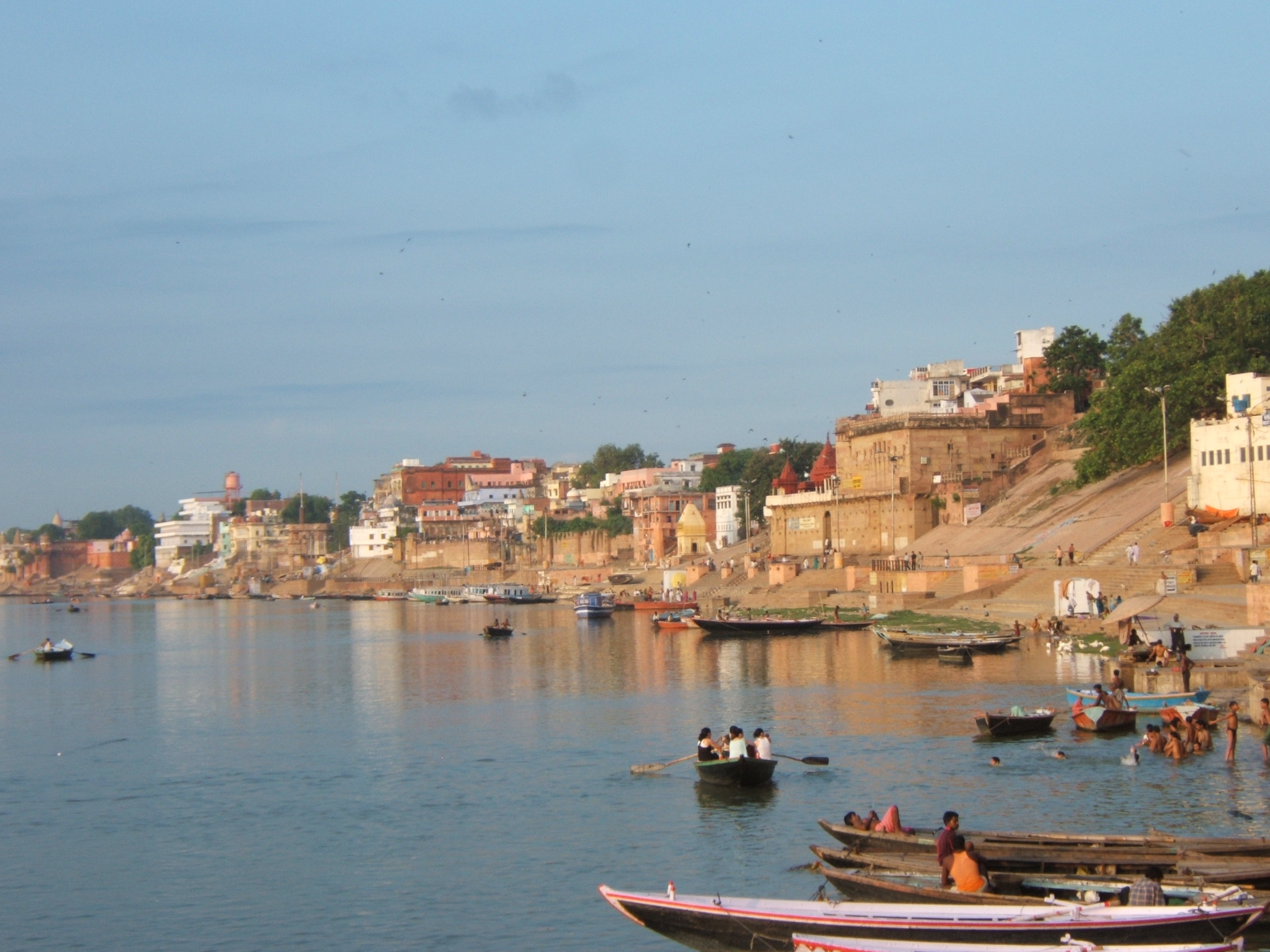

Eighty-four stone ghats step down to the Ganges, crowded with pilgrims performing rituals and cremations. Early morning mist softens the river’s edge, while saffron-clad figures move between steps. The raw, intense scene of life and death unfolds in open air, marked by smoke, incense, and the river’s slow current.
Start before dawn with a rowboat from Assi Ghat to Manikarnika for an unfiltered view of sacred rituals at affordable rates. Avoid tourist boat operators who inflate prices and rush the experience. The Ganga Aarti at Dashashwamedh is visually powerful but pickpockets swarm after dark – stay vigilant.Find a tour →
- Peak moment: Sunrise during the early morning boat ride
- Stay: 2 – 3 days
- Best for: Pick this if you seek raw cultural and photographic intensity; skip if you want sanitized or purely scenic river views.
- ▸ Stepped stone ghats densely lined along the flowing Ganges River
- ▸ Smoke and fire from open-air cremations at Manikarnika ghat
- ▸ Saffron-robed pilgrims performing rituals in soft morning light
Best vantage: From a rowboat between Assi and Manikarnika ghats at sunrise, observing rituals from the water
Photo moments (4)
- – Watch cremation fires flicker at Manikarnika ghat from a respectful distance
- – Capture pilgrims bathing and praying on the steps at dawn
- – See the Ganga Aarti’s flames and lamps flicker at Dashashwamedh ghat
- – Observe daily rituals performed by priests along the riverbank
This place demands respect and openness to intensity – avoid superficial tourist experiences and focus on authentic moments.
Skip paying for guided boat tours that inflate prices and rush the sacred experience.
Hampi – Ruins Among Giant Boulders

Hampi’s 1,600 monuments scatter across a 16-square-mile boulder-strewn plain, where ancient stone temples and palaces rise amid rocky hills. The sun casts sharp shadows over carved pillars and giant granite formations, creating a surreal, otherworldly atmosphere punctuated by the slow flow of the Tungabhadra River.
Explore Hampi slowly – rent a scooter to cover Vittala Temple’s stone chariot and Royal Enclosure’s detailed ruins. Avoid peak heat in May and June; the site demands at least two days to absorb its scale and history. Skip lingering in the touristy Hampi Bazaar street beyond transport needs.Find a tour →
- Peak moment: Late afternoon before sunset to catch warm light on stone ruins
- Stay: 3 days
- Best for: Pick this if you appreciate layered history and rugged landscapes; skip if you prefer compact, curated sites or avoid heat.
- ▸ Stone chariot and musical pillars at Vittala Temple complex
- ▸ Granite boulders towering over scattered temple ruins
- ▸ Intricately carved palace and audience hall remains in Royal Enclosure
Best vantage: From Matanga Hill at sunset, overlooking the boulder-strewn temple landscape
Photo moments (4)
- – View the stone chariot framed by ancient pillars at Vittala Temple
- – Observe detailed carvings in the Royal Enclosure’s palace ruins
- – Watch the Tungabhadra River from the coracle crossing near Hippie Island
- – See the sprawling ruins against massive granite boulders from hilltops
Hampi requires slow, deliberate exploration – rush it and the scale and detail vanish into a blur.
Skip lingering in Hampi Bazaar beyond renting transport; it’s touristy and crowded without added value.
Munnar – Geometric Green Hills at Dawn

Munnar’s hills are quilted with geometric tea plantations stretching between 5,000 and 8,200 feet / 2,500 m, their bright green rows contrasting the mist that rolls in by late morning. The cool air carries faint tea aromas, and the manicured landscape feels deliberate against the wild Western Ghats backdrop.
Start your day by 7 AM to catch clear views before mist obscures the plantations. Visit the KDHP Tea Museum for context on the region’s tea culture. Skip the nearby spice gardens, which feel forced and touristy. Early risers get the best light on this manicured landscape.Find a tour →
- Peak moment: Early morning before mist closes in around 11 AM
- Stay: 2 days
- Best for: Pick this if you want manicured tea landscapes and cool hill air; skip if you dislike early mornings or commercialized gardens.
- ▸ Geometric rows of emerald tea bushes covering rolling hills
- ▸ Mist drifting over sharp ridges and plantation terraces by mid-morning
- ▸ Kannan Devan plantations with rare Neelakurinji blooms every 12 years
Best vantage: From the Top Station road viewpoint before 8 AM for unobstructed plantation vistas
Photo moments (4)
- – View the precise geometry of tea bushes from roadside overlooks
- – Capture mist weaving through the plantation terraces mid-morning
- – See rare Neelakurinji flowers blooming across Kannan Devan estates (next in 2030)
- – Explore KDHP Tea Museum for panoramic views of surrounding tea hills
Munnar’s beauty hinges on early starts; miss the morning window and mist erases the views.
Skip the spice gardens near Munnar; they are overpriced tourist traps lacking authenticity.
Jaisalmer Fort’s Golden Walls at Sunset

Jaisalmer Fort rises from the Thar Desert with warm yellow sandstone walls glowing gold as the sun dips. Its living fortress character includes narrow alleys and rooftop views blending urban life with ancient stone. The golden hue shifts dramatically at sunset, especially when viewed from across Gadisar Lake.
The fort faces structural threats from leaking guesthouse plumbing; staying outside helps preservation and offers more space. Sunset from Gadisar Lake delivers a sharper, less crowded view than inside the walls. Avoid tourist-packed Sam dune safaris; opt for a Khuri dune trip with a private overnight camp instead to experience desert beauty quietly.Find a tour →
- Peak moment: Sunset light hitting the fort’s sandstone
- Stay: 2 days
- Best for: Pick this if you want desert history and architecture; skip if you prefer polished tourist hubs.
- ▸ Golden-yellow sandstone walls glowing intensely with shifting sunlight
- ▸ Intricate lattice windows and balconies carved into the fortress façade
- ▸ Rooftop views over the desert blending ancient architecture with daily life
Best vantage: Gadisar Lake’s west bank offers unobstructed, panoramic sunset views of the fort’s glowing walls and silhouette.
Photo moments (4)
- – Admire the fort’s honey-colored walls from Gadisar Lake’s edge at sunset
- – Observe detailed carvings and latticework on the fort’s outer ramparts
- – Catch rooftop views where locals live amid ancient stone structures
- – Watch the Khuri dunes’ soft desert hues under early morning light
Jaisalmer’s golden sandstone fort is visually stunning but fragile; support preservation by staying outside and choosing quieter desert experiences.
Skip overcrowded Sam dune camel safaris; they feel touristy and detract from the desert’s quiet beauty.
Udaipur City Palace’s Regal Lakeside Grandeur
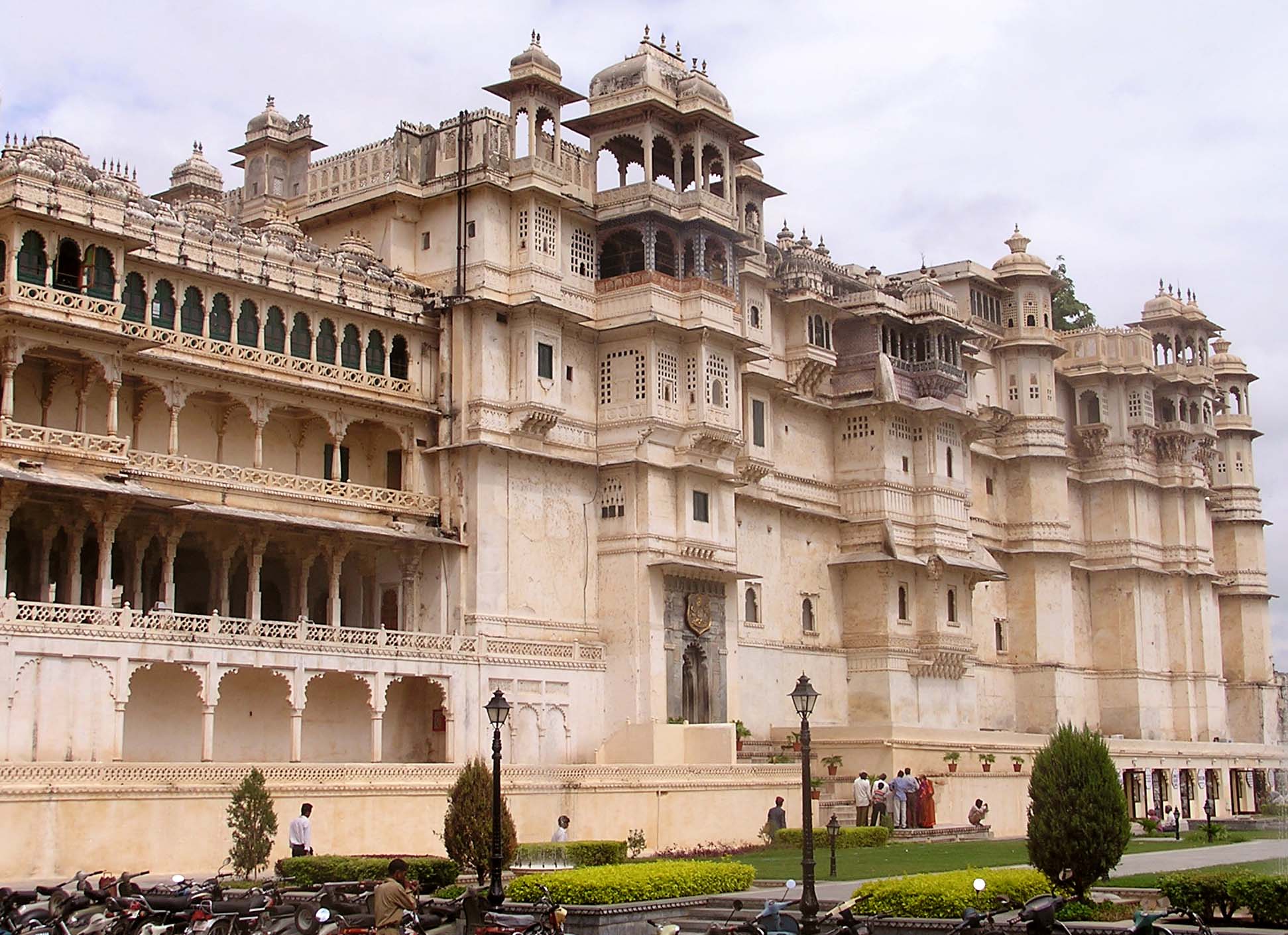

Udaipur City Palace stretches majestically along Lake Pichola, a sprawling complex of eleven palaces layered over 400 years. Its white and cream walls rise above the lake with ornate balconies and delicate arches. The palace’s regal lakeside presence contrasts with its intricate interior frescoes and mirror work that catch the light with subtle sparkle.
Explore the palace slowly to appreciate its blend of Rajput and Mughal styles. Avoid the overpriced Crystal Gallery; focus on Zenana Mahal and Manak Mahal’s mirror room included in the ticket. Take the sunset boat to Jagmandir island for tranquil views and to bypass the Taj Lake Palace’s day visitor ban.Find a tour →
- Peak moment: Late afternoon light during October to February
- Stay: 1-2 days
- Best for: Pick this for palace architecture and lakeside views; skip if crowded sites frustrate you.
- ▸ Lavish frescoed walls and ceilings in Zenana Mahal’s royal apartments
- ▸ Manak Mahal’s intricate glass mirror mosaics reflecting natural light
- ▸ Expansive lake views framed by palace balconies and carved stone railings
Best vantage: On the sunset boat to Jagmandir, look back at the palace’s layered façade glowing softly over Lake Pichola.
Photo moments (4)
- – Inspect the detailed frescoes inside Zenana Mahal’s royal quarters
- – Marvel at the craftsmanship of Manak Mahal’s mirror room glasswork
- – View the palace’s ornate exterior reflecting in Lake Pichola from the water
- – Catch the palace silhouette against the setting sun from Jagmandir boat
Udaipur City Palace demands unhurried exploration for its layered architecture; skip rushing to grasp its full visual complexity.
Skip the Crystal Gallery; it charges extra and underdelivers compared to the rest of the palace.
Kerala Backwaters’ Quiet Canals and Paddy Fields

The Kerala Backwaters spread over 560 miles / 900 km of palm-fringed canals, lagoons, and lakes where daily life moves by boat. Narrow waterways wind through lush paddy fields below sea level, with villages appearing as clusters of thatched roofs. The scene is tropical and watery, marked by slow-moving boats and reflections of coconut palms.
Avoid large, noisy houseboats on Vembanad Lake; rent a small kettuvallam or shikara for a quieter, cleaner trip. These smaller boats glide through narrow, less crowded channels via the Kuttanad route, revealing rice fields and village life that big boats miss.Find a tour →
- Peak moment: Early morning light in the dry season, October to March
- Stay: 1-2 days
- Best for: Pick this for slow-paced, nature-focused travel; skip if you want fast, touristy boat rides.
- ▸ Slender, palm-lined canals threading through vibrant green paddy fields
- ▸ Traditional kettuvallam boats with wooden hulls gliding silently on water
- ▸ Reflections of village huts and coconut palms mirrored in calm backwaters
Best vantage: From a small kettuvallam, watch rice fields and palm groves blur past narrow canals under a tropical sky.
Photo moments (4)
- – Glide quietly through narrow canals bordered by rice paddies and palms
- – Observe reflections of village life in still backwater lagoons
- – Spot traditional wooden boats maneuvering along narrow water lanes
- – See paddy fields stretching below sea level along the Kuttanad route
Skip large houseboats; small kettuvallams offer the same water views with fewer crowds and less pollution.
Avoid big houseboats on Vembanad Lake; they are congested, noisy, and heavily polluting.
Khajuraho’s Stone Carvings Beyond the Erotic

Khajuraho’s temple complex presents 25 Chandela temples carved from sandstone, their surfaces crowded with detailed sculptures. The atmosphere is intricate and walkable, with reliefs depicting war, daily life, and mythology. The Western Group temples tower with sculptural narratives, while the quieter Eastern Jain temples offer refined artistry and calm.
Focus on the Western Group’s Kandariya Mahadeva and Lakshmana temples for scale and detail. The Eastern Jain temples reward with finer, less crowded sculpture. Skip the costly, low-quality evening sound and light show. Visit early morning or late afternoon to avoid heat and crowds.Find a tour →
- Peak moment: Early morning or late afternoon light highlighting relief shadows
- Stay: 1 day
- Best for: Pick this if you appreciate detailed sculpture and temple architecture; skip if you dislike crowded heritage sites.
- ▸ Intricate sandstone reliefs portraying mythological and everyday scenes
- ▸ Massive temple spires rising above carved friezes and statues
- ▸ Delicate stone figures expressing movement and emotion in high relief
Best vantage: From the Western Group’s central courtyard, take in the full height and detail of Kandariya Mahadeva’s carved spires.
Photo moments (4)
- – Inspect Kandariya Mahadeva’s towering temple with carvings on all sides
- – Examine Lakshmana Temple’s well-preserved detailed relief sculptures
- – Walk quietly among the Eastern Jain temples to see finer, less crowded art
- – Notice sculptural narratives of war, love, and daily life across temple walls
Khajuraho’s 10% erotic sculptures distract from the broader, complex artistic story carved in stone.
Skip the evening sound and light show; it’s overpriced and underwhelming.
Nubra Valley’s Lunar Desert and Monastic Skyline

Nubra Valley lies at 10,000 feet / 3,050 m where the Shyok and Nubra rivers meet, a cold desert with pale sand dunes and barren hills. The atmosphere is lunar and quiet, punctuated by the silhouette of Diskit Monastery and its 105-foot Maitreya Buddha statue overlooking the valley. The white sand contrasts sharply with the rugged mountains beyond.
Access via Khardung La, one of the world’s highest motorable passes. The valley’s desert dunes host rare Bactrian camels, relics of the Silk Road. The valley closes mid-October to May due to snow; plan for summer months only. Avoid distant villages beyond the main valley for limited views and services.Find a tour →
- Peak moment: Clear summer days between June and September
- Stay: 2-3 days
- Best for: Pick this for high-altitude desert landscapes and road trips; skip if you cannot acclimatize or dislike remote travel.
- ▸ White sand dunes stretching against stark mountain backdrops
- ▸ The towering 32-meter Maitreya Buddha at Diskit Monastery
- ▸ Confluence of two rivers carving the valley’s barren floor
Best vantage: From Diskit Monastery hilltop, gaze across the valley’s dunes framed by rugged Himalayan peaks.
Photo moments (4)
- – Watch double-humped Bactrian camels traverse white sand dunes in Hunder
- – View the massive Maitreya Buddha statue dominating the monastery skyline
- – Look down from Khardung La pass at the valley’s expansive desert floor
- – Observe the meeting point of Shyok and Nubra rivers carving the landscape
Nubra’s high-altitude desert and monastic landmarks offer a rare landscape; visit only in summer when roads open.
Skip small villages beyond the main valley; they add travel time without notable sights or services.
How to combine these places
Most travelers chain Rajasthan highlights in quick succession, missing the rich contrast with South India’s Dravidian beauty. This guide splits the journey into two routes: one focusing on deep Mughal and Rajput architecture in the north, the other diving into Kerala’s watery landscapes and the Western Ghats’ plantations. Each sequence maximizes visual and atmospheric shifts between iconic monuments, desert forts, and tropical greenery, letting you experience India’s layered regional aesthetics without rushing or overlap.
Mughal Majesty to Desert Glow · 12 days
Start with the Taj Mahal’s sunrise marble glow to anchor the Mughal architectural pinnacle, then move to Khajuraho’s detailed Chandela temples, contrasting Mughal and ancient Hindu artistry. Varanasi’s intense river ghats add raw spiritual depth before Rajasthan’s sandstone forts and palaces – Jaisalmer Fort and Udaipur City Palace – bring desert hues and Rajput grandeur. This sequence builds from monumental white marble through intricate carvings to golden desert textures, emphasizing northern India’s layered cultural beauty. Suits travelers wanting immersive heritage with a relaxed pace.
Taj Mahal (1 nights)
Sunrise reveals the Taj’s changing marble hues, setting a high architectural bar before moving to intricate temple carvings in Khajuraho.
Skip/swap: Skip if short on time; swap with Varanasi for more spiritual intensity.
Khajuraho (1 nights)
Khajuraho’s sculptural detail contrasts Taj’s smooth marble, introducing temple art’s narrative depth before river rituals in Varanasi.
Skip/swap: Skip the evening show; swap with Orchha for quieter temple ruins.
Varanasi Ghats (2 nights)
Varanasi’s raw, sacred river life adds intense human drama before Rajasthan’s palatial serenity in Udaipur.
Skip/swap: Skip if avoiding crowds; swap with Jaipur for more royal architecture.
Udaipur City Palace (2 nights)
The palace’s layered Rajput and Mughal styles on Lake Pichola provide regal calm after Varanasi’s energy, preparing you for desert landscapes.
Skip/swap: Skip Crystal Gallery; swap with Jaipur if preferring forts over palaces.
Jaisalmer Fort (3 nights)
Golden sandstone walls and desert dunes close the route with vibrant sunset colors and living fort atmosphere, ending on a desert note.
Skip/swap: Skip camel safaris at Sam dunes; choose Khuri for quieter desert nights.
Best for: Best for travelers wanting deep cultural layers from Mughal monumentality to desert fort textures at a measured pace.
Southern Green Hills and Backwater Calm · 10 days
Begin with Munnar’s manicured tea plantations and misty hilltop views to introduce Dravidian landscape beauty. Move down to Alleppey’s backwaters for tranquil waterways and village life, contrasting sharply with northern stone architecture. This route emphasizes nature’s human-shaped forms and tropical water features over monuments, offering a relaxed pace with fewer crowds and lush greenery. Ideal for travelers craving scenic, slow-moving beauty with cultural undercurrents in South India’s Western Ghats and Kerala.
Munnar (3 nights)
Tea estates’ geometric green hills and early morning mist create a serene, manicured landscape to start the route.
Skip/swap: Skip spice gardens; swap with Wayanad for wilder hills if you want adventure.
Kerala Backwaters (Alleppey) (3 nights)
Narrow canals and palm-lined villages offer languid water-based scenery, a sharp contrast to Munnar’s hilltop views and a peaceful finale.
Skip/swap: Skip large houseboats; book small kettuvallam or shikara trips for quiet waterways.
Best for: Perfect for travelers focused on visual calm, tropical landscapes, and slow exploration away from crowds.
Which route fits you
The northern route blends Mughal and Rajput architectural grandeur with spiritual intensity, requiring 10 – 12 days to absorb Taj Mahal, Khajuraho, Varanasi, Udaipur, and Jaisalmer’s layered beauty. The southern route focuses on Kerala’s tropical water and tea landscapes, fitting into 7 – 10 days with Munnar and Alleppey’s slower pace and fewer stops. If your trip is 10 days or more and you want deep cultural immersion in northern India’s Mughal-to-desert beauty, choose route 1. If 7 – 10 days and you prefer lush landscapes and water-based calm with Dravidian influence, choose route 2.
Insider tip
Start Taj Mahal at Sunrise
Begin your day at the Taj Mahal before 6 AM to catch the marble’s warm glow and avoid the 9 AM crowds. Follow with a late afternoon visit to Udaipur City Palace, when the lakeside light softens and the palace’s layers reveal their detail. Allocate at least half a day for Taj Mahal and 1 – 2 days for Udaipur to appreciate their architectural contrasts without rushing.
Frequently asked questions
1Is Taj Mahal or Udaipur City Palace more beautiful at sunset?
Udaipur City Palace outshines Taj Mahal at sunset. The palace’s lakeside setting and layered architecture glow warmly in the fading light. Taj Mahal’s marble loses its charm after sunrise hours, turning glaring white. Pick Udaipur for sunset views and Taj Mahal for early morning visits.
2If I only have 5 days, which places should I prioritize: Hampi, Jaisalmer Fort, or Kerala Backwaters?
Prioritize Hampi and Kerala Backwaters if you want architectural depth and relaxed water landscapes. Hampi’s vast ruins need at least two days to explore fully. Kerala Backwaters offer a slower pace with unique village life. Skip Jaisalmer Fort if time is tight; it requires two days and has preservation issues.
3Can I visit Pangong Tso and Nubra Valley in the same Ladakh trip without rushing?
Yes, but only with at least 5 days and proper acclimatization. Pangong Tso demands one overnight at Spangmik to see color shifts, while Nubra Valley needs 2 – 3 days to explore dunes and monasteries. Avoid squeezing both into under 4 days; altitude and travel times will drain your energy.
4Which place is most worth a pre-dawn visit: Varanasi Ghats or Taj Mahal?
Taj Mahal is the clear winner for pre-dawn visits. Its marble facade glows with sunrise light, and crowds are minimal before 6 AM. Varanasi Ghats offer intense early rituals but come with pickpocket risks and tourist boat markups. Pick Taj Mahal for calm, photogenic mornings.
5Which place loses its character in the summer months: Munnar or Jaisalmer Fort?
Jaisalmer Fort loses character in summer due to brutal heat and crumbling infrastructure. Munnar’s higher elevation keeps it cooler and misty, preserving its manicured tea estate charm. Skip Jaisalmer Fort from May to June; choose Munnar for a more comfortable summer visit.
6Which of these places is overrated for a first-time trip: Khajuraho or Kerala Backwaters?
Khajuraho is overrated if you expect mostly erotic sculptures; they represent only 10% of the carvings. Kerala Backwaters deliver a more immersive, scenic experience with everyday village life. Skip Khajuraho’s evening sound and light show, which is a tourist trap. Pick Kerala Backwaters for a richer visit.
7Which place is better suited for solo female travelers concerned with safety and accessibility: Varanasi Ghats or Udaipur City Palace?
Udaipur City Palace offers a safer, more accessible environment for solo female travelers. It has controlled entry, fewer pickpocket issues, and well-maintained paths. Varanasi Ghats are intense, crowded, and pickpocket hotspots, especially during Ganga Aarti. Choose Udaipur for comfort and cultural depth.
8Between Taj Mahal and Khajuraho, which demands specific timing for the iconic photographic shot?
Taj Mahal demands a sunrise visit for the iconic glowing marble reflection in the pool. Khajuraho’s sculptures are best seen early morning or late afternoon to avoid harsh midday light and crowds. Prioritize Taj Mahal at dawn for the classic shot; visit Khajuraho off-peak for detailed sculpture photography.
Some links on this page are affiliate links. We may earn a small commission at no extra cost to you when you book through them.