


The scent of spices and fresh chai drifts through the narrow lanes of Jaisalmer Fort in the city center at dawn.
Jaisalmer is a golden sandstone city built around a living fort in the heart of the Thar desert. Travelers come for its ornate havelis, desert camel safaris, and the unique experience of neighborhoods still thriving inside the fort walls. The old city center around Jaisalmer Fort and the nearby Patwon Ki Haveli area offer contrasting views of daily life and heritage crafts. Unlike larger Rajasthan cities, Jaisalmer’s desert location means fewer crowds but hotter days, so plan early starts. The city’s scale and active fort community give you a chance to see heritage lived, not just preserved. Expect to spend mornings exploring the fort’s narrow alleys and afternoons in the bustling markets of the old town.
Explore Jaisalmer Fort’s living quarters for heritage and daily life, visit Patwon Ki Haveli for intricate architecture, take a camel safari into the Thar dunes, and walk the old city markets for crafts and street food.
Key takeaways
- Book camel safaris in advance; most start near the fort around 4 PM for cooler temperatures.
- Stay inside or near Jaisalmer Fort for easy access to heritage sites and evening markets.
- Visit Patwon Ki Haveli between 9 AM and 5 PM; entry costs around $3 (2026).
- Avoid midday heat by scheduling fort walks early morning or late afternoon.
- Carry bottled water; tap water is not safe to drink in Jaisalmer.
- Use auto-rickshaws for short trips; negotiate fares before starting, expect ~$1-$2 per ride.
- Weekend evenings bring local markets near the fort; arrive by 6 PM to avoid crowds.
Why visit Jaisalmer
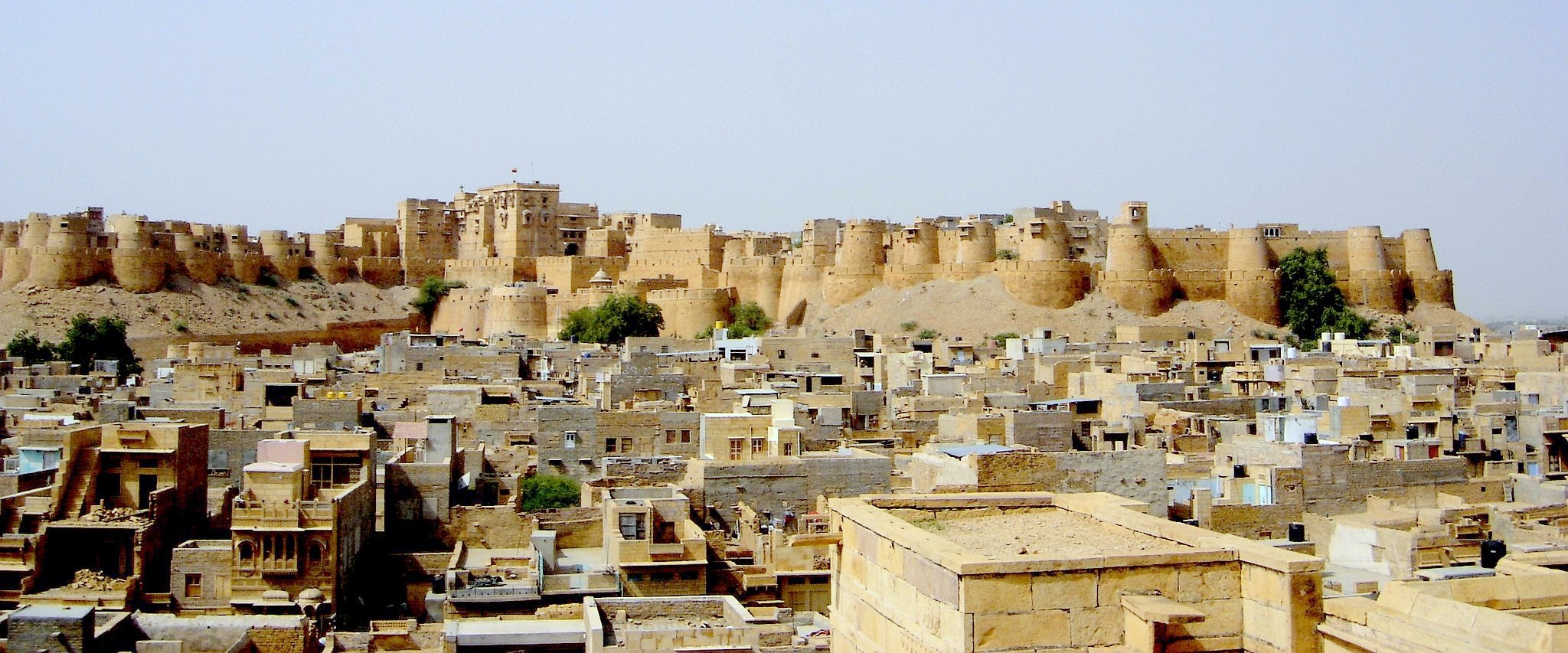
Jaisalmer stands apart from Jaipur and Udaipur by centering life around a living fort carved from golden sandstone in the heart of the Thar desert. Unlike Jaipur’s pink city or Udaipur’s lakeside palaces, Jaisalmer’s narrow alleys inside the fort still house families, craftspeople, and markets. The Patwon Ki Haveli cluster offers intricate stonework unique to this desert city. Exploring neighborhoods like the fort’s old quarters reveals a culture shaped by desert trade routes and centuries of survival in harsh conditions.
- Jaisalmer Fort remains inhabited, unlike most Indian forts turned museums or ruins.
- Patwon Ki Haveli showcases detailed sandstone carvings unique to Jaisalmer’s merchant history.
- Camel safaris into the Thar desert dunes start from Sam village, 18 miles / 29 km away.
- The desert nights host traditional folk performances in desert camps, rarely found in Jaipur or Udaipur.
- Local markets inside the fort sell handcrafted leather and textile goods unavailable in other Rajasthan cities.
Best for
Culture seekers focused on heritage and village life will thrive here, especially solo travelers comfortable navigating narrow alleys and desert heat. Those who want to live within a historic fort’s daily rhythm will find Jaisalmer rewarding.
Skip if
Skip Jaisalmer if you prefer urban comforts or lakefront scenery; opt for Udaipur instead for water-centered heritage and easier transport.
Top things to do in Jaisalmer
1. Jaisalmer Fort ·
Explore the living fort where thousands still reside amid temples, shops, and ancient architecture carved from golden sandstone.
Walk through narrow lanes inside the massive sandstone walls where residents live, shop, and worship in a functioning medieval city. Visit Jain temples with detailed carvings and peek into family homes and small bazaars selling textiles and jewelry. The fort’s elevated position offers views over the old city and desert beyond. Expect a lively atmosphere blending daily life with centuries-old architecture.
This fort is not just a monument but a living neighborhood, unlike other Rajasthan forts that are purely tourist sites. It offers direct insight into how heritage and daily life coexist.
- When: Visit early morning or late afternoon to avoid midday heat and catch softer light on the golden sandstone, best from October to March.
- Cost: ~$5, 2026
- Duration: 2-3 hours
- How to reach: Reach on foot from the historic center via the main entrance on Fort Road; the climb is steep but manageable.
Insider tip: If closed
Explore Patwon Ki Haveli for detailed architecture and merchant history if the fort is closed.
Solo female travel: Stick to main lanes inside the fort after dark; some alleys get quiet and poorly lit.
2. Patwon Ki Haveli ·
Walk through the most elaborate haveli complex in Jaisalmer, showcasing intricate carvings and the wealth of historic merchant families.
Tour the five linked havelis built by a wealthy merchant family, each with unique sandstone facades and detailed jharokhas (balconies). Inside, see frescoes, wooden carvings, and courtyards that reveal merchant life in the 19th century. The complex sits on a busy street in the old city, surrounded by local shops and eateries. Guides from the licensed outfits explain the symbolism behind the carvings and the family’s trade history.
Patwon Ki Haveli offers the richest architectural detail and merchant history compared to smaller havelis around Jaisalmer Fort.
- When: Open daily from 9:00 AM to 5:00 PM; visit mid-morning to avoid crowds and harsh light on the carvings.
- Cost: ~$3, 2026
- Duration: 1-1.5 hours
- How to reach: Walk 10 minutes from Jaisalmer Fort along Fort Road and then left onto a busy market street where the haveli stands.
Insider tip: If closed
Visit Nathmal Ki Haveli nearby for a quieter but less elaborate merchant mansion.
3. Sam Sand Dunes Camel Safari ·
Take a camel safari into the Sam Sand Dunes for desert sunset views and an immersive experience of Thar desert life.
Book a camel safari with one of the licensed desert tour operators departing from the edge of Jaisalmer town. The ride takes you across rolling sand dunes, ending at a camp where you can watch the sunset over the Thar Desert. Many tours include folk music, traditional meals, and overnight tents. The experience highlights desert ecology and local nomadic culture, with guides sharing stories about the region’s history and survival. Book on GetYourGuide.
Sam Sand Dunes is the only accessible desert area near Jaisalmer offering a full camel safari experience, unlike smaller dunes closer to town.
- When: Start late afternoon around 3:30 PM to catch sunset; best from October to March when temperatures are cooler.
- Cost: ~$25-$40, 2026
- Duration: Half day to overnight
- How to reach: Arrange pickup from your guesthouse or walk to the desert tour operator offices near the old city’s main square; vehicles then transfer you 15 miles / 24 km to the dunes.
Insider tip: If closed
Visit Gadisar Lake for a desert-edge walk and birdwatching if the dunes are inaccessible due to weather.
Solo female travel: Choose operators with female guides or women-only groups for added comfort; book in advance during peak season.
4. Desert Cultural Museum ·
Visit this museum to understand the desert’s ecology, crafts, and the cultural heritage of Jaisalmer’s communities.
Explore exhibits on the flora and fauna of the Thar Desert, traditional crafts like block printing and leatherwork, and the lifestyles of local desert communities. The museum uses dioramas, photographs, and artifacts to explain how people adapted to harsh desert conditions. It sits near the old city, making it a convenient stop after visiting the fort or havelis. The museum also highlights conservation efforts and desert agriculture.
This museum provides context for the desert environment that shapes Jaisalmer’s culture, unlike art-focused museums in the city.
- When: Open weekdays 10:00 AM to 5:00 PM; visit in the morning to avoid afternoon heat and crowds.
- Cost: ~$2, 2026
- Duration: 1-1.5 hours
- How to reach: Walk or take a rickshaw from the historic center along Amar Sagar Road to the museum entrance.
Insider tip: If closed
Attend a local craft workshop in the old city to learn about desert artisan skills.
5. Gadisar Lake ·
Stroll around this historic artificial lake, once a water source for the city, surrounded by temples and ghats reflecting desert life.
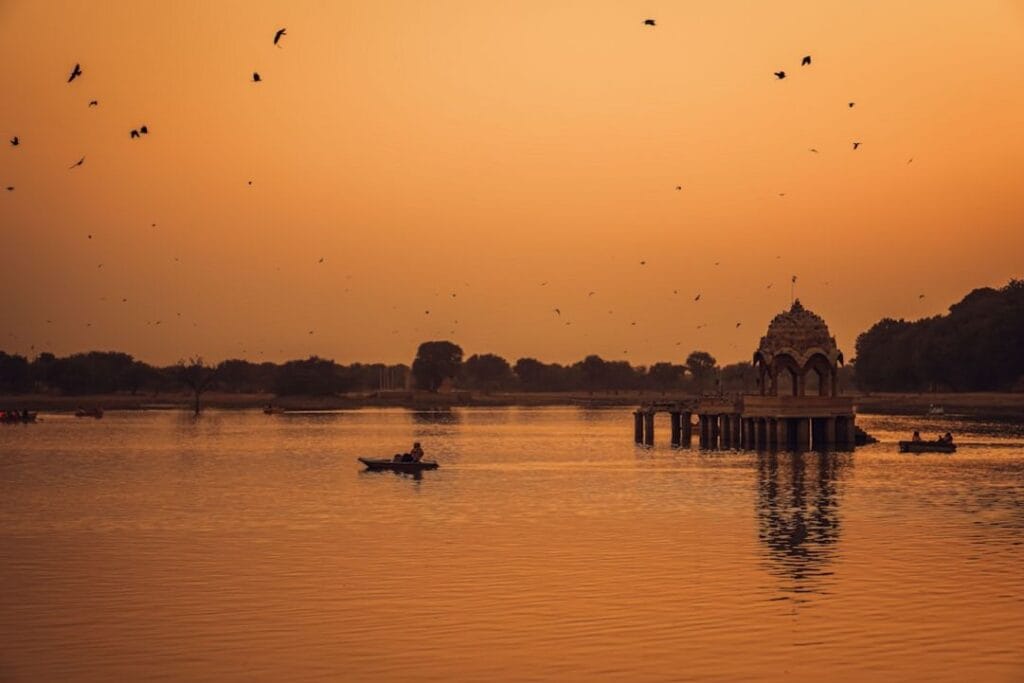
Walk the stone-paved path around the lake, passing small temples, chhatris (cenotaphs), and ghats where locals gather. The lake’s calm water reflects the golden sandstone buildings, creating a quiet contrast to the bustling old city. Vendors sell snacks and tea nearby, and boat rides are available for a closer look at the water birds. The site offers insight into how water management shaped desert settlement patterns.
Gadisar Lake combines natural beauty with cultural history, unlike other city parks or reservoirs that lack heritage significance.
- When: Visit early morning or late afternoon for cooler temperatures and better light; best between November and February.
- Cost: Free
- Duration: 1 hour
- How to reach: Reach by walking 15 minutes southwest from the fort along Gadisar Road or take a short rickshaw ride.
Insider tip: If closed
Explore the old city’s street markets for a lively cultural experience if the lake is dry or under maintenance.
6. Nathmal Ki Haveli ·
Discover this architecturally unique haveli with a blend of Rajput and Islamic styles, revealing merchant class history.
Nathmal Ki Haveli stands out for its intricate carvings and the unusual fact that two brothers built it simultaneously, resulting in subtle asymmetry. Walking through its courtyards and balconies reveals a fusion of Rajput and Islamic architectural elements, reflecting the merchant class’s wealth and tastes. The detailed jharokhas (overhanging balconies) and ornate pillars offer insight into 19th-century craftsmanship. Expect a quiet visit compared to busier havelis, with the chance to observe local artisans working nearby.
Choose Nathmal Ki Haveli over the more crowded Patwon Ki Haveli for a more intimate look at merchant architecture without the tourist rush.
- When: Visit in the morning between 9:00 AM and 11:00 AM to avoid midday heat and crowds, open daily.
- Cost: ~$3, 2026
- Duration: 1 hour
- How to reach: Walk from the Jaisalmer Fort’s main entrance along the narrow lanes of the old city; it’s about a 5-minute walk from the fort’s central plaza.
Insider tip: If closed
Explore Patwon Ki Haveli nearby for a broader view of merchant family residences.
7. Jaisalmer Bazaar Walk ·
Navigate the bustling bazaars near the fort for textiles, jewelry, and spices, where local life and commerce unfold daily.
The bazaars around Jaisalmer Fort pulse with daily life, offering textiles, silver jewelry, and spices unique to the Thar desert region. Walking through the narrow lanes, you’ll find block-printed fabrics and camel leather goods alongside street vendors selling fresh snacks. The market’s energy peaks late morning and early evening, with locals haggling and artisans crafting on the spot. This walk doubles as a cultural immersion, revealing how commerce and tradition coexist in the city’s historic core.
This walk beats the touristy souvenir shops on the fort’s ramparts by offering authentic goods and a chance to observe local trade in action.
- When: Late morning from 10:00 AM to noon or early evening around 5:00 PM when the market livens up, daily.
- Cost: Free
- Duration: 1.5 hours
- How to reach: Start at the main gate of Jaisalmer Fort and follow the winding streets south and east into the old city’s market area; all on foot.
Insider tip: If closed
Visit the Thar Heritage Museum for cultural context on local crafts and trade.
Solo female travel: Stick to the main market lanes near the fort after dark; avoid the quieter alleys that empty out by 7:00 PM.
8. Desert Folk Dance Performance ·
Attend an evening folk dance show near the dunes to experience traditional music and dance rituals of desert communities.
The desert folk dance performances take place at campsites just outside Jaisalmer, where local musicians and dancers showcase traditional Rajasthani songs and movements. The show includes vibrant costumes, rhythmic drumming, and storytelling through dance, often accompanied by camel rides and desert sunset views. Most operators provide transport from the city and a simple dinner, making it a full evening event. Booking in advance is recommended to secure a spot at the better-reviewed camps. Book on GetYourGuide.
This performance offers a deeper cultural context than city-based shows by situating the experience in the desert environment where these traditions evolved.
- When: Evenings from 6:30 PM to 9:00 PM, best between October and March when desert nights are cooler.
- Cost: ~$20-$25, 2026
- Duration: 3 hours
- How to reach: Book a pickup from your guesthouse or the city center; the camps are about 6 miles / 10 km southwest along the Jaisalmer-Sam road.
Insider tip: If closed
Attend a smaller folk music event at a local cultural center inside the city.
Solo female travel: Choose a camp with verified transport and group seating to avoid late-night travel alone in the desert.
9. Kuldhara Village Ruins ·
Visit the abandoned village of Kuldhara, a short drive from Jaisalmer, to explore desert history and local legends.
Kuldhara is a deserted village roughly 18 miles / 29 km west of Jaisalmer, known for its eerie ruins and stories of sudden abandonment. Walking through the crumbling sandstone houses and narrow lanes reveals the scale of this once-thriving settlement. Local guides share legends about the village’s mysterious desertion, adding a layer of folklore to the visit. The site is open-air with no facilities, so bring water and plan for a brief stop rather than a full-day outing. Book on GetYourGuide.
Kuldhara offers a stark contrast to Jaisalmer’s living fort, showing desert life’s fragility and the region’s layered history beyond urban centers.
- When: Morning visits from 8:00 AM to 11:00 AM avoid the midday heat; open year-round.
- Cost: ~$5, 2026
- Duration: 2 hours
- How to reach: Hire a taxi or join a shared jeep from the city center; the drive takes about 45 minutes along the Jaisalmer-Barmer highway.
Insider tip: If closed
Explore the Thar Heritage Museum for historical context on desert settlements.
10. Thar Heritage Museum ·
Explore artifacts and exhibits detailing the history, crafts, and lifestyle of the Thar desert’s inhabitants.
The Thar Heritage Museum, located near the fort’s eastern gate, displays traditional costumes, tools, and household items from desert communities. Exhibits cover local crafts like weaving and pottery, alongside photographs documenting desert life and festivals. The museum’s layout is compact but informative, providing context for the region’s cultural continuity despite harsh conditions. It’s a quiet spot to learn about the Thar’s social fabric before heading into the city’s markets or desert.
This museum complements outdoor visits by grounding the desert’s cultural heritage in tangible artifacts and detailed explanations.
- When: Open daily from 10:00 AM to 5:00 PM; best visited in the morning to avoid afternoon heat.
- Cost: ~$2, 2026
- Duration: 1 hour
- How to reach: Walk east from Jaisalmer Fort along the main road toward the old city’s eastern gate; about a 10-minute walk.
Insider tip: If closed
Visit the local crafts shops near the fort to see artisans at work.
11. Shopping for Traditional Rajasthani Textiles ·
Browse shops around the fort for block-printed fabrics and embroidered textiles unique to the Jaisalmer region.
The textile shops near Jaisalmer Fort specialize in block-printed cottons, mirror work embroidery, and camel wool shawls distinctive to the region. Browsing these stores reveals the variety of local techniques, with many shops run by families who have practiced these crafts for generations. You can see artisans hand-stamping fabrics or stitching patterns, offering insight into the production process. Prices vary widely, so haggling is expected and part of the experience.
Shopping here beats generic market stalls by focusing on quality and regional specificity, with knowledgeable sellers who explain the craft.
- When: Late morning from 10:00 AM to 1:00 PM when shops are fully open and artisans are present, daily.
- Cost: Varies; expect ~$10-$50 for quality pieces, 2026
- Duration: 1-2 hours
- How to reach: Walk from the fort’s main gate into the old city lanes, especially along the streets south of the fort’s entrance.
Insider tip: If closed
Visit the Thar Heritage Museum for textile displays and craft history.
Solo female travel: Stick to established shops near the fort; avoid isolated stalls in less busy alleys after sunset.
48 hours in Jaisalmer
This two-day plan focuses on exploring Jaisalmer’s living fort and its surrounding heritage neighborhoods, ideal for culture seekers who want to dive deep into local life and crafts. The itinerary balances immersive walks, artisan visits, and authentic meals in the historic center, avoiding tourist traps and maximizing meaningful encounters.
Day 1
Morning
Start your morning inside the Jaisalmer Fort before 9:00 AM to catch the soft golden light on the sandstone walls and avoid the midday heat. Wander through the narrow alleys where residents still live, then head to a rooftop café overlooking the fort’s bustling streets for a chai and light breakfast. This early start lets you experience the fort’s daily rhythm before the crowds arrive.
Afternoon
After a quick walk down to the Patwon Ki Haveli complex, spend the early afternoon exploring its intricate carvings and courtyards. Stop for lunch at a family-run rooftop restaurant nearby, ordering traditional dal bati churma and fresh roti for under $8 (2026). Post-lunch, visit a local artisan workshop in the fort’s outer lanes, where you can watch block printing or leatherwork firsthand, then stroll through the small bazaars for handcrafted souvenirs.
Evening
Head to the fort’s western ramparts by 5:30 PM to catch the sunset casting long shadows over the Thar desert. For dinner, choose a courtyard eatery in the old city that serves Rajasthani thali with seasonal vegetables and spiced lentils, priced around $12 (2026). The evening atmosphere here is relaxed, with locals gathering for music or storytelling, offering a genuine glimpse of Jaisalmer’s community life.
Day 2
Morning
Begin day two with a visit to the bustling Sadar Bazaar neighborhood just outside the fort walls, arriving around 8:30 AM when vendors set up fresh produce and spices. Grab a breakfast of kachori and sweet lassi from a street stall favored by locals, then explore the market’s narrow lanes to observe daily commerce and pick up rare spices unique to the Thar region.
Afternoon
Dedicate the afternoon to a camel safari operator on the outskirts of town, leaving by 1:00 PM for a three-hour ride into the dunes. This is the day’s high-effort activity, offering a direct connection to desert life beyond the fort’s stone walls. Return by 5:00 PM and refresh at a small café near the fort’s east gate, known for its fresh mint tea and samosas.
Evening
Spend your final evening in the quieter neighborhood of Bhatia Bazaar, where you can join a casual dinner crawl sampling street food stalls that specialize in bajra roti and mirchi bada. The area fills with locals after sunset, creating a lively but authentic atmosphere far from the tourist circuit. Wrap up with a walk along the fort’s illuminated ramparts for a last look at the golden city.
If you have a third day
Use a third day to explore the less-visited Gadisar Lake area early in the morning, when the water reflects the fort’s silhouette and migratory birds gather. Follow this with a visit to a nearby Jain temple complex, where quiet rituals and intricate stonework offer a different spiritual layer to Jaisalmer’s heritage.
Best time to visit Jaisalmer
Quick answer
Visit Jaisalmer from October to early December for pleasant weather and vibrant local life.
| Months to go | October to early December |
|---|---|
| Months to avoid | May to September due to extreme heat and monsoon rains. |
Jaisalmer experiences extreme temperatures, with summer months reaching up to 104°F (40°C), making outdoor activities uncomfortable. The monsoon season from July to September brings heavy rains, which can disrupt travel plans and limit access to certain areas. October marks the beginning of the cooler season, with temperatures ranging from 68°F / 20°C to 86°F (20°C to 30°C), perfect for exploring the fort and local markets. Early December remains pleasant, allowing for comfortable evening strolls and cultural experiences. January can be chilly, with temperatures dropping to around 50°F (10°C), which may deter some travelers from late-night activities.
Average temperature (°F)
Monthly weather
Cool and dry, great for exploration.
Mild temperatures, ideal for sightseeing.
Warm days, pleasant evenings.
Increasing heat, still manageable.
Very hot, best to avoid.
Extreme heat, limit outdoor activities.
Monsoon season, travel disruptions.
Heavy rains, avoid travel.
End of monsoon, still wet.
Pleasant weather, great for visits.
Cooler, perfect for exploring.
Chilly nights, good for culture.
How to get to Jaisalmer
Nearest airport
Jaisalmer Airport (JSA), 8 miles / 13 km
From the airport
Take a metered taxi from the airport to the city center for around $10, 2026. Alternatively, book a private transfer in advance for convenience.
Other ways to arrive
- From Delhi: Fly to Jaisalmer (1.5 hours), then take a taxi to the city center for about $10, 2026.
- From Jodhpur: Take a train to Jaisalmer (approximately 10 hours) for around $15, 2026.
- From Udaipur: Travel by bus to Jaisalmer (around 12 hours) costing about $20, 2026.
Getting around Jaisalmer
Walking is the best way to explore Jaisalmer’s narrow streets and vibrant markets. For longer distances, consider hiring a tuk-tuk.
- Walk: Ideal for exploring the fort and nearby attractions; free.
- Tuk-tuk: Hire for short trips around the city; costs around $2-$5, 2026.
- Bicycle rental: Rent a bike to explore the outskirts; about $3 per day, 2026.
- Private car hire: For day trips outside the city; prices start at $30, 2026.
Day trips from Jaisalmer
These day trips enhance your Jaisalmer experience, offering a glimpse into the surrounding desert and local culture.
Sam Sand Dunes
Experience the vast Thar Desert and enjoy camel rides.
Why: The sunset views over the dunes are stunning, and you can enjoy traditional Rajasthani music and dance in the evening.
Skip if: You prefer staying in the city or have limited time.
Kuldhara Village
Visit this abandoned village known for its intriguing history.
Why: Explore the ruins and learn about the legends surrounding its mysterious abandonment.
Skip if: You are not interested in historical sites.
Desert National Park
Spot unique wildlife and enjoy the desert landscape.
Why: Home to the Great Indian Bustard, this park offers a chance to see diverse flora and fauna.
Skip if: Wildlife viewing isn’t a priority for you.
Combine Jaisalmer with
Extend your journey by connecting Jaisalmer with nearby destinations rich in culture and history.
Jaisalmer to Jodhpur Jaisalmer, Osian, Jodhpur
Travel from Jaisalmer to Jodhpur, stopping at Osian for its ancient temples, making for a culturally rich journey.
Jaisalmer to Udaipur Jaisalmer, Kumbhalgarh, Udaipur
Head to Udaipur via Kumbhalgarh Fort, allowing you to explore another UNESCO World Heritage site along the way.
Where to stay in Jaisalmer
Compare prices across booking sites on the map below and see which neighbourhood fits your plans.
Jaisalmer offers a variety of neighborhoods catering to different traveler preferences. The historic center, particularly around Fort Road, is ideal for those wanting to be close to the Golden Fort and local markets. For a quieter experience, consider staying in the Gadi Sagar Lake area, where you can enjoy serene views and easy access to lakeside cafes. If you’re looking for a more local vibe, the streets near the Patwon Ki Haveli are vibrant with artisan shops and eateries.
Fort Road
Hostels and budget guesthouses dominate this tier, offering dormitory-style accommodations and basic amenities. Expect a social atmosphere where you can meet fellow travelers. While these places may lack luxury, they provide a great base for exploring the city.
Insider tip: Look for hostels that offer free walking tours; they can provide valuable insights into the city’s history.
Gadi Sagar Lake
Family-run guesthouses and boutique hotels are common in this range, providing comfortable rooms with local decor and personalized service. These accommodations often include breakfast and are conveniently located near major attractions. While they may lack some amenities of larger hotels, the charm and hospitality make up for it.
Insider tip: Choose a guesthouse with a rooftop terrace for stunning sunset views over the lake.
Near Patwon Ki Haveli
Luxury hotels and heritage properties offer lavish accommodations with top-notch amenities, including pools and fine dining. These places provide a unique experience, often set in restored havelis or palaces. While they come at a higher price, the level of service and comfort is exceptional.
Insider tip: Request a room with a fort view to enjoy the illuminated fort at night.
Where not to stay
Avoid the area around the railway station; it can be noisy and lacks the charm of the historic center.
Solo female travelers
Stay at a female-only dorm in a hostel near Fort Road, where the area remains lively and well-lit at night.
Booking through these links supports Pack Lightly at no extra cost to you.
Where to eat and drink in Jaisalmer
Jaisalmer’s culinary scene is deeply influenced by its desert surroundings, featuring rich flavors and local ingredients like lentils and spices. The city is known for its traditional Rajasthani dishes, particularly those served in family-run eateries and vibrant markets. Expect to find a blend of local cooking styles and community-specific dishes that reflect the heritage of the region.
Must-try dishes
Dal Baati Churma
A traditional Rajasthani dish consisting of baked wheat balls (baati) served with lentil curry (dal) and sweet crumbled bread (churma).
This dish is a staple of Rajasthani cuisine, best enjoyed at local eateries where it is made with regional ingredients and traditional methods.
Insider tip: Try it with a side of garlic chutney for an extra kick.
Gatte ki Sabzi
A curry made with gram flour dumplings simmered in a spiced yogurt sauce.
This dish showcases local ingredients and is often prepared in homes, making it a true taste of Jaisalmer’s culinary heritage.
Insider tip: Pair it with a sweet lassi to balance the spices.
Ker Sangri
A traditional Rajasthani dish made from desert beans and berries, cooked with spices.
This dish is unique to the Thar Desert region, highlighting the local flora and is often found in village kitchens.
Insider tip: It’s a must-try for those wanting to experience authentic desert flavors.
Chai
A spiced tea made with black tea leaves, milk, and a mix of aromatic spices.
Jaisalmer’s tea stalls serve some of the best chai, reflecting the local culture of tea drinking.
Insider tip: Enjoy it with a biscuit for the full experience.
Where to eat – by neighborhood
Sadar Market
A bustling area filled with street food stalls, local restaurants, and shops selling spices and snacks.
Insider tip: Try to visit during lunch hours when locals flock to the stalls for quick meals.
Fort Area
Home to many family-run eateries serving traditional Rajasthani dishes with stunning views of the desert.
Insider tip: Order a thali to sample a variety of dishes in one meal, just like the locals do.
Dietary note
Vegetarians will find plenty of options, as Rajasthani cuisine is predominantly vegetarian.
Daily budget for Jaisalmer
Jaisalmer’s daily costs can be higher than other parts of India due to its status as a popular tourist destination in the Thar Desert. Expect to pay a premium for unique experiences like desert safaris and heritage stays.
Shoestring
- lodging – Dormitory beds in hostels or budget guesthouses.
- food – Local eateries and street food for meals.
- transport – Shared rickshaws or local buses.
- activities – Entry fees and basic tours.
- buffer – Small expenses or snacks.
Trade-offs: Expect to sacrifice comfort for budget-friendly options.
Comfort
- lodging – Private rooms in guesthouses or mid-range hotels.
- food – Meals at decent restaurants and cafes.
- transport – Private transport or taxis for convenience.
- activities – Guided tours and experiences.
- buffer – Miscellaneous expenses.
Trade-offs: Enjoy more comfort and convenience, but still keep an eye on costs.
Splurge
- lodging – Luxury hotels or heritage properties.
- food – Fine dining experiences and specialty restaurants.
- transport – Private drivers or premium transport options.
- activities – Exclusive tours or unique experiences.
- buffer – Extras or souvenirs.
Trade-offs: Indulge in premium experiences, but be mindful of the overall budget.
Money-saver tip
Eat at local dhabas for authentic meals at lower prices.
Splurge that’s worth it
A night in a heritage hotel within the fort offers a unique experience of living history.
Skip to save
Avoid overpriced camel rides near the fort; they often don’t deliver the best experience.
Practical tips for Jaisalmer
Money
Cash or card. Cash is king in Jaisalmer, especially at local markets and smaller eateries. Many businesses, particularly family-run ones, still operate on a cash-only basis.
ATMs. ATMs are available throughout the city, but foreign card fees can be high. HDFC Bank ATMs are generally reliable for international cards.
Tipping. Tipping is customary in Jaisalmer; rounding up the bill or leaving around 10% is appreciated. For example, if your meal costs $10, leaving $11 is a nice gesture.
Safety
Jaisalmer is relatively safe for travelers, but it’s wise to stay alert in crowded areas. Petty theft can occur, especially in tourist hotspots.
Common scams:
- Overcharging for camel rides and tours.
- Fake guides offering services at inflated prices.
Local warnings:
- Beware of sandflies in the desert; use repellent.
- The sun can be intense; wear sunscreen and a hat.
Connectivity
Mobile data. Mobile coverage is generally good in Jaisalmer, with several providers offering competitive rates. Airtel and Jio are popular choices, with SIM cards costing around $5-$10.
Wi-Fi. Most cafes and accommodations offer free Wi-Fi, but speeds can vary. The area around the Fort has several spots with reliable connections.
Language
Main language: Hindi. English level: English is commonly spoken in tourist areas, but proficiency varies among locals. You may find it challenging to communicate with non-tourist vendors.
Cultural notes
- Dress modestly, especially when visiting religious sites.
- Always ask before taking photos of people.
- Use your right hand for giving and receiving items.
Solo female travel
Solo female travelers can navigate Jaisalmer with confidence, especially in well-trafficked areas. The local attitude is generally welcoming, but it’s best to avoid isolated spots after dark.
- Neighborhood: Stay near the Fort area for a vibrant atmosphere and easy access to amenities.
- Meeting people: Hostels like Desert Boys offer a social atmosphere, making it easy to meet other travelers.
Frequently asked questions about Jaisalmer
1Is Jaisalmer better than Udaipur?
Yes, if you’re looking for a unique desert experience. Jaisalmer’s golden fort and vibrant local life set it apart from Udaipur’s lakes and palaces.
2How many days should I spend in Jaisalmer?
Three days is ideal. Spend one day exploring the fort and havelis, another for a camel safari, and the last for local markets and cultural experiences.
3What is Jaisalmer known for?
Jaisalmer is known for its stunning golden sandstone architecture, particularly the Jaisalmer Fort, and its proximity to the Thar Desert for camel safaris.
4Is Jaisalmer safe for solo female travelers?
Yes, Jaisalmer is generally safe for solo female travelers. The local community is welcoming, but it’s wise to stay in well-lit areas at night.
5What is the best time to visit Jaisalmer?
Visit between October and March for pleasant weather. Temperatures are mild, ranging from 50°F / 10°C to 75°F (10°C to 24°C), perfect for exploring.
6Do I need a car to get around Jaisalmer?
No, you don’t need a car. Most attractions are within walking distance, and local rickshaws are readily available for longer distances.
7What NOT to do in Jaisalmer?
Avoid visiting during the peak summer months (April to June) when temperatures can soar above 100°F (38°C). Also, skip the tourist traps around the fort for more authentic experiences.