


The soft splash of wooden boat oars cuts through the morning mist on the canals near Pingjiang Road in the city centre.
Suzhou is a city defined by its classical gardens and network of canals, located roughly 60 miles / 100 km west of Shanghai. Visitors come for the UNESCO-listed Humble Administrator’s Garden and the historic Pingjiang Road neighborhood, where waterways thread through centuries-old streets. The city’s silk heritage and stone bridges add layers to its cultural fabric. Unlike Shanghai’s skyscrapers, Suzhou offers a slower, more intimate urban rhythm focused on heritage and village life within the city. The historic Gusu District holds most of the key sites, while the nearby Shantang Street offers a lively mix of local shops and teahouses. Expect fewer crowds than nearby water towns but more authentic urban life than resort-style destinations. Plan your visit to maximize daylight hours for garden tours and canal walks, as many sites close by 5:00 PM.
Start with the Humble Administrator’s Garden for classical landscaping, then stroll Pingjiang Road’s canals for local life. Visit the Suzhou Silk Museum to understand the city’s craft legacy. End with a boat ride through the old water lanes for a direct connection to Suzhou’s historic layout.
Key takeaways
- Book Humble Administrator’s Garden tickets online to avoid lines; entry is around $10, 2026.
- Stay in Gusu District for walking access to gardens and canals.
- Visit Pingjiang Road before 4:30 PM to catch open shops and teahouses.
- Canal boat rides run daily until 5:00 PM; afternoon trips offer softer light for photos.
- Suzhou Silk Museum closes at 5:00 PM; allocate 1.5 hours for a full visit.
- Avoid weekends at major gardens to skip local crowds.
- Local buses connect Gusu District and Shantang Street every 15-20 minutes.
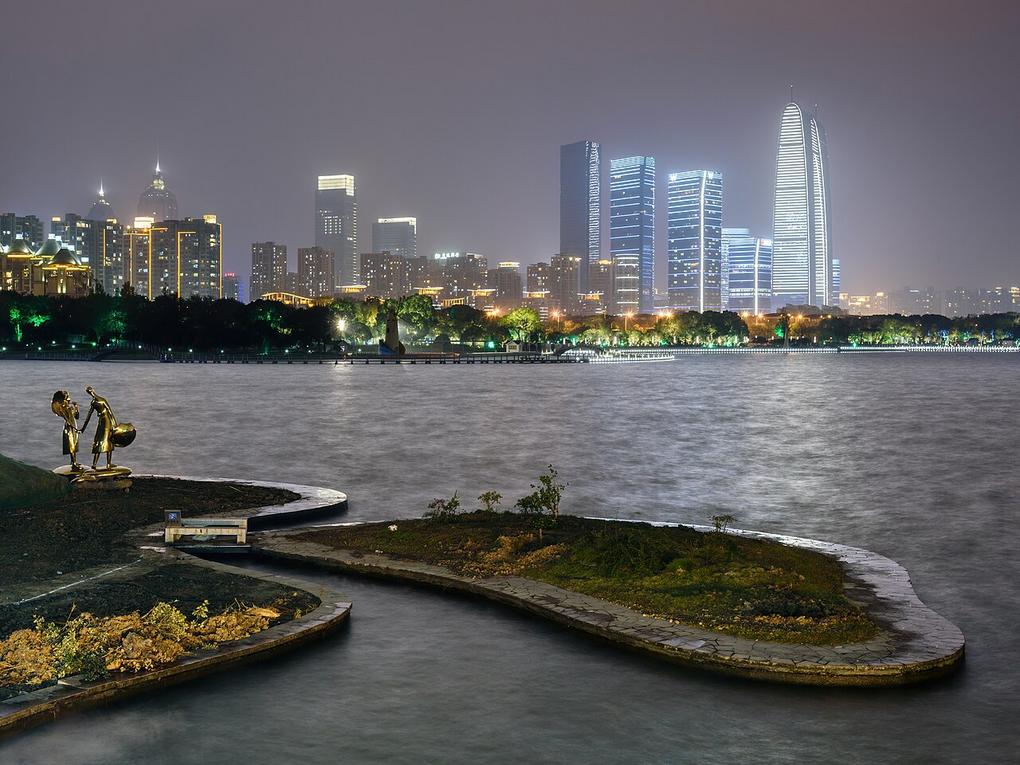
Why visit Suzhou
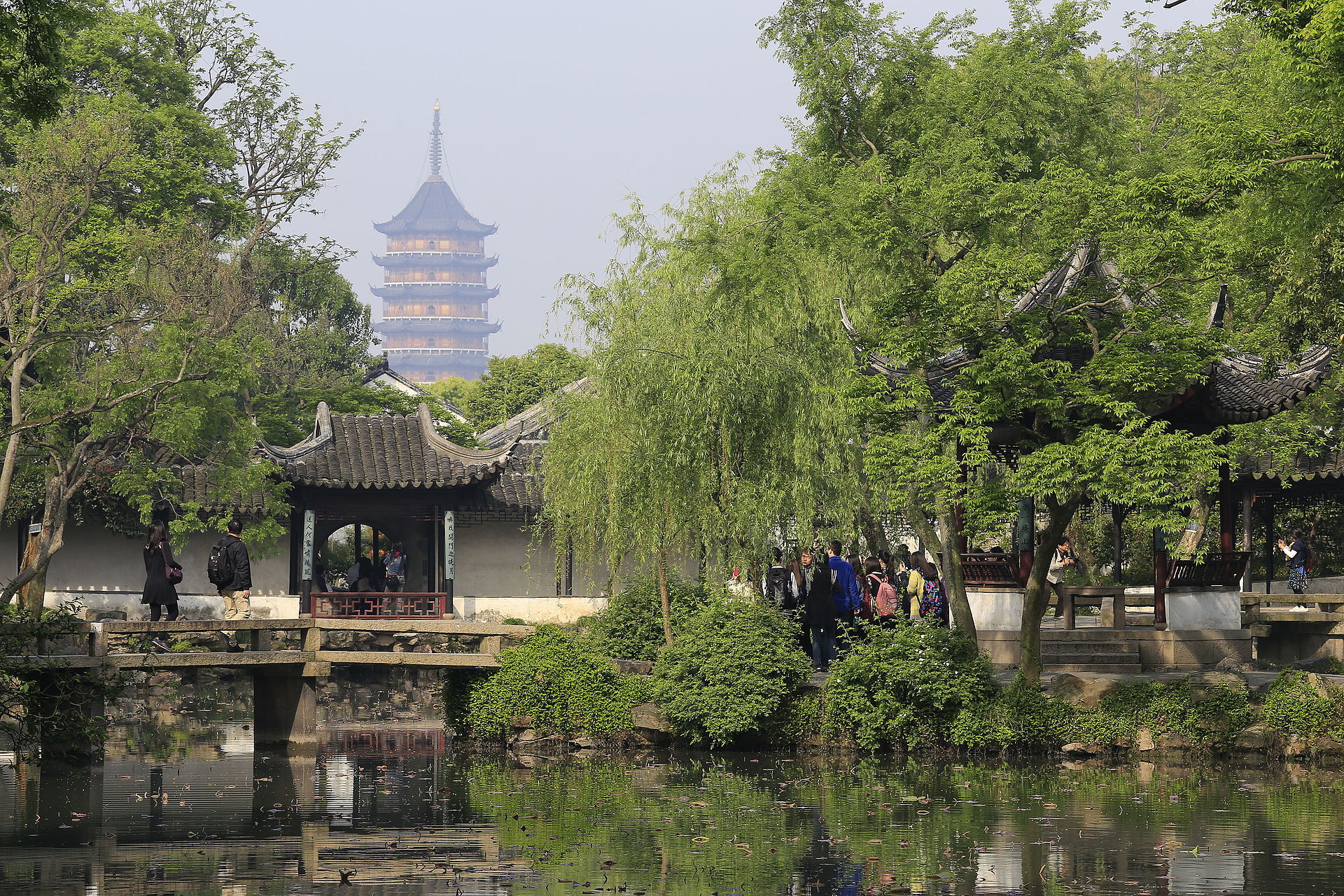
Suzhou stands out from Shanghai and Hangzhou by preserving classical gardens and a network of canals that shape daily life. Its UNESCO-listed Humble Administrator’s Garden offers a direct window into Ming dynasty scholar culture, unlike Shanghai’s modern skyline or Hangzhou’s lake-centered scenery. The historic Pingjiang Road neighborhood lets you walk through centuries-old alleys lined with traditional architecture and waterside teahouses. Suzhou’s waterways still serve as practical transport routes, blending heritage with living urban rhythms. This focus on classical gardens and canal-laced village life creates a cultural depth missing in nearby megacities.
- Explore the Humble Administrator’s Garden, the largest classical garden in Suzhou, showcasing Ming dynasty landscape design.
- Take a boat ride through the ancient canals of Pingjiang Road, a preserved waterside neighborhood with stone bridges and teahouses.
- Visit the Suzhou Silk Museum to understand the city’s centuries-old silk production, a local craft not emphasized in Shanghai.
- Experience the quiet charm of Shantang Street, a historic canal street less commercialized than Hangzhou’s West Lake area.
- Many guides overlook Suzhou’s network of small waterways still used by locals for daily transport, not just tourism.
Best for
Culture seekers focused on heritage, traditional crafts, and neighborhood walks will appreciate Suzhou’s intact classical gardens and canal life. Solo travelers comfortable navigating historic urban quarters will find rich layers of history and local rhythm here.
Skip if
Skip Suzhou if modern city life or nightlife drives your trip; Shanghai offers a more dynamic urban experience with international dining and entertainment.
Top things to do in Suzhou
1. Humble Administrator’s Garden ·
Explore the largest and most celebrated classical garden in Suzhou, showcasing traditional landscaping and scholar aesthetics that shaped the city’s cultural identity.
Wander through the Humble Administrator’s Garden, the largest classical garden in Suzhou, where water features, pavilions, and winding paths reflect Ming dynasty landscaping principles. The garden’s layout emphasizes harmony between architecture and nature, with lotus ponds and bamboo groves creating quiet corners for reflection. Notice the scholar stones and calligraphy plaques that highlight the garden’s role as a retreat for literati. The garden’s main entrance is on Dongbei Street in the Gusu District, close to the city center.
Choose this garden over others like the Lingering Garden for its scale and comprehensive display of scholar garden design, which shaped Suzhou’s cultural identity more broadly.
- When: Visit early morning or late afternoon to avoid crowds, ideally from March to May or September to November when the weather is mild and gardens are in bloom.
- Cost: ~$10, 2026
- Duration: 2 hours
- How to reach: Walk or take a short taxi ride from Suzhou Railway Station to Dongbei Street in the Gusu District; the garden is well signposted and near other central attractions.
Insider tip: If closed
Visit the Lingering Garden nearby for a similarly rich classical garden experience with more intricate rockwork.
2. Boat ride on Suzhou’s canals ·
Take a guided boat ride through the narrow canals to experience the city’s historic water lanes and stone bridges from a local perspective.
Board a traditional wooden boat from the docks near Pingjiang Road or Shantang Street for a slow cruise through Suzhou’s canal network. The ride passes under low stone bridges and alongside Ming and Qing dynasty buildings, offering a view of daily life along the water. Licensed operators provide commentary in English or Chinese, explaining the history of the canals and the silk trade. Evening rides add a different mood as lanterns light the waterways, but daytime trips offer clearer views of architectural details. Book on GetYourGuide.
This boat ride is the best way to see Suzhou’s canal system up close, unlike walking which limits views to street level and misses the water’s role in city life.
- When: Book morning or early afternoon rides to avoid the evening rush; spring and fall offer the most comfortable temperatures for an open boat.
- Cost: ~$15, 2026
- Duration: 1 hour
- How to reach: Reach the boarding points by walking from the historic Pingjiang Road district or take a short taxi ride from the city center to Shantang Street docks.
Insider tip: If closed
Walk along Pingjiang Road Historic District to experience canal-side life on foot if boat rides are unavailable due to weather.
Solo female travel: Choose licensed operators who run small groups and depart from well-lit docks near Pingjiang Road for safer solo travel, especially in the evening.
3. Lingering Garden ·
Visit this UNESCO-listed garden known for its intricate rock formations and elegant pavilions, a prime example of Suzhou’s garden artistry.
Explore the Lingering Garden, famous for its elaborate rockeries and delicate pavilions that showcase the craftsmanship of Qing dynasty garden builders. The garden’s design emphasizes spatial layering, with winding corridors and hidden courtyards that reveal new views at every turn. Pay attention to the carved window frames and painted beams that reflect traditional aesthetics. Located in the historic district near Jinchang Road, it’s a compact garden that rewards slow exploration.
Pick the Lingering Garden if you want to focus on detailed rock formations and pavilion architecture, which contrast with the broader water features of the Humble Administrator’s Garden.
- When: Visit mid-morning on weekdays to avoid crowds; spring and fall provide the best weather for strolling the garden paths comfortably.
- Cost: ~$8, 2026
- Duration: 1.5 hours
- How to reach: Take a taxi or walk from the city center to Jinchang Road in the Gusu District; the garden is near other historic sites, making it easy to combine visits.
Insider tip: If closed
Head to the Humble Administrator’s Garden for a larger-scale garden experience if Lingering Garden is closed.
4. Suzhou Silk Museum ·
Discover Suzhou’s silk heritage through exhibits on traditional sericulture and weaving techniques that fueled the city’s historic economy.
Visit the Suzhou Silk Museum to trace the city’s centuries-old silk production, from silkworm cultivation to weaving and dyeing. Exhibits include antique looms, silk garments, and live demonstrations of weaving techniques by local artisans. The museum also explains Suzhou’s role in the Silk Road trade and how silk shaped local culture and economy. Located near the Suzhou Industrial Park, the museum offers a modern contrast to the city’s classical heritage.
This museum offers a focused look at Suzhou’s silk industry, unlike general history museums that cover broader topics without depth on this key local craft.
- When: Open daily except Mondays; visit mid-morning to catch live demonstrations and avoid afternoon crowds, especially in spring and fall.
- Cost: Free
- Duration: 1.5 hours
- How to reach: Take a taxi or public bus from the city center to the Suzhou Industrial Park area; the museum is well marked and accessible from Jinji Lake Road.
Insider tip: If closed
Explore the nearby Suzhou Museum for broader cultural context if the Silk Museum is closed.
5. Pingjiang Road Historic District ·
Walk this canal-side street lined with Ming and Qing dynasty architecture, teahouses, and artisan shops that reflect daily life in old Suzhou.
Stroll along Pingjiang Road, a narrow cobblestone street running parallel to a canal, where traditional residences and shops remain largely intact. The district offers teahouses serving local brews, small galleries, and craft shops selling paper-cutting and embroidery. The canal banks are lined with stone bridges and willow trees, creating a quiet atmosphere that contrasts with busier parts of the city. The area is best explored on foot, with plenty of spots to pause and watch locals fish or chat.
Pingjiang Road provides a direct connection to Suzhou’s living heritage, unlike formal gardens or museums that focus on curated history.
- When: Visit early morning or late afternoon on weekdays to avoid crowds; spring and fall offer pleasant weather for walking.
- Cost: Free
- Duration: 2 hours
- How to reach: Walk from the city center or take a short taxi ride to the east end of Pingjiang Road near Shiquan Street; the area is pedestrian-friendly.
Insider tip: If closed
Explore Shantang Street Historic District for a similar canal-side experience if Pingjiang Road is inaccessible.
Solo female travel: Stick to daylight hours for walking Pingjiang Road; the area quiets down after dark and has fewer streetlights in some sections.
6. Master of Nets Garden ·
Explore a smaller but highly refined garden famous for its clever use of space and water, embodying Suzhou’s garden design principles.
Walk through the Master of Nets Garden to see how compact spaces can feel expansive through clever design. Water features, rock formations, and pavilions create layered views that change with every step. The garden’s layout reflects classical Suzhou aesthetics, focusing on harmony between architecture and nature. The quiet courtyards and narrow canals reveal the scholar-garden tradition in a more intimate setting than the larger Humble Administrator’s Garden.
Choose this garden over the Humble Administrator’s Garden for a more concentrated, less crowded experience that highlights Suzhou’s signature garden design principles in a smaller footprint.
- When: Visit early morning or late afternoon to avoid crowds and catch softer light on the water, ideally on weekdays from March to November.
- Cost: ~$10, 2026
- Duration: 1.5 hours
- How to reach: Walk or take a short taxi ride from Suzhou’s historic center, near Pingjiang Road; the garden sits close to the canal district and is accessible via local buses.
Insider tip: If closed
Explore the nearby Humble Administrator’s Garden, which offers a larger but equally classical garden experience.
7. Suzhou Museum ·
Visit the museum designed by I.M. Pei that blends modern architecture with traditional Suzhou elements, housing local art and artifacts.
Step inside the Suzhou Museum to see a striking blend of modern design and classical Suzhou architecture, courtesy of I.M. Pei. The exhibits focus on local history, silk production, calligraphy, and fine arts, offering context to the city’s cultural heritage. The museum’s layout encourages slow exploration, with natural light and water features echoing the city’s garden style. Temporary exhibits often highlight regional crafts and contemporary artists from Jiangsu province.
This museum offers a deeper cultural context than the typical garden visit, connecting Suzhou’s artistic heritage with its architectural identity, unlike the more general Jiangsu Provincial Museum.
- When: Go mid-morning on weekdays to avoid weekend crowds; open year-round except Mondays, with spring and fall offering pleasant weather for combining with nearby garden walks.
- Cost: Free
- Duration: 2 hours
- How to reach: Located near the historic center, reachable by walking from Pingjiang Road or a short taxi ride from the main train station.
Insider tip: If closed
Visit the Suzhou Silk Museum for a focused look at one of the city’s key industries and cultural exports.
8. Shantang Street ·
Stroll this historic canal street with lively markets, street food stalls, and traditional shops offering a glimpse into Suzhou’s merchant past.
Walk along Shantang Street to experience a living canal-side neighborhood where merchants once thrived. The street buzzes with vendors selling snacks like sweet osmanthus cakes and local dumplings, alongside shops offering traditional crafts and silk goods. The canal is lined with stone bridges and old residences, preserving the merchant-era atmosphere. Evening visits bring lantern-lit reflections on the water and a chance to try street food favored by locals.
Shantang Street offers a more immersive and less curated experience than the tourist-heavy Pingjiang Road, with authentic market activity and local flavor.
- When: Visit late afternoon into early evening, especially Thursday to Sunday, to catch market activity and street food stalls in full swing.
- Cost: Free
- Duration: 2 hours
- How to reach: Reachable by walking or a short taxi ride from Suzhou’s historic center; the street runs parallel to the Grand Canal and is well served by local buses.
Insider tip: If closed
Explore the nearby Guanqian Street for a more commercial shopping and dining experience.
Solo female travel: Stick to the main street after dark; side alleys can be quiet and dimly lit in the evening.
9. Silk Factory Tour ·
Join a guided visit to a working silk factory to see the full process from silkworm to finished fabric, connecting heritage with industry.
Take a guided tour through a functioning silk factory to witness the entire production chain, from silkworm cultivation to weaving and dyeing. Licensed operators explain the traditional techniques alongside modern machinery, highlighting Suzhou’s role in silk history. The visit includes a showroom where you can examine and purchase high-quality silk products directly. The factory environment offers a rare look at how heritage crafts survive in a contemporary industrial setting. Book on GetYourGuide.
This tour connects cultural heritage with real-world production, unlike museum exhibits that only display finished silk products without process context.
- When: Book morning tours on weekdays to avoid crowds and ensure full access to all production stages; tours run year-round except major holidays.
- Cost: ~$15-$20, 2026
- Duration: 2 hours
- How to reach: Take a taxi or local bus from the city center to the industrial district east of the historic core; the factory is near Suzhou Industrial Park.
Insider tip: If closed
Visit the Suzhou Silk Museum for a static but detailed overview of silk history and artifacts.
Solo female travel: Book tours in advance through reputable operators to avoid no-shows or language barriers; factory staff speak limited English.
10. Suzhou Tea Culture Experience ·
Participate in a traditional tea ceremony in a teahouse near the canals to understand local rituals and tea’s role in social life.
Join a tea ceremony hosted in a classic teahouse along Suzhou’s canals, where a skilled host guides you through the ritual of brewing and tasting local green teas. The setting includes carved wood interiors and water views, reinforcing the connection between tea culture and Suzhou’s garden aesthetics. The experience explains tea’s social importance and brewing techniques unique to the region. You can sample several varieties and learn how to identify quality leaves. Book on GetYourGuide.
This hands-on ceremony offers more depth and atmosphere than casual tea tastings elsewhere, tying tea culture directly to Suzhou’s waterways and garden traditions.
- When: Afternoon sessions from 2:00 PM to 5:00 PM work best, especially on weekdays when the teahouse is quieter; spring and fall are ideal seasons for tea appreciation.
- Cost: ~$20, 2026
- Duration: 1.5 hours
- How to reach: Walk from the historic center to one of the canal-side teahouses near Pingjiang Road or Shantang Street; easily accessible on foot or by short taxi ride.
Insider tip: If closed
Visit a local tea shop for a self-guided tasting of Suzhou’s signature green teas.
Solo female travel: Reserve your spot in advance to avoid full sessions; some teahouses limit group sizes for a better experience.
48 hours in Suzhou
This two-day plan focuses on Suzhou’s classical gardens and canal neighborhoods, designed for culture seekers who want to explore heritage and village life beyond the tourist surface. It suits travelers who prefer historic streets, scholar gardens, and local markets over resort-style distractions.
Day 1
Morning
Start early at the Humble Administrator’s Garden to catch the morning light filtering through bamboo groves and stone bridges before the crowds arrive. Walk the quieter eastern sections first, then loop back to the central pond as the sun rises higher. From there, slip into the nearby Suzhou Museum just before it opens to avoid the midday rush and appreciate its blend of modern architecture and traditional artifacts.
Afternoon
Head to Pingjiang Road for lunch at a small noodle shop favored by locals, where you can try Suzhou-style sweet and savory noodles for under $10, 2026. After lunch, stroll along the canal-lined street, weaving through alleys with silk shops and teahouses. Book a short boat ride here to see the water town from the canal perspective, timing it before 4:00 PM to avoid the late-afternoon tourist surge.
Evening
Finish the day with a walk through the Shantang Street neighborhood, where lantern-lit stone bridges create a calm evening atmosphere. Dine at a family-run restaurant specializing in freshwater fish dishes, located near the canal’s south end. The slower pace here lets you absorb the local rhythm without the crowds, and the walk back to your guesthouse through side streets offers quiet moments away from the main tourist lanes.
Day 2
Morning
Shift gears with a morning visit to the Lingering Garden in the Wuzhong District, arriving by 8:30 AM to enjoy the scholar’s pavilions and rockeries in soft morning light. The garden’s layout invites a slower, more contemplative pace than the first day’s busier spots. Afterward, walk through the adjacent historic neighborhood streets, where small workshops craft traditional Suzhou embroidery.
Afternoon
For lunch, choose a market stall near Guanqian Street offering local dim sum and steamed buns, priced around $8, 2026. Spend the afternoon exploring the nearby Pingjiang Ancient Town’s less-visited northern section, focusing on artisan shops and the silk museum tucked away on a quiet lane. This area feels more residential and less touristy, giving a clearer sense of daily life along the canals.
Evening
Conclude with an early evening visit to the Panmen Gate area, where the ancient city wall and water gates frame sunset views over the moat. Dine at a riverside restaurant serving Suzhou’s signature sweet-sour spareribs, located on Shiquan Street. The atmosphere here is lively but not overwhelming, perfect for winding down with local flavors and watching the evening boats glide by.
If you have a third day
Spend the morning wandering the modest neighborhood of Mudu, a former water town on Suzhou’s outskirts, where fewer tourists visit. Explore its quiet canals, old temples, and local markets, then stop at a family-run tea house to sample regional teas while watching daily village life unfold.
Best time to visit Suzhou
Quick answer
Visit Suzhou from April to June and October to early December for the most pleasant weather and vibrant garden displays.
| Months to go | April to June, October to early December |
|---|---|
| Months to avoid | July and August due to high heat and humidity. |
During spring (April to June), temperatures range from 57°F / 14°C to 85°F / 29°C, making it ideal for exploring Suzhou’s classical gardens and canals. The gardens are in full bloom, and the weather is generally dry, perfect for outdoor activities. Fall (October to early December) offers similar pleasant conditions, with temperatures between 50°F / 10°C and 75°F / 24°C, allowing for comfortable strolls through the historic districts. However, the summer months of July and August can be oppressive, with temperatures soaring above 90°F / 32°C and high humidity, which can detract from outdoor enjoyment. Winter (December to February) sees cooler temperatures, averaging 35°F / 2°C to 50°F / 10°C, and while it’s less crowded, some gardens may not be as visually appealing.
Average temperature (°F)
Monthly weather
Cold, less crowded.
Chilly, early blooms.
Cool, spring starts.
Mild, gardens bloom.
Warm, perfect for walks.
Warm, vibrant gardens.
Hot, humid, avoid.
Very hot, uncomfortable.
Warm, start of fall.
Cool, great for exploring.
Chilly, fewer tourists.
Cold, quiet gardens.
How to get to Suzhou
Nearest airport
Shanghai Hongqiao International Airport (SHA), 56 miles / 90 km
From the airport
Take the public airport bus to Suzhou, which costs around $10-$15, 2026. The journey takes about 1.5 hours and buses leave frequently from the airport terminal.
Other ways to arrive
- Shanghai Pudong International Airport (PVG), take a high-speed train to Suzhou, around 1 hour, ~$30, 2026.
- Hangzhou Xiaoshan International Airport (HGH), take a direct bus to Suzhou, about 2 hours, ~$20, 2026.
- Nanjing Lukou International Airport (NKG), take a train to Suzhou, approximately 2 hours, ~$25, 2026.
Getting around Suzhou
Suzhou has an efficient public transportation system, including buses and metro lines. The metro is the best choice for getting around quickly and comfortably.
- Metro: Use for quick access to major attractions, ~$0.50 per ride.
- Buses: Good for local routes, ~$0.30 per ride, but can be crowded.
- Bicycles: Rent a bike for a leisurely ride along the canals, around $5 per day.
- Taxis: Use for convenience, especially late at night, with fares starting at ~$2.
- Walking: Ideal for exploring the historic center and gardens.
Avoid
Avoid peak hours on public transport to skip the crowds.
Day trips from Suzhou
Suzhou’s location makes it easy to explore nearby attractions. These day trips offer a mix of culture and natural beauty.
Tongli Water Town
Experience traditional water town life and ancient architecture.
Why: Tongli features picturesque canals and well-preserved buildings, making it a perfect spot for a leisurely day trip.
Skip if: Skip if you’re short on time and prefer staying in Suzhou.
Zhouzhuang Water Town
Visit one of China‘s most famous water towns known for its beautiful scenery.
Why: Zhouzhuang offers stunning views, traditional bridges, and a glimpse into ancient Chinese life.
Skip if: Skip if you’ve already visited Tongli or prefer urban settings.
Nanjing
Explore historical sites like the Ming Xiaoling Mausoleum and Nanjing Massacre Memorial.
Why: Nanjing’s rich history and cultural significance make it a worthwhile day trip for history enthusiasts.
Skip if: Skip if you’re focused solely on Suzhou’s gardens and canals.
Combine Suzhou with
Extend your trip by combining Suzhou with nearby destinations for a richer experience.
Suzhou to Hangzhou Suzhou, Hangzhou
Visit Suzhou’s gardens, then head to Hangzhou for its famous West Lake and tea culture.
Suzhou to Shanghai Suzhou, Shanghai
Enjoy Suzhou’s heritage before experiencing the modern skyline and vibrant life of Shanghai.
Where to stay in Suzhou
Compare prices across booking sites on the map below and see which neighbourhood fits your plans.
Suzhou offers a variety of neighborhoods catering to different traveler preferences. The historic center is perfect for those wanting to explore classical gardens and canals, while the bustling Guanqian Street area provides shopping and dining options. For a quieter experience, consider the residential areas near Jinji Lake, which offer scenic views and parks. If you’re interested in local culture, the neighborhoods around Pingjiang Road are ideal for experiencing traditional architecture and local eateries.
Historic Center
Hostels in Suzhou provide a social atmosphere and affordable rates, often featuring dormitory-style accommodations. Expect basic amenities and a chance to meet fellow travelers. While you won’t find luxury here, the communal spaces often host events and activities that enhance your stay.
Insider tip: Look for hostels that offer free walking tours of the historic center; it’s a great way to meet others and learn about the area.
Pingjiang Road
Family-run guesthouses in Suzhou offer a cozy atmosphere with personalized service. These properties often feature traditional architecture and local decor, providing a more authentic experience. While they may lack some modern amenities, the charm and hospitality make up for it.
Insider tip: Choose a guesthouse with a courtyard; it’s a peaceful retreat from the busy streets and perfect for enjoying tea.
Jinji Lake
Boutique hotels near Jinji Lake offer luxurious accommodations with stunning views and high-end amenities. Expect spacious rooms, fine dining options, and access to wellness facilities. These hotels provide a tranquil escape while still being close to cultural attractions.
Insider tip: Request a room with a lake view for a serene experience, especially during sunset.
Where not to stay
Avoid the areas around the train station; it can be noisy and crowded, especially during peak travel times.
Solo female travelers
Stay at a hostel in the Historic Center with a strong social vibe; these often have well-lit common areas and organized activities.
Booking through these links supports Pack Lightly at no extra cost to you.
Where to eat and drink in Suzhou
Suzhou’s culinary scene is defined by its fresh water ingredients and the delicate flavors of Jiangsu cuisine. Known for its sweet and savory dishes, the city showcases local specialties like freshwater fish and seasonal vegetables. The influence of traditional tea culture and the presence of local markets further enrich the dining experience, making it distinct from other regions in China.
Must-try dishes
苏州汤包 (Suzhou Soup Dumplings)
Delicate dumplings filled with savory broth and minced pork, served steamed.
These dumplings are a city signature, best enjoyed at local eateries where the recipe has been perfected over generations.
Insider tip: The best ones have a thin skin that bursts with flavor at the first bite.
桂花糖藕 (Osmanthus Sugar Lotus Root)
Lotus root cooked with osmanthus flowers and sugar, creating a sweet and fragrant dessert.
This dish highlights local ingredients and is a popular treat during the autumn harvest festival, showcasing the region’s culinary traditions.
Insider tip: Pair it with a cup of local tea for a true Suzhou experience.
清炖白切鸡 (Steamed White Cut Chicken)
Tender chicken served with a light soy sauce and ginger dipping sauce.
This dish is a local favorite, often prepared for family gatherings and celebrations, reflecting the city’s emphasis on fresh ingredients.
Insider tip: The simplicity of this dish allows the quality of the chicken to shine through.
苏州丝绸 (Suzhou Silk)
While not a dish, Suzhou silk is a renowned local product used in various culinary presentations, such as silk-wrapped dumplings.
Suzhou is famous for its silk production, and local restaurants often incorporate it into their dishes, showcasing the city’s unique culinary culture.
Insider tip: The texture adds a unique twist to traditional dumplings.
Local drinks
- 苏州龙井茶 (Suzhou Longjing Tea)Enjoy it at tea houses near the Humble Administrator’s Garden, where tea culture thrives.
A high-quality green tea known for its refreshing taste and fragrant aroma. - 黄酒 (Huangjiu)Find it at local restaurants in the Pingjiang Road area, where it pairs well with local dishes.
A traditional Chinese rice wine with a rich flavor, often served warm.
Where to eat – by neighborhood
平江路 (Pingjiang Road)
This historic street is lined with traditional tea houses, snack stalls, and restaurants serving local delicacies.
Insider tip: Order a variety of small dishes to share, allowing you to sample different flavors.
观前街 (Guanqian Street)
A bustling shopping street filled with food stalls and restaurants offering a mix of local and regional dishes.
Insider tip: Try the street food here, especially the grilled skewers and fried snacks, which are popular among locals.
Local markets
| 苏州市场 (Suzhou Market) | Daily, 8 AM – 6 PM – Fresh produce, local snacks, and traditional ingredients unique to Suzhou. |
|---|
Daily budget for Suzhou
Suzhou’s daily costs can be higher than other cities in China due to its popularity as a tourist destination and its rich cultural heritage. Expect to pay a premium for experiences related to its famous gardens and silk production.
Shoestring
- lodging – Stay in a budget hostel or guesthouse.
- food – Eat at local street vendors and small eateries.
- transport – Use public buses or bike rentals.
- activities – Visit a few gardens and museums.
- buffer – For unexpected expenses.
Trade-offs: Expect basic accommodations and limited dining options.
Comfort
- lodging – Book a mid-range hotel in the city center.
- food – Enjoy meals at local restaurants.
- transport – Use taxis or rideshare services for convenience.
- activities – Participate in guided tours or special events.
- buffer – For additional costs.
Trade-offs: Enjoy better accommodations and dining but may miss out on some local experiences.
Splurge
- lodging – Stay at a luxury hotel with amenities.
- food – Dine at high-end restaurants featuring local cuisine.
- transport – Opt for private transportation.
- activities – Engage in exclusive experiences like private garden tours.
- buffer – For any extra expenses.
Trade-offs: Experience top-tier comfort but at a significantly higher cost.
Money-saver tip
Dine at local markets like the Shiquan Street Food Market for affordable and authentic meals.
Splurge that’s worth it
A private tour of the Humble Administrator’s Garden offers an in-depth experience of its history and beauty.
Skip to save
Avoid overpriced silk shops in tourist areas; instead, shop at local markets for better deals.
Practical tips for Suzhou
Money
Cash or card. In Suzhou, cash is still widely used, especially in local markets and small eateries. Many larger establishments accept cards, but it’s wise to carry some cash for convenience.
ATMs. ATMs are readily available throughout Suzhou, with most accepting foreign cards. Look for Bank of China ATMs, which typically have lower fees for international withdrawals.
Tipping. Tipping is not customary in Suzhou; rounding up the bill is appreciated. For example, if your meal costs around $10, leaving an extra dollar is a nice gesture.
Safety
Suzhou is generally safe for travelers, with a visible police presence in tourist areas. However, it’s advisable to stay alert in crowded places and avoid poorly lit areas at night.
Common scams:
- Taxi drivers overcharging tourists.
- Fake tour guides near popular attractions.
Local warnings:
- Beware of slippery cobblestones in the old town.
- Watch for bicycles and electric scooters on sidewalks.
Connectivity
Mobile data. Mobile data coverage is excellent in Suzhou, with 4G available throughout the city. Consider purchasing a China Unicom SIM card for around $10-$15, which offers good data packages.
Wi-Fi. Most cafes and hotels provide free Wi-Fi, but speeds can vary. The area around Guanqian Street has many cafes with reliable internet.
Language
Main language: Mandarin Chinese. English level: English is not widely spoken outside tourist areas, so basic Mandarin phrases can be helpful. In hotels and major attractions, staff may speak some English.
Cultural notes
- Dress modestly when visiting temples and gardens.
- Ask for permission before taking photos of locals.
Solo female travel
Suzhou is welcoming for solo female travelers, with a lively atmosphere and friendly locals. Public transport is reliable, and many cafes are comfortable for solo visits.
- Neighborhood: Stay in the historic center for easy access to attractions and a vibrant street life.
- Transport: Use public buses or the metro for safe and affordable transport; they run frequently until around 11 PM.
- Meeting people: Consider joining a local cooking class to meet other travelers and immerse yourself in the culture.
Frequently asked questions about Suzhou
1Is Suzhou worth visiting?
Yes, Suzhou is worth visiting for its classical gardens and historic canals. The UNESCO-listed gardens, like the Humble Administrator’s Garden, showcase exquisite landscaping that reflects traditional Chinese aesthetics.
2How many days should I spend in Suzhou?
Two days is ideal for exploring Suzhou. This allows you to visit the major gardens, stroll along the canals, and experience local silk culture without feeling rushed.
3What is Suzhou known for?
Suzhou is known for its classical gardens, silk production, and picturesque canals. The city’s rich history and cultural heritage make it a fascinating destination for travelers.
4Is Suzhou safe for solo female travelers?
Yes, Suzhou is generally safe for solo female travelers. The city has a low crime rate, and popular areas like the historic center are well-lit and busy, even at night.
5What is the best time to visit Suzhou?
The best time to visit Suzhou is during spring (April to June) and autumn (September to November). The weather is mild, making it perfect for exploring the gardens and canals.
6Can you swim in Suzhou’s canals?
No, swimming in Suzhou’s canals is not advisable due to water quality and safety concerns. Enjoy the canals by taking a boat ride instead.
7What NOT to do in Suzhou?
Avoid visiting during the peak summer months (July and August) when temperatures can soar above 95°F (35°C). Also, skip the tourist traps near the main attractions for a more authentic experience.