


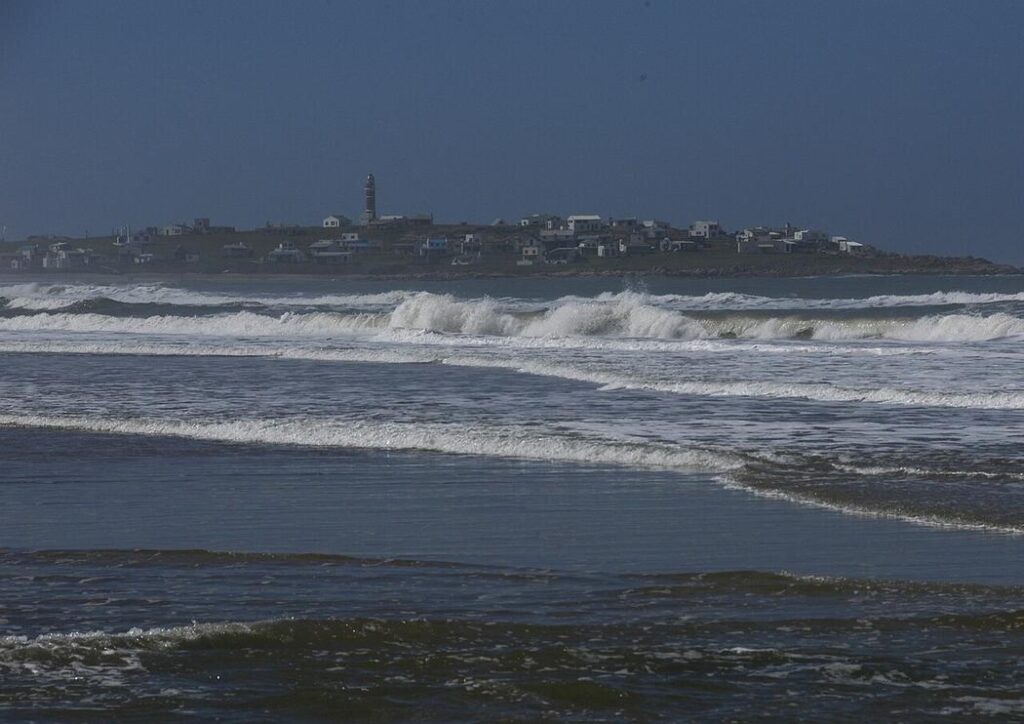
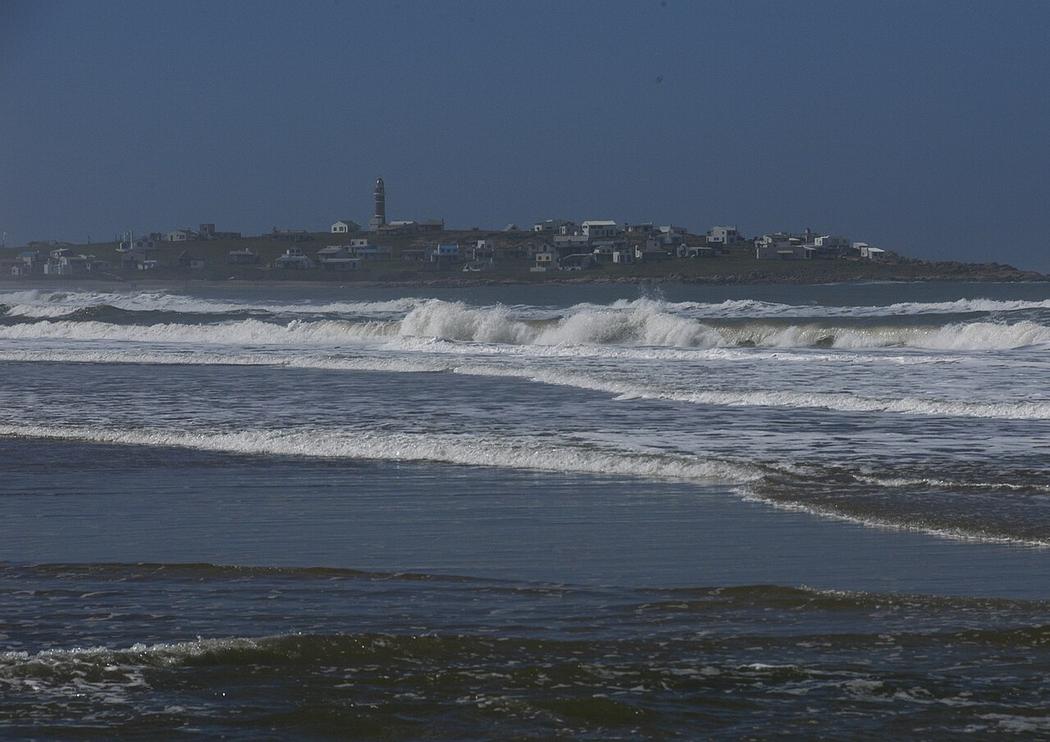
The salty breeze carries sea lion calls across the sand dunes near the lighthouse on Cabo Polonio’s northern beach.
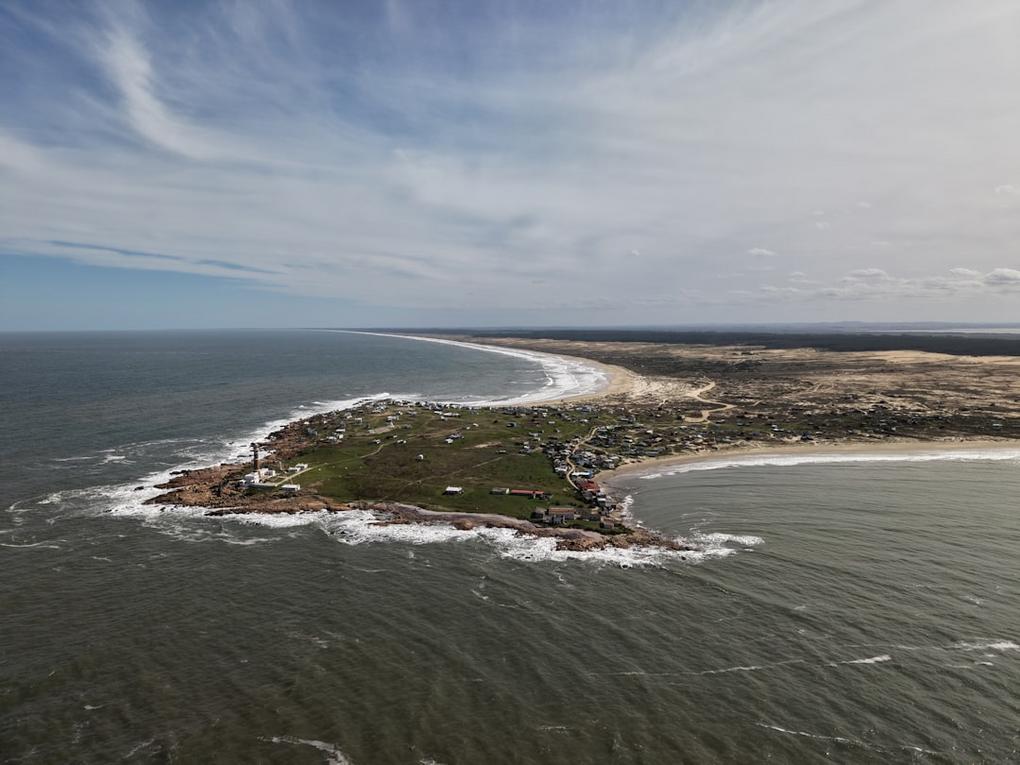
Cabo Polonio is an off-grid village on Uruguay’s Atlantic coast, reachable only by 4×4 through sand dunes. Roughly 95 miles / 150 km east of Rocha, it hosts around 100 year-round residents. The village splits into the central cluster near the lighthouse and the quieter beachside hamlet to the north. Visitors come here to disconnect—no electricity or paved roads, just natural rhythms. It lacks the infrastructure and nightlife of nearby Punta del Diablo but offers true slow days by the sea. Expect patchy wifi and rustic family-run cabanas that favor calm over convenience.
Walk the sand dunes to the sea lion colony for wildlife up close. Relax on the northern beach’s quiet shore. Visit the lighthouse area for sunset views. Browse the small artisan stalls near the central plaza for local crafts.
Key takeaways
- Book the 4×4 shuttle from the parking area in advance; it runs every 30 minutes during high season.
- Stay in family-run cabanas near the lighthouse for easier access to the village center.
- Carry cash; no ATMs or card machines operate reliably here in 2026.
- Visit the sea lion colony early morning or late afternoon for the best light and fewer crowds.
- Bring your own water; tap water is not potable in Cabo Polonio.
- Plan to unplug: expect no electricity in most accommodations and limited phone signal.
- Peak season runs December to February; prices rise to around $70 per night for basic lodging.
Why visit Cabo Polonio
Cabo Polonio stands apart from neighboring Punta del Diablo and La Paloma by offering an off-grid experience free from conventional infrastructure. Unlike these more developed coastal towns, Cabo Polonio’s remote village lacks roads and electricity, preserving its raw natural charm. The iconic Cabo Polonio National Park, with its massive sand dunes and a large sea lion colony, anchors the area’s unique appeal. This immersive approach to isolated settlement woven into protected wilderness creates an immersive escape unlike anywhere else in Uruguay.
- Access only by authorized 4×4 trucks preserves Cabo Polonio’s untouched, vehicle-free village atmosphere year-round.
- The nearby sea lion reserve hosts over 3,000 individuals, one of South America’s largest colonies, visible from the lighthouse.
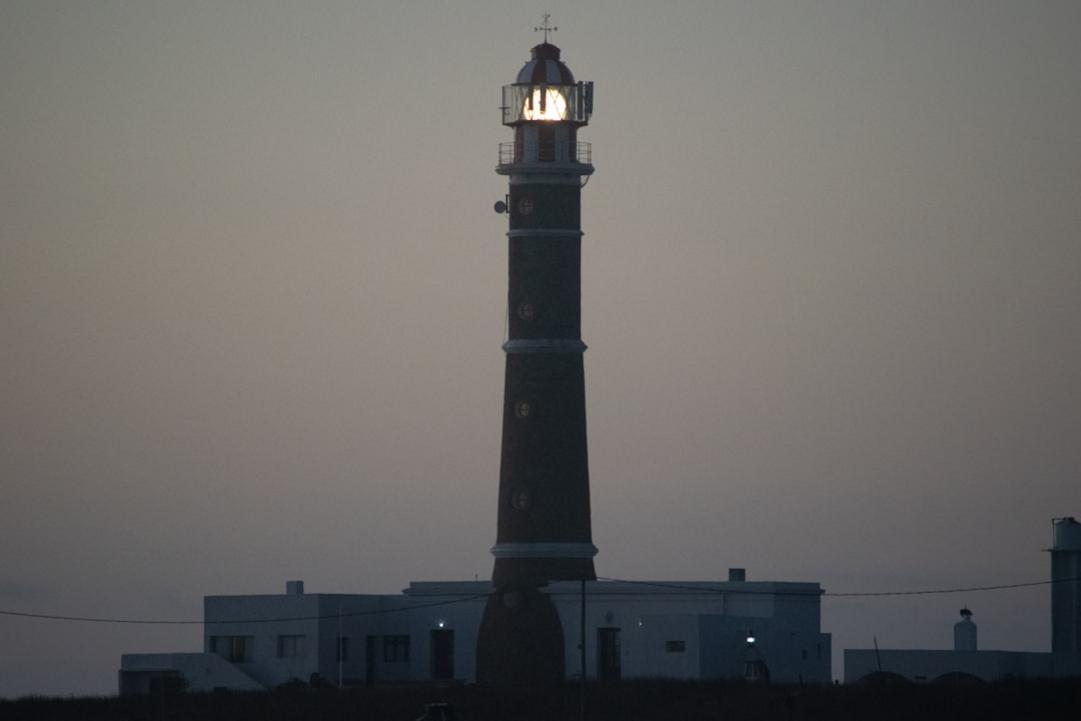
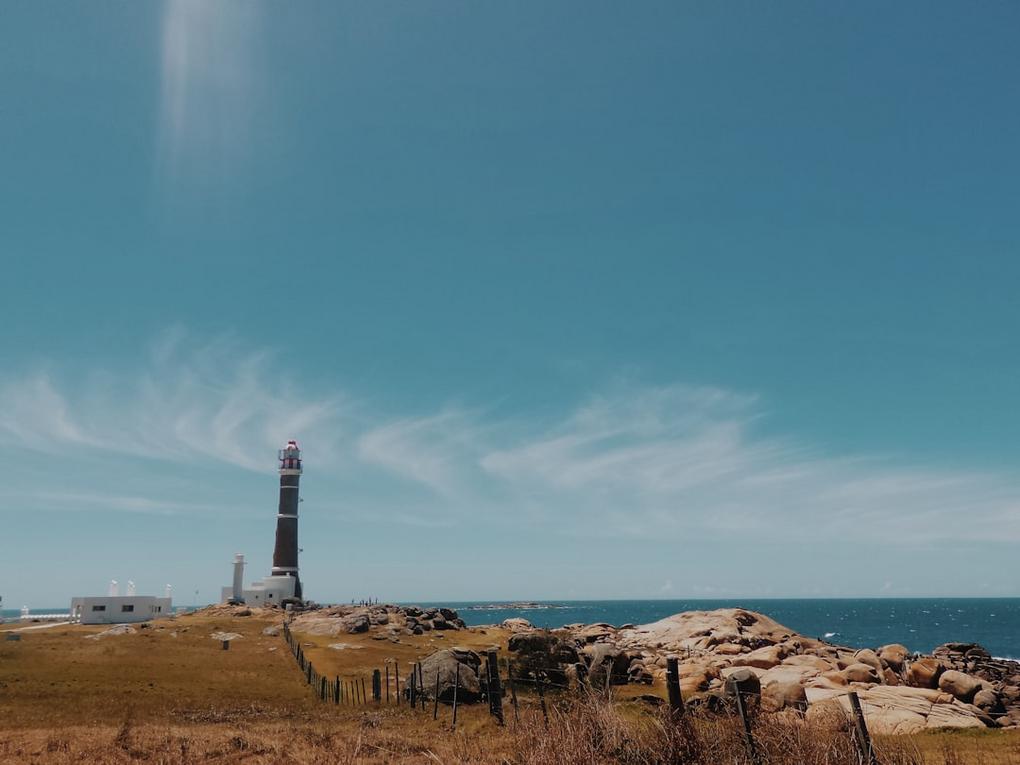
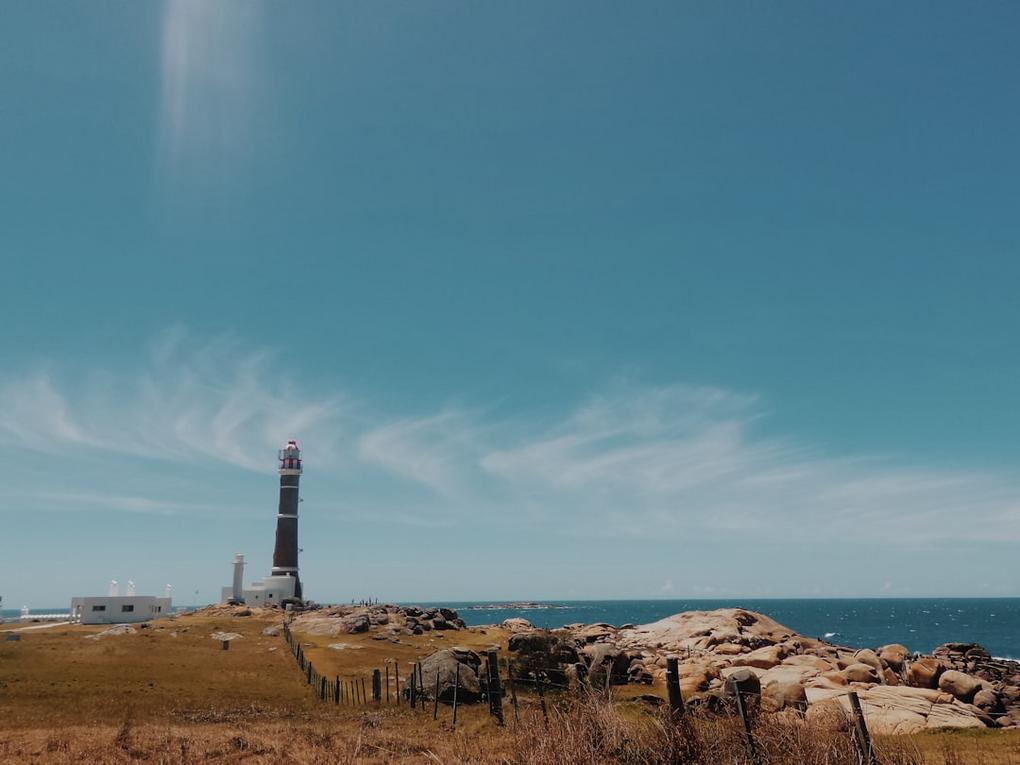
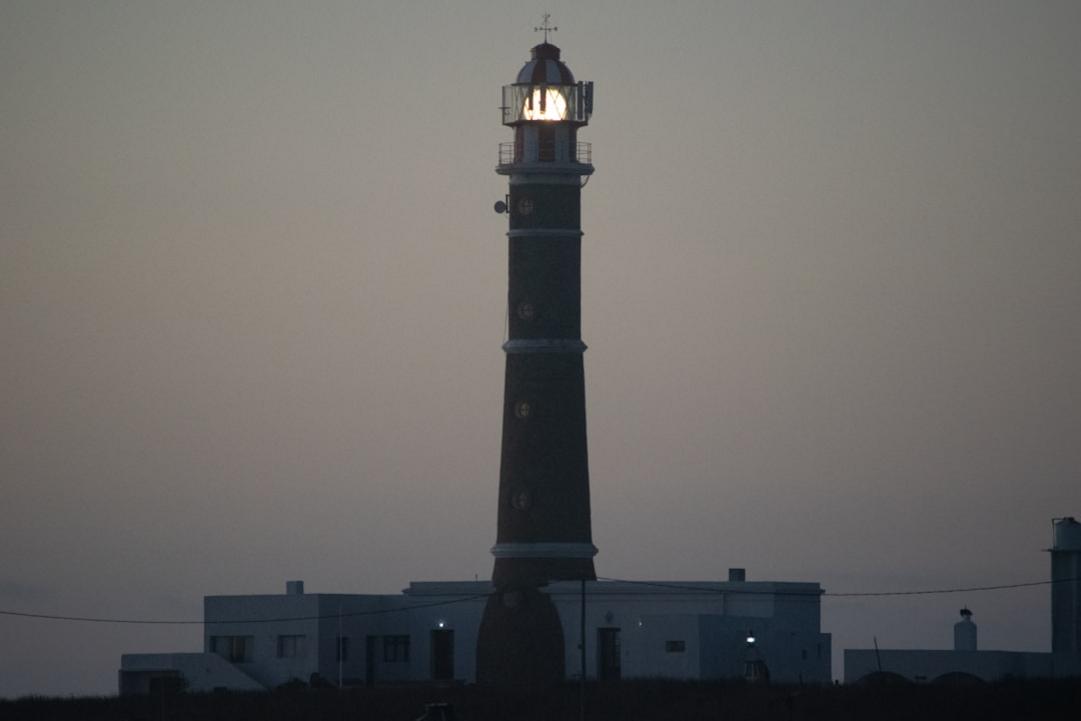
- Cabo Polonio’s lighthouse, built in 1881, remains operational and is a rare public-access historic maritime landmark.
- Unlike Punta del Diablo’s nightlife, Cabo Polonio enforces a strict no-electricity policy, fostering genuine stargazing and tranquility.
Best for
Cabo Polonio suits travelers seeking solitude and nature immersion, especially those comfortable with rustic conditions and limited amenities. It’s ideal for couples or solo adventurers craving a slow, unplugged getaway.
Skip if
If you need nightlife, paved roads, or full-service accommodations, skip Cabo Polonio and visit Punta del Diablo instead.
Top things to do in Cabo Polonio
1. Sea Lion Colony Observation ·
Witness the largest sea lion colony in Uruguay up close in their natural, protected habitat.
The sea lion colony near Cabo Polonio is one of the largest in Uruguay, located on the rocky outcrops just north of the village. Visitors typically walk along designated paths from the village outskirts to observation points where the sea lions lounge, play, and interact in their natural environment. The experience is enhanced by the absence of vehicles and artificial barriers, allowing an intimate yet respectful view of the animals. Licensed local guides often accompany visitors, providing insights on the colony’s behavior and conservation efforts.
This site offers a more natural and less commercialized experience compared to other coastal wildlife spots in Uruguay, such as Punta del Diablo, where sea lion access is more restricted and less immersive.
- When: Best visited during the warmer months from October to March, ideally in the late morning when the sea lions are most active and visible on the rocks.
- Cost: Free
- Duration: 1-2 hours
- How to reach: From the center of Cabo Polonio, walk north along the coastal trail past the dunes for about 20 minutes to reach the main observation area near the rocky shore.
Insider tip: If closed
If access to the colony is restricted, consider exploring the nearby sand dunes at Cerro del Toro for a nature walk.
2. Cabo Polonio Beach Relaxation ·
Unwind on pristine, car-free beaches with soft sand and endless ocean views, perfect for slow walks and sunset watching.
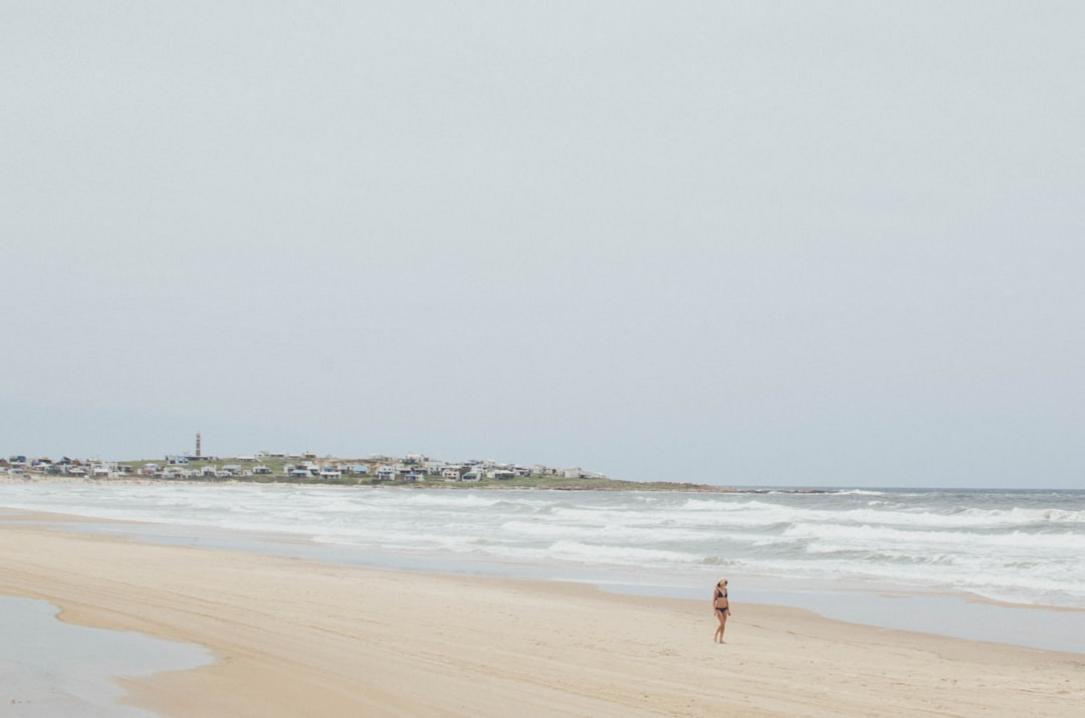
The beaches around Cabo Polonio stretch wide and long with fine, soft sand and no vehicle traffic, creating a tranquil environment for relaxation. Visitors can stroll along the shore, feel the Atlantic breeze, and watch the waves roll in without the usual beach crowds or noise. The area near the main village beach is ideal for sunbathing or reading, while the more remote stretches offer solitude and the chance to spot coastal birds. Sunsets here paint the sky with vivid colors, best enjoyed from the beach or the dunes above.
Unlike more developed coastal resorts in Uruguay, Cabo Polonio’s beaches remain untouched and free from cars, offering a unique, quiet seaside atmosphere.
- When: Late afternoon through sunset is best for the full experience, especially from December to March when weather is warmest and days are longest.
- Cost: Free
- Duration: Flexible; typically 1-3 hours
- How to reach: Simply walk from the village center towards the oceanfront along the sandy paths; no vehicles are allowed on the beach.
Insider tip: If closed
If weather conditions make beach visits unpleasant, visit the nearby sand dunes or the village plaza for local culture.
3. Sunset at Cabo Polonio Lighthouse ·
Catch stunning panoramic views of the Atlantic coast from the iconic lighthouse at sunset.
The Cabo Polonio Lighthouse stands on a hill just east of the village, offering sweeping views of the Atlantic Ocean and the surrounding sand dunes. Visitors climb the nearby path to the base of the lighthouse, where the elevated vantage point allows for a dramatic perspective on the coastline, especially as the sun sets. The steady sea breeze and the sound of waves below amplify the experience. While the lighthouse itself is not open for climbing, the surrounding area provides excellent photo opportunities and a peaceful spot to watch the changing colors of the sky.
This location outshines other viewpoints like the village plaza because of its unobstructed ocean panoramas and proximity to natural landscapes rather than urban settings.
- When: Arrive about an hour before sunset, preferably between November and April when clear skies are more common.
- Cost: Free
- Duration: 1 hour
- How to reach: From the village center, walk east along the sandy trail toward the lighthouse hill, which is about a 15-minute walk.
Insider tip: If closed
If the lighthouse area is inaccessible, watch the sunset from the main beach or the dunes near Cerro del Toro.
4. Sand Dune Strolling at Cerro del Toro ·
Explore the vast sand dunes surrounding the village for a sensory experience of wind, sand, and sea air.
Cerro del Toro is a large dune area located to the west of Cabo Polonio, where visitors can wander through rolling sand hills shaped by the Atlantic wind. Walking here offers a unique tactile experience as the sand shifts beneath your feet and the salty air fills your lungs. The dunes provide natural vantage points for views of the ocean and the village. Local guides can lead walks explaining the dune ecology and the natural forces that shape this landscape. The area is quiet and expansive, ideal for contemplative strolls or light hiking.
This dune field offers a more immersive natural experience than other nearby beaches or coastal trails, with fewer visitors and greater tranquility.
- When: Morning or late afternoon are best to avoid midday heat, particularly from September to April when the weather is mild and dry.
- Cost: Free
- Duration: 1-2 hours
- How to reach: Walk west from the village center along the dirt path leading toward Cerro del Toro dunes, about 15 minutes on foot.
Insider tip: If closed
If dune access is restricted, consider star gazing at night when the skies are clear and open.
5. Star Gazing in Cabo Polonio ·
Experience spectacular night skies free from light pollution, ideal for astronomy lovers.
Thanks to its remote location and absence of street lighting, Cabo Polonio offers some of the clearest night skies in Uruguay. Visitors can lie back on the beach or dunes and observe constellations, planets, and meteor showers with remarkable clarity. The Milky Way is visible on most clear nights, creating an awe-inspiring celestial display. Local guesthouses sometimes offer informal astronomy talks, but most star gazing is self-guided. The quiet night environment enhances the sense of connection with the stars overhead.
Unlike urban areas or even other coastal towns like Punta del Este, Cabo Polonio’s lack of artificial light ensures a truly dark sky experience.
- When: Clear, moonless nights between April and October are ideal, with the best viewing after 10 pm when skies are darkest.
- Cost: Free
- Duration: 1-3 hours
- How to reach: From the village center, walk to the beach or the dunes; no transport is needed as all locations are within walking distance.
Insider tip: If closed
If clouds obscure the sky, spend the evening in a local café or hostel socializing with other travelers.
Solo female travel: When star gazing late at night, stay near the main beach area where some visitors remain and avoid more isolated dunes for safety.
6. Guided ATV Tours Around Cabo Polonio ·
Explore the rugged coastal terrain and dunes on an exciting guided ATV adventure.
Join one of the licensed guide outfits in town for an exhilarating ATV tour across Cabo Polonio’s sandy dunes and rocky coastal paths. The guides lead you through trails that reveal stunning views of the Atlantic Ocean and the unique desert landscape. Along the way, you’ll pass wild beaches and isolated coves, feeling the rush of wind and sand as you navigate the terrain. This hands-on experience lets you cover more ground than on foot while still immersing yourself in the natural surroundings. Book on GetYourGuide.
This guided ATV tour offers a safer, more informative experience than self-driving rentals, with local guides who know the best routes and hidden spots, unlike generic rental options.
- When: Mornings between 9am and noon are best for cooler temperatures and calmer winds, especially from October to March when the weather is milder.
- Cost: ~$50, 2026
- Duration: 2 hours
- How to reach: From the centre of Cabo Polonio, walk to the main sandy path leading east where most ATV operators have their base camps; no formal roads lead here, so it’s all on foot or by local transport to the edge of town.
Insider tip: If closed
If ATVs are unavailable due to weather or restrictions, consider a horseback riding tour along the coast for a similarly scenic adventure.
7. Horseback Riding Along the Coast ·
Discover Cabo Polonio’s wild beaches and dunes on a scenic horseback ride.
Experience the tranquility of Cabo Polonio’s coastline from horseback, guided by local ranchers familiar with the terrain. The ride takes you along soft sandy beaches, over gentle dunes, and through patches of coastal scrub, offering a quiet way to explore the area’s natural beauty. Riders of all levels can enjoy the steady pace and the chance to spot seabirds and other wildlife. The guides often share stories about the local environment and the history of the region during the journey. Book on GetYourGuide.
Choosing a guided horseback ride over hiking allows you to cover more varied terrain comfortably, with the added cultural insight from local riders, unlike self-guided beach walks.
- When: Late afternoons between 3pm and 6pm are ideal to avoid midday heat and catch the golden light on the dunes, best from September through April.
- Cost: ~$40, 2026
- Duration: 1.5 hours
- How to reach: Walk from the village centre to the western edge of Cabo Polonio near the dunes where local stables operate; the area is accessible only on foot or by local transport up to the village outskirts.
Insider tip: If closed
If horseback riding is unavailable, a guided coastal kayak tour offers a different perspective of the shoreline and marine life.
8. Kayaking in the Coastal Waters ·
Paddle the calm Atlantic waters near Cabo Polonio for an active and immersive nature experience.
Set out on a guided kayak tour from the shores near Cabo Polonio, paddling through calm, clear coastal waters that reveal marine life and rugged rock formations. Local guides lead small groups to explore hidden coves and sea caves accessible only by kayak. The experience offers a close-up view of seabirds, occasional seals, and the unique Atlantic coastline from the water. Kayaking here is peaceful and allows for an intimate connection with the natural environment. Book on GetYourGuide.
This guided kayaking option provides safety and route knowledge that self-guided rentals lack, ensuring you see the best spots while avoiding rougher open water areas.
- When: Morning tours starting around 8am are best to take advantage of calm conditions and avoid afternoon winds, with the prime season from November to March.
- Cost: ~$35, 2026
- Duration: 2 hours
- How to reach: From the centre of Cabo Polonio, walk to the main beach area where kayaks are launched; access is on foot only as no vehicle roads lead directly to the shore.
Insider tip: If closed
If kayaking is not possible due to high swell or weather, consider a horseback riding tour along the coast as an alternative way to explore the landscape.
48 hours in Cabo Polonio
This two-day plan is tailored for the adventurous soul who craves a balance between immersive nature and laid-back village life, following this trip’s rhythm of early starts and active days. If you’ve just landed in Cabo Polonio and want to experience its raw landscapes and local rhythms without rush, this narrative will guide you through when and how to fit the best moments into your limited time.
Day 1
Morning
Rise well before dawn and gear up for the highlight morning trek to the iconic sand dunes along the eastern coast. The pre-sunrise chill makes the ascent easier, and the soft morning light casts a golden glow over the shifting sands—perfect for photos without the usual crowds that gather later. After descending, stop at the small beachside kiosk near the dunes for a strong mate and a fresh pastry, watching the village slowly wake up as the sun rises high.
Afternoon
Post-trek, meander back through the heart of the village to the artisan market, which livens up around noon. Here, browse handwoven textiles and marine-inspired crafts, then pause for lunch at the rustic beachfront parrilla where grilled corvina is the specialty—order a table by the window to catch the sea breeze and watch the fishing boats bobbing nearby. After lunch, take a restorative dip at the nearby lagoon, letting the calm, brackish water soothe tired legs before a slow walk back to your accommodation via the shaded pine trail, avoiding the midday heat and crowds.
Evening
As late afternoon approaches, head towards the western cliffs for the famed Cabo Polonio sunset viewpoint. Arrive early to claim a spot on the rocky outcrop where the last light paints the ocean in fiery hues and the sea lions’ calls punctuate the air. For dinner, settle into the cozy wood-fired oven spot just off the main path, known for its fresh octopus stew and a small selection of local wines, perfect for unwinding after a day packed with movement but gentle enough not to wear you out.
Day 2
Morning
Start your day slowly with a cup of rich coffee from the village’s sole café, where the morning sun filters through the wooden shutters and locals gather to chat. Then take a leisurely stroll through the windmill neighborhood on the northern edge—this quieter part of town offers peaceful lanes lined with colorful houses and unexpected murals. The soft morning light here makes the perfect backdrop for a calm, reflective walk that contrasts with yesterday’s physical exertion.
Afternoon
Midday, switch gears with a half-day regional boat excursion along the rugged coastline, departing from the small dock just beyond the village center. This is your marquee effort for the day—gliding past hidden coves and sea caves under bright sun, with stops for snorkeling in crystal-clear waters. A boxed lunch from the village bakery, featuring empanadas and fresh fruit, keeps things simple yet satisfying on board. Return by late afternoon, just in time for a slow, shaded walk back through the eucalyptus grove to cool off and shake off saltwater before evening.
Evening
For your final evening, dive into Cabo Polonio’s emerging food scene with a visit to the lively open-air fish market on the southern edge of town. Here, sample a diverse spread of ceviche varieties and grilled shellfish from different stalls, hopping between vendors to taste the local flavors as the sky fades to twilight. The atmosphere is convivial and casual, buzzing with locals and travelers alike, a perfect way to close your stay with a sensory feast and easygoing vibe.
If you have a third day
If you had an extra day, I’d recommend an early morning fishing boat ride that departs before dawn—an intimate way to see the village’s daily rhythms from the water and try your hand at traditional fishing. Afterwards, explore the lesser-known inland trails that wind through the nearby eucalyptus forests, offering quiet solitude and a fresh perspective on Cabo Polonio’s wild hinterland.
Best time to visit Cabo Polonio
Quick answer
The best time to visit Cabo Polonio is from April to June and October to early December when the weather is mild, dry, and perfect for wildlife watching and hiking.
| Months to go | April to June, October to early December |
|---|---|
| Months to avoid | July to September due to heat and increased rainfall, which can limit outdoor activities and trail access. |
Cabo Polonio experiences its most pleasant weather between April and June and again from October to early December, with average temperatures ranging from 65°F / 18°C to 75°F / 24°C. During these months, the dry conditions and moderate warmth create ideal opportunities for hiking the coastal trails and observing local wildlife, especially sea lions and bird species. The summer months, particularly July through September, bring hotter temperatures often exceeding 80°F / 27°C and increased rainfall, which can make trails muddy and less accessible, reducing the enjoyment of outdoor activities. Winter months are cooler but can be windy and damp, slightly limiting wildlife visibility and comfort for hiking. Overall, timing your visit in the shoulder seasons ensures you avoid the heat and rain while maximizing your chances for outdoor exploration and wildlife encounters.
Average temperature (°F)
Monthly weather
Cool and somewhat rainy
Mild with occasional showers
Warming up, less rain
Dry and pleasant
Warm and dry
Warm with minimal rain
Hot and rainy
Hot with frequent rain
Warm and wet
Cooling down, less rain
Mild and mostly dry
Cool with some rain
How to get to Cabo Polonio
Nearest airport
Carrasco International Airport (MVD), Montevideo – approximately 260 km, about 4.5 to 5 hours by road
From the airport
From Carrasco International Airport, the most straightforward way to reach Cabo Polonio is by renting a car or taking a taxi to the nearby town of Rocha, followed by a local shuttle or colectivo to the Polonio entrance. Rental cars cost around ~$70 per day (2024) and can be booked online or at the airport. Alternatively, you can take a long-distance bus from Montevideo city terminal to Rocha (~$15, 2024), then arrange local transport onward. Note that the final stretch to Cabo Polonio requires a 4×4 vehicle or the official park truck shuttle, which costs about ~$10 (2024) one way and can be booked at the park entrance.
Other ways to arrive
- From Montevideo city: long-distance bus to Rocha (~4.5 hours, ~$15, 2024), then local 4×4 shuttle to Cabo Polonio.
- From Punta del Diablo: taxi or colectivo (~1 hour, ~$25, 2024) followed by park truck shuttle.
- From La Paloma: taxi or local bus (~1.5 hours, ~$20, 2024), then park truck shuttle.
- From Rocha by rental car or taxi directly to the park entrance (~40 minutes, ~$30, 2024).
Getting around Cabo Polonio
Cabo Polonio is a small, car-free village where the dominant way to get around is on foot. The sandy paths and protected environment make walking the best choice for most visitors. For reaching the park’s beaches and dunes, the official 4×4 park trucks are the only motorized transport allowed beyond the village entrance.
- Walking – ideal for exploring the village and nearby beaches, free.
- Official park truck shuttle – use for traveling between the village entrance and remote beaches or lighthouse, ~$10 one way (2024).
- Bicycle – limited use due to sandy terrain, best for short trips on firmer paths, rental ~$10 per day (2024).
- Taxi from nearby towns – for arrival/departure or excursions outside the village, costs vary (~$20-$30).
Avoid
Private vehicles are not allowed inside the park to preserve the environment.
Day trips from Cabo Polonio
These day trips offer a chance to explore the diverse coastal and rural landscapes around Cabo Polonio, perfect for visitors looking to experience more of Uruguay’s natural beauty and small-town charm. Each destination is reachable within a few hours, making them ideal half- or full-day excursions.
Punta del Diablo
A laid-back fishing village with beautiful beaches and a lively bohemian atmosphere.
Why: Punta del Diablo offers great seafood, surf spots, and a relaxed vibe contrasting with Cabo Polonio’s rustic feel. It’s perfect for a beach day combined with local culture and artisan markets.
La Paloma
A larger beach town known for its surfing beaches, lighthouse, and family-friendly atmosphere.
Why: La Paloma provides more developed amenities, great beaches for swimming and surfing, and a chance to enjoy a more conventional coastal town experience without losing natural charm.
Rocha
The departmental capital with colonial architecture, local markets, and cultural sites.
Why: Rocha offers a glimpse into regional life beyond the coast, with museums, shops, and authentic Uruguayan cuisine. It’s a good spot for history and culture lovers.
Combine Cabo Polonio with
Extend your trip by combining Cabo Polonio with other notable destinations in Uruguay’s eastern region. These routes offer multi-night stays that showcase a variety of landscapes and cultural experiences beyond the immediate coast.
Cabo Polonio – Punta del Este – Montevideo Cabo Polonio, Punta del Este, Montevideo
This route moves from the rustic charm of Cabo Polonio to the upscale beach resort of Punta del Este, then finishes in Uruguay’s capital for urban culture and international flights.
Cabo Polonio – José Ignacio – Punta del Diablo Cabo Polonio, José Ignacio, Punta del Diablo
For travelers seeking a mix of exclusive beach vibes and bohemian surf culture, this route connects Cabo Polonio with the trendy José Ignacio and the laid-back Punta del Diablo.
Cabo Polonio – Rocha – Tacuarembó Cabo Polonio, Rocha, Tacuarembó
This inland extension explores Rocha’s regional capital before heading to Tacuarembó, known for gaucho culture and folklore, offering a deeper cultural immersion.
Where to stay in Cabo Polonio
Compare prices across booking sites on the map below and see which neighbourhood fits your plans.
Cabo Polonio is a unique coastal village divided into distinct zones that cater to different traveler preferences. The Dunes area, closest to the beach, attracts those who want immediate sand and sea access with a laid-back vibe. The Historic Centre offers rustic charm and proximity to the village’s main square and communal life, ideal for travelers seeking a sense of local culture. For visitors wanting tranquility and a more secluded experience, the Eastern Shore provides quieter beaches and fewer crowds. Lastly, the Lighthouse Zone near the iconic Cabo Polonio lighthouse appeals to nature lovers and hikers who want to explore the surrounding trails.
Dunes
Budget travelers typically stay in simple hostel dorms or beach cabanas that emphasize communal living and connection with nature. These options provide basic amenities—often shared bathrooms and no electricity during the day—but offer unbeatable access to the dunes and beach. While lacking luxury comforts, these accommodations foster a strong social atmosphere perfect for backpackers and young travelers. Expect rustic charm and a focus on outdoor living rather than modern conveniences.
Insider tip: In the Dunes area, dorms facing away from the main dirt path tend to be quieter and catch more ocean breeze, making for a better sleep experience.
Historic Centre
Mid-range lodging in Cabo Polonio usually consists of family-run guesthouses or cozy beach cabanas with private bathrooms and some basic comforts like hot water and electricity. These properties strike a balance between rustic charm and practical amenities, often featuring terraces with ocean or village views. They are ideal for couples or small groups who want a comfortable stay without sacrificing the village’s natural and relaxed atmosphere. While not luxurious, these accommodations often include breakfast and easy access to both the Historic Centre and nearby beaches.
Insider tip: Guesthouses near the main square in the Historic Centre tend to have better Wi-Fi and more reliable hot water than those on the village outskirts.
Lighthouse Zone
The splurge tier in Cabo Polonio is limited but includes boutique lodges or eco-resorts that offer unique design, privacy, and enhanced amenities like gourmet meals and guided tours. These properties often sit near the Lighthouse Zone, providing stunning views and easy access to hiking trails. While still embracing the village’s rustic ethos, they add touches of luxury such as comfortable beds, private decks, and curated local experiences. This tier caters to travelers who want immersion in nature without foregoing comfort.
Insider tip: In the Lighthouse Zone, rooms on the northern side of properties receive more afternoon shade, which keeps them cooler during the warmest part of the day.
Where not to stay
Avoid the small strip near the main dock area, as it can be noisy during the day with boat arrivals and local market traffic, disrupting the otherwise peaceful village atmosphere.
Solo female travelers
Solo female travelers often find the mid-range guesthouses in the Historic Centre most comfortable, as the area stays well-lit at night and offers a welcoming social environment with other travelers.
Booking through these links supports Pack Lightly at no extra cost to you.
Where to eat and drink in Cabo Polonio
Cabo Polonio’s food scene is deeply shaped by its unique coastal isolation and artisanal fishing traditions, making it a distinct culinary enclave in Uruguay. The village is renowned for its fresh, locally caught seafood, especially the abundant southern hake and the region’s prized shellfish harvested from nearby rocky shores. A small but vibrant artisanal community crafts traditional preparations using minimal ingredients, emphasizing freshness and simplicity. The local fishing cooperatives and beachside shacks are the heart of Cabo Polonio’s food culture, offering dishes and flavors you won’t find elsewhere in Uruguay.
Must-try dishes
Caldeirada de Pescado (Fisherman’s Fish Stew)
A hearty fish stew featuring freshly caught hake and shellfish simmered with local herbs and potatoes.
This dish is a local signature tied to Cabo Polonio’s artisanal fishing community and their cooperative-run beachside shacks, showcasing the regional ingredient of southern hake prepared by named local producers in the fishing port. (Category: Regional ingredient + local producer)
Insider tip: Nothing beats enjoying this stew right on the beach, with the ocean breeze and the freshest fish imaginable.
Pulpo a la Gallega (Galician-style Octopus)
Tender octopus seasoned with smoked paprika and olive oil, served on a bed of boiled potatoes.
Prepared by the Galician-descended fishing families who settled in Cabo Polonio, this community-specific dish honors their heritage and is unique to this village’s culinary identity. (Category: Community-specific dish)
Insider tip: A taste of Galicia on Uruguay’s coast — simple, smoky, and unforgettable.
Chivito Polonio
A local twist on Uruguay’s national chivito sandwich, featuring smoked local goat cheese from the nearby dunes and freshly baked artisanal bread.
This city signature dish reinvents the national classic by incorporating a local-only producer brand — ‘Quesería Dunas’, a goat cheese maker based exclusively in Cabo Polonio’s dune region. (Category: Local-only producer brand)
Insider tip: The smoky goat cheese elevates this sandwich to a must-eat local specialty.
Cerveza Artesanal Polonio (Polonio Craft Beer)
Locally brewed craft beer using coastal herbs and saltwater-infused water for a distinctive flavor.
Produced by ‘Cerveza Cabo’, the only microbrewery in Cabo Polonio, this beer is a prime example of the city-known category of craft beer unique to this village. (Category: Culinary category the city is known for)
Insider tip: Perfectly refreshing with a salty coastal twist — a true taste of Cabo Polonio.
Dulce de Leche Artesanal from La Cabaña
A rich, creamy dulce de leche made by a local family-run dairy farm just outside Cabo Polonio.
La Cabaña’s artisanal dulce de leche is a local-only producer brand, crafted using traditional methods and regional milk from coastal pastures. (Category: Local-only producer brand)
Insider tip: A sweet souvenir with a creamy texture unlike anything mass-produced.
Local drinks
- Polonio Herbal InfusionServed at ‘La Casa de las Hierbas’, a small herbal café near the dunes neighborhood.
A warming herbal tea blend made from locally foraged coastal herbs and wild mint. - Cerveza Artesanal Polonio (Craft Beer)Available at ‘Cerveza Cabo’ taproom and local beach bars.
Locally brewed craft beer featuring coastal flavors and saltwater influence.
Where to eat – by neighborhood
El Puerto (The Port)
Cluster of rustic seafood shacks and fishermen’s cooperatives serving freshly caught fish and shellfish daily.
Insider tip: Order the catch of the day directly from fishermen early in the evening and enjoy it at the communal tables.
Barrio Faro (Lighthouse Neighborhood)
A quiet area with artisanal bakeries, cafés, and small restaurants showcasing local goat cheeses and baked goods.
Insider tip: Try the chivito polonio at La Panadería del Faro, preferably with a view of the lighthouse.
Plaza Central
Village center with artisanal food stalls offering sweets, local cheeses, and herbal infusions alongside craft beer vendors.
Insider tip: Visit on weekend evenings when locals gather for live music and sample multiple stalls in one sitting.
Dietary note
Vegetarian and vegan options are limited due to the village’s strong seafood and dairy focus; visitors with dietary restrictions should plan accordingly.
Daily budget for Cabo Polonio
Cabo Polonio is unique within Uruguay due to its remote location and lack of conventional infrastructure, which drives up daily costs compared to typical Uruguayan towns. Its status as a rustic beach tourist hub means visitors often pay a premium for basic amenities and transport.
Shoestring
- lodging – basic dorm or camping
- food – simple local meals and groceries
- transport – round-trip truck shuttle from the entrance
- activities – beach access and self-guided hikes
- buffer – small extras or emergencies
Trade-offs: Budget travelers accept spartan lodging and limited dining options, relying heavily on self-catering and walking to save money.
Comfort
- lodging – private cabin or guesthouse
- food – mix of local eateries and occasional splurges
- transport – shuttle plus occasional boat rides
- activities – guided tours and wildlife watching
- buffer – incidentals and souvenirs
Trade-offs: Comfort travelers enjoy better accommodations and some guided experiences but still face higher transport costs due to the village’s isolation.
Splurge
- lodging – upscale eco-lodge or boutique hotel
- food – gourmet meals and specialty drinks
- transport – private transfers and boat excursions
- activities – premium tours and wellness experiences
- buffer – tips, extras, and spontaneous treats
Trade-offs: Splurge travelers pay a premium for exclusivity and comfort but should expect some rustic elements given Cabo Polonio’s undeveloped nature.
Money-saver tip
Use the communal kitchen facilities at local hostels to prepare your own meals and avoid pricey restaurant food.
Splurge that’s worth it
Booking a guided night tour to see the sea lion colonies up close is a memorable experience worth the extra cost.
Skip to save
Avoid overpriced souvenir shops near the entrance and instead buy crafts from local artisans in the village.
Practical tips for Cabo Polonio
Money
Cash or card. Cabo Polonio is a cash-only village with no banks or card payment terminals, so bring enough Uruguayan pesos before arriving. Small shops and hostels accept cash only, while a few newer cafes near the main entrance might take card but often with connectivity issues.
ATMs. There are no ATMs inside Cabo Polonio itself; the closest machines are in the nearby town of Rocha, about 45 minutes away by bus or taxi. Foreign cards often incur fees, so use cards with no foreign transaction fees and withdraw larger amounts in Rocha to avoid repeated charges.
Tipping. Tipping is not customary in Uruguay, including Cabo Polonio; rounding up the bill or leaving small change (around 20-50 UYU, roughly 0.50-1 USD) is appreciated for good service but never expected.
Safety
Cabo Polonio is a laid-back, low-crime village with a very relaxed atmosphere. The main safety concerns are natural: rough sand dunes can be tiring to walk, and the village is remote with limited emergency services. Travelers should prepare for uneven paths and bring adequate sun protection.
Local warnings:
- Strong sun exposure with little shade requires sunscreen and hats.
- Sandflies are active especially at dawn and dusk—use insect repellent.
- No paved roads mean the final stretch is a bumpy 4×4 ride or a long walk.
Connectivity
Mobile data. Mobile coverage in Cabo Polonio is spotty and often limited to the outskirts near the entrance. The main Uruguayan carriers like Antel provide SIM cards; a basic prepaid plan costs around 300-500 UYU (~7-12 USD) for a few GB, but expect slow speeds and frequent drops.
Wi-Fi. Wi-Fi is scarce and unreliable in most accommodations and cafes, but some hostels near the lighthouse area offer intermittent connections. The main square area has the best chance for a weak signal.
Language
Main language: Spanish. English level: English is rarely spoken outside of a few hostel staff and some younger locals involved in tourism. In the village’s main tourist spots, basic English will get you by, but learning simple Spanish phrases helps with daily interactions.
Cultural notes
- Dress is very casual and beach-oriented; no formal wear is needed anywhere.
- Photography of people should be done with permission, especially locals and fishermen.
- Greetings are typically a single cheek kiss or a handshake among strangers.
- Avoid discussing political topics, which can be sensitive in small communities.
Solo female travel
Solo female travelers will find Cabo Polonio relaxed but isolated, with a small community vibe and few nightlife options. Evening transport is limited to shared 4×4 trucks or walking, so plan your return before dark. Hostels offer social spaces but the village’s quiet nature means fewer spontaneous encounters than in bigger towns.
- Transport: The last 4×4 truck from the village back to the main road usually leaves around sunset; if you miss it, be prepared for a 7 km walk on sandy paths in low light.
Frequently asked questions about Cabo Polonio
1Is Cabo Polonio worth visiting?
Yes, Cabo Polonio is worth visiting for its unique off-grid vibe, pristine beaches, and large sea lion colony. It offers a rare chance to disconnect and experience nature untouched by modern infrastructure.
2How many days should I spend in Cabo Polonio?
Two to three days are ideal to explore the village, relax on the beaches, and visit the lighthouse and sea lion colony without rushing.
3What is the best time to visit Cabo Polonio?
The best time to visit is from October to April when the weather is warm and dry, perfect for beach activities and hiking.
4Do I need a 4×4 vehicle to reach Cabo Polonio?
Yes, a 4×4 vehicle is required to cross the sand dunes to Cabo Polonio, as regular cars cannot handle the rough terrain. Authorized trucks provide transport from the nearby village of Valizas.
5Is Cabo Polonio safe to visit at night?
Yes, Cabo Polonio is safe at night; however, the village has no street lights, so bring a flashlight and be prepared for complete darkness.
6Are there health risks specific to Cabo Polonio?
No major health risks exist, but visitors should bring insect repellent due to mosquitoes and pack any necessary medications, as there are limited medical facilities.
7Can you swim and surf at Cabo Polonio?
Yes, swimming and surfing are popular here, especially at Playa de los Pescadores. The waves suit intermediate surfers, but always be cautious of strong currents.
8Why is Cabo Polonio known for its sea lion colony?
Cabo Polonio hosts one of the largest sea lion colonies in South America, visible from the rocky coast and nearby beaches, making it a major natural attraction.
9What should I avoid doing in Cabo Polonio?
Avoid bringing cars into the village, using generators or loud music, and disturbing the sea lions, as the community values peace and environmental preservation.
Estimate your daily budget
See realistic daily costs by tier and category.