



Uruguay is one of the easier places to drive. With a moderate traffic difficulty rating, you will find calm roads and short distances between destinations. Most roads, especially those connecting Montevideo, Punta del Este, and Colonia del Sacramento, are in good condition. However, be aware that rural routes can be narrower and may have livestock crossings, which can lead to unexpected challenges.
This page provides a clear verdict on whether to self-drive, highlighting that an International Driving Permit is required under the 1949 Geneva Convention. You will drive on the right side of the road in Uruguay. Confident travelers will appreciate the straightforward driving experience, but understanding local conditions is essential.
The verdict
Self-driving is a sensible way to see Uruguay. The requirement for an International Driving Permit under the 1949 Geneva Convention is crucial for foreign drivers to remember.
Essential tips
- Carry your permit. An International Driving Permit is required to drive in Uruguay, following the 1949 Geneva Convention.
- Drive on the right. You must drive on the right side of the road, which is essential for foreign drivers to remember.
- Watch for livestock. Rural routes may have livestock crossings, so stay alert to avoid accidents.
- Stay within speed limits. Typical speed limits are 60 km/h in urban areas and 90 km/h on rural roads; verify locally.
- Fuel up regularly. Fuel stations can be sparse in rural areas, so refuel when you have the chance.
- Consider public transport. If you prefer not to drive, use the intercity coach network for efficient travel between towns.
How the traffic flows
Driving in Uruguay is straightforward, but understanding the unwritten rules is essential for a smooth experience. With a moderate traffic difficulty rating, the flow is generally calm, especially on coastal routes like those between Montevideo and Punta del Este. However, foreign drivers may find themselves surprised by local customs that aren’t covered in official guidelines. Expect to navigate a mix of well-maintained highways and narrower rural roads, where livestock crossings can catch you off guard. The first five minutes behind the wheel will reveal a unique driving culture that prioritizes common sense over strict adherence to signs. Embrace the local etiquette to ensure a hassle-free journey.
Right of Way
In Uruguay, right-of-way rules are generally respected, especially in urban areas. Vehicles must yield to those on major roads at intersections, and roundabouts follow a clear priority system. However, watch for the occasional surprise; larger vehicles often expect to be given space, particularly in rural areas where tractors or livestock may cross unexpectedly. Pedestrians typically have the right of way at marked crossings, but this can vary, so stay alert. As a foreign driver, it’s crucial to observe local behaviour and adjust accordingly.
Signals and the Horn
In Uruguay, signalling is expected and respected, making it essential to use indicators when turning or changing lanes. The horn serves as a friendly alert rather than an aggressive tool; use it sparingly to announce your presence, particularly in tight situations. Headlights must be on at all times on highways, which helps with visibility and communication with other drivers. Unlike in some countries, using high beams to claim an overtake is not common practice. Maintain a courteous approach to ensure smooth interactions on the road.
Lane Discipline and Flow
Lane markings are generally respected in Uruguay, particularly in urban areas where traffic flow is more structured. However, expect some flexibility in less populated regions, where vehicles may weave around obstacles or merge without strict adherence to lanes. Maintain a steady position in your lane, allowing other drivers to flow around you, especially on narrower roads. Overtaking is best done on straight stretches, and be cautious of sudden merges from smaller vehicles. Adapting to the local flow will enhance your driving experience.
Anticipating the Road
Stay vigilant for pedestrians stepping onto the road, especially in urban areas where crossings are common. Be prepared for scooters and motorcycles to cut in and out of traffic, as they are prevalent in cities. On rural roads, livestock may appear unexpectedly, so keep an eye out for warning signs. Maintain a calm and steady pace, which is key to navigating any sudden stops or changes in traffic. During the rainy season, be extra cautious of potential flooding, particularly from April to July, which can affect road conditions.
Do
- Use indicators
Always signal your intentions when turning or changing lanes to communicate with other drivers.
- Honk to announce
Use your horn sparingly to alert others of your presence, especially in tight spaces.
- Yield at crossings
Stop for pedestrians at marked crossings, respecting their right of way.
- Drive with headlights on
Keep your headlights on at all times when driving on highways for better visibility.
- Stay calm in traffic
Maintain a steady pace and be patient during congestion to ensure safety.
Do not
- Do not drink-drive
Avoid any alcohol consumption as the limit is strictly enforced at 0.0 g/L for new drivers.
- Do not speed in towns
Adhere to speed limits in urban areas to prevent accidents and fines.
- Do not engage with solicitors
Avoid interacting with anyone soliciting roadside bribes or assistance.
- Do not ride without a helmet
Always wear a helmet when riding a scooter or motorcycle to ensure safety.

Road Conditions in Uruguay
Roads in Uruguay are generally in good condition, especially between major cities like Montevideo and Punta del Este. Expect well-maintained highways, but rural routes can be narrower and may have livestock crossings. Seasonal flooding from April to July can affect road surfaces, making them slippery or impassable. Always drive with headlights on, as visibility can be poor in rural areas.
Traffic congestion peaks during weekday mornings and late afternoons in Montevideo. Expect delays during these rush hours, but traffic eases significantly in the evenings. Avoid driving at night in rural areas due to poor lighting and potential wildlife crossings, which can pose serious risks.
Traffic Facts
Here are key traffic facts for driving in Uruguay.
| Metric | Value | What it means for you |
|---|---|---|
| Driving side | Right | Drive on the right side of the road for safety. |
| Traffic intensity | Moderate | Expect manageable traffic levels, especially outside peak hours. |
| Road deaths per 100k | 14 per 100k | Road safety is around the global average; drive cautiously. |
| Self-drive verdict | Recommended | Self-driving is a viable option for tourists in Uruguay. |
| Seasonal road hazard | Flood (April-July (heaviest), can occur year-round) | Be aware of potential flooding affecting road conditions. |
Traffic Rules and Limits
Traffic rules are enforced to varying degrees, so verify current limits and signage locally. These limits are typical but can change.
Drink-driving
The legal blood-alcohol limit is typically 0.3 g/L for experienced drivers and 0.0 g/L for new drivers. Random checks are common, so it’s best not to drink and drive at all.
International Driving Permit Requirements
An International Driving Permit is required to drive legally in Uruguay. This permit must accompany your home licence and is based on the 1949 Geneva Convention. A permit issued under other conventions may be refused.
Carry your original home licence, the IDP, passport, rental agreement, and insurance papers. Obtain the IDP in your home country before travelling, usually from the national automobile association, for a small fee in the USD range, valid for about a year.
Ensure your IDP matches the 1949 convention; otherwise, it may not be accepted. Always check for any additional local driving requirements or restrictions.
Before you go
- Obtain the IDP before your trip
- Carry your home licence alongside the IDP
- Keep your passport and rental documents handy
- Verify IDP acceptance at rental desks
- Check for local driving regulations upon arrival
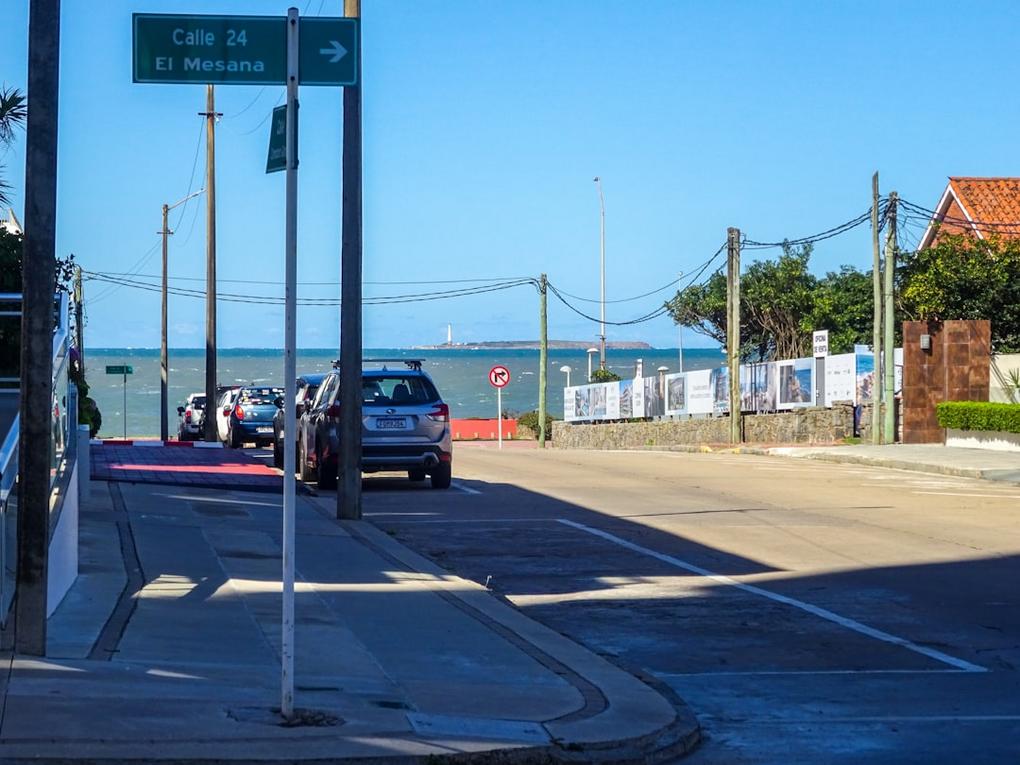
Transport options compared
For most visitors, these are the smart default options for getting around Uruguay. Renting a car covers the most ground, especially for coastal routes. However, ride-hailing apps and intercity coaches offer excellent alternatives for those who prefer not to drive. Metered taxis are also available in urban areas, providing flexibility without the hassle of parking. Use these modes to navigate efficiently while enjoying the scenery.
| Mode | Flexibility | Cost | Safety | Tip |
|---|---|---|---|---|
| Car rental | High – reaches villages a bus cannot | Mid-range, around 40-70 a day | Moderate – safer than self-driving | Book in advance to secure better rates |
| Ride-hailing app | High – convenient for urban travel | Budget, roughly 10-20 per trip | Moderate – safer than self-driving | Use a popular app for reliability |
| Metered taxi | Moderate – limited to urban areas | Budget, typically 10-15 per trip | Moderate – safer than self-driving | Agree on the fare before starting |
| Intercity coach | Moderate – connects major towns | Low, roughly 15-30 per trip | Moderate – safer than self-driving | Book tickets ahead during peak seasons |
| Private driver | High – tailored itineraries possible | Mid-range, around 50-100 per day | Moderate – safer than self-driving | Negotiate the itinerary and fare upfront |
Tolls and parking
Most major roads in Uruguay are tolled, with payments typically made via cash or card at toll booths. Some routes may have prepaid tags available, but verify locally. In urban areas, parking can be challenging; use garages when possible. Avoid leaving valuables in plain sight, and always lock your vehicle to deter theft.
Fuel options
Petrol and diesel are widely available, with unleaded and premium petrol grades typically sold. Electric vehicle charging stations are sparse, so plan accordingly. Pay at the pump with cash or card, and fill up whenever possible, especially in rural areas where stations can be few and far between.
Travelling with children
Do
- Always use a child seat for young children.
- Make sure children wear helmets on scooters.
- Limit scooter passengers to one child at a time.
- Keep children away from the traffic side of the vehicle.
Do not
- Do not allow children to sit in the front seat until age 12.
Book transport the easy way
Compare and book buses, trains and transfers in one place, often cheaper than at the counter.
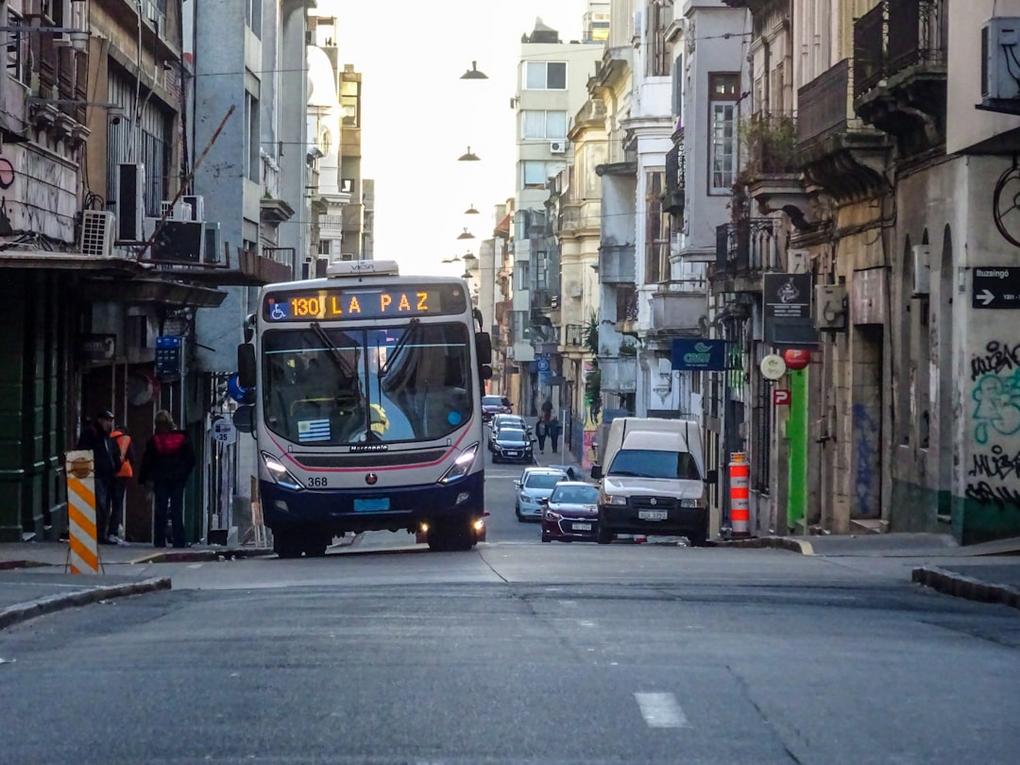
What to do in a road incident
Make the scene safe first by moving to a safe location if possible. Call the emergency services using the numbers shown here for assistance. If you are in a rental car, contact the rental company to report the incident. Photograph the scene and exchange details with other parties involved. Notify your travel insurer to ensure your coverage is activated for any claims.
Pro tip
Get a local SIM or eSIM for live maps and ride-hailing services. Download offline maps before you go to navigate without data. A translation app can also be invaluable given the moderate English proficiency in Uruguay.
Driving FAQs for Uruguay
1Do I need an International Driving Permit for Uruguay?
Yes, an International Driving Permit is required for Uruguay under the 1949 Geneva Convention. This permit must be carried alongside your home country driving licence while driving.
2Which side of the road do they drive on in Uruguay?
In Uruguay, you drive on the right side of the road. This is important to remember when navigating intersections and roundabouts to avoid confusion.
3Is it safe to drive or rent a scooter in Uruguay?
Driving in Uruguay is generally safe, with a road-death figure of 14 per 100,000 people, which is around the world average. However, caution is advised, especially in rural areas where roads can be narrower.
4Can I use ride-hailing apps in Uruguay?
Yes, ride-hailing apps are available in Uruguay, particularly in larger cities like Montevideo. These services can provide a convenient alternative to driving yourself, especially if you prefer not to navigate local traffic.
5Is it cheaper or smarter to hire a driver in Uruguay?
Hiring a driver can be a smarter choice if you are unfamiliar with local driving conditions. It eliminates the stress of navigation and allows you to relax while enjoying the scenery.
6Can I drive in Uruguay with my home licence?
You cannot drive in Uruguay with just your home licence; an International Driving Permit is mandatory. This ensures compliance with local regulations and helps avoid potential fines.
7What are the speed limits in Uruguay?
Speed limits in Uruguay typically are 60 km/h in urban areas, 90 km/h on rural roads, and 110 km/h on highways. Always verify current limits locally, as they can change.
Speed limits, alcohol limits and fuel prices are typical figures and change over time. Confirm the current rules and local signage before you drive.
Some links on this page are affiliate links. We may earn a small commission at no extra cost to you when you use them.
Hero image: Fedaro (CC BY-SA 4.0), via Wikimedia Commons. Other photos via Unsplash and Wikimedia Commons.