


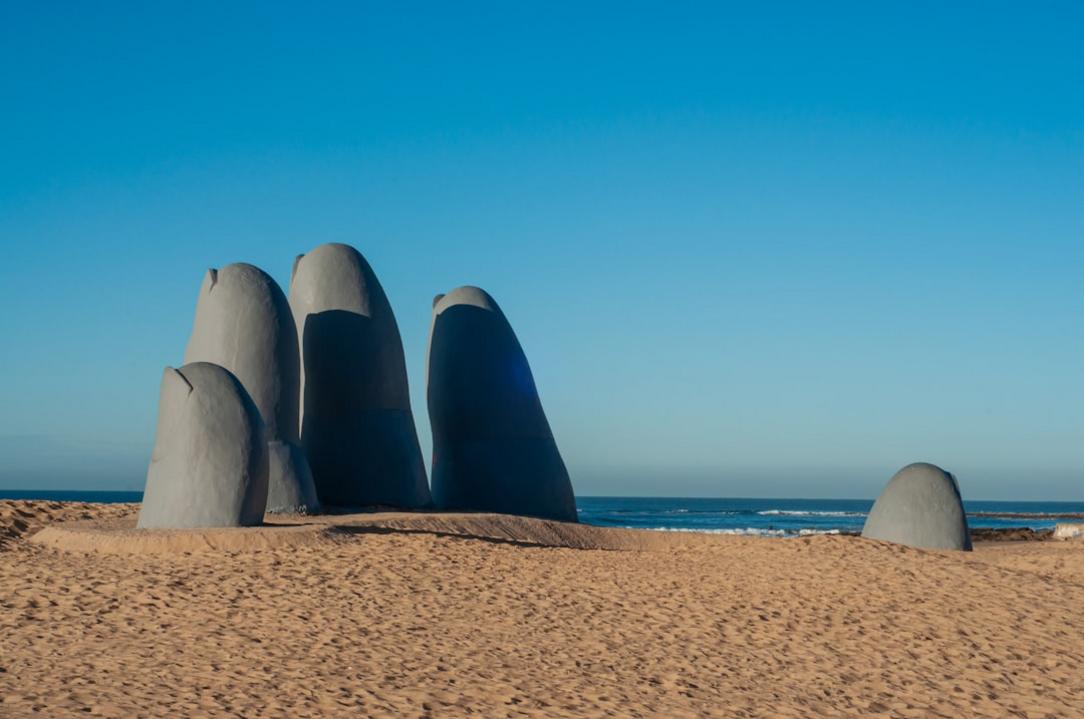
Salt air mixes with the crunch of shells underfoot on Playa Brava’s rocky shore, near the iconic La Mano sculpture.
Punta del Este is an Atlantic resort city known for its beaches and landmarks like the La Mano sculpture. Visitors flock to the peninsula area for its swimmable bays and the laid-back neighborhood of Barrio Gorlero. Casapueblo, a sculptural building turned art museum and hotel, sits a short drive away in Punta Ballena, offering sunset views over the ocean. The city’s population swells from around 12,000 to tens of thousands in summer, but the best beachside guesthouses stay calm and accessible. Punta del Este delivers more relaxed beach days than Uruguay’s busier Montevideo or Colonia, though it lacks the extensive nightlife of those cities. Focus on slow afternoons by the water and fresh seafood lunches to get the most out of your stay.
Walk to La Mano sculpture for a beachside photo, visit Casapueblo for sunset views, swim at Playa Brava, and explore the quiet streets of Barrio Gorlero for local cafes and markets.
Key takeaways
- Book guesthouses in the peninsula or Barrio Gorlero for easy beach access and calm evenings.
- Visit Casapueblo around 5 PM to catch the sunset and avoid daytime crowds.
- Rent snorkel gear at Playa Brava for $10-$15, 2026, to explore nearshore reefs.
- Plan to arrive at La Mano sculpture early morning to avoid midday crowds and heat.
- Expect seafood lunches around $20-$30 at beachside cafes near Playa Mansa, 2026 prices.
- Use local taxis after dark; rides from peninsula to Punta Ballena cost around $20.
- Avoid high season (January) if you want quieter beaches and better accommodation rates.
Why visit Punta del Este
Punta del Este stands apart from other Uruguayan destinations like Colonia del Sacramento and Montevideo by offering a unique blend of vibrant beach life and sophisticated urban charm. Unlike Colonia’s colonial heritage or Montevideo’s bustling capital atmosphere, Punta del Este is famed for its dynamic coastline, including the iconic Playa Brava with its famous sculpture, La Mano. The city’s layout, with its concentration of luxury resorts and exclusive neighborhoods such as Beverly Hills, creates an accessible yet upscale vacation environment. This coastal city balances natural beauty with modern amenities, making it a distinctive choice on Uruguay’s southern shore.
- Playa Brava’s La Mano sculpture anchors Punta del Este’s identity and is a must-see landmark unique to the city.
- The city’s peninsula layout concentrates beaches, nightlife, and shopping within walkable distances, unlike spread-out Montevideo.
- Punta del Este’s high season peaks from December to February, attracting international jet-setters and seasonal art fairs.
- The exclusive Beverly Hills neighborhood offers luxury villas and quieter streets, a contrast to the city’s lively downtown.
- Locals note that Punta del Este’s marina fuels a distinct yachting culture seldom highlighted in typical travel guides.
Best for
Punta del Este suits travelers seeking a blend of upscale beach relaxation and lively urban experiences, especially couples and groups who appreciate walkable layouts and seasonal events. It also appeals to art and yacht enthusiasts drawn to the city’s distinct cultural and maritime scenes.
Skip if
Travelers wanting a deeply historical or budget-focused trip should consider Colonia del Sacramento instead, which offers colonial charm and lower costs without the high-season crowds.
Top things to do in Punta del Este
1. Playa Brava and La Mano Sculpture ·
Experience Punta del Este’s most iconic beach and its world-famous hand sculpture emerging from the sand, blending art with ocean views.
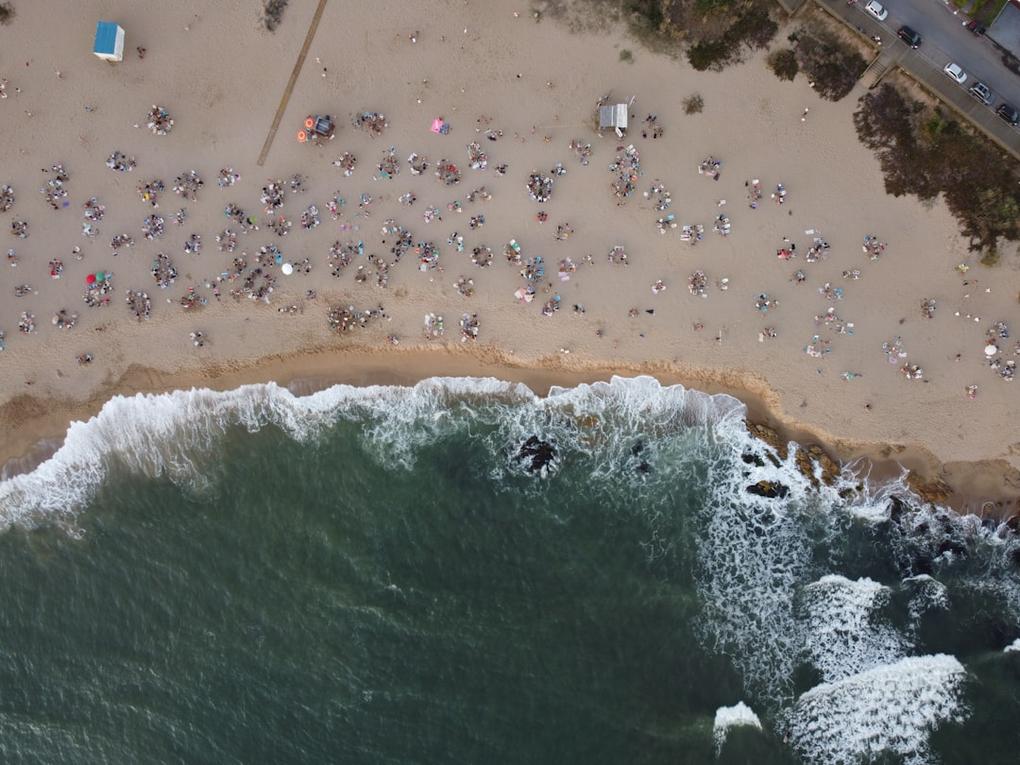
Playa Brava is known for its strong waves and wide sandy beach, attracting surfers and sunbathers alike. The highlight here is La Mano, a large sculpture of five fingers partially buried in the sand, created by Chilean artist Mario Irarrázabal in 1982. Visitors often spend time walking along the shoreline, taking photos with the sculpture, and enjoying the Atlantic breeze. The beach’s eastern end near the sculpture is the best spot for panoramic ocean views and people-watching.
This beach is more famous than Playa Mansa for its dramatic waves and the iconic La Mano, making it a must-see for first-time visitors wanting a mix of nature and art.
- When: Late morning to mid-afternoon for sunbathing, or late afternoon for softer light on the sculpture; best from November to March during summer.
- Cost: Free
- Duration: 2 hours
- How to reach: From central Punta del Este, walk east along Avenida Gorlero or take a short taxi ride to the Playa Brava beachfront near Calle 20.
Insider tip: If closed
Visit Playa Mansa on the opposite side of the peninsula for calmer waters and sunset views.
2. Punta del Este Sunset at Punta Ballena ·
Watch breathtaking sunsets over the Atlantic from Punta Ballena, a peaceful spot perfect for relaxing and soaking in the coastal charm.
Punta Ballena is a promontory located a few kilometers west of Punta del Este, offering sweeping views of the Atlantic Ocean and the coastline. Visitors often arrive in the late afternoon to find a quiet spot on the cliffs or at the nearby beaches to watch the sun dip below the horizon. The area is dotted with small trails and lookouts, making it ideal for a leisurely stroll while enjoying the shifting colors of the sky. This spot is less crowded than the main beaches, providing a tranquil atmosphere to unwind.
Unlike crowded city beaches, Punta Ballena offers a serene and elevated vantage point for sunsets, making it preferable over the more tourist-heavy La Barra beach at dusk.
- When: Arrive about an hour before sunset, especially between December and February when days are longest.
- Cost: Free
- Duration: 1-2 hours
- How to reach: Reachable by rental car or taxi via Ruta 10 west of Punta del Este; public transit is limited so private transport is recommended.
Insider tip: If closed
Head to the coastal walkway along Playa Mansa for sunset views closer to town.
3. Casapueblo Museum and Art Gallery ·
Explore the whimsical architectural masterpiece and art gallery built by renowned artist Carlos Páez Vilaró, perched dramatically on the coastline.
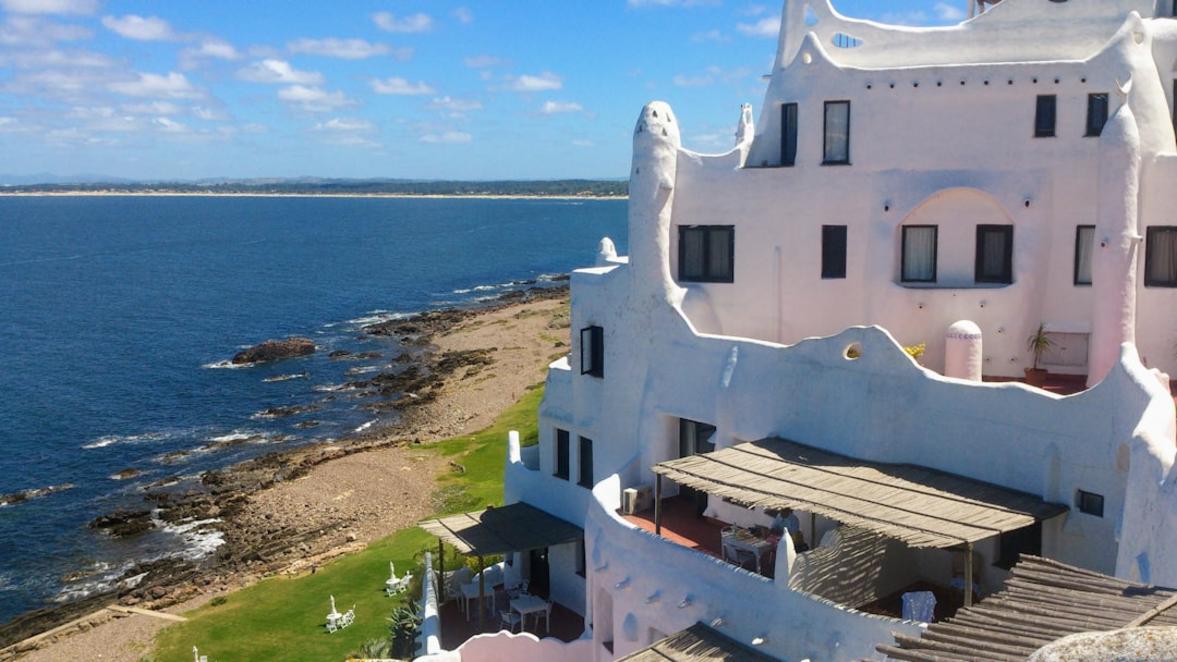
Casapueblo is a sprawling whitewashed building complex designed by Carlos Páez Vilaró, functioning as a museum, art gallery, and hotel. Visitors wander through its maze-like terraces, stairways, and studios filled with vibrant paintings, sculptures, and ceramics. The structure itself resembles a Mediterranean village perched on the cliffs, offering spectacular views of the ocean and sunsets. The museum also has a café where guests can enjoy local pastries while overlooking the sea.
Casapueblo combines art, architecture, and nature uniquely, offering more cultural depth than a standard museum visit in Punta del Este.
- When: Open daily from morning until early evening; best visited in the afternoon to combine with sunset views, especially from November to March.
- Cost: ~$15, 2026
- Duration: 2-3 hours
- How to reach: Located about 13 km west of Punta del Este town center, accessible by taxi or rental car via Ruta 10; public buses run but are infrequent.
Insider tip: If closed
Visit the Museo Ralli in the city for a different art collection experience.
4. La Barra Beach and Village ·
Enjoy the laid-back beach vibe and trendy dining scene of La Barra, a stylish village known for its calm waters and artisan shops.
La Barra is a charming seaside village east of Punta del Este, famous for its calm beach ideal for families and water sports like paddleboarding. The village center features a lively main street with boutique shops, artisan markets, and a variety of cafés and restaurants offering fresh seafood and local cuisine. Visitors often stroll along the beach or the Puente de La Barra, a scenic bridge connecting the village to the peninsula. The atmosphere blends relaxed beach life with a touch of bohemian flair.
La Barra offers a more relaxed and authentic local ambiance compared to the busier Punta del Este town beaches and nightlife.
- When: Best during the summer months from December to March, especially midday for beach activities and early evening for dining.
- Cost: Free
- Duration: Half day
- How to reach: Reachable by taxi or rental car driving east from Punta del Este along Ruta 10; some local colectivos connect the two but are infrequent.
Insider tip: If closed
Visit the nearby Playa Bikini for a similar beach experience closer to town.
5. Isla de Lobos Boat Tour ·
Take a boat tour to Isla de Lobos to see one of the largest sea lion colonies in South America in their natural habitat.
This boat tour departs from Punta del Este’s harbor and takes visitors on a scenic ride to Isla de Lobos, a protected island home to thousands of South American sea lions and fur seals. Onboard licensed guide boats, passengers observe the animals lounging on rocks and swimming close to the vessel. The tour often includes narration about the island’s wildlife and conservation efforts. The experience combines marine wildlife viewing with beautiful open ocean vistas and a chance to spot seabirds and occasionally dolphins. Book on GetYourGuide.
This licensed boat tour is the most reliable way to see the sea lion colony up close, compared to trying to spot them from shore or unlicensed boats.
- When: Tours operate mostly in the morning and early afternoon from October through April when sea conditions are calmer.
- Cost: ~$40-$60
- Duration: 2-3 hours
- How to reach: Tours depart from the marina near Puerto de Punta del Este, reachable by walking or short taxi ride from downtown.
Insider tip: If closed
Visit the Museo del Mar in Punta del Este to learn about marine life if boat tours are canceled due to weather.
Solo female travel: Women traveling alone may prefer morning departures when the tours are less crowded and the marina area is busier.
6. Surf Lesson at Playa Mansa ·
Learn to surf on the gentle waves of Playa Mansa, ideal for beginners wanting to catch their first wave in a safe environment.
This activity involves joining one of the licensed surf schools at Playa Mansa, where instructors guide beginners through the basics of surfing on calm, manageable waves. The beach’s gentle swell and sandy bottom create a safe setting for first-timers to build confidence while enjoying the ocean. Lessons typically include board rental, wetsuit if needed, and on-shore safety briefing before heading into the water. Playa Mansa’s wide, flat beach also allows plenty of space for practicing paddling and standing up on the board. Book on GetYourGuide.
Playa Mansa’s gentle waves and professional instructors make it a better choice for beginners than the more challenging surf at Playa Brava, which is suited for experienced surfers.
- When: Morning hours between 8am and 11am are best for calm conditions, especially from November through March when the water is warmer and the swell is milder.
- Cost: ~$40, 2026
- Duration: 2 hours
- How to reach: Playa Mansa is accessible by a short taxi ride or colectivo bus from Punta del Este’s city center, heading west along Avenida Roosevelt toward the coastline.
Insider tip: If closed
If surf lessons are unavailable due to rough sea conditions, consider a stand-up paddleboarding session on the calmer bay area nearby.
7. Punta del Este Food and Wine Tour ·
Discover the flavors of Uruguay through a curated food and wine tour sampling local delicacies and boutique vineyards.
This guided tour takes you to select boutique wineries and traditional eateries around Punta del Este and its surroundings. Participants taste regional wines such as Tannat and Merlot, paired with artisanal cheeses, cured meats, and classic Uruguayan dishes like chivito or empanadas. The tour is led by knowledgeable local guides who provide insights into the food culture and winemaking process. Stops often include a vineyard visit followed by a tasting room experience and a meal at a family-run restaurant. Book on GetYourGuide.
This tour stands out by combining both food and wine tastings in a small-group setting, unlike standalone wine tours or generic city food walks that don’t cover both comprehensively.
- When: Afternoons starting around 2pm are ideal, especially from October to April when vineyards are active and outdoor dining is pleasant.
- Cost: ~$85, 2026
- Duration: 4 hours
- How to reach: Most tours depart from central Punta del Este hotels or meeting points accessible by taxi or local bus along Avenida Gorlero.
Insider tip: If closed
If the tour is unavailable, explore the Mercado del Puerto in Montevideo for a self-guided food tasting experience.
8. Biking along the Coastal Path ·
Cycle scenic coastal trails connecting beaches and nature reserves for an active way to explore Punta del Este’s diverse landscapes.
This activity involves renting a bike from one of the local shops or joining a guided bike tour that follows the coastal path stretching from Playa Brava to the natural reserves near La Barra. Riders experience stunning ocean views, passing landmarks like the iconic Casapueblo sculpture and various secluded beaches. The trail includes paved and gravel sections, winding through pine forests and dunes, offering a refreshing outdoor adventure. Along the way, cyclists can stop at small cafes or lookout points to rest and enjoy the scenery. Book on GetYourGuide.
Choosing the coastal path bike route offers a more varied and scenic experience than cycling solely within the urban center or park areas.
- When: Early mornings or late afternoons are best to avoid midday heat, particularly from September to December and March to May when the weather is mild.
- Cost: ~$20-$30 for bike rental, 2026
- Duration: 3 hours
- How to reach: The coastal path can be accessed by bike from downtown Punta del Este via Avenida Gorlero and the Rambla Claudio Williman, with rental shops nearby.
Insider tip: If closed
If biking is not possible due to weather, consider a walking tour along the same coastal route to enjoy the views at a slower pace.
Solo female travel: The coastal path is well-trafficked during daylight hours, but solo female riders should avoid late evening rides when some trail sections are less populated.
9. La Barra Night Market ·
Experience local crafts, street food, and live music at the vibrant La Barra Night Market, a perfect evening outing.
Held weekly in the La Barra neighborhood, this night market features stalls selling handmade crafts, artisanal foods, and local produce. Visitors can sample street food such as grilled meats, fresh seafood, and traditional sweets while enjoying live music performances and a lively atmosphere. The market is a social hub where locals and tourists mingle, offering a glimpse into the region’s creative culture. It’s an open-air event that often stretches along the main street, with a festive vibe under string lights and lanterns.
La Barra Night Market offers a more authentic and less touristy experience compared to the more commercial markets in Punta del Este’s city center.
- When: The market runs on Saturday evenings from 6pm to 11pm, mainly during the summer months from December to February.
- Cost: Free entry; food and crafts priced individually
- Duration: 2-3 hours
- How to reach: La Barra is about a 15-minute drive east of Punta del Este center; reachable by taxi or local colectivo along Ruta 10.
Insider tip: If closed
If the night market is not operating, visit the nearby La Barra village during the day for boutique shops and cafes.
Solo female travel: La Barra is lively and safe during market hours, but it is advisable for solo female visitors to leave before late night as public transport options become limited.
48 hours in Punta del Este
This two-day plan is designed for travelers who want to savor Punta del Este’s coastal charm at a relaxed, thoughtful pace, matching this trip’s slow starts and sensory immersion. It’s perfect for those who prefer easing into their mornings with coffee and gentle strolls, balancing marquee experiences with local rhythms and hidden gems.
Day 1
Morning
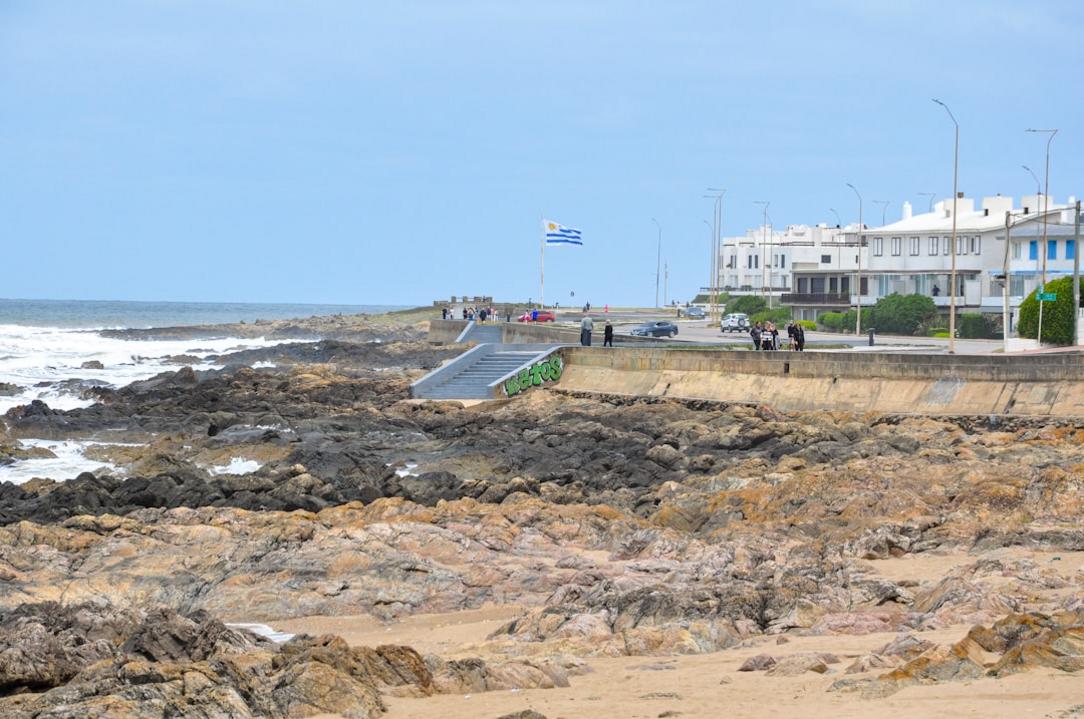
After waking up to the soft glow of the morning sun filtering through the curtains, start your day with a coffee and medialunas at the beachfront café just off Playa Brava. The light here at this hour hits the waves just right, making your slow stroll along the iconic ‘La Mano’ sculpture feel almost cinematic. By 10:30, the small crowds begin to build, so it’s best to linger here before heading inland to the Museo Ralli, where the afternoon light will highlight the vivid contemporary art without the morning glare.
Afternoon
Post-Museo Ralli, take the short walk downhill toward the peninsula’s bustling artisan market, arriving just as locals begin their lunch break around 1 PM. Grab a seat at the terrace of the Mercado del Puerto’s more casual seafood stall, where the catch of the day comes fresh and the chatter hums in Spanish and Portuguese. After lunch, a gentle walk through the nearby historic district unfolds naturally, letting you digest both food and culture before a mid-afternoon pause at a shaded plaza café known for its alfajores and slow drip coffee.
Evening
As the afternoon wanes, make your way to Punta Ballena’s lookout point for a sunset that spills gold across the Atlantic, perfect timing to avoid both the late-afternoon tourist surge and the early evening chill. Dinner awaits at a refined yet unpretentious parrilla in the La Barra neighborhood, where the grilled provoleta and a glass of tannat pair beautifully with the mellow local vibe. The evening winds down with a quiet walk back through the softly lit streets, avoiding the louder bars closer to the port.
Day 2
Morning
Rise early for a brisk pre-dawn start and catch the first bus heading east to the quaint fishing village of José Ignacio. Arriving just as the fishermen unload their morning haul, you can savor the calm before the day’s bustle and grab a fresh yerba mate from a street vendor. Wander the village’s sleepy lanes bathed in soft morning light, with the Atlantic breeze carrying hints of salt and pine, before settling in at a rustic bakery for a pastel de chajá and café con leche to fuel your upcoming adventure.
Afternoon
Return to Punta del Este mid-morning for your main daytime effort: a half-day kayak excursion around the Isla de Gorriti, launched from Playa Mansa where the water is calmest at this hour. The paddle offers both a refreshing workout and spectacular views of the city’s skyline framed by contrasting sea and hills. After drying off, reward yourself with a late lunch at a family-run trattoria in the Playa Mansa neighborhood, known for its homemade pasta and fresh local seafood, where tables fill quickly by 3 PM.
Evening
For your final evening, head to the lively harbor district, where the sunset casts long shadows over the yachts and fishing boats. Start with a casual wine-bar hop along the marina’s edge, sampling local tannat blends paired with small plates of cured meats and cheeses. Finish with a relaxed dinner at a back-street cevichería, where the vibrant flavors and informal setting offer a perfect contrast to the day’s exertion and the city’s more polished dining spots.
If you have a third day
If you had a third day, I’d recommend exploring the less-touristed Barrio Gorlero’s eastern stretch on foot, visiting its artisan workshops and hidden murals. This slow cultural immersion reveals a different Punta del Este rhythm, far from the beaches, with intimate encounters and a chance to join a local ceramics class or early-morning fishing trip.
Best time to visit Punta del Este
Quick answer
The best time to visit Punta del Este is from October to early December and April to June, when mild temperatures and lower crowds make outdoor activities and wildlife viewing ideal.
| Months to go | April to June, October to early December |
|---|---|
| Months to avoid | January to March due to heat and crowds, July to September due to cooler temperatures limiting beach and outdoor activities. |
Punta del Este experiences its warmest weather between January and March, with average temperatures reaching up to 77°F / 25°C, making it peak season but often crowded and hot for some visitors. From April to June, temperatures cool to a comfortable 59-68°F / 15-20°C range, perfect for exploring beaches, hiking, and wildlife watching without the summer crowds. The cooler months of July through September see average lows around 50°F / 10°C, which can limit beach activities and make some outdoor pursuits less enjoyable. October to early December offers a pleasant warming trend with temperatures climbing back into the mid-60s to low 70s, reopening the window for comfortable outdoor adventures and wildlife observation. Rainfall is moderate year-round but slightly higher in the summer months, so planning around drier months enhances the experience. Overall, the shoulder seasons balance good weather and fewer tourists, making them the best times to enjoy Punta del Este’s natural and recreational offerings.
Average temperature (°F)
Monthly weather
Warm and busy summer month
Hot with peak crowds
Warm, crowds start thinning
Cooling down, fewer tourists
Mild and pleasant weather
Cooler, good for hiking
Chilly, less outdoor activity
Cool and quiet
Warming up, still cool
Mild and welcoming
Warm, good for outdoors
Warming, start of high season
How to get to Punta del Este
Nearest airport
Capitán de Corbeta Carlos A. Curbelo International Airport (PDP), approximately 20 km (30 minutes) from Punta del Este
From the airport
The most straightforward way to reach Punta del Este from the airport is by taking a metered taxi, which costs around ~$30 USD (2024) and takes about 30 minutes. Alternatively, a local shuttle service operates multiple departures daily, costing approximately ~$15 USD (2024), bookable at the airport terminal. Rental cars are also available for travelers wanting flexibility, with prices starting around ~$40 USD per day (2024).
Other ways to arrive
- From Montevideo, take a long-distance bus from the Tres Cruces terminal to Punta del Este, about 2 hours, costing ~$10 USD (2024).
- From Buenos Aires, take a ferry to Montevideo or Colonia, then a bus or rental car to Punta del Este; total travel time varies around 5-6 hours, cost band ~$50-80 USD (2024).
- From Colonia del Sacramento, travel by bus or rental car to Punta del Este, approximately 4 hours, costing ~$15-25 USD (2024).
- From Maldonado city, a short taxi or local bus ride of 15 minutes costs around ~$5 USD (2024).
Getting around Punta del Este
The dominant way to get around Punta del Este is by taxi or rental car, offering flexibility to explore the city’s spread-out attractions. For visitors prioritizing convenience and comfort, taxis or rideshare services are recommended, while budget travelers may prefer local buses for short trips.
- Taxi – best for quick, direct trips within the city; costs around ~$5-10 USD per short ride.
- Rental car – ideal for exploring beaches and nearby areas at your own pace; daily rates start at ~$40 USD.
- Local bus – economical choice for short distances; fares are about ~$1 USD per ride.
- Bicycle rental – good for active travelers during daylight hours; prices start at ~$10 USD per day.
- Walking – suitable for exploring downtown and beach promenades; free and pleasant in good weather.
Day trips from Punta del Este
These day trips offer a chance to explore the diverse landscapes and cultural sites beyond Punta del Este, perfect for enriching your stay. Each destination is reachable within a half- or full-day excursion, providing distinct experiences from coastal villages to historic towns.
José Ignacio
A charming seaside village known for its relaxed vibe and excellent seafood.
Why: José Ignacio offers pristine beaches, upscale dining, and a laid-back atmosphere far from the bustle of Punta del Este, making it a perfect half-day escape.
La Paloma
A coastal town famous for surfing and natural beaches.
Why: La Paloma’s rugged coastline and surf culture provide a contrasting, authentic beach experience away from the glitz of Punta del Este.
Piriápolis
A historic resort town with a scenic waterfront and hilltop castle.
Why: Piriápolis combines natural beauty with cultural landmarks like the Castillo de Piria, ideal for visitors interested in history and seaside charm.
Combine Punta del Este with
Extending your trip beyond Punta del Este allows you to experience Uruguay’s rich variety of landscapes and cities. These multi-night routes offer a deeper dive into the country’s culture, history, and natural beauty.
Montevideo and Colonia del Sacramento Punta del Este → Montevideo → Colonia del Sacramento
Start with Uruguay’s capital for urban culture and museums, then head to the UNESCO-listed colonial town of Colonia for history and charm, making a well-rounded trip.
Cabo Polonio and Rocha Punta del Este → Rocha → Cabo Polonio
Explore the wild beaches and dunes of Rocha region, finishing with the unique off-grid village of Cabo Polonio, great for nature lovers and adventure seekers.
Maldonado and Minas Punta del Este → Maldonado → Minas
Combine the nearby city of Maldonado with Minas, known for its waterfalls and countryside, offering a mix of urban and rural Uruguayan experiences.
Where to stay in Punta del Este
Compare prices across booking sites on the map below and see which neighbourhood fits your plans.
Punta del Este offers a variety of neighborhoods catering to different traveler preferences. La Barra is popular among younger visitors and surfers, known for its lively beach scene and trendy bars. The Peninsula, the historic heart of the city, appeals to those wanting walkability and proximity to shops and restaurants. Playa Mansa, with its calmer waters and sunset views, is favored by families and couples seeking tranquility. Lastly, Beverly Hills offers a quieter, upscale residential vibe just a short drive from the main beaches.
La Barra
Budget travelers will find simple hostels and family-run guesthouses mainly in La Barra. These accommodations offer basic dorms or private rooms with shared bathrooms, perfect for those prioritizing social atmosphere and beach access over luxury. While you won’t find many amenities, the vibrant nightlife and beachfront location compensate well. However, expect limited privacy and fewer conveniences compared to pricier options.
Insider tip: In La Barra, budget hostels on the northern end of Camino Eguzquiza tend to be quieter and less crowded than those near the main intersection, especially on weeknights.
Peninsula
Mid-range travelers can enjoy boutique hotels and well-appointed apartments primarily in the Peninsula area. These properties offer a balance of comfort and convenience, often featuring private bathrooms, small pools, and easy walking access to the old town’s shops and restaurants. While not as lavish as resorts, mid-range stays provide a cozy and authentic Punta del Este experience. They are ideal for couples or small families wanting charm without breaking the bank.
Insider tip: In the Peninsula, accommodations on Calle 20 tend to have better morning sunlight and quieter streets compared to those closer to the port area, which can get busy during the day.
Playa Mansa
Luxury travelers will appreciate the upscale resorts and oceanfront condos concentrated along Playa Mansa and Beverly Hills. These properties boast full-service amenities such as private pools, spa facilities, concierge service, and expansive ocean views. Expect spacious suites, fine dining options, and exclusive beach access. While pricier, these stays ensure privacy, comfort, and a premium Punta del Este experience.
Insider tip: Along Playa Mansa, requesting rooms on higher floors of oceanfront condos provides quieter nights away from street noise and the best sunset vistas.
Where not to stay
Avoid the area around Avenida Roosevelt at night, as the strip near the shopping centers can get noisy and crowded with late-night partygoers, disrupting sleep.
Solo female travelers
Solo female travelers should consider staying in the Peninsula neighborhood, where well-lit streets and a strong police presence ensure safety, along with numerous cafes and shops open into the evening.
Booking through these links supports Pack Lightly at no extra cost to you.
Where to eat and drink in Punta del Este
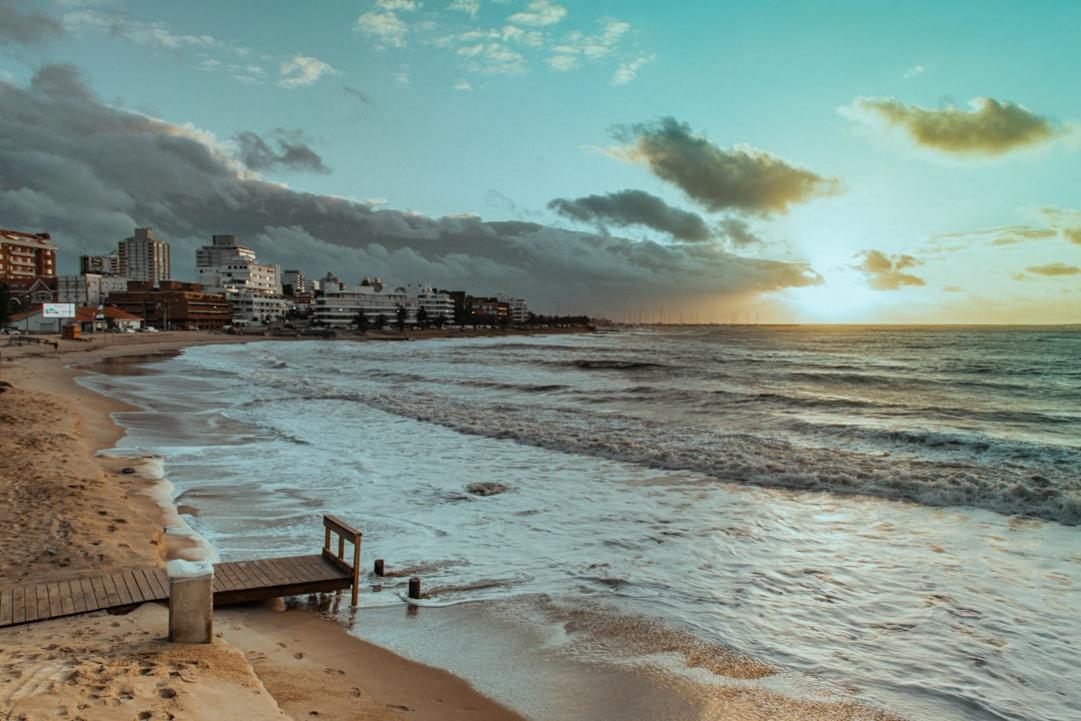
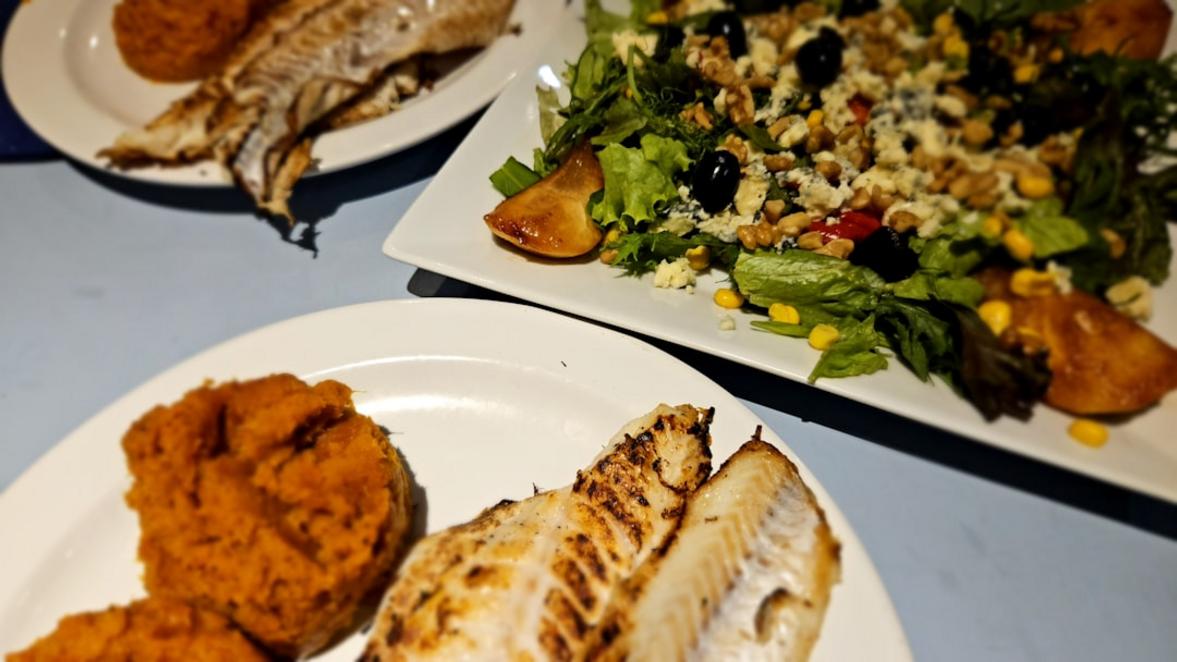
Punta del Este’s culinary scene is distinguished by its close relationship with the Atlantic coast, featuring fresh seafood caught daily in nearby fishing ports like La Barra. The city is known for its vibrant craft beer culture, led by local breweries that emphasize regional ingredients. Punta del Este also boasts a lively food truck scene, especially around the Playa Mansa area, showcasing a blend of local flavors with international street food styles. The influence of coastal ingredients and innovative local producers sets the city apart from the rest of Uruguay.
Must-try dishes
Ostiones a la Parrilla (Grilled Scallops)
Fresh scallops grilled simply to highlight their natural sweetness and oceanic flavor.
This dish features scallops harvested from the nearby Maldonado coast, prepared by family-run seafood shacks at the La Barra fishing port, a key regional ingredient + local producer anchor.
Insider tip: Grilled scallops here are the purest taste of Punta del Este’s maritime bounty.
La Barra Food Truck Choripán
A chorizo sausage sandwich served with chimichurri and freshly baked bread, elevated by gourmet local toppings.
This is a city signature dish popularized by the weekend food truck gatherings in La Barra, where inventive twists on traditional chorizo sandwiches have become a local culinary hallmark.
Insider tip: Skip the tourist spots and grab your choripán from La Barra trucks for the authentic local vibe.
Patio del Cerdo Craft Beer and Food Pairing
A tasting menu pairing house-brewed craft beers with pork dishes featuring regional spices and cuts.
Punta del Este is known for its craft beer scene, and Patio del Cerdo is a local-only producer brand that pioneered beer-food pairings in the city, making it a must-visit for enthusiasts.
Insider tip: This pairing experience showcases the best of Punta del Este’s emerging craft beer culture.
Chivito al Pan de la Península
The classic Uruguayan chivito sandwich made with a distinctive soft bread from a famed local bakery in Punta del Este’s peninsula.
While chivito is national, the version made with artisanal bread from Panadería La Península is unique to Punta del Este, anchoring this national dish to a local producer brand.
Insider tip: A chivito here is elevated by the bakery’s signature bread, making it a local classic.
Argentinian-Uruguayan Jewish Pastries from the Maldonado Jewish Community
Traditional Jewish pastries like knishes and rugelach, reflecting the cultural heritage of the local Jewish community in Maldonado.
This is a community-specific dish tied to the Jewish population around Punta del Este and Maldonado, whose bakeries maintain these heritage recipes.
Insider tip: These pastries offer a sweet and savory window into the city’s diverse cultural mosaic.
Local drinks
- La Barra Craft BeerLa Barra breweries and taprooms, especially during evening tastings and weekend markets.
A range of artisanal beers brewed locally using coastal water and regional hops. - Atlántico Distillery GinAtlántico Distillery tasting room, located near the port district.
A small-batch gin infused with native coastal botanicals unique to the Punta del Este region.
Where to eat – by neighborhood
La Barra
Known for its artisanal food trucks, seafood shacks, and vibrant weekend markets, La Barra is the hotspot for casual, innovative coastal dining.
Insider tip: Visit on a weekend afternoon and order from multiple food trucks to sample the best choripán and seafood bites.
Peninsula District
The city center with a concentration of upscale restaurants, local bakeries, and craft beer pubs, blending traditional and contemporary styles.
Insider tip: Head to Panadería La Península early for fresh bread and a chivito sandwich before exploring the port.
Rincón del Indio
A quieter residential area with hidden family-run parrillas and seafood eateries favored by locals for authentic flavors away from the tourist buzz.
Insider tip: Ask for the catch of the day grilled style and pair it with a glass of local craft beer.
Local markets
| Mercado del Puerto de La Barra | Saturday and Sunday mornings, 8am–2pm – Fresh seafood, artisanal cheeses, and local honey sourced directly from Maldonado producers. |
|---|
Dietary note
Vegetarian and vegan options exist but are limited outside of specialized cafes; seafood dominates local menus, so plant-based travelers should seek out La Barra’s newer food trucks and health-conscious eateries.
Daily budget for Punta del Este
Punta del Este stands out within Uruguay for its significantly higher daily costs due to its status as a premier beach resort and luxury tourist hotspot. Unlike other Uruguayan cities, prices here reflect a strong tourist demand, especially during peak season, pushing budgets one tier above the national average.
Shoestring
- lodging – budget hostels or shared rooms in low season
- food – simple local eateries and street food
- transport – local buses and occasional shared taxis
- activities – free beaches and self-guided walks
- buffer – small contingency for unexpected expenses
Trade-offs: You’ll sacrifice comfort and convenience, often staying farther from the beach and relying on limited public transport.
Comfort
- lodging – mid-range hotels or private Airbnbs near the coast
- food – mix of casual restaurants and cafes
- transport – taxis or rental bikes for flexibility
- activities – paid attractions like museums, boat tours, or nightlife
- buffer – for small extras or souvenirs
Trade-offs: You get better location and amenities but still need to watch spending on dining and activities to stay within budget.
Splurge
- lodging – upscale beachfront hotels or luxury rentals
- food – fine dining and premium local seafood
- transport – private transfers or car rentals
- activities – exclusive tours, water sports, and nightlife
- buffer – for indulgences or emergencies
Trade-offs: You enjoy top-tier comfort and experiences but at a premium price typical of a high-end resort town.
Money-saver tip
Use the local colectivo buses to get around cheaply and consider visiting just outside peak season when accommodation prices drop significantly.
Splurge that’s worth it
Booking a sunset catamaran cruise along the coast offers stunning views and a memorable luxury experience worth the extra cost.
Skip to save
Avoid dining in the main marina area where prices are inflated; instead, explore nearby neighborhoods for authentic and affordable meals.
Practical tips for Punta del Este
Money
Cash or card. In Punta del Este, credit and debit cards are widely accepted in hotels, restaurants, and larger shops, but small beach kiosks and local markets often operate on a cash-only basis, especially during the high season. It’s wise to carry some Uruguayan pesos for these smaller vendors and for tipping.
ATMs. ATMs are plentiful in the city center and along the main avenues, but many charge foreign cards fees, so use cards with no foreign transaction fees like Wise or Charles Schwab. Banco República (BROU) ATMs are reliable and usually compatible with international cards, but fees still apply.
Tipping. Tipping is not obligatory in Uruguay but appreciated; rounding up the bill or leaving about 10% in restaurants is common if service is good. For example, leaving 100 UYU (around 3 USD) on a 1000 UYU meal is a typical gesture.
Safety
Punta del Este is generally safe for tourists during the day, especially in well-frequented areas like the port and Playa Brava. However, petty theft can occur in crowded spots, and some neighborhoods away from the tourist center are best avoided after dark. Nighttime public transport options are limited, so plan accordingly.
Common scams:
- Overcharging taxi drivers who don’t use meters
- Fake charity collectors near tourist spots
- Street vendors selling counterfeit or overpriced goods
Local warnings:
- Strong sun exposure requires sunscreen and hats, especially in summer
- Be cautious of undertows at Playa Brava during rough sea days
- Some beach areas have sandflies in the early morning and late afternoon
Connectivity
Mobile data. Mobile coverage is good throughout Punta del Este, with Antel being the main local carrier offering prepaid SIM cards and eSIMs starting around 500 UYU for 5GB valid 30 days. Buying a local SIM at the airport or downtown shops is straightforward.
Wi-Fi. Wi-Fi is commonly available in cafes and hotels but can be slow or unstable during peak season. The peninsula area around Gorlero Avenue has the most reliable connections in public spaces.
Language
Main language: Spanish. English level: English is spoken mainly in hotels, upscale restaurants, and by younger people working in tourism, but outside these zones communication in Spanish is necessary. Many locals appreciate even basic Spanish attempts.
Cultural notes
- Dress is casual but neat; avoid beachwear away from the shore, especially in restaurants.
- When greeting, a single cheek kiss is common even among acquaintances.
- Avoid discussing Uruguay’s political history or economic issues with strangers.
- Photography of military or government buildings is discouraged.
Solo female travel
Solo female travelers in Punta del Este will find the city relaxed during the day with plenty of cafes and beaches to enjoy. Evening options are more limited; nightlife centers around a few bars and clubs near the port and La Barra, but public transport stops early, so plan rides accordingly. Social hostels are rare, so meeting other travelers often happens in shared tours or beach activities.
- Neighborhood: Choose accommodation in the peninsula area near Playa Mansa for quieter streets and better evening safety compared to La Barra, which can be lively but less secure at night.
- Transport: Taxi apps like Uber are available and recommended after dark since buses stop running around 10 PM.
Frequently asked questions about Punta del Este
1Is Punta del Este worth visiting?
Yes, Punta del Este is worth visiting for its stunning beaches like Playa Brava and Playa Mansa, vibrant nightlife, and luxury resorts. It offers a unique blend of natural beauty and upscale amenities, making it a top destination in Uruguay.
2Why is Punta del Este known for its beaches and nightlife?
Punta del Este is famous for its diverse beaches, including the iconic ‘Hand Sculpture’ at Playa Brava, and a lively nightlife scene centered around La Barra and the peninsula. The city attracts international visitors with world-class clubs, casinos, and beachfront bars.
3What is the best time to visit Punta del Este for good weather?
The best time to visit is from December to March when summer temperatures average 25-30°C and the city hosts major events like the International Jazz Festival. This period guarantees sunny days and vibrant social life.
4Do I need a car to get around Punta del Este?
No, you don’t need a car if you stay in the main peninsula or nearby neighborhoods, as taxis and buses are reliable. However, renting a car is recommended if you want to explore surrounding areas like José Ignacio or the vineyards inland.
5Is Punta del Este safe for solo female travelers?
Yes, Punta del Este is generally safe for solo female travelers, especially in well-populated areas and during the high season. Basic precautions at night, such as avoiding isolated streets, are advised.
6Can you swim and surf at Punta del Este beaches?
Yes, you can swim at Playa Mansa, which has calm waters ideal for families, and surf at Playa Brava, known for its strong waves. Both beaches have lifeguards during the summer months.
7Is Punta del Este more expensive than other Uruguayan destinations?
Yes, Punta del Este is the most expensive destination in Uruguay, with daily costs around $150-$250 USD for mid-range travelers. Prices are higher than Montevideo and Colonia, especially during the summer season.
8What should I avoid doing in Punta del Este?
Avoid leaving valuables unattended on the beach and be cautious when accepting drinks at night. Also, skip driving during peak holiday weekends due to heavy traffic and limited parking.
9What is the nearest airport to Punta del Este?
The nearest airport is Capitán de Corbeta Carlos A. Curbelo International Airport (PDP), located just 15 km from the city center. It offers regular domestic flights and seasonal international connections.
Estimate your daily budget
See realistic daily costs by tier and category.