


The sizzle of beef on a parrilla fills the air in Montevideo‘s restaurant-lined Barrio Sur at dinner.
Uruguay’s food culture centers on beef and Tannat wine, with asado and chivito anchoring the menu. Dining happens mostly in sit-down restaurants, especially in Montevideo’s Barrio Sur and Punta del Este’s upscale neighborhoods. The pace is deliberate – meals stretch over hours, pairing grilled meats with local wines. This focus on quality beef means seafood and vegetarian options play supporting roles, so plan accordingly. Reservations matter, especially for parrilla spots known for their asado.
Quick answer
Eat asado for grilled beef mastery, chivito for a hearty beef sandwich, milanesa for crispy breaded meat, and dulce de leche desserts for sweet balance. Drink mate throughout the day for a local ritual and fresh fruit juices for refreshment.
Key takeaways
- Dine at sit-down parrillas in Montevideo’s Barrio Sur for authentic asado evenings.
- Order chivito or milanesa for lunch in central Montevideo restaurants.
- Plan ~$35-50/day for restaurant meals; parrillas skew higher in tourist areas.
- Book parrilla tables ahead in Punta del Este during high season (December – February).
- Avoid tourist-trap chivitos near bus terminals; seek neighborhood cafes instead.
- Expect mate drinking all day; carry your own thermos and bombilla for local rhythm.
Book a food tour or cooking class in Uruguay
Cooking classes, market tours, and street-food walks led by local hosts in Uruguay – skip the tourist menus and eat what locals actually eat.

Local Food & Drinks tool
Open the interactive Uruguay food map – every dish and drink in this guide, plotted on a map with what to order, where to find it, and what it costs.
Food Neighborhoods – Uruguay
Why Uruguay Eats the Way It Does

Uruguay’s food culture grew from its vast pampas and deep-rooted cattle ranching, shaping a cuisine centered on beef and grilling. The Atlantic coast adds fresh seafood, balancing the meat-heavy diet. Restaurant culture took off in Montevideo during the early 20th century, reflecting European immigrant influences and signaling social status through formal dining. Meals unfold slowly, with wine and mate rituals marking the social rhythm around the table.
- Tannat wine defines Uruguay’s palate, pairing seamlessly with its beef-heavy dishes.
- Asado is more than a meal – it’s a social event that structures dining around communal grilling.
- Dining unfolds in courses with deliberate pacing, emphasizing conversation and wine pairing.
- Uruguay’s seafood presence along the coast contrasts its interior’s intense focus on beef.
Best for: You’ll get the most from Uruguay’s food culture by prioritizing sit-down meals in traditional parrillas and cellar doors specializing in Tannat wine. Focus on pairing structured tasting menus with premium beef cuts.
Must-try dishes in Uruguay

Asado (Asado)
Asado is the cornerstone of Uruguayan dining, featuring a variety of beef cuts cooked slowly over wood or charcoal embers. The flavor comes from the smoke and the meat’s natural fat, seasoned simply with salt. This dish is a social ritual, with each cut served in courses that match the rhythm of wine and conversation.
Where to find it: Find asado on the menus of sit-down parrillas, where the grill is a centerpiece and the service guides the progression of cuts.
Best for: ideal for dinner paired with tannat wine
Chivito (Chivito)
Chivito is a hearty beef sandwich stacked with thin steak, mozzarella, ham, tomato, and mayonnaise, sometimes topped with fried egg or bacon. The texture contrasts between tender meat and creamy sauces make it a satisfying meal. Locals often enjoy it as a substantial lunch or casual dinner option.
Where to find it: Order chivito at sit-down restaurants offering casual menus or specialized sandwich shops with table service.
Best for: great for a filling lunch with structured service
Milanesa (Milanesa)
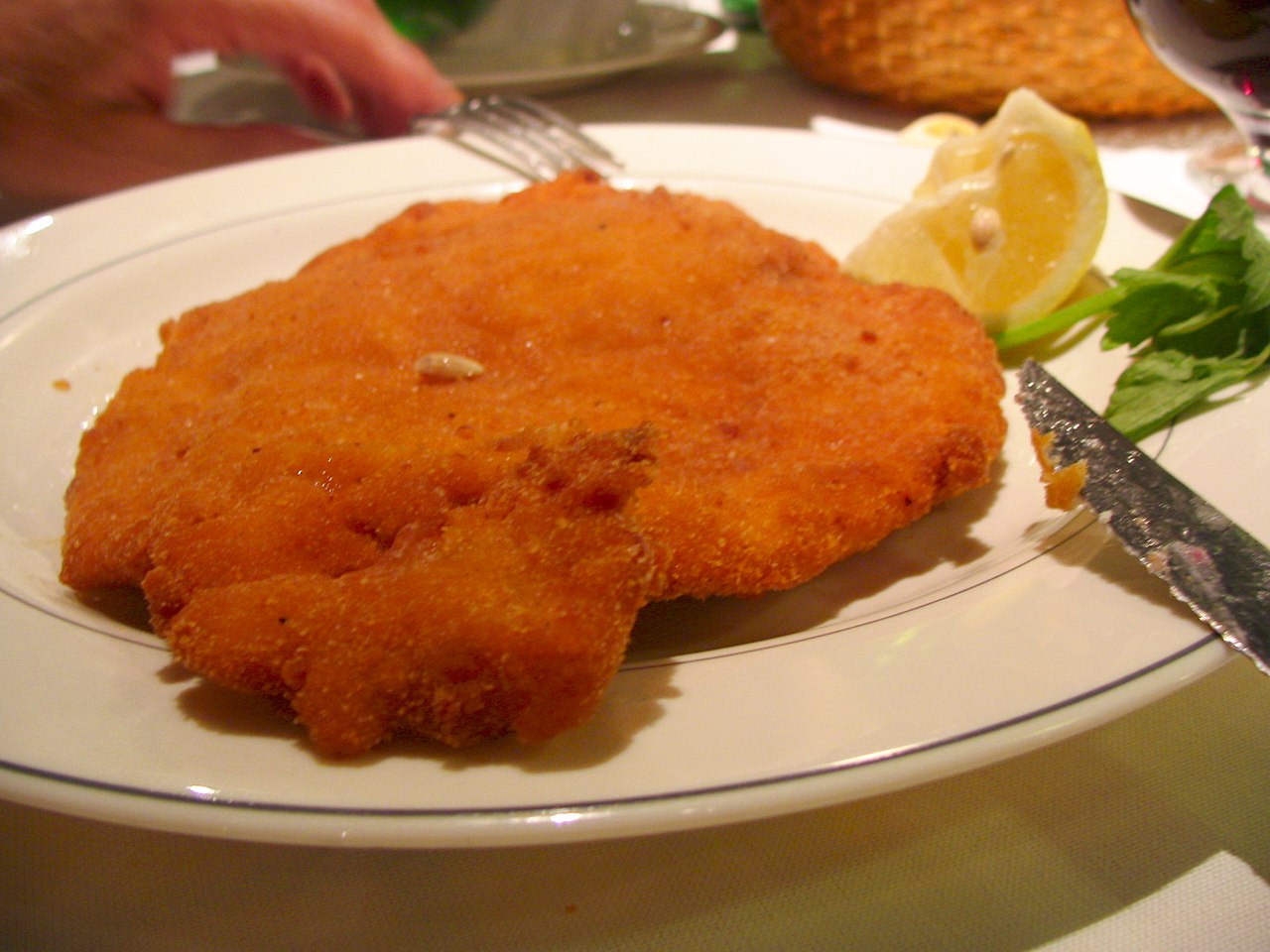
Milanesa is a breaded and fried beef cutlet, thin and crispy on the outside, tender inside. The dish often comes with fries or salad, creating a classic sit-down meal. While common, the quality of the beef and the balance of the breading define the experience here.
Where to find it: Available in traditional sit-down restaurants, milanesa often features on menus alongside asado and other beef dishes.
Best for: suitable for lunch or dinner with a relaxed dining pace
Empanadas (Empanadas)
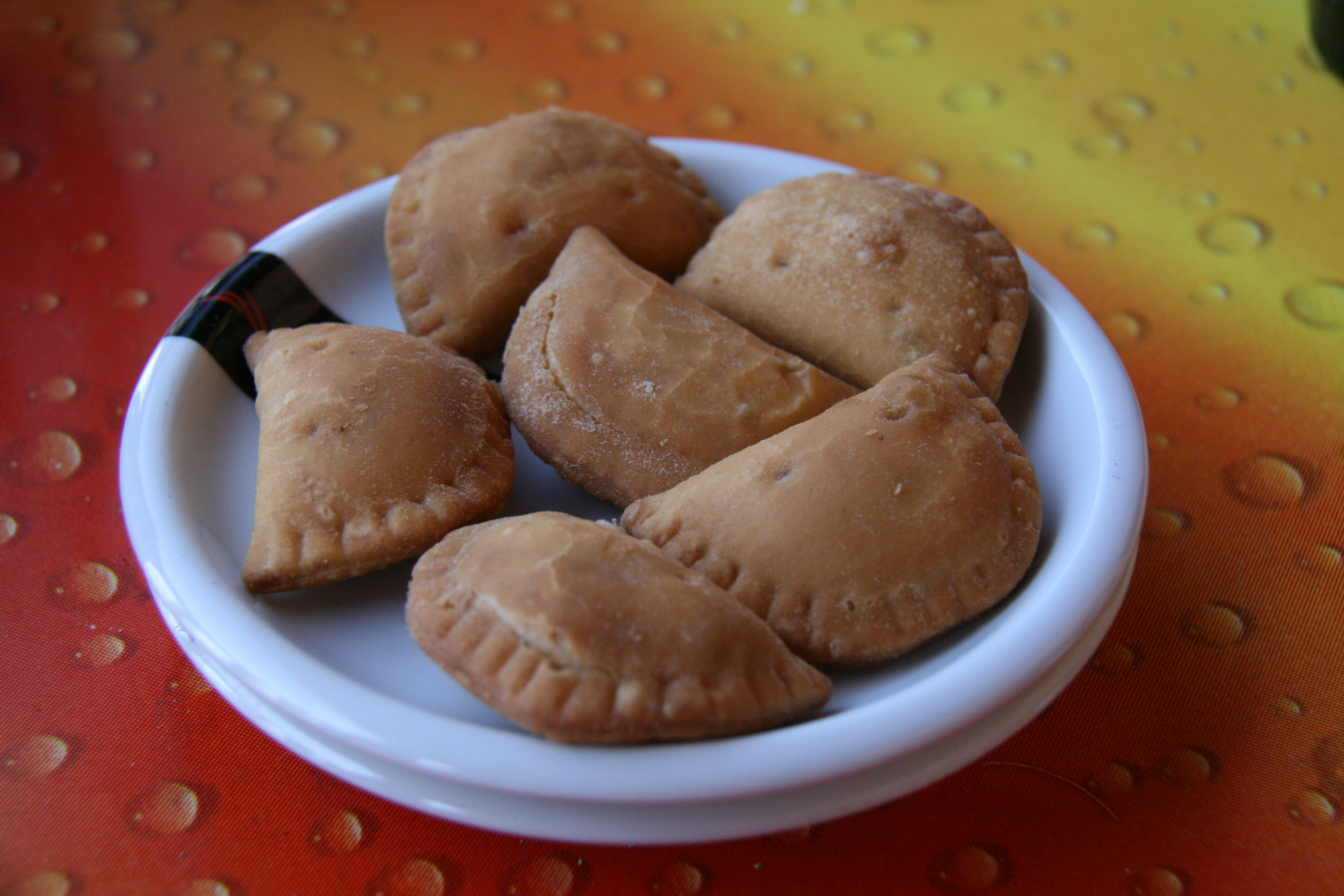
Empanadas come filled with ground beef, onions, and spices, baked or fried to a golden finish. The balance of savory meat and flaky pastry makes them a popular appetizer or snack. Expect them served warm, often accompanied by chimichurri sauce for a bright contrast.
Where to find it: Sit-down restaurants include empanadas as starters or part of tasting menus, highlighting the dish’s place in structured dining.
Best for: starter before main courses in beef-focused meals
Puchero (Puchero)
Puchero is a beef and vegetable stew simmered slowly to develop rich flavors. It combines chunks of beef with root vegetables and corn, creating a hearty dish that reflects the interior’s rustic cooking style. The slow pace of service matches the meal’s comforting nature and pairs well with tannat.
Where to find it: Best found in sit-down restaurants specializing in traditional Uruguayan cuisine with multi-course menus.
Best for: comfort food for cooler days or a leisurely dinner
Grilled Sea Bass (Boga a la parrilla)
Grilled sea bass offers a coastal alternative to beef, highlighting fresh Atlantic fish seasoned lightly and cooked over wood fire. The flesh is firm yet delicate, often served with simple sides to keep the focus on flavor. This dish shows the contrast between Uruguay’s beef culture and its seafood traditions.
Where to find it: Found in coastal sit-down restaurants with menus that emphasize fresh seafood and wine pairing.
Best for: lighter dinner option paired with coastal wines
Torta Frita (Torta Frita)

Torta frita is a fried dough often enjoyed as a savory snack or accompaniment to mate. The crunchy exterior gives way to a soft inside, making it a simple but satisfying treat. Locals eat it during social gatherings, reflecting the casual side of Uruguay’s eating culture.
Where to find it: Typically served in sit-down cafes or traditional restaurants as a side or snack during breaks.
Best for: afternoon snack with mate or coffee
Dulce de Leche (Dulce de Leche)
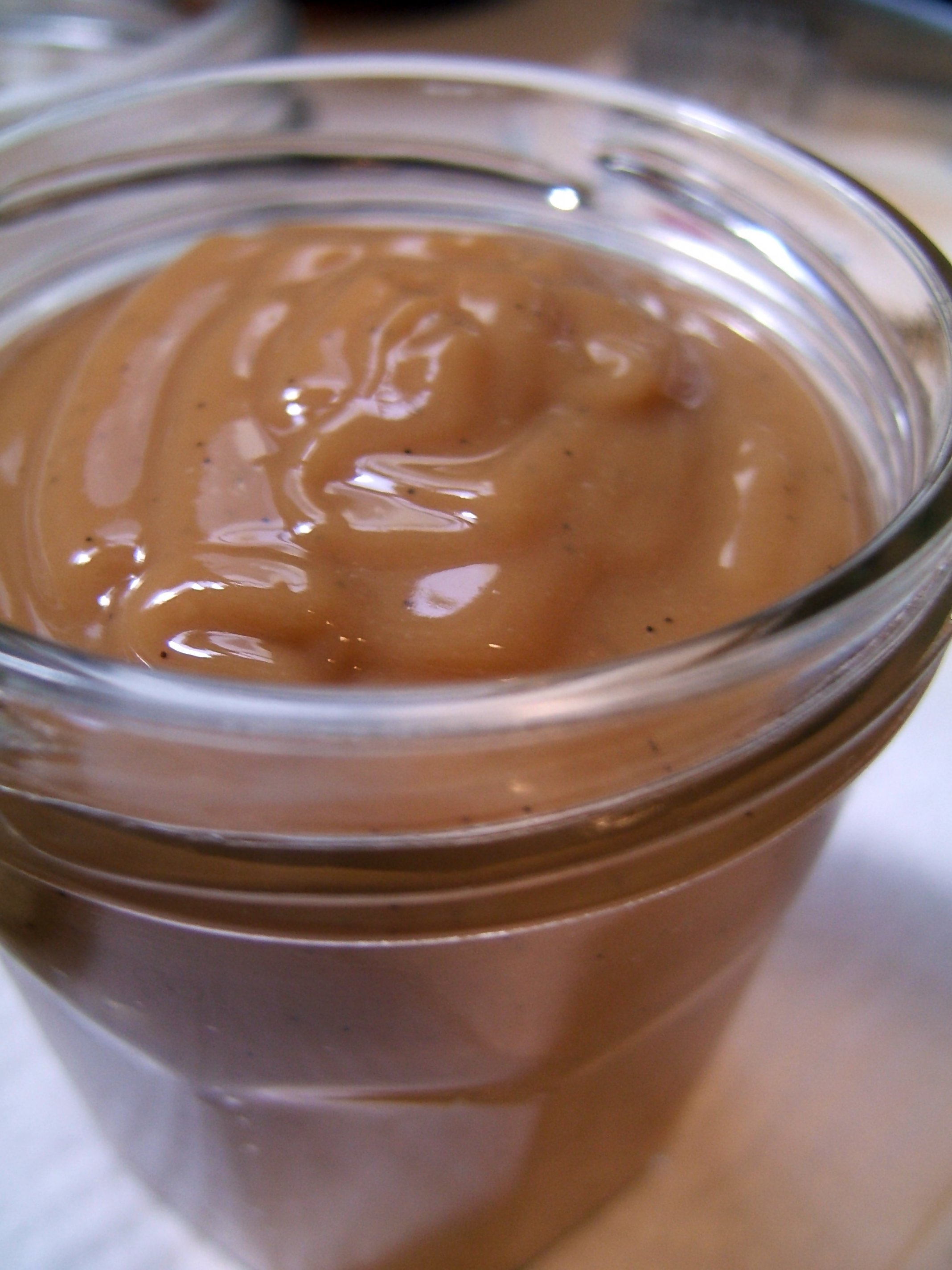
Dulce de leche is a thick, caramelized milk spread that appears in desserts or eaten by the spoonful. Its sweetness complements tannat’s tannins when served alongside cheese or cakes. This staple rounds out structured meals with a familiar, rich finish.
Where to find it: Commonly offered in sit-down restaurants on dessert menus or as part of tasting flights.
Best for: dessert paired with coffee or cheese
Local drinks in Uruguay

Mate (Mate)

Mate is Uruguay’s iconic bitter herbal infusion served in a hollow gourd with a metal straw. It’s both a daily ritual and social binder, shared in circles with a steady flow of hot water refills. The taste is earthy and slightly astringent, perfect for cutting through rich asado flavors.
When to drink it: Drink mate throughout the day, especially mid-morning or after meals like asado to aid digestion and encourage conversation.
Where to find it: Find mate served in traditional restaurants focused on Uruguayan cuisine and in cafes around Montevideo’s Pocitos neighborhood, where locals gather for slow social breaks.
Coffee (Café)
Uruguayan coffee tends toward espresso-style, served strong and often with milk as a cortado. It’s a daily staple, consumed quickly or savored slowly in sit-down cafes. The bitterness balances the country’s rich desserts like torta frita and dulce de leche.
When to drink it: Order coffee after lunch or dinner to close a meal or during mid-afternoon breaks, often alongside sweet pastries.
Where to find it: Sit-down cafes in Montevideo’s Ciudad Vieja and Punta del Este’s hotel districts serve well-crafted coffees with attentive service matching the structured dining style.
Fresh Juice (Jugo Natural)
Fresh juice in Uruguay typically features seasonal fruits like orange, apple, or pear, pressed for pure flavor without additives. The clean, bright taste offers a refreshing counterpoint to heavy meat dishes. Locals favor these juices for their natural sweetness and hydration.
When to drink it: Enjoy fresh juice at breakfast or with lighter meals, such as grilled sea bass, to balance flavors and add a crisp finish.
Where to find it: Available in structured restaurants with set menus and at juice bars inside upscale food markets in Montevideo’s Cordón neighborhood.
Fermented Milk (Kefir)
Fermented milk drinks like kefir provide a tangy, probiotic-rich option common in Uruguay’s dairy-heavy diet. The creamy texture and mild sourness refresh the palate after fatty cuts of beef. It’s less common in restaurants but prized by locals for digestive benefits.
When to drink it: Consume fermented milk as a light snack or alongside breakfast pastries to start the day with a probiotic boost.
Where to find it: Available in structured dining venues focusing on local dairy products and some health-oriented cafes in Montevideo’s Palermo district.
Herbal Tea (Té de Hierbas)
Herbal teas brewed from local plants offer mild, aromatic flavors ranging from mint to chamomile. These teas provide a soothing finish to meals and serve as a caffeine-free alternative. The subtle notes complement the lingering richness of dishes like milanesa.
When to drink it: Drink herbal tea after dinner or during afternoon breaks to relax and aid digestion without caffeine.
Where to find it: Offered in sit-down restaurants with formal menus and specialty tea shops in Montevideo’s Centro neighborhood.
Where to eat in Uruguay
Uruguay’s dining scene revolves around sit-down restaurants where asado and Tannat wine shape the meal’s rhythm. Expect leisurely service and menus built around beef-centric dishes. Prioritize restaurant dining for the full social and culinary performance.
Primary setting: Parrilla (Grill Restaurant)
Parrillas serve as the centerpiece of Uruguayan dining, specializing in grilled meats cooked over wood or charcoal. These restaurants range from casual to upscale but share a relaxed dress code and a focus on quality beef cuts. Reservations matter on weekends, and tipping 10% – 15% is standard. Expect a menu centered on asado, with wine pairings often recommended by the staff.
Café-Restaurant
Cafés blend casual dining with a sit-down format, offering lighter meals and desserts like torta frita and dulce de leche. These spots suit midday breaks or informal dinners, with prices lower than parrillas but still reflecting table service.
Mercado Food Stalls
Markets like Mercado del Puerto in Montevideo host food stalls where you can grab grilled snacks or empanadas. These stalls offer a faster pace and lower prices but lack the full-service experience of a parrilla.
Estancia Dining
Country estancias provide a rustic restaurant setting focused on traditional asado and regional specialties. These require advance booking and come with a higher price tag, offering a curated, immersive meal outside urban centers.
| Type | Price range (2026) |
|---|---|
| Budget eats | Mercado food stalls and casual cafés: $5 – 12 per meal, 2026 |
| Mid-range | Parrilla restaurants and café-restaurants: $20 – 40 per person, 2026 |
| Splurge | Estancia dining experiences: $60 – 100 per person, 2026 |
Eat like a local in Uruguay
Meals in Uruguay follow fixed windows, with lunch around 1:00 PM and dinner from 8:30 PM to 10:30 PM. Reservations matter, especially for parrilla spots where the social dinner anchors the day. Expect a slow, multi-course dinner lasting two hours or more.
- Wait for the host to start the meal before digging into the asado or any shared dishes at a parrilla.
- Pass the mate gourd clockwise and sip quietly; don’t stir or blow on the yerba while sharing.
- Use your knife and fork for dishes like milanesa and chivito; eating with hands is reserved for torta frita or empanadas.
- Pour fresh coffee or fresh juice for others before serving yourself, especially at breakfast or lunch.
- Signal the end of the meal by placing your knife and fork parallel on the plate, never crossing them.
Frequently asked questions about food and drinks in Uruguay
1Is asado worth trying or is it overhyped?
Yes, asado is essential for grilled beef mastery and social dining. It’s slow-paced and communal, so expect a long meal focused on quality cuts over quick service.
2What does a day of eating in Uruguay cost?
Roughly $65 per day covers three meals at parrillas and casual restaurants in 2026. Expect $20 – 30 for a full asado meal and $8 – 12 for lunch sandwiches like chivito.
3Is Uruguay good for vegetarians or vegans?
No, vegetarian options are limited. Torta frita and some empanadas can work, but most dishes center on beef or meat. Rely on side salads or simple vegetable plates.
4What is the local drink culture in Uruguay?
Mate dominates daily life as a social ritual, consumed throughout the day. Fresh fruit juices and herbal teas offer refreshing non-alcoholic alternatives at meals.
5Where can I find the best chivito in Punta del Este Downtown?
Upscale parrillas and dining spots in Punta del Este Downtown specialize in chivito, serving it as a hearty beef sandwich with premium ingredients and attentive service.
6What should I drink with asado at a parrilla?
Skip alcohol and order fresh juice or mate alongside your asado. The tannat wine pairing is traditional but unavailable, so focus on local non-alcoholic drinks that balance the rich beef.
7What are the biggest food mistakes tourists make in Uruguay?
Ordering quick meals instead of embracing the slow asado ritual wastes the social experience. Also, expecting vegetarian variety leads to frustration – plan around beef dishes.
8What does milanesa taste like and where is it best found?
Milanesa is crispy breaded meat, tender inside with a crunchy crust. Colonia del Sacramento’s historic district offers casual restaurants serving it with traditional sides.
9Can I eat safely at street stalls in Uruguay?
Yes, but street stalls are less common for main meals. Stick to established vendors in busy areas and prefer parrillas or casual restaurants for reliable food safety.
10What dishes should I avoid if I dislike heavy meat meals?
Skip puchero and asado, which focus on rich meats and slow cooking. Instead, try torta frita or empanadas with vegetable fillings for lighter options.