


The Philippines is a surf paradise for all levels, combining mellow beach breaks with powerful reef waves. It’s not just for pros; beginners will thrive too.
With over 7,000 islands, the Philippines boasts a diverse surf scene. From the mellow waves of San Juan Beach to the world-class barrels at Cloud 9, the coastline offers something for every surfer. Warm waters and consistent swells from the Pacific Ocean create a vibrant surf culture, attracting enthusiasts year-round. Whether you’re learning or chasing advanced swells, this archipelago delivers.
Expect warm water year-round, typically around 26 – 30°C, making boardshorts ideal for most of the year. The surf breaks range from beginner-friendly beach breaks like San Juan Beach to challenging reef breaks like Cloud 9. Crowds can be heavy at popular spots during peak season, especially from August to November. This coast suits everyone from beginners to advanced surfers seeking powerful waves.
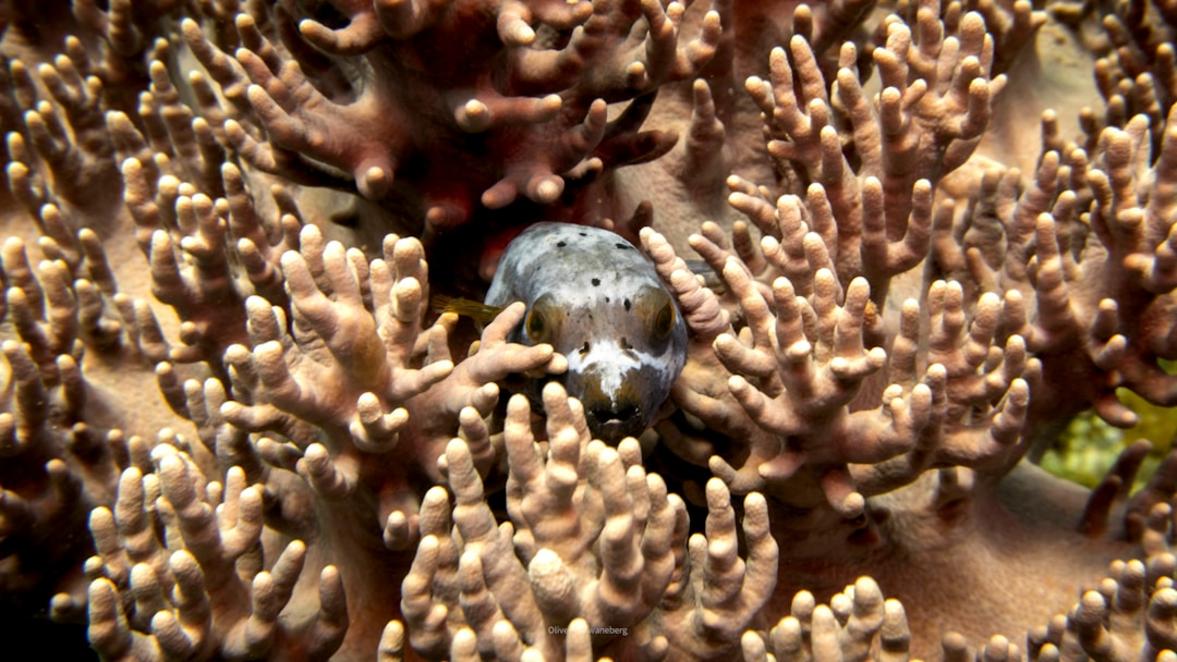
Insider Rules for Surfing in the Philippines
- 1. Best surf season is from August to November for advanced spots like Cloud 9; aim for November to March for beginner breaks.
- 2. Wetsuit reality is minimal; boardshorts are sufficient as water temperatures hover around 26 – 30°C.
- 3. Skill spread includes beginner-friendly spots like San Juan Beach and advanced breaks like Majestics; beginners should avoid heavy reef breaks.
- 4. Crowds peak at Cloud 9 during August to November; early mornings are best to avoid the rush.
- 5. Surf lessons and rentals are widely available and affordable, especially in towns like La Union.
- 6. The main hazard is the reef at Cloud 9; ensure you’re comfortable with shallow reef breaks before paddling out.
- 7. Best base for surfing is Siargao for advanced surfers and La Union for beginners, providing easy access to multiple spots.
Surf Spot Comparison
| Surf spot | Region | Level | Break | Best months |
|---|---|---|---|---|
| Cloud 9, Siargao | Siargao | Intermediate to Advanced | Reef break | Aug – Nov |
| San Juan Beach | La Union | Beginner to Intermediate | Beach break | Nov – Mar |
| Bagasbas Beach | Bagasbas | Beginner to Intermediate | Beach break | Nov – Mar |
| Calicoan Island | Calicoan | Intermediate to Advanced | Reef and beachbreak mix | Oct – Feb |
| Pagudpud | Pagudpud | Intermediate | Beach break | Nov – Mar |
| Sabang Beach | Palawan | Beginner | Beach break | Nov – Apr |
| Dahican Beach | Davao Oriental | Beginner to Intermediate | Long point beachbreak | Oct – Feb |
| Majestics (Puraran Beach, Catanduanes) | Catanduanes | Advanced | Reef break | Jul – Nov |
| Cemento Reef (Baler) | Baler | Advanced | Reef break | Oct – Mar |
| Monaliza Point (La Union) | La Union | Intermediate | Point break | Oct – Feb |
Where the surf spots are
The surf spots
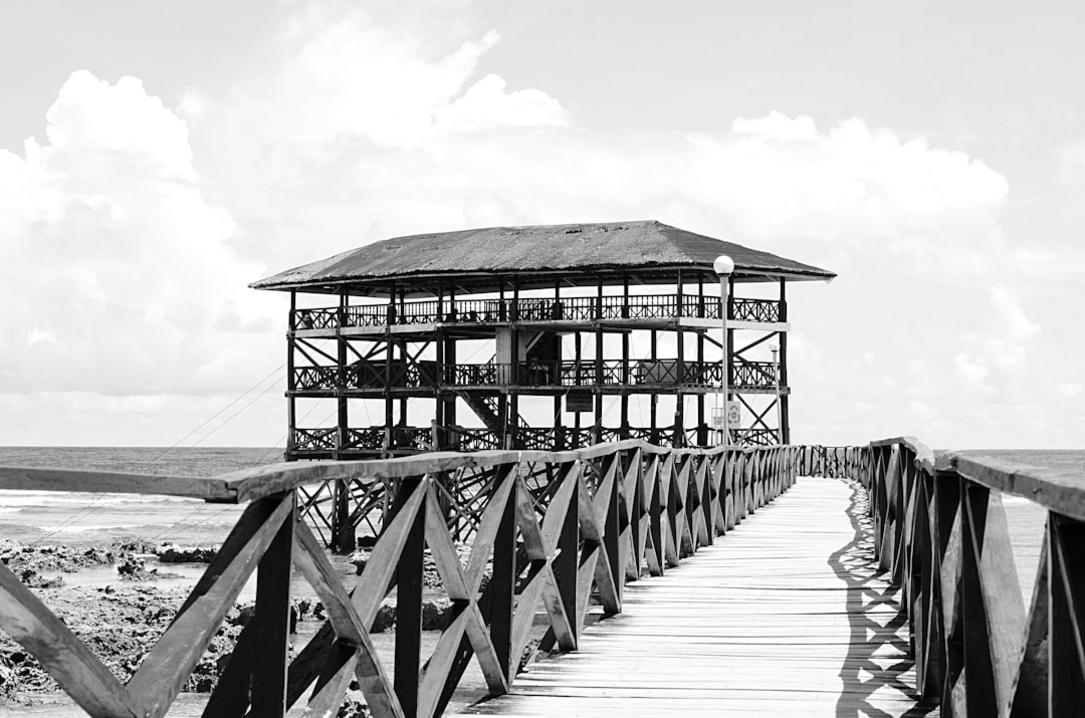
Cloud 9, Siargao: Asia’s Premier Reef Break
Cloud 9 features world-class hollow tubes that offer thrilling rides for intermediate to advanced surfers. The reef break is known for its fast, powerful waves, especially during the peak season from August to November. Expect to see pros lining up for the perfect barrels, making it a competitive spot. Beginners should avoid this challenging break due to the speed and power of the waves.
Getting inAccess the line-up from General Luna, a short drive from the main town. Rent a board or take lessons from local surf schools, which are readily available in the area. Find a surf tour →
Watch outWatch for strong currents and sharp coral, which can pose risks for less experienced surfers. The waves can also close out quickly, so be prepared to paddle hard.
Local tipArrive early to snag a spot in the line-up before the crowds swell, especially on weekends.
San Juan Beach: The Accessible Beginner’s Haven
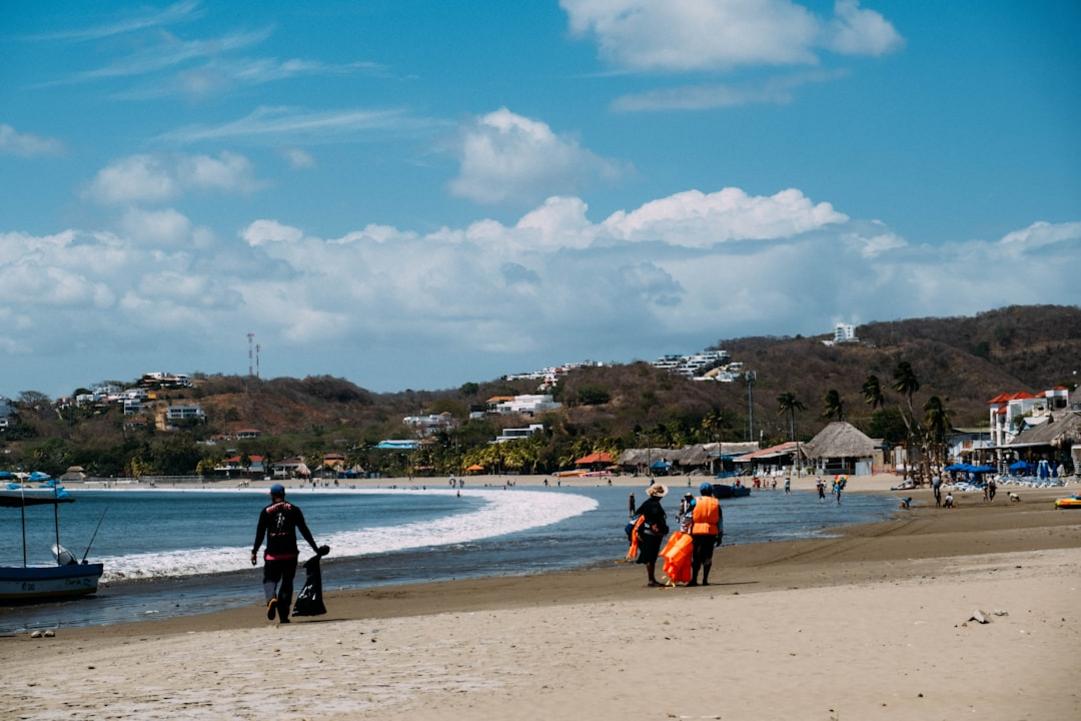
San Juan Beach offers consistent, gentle waves that are perfect for beginners. The sandy bottom minimizes injury risks, making it an ideal spot for those just starting out. The beach is lined with surf schools and laid-back eateries, creating a friendly atmosphere for novice surfers. Intermediate surfers will find it less challenging, but it’s a great place to practice skills.
Getting inLocated about four hours north of Manila, San Juan is easily accessible by bus or car. Surf lessons and board rentals are available from local shops along the beach.
Watch outBe cautious of sudden changes in wave size and potential flat spells, especially from April to October when conditions can be less reliable.
Local tipVisit during weekdays to avoid the weekend crowds and enjoy a more relaxed surfing experience.
Bagasbas Beach: The Quieter Alternative for Beginners
Bagasbas Beach features consistent, mellow waves that are ideal for beginners looking to improve their skills. The sandy bottom and gentle slope make it a safe environment for learning. Compared to San Juan, Bagasbas is less crowded, providing a more peaceful surfing experience. It’s perfect for those who want to practice without the hustle and bustle.
Getting inEasily accessible from Daet, you can reach Bagasbas Beach by local transport. Surf schools offer lessons and board rentals right on the beach.
Watch outWatch for occasional stronger rip currents, especially during larger swells, which can catch inexperienced surfers off guard.
Local tipCheck out the local food stalls for a quick bite after your surf session; they offer delicious, affordable meals.
Calicoan Island: The Less Crowded Surfing Oasis
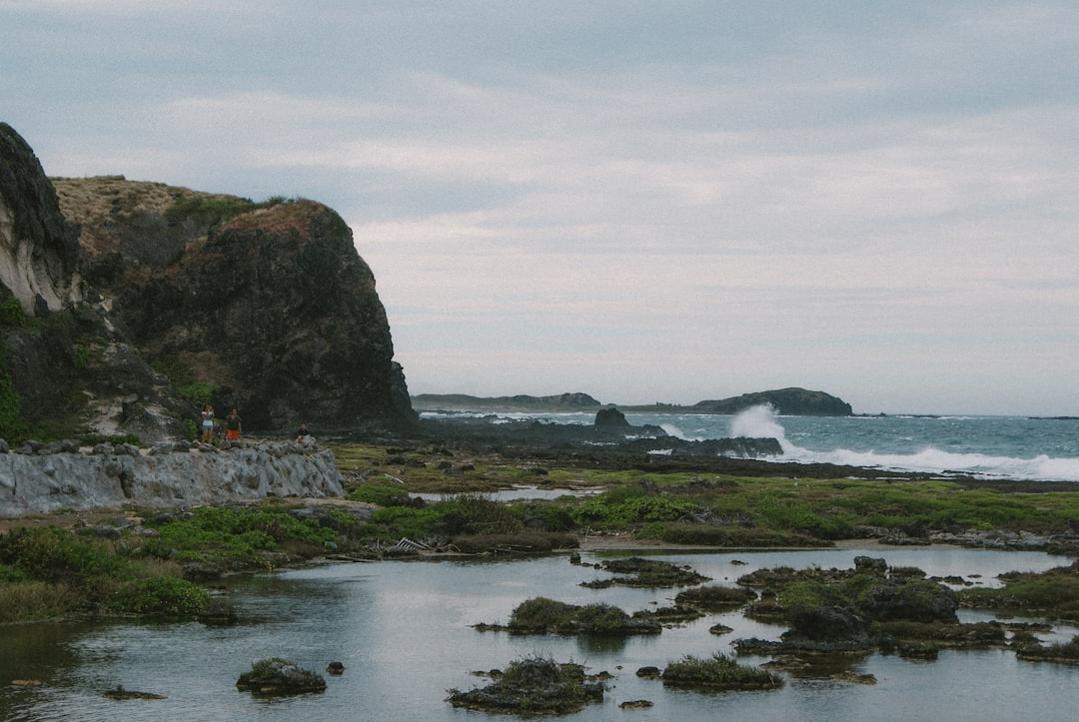
Calicoan Island boasts a mix of reef and beach breaks that cater to intermediate and advanced surfers. The island’s multiple breaks provide variety, with consistent swells during the Amihan season from October to February. Unlike more popular spots, Calicoan offers a quieter experience, making it ideal for those looking to escape the crowds while enjoying quality waves.
Getting inReach Calicoan Island via a short boat ride from the mainland, with local transport options available. Rentals and lessons can be arranged through local surf schools on the island.
Watch outBe mindful of rocky sections near the reef breaks, which can pose hazards if you wipe out or get caught in the wrong spot.
Local tipPlan your trip during the Amihan season for the best wave conditions and fewer surfers in the water.
Pagudpud: The Uncrowded Beachbreak for Intermediates
Pagudpud features clean beachbreak waves that are perfect for intermediate surfers seeking a less crowded alternative to the more popular spots. The waves here offer consistent peelers, allowing for enjoyable rides without the hassle of heavy crowds. The scenic coastline adds to the experience, making it a great spot to relax after a session.
Getting inLocated in the northern part of Luzon, Pagudpud is accessible by bus or car. Local surf schools provide lessons and board rentals, ensuring you have everything you need.
Watch outBe cautious of occasional strong winds that can affect wave conditions, and watch for debris on the beach after storms.
Local tipCombine your surf trip with a visit to nearby scenic spots like Bangui Windmills for a full day of exploration.
Sabang Beach: The Gentle Wave for Beginners
Sabang Beach features a long stretch of soft, sandy shoreline with gentle waves that are perfect for beginners. The warm, clear water invites new surfers to practice their skills without the intimidation of larger swells. The surrounding village offers a peaceful backdrop, allowing for a comfortable learning environment. This spot is ideal for those just starting out or looking to refine their technique.
Getting inReach Sabang Beach from Puerto Princesa by taking a van or bus, followed by a short walk to the beach. Surf lessons and board rentals are readily available from local shops.
Watch outWatch for occasional riptides during strong currents, especially after heavy rains. Be aware of shallow sandbars that can cause sudden drops.
Local tipVisit early in the morning to avoid any potential crowds and enjoy the calmest conditions.

Dahican Beach: A Long Point Break with Options
Dahican Beach boasts a lengthy sandy shoreline with multiple peaks, offering a variety of wave options for both beginners and intermediates. The consistent swell during the Amihan season creates inviting conditions for practicing turns and maneuvers. The backdrop of palm trees and a tranquil atmosphere enhances the experience, making it a great spot for surfers looking to progress.
Getting inAccess Dahican Beach from Mati City, which is a short drive away. Board rentals and surf lessons are available from local surf schools along the beach.
Watch outBe cautious of the occasional strong currents, particularly during low tide. Keep an eye on the weather, as storms can bring unpredictable conditions.
Local tipTime your session for early morning or late afternoon to catch the best waves and avoid the wind.
Majestics: Catanduanes’ World-Class Right-Hand Reef Break
Majestics is renowned for its powerful right-hand barrels that draw surfers from around the world. This advanced reef break at Puraran Beach offers long, hollow waves that can challenge even seasoned surfers. The remote location ensures fewer crowds, allowing for an epic surf experience. The surrounding scenery features rugged coastlines and lush landscapes, enhancing the adventure.
Getting inReach Majestics by taking a flight to Catanduanes, followed by a drive to Puraran Beach. Local accommodations may assist with surfboard rentals, but it’s best to bring your own for the best experience.
Watch outBeware of sharp coral and shallow sections, which can cause injuries if not navigated carefully. Strong currents can also be present, especially during larger swells.
Local tipPlan your surf trip during the peak typhoon season for the best chance at catching the biggest swells with the least amount of surfers.

Cemento Reef: The Heavier Wave Next to Sabang
Cemento Reef offers a more challenging surf experience compared to the nearby Sabang Beach. This right-hand reef break delivers longer, heavier waves that can reach impressive heights, making it suitable for advanced surfers. The backdrop of Baler’s dramatic coastline adds to the thrill, but be prepared for the intensity of the surf.
Getting inAccess Cemento Reef by walking south from Baler town, a short distance from local accommodations. Rentals and lessons are available, but it’s advisable to have prior experience with reef breaks.
Watch outThe shallow reef can pose risks, especially during low tide. Be cautious of larger sets that can catch you off guard.
Local tipCheck the surf forecast before heading out to ensure optimal conditions, as summer months can often lead to flat spells.
Monaliza Point: The Advanced Wave Near San Juan
Monaliza Point features a right-hand point break that provides longer rides, especially during the northeast swells. Located just north of San Juan, it attracts intermediate surfers looking for a more challenging wave without the crowds found at the main beach. The picturesque setting with rocky outcrops adds to the surf experience.
Getting inEasily accessible from San Juan, Monaliza Point requires a short walk north along the beach. Rentals and lessons are available in San Juan, but it’s best to be comfortable with point break conditions.
Watch outWatch for rocks and shallow sections along the point, which can be hazardous during low tide. Be aware of other surfers in the lineup as it can get busy during peak times.
Local tipVisit during weekdays to enjoy a quieter surf experience, as weekends can bring larger crowds from nearby Manila.
When to Surf in the Philippines
Quick answer
The prime surf months are August to November, with September being the best time to book for consistent swells.
Swell Windows
The Philippines primarily receives swells from the Pacific Ocean, with the best conditions arriving from August to November. Cloud 9 in Siargao comes alive during this peak season, while spots like Calicoan Island and Pagudpud start to see consistent waves from October. Shoulder months like July and December may have variable conditions, with some spots still surfable.
Water Temperature and Wetsuit Advice
Water temperatures range from approximately 26°C to 30°C throughout the year. In warmer months, boardshorts or a shorty are sufficient. During cooler months, particularly in December and January, a light wetsuit may be advisable. Always check conditions before traveling.
Monthly Surf Calendar
| Month | Swell | Conditions |
|---|---|---|
| January | Fair | Waves around 1.5m at Cloud 9; crowds are thinner post-peak season. |
| February | Fair | Similar conditions as January; occasional swells at San Juan Beach. |
| March | Small | Flat conditions dominate; explore other activities on the coast. |
| April | Flat | Generally flat; ideal for beach activities, no surfable spots. |
| May | Flat | Continued flat conditions; no significant surf at major spots. |
| June | Small | Occasional small waves at Pagudpud; mostly flat otherwise. |
| July | Good | Waves around 1.5m at Cloud 9; early mornings are less crowded. |
| August | Peak | Consistent swells at Cloud 9, often overhead; expect larger crowds. |
| September | Peak | Best month for Cloud 9; powerful waves, competitive atmosphere. |
| October | Good | Strong swells at multiple spots; Calicoan Island is less crowded. |
| November | Good | Waves around 1.5m at San Juan; still great conditions. |
| December | Flat | Flat conditions; ideal for exploring the islands. |
Coast Seasonality
The Philippines features surfable waves primarily on the eastern coast, with Siargao and surrounding areas peaking from August to November. The western coast, including La Union and Baler, is best from November to March. Off-season generally sees flat conditions, making it a good time for exploration.
Learning to Surf in the Philippines
The Philippines offers a thriving learn-to-surf scene, particularly suited for beginners and intermediates. With numerous beach breaks and mellow waves, aspiring surfers can find ideal conditions to develop their skills.
Beginner-Friendly Spots
San Juan Beach and Bagasbas Beach are excellent starting points for beginners. San Juan features mellow waves on a sandy bottom, making it safe for new surfers. Bagasbas Beach offers consistent beachbreaks with a gentle slope, perfect for learning without the pressure of crowds.
Surf Schools and Rentals
Most surf schools cluster around popular spots like San Juan Beach and La Union. These areas provide ample opportunities for lessons and board rentals, with many instructors offering tailored sessions for beginners. Expect a friendly atmosphere and supportive locals.
Choosing the Right Surf School
Evaluate surf schools based on instructor-to-student ratios, ideally 1:6 or smaller. Look for recognized instructor certifications and inspect board conditions. Ensure the school provides honest advice about your skill level and the waves you’ll encounter.
- Verify instructor-to-student ratio (1:6 or smaller).
- Check for recognized instructor certifications.
- Inspect the condition of rental boards.
- Ask about lesson content and wave conditions.
Trip Planning for Surfing in the Philippines
Bringing a Board vs. Renting
Renting a board is common and convenient in the Philippines, especially at popular surf spots. If bringing your own, consider using a scooter or domestic ferry for transport. Ensure your board is well-protected during travel.
Estimated Trip Costs
Approximate costs include surf lessons around $30, daily board rentals for about $10, and a typical surf day spend of $50, covering food and transportation. Prices may vary, so check local rates before booking.
Surfing Etiquette and Safety
Expect a laid-back lineup culture, especially at San Juan and Cloud 9. However, be aware of localism at more advanced spots like Cemento Reef. Hazards include strong currents and shallow reefs, particularly at advanced breaks.

Preparation Checklist for Surfing
Ensure you’re ready for your surfing adventure with this checklist.
- Bring a board suitable for beachbreaks and reef.
- Pack a wetsuit for cooler months (optional in warm seasons).
- Include sunscreen and a rash guard for sun protection.
- Have travel insurance that covers surfing activities.
- Consider a waterproof bag for gear.
- Check local weather forecasts before heading out.
Expert Tip
Pay attention to the Amihan season (October – February) for the best wind conditions in spots like Dahican Beach, which enhances wave quality and consistency.
Frequently Asked Questions
1Where should a beginner start surfing in the Philippines?
San Juan Beach and Bagasbas Beach are ideal for beginners, offering gentle waves and sandy bottoms that reduce injury risk.
2What wetsuit should I bring for surfing here?
A wetsuit is optional for most of the year due to warm water, but consider a light wetsuit or rash guard during cooler months, especially in areas like Baler.
3Can I rent a board or should I bring my own?
Renting a board is easy at popular spots like San Juan and La Union, but bringing your own is feasible if you have transport options like scooters.
4What are the approximate costs for surfing lessons?
Expect to pay around $30 for a surf lesson, with daily board rentals costing about $10. A full surf day may total around $50.
5What is the main hazard when surfing in the Philippines?
Be cautious of strong currents and shallow reefs, especially at advanced spots like Cemento Reef and Cloud 9.
6Is it suitable for a non-surfing partner to join?
Yes, many surf towns like San Juan offer activities and beautiful beaches for non-surfers, making it a great trip for everyone.
7Is the Philippines suitable for longer stays or digital nomads?
Absolutely, with numerous surf spots and affordable living costs, the Philippines is an excellent choice for longer stays or digital nomads.
8When is the best month to surf in the Philippines?
The best months to surf are from August to November, especially for experienced surfers at Cloud 9, when the waves are consistent and powerful.
Some links on this page are affiliate links. Booking through them supports Pack Lightly at no extra cost to you.