


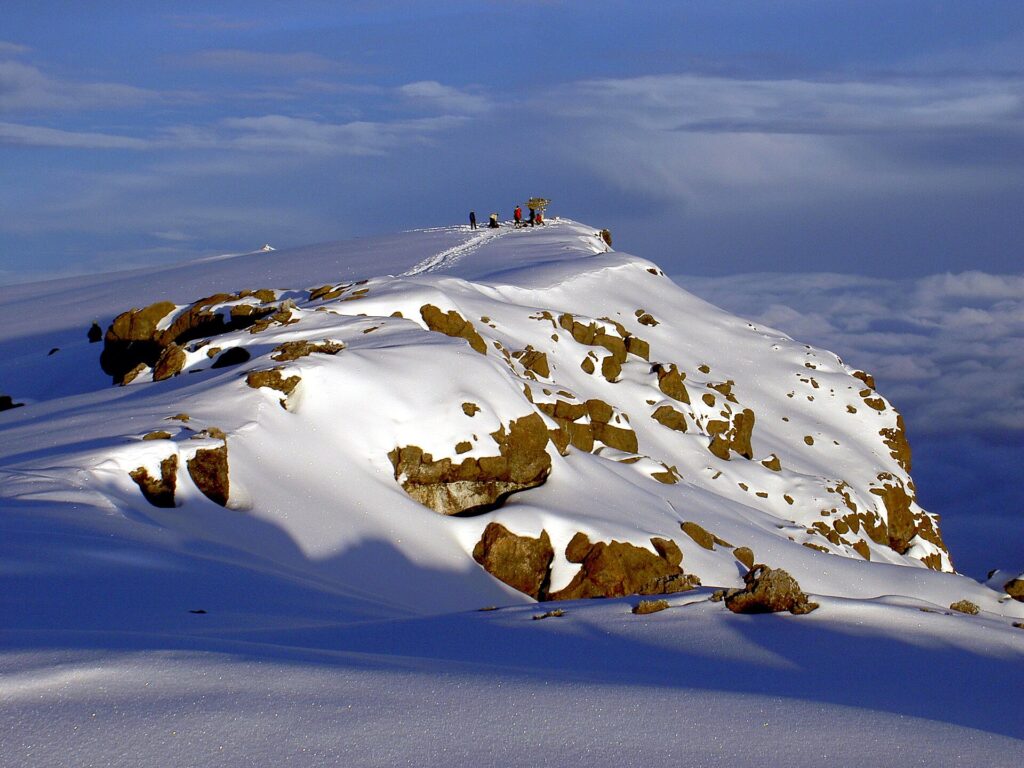
For most travelers, Tanzania costs around 50 USD per day, mainly due to safari and Kilimanjaro fees. Budget travelers can cut costs by 20%.
Hikers and safari enthusiasts should plan for higher expenses, especially on park entry and permits.
Planning a trip to Tanzania? You’re weighing the thrill of safari against the cost of climbing Kilimanjaro. It’s a choice between adventure and budget, and every dollar counts.
Travelers often compare Tanzania to other East African destinations, debating whether to spend on wildlife safaris or focus on beaches and city life. The decision hinges on where your money goes furthest – daily life is cheap, but park fees can dominate your trip budget. Knowing the real costs helps you prioritize what matters most.
This guide reveals that a typical day costs about 50 USD, but safari parks and Kilimanjaro permits can add hundreds to your trip. Keep reading to see where to save and where to splurge.
Key Takeaways
- A day in Dar es Salaam costs about 20 USD for food and transport – skip tourist restaurants on the waterfront and save 5 USD daily by eating at local markets.
- Safari park entry fees range from 60 to 70 USD per day at Serengeti and Ngorongoro – booking through local operators can cut this by 10 USD, but avoid the tourist booking desks which add 15 USD markup.
- Climbing Kilimanjaro costs 1,700 USD for permits and guides – this is unavoidable if you want the summit, but choosing a budget operator can save 200 USD.
- Find flights to Tanzania Flights from Europe or the US to Dar es Salaam cost around 800 USD round-trip – booking early or during low season can save 150 USD.
- Domestic flights between Arusha and Zanzibar cost 150 USD on average, but booking in advance can cut this to 100 USD, saving 50 USD.
Tanzania – Backpacker → Family of 4
Daily Budget: Tanzania
$35 – $55/day
Daily life includes staying in dorms and eating street food.
$90 – $150/day
Enjoying mid-range accommodations and dining at local restaurants.
$160 – $280/day
Staying in family-friendly hotels and participating in organized tours.
$40 – $65/day
Living comfortably with reliable internet and a mix of local and international cuisine.
When to Go for Best Prices
Where to Stay in Tanzania: $8 Dorms to $150 Resorts
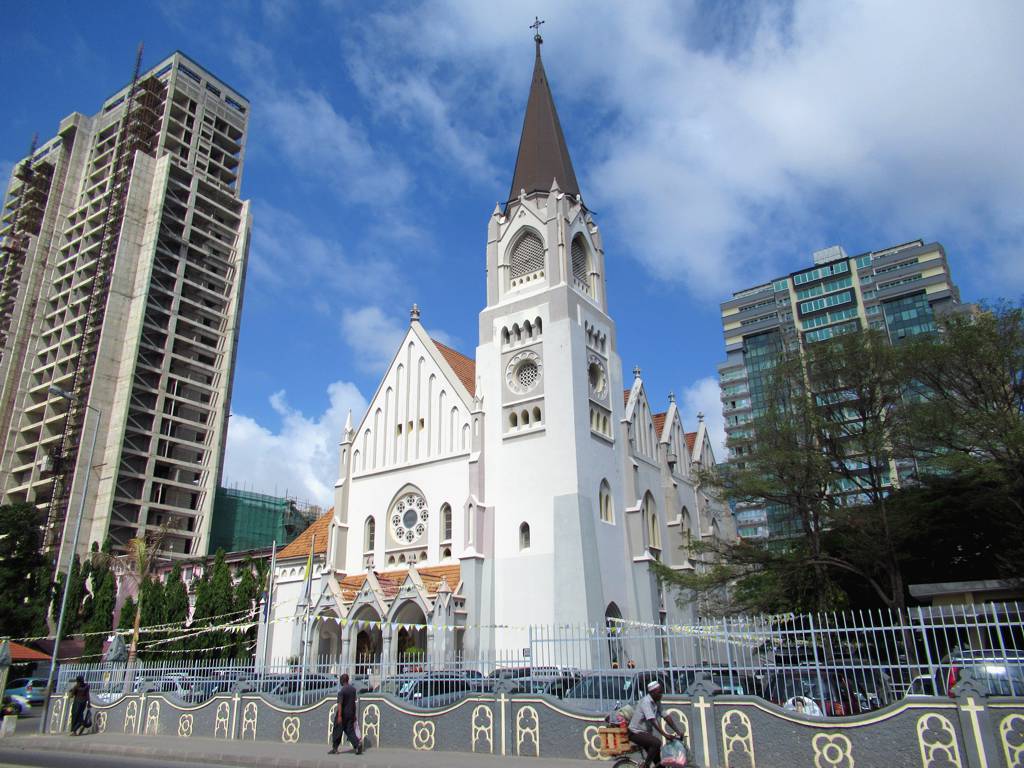
In Dar es Salaam, staying in the city center can cost $50-70 (about 130,000-190,000 TZS) for a mid-range hotel, while in the quieter Mikocheni district, similar rooms drop to $35-45 (93,000-120,000 TZS). If you choose accommodations in Arusha’s outskirts instead of the city center, expect to pay 20% less, saving around $10 per night. During peak season (June to October), prices can rise by 15-20%, so booking early or during the low season (April-May) can cut costs by up to 25%.
Accommodation Options in Tanzania
| Type | Price/Night (USD) | What you get | Where it’s more expensive | Common trap |
|---|---|---|---|---|
| Hostel (Dorm) | $8-12 (21,000-32,000 TZS) | Shared room, basic amenities | Stone Town, Zanzibar City | Some hostels charge extra for Wi-Fi or lockers, adding $2-3 |
| Hostel (Private) | $15-20 (40,000-53,000 TZS) | Private room, shared bathroom | Nungwi Beach, Kendwa | Prices spike during high season, up to 25% more |
| Guesthouse/Homestay | $20-30 (53,000-79,000 TZS) | Private room, local hosts, breakfast included | Zanzibar Town, Serengeti outskirts | Some charge extra for airport pickup or meals |
| Budget Hotel (1-2 star) | $25-40 (66,000-110,000 TZS) | Private room, air conditioning, TV | Stone Town, Ngorongoro Crater area | Tourist prices often 20% higher than locals pay |
| Airbnb/Apartment | $30-50 (79,000-130,000 TZS) | Entire apartment, kitchen access | Zanzibar beaches, Serengeti perimeter | Service fees can add 10-15% |
| Luxury Hotel (4-5 star) | $150-300 (400,000-790,000 TZS) | Pool, spa, premium amenities | Dar es Salaam waterfront, Zanzibar resorts | Prices surge 20-30% during peak season, no discounts |
Booking tip
Book at least 3 months in advance through local Tanzanian booking sites or Agoda to lock in lower rates and avoid last-minute surcharges.
Savings Tips
- Book on Booking.com during the low season (April-May) to save 20%, around $10 per night on mid-range hotels.
- Use local booking sites like Tanzanian Hotels to avoid international booking fees, saving $5-8 per night.
- Stay in guesthouses in Mikocheni instead of city center, saving $10 per night.
- Avoid booking last minute during peak season; prices can be 25% higher.
- Choose hostels with shared bathrooms instead of private rooms to cut costs by $5-10 per night.
Staying in guesthouses or hostels in Dar es Salaam offers a chance to meet local travelers and hosts, while luxury resorts provide privacy and amenities. The social vibe varies from communal dorms to private luxury, shaping your Tanzanian experience.
Eating in Tanzania: $1.50 Street Mandazi to $15 Tourist Buffets
At Dar es Salaam’s Mwenge Market, you can buy a plate of mandazi (fried dough) for just $1.50 (4,000 TZS), while in tourist zones like Slipway, similar snacks cost $4-5. If you dine at a hotel restaurant in Arusha, expect to pay $12-15 for a buffet, but local eateries serve the same dishes for $3-5. The key to saving is eating at local markets and street stalls, especially during lunch hours, when prices are lower and food is fresher.
Dishes to Try
Street food
Mandazi, chipsi mayai (egg fries), grilled maize
Night market
Nyama choma (grilled meat), ugali, vegetables
Local eatery
Chapati, pilau rice, beans, fresh fish
Mid-range restaurant
Grilled seafood, nyama choma, ugali
Tourist restaurant
Buffet meals, international cuisine
Supermarket/convenience store
Bottled water, snacks, instant noodles
Show full price table
Food & Drink Options in Tanzania
| Type | Price/meal (USD) | What you get | Where to find it | Pro tip |
|---|---|---|---|---|
| Street food | $1.50-2 (4,000-5,300 TZS) | Mandazi, chipsi mayai (egg fries), grilled maize | Mwenge Market, Kariakoo Market | Buy mandazi from street vendors instead of tourist cafes, saving $1 per meal. |
| Night market | $2-3 (5,300-7,900 TZS) | Nyama choma (grilled meat), ugali, vegetables | Kariakoo Night Market, Mikocheni Night Market | Eat at local night markets for authentic food at 50% less than tourist spots. |
| Local eatery | $3-5 (7,900-13,000 TZS) | Chapati, pilau rice, beans, fresh fish | Kibanda restaurants, local neighborhoods | Order the daily special to get a full meal for under $4. |
| Mid-range restaurant | $8-12 (21,000-32,000 TZS) | Grilled seafood, nyama choma, ugali | Zanzibar Stone Town, Arusha town center | Share dishes to reduce costs and try multiple items. |
| Tourist restaurant | $12-15 (32,000-40,000 TZS) | Buffet meals, international cuisine | Beach resorts, hotel restaurants | Avoid tourist menus; local dishes cost 30% less. |
| Supermarket/convenience store | $0.50-1 (165-330 TZS) per item | Bottled water, snacks, instant noodles | Shoppers, Naivas, Carrefour | Buy snacks and drinks to save $3-4 daily compared to eating out. |
Savings Tips
- Eat at Mwenge Market for breakfast and lunch, saving $2-3 daily compared to tourist cafes.
- Order local dishes like ugali and grilled fish at Kibanda restaurants for $3-4, saving 50% over tourist prices.
- Use delivery apps like Jumia Food to get discounts and avoid tourist markups, saving $5 per meal.
- Shop at supermarkets for bottled water and snacks, saving $3-4 daily.
- Visit night markets in Kariakoo for authentic food at half the price of hotel restaurants.
Eating at local markets immerses you in Tanzanian daily life, where vendors call out prices and you sit on plastic chairs among locals. Dining at mid-range restaurants offers a mix of comfort and cultural flavor, while street stalls provide quick, authentic bites that connect you directly with Tanzanian food traditions.
Getting Around Tanzania: $2 Local Buses to $120 Flights from Dar es Salaam
Dar es Salaam to Arusha costs $120 by flight (1.5 hours) or $20 by bus (12 hours) – the bus saves $100 but adds a full day on the road. The tradeoff is time versus money on routes like Dar es Salaam to Zanzibar, where ferries take 2 hours for $35 versus $150 flights. Tourist traps include the ferry terminals at Dar es Salaam and Stone Town, where ticket agents and tuk-tuk drivers inflate prices significantly Book transport in Tanzania. Avoid paying 3x for taxis in Kariakoo or the ferry queues by booking in advance or taking local dala-dalas.
Tanzania Transport Options: Cost, Comfort, and When Prices Spike
| Mode | Cost (USD) | Route example | Comfort & time | When it’s more expensive |
|---|---|---|---|---|
| Domestic Flight | $100-120 (260,000-320,000 TZS) | Dar es Salaam (DAR) to Arusha (ARK) | 1.5 hours, air-conditioned, fast but strict luggage limits | Peak holiday season (Dec-Jan), last-minute bookings, weekend flights |
| Long-distance Bus (Local) | $15-20 (40,000-53,000 TZS) | Dar es Salaam to Arusha via Ubungo Bus Terminal | 12-14 hours, basic seats, frequent stops, no AC | Eid holidays, school vacations, rainy season road delays |
| Ferry/Boat | $30-35 (79,000-93,000 TZS) | Dar es Salaam to Zanzibar (Stone Town Ferry Terminal) | 2 hours, open-air deck, can be rough seas | Weekends, public holidays, booking at ferry terminal |
| Taxi (Metered/Grab) | $3-7 short rides (3-7 TZS) | Kariakoo Market to Slipway, Dar es Salaam | 15-30 minutes, air-conditioned, surge pricing common | Evenings, heavy traffic, airport runs, tourist hotspots |
| Shared Minivan (Dala-dala) | $0.50-1 (0.50-1 TZS) | Dar es Salaam CBD to Ubungo Bus Terminal | 30-45 minutes, crowded, frequent stops, no AC | Rush hours, rainy season, weekends |
Transport Tips
- Save $15 by taking the Ubungo Bus Terminal local bus from Dar es Salaam to Arusha instead of flying.
- Book Zanzibar ferries online to avoid $10-15 surcharges at Stone Town terminal.
- Use Grab taxis in Dar es Salaam off-peak to cut fares by 30% compared to street haggling in Kariakoo.
- Avoid airport taxis charging $20+ by pre-booking a $7 Grab ride from Julius Nyerere International Airport.
- Take dala-dalas for $0.50 rides within Dar es Salaam instead of $3 tuk-tuks, saving 80% per trip.
Tanzania Drink Prices: $0.50 Water to $10 Cocktails
Daily drink costs can add up fast. Two coffees ($3 each), a 1.5L water ($0.50), and a Kilimanjaro beer at dinner ($2) = $8.50/day = $60/week. Nightlife pricing varies significantly; tourist hotspots like Dar es Salaam’s Slipway charge $10 for cocktails, while local bars in Kariakoo offer the same for $3. This disparity comes from high venue rents and import duties on alcohol.
Drink Prices Overview
| Item | Price (USD) | Where/context | Price driver |
|---|---|---|---|
| Water (1.5L) | $0.50-1 (1,000-2,000 TZS) | Supermarkets or local shops | Low local production cost |
| Soft drink (can/bottle) | $1-2 (2,600-5,300 TZS) | Restaurants in local areas | Import duties on foreign brands |
| Coffee/cappuccino | $2-4 (5,300-11,000 TZS) | Cafes in city centers | Tourist pricing and rent |
| Local beer (large bottle or pint) | $2-4 (5,300-11,000 TZS) | Local bars in Kariakoo | Lower production costs for local brands |
| Glass of wine | $5-10 (13,000-26,000 TZS) | Upscale restaurants in tourist areas | High import taxes on wine |
| Cocktail | $5-10 (13,000-26,000 TZS) | Tourist bars in Slipway | High venue rent and premium pricing |
Savings Tips
- Buy water from local shops for $0.50 instead of $2 at restaurants.
- Choose local beers over imported ones to save $2 per drink.
- Skip cocktails at tourist bars; local bars offer them for $3 instead of $10.
- Grab coffee from street vendors for $1 instead of $4 at cafes.
- Order soft drinks at local eateries for $1 instead of $2 at tourist spots.
Tanzania Activities: $15 Street Food to $1,500 Safari – What’s Worth It
Visiting Serengeti National Park costs $70 for entry – booking a guided safari tour can add $200-500 per day for a better experience. If you want to explore independently, consider self-driving in Ngorongoro Crater for $50, saving up to $450 compared to a guided tour. When booking tours, use Book tours in Tanzania for better rates, especially during the low season when prices drop significantly.
Top Activities
Serengeti National Park Entry
Park entry fee
Self-drive for $50 instead of $500 guided tour
Ngorongoro Crater Entry
Park entry fee
Visit during low season for $10 less
Kilimanjaro Guided Climb (Machame Route)
Climbing permit
Book directly with the park to save $100
Zanzibar Spice Tour
Tour guide, spice samples
Join a group tour for $20 instead of private for $50
Dar es Salaam City Tour
Transport, guide
Use public transport to save $10
Stone Town Walking Tour
Local guide
Self-guide with a free app for $15 saved
Local Cooking Class
Ingredients, meal
Book through local markets for $10 less
Traditional Maasai Village Visit
Cultural experience
Negotiate directly with the village for $10 less
Spa Day at a Local Spa
Massage, treatment
Visit during happy hour for $10 off
Savings Tips
- Skip the $200 guided Serengeti tour and self-drive for $70 – same experience, $130 saved.
- Avoid the $100 Kilimanjaro tour package and get a permit directly for $1,000 – save $100.
- Join a group Zanzibar Spice Tour for $20 instead of a private tour at $50 – save $30.
- Use public transport in Dar es Salaam to save $10 on city tours – local buses cost $0.50.
- Self-guide the Stone Town tour with a free app instead of paying $15 for a guide – save $15.
What Does Your Money Buy in Tanzania?
In Tanzania, USD1 buys a bottle of water at a local shop, a small snack from a street vendor, or a short bus ride. Your USD stretches further in local markets and eateries, making daily life affordable. Enjoy a meal at a local restaurant for just $5, or indulge in a full dinner for $20.
- 1.5L bottle of water from a local shop
- small snack from a street vendor
- short bus ride in Dar es Salaam
- two plates of ugali and fish at a local eatery
- two local beers at a bar
- a small meal at a street food stall
- full dinner for two at a mid-range restaurant
- a guided city tour
- four local beers at a bar
- a full-day safari tour
- a night at a mid-range hotel
- a cooking class with a local chef
Tanzania’s Hidden Costs: The $5-15/Day Nobody Mentions
You check your bank app after a week in Tanzania and $38 has vanished into ATM fees alone – $5 per withdrawal, 8 withdrawals. Add the $10 SIM card, $15 in laundry, and the $50 visa extension, and your first week cost $113 more than your daily budget predicted. These expenses compound quickly, draining budgets over a two-week trip by an estimated $250.
Show full price table
Common Hidden Costs in Tanzania
| Cost | Amount (USD) | How to minimize | Most travelers miss this |
|---|---|---|---|
| SIM card with data | $8 (TZS 18,000) | Use Vodacom or Airtel – they offer the best coverage. | Tourists often overpay at airports for SIM cards. |
| Laundry service (per kg) | $2 (TZS 4,500) | Use local laundromats like ‘Clean & Fresh’ in Dar es Salaam. | Hotels often charge double for laundry services. |
| Visa on arrival/extension | $50 (TZS 115,000) | Apply for an e-visa online to avoid extra fees. | Visa extensions can be overlooked until it’s too late. |
| Departure tax | $50 (TZS 115,000) | Include this in your flight cost; it’s often hidden. | Many forget this fee until they reach the airport. |
| Tipping norms | $5-10 (TZS 11,500-23,000) | Tip guides and drivers directly; avoid service charges. | Tourists often underestimate tipping expectations. |
| ATM withdrawal fees | $5 (TZS 11,500) | Use CRDB or NMB ATMs – they charge less than others. | Many don’t realize fees vary by ATM. |
| Tourist entry fees (foreigner/dual pricing) | $60 (TZS 140,000) vs. $20 (TZS 46,000) | Book through local operators to avoid markup. | Dual pricing can shock first-time visitors. |
| Currency exchange markup | $10 (TZS 23,000) | Exchange at banks like CRDB for better rates. | Airport exchanges often have the worst rates. |
Minimize These Costs
- Use Vodacom or Airtel for SIM cards – save $5 over airport prices.
- Wash clothes at ‘Clean & Fresh’ – save $10 on hotel laundry.
- Apply for an e-visa – save $20 on visa fees.
- Budget for departure tax in flight costs – avoid surprises.
- Use CRDB ATMs – save $2 per withdrawal.
Long-stay tip
For long stays, consider opening a local bank account with CRDB or NMB for easier transactions. Monthly SIM plans from Airtel can save money if staying longer. Visa extensions are easier to manage if applied online. Coworking spaces like ‘The Hive’ in Dar es Salaam offer good rates for digital nomads.
Budget Do’s
- Use CRDB ATMs for withdrawals – they charge $5 vs. $6 at others.
This saves $4 over a month with 4 withdrawals.
- Exchange currency at CRDB bank – rates are better than at airports.
This can save $10 on a $400 exchange.
- Book national park tours through local operators – save $10-$15 per day.
Avoids the tourist markup from booking desks.
- Buy sunscreen at local shops – $5 vs. $15 for imported brands.
This saves $10 on essential items.
- Carry small bills for tips – $1-$2 is standard for guides.
This ensures you can tip appropriately without hassle.
Budget Don’ts
- Don’t exchange money at the airport – rates are poor.
Expect a 5% markup costing $15-20 on a $400 exchange.
- Don’t rely solely on credit cards – many places don’t accept them.
Cash is king in local markets and smaller shops.
- Don’t skip travel insurance – costs around $2/day but saves thousands.
Medical emergencies can be very expensive.
- Don’t assume all ATMs are the same – fees vary widely.
Using the wrong ATM can add up to $10/month.
- Don’t forget to budget for tipping – it’s expected.
Not tipping can lead to poor service and awkward situations.
Frequently Asked Questions
Travelers often have practical money questions about cash, cards, and tipping in Tanzania. Here are the most common queries and their answers.
1How much cash should I bring?
Bringing $300-$500 in cash is advisable for a two-week trip. This covers tips, small purchases, and emergencies.
2What’s the best ATM strategy?
Withdraw cash from CRDB or NMB ATMs to avoid high fees. Limit withdrawals to once a week to save on fees.
3Are credit cards widely accepted?
Credit cards are accepted in major hotels and some restaurants, but cash is preferred in markets. Visa is more widely accepted than Mastercard.
4What are the tipping expectations?
Tip guides $5-$10 per day and drivers $2-$5. Restaurants typically expect 10%.
5Is travel insurance worth it?
Yes, travel insurance costs about $2/day and covers medical emergencies, cancellations, and theft.
6How much should I set aside for emergencies?
Set aside at least $100 for emergencies. This covers unexpected medical costs or travel changes.
7Where should I exchange currency?
Exchange at CRDB banks for better rates than at the airport. Expect to pay a 5% markup at airport exchanges.
8Can I use local mobile payment apps?
Mobile payment apps like M-Pesa are popular, but tourists may face limitations. Cash is still the best option.
The Bottom Line
Budgeting in Tanzania requires attention to hidden costs. Prioritize cash management and local services to maximize savings.
Plan Your Budget
Use our free calculator to build a detailed Tanzania budget based on your travel style, dates, and cities.
Book Your Trip
We earn a small commission from some links – at no extra cost to you.