


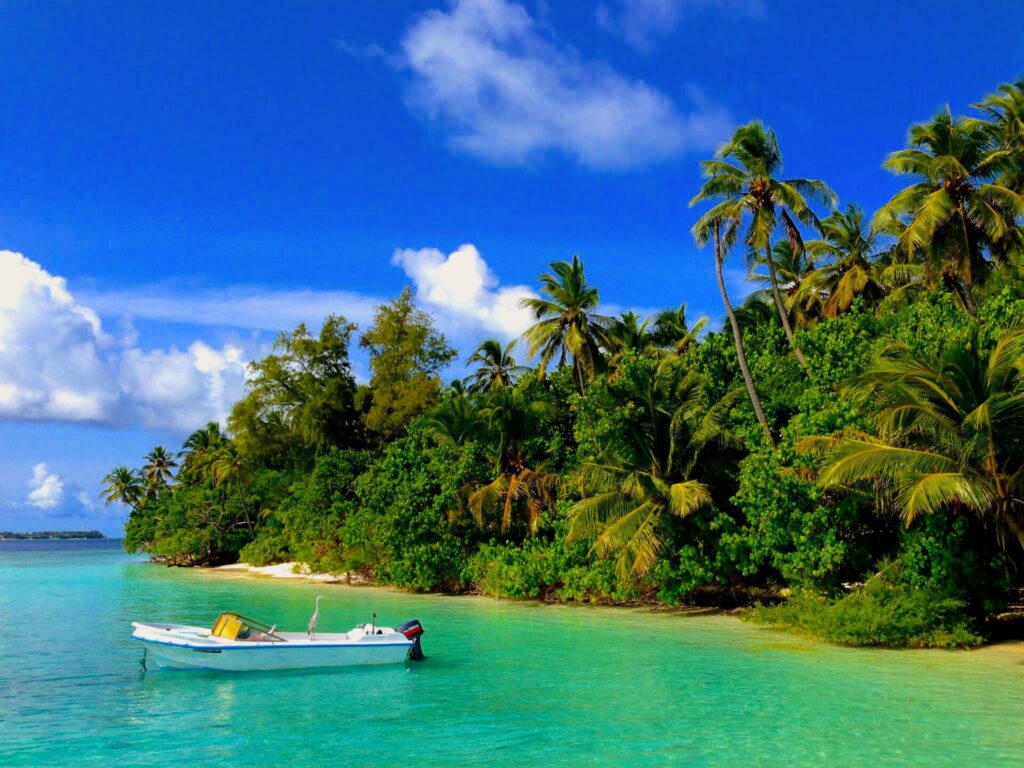
Male’s diving spots concentrate intense underwater activity within easy reach of the city’s harbor.
Diving around Male focuses on reef walls, coral gardens, and channels shaped by strong currents that attract large pelagic species. This compact cluster of sites offers a range of challenges, from drift dives to sheltered coral slopes, making it a distinct category within Maldives diving.
Only a handful of dive sites lie within a short boat ride from Male’s docks, so your choice hinges on how much time you want to spend on the water versus underwater. The proximity means less transit but also more crowded conditions during peak hours.
Key takeaways
- Drift dives along the Banana Reef channel deliver steady currents and frequent sightings of reef sharks.
- Coral slopes near HP Reef offer calmer conditions suited for less experienced divers.
- The Fish Head site is known for its dense schools of snappers and occasional manta rays.
- Night dives near Male reveal nocturnal reef life around the harbor’s edge.
- Boat access from Male’s harbor limits dive time but maximizes underwater exposure.
How to Pick the Right Male Dive Site for Your Skill and Schedule
Prioritize Banana Reef if you want a challenging drift dive with consistent currents and larger marine life, but avoid it if you prefer relaxed conditions or have limited dive experience. HP Reef suits divers seeking calmer waters and vibrant coral formations close to shore, making it the practical choice for shorter trips or beginners. Fish Head offers a middle ground with strong fish activity and moderate currents, ideal for those with some experience who want variety without long boat rides. Skip the crowded harbor-edge night dives unless you have a specific interest in nocturnal reef species, as these tend to be brief and less diverse. Overall, the Male diving spots cluster tightly, so your decision should weigh current strength, marine life targets, and how much time you want to spend traveling versus diving.
On the map
Where to go
This list ranks Male’s main diving sites by their underwater conditions and marine life variety. Each spot offers a distinct dive experience within close range of the city’s harbor, letting you choose based on skill level and dive style.
Banana Reef Drift Dive
Banana Reef is the top choice for experienced divers seeking strong currents and encounters with larger pelagic species. Located northeast of Male, it features steep coral walls and swim-throughs that demand good buoyancy control. Skip this if you prefer calm, relaxed dives or are new to drifting, as the currents here can be challenging.
Plan dives at Banana Reef during the outgoing tide to maximize current flow and fish activity along the reef edges.
Best for: Experienced divers seeking drift and pelagic life
HP Reef Coral Focus
HP Reef suits divers who want calmer waters and dense coral formations close to Male’s harbor. Its shallow slopes and coral bommies attract a wide range of reef fish, making it accessible for less experienced divers or those on shorter trips. Avoid HP Reef if you want bigger marine animals or strong currents.
Start your dive on the western side of HP Reef where coral density is highest and fish schools gather early in the morning.
Best for: Novice divers and short-trip coral viewing
Fish Head Moderate Currents
Fish Head balances moderate currents with abundant fish life, including groupers and snappers. It lies southeast of Male and offers a mix of coral pinnacles and sandy patches. This spot fits divers with some experience who want variety without long boat rides but should be skipped by beginners uncomfortable with current.
Target the central pinnacle at Fish Head during slack tide to avoid strong currents and spot larger fish resting on the reef.
Best for: Intermediate divers wanting diverse marine life
Male Harbor Night Dive
Night dives at Male Harbor provide quick access to nocturnal reef species but are limited in scope and marine diversity. These dives are brief and often crowded, making them less rewarding unless you have a specific interest in night reef behavior. Skip if your schedule prioritizes longer or more varied dives.
Focus on the jetty lights during the night dive to find crustaceans and small reef fish that gather there after dark.
Best for: Divers interested in nocturnal reef species
Plan your visit
Optimal Times for Diving in Male
The best time for diving in Male is from November to April, when the weather is dry and visibility is at its peak. Avoid the monsoon season from May to October, as rough seas and poor visibility can hinder your experience. Early morning dives often provide the clearest conditions, while afternoon dives may see increased currents.
Navigating Between Diving Spots
To move between diving spots in Male, local dhonis (traditional boats) are the most common transport option. Many dive operators offer pick-up services from your accommodation, making it convenient. If you’re exploring independently, plan to visit spots like Banana Reef and Manta Point, which are relatively close to each other. A direct route from Male’s harbor to these sites typically takes about 20-30 minutes.
Admission and Operating Hours
Most diving spots in Male require a fee for guided dives, which varies by operator. Typical dive shops operate from 8 AM to 6 PM, but check with your chosen operator for specific hours and booking requirements. Some sites may have seasonal closures, so confirm availability before planning your trip.
Do’s and Don’ts for Diving in Male
| Do | Don’t |
|---|---|
| Book your dives in advance, especially during peak season. | Assume you can walk up and dive without a reservation. |
| Bring your own gear if you prefer, but check with operators about rental availability. | Expect all dive shops to have the same equipment quality. |
| Ask about dive conditions before heading out. | Ignore weather warnings or advice from local dive masters. |
| Consider joining a group dive for a more social experience. | Dive alone unless you are highly experienced and familiar with the area. |
| Respect marine life and follow all safety guidelines. | Touch or disturb coral and other underwater creatures. |
| Stay hydrated and eat a light meal before diving. | Dive on a full stomach or after heavy drinking. |
Consider Dive Insurance
Before diving in Male, consider purchasing dive insurance that covers accidents and equipment loss. This can provide peace of mind and financial protection in case of unexpected incidents.
Want a guided option? Find a tour →
Diving and Snorkeling FAQs in Male, Maldives
1Which diving spot is best for beginners?
Banana Reef is ideal for beginners due to its relatively shallow depths and abundant marine life. It’s a great place to gain confidence while diving.
2What is the most popular spot for experienced divers?
Fish Head is highly recommended for experienced divers, known for its strong currents and diverse marine species. It offers a thrilling experience that seasoned divers will appreciate.
3How many diving spots can I visit in one day?
You can comfortably visit two to three diving spots in a day, depending on your schedule and dive duration. Plan your dives at Banana Reef and Fish Head for a balanced experience.
4Is snorkeling available at the same locations as diving?
Yes, many diving spots like Banana Reef also offer excellent snorkeling opportunities. This allows non-divers to enjoy the same vibrant marine life.
5Which spot should I skip if I have limited time?
If you’re short on time, consider skipping Manta Point, as it requires specific conditions to see manta rays. Focus on Banana Reef and Fish Head for a more reliable experience.
6Are there any free diving spots in Male?
While most organized dives have fees, you can snorkel for free at locations like the artificial beach area. However, for a structured diving experience, it’s best to book with a local operator.
Explore Local Marine Life at the National Museum
After diving, visit the National Museum to learn about the Maldives‘ rich marine biodiversity and cultural heritage. It’s a short walk from the diving spots and offers a deeper understanding of the region.
Photos via Unsplash and Wikimedia Commons.
Some links on this page are affiliate links. We may earn a small commission at no extra cost to you when you book through them.
Hero image: Nicolai Edgar Andersen (CC BY-SA 4.0), via Wikimedia Commons. Other photos via Unsplash and Wikimedia Commons.