


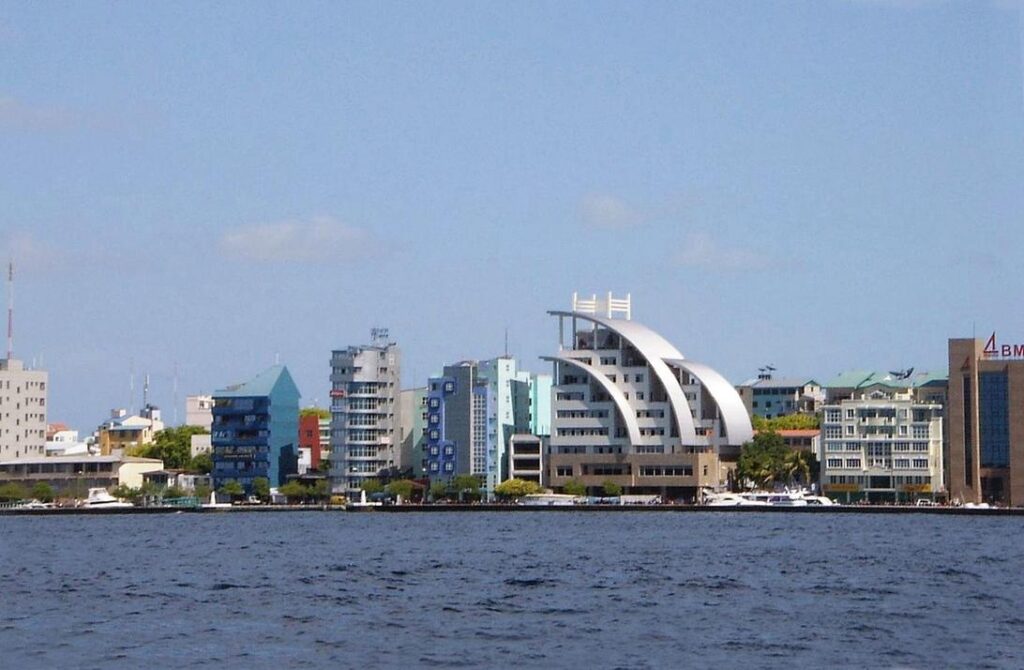
The salty scent of fresh catch fills the air at Male’s bustling Fish Market near the harbor at dawn.
Male is the densely populated capital of the Maldives, home to roughly 150,000 residents packed into just over 1 square mile. Visitors come to see the contrast between the country’s quiet island resorts and this busy commercial hub. The city’s core neighborhoods include the Old Friday Mosque area, the waterfront Fish Market district, and the administrative center around Majeedhee Magu street. Male offers a rare urban glimpse into Maldivian daily life, with narrow streets, local markets, and colonial-era buildings. Unlike the resort islands, Male lacks beaches for swimming but compensates with cultural sites and vibrant street scenes. Expect a compact city best explored on foot or by short tuk-tuk rides. The trade-off: Male’s energy is intense and crowded, but it’s the only place to experience the Maldives’ urban pulse and heritage in one spot.
Start at the Fish Market for local trade and street food, visit the Old Friday Mosque for history, explore the National Museum for cultural context, walk Majeedhee Magu for local shops, and check the artificial beach for a rare urban waterfront spot.
Key takeaways
- Stay in the Old Friday Mosque neighborhood for historic sites and walkability.
- Visit the Fish Market early morning to catch the freshest seafood trade action.
- Plan 2-3 hours for the National Museum to understand Maldivian heritage.
- Use tuk-tuks for short rides; expect fares around $1-$2 per trip, 2026.
- Avoid the artificial beach after sunset; it closes by 7 PM daily.
- Book a guided tour of the Friday Mosque to access restricted areas.
- Carry cash; many market vendors do not accept cards in 2026.
- Plan ~$60-$120/day for mid-range expenses including meals and transport.
Watch: Malé in motion

Why visit Male
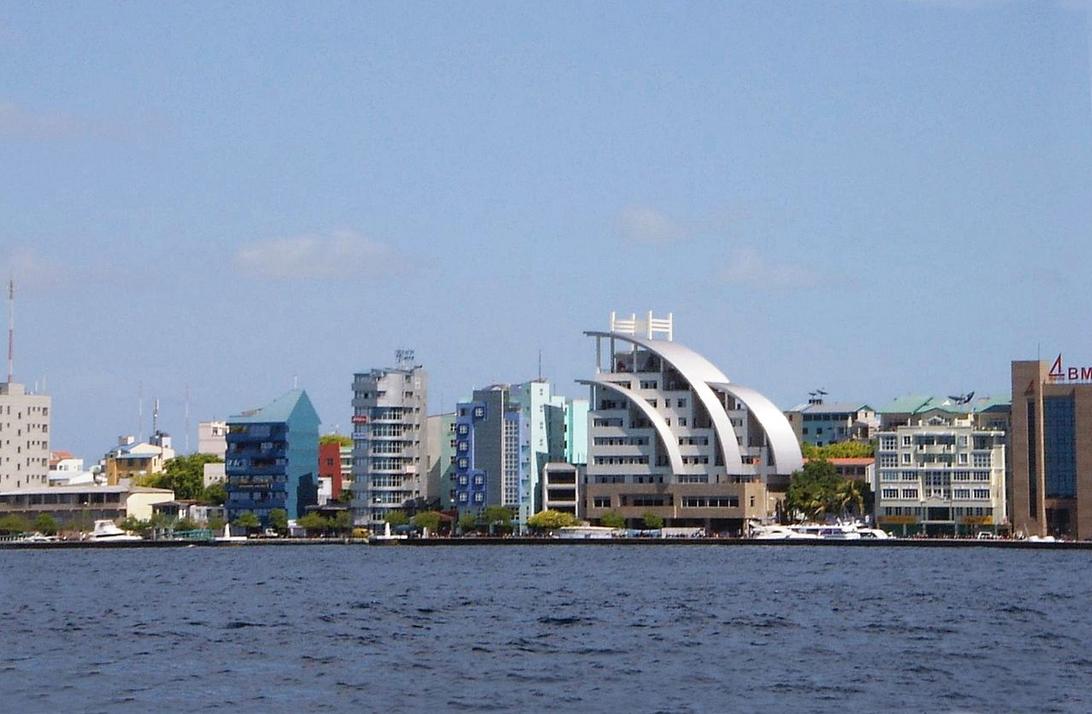
Male stands out from other Maldivian destinations like Hulhumale, Maafushi, and Thulusdhoo by offering a dense urban experience centered around its bustling fish market and historic Friday Mosque. Unlike the resort islands focused on beaches and water sports, Male reveals the country’s commercial heartbeat and daily local life. The National Museum and the Old Friday Mosque anchor a walkable historic core where colonial and Islamic architecture coexist. Neighborhoods like Henveiru showcase street-level markets and family-run eateries, giving a grounded cultural rhythm. This capital contrasts sharply with the quiet island resorts, making it the place to see the Maldives beyond the postcard.
- Visit the Old Friday Mosque, one of the oldest coral stone mosques in the Maldives, in the heart of Male.
- Explore the National Museum for artifacts tracing Maldivian history from ancient to modern times.
- Experience the fish market at dawn, where local fishermen sell fresh catch directly to residents and chefs.
- Henveiru neighborhood offers a dense network of local markets, street food stalls, and traditional shops.
- Male’s compact size means you can walk between major sites in under 30 minutes, avoiding taxis and ferries.
- Unlike resort islands, Male’s urban density reveals the Maldives’ commercial and social layers often overlooked.
Best for
Culture seekers who want to understand Maldivian daily life and history will find Male rewarding. Solo travelers comfortable navigating a busy city will appreciate the walkable neighborhoods and local markets. This is not a beach escape but a dive into the country’s urban core.
Skip if
Skip Male if your priority is pristine beaches and resort luxury; choose Maafushi or Hulhumale for a more relaxed island vibe.
Top things to do in Male
Male reveals the Maldives beyond its resorts through its dense urban core, anchored by the Old Friday Mosque and the bustling fish market. Start with the National Museum to trace Maldivian history from ancient coral stone to modern times. These activities expose the commercial heartbeat and daily rhythms that define Male’s unique city life.
1. Old Friday Mosque (Hukuru Miskiy) ·
Explore one of the oldest coral stone mosques in the Maldives, a centerpiece of Male’s historic and religious heritage.
The Old Friday Mosque, located in the heart of Male’s historic district, stands out with its intricate coral stone carvings and ancient wooden panels. Built in the 17th century, it remains an active place of worship, so visitors should dress respectfully and avoid prayer times. The mosque’s coral stone walls feature detailed Arabic calligraphy and floral motifs, a rare example of local craftsmanship preserved amid the city’s dense urban fabric. Nearby, the mosque’s cemetery holds tombstones with inscriptions dating back centuries, offering a tangible link to Male’s Islamic past. The mosque sits on Medhuziyaaraiy Magu, a street lined with traditional shops and small eateries, making it easy to combine with a neighborhood stroll.
This mosque offers a deeper historical context than the newer Islamic Center mosque and is more accessible on foot from the central neighborhoods.
- When: Visit early morning or late afternoon to avoid midday prayers and the busiest tourist hours; weekdays are quieter than weekends.
- Cost: Free
- Duration: 1 hour
- How to reach: Walk from the central Sultan Park area via Medhuziyaaraiy Magu street, about a 10-minute stroll through the old town.
Insider tip: If closed
If closed for prayer or maintenance, visit the Islamic Centre nearby for modern architecture and religious insight.
2. National Museum ·
Dive into Maldivian history through artifacts spanning ancient to modern eras, housed in a colonial-era building near the mosque.
The National Museum sits in a former Sultan’s palace on Medhuziyaaraiy Magu, just steps from the Old Friday Mosque. Its exhibits cover Maldivian history from Buddhist times through Islamic conversion to the present day, with artifacts like ancient coins, royal relics, and traditional weaponry. The colonial-era building itself reflects Male’s layered past, with wooden lattice windows and coral stone walls. The museum’s layout is compact but dense, so a guided tour from one of the licensed local guides adds valuable context to the displays. The museum closes mid-afternoon, so plan accordingly to avoid missing the last entry.
This museum offers a more comprehensive and centralized overview of Male’s history than smaller private collections or scattered heritage sites.
- When: Open weekdays from mid-morning to mid-afternoon; avoid Fridays when it closes early for prayers.
- Cost: ~$5, 2026
- Duration: 1.5 hours
- How to reach: Reach on foot from Sultan Park or the Old Friday Mosque via Medhuziyaaraiy Magu, a 5-10 minute walk through the old town.
Insider tip: If closed
If closed, explore the nearby Sultan Park and its colonial architecture or visit the Islamic Centre for cultural insight.
3. Male Fish Market at Dawn ·
Witness local fishermen selling fresh catch directly to residents and chefs in a lively early-morning ritual.
The Male Fish Market, located near the harbor on Chaandhanee Magu, bursts to life before sunrise as fishermen unload their catch from dhonis (traditional boats). The market buzzes with activity as local vendors and restaurant buyers haggle over tuna, reef fish, and crustaceans. This is the best place to observe the commercial pulse of Male, where the city’s seafood supply chain begins. The market’s open-air stalls and nearby fish cleaning stations offer a raw, unfiltered look at daily life. After the market winds down around 7:30 AM, nearby street food stalls open for breakfast, making it easy to continue exploring the neighborhood.
This market experience is more dynamic and authentic than the later fish stalls near the ferry terminal, which cater more to tourists.
- When: Arrive between 5:30 AM and 7:00 AM for peak activity; avoid weekends when the market is less busy.
- Cost: Free
- Duration: 1 hour
- How to reach: Walk from the central Sultan Park area along Chaandhanee Magu to the harbor, about 10 minutes on foot.
Insider tip: If closed
If the market is closed or quiet, visit the nearby local produce market on Majeedhee Magu for a different slice of daily commerce.
Solo female travel: Arrive early with a small group or guide; the area is busy but less lit before dawn, so plan transport accordingly.
4. Henveiru Neighborhood Walk ·
Navigate the dense network of markets, street food stalls, and traditional shops that showcase everyday Maldivian life.
Henveiru is Male’s most populous neighborhood, packed with narrow streets like Majeedhee Magu and Boduthakurufaanu Magu lined by small shops, street vendors, and family-run eateries. Walking here reveals the city’s commercial heart beyond tourist zones, with fresh produce markets, fabric stores, and local bakeries. The area’s dense urban fabric means every turn offers a new scene: from roadside tea stalls to tailors working behind open doors. The walk is best combined with a visit to the nearby fish market or Sultan Park, creating a full day of cultural immersion. Henveiru’s street food, especially samosas and short-eats, is a highlight for lunch or afternoon snacks.
Henveiru offers a more layered and less curated experience than the waterfront promenade or the tourist-heavy areas near the ferry terminal.
- When: Late morning to early afternoon when markets and food stalls are active; avoid late evening as some streets quiet down.
- Cost: Free
- Duration: 2-3 hours
- How to reach: Walk from Sultan Park south along Majeedhee Magu or take a short taxi ride from the central plaza; the neighborhood is compact but dense.
Insider tip: If closed
If markets are closed on Fridays, explore the nearby Maafannu neighborhood for quieter streets and local cafes.
Solo female travel: Stick to main streets like Majeedhee Magu during afternoon hours; avoid dimly lit alleys after dark.
5. Sultan Park and Public Library ·
Relax in the oldest public park surrounded by colonial architecture and visit the adjacent library for local literature and history.
Sultan Park, located on Medhuziyaaraiy Magu, offers a rare green space amid Male’s dense urban core. The park features manicured lawns, tropical trees, and shaded benches, making it a quiet spot for a break after walking the busy streets. Adjacent to the park, the Public Library houses a collection of Maldivian literature, historical documents, and newspapers, providing insight into local culture and politics. The colonial-era buildings around the park reflect the city’s layered history, with stone facades and wooden shutters. The park is a popular meeting place for locals, especially in the late afternoon when the temperature cools down.
This park-library combo offers a calm cultural pause that contrasts with Male’s otherwise hectic street life, unlike the waterfront parks which are more tourist-oriented.
- When: Visit mid-afternoon to early evening when the park fills with locals and the library is open; avoid midday heat.
- Cost: Free
- Duration: 1-1.5 hours
- How to reach: Walk from the Old Friday Mosque or National Museum via Medhuziyaaraiy Magu; the park is central and easy to find on foot.
Insider tip: If closed
If the library is closed, spend more time exploring the nearby National Museum or the Henveiru markets.
6. Walking Tour of Male’s Colonial Architecture ·
Join a guided walk focusing on Male’s British colonial buildings and their role in shaping the city’s urban fabric.
This guided walk covers key colonial-era buildings like the Mulee’aage and the Old Friday Mosque, explaining their British architectural influences and how they shaped Male’s dense urban layout. Licensed local guides lead you through streets like Ameer Ahmed Magu, pointing out details often missed by casual visitors. The tour also touches on how colonial governance affected city planning and local life. Expect a mix of architectural insight and historical context in the heart of Male’s historic district. Book on GetYourGuide.
This tour offers deeper context than a solo walk, which risks missing the colonial influence on Male’s urban fabric compared to a generic city stroll.
- When: Morning, 8:00 AM to 11:00 AM, to avoid midday heat and crowds; weekdays are quieter than weekends.
- Cost: ~$25, 2026
- Duration: 2 hours
- How to reach: Start from the central area near the Fish Market on Ameer Ahmed Magu, reachable on foot from most guesthouses in the historic district.
Insider tip: If closed
Explore the National Museum for colonial artifacts and urban history displays.
7. Visit the Presidential Palace (Mulee’aage) Exterior ·
Admire the ornate colonial-era palace from outside, a symbol of Maldivian governance and history in the city center.
Mulee’aage stands out with its colonial-style architecture and intricate woodwork, reflecting the British influence on Maldivian governance buildings. While entry is restricted, the exterior offers rich photographic opportunities and a chance to observe the palace’s role in Male’s political life. The palace sits on Medhuziyaaraiy Magu, surrounded by government offices and busy streets that reveal the city’s administrative core. This stop fits well into a walking route through the historic district.
Visiting Mulee’aage’s exterior is a quick, no-cost way to connect with Male’s political history, unlike other government buildings that are off-limits or less architecturally distinct.
- When: Early morning or late afternoon for softer light and fewer crowds, any day except Fridays when government offices nearby may be closed.
- Cost: Free
- Duration: 30 minutes
- How to reach: Walk from the Fish Market area along Medhuziyaaraiy Magu, the main street through Male’s historic center.
8. Local Market Food Tasting in Male ·
Sample traditional Maldivian dishes at family-run eateries and street stalls around the central market area.
This tasting tour takes you through the busy central market and nearby streets where small family kitchens serve dishes like mas huni (tuna and coconut), garudhiya (fish broth), and freshly made roshi (flatbread). Licensed food guides introduce you to vendors and explain the ingredients and cultural significance behind each dish. The experience includes stops at street stalls and informal eateries, offering a direct connection to local daily life and flavors. It’s a practical way to eat like a local without wandering blindly into tourist traps. Book on GetYourGuide.
This guided tasting beats solo wandering, which often leads to repetitive or touristy menus, by connecting you to authentic family-run spots around the market.
- When: Late morning to early afternoon, 10:00 AM to 2:00 PM, when market activity peaks and kitchens serve fresh food.
- Cost: ~$30-$40, 2026
- Duration: 2-3 hours
- How to reach: Reach the central market on Majeedhee Magu by foot from guesthouses in the historic district; it’s a 5-10 minute walk from the Fish Market.
Insider tip: If closed
Visit the local cafes around the central plaza for similar dishes in a more formal setting.
Solo female travel: Stick to guided tours or busy stalls near the central market to avoid isolated or less reputable food vendors.
9. Jumhooree Maidhaan (Republic Square) ·
Experience the city’s main public square, a hub for political rallies and local gatherings reflecting Male’s social pulse.
Republic Square sits at the intersection of Medhuziyaaraiy Magu and Majeedhee Magu, surrounded by government buildings and the National Museum. Visiting here offers a direct look at Male’s civic life, with locals gathering for speeches, protests, or celebrations. The square’s open layout contrasts with the city’s dense streets, providing a rare breathing space and a vantage point for observing daily rhythms. Nearby vendors sell snacks and drinks, making it a practical rest stop during a city walk.
Republic Square offers a live view of Male’s political and social dynamics, unlike static museum visits or market tours that focus on commerce or history alone.
- When: Afternoon, 3:00 PM to 5:00 PM, when locals often gather; avoid Fridays when the area is quieter due to the mosque’s prayer schedule.
- Cost: Free
- Duration: 30-45 minutes
- How to reach: Walk from the Fish Market or Mulee’aage along Medhuziyaaraiy Magu; the square is central and accessible on foot from most historic district accommodations.
10. Friday Mosque Courtyard and Surrounding Streets ·
Explore the historic streets around the mosque, where coral stone walls meet vibrant local commerce and crafts.
The Friday Mosque, built from coral stone, anchors a neighborhood of narrow streets filled with small shops selling traditional crafts and daily goods. Walking the surrounding alleys reveals local artisans at work and vendors selling items like lacquered boxes and woven mats. The mosque courtyard itself offers a quiet contrast to the busy streets, with intricate carvings and a sense of continuity in Male’s religious life. This area is a window into the city’s layered history and ongoing local commerce.
This walk combines architectural heritage with active local trade, unlike visiting the mosque alone, which is often closed to non-Muslims or limited to exterior views.
- When: Morning, 8:00 AM to 11:00 AM, before the midday prayers and market rush; avoid Fridays during prayer times.
- Cost: Free
- Duration: 1 hour
- How to reach: Reach the mosque area by walking from the central market along Majeedhee Magu, then turning onto smaller streets like Boduthakurufaanu Magu.
Insider tip: If closed
Visit the National Museum to see coral stone artifacts and learn about Maldivian religious history.
Solo female travel: Stay on main streets and avoid narrow alleys after dark; mornings are best for solo female visitors.
11. Artificial Beach ·
Visit Male’s small public beach for a local urban seaside experience, popular with residents for evening walks and socializing.
Artificial Beach is a narrow strip of sand along the western edge of Male, offering a rare public beach spot in the dense capital. Locals come here mostly in the late afternoon and evening to walk, chat, and cool off after work. The water is not ideal for swimming due to currents and boat traffic, but the atmosphere captures the city’s daily rhythm. The beach is lined with benches and shaded areas, making it a casual hangout rather than a sunbathing spot.
Choose this if you want a quick, local seaside vibe without leaving the city center, especially after a day of cultural visits.
- When: Late afternoon to early evening, around 4:30 PM to 7:30 PM, when locals gather and temperatures drop slightly.
- Cost: Free
- Duration: 1 hour
- How to reach: Walk or take a short taxi ride west from the city center along Majeedhee Magu to reach the waterfront where Artificial Beach is located.
Insider tip: If closed
Walk the waterfront promenade for a similar urban coastal atmosphere with views of fishing boats and harbor activity.
12. Male Local Handicraft Shops ·
Browse small shops selling traditional Maldivian crafts and souvenirs, often run by local artisans in the city center.
The handicraft shops cluster around the central market area and narrow streets near Majeedhee Magu. These small stores sell lacquer work, woven mats, wooden carvings, and jewelry reflecting Maldivian heritage. Many are family-run, offering a chance to see artisans at work or hear about the craft’s cultural significance. Prices are modest, and bargaining is common but polite. This is a good spot to pick up souvenirs that support local makers rather than mass-produced items.
Pick this for a slower cultural dive into Maldivian traditions and to support local artisans directly, away from tourist-heavy souvenir stalls.
- When: Mid-morning to early afternoon, between 9:00 AM and 2:00 PM, when shops are fully open and artisans may be present.
- Cost: Free to browse; crafts range from ~$5 to ~$50 depending on item, 2026
- Duration: 1-2 hours
- How to reach: From the city center, walk along Majeedhee Magu or nearby side streets to reach the cluster of handicraft shops near the central market.
Insider tip: If closed
Visit the National Museum gift shop for curated cultural items and books on Maldivian heritage.
13. Explore the Waterfront Promenade ·
Walk along the harbor edge to see fishing boats, ferries, and daily commercial activity that fuels Male’s economy.
The waterfront promenade stretches along the eastern and southern edges of Male, offering a front-row view of the city’s working harbor. You’ll see fishermen unloading their catch, ferries arriving from nearby islands, and cargo boats docked for trade. The mix of traditional dhonis and modern vessels highlights the city’s blend of old and new. The promenade is a lively place for a stroll, especially in the morning when the fish market buzzes or late afternoon when boats return.
This suits travelers interested in the city’s economic lifeblood and maritime culture, beyond the usual tourist spots.
- When: Early morning around 7:00 AM to 9:00 AM for fish market activity, or late afternoon from 4:00 PM to 6:00 PM for boat traffic.
- Cost: Free
- Duration: 1-2 hours
- How to reach: Start from the city center and head east toward the harbor; the promenade is accessible on foot along the waterfront roads.
Insider tip: If closed
Visit the fish market directly for a more intense experience of the fishing trade and local commerce.
14. Visit the Islamic Centre and Grand Friday Mosque ·
See the modern Islamic Centre with its golden dome, a key religious and cultural landmark contrasting with the Old Friday Mosque.
The Islamic Centre anchors Male’s religious life with its striking golden dome and white minaret visible across the city. Inside, the Grand Friday Mosque features intricate coral stone carvings and a large prayer hall. The Centre also houses a library and lecture rooms, reflecting its role as a cultural hub. Visitors can admire the architecture from outside any time; non-Muslim visitors may enter the mosque outside prayer times but must dress modestly and remove shoes.
This appeals to travelers focused on religious architecture and the contrast between modern and historic Islamic sites in Male.
- When: Mid-morning to early afternoon, 9:00 AM to 3:00 PM, avoiding prayer times on Fridays when access is restricted.
- Cost: Free
- Duration: 1 hour
- How to reach: Located near the city center on Ameer Ahmed Magu, walk or take a short taxi ride from the main market area.
Insider tip: If closed
Visit the Old Friday Mosque nearby for a smaller, historic religious site with coral stone walls.
Solo female travel: Women must cover hair, arms, and legs before entering; modest clothing is available for rent nearby if needed.
15. Evening Food Market near Henveiru ·
Experience the local evening food market where residents gather for affordable street food and socializing after work.
The evening food market sets up near Henveiru district, offering a variety of grilled seafood, fried snacks, and local sweets. This is where Male’s working residents unwind with inexpensive meals and casual conversation. Stalls often serve freshly caught fish prepared simply, alongside rice and flatbreads. The atmosphere is informal and lively, with plastic tables and chairs spilling onto the street. It’s a good spot to try Maldivian street food away from tourist menus.
Ideal for travelers wanting to eat like a local and experience Male’s social scene after dark without the tourist price markup.
- When: Evenings from 6:00 PM to 9:00 PM, especially on weekdays when locals finish work and gather here.
- Cost: ~$3-$8 per meal, 2026
- Duration: 1-2 hours
- How to reach: Walk or take a short taxi ride to Henveiru district, focusing on the streets near the central market and main roads.
Insider tip: If closed
Dine at small family-run restaurants in Henveiru that serve similar local dishes at slightly higher prices.
More in Male
72 hours in Male
This three-day plan maps out Male’s dense urban fabric through its historic sites, markets, and local neighborhoods, tailored for culture seekers who want to move beyond the resort bubble. Each day balances heritage exploration with authentic local rhythms, paced for solo travelers or friends who want to feel like insiders.
Day 1
Morning
Start before dawn at the Male Fish Market at Dawn to catch the fishermen’s arrival and the lively trade that fuels the city’s seafood scene. The early light hits the harbor just right, and the market buzz tapers by 8:30 AM, so get there early to avoid the midday heat. Afterward, walk a few blocks to the Old Friday Mosque (Hukuru Miskiy) to explore its intricate coral stonework before the crowds build.
Afternoon
Head next door to the National Museum for a deep dive into Maldivian history, taking advantage of the cooler indoor space. For lunch, settle into a family-run eatery near the museum serving local favorites like garudhiya fish soup and mas huni, where prices hover around $5-$8, 2026. After lunch, stroll through Sultan Park and the Public Library to decompress amid colonial architecture and shaded greenery.
Evening
Finish the day with a walk along the waterfront promenade, timing it for sunset when the harbor’s fishing boats cast long shadows. Dine in Henveiru neighborhood at a modest seafood grill where locals gather, avoiding tourist traps. The evening here is relaxed, with street vendors closing early and a chance to hear the city’s quieter side.

Day 2
Morning
Begin with a Henveiru Neighborhood Walk, weaving through narrow lanes lined with traditional shops and street food stalls. The morning light filters through the dense urban fabric, revealing everyday Maldivian life away from the tourist gaze. Grab a quick breakfast of fresh roshi and sweet tea from a street vendor to fuel the walk.
Afternoon
Shift gears with a guided Walking Tour of Male’s Colonial Architecture, focusing on the British-era buildings that shaped the city’s layout. This tour runs best after 1:00 PM when the morning heat peaks and the guide can point out details missed on solo walks. For lunch, try a small market food tasting session around the central market area, sampling dishes like bajiya and hedhikaa at $4-$7 per plate, 2026. Afterward, visit the Presidential Palace (Mulee’aage) exterior for photos and context before heading back to your accommodation to rest.
Evening
Spend the evening at Jumhooree Maidhaan (Republic Square), where locals gather for informal socializing and occasional political events. Grab dinner at a nearby casual eatery specializing in Maldivian curries and rice, with a lively but low-key atmosphere. This spot offers a different city pulse from Day 1’s waterfront calm.
Day 3
Morning
Wake early for the Islamic Centre and Grand Friday Mosque visit, arriving before 9:00 AM to avoid midday crowds and catch the morning prayers from a respectful distance. The mosque’s golden dome contrasts sharply with the Old Friday Mosque, offering a layered view of Male’s religious architecture. Follow this with a browse through Male Local Handicraft Shops nearby, where artisans sell woven mats and lacquered wood souvenirs.
Afternoon
Walk to the Artificial Beach for a change of pace, enjoying the urban seaside atmosphere favored by residents. Have lunch at a small seafood stall along the beach, where grilled fish and coconut sambol come at $6-$9, 2026. After lunch, explore the Friday Mosque Courtyard and surrounding streets, taking your time to observe coral stone walls and local craftspeople at work. This slower afternoon contrasts with the previous days’ denser city center focus.
Evening
Conclude your stay at the Evening Food Market near Henveiru, arriving around 6:30 PM when vendors set up and locals come out to eat and socialize. Sample a variety of street foods like fried fish and sweet snacks for under $10 total, 2026. The market’s lively but informal vibe offers a final chance to engage with Male’s everyday urban life before nightfall.
If you have a fourth day
Spend a fourth day exploring the less-visited eastern edge of Male, where narrow alleys reveal small mosques and community centers away from the main tourist routes. This deeper dive into residential neighborhoods offers a quieter, more intimate look at city life and local crafts beyond the central landmarks.
Best time to visit Male
Quick answer
Visit Male from April to June or October to early December for warm, dry weather ideal for exploring the fish market, mosque, and museums without heavy rain interruptions.
| Months to go | April to June, October to early December |
|---|---|
| Months to avoid | July to September due to heavy monsoon rains that disrupt outdoor cultural activities and reduce visibility around the city. |
Male’s tropical climate means temperatures stay warm year-round, ranging from the low 80s to mid-90s °F. The dry periods from April to June and October to early December offer the clearest skies and manageable humidity, perfect for walking the dense city streets, visiting the fish market early in the morning, and exploring the historic Friday Mosque and National Museum without rain delays. The wettest months, July through September, bring heavy monsoon rains that can flood streets and close outdoor sites temporarily, making cultural exploration less comfortable and sometimes impractical. January to March stays relatively dry but can be hotter and more humid, which may drain energy during long neighborhood walks. Planning your visit around the drier months ensures you can fully engage with Male’s dense urban heritage and commercial bustle with minimal weather disruptions.
Average temperature (°F)
Monthly weather
Warm and moderately dry
Warm with low rain
Increasing humidity, some rain
Start of drier season
Warm, occasional showers
Warm with some rain
Heavy monsoon rains
Wettest month, heavy rain
Monsoon tapering off
Rain decreasing, humid
Drying season begins
Cooler, drier weather
How to get to Male
Nearest airport
Velana International Airport (MLE), located on Hulhulé Island, about 1 mile / 1.6 km from Male city center
From the airport
Take the public ferry from Hulhulé Island to Male; it runs every 20-30 minutes and costs around ~$0.50, 2026. The ferry terminal is a short walk from the airport arrivals. Avoid airport taxis for this short route – they charge ~$10-$15, 2026, while the ferry is cheaper and frequent.
Other ways to arrive
- From Gan Island: Domestic flight to Velana International Airport, ~1 hour, ~$100-$150, 2026
- From Thilafushi Industrial Island: Speedboat transfer to Male, ~30 minutes, ~$20-$30, 2026
- From Hulhumalé: Local ferry or taxi boat, ~15 minutes, ~$1-$3, 2026
- From Maafushi Island: Public ferry, ~1 hour, ~$3-$5, 2026
Getting around Male
Male is compact and walkable, but tuk-tuks and motorbikes dominate short-distance travel. For a culture-focused visitor, walking covers most neighborhoods efficiently. Use tuk-tuks for quick trips or when carrying gear.
- Walking – Best for exploring the dense city center and historic sites, free.
- Tuk-tuk – Use for trips longer than 10 minutes or when tired, fares run ~$1-$2 per ride, 2026.
- Motorbike taxi – Faster than tuk-tuks, suitable for solo travelers comfortable with local traffic, costs ~$1-$3 per ride, 2026.
- Public bus – Limited routes mostly connecting Male with Hulhumalé, fares under $1, 2026.
- Bicycle rental – Available near the waterfront, good for short distances and flexible timing, rental ~$5 per day, 2026.
Avoid
Avoid private car rentals; traffic congestion and narrow streets make driving inefficient and stressful.
Day trips from Male
Day trips from Male reveal the Maldives’ commercial and island life beyond the capital. These excursions offer cultural insights and local village visits that contrast with Male’s urban density.
Thulusdhoo Island
Explore a local island known for its surf culture and traditional crafts.
Why: Thulusdhoo offers a glimpse of island life with less tourist infrastructure, plus local workshops producing lacquered wood and coir mats. It’s a good cultural counterpoint to Male’s urban density.
Skip if: You prefer strictly urban or museum-focused experiences.
Hulhumalé Island
Visit the planned residential island with modern infrastructure and beaches.
Why: Hulhumalé contrasts Male’s dense cityscape with open spaces and new urban planning. It’s ideal for a relaxed afternoon walk or beach break without leaving the metro area.
Skip if: You want to focus solely on historic Male neighborhoods.
Villingili Island
Discover a quieter island with local villages and a golf course.
Why: Villingili offers a peaceful retreat with a chance to see Maldivian village life and nature trails, a sharp contrast to Male’s commercial bustle. It’s accessible and underexplored by most visitors.
Skip if: You have limited time and want to stay within Male’s urban core.
Maafushi Island
Experience a local island with guesthouses, markets, and community life.
Why: Maafushi is one of the few inhabited islands open to independent travelers, offering local markets and affordable eateries. It’s a good cultural contrast to Male’s dense capital environment.
Skip if: You prefer shorter trips or want to avoid ferry schedules.
Combine Male with
Extend your Maldives trip by combining Male with nearby islands and atolls that offer multi-night stays. These routes deepen cultural understanding and provide a balance between urban and island life.
Male to South Malé Atoll to Maafushi Island Male → South Malé Atoll → Maafushi Island
Start in Male for cultural immersion, then move to South Malé Atoll for snorkeling and island life, finishing with Maafushi for local markets and guesthouse stays. This route balances city and island experiences over several days.
Male to Hulhumalé to Thulusdhoo Island Male → Hulhumalé → Thulusdhoo Island
Begin in Male’s dense urban core, then relax in Hulhumalé’s planned spaces before heading to Thulusdhoo for surf culture and artisan crafts. This progression moves from city to modern suburb to traditional island.
Male to Villingili Island to Gan Island (Addu Atoll) Male → Villingili Island → Gan Island (Addu Atoll)
Combine Male’s commercial energy with Villingili’s village calm, then fly or ferry to Gan Island for a remote atoll experience. This multi-night route suits travelers wanting urban culture plus off-the-grid island life.
Getting from Male
Where to stay in Male
Compare prices across booking sites on the map below and see which neighbourhood fits your plans.
Male divides into distinct zones that suit different traveler priorities. The Old Town area centers around the historic Friday Mosque and National Museum, ideal for culture seekers wanting walkable access to heritage sites. The waterfront Fish Market neighborhood buzzes with local commerce and offers a raw urban vibe close to the harbor. Hulhumale Island, a planned extension north of Male, provides quieter, more modern accommodations with beach access. Machangoalhi and Henveiru neighborhoods offer a mix of guesthouses and mid-range hotels near local markets and eateries. The airport-adjacent area is practical for short stays or early departures but lacks character. Each zone splits by proximity to cultural landmarks, local life, or convenience, so pick based on your daily rhythm and priorities.
Henveiru
Budget stays in Male mostly consist of small guesthouses and family-run hostels scattered around Henveiru and Machangoalhi. These properties offer basic rooms with shared bathrooms and limited amenities but place you within walking distance of local markets and the Fish Market. Expect no-frills comfort and a chance to live among locals rather than tourists. These options lack the polished feel of hotels but make up for it with location and price.
Insider tip: Request rooms on the upper floors facing the harbor in Henveiru to avoid street noise and catch sea breezes in the evening.
Old Town
Mid-range hotels in Male are mostly boutique or family-run properties in Machangoalhi and Old Town. These offer private bathrooms, air conditioning, and sometimes small rooftop terraces or cafes. They balance comfort with access to cultural sites like the Friday Mosque and National Museum. These hotels lack the luxury of resorts but provide a solid base for exploring Male’s dense urban fabric and local markets.
Insider tip: Choose a hotel near Majeedhee Magu street in Old Town to stay close to both the mosque and the National Museum, minimizing taxi rides.
Hulhumale
Splurge accommodations in Male are limited but include a few upscale boutique hotels and international brands near the waterfront and Hulhumale Island. These properties offer modern design, full amenities, and sometimes beach access or rooftop pools. They provide a quiet retreat from the dense city center with better service and comfort. Expect higher prices for this convenience and quality in a city where luxury resorts are mostly on separate islands.
Insider tip: Book a room facing the beach on Hulhumale’s eastern side for sunrise views and easy access to the coastal promenade.
Local institution: Hulhule Island Hotel – the longest-standing upscale hotel near Male’s airport, known for its reliable service and location.
Where not to stay
Avoid the area immediately surrounding the ferry terminal and harbor after dark; it gets noisy with commercial traffic and lacks safe pedestrian routes at night.
Solo female travelers
Stay in Old Town near Majeedhee Magu street where streets stay well-lit after dark and many small hotels have 24-hour reception, enhancing security and ease of arrival.
Booking through these links supports Pack Lightly at no extra cost to you.
Neighborhoods in Male
Male’s neighborhoods are distinct yet interconnected, each offering a unique blend of local life, commerce, and culture. The city’s layout is shaped by its coastal geography, with vibrant areas centered around key landmarks and markets, making it easy to navigate on foot.
Henveiru
Henveiru is a bustling residential area characterized by modern buildings and a mix of local shops and eateries. The neighborhood has a lively atmosphere, especially during the day when families and workers fill the streets.
Old Town
Old Town is steeped in history, featuring colonial architecture and narrow streets that reflect the city’s rich heritage. The area is quieter than others, with a strong sense of community and tradition.
Hulhumale
Hulhumale is a planned urban extension of Male, featuring modern architecture and well-maintained public spaces. It has a more relaxed vibe, with wide streets and beachfront areas that attract both locals and tourists.
Fish Market
The Fish Market neighborhood is vibrant and chaotic, filled with the sights and sounds of local commerce. It’s a hub for fishermen and vendors, showcasing the daily rhythm of life in Male.
Where to eat and drink in Male
Male’s food scene stands out with its vibrant street food culture and fresh seafood, reflecting the city’s bustling harbor life. The use of regional ingredients like tuna and coconut, combined with influences from South Asian and Middle Eastern cuisines, creates a unique culinary identity. Local favorites often feature in family-run eateries and markets, showcasing the flavors of the Maldives. The Fish Market neighborhood is particularly lively, offering a glimpse into the daily catch and local dining habits.
Must-try dishes
Mas Huni
A traditional Maldivian breakfast dish made with tuna, coconut, onion, and chili served with flatbread.
Mas Huni is a staple breakfast item in Male, reflecting the local preference for fresh seafood and coconut, making it a perfect representation of the city’s culinary culture.
Insider tip: Start your day with this dish to experience a true taste of local morning routines.
Garudhiya
A fish soup made from fresh tuna, served with rice, lime, and chili.
Garudhiya is a local favorite that showcases the fresh catch from the nearby waters, making it a must-try in Male where seafood is central to the diet.
Insider tip: Pair it with a squeeze of lime for an authentic flavor boost.
Fihunu Mas
Grilled fish marinated with spices and served with rice or flatbread.
This dish highlights the grilling techniques popular in Male, where fresh fish is abundant and often prepared simply to enhance its natural flavors.
Insider tip: Opt for the catch of the day for the freshest experience.
Hedhunee
A traditional Maldivian dessert made from coconut and sugar, often served during celebrations.
Hedhunee is a local dessert that reflects the sweet tooth of the Maldivian people, often enjoyed during festivals and special occasions in Male.
Insider tip: Try it with a cup of local tea for a delightful pairing.
Local drinks
- KashikeyoAvailable at street vendors throughout the Fish Market neighborhood, especially near the harbor.
A refreshing drink made from coconut water and lime, often enjoyed on hot days. - Maldivian TeaOrder it at local cafes in the Old Town area, where it’s a popular afternoon beverage.
A spiced tea made with black tea, milk, and local spices, served hot.
Where to eat – by neighborhood
Old Town
This area is rich in history and features numerous cafes and eateries serving traditional Maldivian dishes.
Insider tip: Visit early in the morning for breakfast options like Mas Huni at local cafes.
Fish Market
A bustling area filled with seafood stalls and local eateries, perfect for experiencing the city’s vibrant food culture.
Insider tip: Order grilled fish directly from the market vendors for the freshest meal.
Henveiru
A neighborhood known for its mix of guesthouses and local restaurants, offering a variety of dining options.
Insider tip: Try to dine at family-run establishments for authentic local flavors.
Hulhumale
A quieter area with modern cafes and restaurants, ideal for a relaxed dining experience by the beach.
Insider tip: Enjoy a sunset meal at beachside cafes for a local vibe.
Restaurants worth knowing
Seagull Cafe
The Sea House
Hotel Jen Malé
Local markets
| Malé Fish Market | Daily, 6 AM – 10 PM – Fresh seafood and local fish varieties, perfect for sampling or buying to cook. |
|---|---|
| Local Market | Daily, 7 AM – 8 PM – A variety of local produce, spices, and snacks, offering a taste of everyday Maldivian life. |
Dietary note
Many local dishes are seafood-based; vegetarian options are available but may be limited.
Daily budget for Male
Male’s daily costs stand out in The Maldives due to its urban setting and higher concentration of services. Expect to pay more for accommodation and dining compared to the quieter islands.
Shoestring
- lodging – dormitory bed in a hostel
- food – local eateries or street food
- transport – public buses or walking
- activities – entry to local attractions
- buffer – miscellaneous expenses
Trade-offs: Staying in dorms limits privacy but keeps costs low.
Comfort
- lodging – private room in a guesthouse
- food – mix of local restaurants and cafes
- transport – occasional taxis or Grab rides
- activities – guided tours or special experiences
- buffer – miscellaneous expenses
Trade-offs: Choosing guesthouses offers comfort but at a higher price.
Splurge
- lodging – upscale hotel or boutique stay
- food – fine dining or gourmet experiences
- transport – private transfers or luxury transport
- activities – exclusive tours or experiences
- buffer – miscellaneous expenses
Trade-offs: High-end options provide luxury but can quickly escalate costs.
Money-saver tip
Eat at local cafes around the fish market for fresh meals at lower prices.
Splurge that’s worth it
Consider a sunset dinner cruise for a unique view of the city skyline and surrounding waters.
Skip to save
Avoid the overpriced tourist restaurants near the harbor, which charge significantly more for average meals.
Practical tips for Male
Money
Cash or card. In Male, many businesses accept cards, but smaller shops and local eateries often prefer cash. Keep some cash handy for street food and market purchases.
ATMs. ATMs are widely available, especially in the Old Town and Fish Market neighborhoods. Expect foreign transaction fees, and using a card from a bank like HSBC can minimize these costs.
Tipping. Tipping is appreciated but not mandatory; rounding up the bill or leaving around $1-2 for good service is common.
Safety
Male is generally safe for travelers, but petty crime can occur, especially in crowded areas. Stay aware of your surroundings and keep valuables secure.
Where to walk at night. Henveiru and Old Town are safe for evening walks, with plenty of activity and locals around. Avoid the outskirts of the Fish Market after dark, as it can feel deserted.
Common scams:
- Overcharging for taxi rides, especially from the airport.
- Fake tour guides offering services at inflated prices.
Local warnings:
- Be cautious of strong currents if swimming near the harbor.
- Watch for uneven pavement in busy areas, which can be a tripping hazard.
Connectivity
Mobile data. Mobile data coverage is good throughout Male, with local providers like Dhiraagu offering SIM cards for around $10-15. Consider getting an eSIM for convenience.
Wi-Fi. Most cafes and accommodations provide free Wi-Fi, particularly in the Old Town area. Look for spots like the cafes near the National Museum for reliable connections.
Late-night transit. Public transit options are limited late at night, with no metro service. Rideshare apps are available, but expect to rely on taxis after dark, especially in less populated areas.
Language
Main language: Dhivehi. English level: English is widely spoken in tourist areas and by younger locals, but proficiency may vary in more remote neighborhoods. Expect basic English in shops and restaurants.
Cultural notes
- Dress modestly when visiting religious sites; women should cover their shoulders and knees.
- Always ask permission before taking photos of locals or their property.
Solo female travel
Solo female travelers can navigate Male with confidence, especially in busier areas like Old Town and Henveiru. The local attitude is generally welcoming, and many cafes are comfortable for solo visits.
- Neighborhood: Stick to Henveiru and Old Town for accommodations and evening outings, as they have more foot traffic and options for dining.
- Transport: Use rideshare apps or taxis for late-night returns, as public transport is sparse after dark.
- Meeting people: Consider staying in hostels or guesthouses with social atmospheres to meet other travelers and share experiences.
Frequently asked questions about Male
1Is the Old Friday Mosque worth visiting?
Yes, the Old Friday Mosque is a must-visit for its stunning coral stone architecture and intricate carvings. Allocate about an hour to explore its beautiful courtyard and learn about its history.
2Should I do the Male Fish Market at dawn or skip to the National Museum?
Do the Male Fish Market at dawn. It offers a vibrant glimpse into local life and fresh seafood trade, while the National Museum provides essential cultural context but can be visited later.
3Henveiru or Old Town – where should I stay?
Stay in Old Town for historic charm and easy access to cultural sites like the Friday Mosque. Choose Henveiru if you prefer a more modern vibe with local eateries and shops.
4What is the best time to visit the National Museum?
Visit the National Museum in the morning when it opens at 9:00 AM to avoid crowds. Plan for 2-3 hours to fully appreciate the exhibits showcasing Maldivian heritage.
5Is the artificial beach in Male worth a visit?
Skip it. The artificial beach is not ideal for swimming and can be crowded. Instead, focus on the nearby waterfront promenade for a more enjoyable experience.
6What does a day in Male cost?
Roughly $60-$120 per day covers meals, transport, and entry fees. Expect to pay around $2 for tuk-tuk rides and $5-$10 for meals at local eateries.
7Can you swim at the artificial beach?
No, swimming at the artificial beach is not recommended due to its limited size and water quality. Instead, explore local cafes or the waterfront promenade.
8Is Male safe for solo female travelers?
Yes, Male is generally safe for solo female travelers. Stick to well-lit areas at night and use tuk-tuks for transport to feel more secure.