


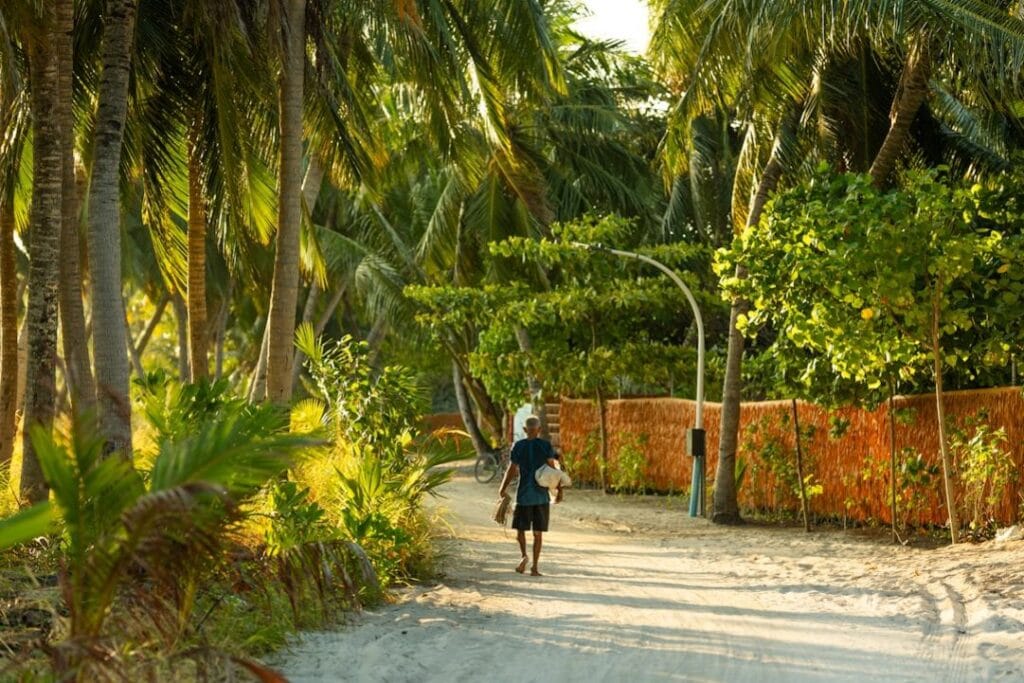
Snorkeling in the Maldives reveals crystal-clear waters over vibrant coral reefs teeming with life. Unlike tropical destinations with murky waters, here visibility often exceeds 30 metres, providing an underwater paradise for snorkelers seeking ease and comfort. Expect to see manta rays gliding past cleaning stations, reef sharks patrolling the coral structures, and schools of colorful fish darting through the reef. The water temperature remains around 28 – 30°C year-round, making it ideal for relaxed, long-duration snorkeling without wetsuits. This country’s underwater scene is built around expansive reefs accessible from resorts or short boat trips, with many sites suitable for all skill levels. If you want effortless access to stunning marine life with minimal fuss, this guide will tell you which spots deliver.
The 9 spots vary from easy shore-access reefs like Fulidhoo House Reef to challenging drift sites such as Fotteyo Kandu. Some locations, like Hanifaru Bay, are seasonal and best from November to April, when plankton blooms attract manta rays and whale sharks. Others, like Maaya Thila and HP Reef, are accessible via short boat rides and suit snorkelers of moderate skill. Manta Point offers reliable manta sightings, but crowds can be heavy during peak season. Dhigurah Whale Shark Zone is a deep, open-water zone best for strong swimmers. Whether you prefer calm, shallow waters or more dynamic drift currents, this guide helps you choose the right spots for your skill and expectations. If you’re into scuba diving, check the dedicated pages; for snorkel-specific tips, keep reading.
Key takeaways
- Visit Banana Reef early in the morning to avoid crowds and see reef sharks in the 20-metre-deep channel.
- Manta Point is most reliable from December to April; avoid it during rough weather or high winds.
- Fotteyo Kandu offers strong currents; only experienced snorkelers should attempt it, especially in February and March.
- Maaya Thila is perfect for beginners, with 10 – 15 metres visibility and abundant fish year-round.
- Hanifaru Bay is crowded in July and August; visit in shoulder months like October or May for fewer visitors.
- Kuredu Express is a shallow reef at 3 metres depth, ideal for relaxed snorkeling with family or beginners.
- Fulidhoo House Reef offers calm waters and 20 metres visibility, best from November to April.
- Dhigurah Whale Shark Zone requires a boat trip; best for strong swimmers comfortable in open water, especially May to September.
Snorkel spots at a glance
| Spot | Access | Difficulty | What you see | Verdict |
|---|---|---|---|---|
| Banana Reef | Boat or guided tour | Moderate | Dense coral formations with reef sharks and parrotfish | Best early morning for calm waters; avoid cruise ship days for solitude. |
| Manta Point | Boat tour only | Moderate | Reliable manta rays feeding on plankton blooms | Peak season December to April; crowds can be heavy, plan accordingly. |
| HP Reef | Boat or guided tour | Moderate | Schooling snappers and reef sharks in 15 – 20 metres | Accessible for intermediate snorkelers; best in calm weather, avoid rough days. |
| Maaya Thila | Short boat ride | Easy | Colorful fish, turtles, and occasional reef sharks | Ideal for beginners; visibility often exceeds 20 metres year-round. |
| Fotteyo Kandu | Boat tour only | Hard | Strong currents, large pelagics, and vibrant coral walls | Suitable only for experienced snorkelers; best in February and March. |
| Hanifaru Bay | Boat or resort transfer | Moderate | Massive manta rays, whale sharks during plankton blooms | Seasonal; visit October to April for the best chance to see mantas. |
| Kuredu Express | Boat or resort house reef | Easy | Shallow reef with abundant small reef fish and coral | Perfect for relaxed snorkeling; visit in the morning for best visibility. |
| Fulidhoo House Reef | Walk-in from beach | Easy | Colorful reef fish, sea turtles, and soft corals | Calm waters and good visibility from November to April, ideal for families. |
| Dhigurah Whale Shark Zone | Boat trip only | Hard | Open water with whale sharks, manta rays, and large pelagics | Best May to September; requires strong swimming skills and open water confidence. |
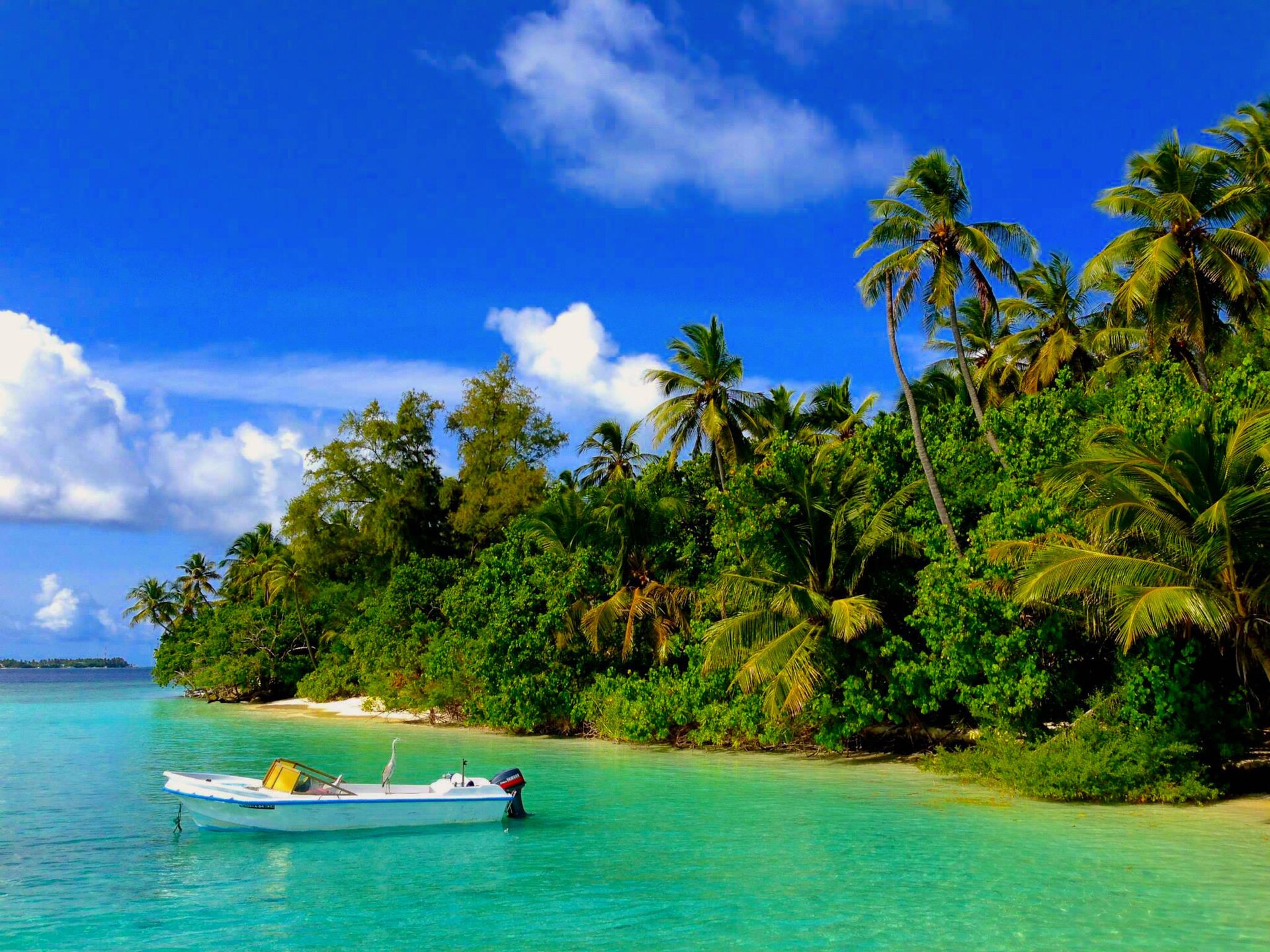
Where the snorkel spots are
The snorkel spots in detail
Banana Reef – Where soft corals and reef sharks thrive
- Difficulty: Easy
- Crowds: Crowded
- Visibility: 22
Banana Reef’s distinctive banana-shaped profile shelters lush soft coral gardens teeming with yellow fusiliers and reef sharks. Visibility consistently exceeds 20 meters, illuminating the vibrant colors and active fish schools below. Entry is via a short boat ride from Malé, with shallow depths of 4 – 8 meters making it accessible for all swimmers. Expect to see dense coral formations, schools of fusiliers, and occasional reef sharks gliding past in the clear water.
Vibrant and accessible, Banana Reef is worth early morning visits to avoid crowds. Book a tour departing around 6 – 7 AM for calm conditions and the best light. It’s ideal for confident snorkelers who want lively coral and abundant fish, but avoid midday when crowds and sediment reduce visibility. Be prepared for a busy scene after 10 AM.
Visibility is typically over 20 meters; the site is easy for all skill levels. Best visited early morning from November to April when water is clearest and conditions calm.
- ▸ Soft corals
- ▸ Yellow fusiliers
- ▸ Reef sharks
- ▸ Turtles
- ▸ Grouper
Getting in: Access the reef by a short boat ride from Malé; the entry point is a sandy beach with a gentle slope. The shallow waters and calm surface make entry easy. Gear rental is available at the boat, but bring your own mask for optimal fit and clarity. The reef is just 2 km from the city, with departures every hour.
Skip afternoon tours; the site becomes crowded and visibility drops as sediment stirs up around midday.
Who it suits: Pick this if you want vibrant coral and easy conditions; skip if you prefer solitude or are a weak swimmer, as it gets crowded early.
Manta Point – Close encounters with graceful rays
- Difficulty: Easy
- Crowds: Crowded
- Visibility: 20
Manta Point features a shallow cleaning station where mantas hover 1 – 2 meters below the surface, allowing snorkelers to observe their behavior intimately. The water is crystal-clear, with visibility often exceeding 20 meters, revealing the large manta rays as they glide effortlessly past. Entry is from a boat, with calm surface conditions ideal for relaxed snorkeling. Expect to see mantas hovering motionless while smaller fish clean their bodies, creating a mesmerizing scene in the shallow, warm water.
This site is a seasonal highlight, best from June to November when mantas gather during plankton blooms. Book early morning trips to maximize encounters, as mantas are most active then. It’s suitable for confident snorkelers comfortable in shallow, open water, but avoid outside the peak season when mantas are absent. The experience is unforgettable but not guaranteed every day.
Visibility often exceeds 20 meters; currents are mild, making it suitable for all confident swimmers. Best from June to November, especially early mornings.
- ▸ Manta rays
- ▸ Fusilier schools
- ▸ Grouper
- ▸ Trevally
Getting in: Arrive by boat at a designated snorkeling spot; entry is from the boat into calm, shallow water. The site is easily accessible, with gear rental available on the boat or bring your own mask. The water is warm and clear, perfect for observing rays up close.
Skip outside June – November; mantas do not gather in other seasons, and chances of sightings are low.
Who it suits: Pick this if you want close manta encounters; skip if you are uncomfortable in shallow open water or outside the peak season.

HP Reef – A protected reserve with soft corals and vibrant fish
- Difficulty: Easy
- Crowds: Moderate
- Visibility: 20
HP Reef offers a protected marine environment near Malé, with lush soft coral gardens and high fish diversity. Visibility typically exceeds 20 meters, illuminating the reef’s vibrant colors. Entry is from a boat, with shallow waters of 3 – 7 meters making it accessible for all levels. Expect to see dense soft corals, parrotfish, triggerfish, snappers, and angelfish swimming in the clear, calm water just off the coast.
A reliable alternative when Banana Reef is crowded, HP Reef is worth visiting for its pristine conditions and fewer boats. Book a morning trip for the best light and fewer crowds. It’s suitable for all snorkelers, including families, but avoid midday when sediment and boat traffic increase. It’s a calm, easy site with excellent underwater visibility.
Visibility is 18 – 22 meters; the site is easy for all skill levels. Best from November to April, when water clarity is highest and conditions are calm.
- ▸ Soft corals
- ▸ Parrotfish
- ▸ Triggerfish
- ▸ Snappers
- ▸ Angelfish
Getting in: Access the reef by boat from Malé; entry is from a sandy beach or a boat platform. The shallow waters are calm, with no current issues. Bring your own mask or rent gear on-site; the site is close to the city, with departures throughout the day.
Nothing specific to skip; this reef offers a consistent, less-crowded snorkeling experience.
Who it suits: Pick this if you want a relaxed, colorful reef close to Malé; skip if you seek pelagic action or strong currents.
Maaya Thila – An underwater coral hill alive with fish
- Difficulty: Moderate
- Crowds: Moderate
- Visibility: 22
Maaya Thila is an underwater coral hill rising from 24 to 10 meters, with a lively top covered in soft corals and fish schools. Trevally hunt in coordinated schools, while large groupers and white-tip reef sharks patrol the area. The soft corals glow in the clear water, creating a vibrant scene. Entry is from a boat, with gentle currents and a depth of 10 meters at the top, making it accessible for confident snorkelers. Expect to see dense fish schools, colorful corals, and active predators in a dynamic environment.
This site is ideal for snorkelers seeking action and photo opportunities, best in the morning when marine activity peaks. Book a guided trip if you’re a strong swimmer, as currents can develop around the bommie. It’s suitable for experienced snorkelers but not for weak swimmers or children. The visibility is excellent, and the site offers a rich, immersive experience.
Visibility averages 20 – 24 meters; currents can develop, so strong swimmers are preferred. Best from November to April for clear water and active marine life.
- ▸ Trevally schools
- ▸ Grouper
- ▸ White-tip reef sharks
- ▸ Turtles
Getting in: Arrive by boat, with a gentle entry into shallow, calm waters at the top of the bommie. The site is accessible to confident swimmers; weak swimmers should use a guide. Gear rental is available at the boat or nearby shops. The reef is just off the coast, with easy access for morning trips.
Skip if you’re a weak swimmer; currents and active predators can be challenging for inexperienced snorkelers.
Who it suits: Pick this if you want a lively reef with pelagic activity; skip if you prefer shallow, calm waters or are a beginner.
Fotteyo Kandu – Pelagic action in a channel with overhangs
- Difficulty: Hard
- Crowds: Moderate
- Visibility: 25
Fotteyo Kandu is a narrow channel with dramatic overhangs and strong currents, attracting hammerheads, eagle rays, and big trevally. The water is crystal-clear, often exceeding 25 meters, revealing large pelagic species in open water. Entry is from a boat, with snorkelers needing confidence managing currents and open water. Expect to see hammerhead sharks cruising the overhangs, eagle rays gliding through the current, and schools of big trevally hunting in the deep blue. The site’s rugged topography and active wildlife make it a demanding but rewarding experience.
Only for advanced snorkelers comfortable with strong currents and pelagic predators, especially during October to March. Book a guided tour with experienced operators, and plan for a 2 – 3 hour session. Do not attempt if you’re inexperienced or unconfident in open water or current management. The site offers a thrilling, wildlife-rich experience for seasoned snorkelers.
Visibility is over 25 meters; currents are strong, demanding good skill. Best from October to March for pelagic sightings and clear water.
- ▸ Hammerhead sharks
- ▸ Eagle rays
- ▸ Gray reef sharks
- ▸ Big trevally
Getting in: Access is by boat into the channel; entry is from the boat into open water with strong currents. Use a wetsuit if needed; bring your own mask and fins. Guides will advise on current management. The site is exposed and requires confidence in open water conditions.
Skip if you’re uncomfortable with strong currents or open-water pelagic sharks; this site is not suitable for beginners.
Who it suits: Pick this if you are an experienced snorkeler seeking pelagic action; skip if you prefer calm, shallow reefs or are a beginner.
Hanifaru Bay: The Ultimate Manta and Whale Shark Encounter
- Difficulty: Easy
- Crowds: Moderate
- Visibility: 10-20
- Time needed: Early morning during peak season
Hanifaru Bay features a shallow, enclosed lagoon with a vibrant coral bed and a dense plankton bloom during peak season. Underwater, expect to see massive reef manta rays gliding effortlessly and whale sharks cruising through the plankton-rich waters. Schools of plankton-feeders swirl in the current, creating a dynamic, teeming scene just below the surface. You’ll likely spot these giants during a calm, early-morning snorkel, with clear water revealing their massive forms.
This spot is a must for serious marine life enthusiasts. The best time is June to November when plankton blooms attract the largest numbers of manta rays and whale sharks. Go with a permit-only boat early in the morning to avoid the crowds and maximize your chances of a close encounter. It’s an easy, shallow snorkel, but only with a permit and a guided tour – no fins allowed to protect the marine environment.
Visibility ranges from 10 to 20 metres; the water is shallow and calm, ideal for early-season visits from June to November when plankton blooms peak.
- ▸ Reef manta rays
- ▸ Whale sharks
- ▸ Schools of plankton-feeders
Getting in: Access is by boat from nearby resorts or a dedicated tour operator. Enter the water at designated permit zones, usually from a small boat or a shallow beach. No fins are permitted, and snorkel gear is provided or brought along. Conditions are calm, with minimal surf, making it suitable for most confident snorkelers.
Skip if you do not have a permit or are not part of a guided tour; the environment is protected, and unauthorized access is not allowed.
Who it suits: Pick this if you want a high chance to see manta rays and whale sharks; skip if you prefer a less crowded, more relaxed snorkel experience.
Kuredu Express: Drift Over Sharks and Rays
- Difficulty: Moderate
- Crowds: Moderate
- Visibility: 20-30
- Time needed: Morning or early afternoon, during good weather
Kuredu Express offers a channel drift snorkel at the northern tip of Lhaviyani Atoll. The water is clear, with visibility often between 20 and 30 metres, and the current pulls you gently over a reef teeming with grey reef sharks, eagle rays, and green turtles. The rocky channel structure creates a dynamic environment, with schools of fish darting through the water as you glide along the drift line, feeling the rush of the current beneath you.
This is a proper drift snorkel suited for confident swimmers. It’s worth doing from January to March or November to December when visibility peaks. Use a boat to reach the starting point, then let the current carry you over the reef. Be prepared for a moderate swim, and stay alert for sharks and rays. It’s a fast, exhilarating experience that beats many paid dive sites for marine diversity.
Visibility is 20 to 30 metres; the current makes it moderate to challenging, best from January to March and November to December.
- ▸ Grey reef sharks
- ▸ Eagle rays
- ▸ Green turtles
- ▸ Napoleon wrasse
Getting in: Reach the snorkel start point by boat from Kuredu Resort or nearby. Enter the water from the boat, holding onto the rope or gear as you drift with the current. Conditions are generally calm, but currents can be strong, so confident swimmers are essential.
Skip if you are not comfortable with drift snorkeling or lack strong swimming skills; currents can be strong and unpredictable.
Who it suits: Pick this if you are an experienced snorkeler seeking a drift adventure; skip if you prefer shallow, calm waters with less current.
Fulidhoo House Reef: Easy Shark Encounters at Sunset
- Difficulty: Easy
- Crowds: Moderate
- Visibility: 15-25
- Time needed: Sunset hours for shark activity
Fulidhoo House Reef is a shallow, protected reef just off the beach of Fulidhoo island. The water is crystal-clear, often between 15 and 25 metres visibility, with a gently sloping coral bed. As dusk approaches, nurse sharks gather near the jetty in 1 to 2 metres of water, resting or slowly swimming around. Parrotfish and trevally dart through the reef, adding color and movement to the scene. The entry is straightforward, with a gentle walk-in from the beach, making it accessible for most snorkelers.
This is the most affordable shark encounter in the Maldives. It’s best from January to April or November to December when sharks are most active at sunset. Simply walk into the water from the beach, no boat needed. The shallow water makes it ideal for relaxed snorkeling, but be cautious of the time – sharks are most predictable at dusk. It’s a calm, easy spot perfect for families or less experienced snorkelers who want a reliable shark sighting.
Visibility is 15 to 25 metres; shallow water and calm conditions make it easy, best at sunset from January to April and November to December.
- ▸ Nurse sharks
- ▸ Stingrays
- ▸ Parrotfish
- ▸ Trevally
Getting in: Enter directly from the beach at Fulidhoo, walking into shallow water near the jetty. No boat or gear rental needed; snorkel gear can be rented locally. Conditions are calm, with gentle waves and minimal surf, suitable for all skill levels.
Skip if you are uncomfortable in shallow water or at dusk; sharks are most active then, and visibility can vary with weather.
Who it suits: Pick this if you want a simple, reliable shark encounter close to shore; skip if you prefer deep water or high-speed drift snorkeling.
Dhigurah Whale Shark Zone: Year-Round Whale Shark Sightings
- Difficulty: Easy
- Crowds: Moderate
- Visibility: 15-25
- Time needed: Morning safaris, year-round
The whale shark zone along Dhigurah’s outside reef is a broad, protected feeding area in South Ari Atoll. The water is often between 15 and 25 metres visibility, with a gentle current that allows easy snorkeling. The resident whale sharks cruise through this zone throughout the year, often close to the surface, alongside reef sharks, manta rays, and eagle rays. The reef structure is expansive, with patches of coral and sandy patches that attract plankton and small fish, creating a lively underwater scene. Expect to see whale sharks at any time of day, especially during morning safaris, with calm, clear conditions.
This site offers the highest year-round whale shark encounter rate in the Maldives. It’s worth booking a small-group boat safari from Dhigurah, especially in the morning. The water is shallow and calm, making it accessible for most snorkelers, but boat traffic can be heavy – choose operators that limit their groups. It’s a reliable, straightforward snorkel for whale shark lovers, with the chance to see multiple sharks in a single trip.
Visibility ranges from 15 to 25 metres; the water is calm and shallow, with year-round whale shark presence, best in the morning.
- ▸ Whale sharks
- ▸ Manta rays
- ▸ Eagle rays
- ▸ Reef sharks
Getting in: Access is by boat from Dhigurah village, with snorkel entry from the boat or a small beach. Most operators provide gear; boat traffic can be busy, so select a small-group operator for a better experience. Conditions are generally calm, with shallow waters suitable for all skill levels.
Skip if you prefer deep, remote dives; boat traffic and crowds are common, and sightings depend on luck and timing.
Who it suits: Pick this if you want consistent whale shark sightings; skip if you dislike boat traffic or are not comfortable in shallow waters.
Compare snorkeling trips and boat tours in Maldives
When to snorkel
The Maldives offers excellent snorkeling from November through April, with peak conditions in December, January, and February. During these months, visibility consistently exceeds 30 metres, water temperatures hover around 27 – 30°C, and marine activity is at its highest. The period from May to October sees reduced visibility and fewer marine encounters, especially for manta rays and whale sharks, but some sites remain accessible. For the best experience, plan your trip between December and February, when the water is clearest and marine life is most abundant, particularly at Hanifaru Bay and Maaya Thila. Outside this window, expect less optimal conditions, but some spots still deliver rewarding sightings if you control your timing and avoid peak crowds.
Hanifaru Bay, Maaya Thila, Fotteyo Kandu, Fulidhoo House Reef, Dhigurah Whale Shark Zone, Banana Reef, HP Reef, Kuredu Express, Kandooma Reef
Marine visibility is at its best, averaging over 30 metres, with whale sharks and manta rays most active.
| Month | Snorkeling | What carries the month |
|---|---|---|
| January | Prime | Excellent visibility at all sites; whale sharks and manta rays are highly active. |
| February | Prime | Optimal conditions; expect clear water and abundant marine life, especially at Hanifaru Bay. |
| March | Good | Good visibility; whale sharks still present, but slightly less than peak months. |
| April | Good | Visibility remains decent; marine activity begins to decline slightly. |
| May | Mixed | Visibility drops; manta rays and whale sharks less frequent, but some sites still worth visiting. |
| June | Poor | Visibility often below 20 metres; marine life less active, especially manta rays. |
| July | Poor | Reduced visibility; expect fewer sightings, especially of large pelagics. |
| August | Poor | Visibility often under 15 metres; marine activity minimal. |
| September | Poor | Low visibility; marine life less predictable, avoid if possible. |
| October | Mixed | Visibility improves slightly; some manta activity returns, but whale sharks are scarce. |
| November | Good | Visibility improves; marine life begins to increase again, especially at year-round sites. |
| December | Prime | Best visibility and marine activity; whale sharks and mantas are most active. |
Water conditions
Visibility ranges from 15 to over 30 metres during peak months, dropping to 10 – 15 metres in low season. Water temperature hovers around 27 – 30°C year-round, making wetsuits optional for most. Swell and currents are generally mild but can increase at channel sites like Fotteyo Kandu, requiring caution. A rash guard offers sun protection and minor abrasion defense, but no wetsuit is necessary outside the deep-water zones. Expect calm, teeming waters with clear, warm conditions ideal for relaxed snorkeling from your resort house reef or guided boat trips.

Marine life: what you see underwater
The Maldives’ underwater world revolves around large pelagics like whale sharks, manta rays, and reef sharks, which are the main attractions for snorkelers. The reefs are rich with soft corals, schools of fusiliers, trevally, and parrotfish, creating a vibrant, teeming underwater landscape. While the water clarity is excellent during peak season, sightings of the most iconic species are most reliable at Hanifaru Bay and South Ari Atoll. Expect to see manta rays and whale sharks in specific seasons, with reef sharks and turtles present year-round. Overall, the marine environment is diverse but focused on a few flagship species, making targeted site visits essential for a rewarding experience.
Observe from the surface; whale sharks are gentle giants, but keep a safe distance and avoid touching.
Where: South Ari Atoll, especially in the Whale Shark Zone from March to November.
When: May – November, high chances in June – August
Swim calmly; mantas are curious but avoid blocking their path or touching them.
Where: Hanifaru Bay (Baa Atoll) during the southwest monsoon plankton blooms, July – November.
When: July – November, peak in August
Look for cleaning stations; mantas circle slowly in shallow waters, making them easy to observe.
Where: South Ari Atoll and North Male Atoll, year-round, best in March – August.
When: March – August
Pirouette in the blue; dolphins are common and approachable from the boat or shore.
Where: Lagoons and resort boats, year-round, especially March – September.
When: March – September
Encounter them easily; they graze on seagrass and are often seen resting on the reef.
Where: Most atolls, from house reefs at Lhaviyani, Ari, Baa, year-round.
When: year-round
Stay alert; reef sharks are common but pose no threat if you maintain a respectful distance.
Where: Channel edges and reef slopes, year-round, especially in the early morning.
When: year-round
Listen for crunching sounds; they are abundant and active on all reefs.
Where: All coral reefs, actively feeding during daylight hours.
When: year-round
Common and harmless; observe from a safe distance without disturbing them.
Where: Shallow lagoon edges, visible in waist-deep water, year-round.
When: year-round
Snorkel guide: gear, safety and the reef
Gear
Bring a high-quality mask with tempered glass lenses for optimal clarity, and rent fins that fit snugly to conserve energy in Maldives’ calm waters. A reef-safe, broad-spectrum sunscreen is essential – apply generously before entering the water, and reapply as needed. A lightweight rash guard or wetsuit (shorty) is recommended if you tend to burn easily, especially during peak sun hours. On-site rental options at locked spots are generally reliable, but verify equipment before use to avoid surprises. Consider bringing a underwater camera for capturing marine life, but handle it carefully to avoid damaging fragile corals. Budget around $15 – 20 per day for rental gear, and always rinse equipment after use to prolong its life.
Staying safe
Maldives’ snorkeling spots are generally safe, but currents can be strong near channel entrances and at Fotteyo Kandu, so stay within your comfort zone. Boat traffic is high around popular sites like Banana Reef and Maaya Thila – always stay close to your guide or stay within designated swimming areas. Sun exposure is intense year-round; wear a rash guard and stay hydrated. Watch out for marine species like reef sharks and blacktip reef sharks, which are common but pose no danger if you keep your distance. Never snorkel alone, especially in open water, and always check local conditions before entering the water to avoid unexpected rip currents or rough seas.
Reef etiquette
Always maintain a respectful distance from turtles, manta rays, and other large marine animals – at least 3 metres. Avoid standing on or touching the coral at Maaya Thila and Fotteyo Kandu, as this damages fragile structures. Use reef-safe sunscreen to prevent chemical harm to the reef ecosystem. Do not feed or chase marine life; observe quietly and let them come to you. Follow local park rules at Hanifaru Bay and other protected areas – these are strict about maintaining the pristine environment. Keep your fins under control to prevent stirring up sediment or damaging coral beds. Remember, your responsible behavior preserves the underwater paradise for future snorkelers.
First time snorkeling?
Start at Fulidhoo House Reef for easy, shallow snorkeling with abundant marine life; avoid Fotteyo Kandu if you are unsure about currents or diving in rougher conditions.
Frequently asked questions
1Can I snorkel straight from the beach in Maldives?
Yes, many resorts have house reefs accessible directly from the beach, making it easy for beginners to snorkel without boat trips. Check with your resort for specific access points and conditions.
2Which Maldives spot is best for a first-timer?
Fulidhoo House Reef offers calm, shallow waters with abundant marine life, perfect for beginners. It’s less crowded and easy to access directly from the beach.
3Do I need a boat to reach the best reefs?
Not always. Many resorts have house reefs, but for spots like Maaya Thila or Banana Reef, a short boat trip is necessary. Book guided tours for reliable access and safety.
4When is the best time to snorkel in Maldives?
The ideal months are November through April, when water visibility exceeds 30 metres and marine life is most active. Avoid monsoon season from May to October for rougher seas and lower visibility.
5Are the snorkeling conditions suitable for beginners?
Yes, especially at Fulidhoo House Reef and Kuredu Express, where waters are shallow and currents are mild. Avoid Fotteyo Kandu if you’re unsure about handling stronger currents.
6What marine animals will I see in Maldives?
Expect to see reef sharks, manta rays, whale sharks (mainly South Ari), parrotfish, and colorful reef fish. Manta rays and whale sharks are seasonal, so plan accordingly.
7Is snorkeling at Hanifaru Bay worth the effort?
Absolutely. Hanifaru Bay hosts the world’s largest manta ray congregation during the monsoon season, offering an unforgettable underwater experience – just be prepared for crowds and follow park rules.
Some links on this page are affiliate links. We may earn a small commission at no extra cost to you when you book through them.