


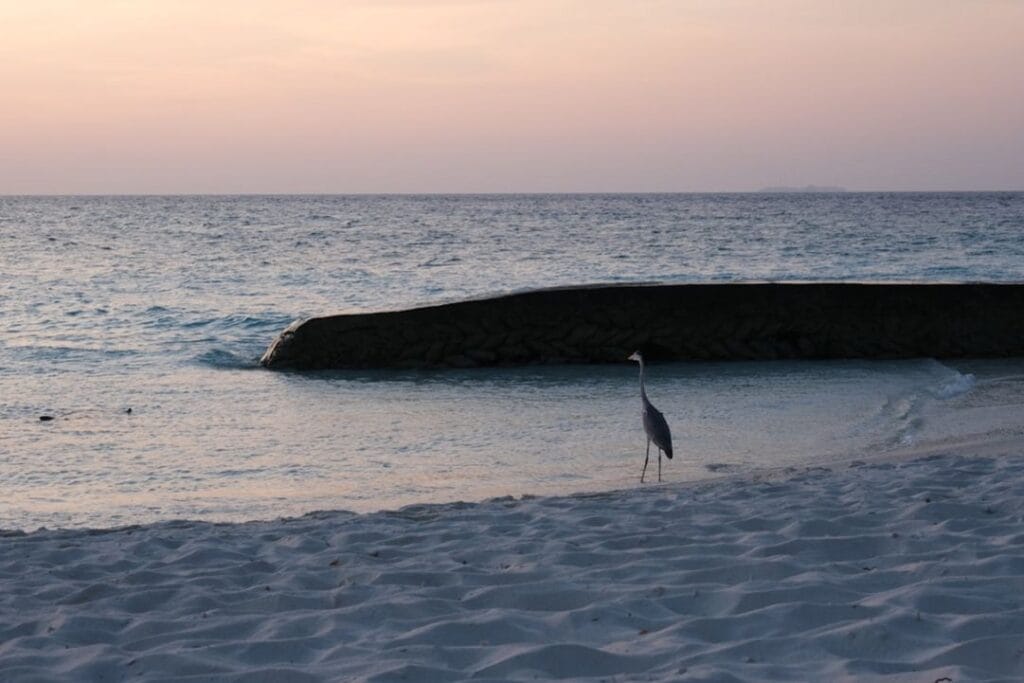
At sunset, the soft sound of Bodu Beru drumming fills the air near the beach.
Fulidhoo, the northernmost island of Vaavu Atoll, is known for its relaxed atmosphere and daily visits from stingrays. With a population of around 600, this small island offers a unique blend of local culture and natural beauty. Visitors flock here for the vibrant Bodu Beru drumming shows and the chance to connect with the ocean’s gentle creatures. Spend your days lounging on the beach or exploring the local crafts and cuisine.
In Fulidhoo, enjoy daily stingray encounters, Bodu Beru drumming shows, and relaxing beach time at the local shores.
Key takeaways
- Experience daily stingray visits at the beach.
- Attend a Bodu Beru drumming show in the evenings.
- Explore local crafts at the central market.
- Relax on the beach, just a short walk from town.
- Stay in family-run cabanas for an authentic experience.
Why visit Fulidhoo
Fulidhoo stands out among Maldives destinations like Maafushi and Thulusdhoo with its daily stingray encounters and vibrant Bodu Beru drumming shows. This northernmost island of Vaavu Atoll offers a laid-back atmosphere, where you can enjoy the beach and local culture without the crowds. The stunning sandbanks and clear waters invite relaxation, making it an ideal spot for slow-paced days.
- Experience daily stingray visits at the beach, a unique local highlight.
- Attend a Bodu Beru drumming show, showcasing traditional Maldivian music.
- Explore the local craft shops for handmade souvenirs, supporting artisans directly.
- Visit during the off-peak season for quieter beaches and more intimate experiences.
Best for
Fulidhoo is perfect for solo travelers seeking a peaceful retreat and couples looking for a slow-paced getaway. Enjoy lazy beach days, local food markets, and cultural immersion.
Skip if
Skip Fulidhoo if you prefer vibrant nightlife and luxury resorts; consider nearby Maafushi for a more lively atmosphere.
Top things to do in Fulidhoo
Fulidhoo offers a serene escape with daily encounters with stingrays and vibrant Bodu Beru drumming. Start your journey with a visit to the beach, where you can unwind and soak in the local culture.
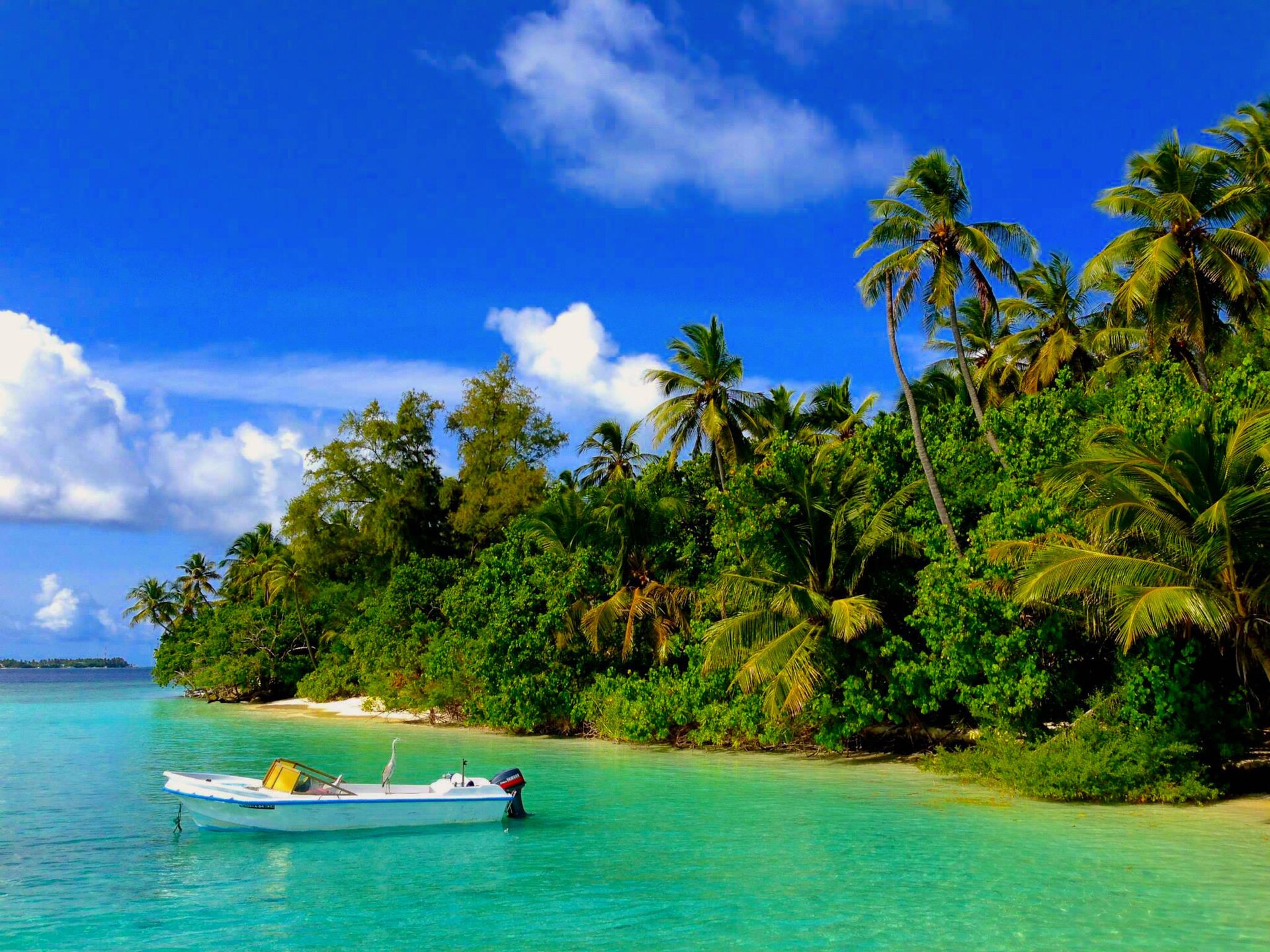
1. Fulidhoo Beach ·
Relax on one of the most beautiful beaches in the Maldives, known for its soft sand and clear waters.
Spend your day lounging on Fulidhoo Beach, where the gentle waves lap at the shore. The beach is perfect for sunbathing, swimming, or simply enjoying the stunning views of the horizon. Grab a book or just listen to the soothing sounds of the ocean.
This beach is less crowded than others in the Maldives, providing a peaceful atmosphere that enhances relaxation.
- When: Visit in the late afternoon for the best sunset views, especially from December to April.
- Cost: Free
- Duration: Half day
- How to reach: Walk from the center of Fulidhoo; the beach is easily accessible within a few minutes.
2. Stingray Feeding ·
Experience the thrill of feeding stingrays right at the shore.
Join one of the local guides for a unique opportunity to feed stingrays that come to the beach daily. You’ll learn about these fascinating creatures while enjoying the gentle waves and warm sun. It’s an interactive experience that connects you with the local marine life.
This activity is a highlight of Fulidhoo, offering a rare chance to engage with wildlife in a safe environment.
- When: Best done in the late morning when the stingrays are most active, typically around 10:00 AM.
- Cost: ~$10
- Duration: 1 hour
- How to reach: Meet at the beach; local guides are usually found near the main entrance.
Insider tip: If closed
If the stingrays are not around, consider snorkeling nearby to explore the vibrant coral reefs.
3. Bodu Beru Drumming Show ·
Immerse yourself in the local culture with a traditional drumming performance.
Attend a Bodu Beru drumming show in the village, where local musicians perform rhythmic beats that echo the island’s heritage. The lively atmosphere invites you to dance along or simply enjoy the vibrant sounds that fill the air.
This show is a direct connection to the local culture, showcasing the community’s traditions in a fun and engaging way.
- When: Check local schedules; performances often occur on weekend evenings.
- Cost: ~$5
- Duration: 2 hours
- How to reach: Walk to the community center in the village where shows are typically held.
Insider tip: If closed
If the show is canceled, visit a local cafe to enjoy traditional Maldivian snacks and music.
4. Snorkeling Excursion ·
Explore the underwater world with a guided snorkeling trip.
Join one of the licensed guide outfits in town for a snorkeling excursion to nearby reefs. You’ll encounter colorful fish and vibrant coral formations, making it a perfect way to appreciate the marine biodiversity of the Maldives.
This excursion offers a chance to see marine life up close, which is a must-do in the Maldives.
- When: Morning trips are ideal, especially from December to April when visibility is best.
- Cost: ~$30
- Duration: Half day
- How to reach: Meet at the local dive shop near the beach for a brief orientation before heading out.
Insider tip: If closed
If the weather is poor, consider a visit to the local craft shops to see traditional Maldivian handicrafts.
5. Local Craft Market ·
Discover handmade crafts and souvenirs at the local market.
Stroll through the local craft market where artisans display their handmade goods. From woven baskets to intricate jewelry, you can find unique items that reflect the culture of Fulidhoo. Engaging with the artisans provides insight into their craft and the local way of life.
This market offers a more authentic shopping experience compared to tourist shops, allowing you to support local artisans directly.
- When: Visit in the late afternoon when the market is bustling with activity.
- Cost: Prices vary; expect to spend around $5-$20 depending on your purchases.
- Duration: 1-2 hours
- How to reach: Located in the village center, it’s a short walk from the beach.
6. Sunset Walk ·
Enjoy a peaceful evening stroll along the beach as the sun sets.
Take a leisurely walk along the shoreline during sunset, where the sky transforms into a palette of colors. This calming experience allows you to reflect on your day while enjoying the sound of the waves and the gentle breeze.
It’s a simple yet beautiful way to end your day, capturing the essence of island life.
- When: Best enjoyed around 6:00 PM, especially from December to April.
- Cost: Free
- Duration: 1 hour
- How to reach: Easily accessible from anywhere in Fulidhoo; just head towards the beach.
Book tours and tickets
Booking through these links supports Pack Lightly at no extra cost to you.
24 hours in Fulidhoo
This day plan is perfect for a solo traveler seeking a relaxed pace while soaking in the local culture and natural beauty of Fulidhoo.
Morning
Start your day with a leisurely breakfast at one of the family-run cafes near the beach around 8:00 AM. Enjoy fresh fruit and a strong cup of Maldivian coffee while watching the morning light dance on the water. Afterward, take a slow stroll along the shoreline, where you can spot stingrays gliding just off the beach. This peaceful morning sets the tone for a day of exploration.
Afternoon
By noon, head to the local market to experience the vibrant atmosphere and sample some traditional snacks. Grab a light lunch at a nearby eatery, where you can try fresh fish curry served with rice. Afterward, spend a couple of hours relaxing on the beach or swimming in the clear waters. This downtime is essential for recharging before the evening activities.
Evening
As the sun begins to set around 6:00 PM, find a cozy spot on the beach to watch the sky turn shades of orange and pink. After sunset, enjoy dinner at a local restaurant specializing in seafood, where you can savor grilled fish caught that day. The laid-back vibe of Fulidhoo in the evening invites you to unwind and reflect on your day.
If you have a second day
If you have another day, consider joining a snorkeling trip to explore the nearby reefs, where you can encounter a variety of marine life. Alternatively, take part in a Bodu Beru drumming show to immerse yourself in the local culture.
Best time to visit Fulidhoo
Quick answer
Visit Fulidhoo from April to June for the best weather and fewer crowds.
| Months to go | April to June, October to early December |
|---|---|
| Months to avoid | July to September due to heavy rainfall and potential storms. |
The dry season from April to June offers warm temperatures averaging 82°F / 28°C, perfect for beach days and water activities. October to early December also provides pleasant weather, ideal for enjoying the local culture and Bodu Beru drumming shows. However, July to September sees increased rainfall, which can disrupt outdoor plans and make the beaches less inviting. Expect the surf to be less reliable during these months, limiting water sports.
Average temperature (°F)
Monthly weather
warm dry, peak crowds
warm dry, great for swimming
warm dry, ideal for relaxation
warm dry, best value
warm humid, fewer tourists
warm humid, good for diving
humid wet, off-peak prices
humid wet, potential storms
humid wet, avoid if possible
warm dry, quieter beaches
warm dry, pleasant weather
warm dry, festive atmosphere
How to get to Fulidhoo
Nearest airport
Velana International Airport (MLE), about 40 miles / 65 km northwest of Fulidhoo
From the airport
Take the public ferry from Malé‘s Villingili Ferry Terminal to Fulidhoo, which costs around $15 and takes about 2 hours. Booking is best done at the ferry terminal or through local guesthouses that can arrange tickets in advance.
Other ways to arrive
- From Malé by speedboat, 1 hour, ~$80-$120, 2026
- From Maafushi by ferry, 30 minutes, ~$10-$15, 2026
- From Thulusdhoo by speedboat, 45 minutes, ~$50-$70, 2026
Getting around Fulidhoo
Walking is the main way to get around Fulidhoo, fitting the island’s slow pace and compact size. For longer stretches or luggage, a bicycle rental offers a relaxed alternative without breaking the calm vibe.
- On foot – best for exploring the village and beach, free
- Bicycle rental – use for quick trips or carrying gear, around $5 per day, 2026
- Motorbike rental – not recommended due to narrow sandy paths and quiet streets, $15-$20 per day, 2026
Avoid
Avoid renting motorbikes; the sandy, narrow roads and quiet island life make them impractical and uncomfortable.
Day trips from Fulidhoo
These day trips complement Fulidhoo’s relaxed rhythm with brief escapes to nearby islands or reefs that highlight the atoll’s marine life and local traditions.
Thinadhoo (Vaavu Atoll)
Experience a larger local island with markets and traditional crafts.
Why: Thinadhoo’s market and village life offer a contrast to Fulidhoo’s quiet, giving insight into daily Maldivian island routines.
Skip if: Skip if you prefer to stay in the calm and avoid extra travel.
Vaavu Atoll Stingray Spot
See the daily stingrays that come close to shore, a signature of the region.
Why: This is a rare chance to watch stingrays up close without crowds, enhancing the slow island vibe with nature’s rhythm.
Diving or snorkeling at Fotteyo Kandu
Explore one of Vaavu Atoll’s best dive sites with abundant coral and marine life.
Why: The underwater visibility and healthy reef here surpass what you find near Fulidhoo’s shore, rewarding divers and snorkelers who want a deeper connection to the atoll’s ecosystem.
Skip if: Skip if you prefer to avoid organized tours or want to keep your stay low-key.
Combine Fulidhoo with
Fulidhoo fits into a Maldives trip as a slow-paced island stop that contrasts with busier hubs and resorts nearby.
7-day Maldives atoll loop Malé → Maafushi → Fulidhoo → Thinadhoo
This route moves from the capital’s bustle to Maafushi’s guesthouse scene, then to Fulidhoo’s calm and traditional Bodu Beru drumming, ending at Thinadhoo for a larger island feel.
10-day Maldives relaxation trip Malé → Fulidhoo → Dhigurah → Maamigili
Start with Fulidhoo’s slow pace and stingray encounters, then head to Dhigurah for beach time and whale shark tours, finishing at Maamigili for local culture and quiet beaches.
Where to stay in Fulidhoo
Compare prices across booking sites on the map below and see which neighbourhood fits your plans.
Fulidhoo offers a laid-back atmosphere with accommodations primarily along the beachfront and in the quieter areas of the village. Travelers often choose spots near the beach for easy access to the water and sunset views, while those seeking tranquility may prefer guesthouses further inland.
Mid-range – Near the main beach area
Stay in family-run guesthouses that provide a cozy atmosphere and personalized service, perfect for soaking in local culture. These guesthouses often lack the amenities of larger resorts but make up for it with charm and hospitality.
Insider tip: Ask for a room with a sea view to enjoy the daily stingrays that come to shore.
Solo female travelers
Choose a guesthouse near the beach where other travelers stay; these areas are well-lit and have a friendly atmosphere.
Book your stay
Booking through these links supports Pack Lightly at no extra cost to you.
Where to eat and drink in Fulidhoo
Fulidhoo’s culinary scene is defined by its fresh seafood and traditional Maldivian flavors, influenced by the island’s fishing community. The use of local ingredients, such as reef fish and coconut, sets it apart from other Maldivian islands, creating a unique dining experience.
Must-try dishes
Mas Huni (Tuna Salad)
A mix of tuna, coconut, onion, and chili, typically served with flatbread.
Insider tip: Enjoy it early in the day for the best flavor and freshness.
Garudhiya (Fish Soup)
A clear soup made from boiled fish, served with rice, lime, and chili.
Insider tip: Pair it with fresh lime for an extra zing.
Fihunu Mas (Grilled Fish)
Freshly caught fish marinated in spices and grilled to perfection.
Insider tip: Ask for the catch of the day for the freshest option.
Local drinks
- Kashikeyo (Coconut Water)Available at local markets and beachside stalls throughout the island.
Fresh coconut water served straight from the coconut. - Raa (Toddy)Try it at local gatherings or family-run bars for an authentic experience.
A traditional alcoholic beverage made from the sap of coconut flowers.
How to eat like a local in Fulidhoo
Lunch is the main meal of the day, so plan to enjoy your biggest meal around 1:00 PM. Many kitchens close by 4:00 PM, so arrive early to experience the best of local cuisine.
Daily budget for Fulidhoo
Fulidhoo offers a more affordable experience compared to many tourist hotspots in The Maldives, thanks to its local guesthouses and less commercialized atmosphere. Expect reasonable prices for lodging and food, but be aware that some activities can still be pricey.
Shoestring
- lodging – dorm bed in a local guesthouse
- food – local meals at small cafes
- transport – bike rental for the day
- activities – snorkeling gear rental
- buffer – small expenses
Trade-offs: You may miss out on more organized tours and premium dining options.
Comfort
- lodging – private room in a family-run guesthouse
- food – meals at mid-range restaurants
- transport – occasional taxi or boat rides
- activities – guided snorkeling tour
- buffer – small expenses
Trade-offs: You might forgo some of the more luxurious amenities found on larger resort islands.
Splurge
- lodging – upscale beachfront cabana
- food – fine dining experiences
- transport – private boat charters
- activities – premium diving excursions
- buffer – no additional expenses
Trade-offs: Expect to pay a premium for exclusive experiences and higher-end accommodations.
Money-saver tip
Rent a bike to explore the island instead of taking taxis – it’s cheaper and gives you more freedom.
Splurge that’s worth it
Book a guided snorkeling tour to see the daily stingrays up close; it’s a unique experience that enhances your visit.
Skip to save
Avoid the overpriced resort restaurants – local cafes offer delicious meals at a fraction of the cost.
Practical tips for Fulidhoo
Money
| Cash or card | Cash is essential in Fulidhoo; most transactions are done in Maldivian Rufiyaa. |
|---|---|
| ATMs | There are no ATMs in Fulidhoo, so bring enough cash for your stay. |
| Tipping | Tipping is appreciated; leave around 10% for good service in restaurants. |
Safety
Fulidhoo is generally safe for travelers, but it’s wise to stay aware of your surroundings.
Local warnings:
- Watch for sandflies, especially at dusk.
Connectivity
| Mobile data | Mobile data coverage is good; consider getting a local SIM from Dhiraagu or Ooredoo. |
|---|---|
| Wi-Fi | WiFi is available in most guesthouses and cafes, but speeds can be slow. |
Language
| Main language | Dhivehi |
|---|---|
| English level | English is commonly spoken, especially among younger locals and in tourist areas. |
Cultural notes
| Dress modestly when visiting local areas and avoid swimwear outside the beach. |
| Always ask for permission before taking photos of locals. |
Solo female travel
Solo female travelers generally find Fulidhoo welcoming and safe.
| Neighborhood | Stay near the beach area for a relaxed atmosphere and easy access to amenities. |
|---|---|
| Transport | Walking is safe at night; the island is small and well-lit. |
| Meeting people | Join local events or workshops to meet other travelers and locals. |
Frequently asked questions about Fulidhoo
1Is Fulidhoo worth visiting?
Yes – Fulidhoo is worth visiting for its daily stingray encounters and traditional Bodu Beru drumming shows, which create a unique cultural atmosphere.
2How many days do you need in Fulidhoo?
One night is enough unless you want to soak in the local culture and enjoy multiple beach days. Plan your arrival for the afternoon to catch the sunset.
3What is the rainy season in Fulidhoo?
The rainy season typically runs from May to October, with the heaviest rains in June and July. Consider visiting from November to April for drier weather.
4Can you swim in the sea at Fulidhoo?
Yes – the waters around Fulidhoo are generally safe for swimming, especially near the beach where the stingrays come to shore.
5Is Fulidhoo safe for solo female travelers?
Yes – Fulidhoo is considered safe for solo female travelers, with a friendly local community and low crime rates.
6Where is the nearest airport to Fulidhoo?
The nearest airport is Velana International Airport (MLE) in Malé, which is about 60 miles / 97 km away. From there, take a domestic flight or speedboat to reach Fulidhoo.
Estimate your daily budget
See realistic daily costs by tier and category.