


Watch the sun dip over Playa La Coronilla, where the Uruguay-Brazil border meets the Atlantic waves.
Chuy sits on the Uruguay-Brazil border in Rocha department, split right down its main avenue. Its population hovers around 10,000, swelling with Brazilian shoppers drawn to duty-free stores. The town’s slow pace and coastal proximity invite relaxed afternoons at Playa La Coronilla, just a few miles east. The border’s commerce shapes daily life, with free-trade shops dominating the central strip. This mix of beach calm and cross-border trade defines Chuy’s rhythm.
Shop duty-free along Avenida Brasil, stroll Playa La Coronilla for quiet beach time, and explore local markets for regional crafts and snacks.
Key takeaways
- Chuy’s duty-free shops line Avenida Brasil, open daily from 9 AM to 7 PM.
- Playa La Coronilla sits 3 miles / 5 km east, ideal for afternoon beach walks.
- Visit the weekend market near Plaza Artigas for local crafts and street food.
- Average January temperature hits 74°F / 23°C, perfect for slow beach days in summer 2026.
- Cross the border on foot to explore Brazilian shops with lower prices on electronics.
Why visit Chuy
Chuy sits uniquely on the Uruguay-Brazil border, where the dividing line runs down the main avenue, creating a rare blend of two cultures in one town. Unlike Rocha’s beach towns or Punta del Diablo’s surf vibe, Chuy’s free-trade shops dominate the scene, making it a practical stop for cross-border shopping. The town’s slow pace and the nearby sandy beaches offer a relaxed break after exploring busier coastal spots. The central avenue itself acts as an open-air market with a mix of Uruguayan and Brazilian goods, perfect for slow afternoons.
- Shop duty-free goods along Avenida Brasil, where prices undercut Montevideo by 20%-30%, especially electronics and cosmetics.
- Explore the border’s dividing line painted on the pavement, a photo spot that locals treat as a daily meeting point.
- Visit the nearby Barra del Chuy beach for quiet, uncrowded stretches of sand far from Rocha’s tourist hubs.
- Experience the local weekend flea market, where Brazilian and Uruguayan vendors sell unique crafts and food, overlooked by most guides.
Best for
You’ll appreciate Chuy if you want a slow, sensory day focused on border culture and shopping without the rush of bigger resorts. Solo travelers comfortable navigating small border towns and slow local buses will find it rewarding. It suits those who want to mix beach downtime with a practical shopping stop.
Skip if
Skip Chuy if you want a classic Uruguayan beach town vibe with nightlife and upscale dining; head 30 miles / 50 km south to Punta del Diablo instead.
Top things to do in Chuy
Chuy’s split identity as a border town makes shopping and slow beach days the defining activities. Start with the free-trade shops along Avenida Brasil, then unwind with the relaxed pace of the nearby coastal areas.
1. Free-Trade Shopping on Avenida Brasil ·
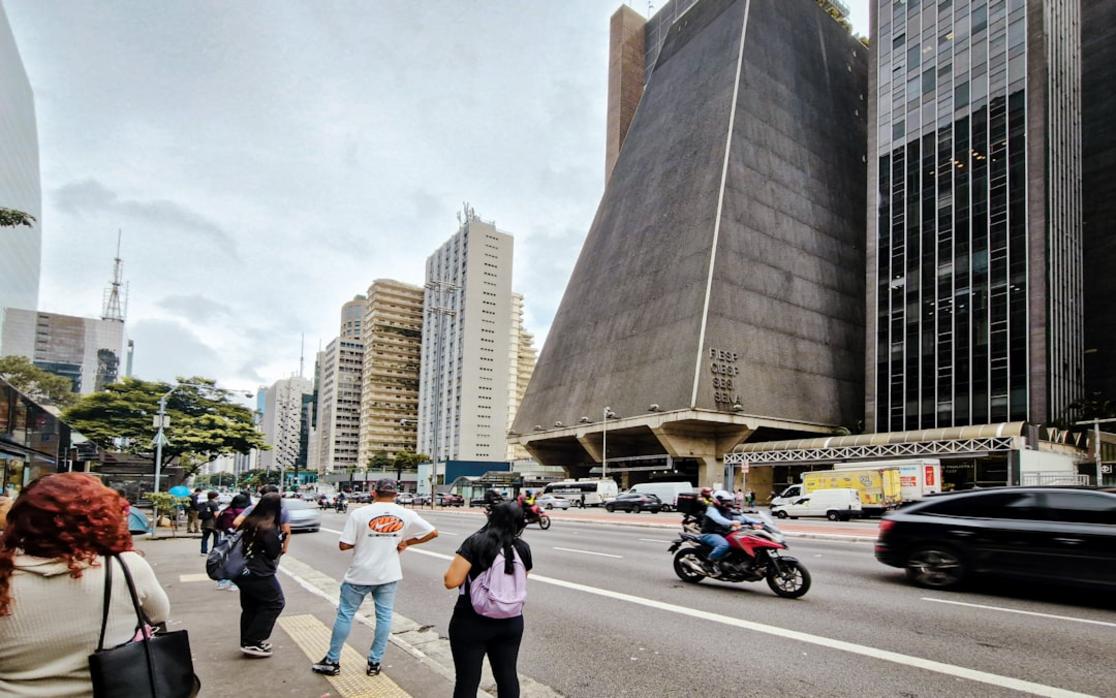
This bustling avenue offers a unique cross-border shopping experience where Brazilian and Uruguayan prices meet under one roof.
Walk along Avenida Brasil where the border literally splits the street, lined with duty-free shops selling electronics, perfumes, and imported goods at mixed prices. The mix of currencies and languages creates a market atmosphere unlike anywhere else in Uruguay. Vendors here know the Brazilian side’s competition, so bargaining is common and expected.
This beats visiting generic malls in Montevideo or Porto Alegre because the border dynamic creates a distinct shopping rhythm and price advantage unavailable elsewhere.
- When: Weekday mornings or early afternoons avoid weekend crowds; high season from December to February sees more activity but also more tourists.
- Cost: Free to browse; expect to spend ~$20-$150 depending on purchases, 2026
- Duration: 2-3 hours
- How to reach: Avenida Brasil runs through central Chuy; walk from any downtown point or take a short taxi ride if coming from the bus terminal.
Insider tip: If closed
Explore the local artisan stalls near Plaza Independencia for crafts and snacks.
Solo female travel: The avenue is busy and well-lit during business hours; taxis are plentiful after dark for safe returns.
2. Relaxing at Barra del Chuy Beach ·
A quiet beach just east of town, perfect for slow afternoons and sunset views over the Atlantic.
Barra del Chuy offers a sandy shore with gentle waves ideal for swimming or lounging. The beach has few facilities but a handful of family-run cabanas where you can grab fresh seafood or mate. Its calm atmosphere contrasts sharply with the commercial buzz of the town center.
Choose this over the busier beaches in Rocha department for a quieter, less touristy vibe that suits a slower pace and local interaction.
- When: Late afternoon to catch the sunset; best from December through March when water temperatures reach the mid-70s Fahrenheit.
- Cost: Free access; ~$10-$20 for snacks or drinks at cabanas, 2026
- Duration: Half day
- How to reach: Walk or bike 3 miles / 5 km east via Ruta 9; local colectivos run sporadically but taxis are more reliable.
Insider tip: If closed
Head to the small public park near Plaza Independencia for shaded seating and street vendors.
Solo female travel: The beach area is safe during daylight hours; avoid isolated spots after sunset.
3. Cross-Border Street Food Sampling ·
Taste the blend of Uruguayan and Brazilian flavors where the border runs down the street.
Try the chivito sandwiches on the Uruguayan side, then cross Avenida Brasil for Brazilian-style pastel and fresh juice stalls. The street food scene here is informal but vibrant, reflecting the town’s dual identity. Vendors often serve quick bites that fuel long shopping sessions or beach days.
This beats eating at formal restaurants because it offers direct contact with local daily life and the border’s culinary fusion.
- When: Midday to early evening when vendors set up; weekends have more variety but also more crowds.
- Cost: ~$5-$12 per snack, 2026
- Duration: 1-2 hours
- How to reach: Most food stalls cluster along Avenida Brasil and the parallel streets; easy to reach on foot from anywhere downtown.
Insider tip: If closed
Visit a small café near the municipal market for empanadas and coffee.
Solo female travel: Busy street corners keep vendors and customers in sight; good for quick solo stops.
4. Visit the Municipal Market ·
A low-key spot to browse local produce, crafts, and everyday goods away from the border hustle.
The market inside the town offers fresh fruits, vegetables, and regional products like cheeses and cured meats. It’s a good place to observe local shoppers and vendors without the pressure of tourist crowds. Some stalls sell handmade textiles and souvenirs tied to Rocha’s coastal culture.
This offers a quieter, more authentic shopping experience than the free-trade shops, focusing on local life rather than cross-border commerce.
- When: Mornings from Tuesday to Saturday; avoid Sunday when it’s mostly closed.
- Cost: Free entry; products vary from ~$2 to $20 depending on what you buy, 2026
- Duration: 1-2 hours
- How to reach: Located on the Uruguayan side near Plaza Independencia; walk or take a short taxi ride from the bus terminal.
Insider tip: If closed
Check small grocery stores on Calle 25 de Agosto for similar goods.
Solo female travel: The market is well-lit and frequented by locals; safe for solo daytime visits.
5. Afternoon Walk along the Border Line ·
Follow the painted line down Avenida Brasil and watch the border’s daily life unfold slowly.
The border line runs visibly down the center of this long avenue, splitting shops, streets, and even sidewalks. Walking this line lets you observe how two countries coexist in one space, with shops switching currency and language from one step to the next. It’s a calm way to understand Chuy’s unique setup without rushing.
This is more insightful than a generic city walk because the border line is literally underfoot, turning everyday commerce into a subtle cultural performance.
- When: Late afternoon or early evening for cooler temperatures and local street activity.
- Cost: Free
- Duration: 1 hour
- How to reach: Start at Plaza Independencia and walk north along Avenida Brasil; the entire route is pedestrian-friendly.
Solo female travel: The street is busy and well-patrolled during daylight hours; taxis are available nearby if needed after dark.
Book tours and tickets
Booking through these links supports Pack Lightly at no extra cost to you.
24 hours in Chuy
This day plan suits travelers who want to slow down and absorb Chuy’s unique border-town rhythm, blending relaxed strolls, local shopping, and quiet waterfront moments.

Morning
Start your morning with a coffee at one of the small cafés lining Avenida Brasil, where the light filters softly through the windows around 8:30 AM. Watch locals cross the street between Uruguay and Brazil as the shops prepare to open. Take a slow walk along the main avenue to browse duty-free stores before the crowds arrive, then pause to enjoy fresh pastries from a family-run bakery near the central plaza.
Afternoon
Around noon, settle into a shaded spot at a simple parrilla restaurant on the Uruguayan side for grilled meats paired with a cold local beer. After lunch, spend the early afternoon wandering the free-trade shops in detail, focusing on leather goods and cosmetics where prices drop noticeably. Cross over briefly to the Brazilian side for a quick look at the street markets, then head south to the quiet beach area for a slow walk along the sands and a chance to rest your feet.
Evening
As sunset approaches, position yourself near the beach promenade to watch the horizon color shift gently around 7:30 PM. For dinner, choose a casual seafood spot serving fresh local catch with simple sides, avoiding touristy menus. End your day with a slow, peaceful stroll back through the central plaza under soft street lamps, where small bars hum quietly and the border’s dual identity feels most tangible.
If you have a second day
Spend the next morning visiting a nearby weaving cooperative outside town to learn about regional crafts. Then explore a quieter, less commercial beach just a few miles south to unwind away from the border bustle.
Best time to visit Chuy
Quick answer
Visit Chuy from April to June or October to early December for mild temperatures and manageable rainfall that suit relaxed border shopping and slow beach days.
| Months to go | April to June, October to early December |
|---|---|
| Months to avoid | January to March due to higher rain and humidity, July and August for cooler, wetter weather |
Chuy’s climate favors slow, relaxed days along the border during spring and fall when temperatures hover between 55°F / 13°C and 70°F / 21°C. April to June offers cooler, pleasant weather perfect for wandering free-trade shops without the summer humidity. October to early December warms up again but stays below 70°F / 21°C, ideal for beach strolls and casual meals outdoors. The summer months from January to March bring more rain and humidity, which can disrupt outdoor relaxation. Winter months, especially July and August, cool down to the mid-50s with increased rainfall, making outdoor activities less comfortable.
Average temperature (°F)
Monthly weather
warm and humid, rainy spells
warm with frequent showers
warm, wet, less predictable
cooler, moderate rain, calm
mild, less rain, quieter
cool, steady rain, low activity
coolest, wettest, off-season
cool, rainy, slow pace
cool warming, wet, quiet
mild, steady rain, easing in
warming, less rain, livelier
warm, humid, pre-summer rain
How to get to Chuy
Nearest airport
Capitán de Corbeta Carlos A. Curbelo International Airport (PDP), 90 miles / 145 km west of Chuy
From the airport
Take a shared shuttle or a private transfer from the airport to Chuy; shuttles run several times daily and cost around $40-$50, 2026, book through the airport shuttle desk or online in advance. Avoid taxis unless traveling in a group, as they can cost over $100 for the trip.
Other ways to arrive
- Montevideo, Uruguay by bus, 5-6 hours, $25-$35, 2026
- Porto Alegre, Brazil by bus, 7-8 hours, $30-$45, 2026
- Pelotas, Brazil by bus, 2-3 hours, $10-$15, 2026
Getting around Chuy
Walking dominates Chuy’s compact border zone, especially along the main avenue where shops line both countries. For longer trips or to reach the beach, local taxis offer the best balance of convenience and price.
- Walk – best for exploring the border avenue and markets, free
- Taxi – use for trips to the beach or outskirts, expect $5-$10 per ride, 2026
- Bus – limited local routes mostly connect to nearby towns, fares under $2, 2026
Avoid
Avoid renting a car unless planning to explore beyond Chuy; many roads near the border are unpaved and parking is scarce downtown.
Day trips from Chuy
These day trips offer a chance to explore different aspects of the Brazil-Uruguay border and Rocha department beyond Chuy’s shopping scene.
Santa Teresa National Park, Uruguay
Relax on quiet beaches and hike forest trails inside a coastal national park.
Why: The park’s mix of Atlantic forest and sandy shorelines contrasts with Chuy’s urban border bustle.
Barra do Chuí, Brazil
Visit the Brazilian side’s beach and small fishing village atmosphere.
Why: Crossing the border here shows the sharp contrast in architecture and local life within minutes.
Skip if: If you prefer to stay fully in Uruguay or dislike border crossings.
Rocha town, Uruguay
Explore a traditional Uruguayan town with colonial architecture and local markets.
Why: Rocha offers a slower pace and more authentic regional culture than Chuy’s commercial focus.
Combine Chuy with
Chuy fits naturally into a Uruguay trip focused on border culture, coastal landscapes, and regional heritage towns.
7-day Uruguay coastal and border loop Montevideo → Rocha → Chuy → Santa Teresa National Park → Punta del Diablo
This route moves east along the coast, mixing colonial towns with national parks and ends near Brazil, making Chuy the natural border stop.
10-day Uruguay and southern Brazil border trip Montevideo → Rocha → Chuy → Barra do Chuí (Brazil) → Pelotas (Brazil)
Crossing into Brazil at Chuy/Barra do Chuí lets you explore border towns on both sides, blending Uruguayan heritage with southern Brazil’s coastal culture.
Where to stay in Chuy
Compare prices across booking sites on the map below and see which neighbourhood fits your plans.
Chuy splits between the bustling commercial strip along Avenida Brasil and the quieter residential blocks inland. Travelers aiming for beach access focus on the northern end near Playa de los Pescadores, while those interested in the border’s shopping scene stay close to the main avenue where Uruguay and Brazil meet.

Budget – Residential streets off Avenida Brasil, near Calle Uruguay
Basic guesthouses and small inns offer simple rooms with shared bathrooms, often family-run and a short walk from the border shops. These lodgings provide no-frills comfort but lack air conditioning or onsite dining.
Insider tip: Request a room facing away from Avenida Brasil to avoid street noise and get more natural ventilation.
Mid-range – Playa de los Pescadores zone
Modest boutique hotels and cabanas near Playa de los Pescadores offer private bathrooms and basic amenities with beach access. Expect calm mornings and easy strolls to cafés, though Wi-Fi can be spotty.
Insider tip: Book directly with hosts for lower rates off-season and ask for a ground-floor room to avoid stairs.
Where not to stay
Avoid the stretch of Avenida Brasil between Calle Brasil and the central plaza after 10 PM; late-night crowds and street vendors create noise that lasts into early morning.
Solo female travelers
Choose lodging near Calle Uruguay or the residential blocks behind Avenida Brasil – these areas stay well-lit and have steady pedestrian traffic into the evening.
Book your stay
Booking through these links supports Pack Lightly at no extra cost to you.
Where to eat and drink in Chuy
Chuy’s food scene reflects its border-town character, blending Uruguayan and Brazilian flavors with a strong focus on fresh seafood from the nearby Atlantic coast. The town’s free-trade shops often stock regional ingredients, while local fishers supply markets with mullet and snook, staples of Rocha’s coastal cuisine. The influence of Brazilian churrasco grilling styles also shapes many local dishes.
Must-try dishes
Sopa Marinera (Seafood Soup)
A rich broth loaded with local fish like mullet and shellfish, simmered with herbs and vegetables, served steaming hot.
Insider tip: Order this at lunch when the catch is freshest; avoid touristy spots on the main avenue that serve reheated versions.
Churrasco a la Uruguaya (Uruguayan-style Grilled Meat)
Cuts of beef and pork cooked over an open flame with coarse salt, often served with chimichurri and local sides.
Insider tip: Skip the tourist-packed main street grills; try a late afternoon spot where locals bring their own drinks and chat.
Pescado al Escabeche (Marinated Fish)
Locally caught fish marinated in vinegar, herbs, and spices, served cold as an appetizer or light meal.
Insider tip: Try this as a midday snack with a cold beer; the best versions come from places sourcing directly from local fishers.
Local drinks
- MateLocal cafés and street vendors throughout Chuy, especially in the central plaza area.
Traditional South American infusion of yerba mate leaves, served hot in a gourd with a metal straw. - CaipirinhaBars near the border avenue where the Brazilian side’s culture spills over.
Brazil’s national cocktail made with cachaça, lime, sugar, and ice, popular on the border due to Brazilian influence.
How to eat like a local in Chuy
Lunch is the day’s main meal, typically between 12:30 PM and 2:30 PM; many family-run kitchens close by 4 PM and reopen only as bars later. Order seafood soups or grilled meats early to catch the freshest catch or cuts.
Dietary note
Vegetarian options are limited outside of salads and simple sides; local kitchens focus heavily on seafood and meat, so plan accordingly if avoiding animal products.
Daily budget for Chuy
Chuy’s daily costs sit slightly below Uruguay’s average due to its border location and free-trade shops, which keep food and shopping affordable. Lodging options remain basic and affordable, but transport costs rise if crossing frequently into Brazil.
Shoestring
- lodging – basic guesthouse or hostel dorm
- food – casual meals at local markets or simple cafes
- transport – local buses and occasional shared taxis
- activities – free walks around the border and window shopping
- buffer – small emergency fund or snacks
Trade-offs: You sacrifice comfort and private lodging, relying on basic meals and minimal paid activities.
Comfort
- lodging – private room in a small hotel or guesthouse
- food – mid-range restaurants and occasional Brazilian treats
- transport – taxis or regular cross-border trips
- activities – guided shopping tours or cultural visits
- buffer – flexibility for souvenirs or small splurges
Trade-offs: You skip luxury lodging and high-end dining but enjoy private rooms and curated local experiences.
Splurge
- lodging – boutique hotel or upgraded cabana near the beach
- food – upscale dining with imported Brazilian specialties
- transport – private transfers and frequent cross-border rides
- activities – personalized shopping guides and cultural excursions
- buffer – extra for unexpected purchases or premium services
Trade-offs: You pay for comfort and convenience but avoid ultra-luxury resorts or exclusive private tours.
Money-saver tip
Buy electronics and cosmetics at the free-trade shops on the Brazilian side near the main avenue; prices there beat Uruguayan stores by 20-30%, even after factoring in transport.
Splurge that’s worth it
Book a private shopping guide who knows the best Brazilian free-trade deals and local customs regulations to avoid delays and maximize your haul.
Skip to save
Avoid the overpriced souvenir stalls near the border monument; their prices inflate by 50% compared to shops just a few blocks away.
Practical tips for Chuy
Money
| Cash or card | Carry cash for most purchases; many shops prefer Uruguayan pesos or Brazilian reais, but cards work in larger stores near the border. |
|---|---|
| ATMs | ATMs are available on both sides of the border but often charge fees; use machines inside banks for better reliability with foreign cards. |
| Tipping | Tip around 10% in restaurants; rounding up taxi fares is common but not mandatory. |
Safety
Chuy is a straightforward border town with low violent crime but watch your belongings in crowded free-trade shops and markets.
Common scams:
- Fake currency exchanges offering better rates on the Brazilian side
- Overcharging in taxi rides without a meter
Local warnings:
- Strong sun exposure calls for sunscreen even on cloudy days
- Uneven sidewalks near the main avenue require attention when walking
Connectivity
| Mobile data | Mobile coverage is solid with Uruguayan carriers like Antel; Brazilian SIMs also work but check roaming costs. |
|---|---|
| Wi-Fi | Most cafes and accommodations offer free Wi-Fi, though speeds can be slow during peak hours. |
Language
| Main language | Spanish |
|---|---|
| English level | English is limited outside tourist shops; basic Spanish phrases help smooth interactions. |
Cultural notes
| Dress modestly when visiting local churches; avoid shorts and tank tops inside. |
| Greet shopkeepers with a polite ‘buen día’ or ‘buenas tardes’ before asking questions. |
| Avoid discussing politics or border disputes in casual conversation. |
Solo female travel
Solo female travelers find Chuy manageable during the day; standard precautions apply after dark.
| Neighborhood | Stay near the central avenue where shops and restaurants stay open longer and streets are busier. |
|---|---|
| Transport | Use registered taxis for night travel; avoid hailing street taxis after 9 PM. |
| Meeting people | Visit local cafes near the border line where vendors post event flyers and occasional live music draws a crowd. |
Frequently asked questions about Chuy
1How many days do you need in Chuy?
Two days cover Chuy’s border shopping and local markets comfortably. Use day one to explore the free-trade shops along Avenida Artigas and day two for the nearby beaches or a slow walk through the town’s divided main street.
2Is Chuy safe for solo female travelers?
Yes, Chuy is safe for solo female travelers, especially in the central and commercial areas during daylight hours. Avoid walking alone late at night on the outskirts and use registered taxis for evening transport.
3Can you actually drink the water in Chuy?
No, tap water in Chuy is not recommended for drinking. Buy bottled water from any supermarket or free-trade shop to stay hydrated safely.
4Why is Chuy known for its border shopping?
Chuy’s main avenue runs along the Uruguay-Brazil border, making it a unique free-trade zone. Shops offer Brazilian and Uruguayan products without import taxes, attracting shoppers looking for electronics, cosmetics, and clothing at lower prices.
5What is the food like in Chuy?
Food in Chuy mixes Uruguayan and Brazilian influences, with casual eateries serving grilled meats, pastries, and seafood. Try the local churrasco-style barbecue or stop by bakeries near the central plaza for fresh empanadas.
6Do you need a car to visit Chuy?
No car is necessary to explore Chuy itself; the town is compact and walkable. For beach trips or excursions outside town, renting a car or arranging local transport is convenient but not essential.
7When is the best time to visit Chuy for shopping and beach relaxation?
Visit between November and March when temperatures average 70-74°F / 21-23°C and rainfall is lower. This period offers comfortable weather for shopping strolls and beach afternoons without the chill of fall or winter.
8Is it safe to walk around Chuy at night?
Walking in the central commercial areas at night is generally fine but limit it to well-lit streets like Avenida Artigas. Use taxis after dark, especially if heading to quieter neighborhoods or the outskirts.
Estimate your daily budget
See realistic daily costs by tier and category.