


Quick answer
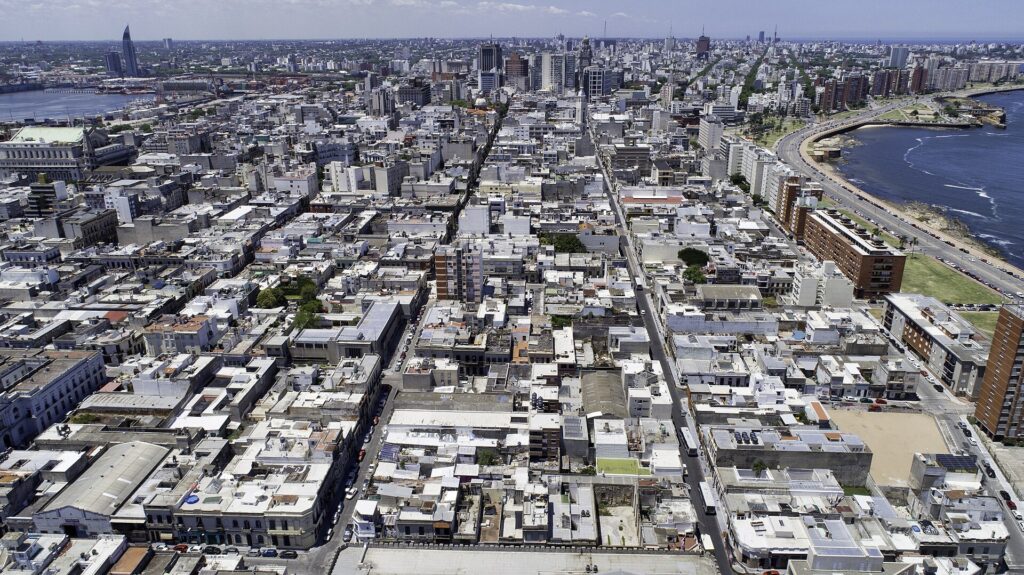
Yes – Uruguay is a safe destination for most travelers. Be cautious of petty theft in Montevideo, especially in crowded areas.
Uruguay has a low overall risk level, making it one of the safest countries in South America. Petty theft is the primary concern, particularly in Montevideo, where the crime rating is moderate. Violent crime against tourists is uncommon, and the beach and ranch circuits are generally calm. Travelers can expect a welcoming atmosphere with minimal safety worries compared to neighboring countries.
While most areas are safe, be aware that Montevideo has regions to avoid due to higher crime rates. Understanding the local landscape is crucial for a smooth trip. Solo female travelers will find Uruguay manageable, but awareness of specific scams is essential.
Key takeaways
- Avoid Montevideo’s Cerro, La Teja, Casavalle, Marconi, and Borro regions due to higher crime rates.
- Expect distraction theft at ATMs and cafés; stay alert in crowded areas.
- Road safety is moderate, with 14 deaths per 100,000 people; drive cautiously.
- Counterfeit currency is a risk; only exchange money at reputable places.
- Know that Uruguay has a high LGBTQ+ legal status, making it welcoming for all travelers.
Uruguay at a glance: a low overall risk
Low risk
With a low risk level, tourists can generally explore Uruguay with confidence.
Government travel advisories
The following table outlines the official positions of major governments regarding travel to Uruguay.
| Authority | Advisory |
|---|---|
| UK FCDO | Exercise normal precautions; petty crime is a concern in urban areas. |
| US State Department | Exercise normal precautions, or Level 2 depending on the source, due to rising violent crime in specific Montevideo neighbourhoods. |
| Australia Smartraveller | Exercise normal safety precautions; petty crime is a risk. |
| Auswärtiges Amt | Check the U.S. State Department’s current advisory before you travel. |
| Nederland Wereldwijd | Check the UK FCDO’s current advisory before you travel. |
Regions to avoid
These are the official no-go or advisory zones in Uruguay.
- Montevideo – Cerro: US and UK advisories flag Cerro, along with several other Montevideo neighborhoods, for higher rates of violent crime.
- La Teja: Higher rates of robbery than central Montevideo; avoid after dark.
- Casavalle: Higher rates of robbery than central Montevideo; avoid after dark.
- Marconi: Higher rates of robbery than central Montevideo; avoid after dark.
- Borro: Higher rates of robbery than central Montevideo; avoid after dark.
Where crime concentrates in Uruguay
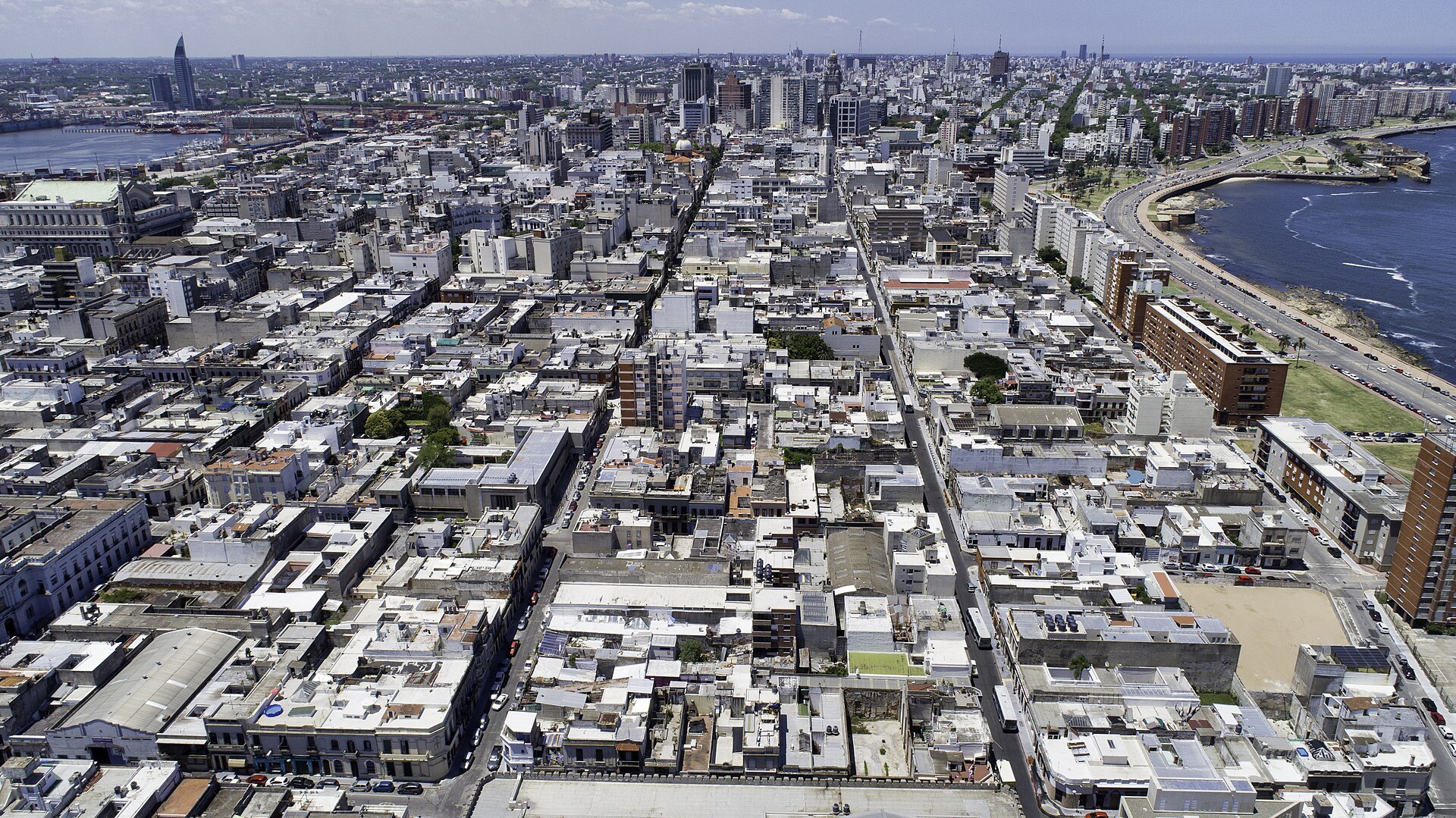
Petty crime is moderate in Uruguay, while violent crime remains moderate but rare against tourists. The Numbeo index is 65.4, indicating a manageable risk level. Opportunistic theft is the main concern, particularly in urban areas.
Common petty crimes include bag-snatching by motorbike riders, pickpocketing on public transport, and distraction theft in crowded areas like ATMs and cafés. Tourists should be particularly cautious in busy streets and markets where these tactics are prevalent.
Violent crime against tourists is uncommon, with incidents primarily occurring in specific neighborhoods. Montevideo’s Cerro, La Teja, Casavalle, Marconi and Borro see higher rates of violence than central Montevideo, but these are generally avoided by tourists.
Scams that target tourists
Scams are the most common tourist issue in Uruguay, often involving distraction techniques rather than violence.
| Scam | How it works | Red flag |
|---|---|---|
| Distraction theft at ATMs and cafés | Scammers create a distraction while an accomplice steals your belongings at ATMs or cafés. Be wary of sudden commotion nearby. | If someone approaches you with urgency, stay alert and keep your belongings close. |
| Unmarked taxi overcharging | Unlicensed taxis may approach you, offering rides at inflated prices, especially from airports or tourist spots. Always use official taxi services. | If a taxi driver quotes a fare before you enter, confirm it is a metered taxi. |
| Counterfeit currency | Some vendors may give you counterfeit bills as change, especially in markets. Familiarize yourself with local currency to spot fakes. | If a bill feels off or has unusual markings, refuse it and ask for legitimate currency. |
| Express kidnapping (rare but reported) | Though rare, some tourists have been briefly kidnapped for ransom while in urban areas. Stay aware of your surroundings, especially at night. | Avoid isolated areas and always travel in groups or use trusted transport. |
Where to stay and where to skip
Safer areas to base in
- Pocitos – well-established neighbourhood with good restaurants and beach access.
- Ciudad Vieja – The historic district, known for its culture and safety.
- Carrasco – An upscale neighborhood with a calm atmosphere.
Areas to avoid
- Montevideo – Cerro – High crime rates; avoid for safety.
- La Teja – Known for violence; not recommended for tourists.
- Casavalle – High crime area; best to steer clear.
- Marconi – Elevated crime risk; avoid at all costs.
- Borro – Safety concerns; not suitable for visitors.
Who Uruguay is safer, and riskier, for
Safety in Uruguay varies based on who you are. The women’s and LGBTQ+ ratings are derived from official indices and laws, while the rest reflect the overall risk picture. Understanding these nuances helps you navigate the country more effectively.
Uruguay ranks 47th in women’s safety, indicating moderate risk for solo female travelers. Petty crime exists, particularly in urban areas, but violent crime against women is uncommon.
Watch for
- Avoid Montevideo’s Cerro and La Teja districts.
- Use registered taxis to prevent overcharging.
- Dress conservatively to blend in with locals.
Same-sex marriage is legal in Uruguay, reflecting a generally accepting environment for LGBTQ+ travelers. Public displays of affection are usually tolerated, especially in urban areas.
Watch for
- Avoid public affection in conservative neighborhoods.
- Be aware of local attitudes in rural areas.
- Know that discrimination can occur, but is rare.
Uruguay is family-friendly, with a low overall risk and good medical facilities available. Petty crime can occur near tourist spots, but the environment is generally safe for children.
Watch for
- Ensure safe drinking water; tap water is safe.
- Monitor children in crowded areas to prevent pickpocketing.
- Choose accommodations in safe districts like Punta del Este.
Road risk in Uruguay is moderate, with 14 deaths per 100,000 people. Self-driving is common and generally safe on the main coastal routes between Montevideo, Punta del Este and Colonia; roads are in good condition. Use rideshare services or metered taxis in the city. An International Driving Permit (IDP) is required. Tourist-facing police bribery is uncommon; carry a copy of your IDP and passport regardless.
Watch for
- Learn about distraction thefts at ATMs.
- Stay in well-populated areas to feel secure.
Older travelers will find Uruguay manageable, with low crime rates and accessible medical care. The risk of pickpocketing exists, but it is generally safe to explore.
Watch for
- Be cautious of distraction scams in busy areas.
- Locate good hospitals in Montevideo for emergencies.
- Choose walkable neighborhoods with low traffic.
Roads and getting around Uruguay
Getting around safely
Road risk in Uruguay is moderate, with 14 deaths per 100,000 people. Self-driving is not recommended due to road conditions and traffic behavior. Use rideshare services or metered taxis for safer travel. An International Driving Permit (IDP) is recommended, and be cautious of potential police bribery at traffic stops; carry a copy of your IDP and passport.
Health and natural hazards
Tap water in Uruguay is safe to drink, but avoid ice from untrusted sources. Street food is generally safe if you choose busy stalls with high turnover. Raw seafood can pose risks, so opt for cooked dishes to prevent stomach issues. Common stomach problems may arise from unfamiliar foods, so eat cautiously.
Laws and conduct that catch tourists out
Drug trafficking carries 4 to 15 years’ imprisonment; Uruguay has no death penalty for any crime, it is banned by the constitution. Personal possession of small quantities is not a criminal offense. Cannabis is legal and state-regulated (Law 19.172), but the legal purchase routes (pharmacy, home growing, cannabis clubs) are restricted to Uruguayan citizens and legal residents registered with the IRCCA. Tourists cannot legally buy or be sold cannabis, and public consumption remains prohibited.
Photography of military sites is prohibited, with fines for violations. Dress modestly at religious sites, covering shoulders and knees. Avoid public displays of affection, as they may be frowned upon.
Emergency numbers for Uruguay
For emergencies, contact the police or ambulance services using the numbers listed below. There is no tourist police, so use these contacts for any incidents.
- Move to a safe public place.
- Call the police using the number below.
- Report the theft to your insurance provider.
- Do not pay any additional fees.
- Ask for a receipt if you feel pressured.
- Report the scam to the police using the number below.
- Stay calm and do not admit guilt.
- Ask for a translator.
- Request your embassy for assistance.
- Seek treatment at a private hospital if possible.
- Call the ambulance using the number below.
- Notify your travel insurance provider.
Embassies and consulates
- US – Montevideo · +598 1770 2000
- UK – Montevideo · +598 2622 3630
- AU – Montevideo · +598 2901 0743
- DE – Montevideo · +598 2902 5222
- FR – Montevideo · +598 1705 0000
Medical care and costs
Uruguay has a strong mixed public/private healthcare system; the British Hospital (Hospital Británico) in Montevideo is the option most recommended for English-speaking foreigners. Smaller towns may have more basic facilities. Opt for a private mutualista for better care where possible.
- Médica Uruguaya (Montevideo) · +598 2487 1818
- Asociación Española Primera de Socorros Mutuos (Montevideo) · +598 1920
- The British Hospital (Hospital Británico) (Montevideo) · +598 2487 1020
- Hospital de Clínicas Dr. Manuel Quintela (Montevideo) · +598 2487 1515
Emergency visits at private hospitals range from $50-150, while inpatient stays cost $150-400 per night. These costs can add up quickly, making travel insurance essential to cover unexpected medical expenses and evacuations, especially given the high costs of care in private facilities.
Travel insurance for peace of mind
Heymondo covers theft, medical emergencies and evacuation, the things this page prepares you for. Our link applies a 5% discount automatically.
Uruguay FAQ: nighttime safety
1Is Uruguay safe to visit at night?
Yes, but exercise caution in certain areas. Regions like Montevideo’s Cerro and La Teja have higher crime rates, so avoid them after dark.
2Is Uruguay safe for solo female travelers?
Yes, but stay aware of your surroundings. The women’s safety rank is moderate, indicating some caution is advised, especially in less populated areas.
3Can you drink the tap water in Uruguay?
Yes, tap water is safe to drink throughout the country. This is a significant advantage for travelers, as it reduces the need to buy bottled water.
4Is it safe to drive in Uruguay?
Yes, driving is generally safe, but be cautious of road conditions. The road death rate is moderate at 14 deaths per 100,000, so stay alert.
5Which areas of Uruguay should I avoid?
Avoid Montevideo’s Cerro, La Teja, Casavalle, Marconi, and Borro. These regions have higher crime rates and are best left unexplored.
6Are there any common scams in Uruguay?
Yes, be wary of distraction theft at ATMs and cafés. These scams are reported frequently and can catch travelers off guard.
7What should I do if I lose my passport in Uruguay?
Report the loss to the police immediately. Then, contact your embassy for assistance with replacement documents.
Some links on this page are affiliate links. We may earn a small commission at no extra cost to you when you use them.
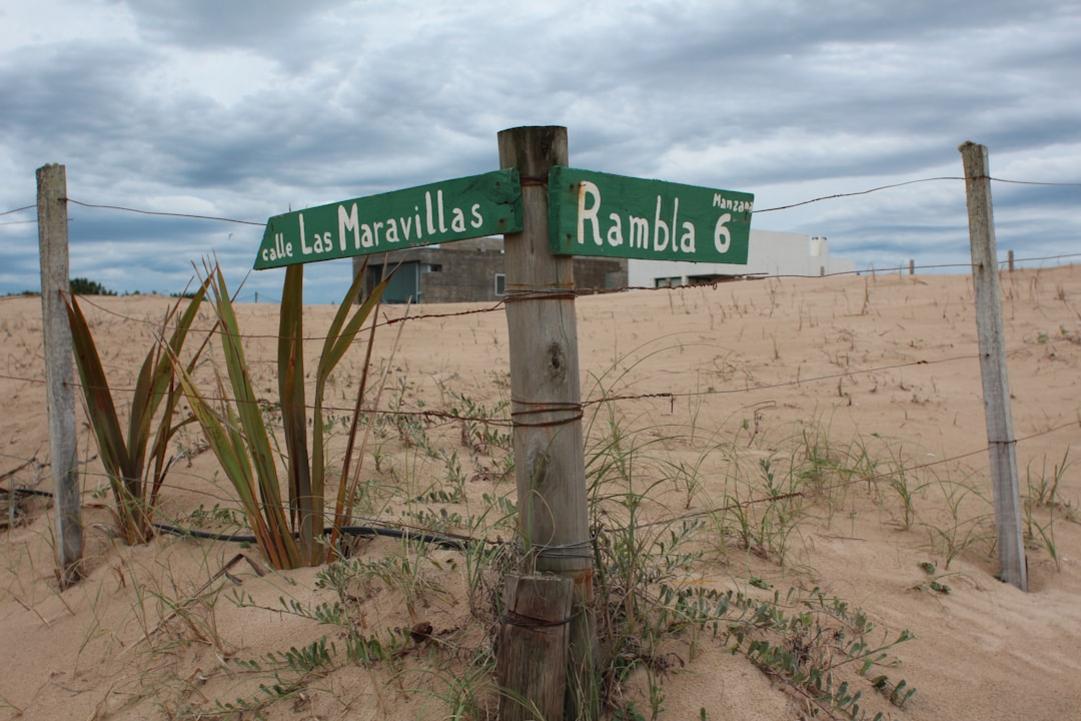
Hero image: Fedaro (CC BY-SA 4.0), via Wikimedia Commons. Other photos via Unsplash and Wikimedia Commons.