


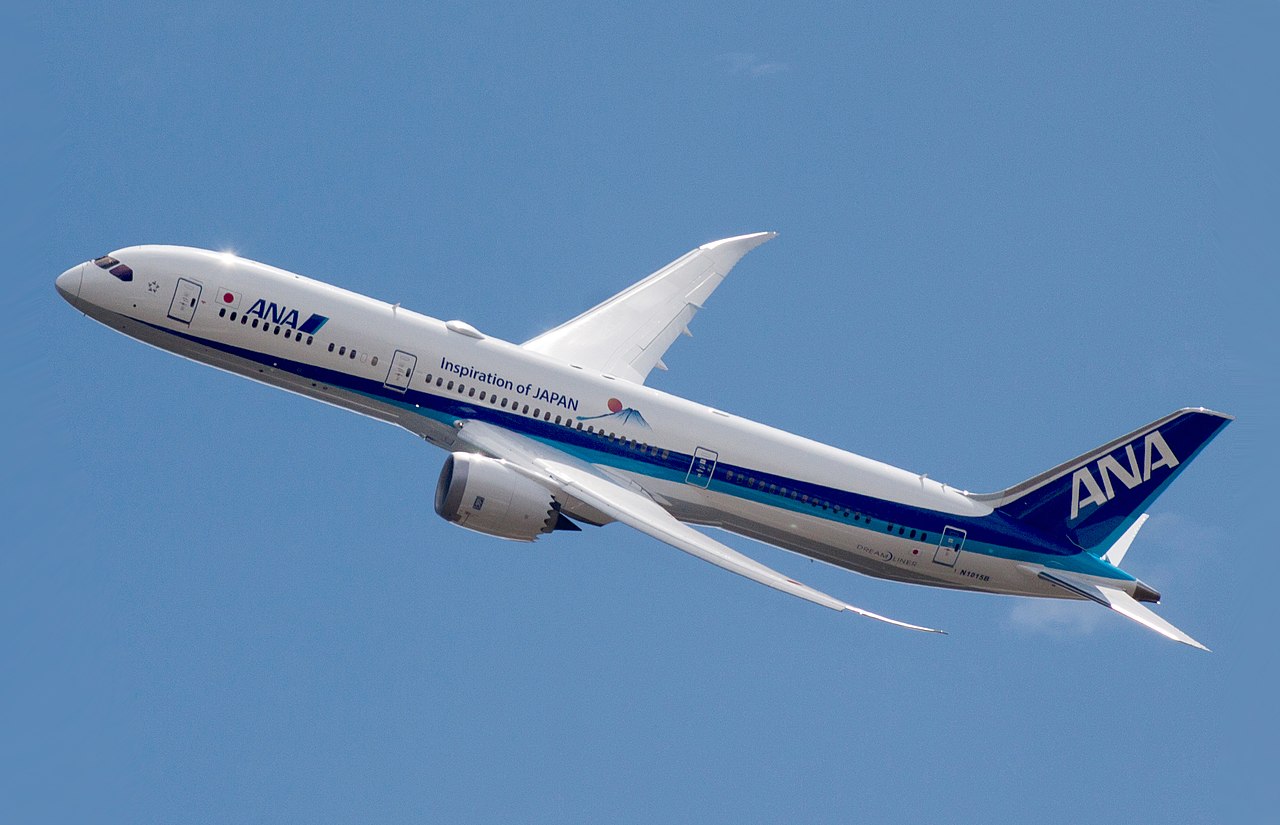
Turbulence is caused by uneven air movement: rising heat from the ground, fast-moving jet stream air, wind flowing over mountains, storms, and the wake left by other aircraft. It feels dramatic but is not dangerous to the aircraft, which is built to flex through far more than passengers ever experience. The real risk is being unbelted when it hits, which is why crews ask you to keep your seatbelt fastened.
What turbulence actually is
Turbulence is nothing more than the aircraft passing through air that is moving unevenly. Air is a fluid, and like water it has currents, waves and swirls. When the plane crosses a boundary between air moving at different speeds or in different directions, it gets pushed around, and you feel that as bumps, drops and shudders. The aircraft is not falling or failing. It is riding chop, exactly as a boat rides a wake.
What makes it feel worse than it is comes down to the unknown. You cannot see the air, so a jolt arrives without warning and your brain fills the gap with alarm. Once you can name what type of turbulence you are in and why it is there, the same bump reads as ordinary weather rather than a threat.
The main types of turbulence
Not all turbulence has the same cause, and knowing the source explains why it starts and stops when it does.
| Type | What causes it |
|---|---|
| Thermal (convective) | Warm air rising off the ground on a hot day, common on climb and descent over land |
| Clear-air turbulence | Sharp changes in wind speed near the jet stream, at cruising altitude, with no cloud to warn of it |
| Mountain wave | Air flowing over mountain ranges and rippling downwind, which can reach far beyond the peaks |
| Storm turbulence | Strong up and down drafts inside and around thunderstorms, which pilots steer well clear of |
| Wake turbulence | The swirling air left behind a larger aircraft, most noticeable near airports during takeoff and landing |
Clear-air turbulence is the type that surprises people, because it strikes at cruise with no cloud in sight. It is also the main reason crews advise keeping your belt fastened even when the sky looks calm and the sign is off. Storm turbulence, by contrast, is visible and forecast, so pilots plan around it long before you feel it.

Is turbulence dangerous
For the aircraft, no. Wings are engineered to flex and absorb loads far beyond anything routine turbulence produces, and the structure is tested to margins most passengers would find hard to believe. Turbulence has effectively never brought down a modern airliner in normal operations. Pilots treat it as a comfort and a workload issue, not a safety emergency.
The genuine risk is to people and objects that are not secured. Almost every turbulence injury involves someone standing, or unbelted, when unexpected turbulence hits. That is the entire reason for the seatbelt advice, and it is worth taking seriously. Belt on, turbulence is a rough patch. Belt off, it is the one way it can actually hurt you.
What pilots do about it
Turbulence is something crews manage constantly and calmly. They receive forecasts and live reports of rough air, and they plan routes and altitudes to avoid the worst of it. In flight, they can request a different altitude to find smoother air, slow to a designated turbulence-penetration speed that eases the loads, and switch on the seatbelt sign ahead of expected chop.
What they do not do is worry that the aircraft cannot take it. The slowing and the altitude changes are about your coffee staying in its cup and nobody being thrown around, not about the plane’s integrity. Understanding that the crew is optimizing for comfort, not survival, reframes the whole experience.
Time your trip for calmer skies
Storm-season turbulence is more common in some months than others. See when each destination flies smoothest before you book.
How to feel better through it
If turbulence unsettles you, a few practical choices make it far more bearable.
- Sit over the wing. It is near the aircraft’s center of gravity, where motion is felt least. The rear of the cabin moves the most, so choosing the right seat genuinely helps.
- Keep your seatbelt fastened always. It removes the only real risk and lets you relax into the bumps instead of bracing against them.
- Breathe slowly. A long exhale calms the physical panic response faster than trying to reason with it.
- Fly earlier in the day where you can. Thermal turbulence builds as the ground heats up, so morning flights over land are often smoother.
Turbulence is one of aviation’s most reliable false alarms: loud, physical, and almost entirely harmless. If it is part of a broader nervousness about flying, our guide on overcoming a fear of flying works through the rest.
FAQ
01What causes turbulence on a plane?
Uneven air movement: warm air rising off the ground, fast jet-stream winds, air flowing over mountains, thunderstorms, and the wake of other aircraft. The plane crosses a boundary between air moving at different speeds and you feel the bumps.
02Is turbulence dangerous?
Not to the aircraft, which is built to flex through far more than routine turbulence produces. The only real risk is to people who are unbelted or standing when it hits, which is why crews ask everyone to keep their seatbelt fastened.
03Can turbulence flip or crash a plane?
No. Routine turbulence cannot flip or bring down a modern airliner. Aircraft are engineered and tested to margins far beyond the loads turbulence imposes, and pilots avoid the strongest turbulence, around storms, entirely.
04What is clear-air turbulence?
Turbulence caused by sharp wind-speed changes near the jet stream at cruising altitude, with no cloud to signal it. Because it can arrive without warning in a clear sky, it is the main reason crews advise keeping your seatbelt fastened even when the sign is off.
05Where is turbulence felt least on a plane?
Over the wing, near the aircraft’s center of gravity. The tail moves the most, so seats toward the rear feel turbulence most strongly. Nervous flyers should choose a seat forward of or directly over the wing.
06Are morning flights less bumpy?
Often, over land. Thermal turbulence builds as the sun heats the ground through the day, so early flights tend to be smoother. This does not affect jet-stream or storm turbulence, but for heat-driven bumps an earlier departure can help.
Image credits: Boeing 787: pjs2005 from Hampshire, UK / Wikimedia Commons (CC BY-SA 2.0). Cumulonimbus cloud: NOAA/AOML/Hurricane Research Division / Wikimedia Commons (Public domain). Airliner cockpit: Kārlis Dambrāns from Latvia / Wikimedia Commons (CC BY 2.0).


