



The roar of a tiger echoes through the dense jungle as you navigate the trails.
Ranthambore and Kaziranga anchor these 15 best national parks in India, picked from the country’s 106 for how easy they are to reach and how much they reward the trip. Tigers and one-horned rhinos headline the list, and these parks are essential for any wildlife enthusiast in India.
This guide evaluates each park’s wildlife potential and visitor experience, addressing access rules, permits, and crowding to help plan your adventure.
Key Takeaways
- Book Ranthambore’s Tala zone safari 3 months in advance.
- Visit Kaziranga between Nov-Mar for best wildlife sightings.
- Expect crowds in Bandhavgarh; plan morning safaris.
- Secure permits for Great Himalayan National Park early.
- Hemis offers the best chance to see snow leopards.
- Valley of Flowers is open mid-July to mid-August only.
- Hire local guides for accurate wildlife tracking.
- Check safari timings; early slots yield better sightings.
Which of these parks are actually worth your time?
Prioritize Ranthambore and Kaziranga for their high wildlife density and iconic species. Bandhavgarh is also notable for tiger sightings, but requires advanced planning for the best experience. Skip the Valley of Flowers unless you’re specifically interested in its unique flora, and consider the Sundarbans only if you’re prepared for low tiger sighting odds.

Park Overview
This table summarizes key details for each of these 15 picks.
| Park | Region | Size (km2) | Best months | Crowds | Verdict |
|---|---|---|---|---|---|
| Ranthambore National Park | – | 1334 | Nov-Mar | crowded | Anchor your trip here |
| Kaziranga National Park | – | 430 | Nov-Mar | moderate | Anchor your trip here |
| Jim Corbett National Park | – | 1288 | Nov-Mar | moderate | Worth a detour |
| Periyar National Park | – | 777 | Nov-Mar | moderate | Worth a detour |
| Bandhavgarh National Park | – | 716 | Oct-Apr | crowded | Worth a detour |
| Kanha National Park | – | 940 | Nov-Apr | moderate | Worth a detour |
| Sundarbans National Park | – | 1330 | Nov-Feb | moderate | Skip unless nearby |
| Gir National Park | – | 1412 | Dec-May | crowded | Worth a detour |
| Valley of Flowers National Park | – | 87.5 | Jul-Aug | moderate | Skip unless nearby |
| Hemis National Park | – | 4400 | Jan-Mar | quiet | Worth a detour |
| Great Himalayan National Park | – | 1171 | Apr-Jun, Sep-Oct | quiet | Worth a detour |
| Bandipur National Park | – | 874 | Oct-Apr | crowded | Skip unless nearby |
| Manas National Park | – | 950 | Nov-Mar | quiet | Worth a detour |
| Keoladeo National Park (Bharatpur) | – | 29 | Nov-Mar | moderate | Worth a detour |
| Khangchendzonga National Park | – | 1784 | Mar-May, Oct-Nov | quiet | Worth a detour |
Where these parks are
Explore India’s Premier National Parks for Wildlife Encounters
These 15 national parks are profiled and rated here, focusing on the iconic species that define each experience. This guide is tailored for budget-conscious solo travelers seeking thrilling wildlife encounters without the commercial fluff. Parks are judged on their wildlife density and the realistic chances of seeing signature species.
Ranthambore National Park
Verdict
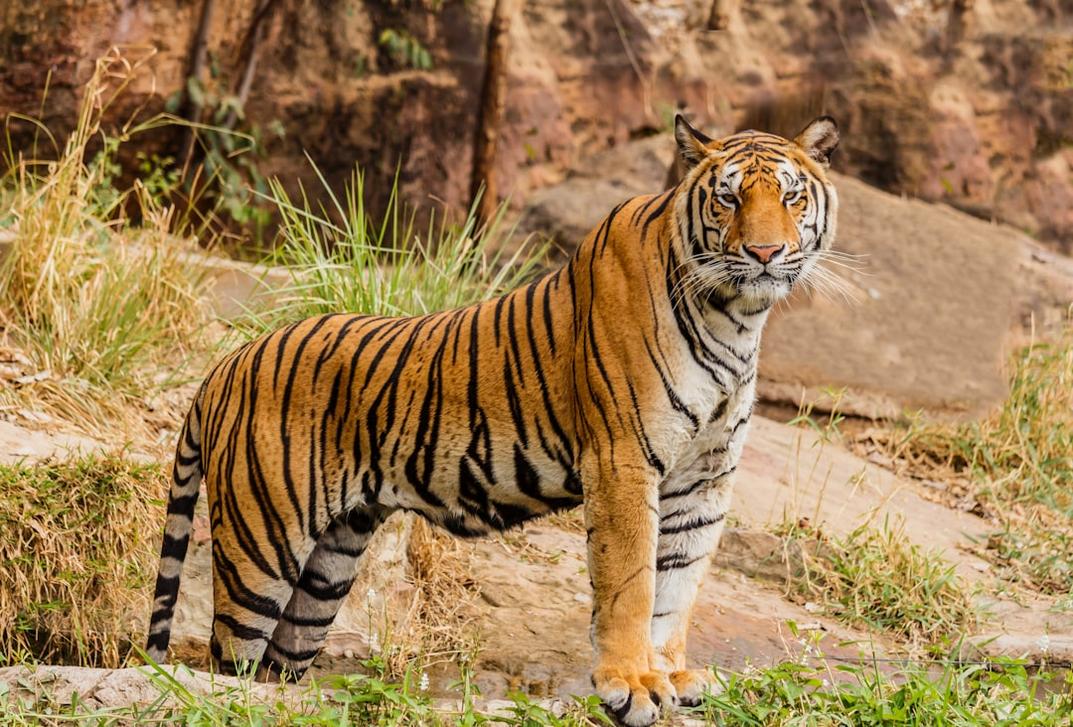
Ranthambore is essential for those seeking tiger sightings, especially from November to March. The presence of Ranthambore Fort adds a unique historical element, but expect crowds during peak season.
Ranthambore stands out for its combination of tiger spotting and historical ruins. The landscape features a mix of dry deciduous forests and open grasslands, creating prime habitats for tigers. Early morning jeep safaris through the Raj Bagh Lake circuit significantly increase your chances of spotting these big cats.
Located in Rajasthan, this park is easily accessible from nearby towns. It can get crowded, so aim for a weekday visit and start your safari at dawn for the best experience. Be aware that summer months bring extreme heat, causing animals to retreat and trails to become less accessible.
- Area: 1334 km2
- Best time: November to March
- Crowds: crowded
Wildlife to look for: Bengal tiger · leopard · sloth bear · wild boar
What to do: Take a jeep safari · Explore the Raj Bagh Lake Circuit · Visit Ranthambore Fort · Join a guided nature walk
Why it earns the detour:
- Best tiger sightings from November to March
- Ranthambore Fort offers a historical backdrop
- Raj Bagh Lake attracts big cats
- Leopards and sloth bears increase wildlife diversity
- Easy access from nearby towns for day trips
Insider tip
Book your jeep safari three months in advance to secure a spot in the best Tala zone.
Kaziranga National Park
Verdict
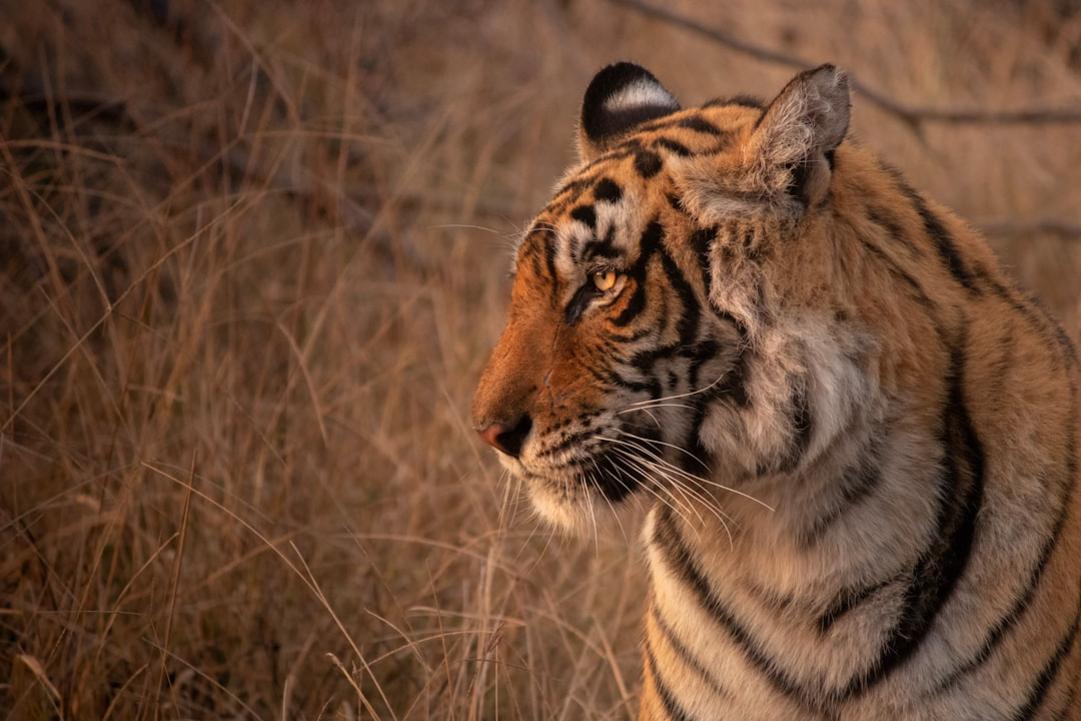
Kaziranga is a must for wildlife enthusiasts, particularly for its one-horned rhinos and diverse ecosystem. Opt for elephant safaris for the best close-up experiences, but be prepared for moderate crowds.
As a UNESCO World Heritage site, Kaziranga is renowned for protecting a significant population of one-horned rhinos. The park’s wetlands and grasslands provide a unique habitat where tigers and elephants coexist. Elephant safaris offer intimate views of rhinos, especially during the peak season from November to March.
Located in Assam, Kaziranga is easily accessible from nearby towns. The park experiences moderate crowds, especially during the peak months, so plan your visit early in the day for the best wildlife encounters. Avoid monsoon season when flooding can disrupt access and visibility.
- Area: 430 km2
- Best time: November to March
- Crowds: moderate
Wildlife to look for: one-horned rhino · Bengal tiger · Asian elephant · wild water buffalo
What to do: Take an elephant safari · Join a jeep safari · Explore the wetlands · Birdwatching in the grasslands
Why it earns the detour:
- Home to the world’s largest population of one-horned rhinos
- Tigers are present but sightings are less common
- Elephant safaris provide unique rhino viewing opportunities
- UNESCO World Heritage site with significant ecological value
- Easy access from Kohora and Bokakhat for accommodations
Insider tip
Book an elephant safari for the most intimate rhino encounters.
Jim Corbett National Park
Verdict
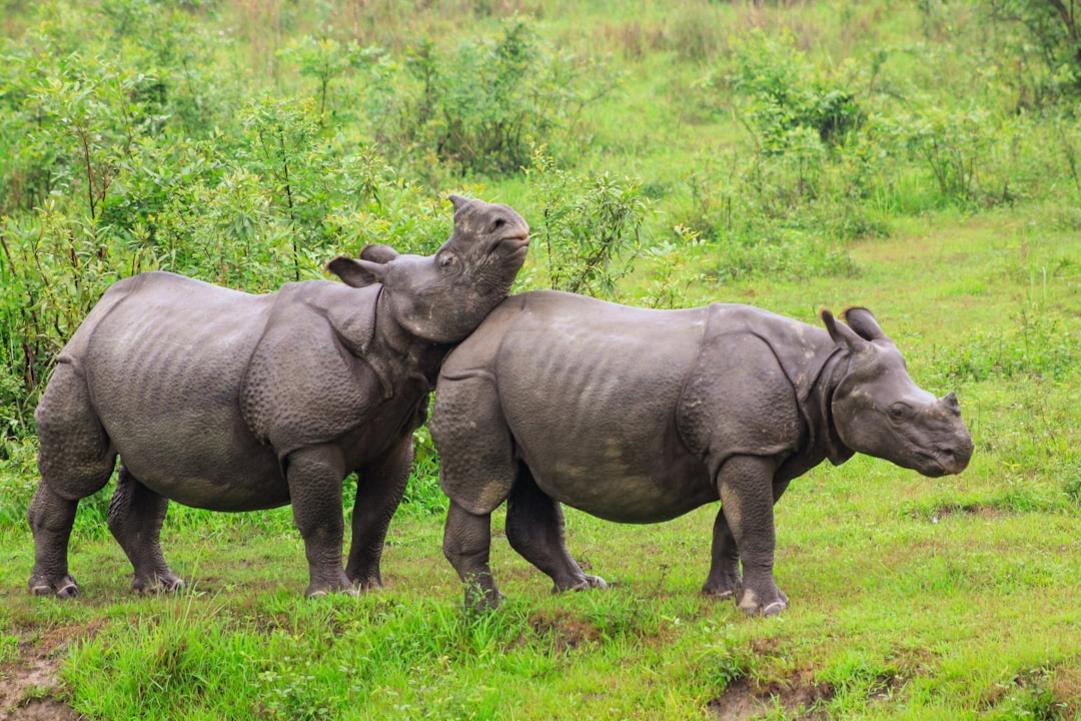
Jim Corbett is ideal for those wanting to see Bengal tigers in India’s oldest tiger reserve. It’s accessible from Delhi but expect moderate crowds, especially during peak season.
As India’s first tiger reserve, Jim Corbett offers a rich biodiversity along the Ramganga river. The park’s varied landscapes, including grasslands and riverbanks, provide habitats for tigers, leopards, and elephants. Jeep safaris in zones like Bijrani and Dhikali offer the best chances for wildlife encounters from November to March.
Located in Uttarakhand, the park is around 250 km from Delhi, making it a feasible trip for city dwellers. Moderate crowds can be expected during peak months, so consider visiting on weekdays. Avoid the monsoon season when trails can flood, halting safaris.
- Area: 1288 km2
- Best time: November to March
- Crowds: moderate
Wildlife to look for: Bengal tiger · leopard · wild elephant · crocodile
What to do: Join a jeep safari in Bijrani · Explore the Dhikala River Trail · Birdwatching along the river · Visit the Ramganga riverbanks
Why it earns the detour:
- Bengal tigers are the main attraction in this historic reserve
- The Ramganga river enhances the park’s biodiversity
- Dhikali zone offers excellent riverside wildlife sightings
- Leopards and elephants add to the wildlife experience
- Close proximity to Delhi makes it accessible for short trips
Insider tip
Book safaris in advance to secure spots in the most popular zones.
Periyar National Park- Area: 777 km2
- Best time: November to March
- Crowds: moderate
Verdict
Periyar is perfect for those who enjoy boat safaris and want to see elephants in a scenic setting. It’s less about tigers but offers a unique experience in Kerala’s lush landscape.
Centered around Periyar Lake, this park provides opportunities to see wild elephants, tigers, and boar while enjoying the scenic beauty of the Western Ghats. Boat safaris are the highlight, allowing for close encounters with wildlife in a serene environment.
Located in Kerala, Periyar is accessible from Thekkady town. Moderate crowds can be expected, especially during peak months from November to March. Avoid visiting during the monsoon season when the lake may overflow and disrupt boat safaris.
- Area: 777 km2
- Best time: November to March
- Crowds: moderate
Wildlife to look for: wild elephant · Bengal tiger · wild boar · Malabar grey hornbill
What to do: Take a boat safari on Periyar Lake · Join the guided tiger trail trek · Explore spice plantations nearby · Birdwatching along the lake
Why it earns the detour:
- Boat safaris offer the best chances to see elephants
- Guided tiger trail trek provides a different perspective
- Nearby spice plantations enhance the experience
- The Western Ghats provide a scenic backdrop
- Cool climate makes for comfortable exploration
Insider tip
Consider combining your visit with a tour of nearby spice plantations for a full experience.
Bandhavgarh National Park- Area: 716 km2
- Best time: October to April
- Crowds: crowded
Verdict
Bandhavgarh boasts the highest density of tigers in India, making it a prime destination for serious wildlife watchers. However, advanced booking is essential for the best safari zones.
Known for its high tiger density, Bandhavgarh offers a compelling experience for wildlife enthusiasts. The park’s three zones provide various opportunities for tiger sightings, particularly in the Tala zone, which is renowned for its high success rate.
Situated in Madhya Pradesh, Bandhavgarh is accessible but requires advance booking for safaris, especially in the sought-after Tala zone. The park is closed during the monsoon season from July to September, so plan accordingly.
- Area: 716 km2
- Best time: October to April
- Crowds: crowded
Wildlife to look for: Bengal tiger · leopard · chital · wild boar
What to do: Book a safari in the Tala zone · Explore the Magdhi zone · Visit Bandhavgarh Fort · Join a guided nature walk
Why it earns the detour:
- Highest density of Bengal tigers in India
- Tala zone offers the best tiger sightings
- Magdhi zone provides a different wildlife experience
- Bandhavgarh Fort ruins add historical interest
- Advance booking is crucial for the best experience
Insider tip
Book your safari three months ahead to secure a spot in the Tala zone for the best tiger sightings.
Kanha National Park- Area: 940 km2
- Best time: November to April
- Crowds: moderate
Verdict
Kanha is a strong choice for those seeking a well-rounded wildlife experience with a chance to see tigers and unique barasingha. Expect moderate crowds but great scenery.
Kanha offers a rich wildlife experience with its sal forests and meadows. While it has a lower tiger density compared to Bandhavgarh, the park is home to significant populations of barasingha (swamp deer) and other wildlife, making it a compelling destination.
Located in Madhya Pradesh, Kanha is accessible but requires advance booking for safaris. The park is closed from July to mid-October, so plan your visit accordingly. Moderate crowds can be expected during peak months, especially from November to April.
- Area: 940 km2
- Best time: November to April
- Crowds: moderate
Wildlife to look for: Bengal tiger · barasingha · dhole · leopard
What to do: Book a safari in Kanha zone · Explore Kisli zone · Birdwatching in the meadows · Join a guided nature walk
Why it earns the detour:
- Kanha is the inspiration for Kipling’s Jungle Book
- Significant populations of barasingha are a unique draw
- Diverse habitats enhance wildlife viewing
- Moderate crowds allow for a pleasant experience
- Advance booking is necessary during peak season
Insider tip
Book at least two safaris for a realistic chance of tiger sightings.
Sundarbans National Park- Area: 1330 km2
- Best time: November to February
- Crowds: moderate
Verdict
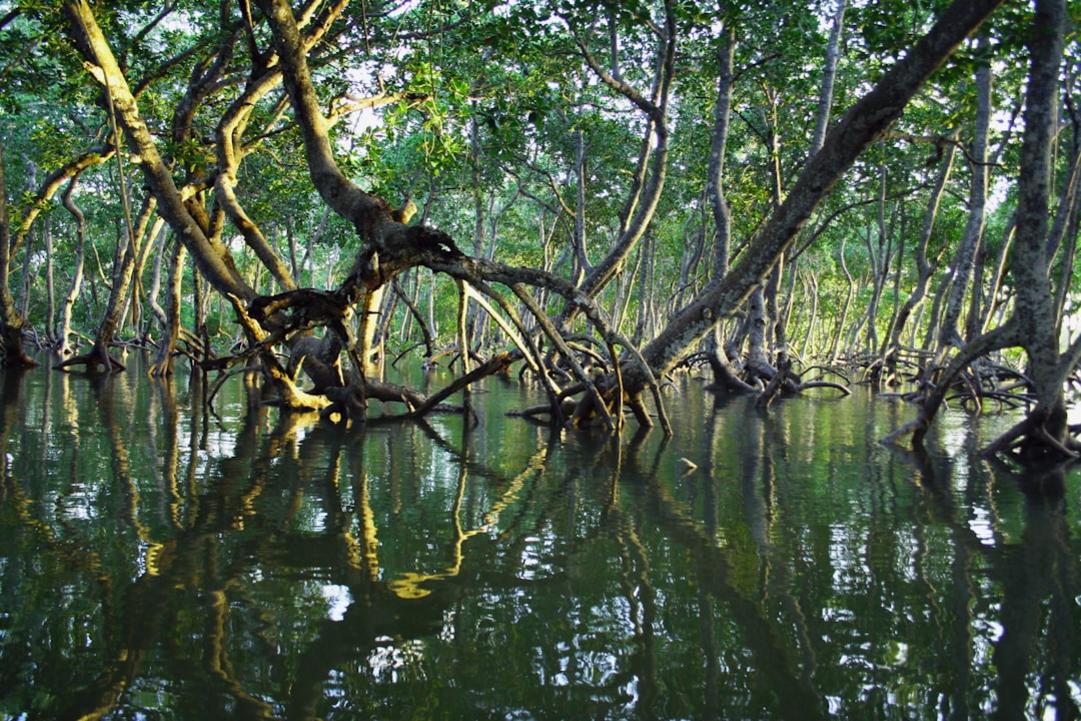
Sundarbans is for those ready to manage expectations – tiger sightings are rare, but the boat journey through the mangroves offers a unique experience. Only go if you’re prepared for low odds.
As a UNESCO World Heritage site, Sundarbans is known for its vast mangrove forests and the elusive Royal Bengal tiger. The park is primarily experienced through boat trips, which provide a different perspective on wildlife, including crocodiles and diverse bird species.
Located in West Bengal, Sundarbans is only accessible by boat, requiring a 2-3 day trip from nearby towns. Expect moderate crowds, especially during peak months from November to February. Be aware that tiger sightings are rare, so manage your expectations.
- Area: 1330 km2
- Best time: November to February
- Crowds: moderate
Wildlife to look for: Royal Bengal tiger · crocodile · dolphin · 250+ bird species
What to do: Take a boat trip through the mangroves · Birdwatching in the delta · Explore the unique mangrove ecosystem · Join a guided nature tour
Why it earns the detour:
- Rare sightings of the Royal Bengal tiger make this park unique
- Boat journeys provide a unique way to explore the mangroves
- Home to a diverse range of wildlife, including many bird species
- UNESCO World Heritage site with ecological significance
- Manage expectations for tiger sightings; they are very low
Insider tip
Prepare for low tiger sighting odds and focus on the unique mangrove ecosystem instead.
Gir National Park- Area: 1412 km2
- Best time: December to May
- Crowds: crowded
Verdict
Gir is the only place to see wild Asiatic lions, making it essential for wildlife enthusiasts. However, securing the right permit is crucial for a successful visit.
Gir National Park is renowned for being the last refuge of the Asiatic lion. The park’s dry deciduous forests and diverse ecosystems provide a unique opportunity to observe these majestic creatures in their natural habitat.
Located in Gujarat, Gir is accessible but requires advance booking for safari permits. The park is closed from June to mid-October, so plan your visit accordingly. Expect crowds, especially during peak season from December to May.
- Area: 1412 km2
- Best time: December to May
- Crowds: crowded
Wildlife to look for: Asiatic lion · leopard · chital · wild boar
What to do: Join a safari to see Asiatic lions · Explore the surrounding dry deciduous forests · Birdwatching in the park · Visit nearby Devalia Safari Park for guaranteed sightings
Why it earns the detour:
- The only place on earth to see wild Asiatic lions
- Diverse ecosystems enhance wildlife viewing
- Advance booking is crucial for safari permits
- Leopards and other wildlife add to the experience
- Expect crowds during peak season; book early
Insider tip
Get the real Gir safari permit instead of opting for the fenced Devalia version for guaranteed sightings.
Valley of Flowers National Park- Area: 87.5 km2
- Best time: July to August
- Crowds: moderate
Verdict
Skip this park unless you’re a dedicated flower enthusiast with time for the narrow window of mid-July to mid-August.
This UNESCO alpine valley in Uttarakhand bursts with over 600 flower species during its brief blooming season. The trek from Ghangaria is a challenging 6 km uphill, keeping day-trippers at bay. Expect a colorful display that can only be fully appreciated at peak bloom.
Located at a high altitude of 3,500 meters, access is limited to June through October. The park gets moderate crowds, so arrive early to secure a good spot. Be cautious of the steep ascent and the potential for sudden weather changes.
- Area: 87.5 km2
- Best time: July to August
- Crowds: moderate
Wildlife to look for: Himalayan blue poppy · Snow leopard · Musk deer · Himalayan tahr
What to do: Trek from Ghangaria · Photography of wildflowers · Birdwatching · Explore nearby Hemkund Sahib
Why it earns the detour:
- The park’s unique flora is a major draw, especially during the peak blooming season.
- The trek offers a rewarding challenge for fit hikers.
- Nearby Hemkund Sahib adds cultural significance to your visit.
- Permits are required, so plan ahead to avoid delays.
- Camping is prohibited, ensuring the park’s preservation.
Insider tip
Arrive at opening time to avoid crowds and secure the best views.
Hemis National Park- Area: 4400 km2
- Best time: January to March
- Crowds: quiet
Verdict
This park is essential for snow leopard seekers; book a winter tracking trip for the best chance of sightings.
Hemis National Park is the largest in South Asia, offering the best odds of encountering wild snow leopards during winter months. The rugged terrain and high altitude create a unique trekking experience, ideal for those seeking adventure in Ladakh.
Located at elevations up to 4,400 km2, the park remains quiet, especially in winter. Reachable from Rumbak or Ulley villages, expect to spend about 10 days for a comprehensive tracking trip. Be prepared for extreme weather conditions.
- Area: 4400 km2
- Best time: January to March
- Crowds: quiet
Wildlife to look for: Snow leopard · Himalayan ibex · Tibetan antelope · Golden eagle
What to do: Winter snow leopard tracking · High-altitude trekking · Wildlife photography · Cultural visits to local villages
Why it earns the detour:
- The park is renowned for its snow leopard population, making it a prime destination for wildlife enthusiasts.
- Local homestays provide an authentic experience and support conservation efforts.
- The stunning landscapes are a photographer’s dream.
- Winter visits offer solitude and a chance to see rare wildlife.
- Permits are necessary, so arrange them through local operators.
Insider tip
Book with a local Rumbak operator for the best tracking experience and insights.
Great Himalayan National Park- Area: 1171 km2
- Best time: April to June, September to October
- Crowds: quiet
Verdict
Visit for its diverse wildlife and trekking opportunities, but secure permits in advance to avoid crowds.
This UNESCO World Heritage park features breathtaking biodiversity, from snow leopards to over 375 species of fauna. The trekking-only access means no vehicles, allowing for an immersive experience in nature.
Located in Himachal Pradesh, the park is accessible via permits obtained at Sai Ropa gates. Expect quiet trails, especially in May and September, when the weather is clear. Be prepared for varying elevations and the need for physical fitness.
- Area: 1171 km2
- Best time: April to June, September to October
- Crowds: quiet
Wildlife to look for: Snow leopard · Himalayan tahr · Black bear · Himalayan monal
What to do: Trekking the Tirthan Valley · Wildlife spotting · Photography · Exploring remote villages
Why it earns the detour:
- The park’s remote location offers a true wilderness experience away from tourist crowds.
- Rich biodiversity makes it a haven for wildlife enthusiasts.
- Permits help manage visitor numbers, enhancing the experience.
- The varied terrain provides multiple trekking routes for different skill levels.
- The stunning landscapes are perfect for photography and nature lovers.
Insider tip
Hire a porter from Gushaini to ease your trek and enhance your experience.
Bandipur National Park- Area: 874 km2
- Best time: October to April
- Crowds: crowded
Verdict
Prioritize a jeep safari for the best chance of seeing elephants and tigers; skip the bus for a more rewarding experience.
Bandipur National Park is known for its high density of tigers and Asian elephants, set in a dry deciduous forest. A jeep safari offers the best opportunity to spot wildlife, especially in the early morning.
Located in Karnataka, the park can get crowded, particularly during peak season. The forest department bus is less effective for wildlife viewing, so opt for a private jeep. Expect midday closures for wildlife rest.
- Area: 874 km2
- Best time: October to April
- Crowds: crowded
Wildlife to look for: Bengal tiger · Asian elephant · Indian bison · Nilgai
What to do: Jeep safari at dawn · Wildlife photography · Birdwatching · Nature walks
Why it earns the detour:
- The park’s high wildlife density makes it a prime location for spotting tigers and elephants.
- Early morning safaris yield the best sightings.
- The park’s diverse ecosystem supports a variety of wildlife.
- Opt for a jeep over the bus for a more intimate experience.
- The surrounding Nilgiri Biosphere adds to the park’s ecological significance.
Insider tip
Take the first slot of the day for your jeep safari to increase your chances of seeing elephants.
Manas National Park- Area: 950 km2
- Best time: November to March
- Crowds: quiet
Verdict
Consider this park if you’re interested in unique wildlife like golden langurs; it’s less polished than Kaziranga but worth the visit.
Manas National Park, a UNESCO World Heritage site, is located on the Bhutan border and offers a rich wildlife experience. The park is known for its golden langurs and diverse ecosystems, making it a great choice for wildlife enthusiasts.
The park is quieter than others, with fewer crowds, especially in winter months. Access is via Bansbari gate, with options for elephant safaris and 4WD rides. Be aware of potential accessibility issues during the monsoon season.
- Area: 950 km2
- Best time: November to March
- Crowds: quiet
Wildlife to look for: Golden langur · Bengal tiger · Pygmy hog · Indian rhinoceros
What to do: Elephant safari · 4WD wildlife tours · Birdwatching · Cultural experiences in nearby villages
Why it earns the detour:
- The park’s unique wildlife, including golden langurs, offers a distinct experience compared to other parks.
- It has recovered from past challenges, making it a safe and rewarding destination.
- The Bhutan-border setting adds cultural richness to your visit.
- Fewer tourists mean a more intimate wildlife experience.
- The diverse habitats support a wide range of flora and fauna.
Insider tip
Pair your visit with a crossing into Bhutan for a unique cultural experience.
Keoladeo National Park (Bharatpur)- Area: 29 km2
- Best time: November to March
- Crowds: moderate
Verdict
This park is a must for birdwatchers; hire a rickshaw-guide for the best experience.
Keoladeo National Park is a UNESCO wetland sanctuary known for its incredible bird diversity. The park is particularly vibrant during the winter months when migratory birds flock here, making it a paradise for birdwatchers.
Located in Rajasthan, the park can see moderate crowds, especially during peak birding season. Hiring a rickshaw-guide at the entrance is highly recommended; they are knowledgeable and enhance the experience significantly. Be prepared for a small entry fee.
- Area: 29 km2
- Best time: November to March
- Crowds: moderate
Wildlife to look for: Sarus crane · Painted stork · Siberian crane · Common teal
What to do: Birdwatching with a rickshaw-guide · Photography · Nature walks · Cycling through the park
Why it earns the detour:
- The park hosts over 370 bird species, making it a premier birdwatching destination.
- Rickshaw-guides provide valuable insights and enhance the experience.
- Winter months offer the best opportunities for spotting migratory birds.
- The park’s wetlands are crucial for conservation efforts.
- Cycling through the park allows for a more personal exploration.
Insider tip
Hire a rickshaw-guide at the gate for an enriched birdwatching experience.
Khangchendzonga National Park- Area: 1784 km2
- Best time: March to May, October to November
- Crowds: quiet
Verdict
Choose this park for the Goecha La trek and stunning views; go in April-May for the best conditions.
Khangchendzonga National Park surrounds the world’s third-highest peak and offers breathtaking trekking experiences. The Goecha La trek is the highlight, providing stunning views and a chance to experience the rich biodiversity of the region.
Located in Sikkim, the park is accessible from Yuksom, where permits are required for foreigners. Expect a quiet experience, particularly in April and May when rhododendrons bloom. Be prepared for high-altitude trekking challenges.
- Area: 1784 km2
- Best time: March to May, October to November
- Crowds: quiet
Wildlife to look for: Red panda · Snow leopard · Himalayan tahr · Blue sheep
What to do: Goecha La trek · High-altitude camping · Photography · Cultural visits to local villages
Why it earns the detour:
- The Goecha La trek is a major draw, offering incredible views of Khangchendzonga.
- Rhododendron blooms in spring add to the park’s allure.
- The park’s remote location ensures fewer visitors and a more serene experience.
- Permits are necessary, so plan ahead to avoid delays.
- The diverse ecosystems support a variety of wildlife.
Insider tip
Book your permits in advance to ensure access to the Goecha La trek.
When to go, and what to do if your dates are fixed
Timing is crucial for maximizing wildlife sightings and enjoying India’s national parks. Each park has its peak months for animal activity, and understanding these windows can make or break your experience.
The dry season, and why it is busy
November to March
This is the prime time for wildlife sightings, especially tigers and rhinos. Expect crowded parks, as both local and international tourists flock to see the animals. To navigate the crowds, book safaris well in advance and consider visiting lesser-known parks during this period to avoid the busiest spots.
The shoulder season, and its advantages
October to early November
This period offers a good balance of fewer crowds and decent wildlife visibility as animals become more active after the monsoon. Expect lower prices for accommodations and safaris. However, be prepared for some parks to have limited access as they transition into the peak season.
- Rhododendron bloom – April to May
Witnessing the stunning rhododendron bloom adds a vibrant backdrop to your trekking experience. Parks: Khangchendzonga National Park
Managing crowds
Avoid local holidays and weekends, especially around major festivals, as parks can become overcrowded. The peak tourist season runs from December to February, so plan visits during the shoulder months for a quieter experience.
Other national parks worth knowing
India’s 106 national parks stretch well past this list. A few more worth knowing by name if your route bends their way:
- Nagarhole National Park – Karnataka, paired with Bandipur for a wider tiger-and-elephant circuit.
- Tadoba Andhari National Park – Maharashtra, one of the state’s highest tiger densities.
- Satpura National Park – Madhya Pradesh, known for walking and canoe safaris rather than jeep-only routes.
- Pench National Park – Madhya Pradesh, another Kipling-linked reserve on the Maharashtra border.
- Panna National Park – Madhya Pradesh, a tiger comeback story after near-local extinction.
- Dandeli-Anshi (Kali) National Park – Karnataka’s Western Ghats, dense forest and river gorges.
Some links on this page are affiliate links. We may earn a small commission at no extra cost to you when you book through them.
Hero image: Yann; edited by Jim Carter (CC BY-SA 4.0), via Wikimedia Commons. Other photos via Unsplash and Wikimedia Commons.