


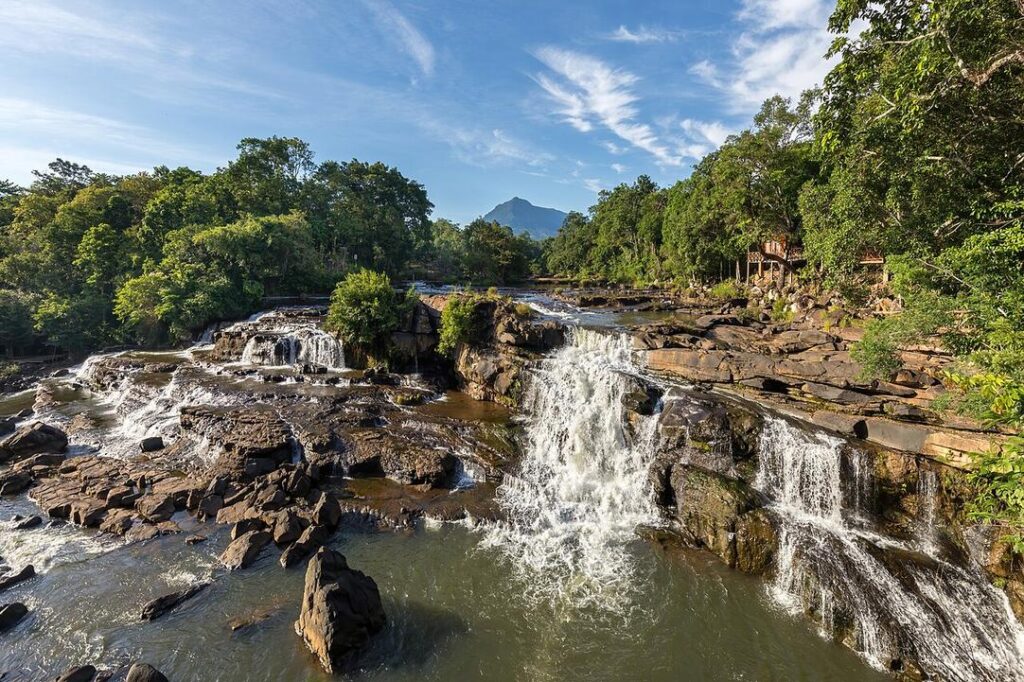
The rich aroma of freshly roasted coffee drifts through the air at a plantation cafe near Tad Fane waterfall.
Bolaven Plateau is a cool upland region in southern Laos known for its coffee plantations and dramatic waterfalls like Tad Fane and Tad Yuang. Most visitors base themselves near Tad Lo village or the Pakxong area, where trails start and local markets buzz. The plateau’s motorbike loop connects waterfalls and ethnic villages, offering a rugged adventure that beats the flat Mekong lowlands. Unlike Luang Prabang’s cultural focus, Bolaven delivers active hiking and waterfall trekking with real elevation gain. The region’s coffee farms provide a tangible connection to the land, making it more than just a nature stop. Plan for early starts to avoid midday heat and book guides for technical trails around Tad Fane to maximize safety and insight.
Hike the Tad Fane waterfall trail for challenging terrain and views, explore coffee plantations near Pakxong for local flavor, ride the multi-day motorbike loop for waterfall loops and ethnic villages, and visit Tad Yuang for a shorter waterfall trek with swimming spots.
Key takeaways
- Start Tad Fane hike before 7:00 AM to avoid crowds and midday heat.
- Book a certified guide for Tad Fane’s technical sections, ~$25 per day, 2026.
- Stay near Tad Lo village for direct access to waterfall trails and local markets.
- Rent motorbikes in Pakxong for the 3-day waterfall and coffee plantation loop, ~$15/day.
- Carry cash; small villages and markets rarely accept cards.
- Avoid the rainy season (May to October) for safer trail conditions and clearer views.
- Plan lunch stops at roadside coffee farms around Pakxong for fresh brews and snacks.
Why visit Bolaven Plateau
Bolaven Plateau stands out from Luang Prabang and Vang Vieng with its cooler highland climate and sprawling coffee plantations. Unlike the Mekong River views in Luang Prabang or the limestone karsts around Vang Vieng, Bolaven offers a network of powerful waterfalls like Tad Fane and Tad Yuang. The plateau’s rugged terrain invites multi-day motorbike loops that combine adventure with local village stops. This upland region’s mix of ethnic villages and coffee farms creates a distinct outdoor loop experience focused on effort and discovery.
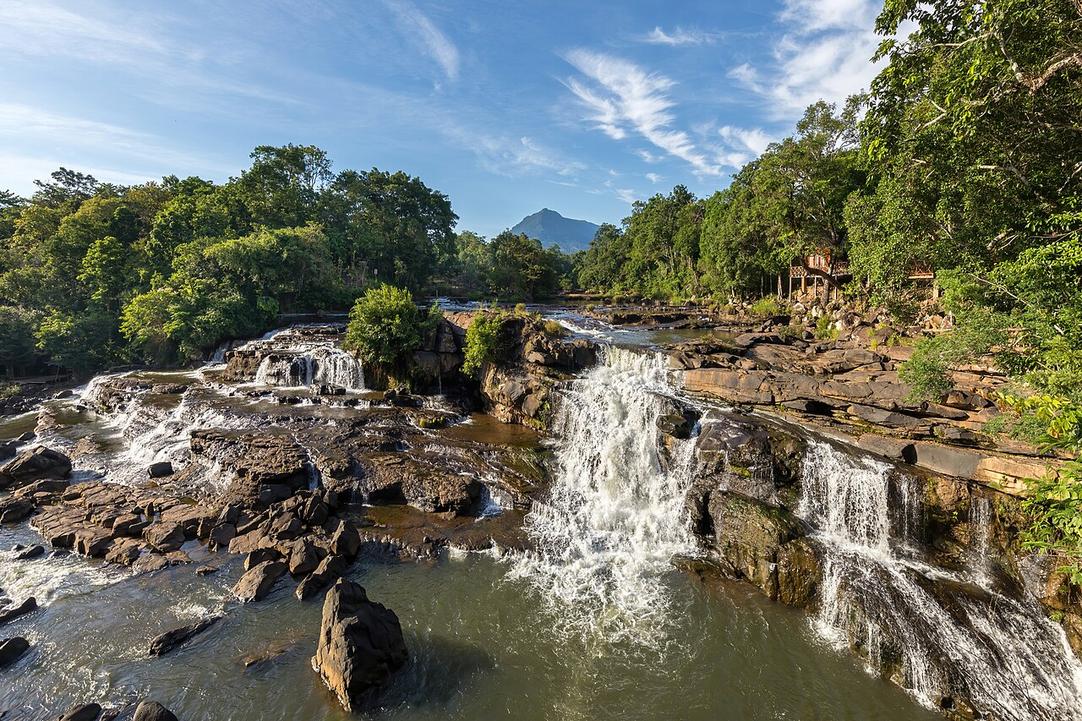
- Explore Tad Fane waterfall, a twin-drop cascade surrounded by dense forest, accessible via a short trek from the main road.
- Ride the popular 120-mile / 190-km motorbike loop from Pakse, linking waterfalls, coffee farms, and ethnic villages in one circuit.
- Visit local coffee plantations where Arabica beans grow at high altitude, fueling Laos’s emerging specialty coffee scene.
- Experience ethnic minority villages like Alak and Laven, where traditional weaving and farming remain central to daily life.
- Skip the usual waterfall crowds by timing visits early morning or late afternoon, a tip rarely mentioned in mainstream guides.
Best for
Adventure hikers and solo travelers comfortable with motorbike travel will appreciate Bolaven’s rugged terrain and multi-day loops. Those seeking active exploration with cultural encounters and cooler weather will find this upland plateau rewarding.
Skip if
Skip Bolaven Plateau if you prefer urban comforts or river scenery; Luang Prabang offers better city-based culture and Mekong views without the rough roads.
Top things to do in Bolaven Plateau
1. Tad Fane Waterfall Trek ·
Tackle steep jungle trails to reach the twin-drop Tad Fane Waterfall, the plateau’s most dramatic cascade and a test of endurance.
Start from the Tad Fane trailhead near the Bolaven Plateau’s main road, following a steep, often muddy jungle path that demands steady footing. The trek climbs through dense forest and coffee plantations, rewarding you with views of the twin-drop waterfall plunging into a deep gorge. The trail is rugged and requires a moderate to high fitness level, with a licensed guide recommended for navigation and safety. Expect to spend time at the base, where mist cools the air and the roar of the falls dominates the atmosphere.
This trek challenges your stamina more than the Tad Yuang hike and offers a more dramatic waterfall setting than Tad Lo, making it the top choice for serious hikers.
- When: Start early between 7:00 AM and 9:00 AM to avoid midday heat and afternoon rain, best from November to February when trails are drier.
- Cost: ~$15-$25, 2026 for guide and park fee
- Duration: Half day
- How to reach: Rent a motorbike or arrange a driver from Paksong town, then head south on Route 16 to the Tad Fane trailhead near the Tad Fane Waterfall viewpoint parking area.
Insider tip: If closed
If the trail is too slippery or closed, switch to the Tad Yuang Waterfall Hike, which has less elevation gain and easier terrain.
2. Bolaven Plateau Waterfall Loop by Motorbike ·
Ride a 60-mile / 100-km loop visiting Tad Yuang, Tad Lo, and other waterfalls, combining off-road adventure with coffee farm views.
This motorbike loop starts and ends near Paksong, weaving through dirt roads and paved stretches that pass coffee plantations and ethnic villages. The route hits key waterfalls like Tad Yuang and Tad Lo, each offering short hikes and swimming spots. The ride demands basic off-road skills, especially on rainy days when some sections get slippery. Along the way, stop at roadside stalls for fresh coffee brewed from local beans, and enjoy panoramic views of the plateau’s rolling hills. Book on GetYourGuide.
This loop packs multiple waterfalls and coffee landscapes into one day, making it more efficient and adventurous than visiting a single waterfall on foot.
- When: Ride between 8:00 AM and 4:00 PM to maximize daylight and avoid muddy conditions; best from November to April during the dry season.
- Cost: ~$20-$40, 2026 including motorbike rental and fuel
- Duration: Full day
- How to reach: Start from Paksong town center where motorbike rentals are available; the loop follows Route 16 south then loops back via smaller dirt roads connecting the waterfalls.
Insider tip: If closed
If motorbike conditions are unsafe, hire a local driver or join a guided minivan tour covering fewer waterfalls but safer roads.
Solo female travel: Solo female riders should avoid riding after dark due to limited street lighting and occasional rough road patches.
3. Coffee Plantation Trek ·
Hike through working coffee farms around Paksong, learning about local cultivation while gaining elevation and fresh air.
This trek starts near Paksong’s outskirts, winding through active coffee plantations where farmers tend Arabica and Robusta plants. The trail climbs gently, offering views over the plateau’s patchwork of farms and forested hills. Along the way, local guides explain coffee processing methods and seasonal cycles. The hike is less strenuous than waterfall treks but still provides solid elevation gain and fresh mountain air, with stops at shaded rest points.
Choose this trek to combine moderate hiking with direct insight into the Bolaven Plateau’s signature coffee industry, unlike waterfall hikes focused solely on nature.
- When: Morning hikes from 7:00 AM to 11:00 AM avoid afternoon heat; best from December to March when coffee plants are flowering or fruiting.
- Cost: ~$10-$15, 2026 for guide
- Duration: Half day
- How to reach: Walk or take a short motorbike ride from Paksong town center to the coffee farm trailheads located along Route 16 and nearby side roads.
Insider tip: If closed
If farms are inaccessible due to weather or harvest schedules, visit a local coffee cooperative for a tasting and demonstration instead.
4. Tad Yuang Waterfall Hike ·
Climb rugged trails to Tad Yuang, a powerful waterfall with natural pools ideal for a post-hike dip.
Begin at the Tad Yuang parking area off Route 16, then follow a steep, uneven trail through forest and coffee groves. The path leads to Tad Yuang’s wide cascade, where natural pools form at the base, perfect for cooling off after the climb. The hike is shorter and less technical than Tad Fane but still demands good footwear and moderate fitness. Local guides can provide context on the surrounding flora and fauna along the way.
Tad Yuang offers a more accessible waterfall hike with swimming options, making it a better choice than Tad Fane for those seeking a shorter, less intense trek.
- When: Morning hikes starting between 7:00 AM and 10:00 AM avoid afternoon rain; best from November to February when trails are dry and pools are clean.
- Cost: ~$10-$20, 2026 including guide and park fee
- Duration: 2-3 hours
- How to reach: Reach the trailhead by motorbike or car from Paksong via Route 16, parking near the official Tad Yuang entrance.
Insider tip: If closed
If Tad Yuang is closed or crowded, switch to Tad Lo Waterfall nearby, which has easier access and similar swimming spots.
5. Ethnic Village Visits near Tad Lo ·
Explore villages of the Alak and Katu peoples, combining cultural insight with short hikes around Tad Lo waterfall.
This activity involves guided visits to Alak and Katu villages near Tad Lo, where you walk short trails connecting traditional stilt houses and coffee farms. Guides explain local customs, weaving techniques, and agricultural practices while you observe daily life. The nearby Tad Lo waterfall offers a natural break with easy access for swimming or relaxing. The combination of cultural interaction and light trekking provides a balanced day outside Paksong. Book on GetYourGuide.
This visit pairs cultural depth with manageable hiking, unlike waterfall-only trips that skip the plateau’s ethnic diversity and village life.
- When: Plan visits in the morning from 8:00 AM to 11:00 AM to catch villagers during active hours; best from December to March when weather is dry and comfortable.
- Cost: ~$20-$30, 2026 including guide and village fees
- Duration: Half day
- How to reach: Take a motorbike or local shuttle from Paksong to Tad Lo village, located about 12 miles / 19 km southeast along Route 16 and side roads.
Insider tip: If closed
If village visits are unavailable, spend more time hiking the Tad Lo Waterfall trails or visit a coffee cooperative nearby.
Solo female travel: Solo female travelers should book guides through reputable operators in Paksong to ensure respectful and well-organized village visits.
6. Tad Lo Waterfall Trek ·
Follow trails connecting multiple cascades around Tad Lo, with swimming spots and jungle scenery on a moderate hike.
The Tad Lo Waterfall Trek links several waterfalls through jungle trails that wind around the Tad Lo village area. You’ll cross small streams and find natural pools perfect for swimming, especially after the rainy season. The trail is moderate, with some uneven terrain but no steep climbs, making it accessible for most hikers. Local guides from nearby guesthouses offer tours that include insights into the surrounding coffee plantations and ethnic villages.
This trek offers a more varied waterfall experience than Tad Hang, with better swimming spots and a more engaging trail network. Tad Hang is easier but less scenic and less active.
- When: Start early between 7:00 AM and 10:00 AM to avoid midday heat; best from November to April when trails are dry and water levels are moderate.
- Cost: ~$15-$25, 2026
- Duration: Half day
- How to reach: Rent a motorbike or take a local shuttle from Paksong along Route 16, then follow signs to Tad Lo village; the trailhead is a short walk from the main road.
Insider tip: If closed
If heavy rains close the trails, switch to Tad Hang Waterfall Exploration for easier access and less mud.
7. Coffee Tasting and Farm Tour ·
Visit a local coffee farm near Paksong for a guided tasting and behind-the-scenes look at Bolaven’s signature crop.
This tour takes you inside a working coffee plantation near Paksong, where you learn about the entire coffee process from bean to cup. Licensed guides explain harvesting, drying, and roasting methods unique to the Bolaven Plateau’s highland climate. The tasting session includes several local coffee varieties, often paired with traditional Lao snacks. Many tours are run by family farms that welcome visitors for a hands-on experience and direct purchase opportunities. Book on GetYourGuide.
Choose this over a generic coffee shop visit because it combines education with tasting and supports local farmers directly, unlike commercial cafes in Pakse.
- When: Morning tours from 8:00 AM to 11:00 AM are best for cooler temperatures and active farm work; avoid the wet season (May to October) for easier access.
- Cost: ~$20-$30, 2026
- Duration: 2-3 hours
- How to reach: Take a motorbike or arranged shuttle from Paksong town center along Route 16; farms are within 5 miles / 8 km of town.
Insider tip: If closed
If farms are closed or inaccessible, visit a local coffee shop in Paksong for a tasting session, though it lacks the farm tour element.
Solo female travel: Book tours through guesthouses in Paksong that offer female guides or small-group options for more comfortable solo experiences.
8. Phou Asa Mountain Hike ·
Climb Phou Asa for panoramic views over the plateau’s coffee fields and forests, a less crowded trail with steady elevation gain.
Phou Asa Mountain offers a steady climb through mixed forest and scattered coffee plantations, rewarding hikers with sweeping views of the Bolaven Plateau. The trail is less frequented, providing a quiet atmosphere and chances to spot local bird species. Guides from nearby villages lead the way, sharing knowledge about the plateau’s ecology and ethnic groups. The summit overlooks the patchwork of farmland and distant waterfalls, making it a prime spot for photography.
Phou Asa is a better choice than Tad Lo for hikers seeking elevation gain and solitude, while Tad Lo focuses more on waterfalls and swimming.
- When: Start before 8:00 AM to avoid afternoon heat; best from November through March when the weather is dry and clear.
- Cost: ~$25, 2026
- Duration: Half day to full day depending on pace
- How to reach: Reach Phou Asa by motorbike or local taxi from Paksong via Route 16, then follow village paths to the trailhead; guides are available in nearby villages.
Insider tip: If closed
If the trail is closed due to weather or maintenance, opt for the Tad Lo Waterfall Trek for a lower-elevation alternative.
9. Elephant Sanctuary Visit ·
Spend a half-day at an ethical elephant sanctuary near Pakse, combining light trekking with wildlife interaction.
This sanctuary focuses on ethical treatment and rehabilitation of elephants rescued from logging or tourism abuse. Visitors join guided walks through forest trails alongside the elephants, observing their natural behaviors without riding or direct contact. The experience includes educational talks on conservation and local community efforts. The sanctuary operates with small groups to minimize stress on the animals and offers opportunities to support local livelihoods. Book on GetYourGuide.
This sanctuary is preferable to commercial elephant rides in Pakse, offering a responsible way to see elephants while supporting conservation.
- When: Morning visits starting around 8:00 AM avoid midday heat and animal inactivity; open year-round but best in dry season November to April.
- Cost: ~$40-$50, 2026
- Duration: Half day
- How to reach: Arrange transport from Pakse town center by motorbike taxi or shuttle; sanctuary is located within 10 miles / 16 km south of Pakse on Route 13.
Insider tip: If closed
If the sanctuary is closed, visit the nearby coffee plantations or waterfalls for outdoor activity instead.
Solo female travel: Book through reputable operators in Pakse that confirm group sizes and female guide availability for solo travelers.
10. Tad Hang Waterfall Exploration ·
Explore Tad Hang’s smaller cascades and jungle trails as a weather-backup hike with fewer visitors and easy access.
Tad Hang Waterfall is a cluster of smaller cascades surrounded by dense jungle, accessible via short, well-marked trails. The area is quieter than Tad Lo, making it a good option when weather or crowds limit other hikes. The terrain is mostly flat with some gentle slopes, suitable for a relaxed half-day walk. Local guides from Pakse or Paksong can arrange visits that include nearby ethnic villages and coffee farms.
Tad Hang serves as a reliable alternative when Tad Lo’s trails are muddy or crowded, offering similar jungle scenery with less effort.
- When: Visit mid-morning between 9:00 AM and 11:00 AM for best light and cooler temperatures; avoid the wet season May to October due to slippery paths.
- Cost: ~$10-$15, 2026
- Duration: 2-3 hours
- How to reach: Reach Tad Hang by motorbike or shuttle from Pakse along Route 16; the trailhead is a short walk from the main road near the village.
Insider tip: If closed
If Tad Hang is inaccessible, explore the coffee farms around Paksong for a dry-land alternative.
48 hours in Bolaven Plateau
This two-day plan targets adventure hikers ready to tackle Bolaven Plateau’s coffee highlands and waterfall loops with a solid pace and smart timing. It balances a full morning of trekking or riding with afternoons for recovery and local flavors, perfect for solo travelers or pairs who want to move efficiently without burnout.
Day 1
Morning
Start before dawn with a motorbike ride to Tad Fane waterfall to catch the morning light filtering through the dense forest. Arrive by 7:00 AM to avoid the midday crowds and heat, then hike the loop trail around the falls, which offers steep sections but rewarding views. Bring a packed snack from a roadside coffee stall near Pakse to refuel mid-hike without losing time.
Afternoon
Head to a nearby coffee plantation for a guided tour and tasting session around 1:00 PM, when the sun softens and the plantation workers take their break. Choose a family-run farm that roasts on-site to see the full process and sample fresh beans. Afterward, relax at a shaded café in the village of Tad Lo, ordering a Lao iced coffee and sticky rice cake to recharge your energy.
Evening
Finish the day at the Tad Yuang waterfall viewpoint just before sunset, where the fading light hits the cascading water at a perfect angle for photos. Dine at a rustic guesthouse restaurant nearby, focusing on grilled river fish and local vegetables, served with a cold Beerlao. The evening atmosphere is quiet, with only a few travelers and locals winding down after the day’s heat.
Day 2
Morning
Shift gears with a slower start in the village of Paksong, arriving around 8:30 AM to explore the local market where farmers sell fresh produce and coffee cherries. Walk through the market stalls before heading to a small workshop that processes traditional coffee drying and roasting methods, offering a hands-on experience away from the usual tourist farms.
Afternoon
Take a motorbike or tuk-tuk to the less-visited Tad Hang waterfall for a half-day trek starting around noon. The trail is less steep but longer, winding through coffee groves and ethnic minority villages. Pack a light lunch from Paksong’s market – grab grilled chicken skewers and fresh fruit – and eat riverside near the falls to maximize downtime before heading back.
Evening
Return to Pakse town for dinner in the riverside neighborhood, choosing a casual noodle stall favored by locals for its spicy Lao beef noodle soup. Arrive early, around 6:00 PM, to secure a seat before the dinner rush. Afterward, stroll along the Mekong riverbank promenade where street vendors sell snacks and local crafts, offering a lively contrast to the Plateau’s quiet evenings.
If you have a third day
Spend the morning cycling through the coffee plantations around Ban Phou, a village off the main loop, to see small-scale farms and meet ethnic minority growers. Follow this with a visit to a local weaving cooperative where you can watch traditional textiles being made and buy directly from the artisans.
Best time to visit Bolaven Plateau
Quick answer
Visit from April to June and October to early December for the best hiking conditions.
| Months to go | April to June, October to early December |
|---|---|
| Months to avoid | July to September due to heavy rain and muddy trails. |
The Bolaven Plateau experiences a tropical climate, with temperatures ranging from 62°F / 17°C to 86°F / 30°C. From April to June, the weather is ideal for hiking, with less rain and clear trails. The rainy season from July to September brings heavy downpours, making trails muddy and difficult to navigate. October to early December sees a return to drier conditions, perfect for exploring the area’s waterfalls and coffee plantations. Wildlife is more active during these months, enhancing your outdoor experience.
Average temperature (°F)
Monthly weather
Cool and dry start to the year.
Pleasant weather for hiking.
Warm with increasing humidity.
Great time for outdoor activities.
Start of the rainy season.
Heavy rains begin; trails muddy.
Wettest month; avoid hiking.
Continued heavy rainfall.
Rain persists; trails are slippery.
Rains decrease; good hiking.
Cool and dry; ideal for exploration.
Pleasant weather continues.
How to get to Bolaven Plateau
Nearest airport
Pakse International Airport (PKZ), 30 miles / 48 km
From the airport
Take a metered taxi from the airport to Bolaven Plateau for around $15, 2026. Alternatively, use a shared minivan service that costs about $10, 2026, which can be booked at the airport.
Other ways to arrive
- From Vientiane: Take a long-distance bus to Pakse, approximately 10 hours, costing around $25, 2026.
- From Savannakhet: Use a bus to Pakse, about 5 hours, costing around $15, 2026.
- From Champasak: Hire a taxi to Bolaven Plateau, roughly 1 hour, costing around $20, 2026.
Getting around Bolaven Plateau
The best way to explore Bolaven Plateau is by renting a motorbike, which offers flexibility to visit coffee plantations and waterfalls at your own pace. This option suits solo travelers looking for adventure and independence.
- Rent a motorbike: Ideal for exploring the plateau, costs around $10-$15 per day, 2026.
- Hire a local guide: Great for tailored tours, typically around $30 for a full day, 2026.
- Use a tuk-tuk: Convenient for short distances, costs about $5-$10 depending on the distance, 2026.
- Join a group tour: Good for socializing and structured visits, usually around $25-$40, 2026.
Avoid
Walking long distances between attractions, as they are spread out and can be challenging.
Day trips from Bolaven Plateau
These day trips enhance your Bolaven Plateau experience, allowing you to explore nearby attractions and immerse yourself in the local culture.
Tad Fane Waterfall
To see one of the tallest waterfalls in Laos, cascading over 300 feet / 91 m.
Why: The stunning views and the surrounding lush jungle make it a perfect spot for photography and relaxation.
Paksong
To visit coffee plantations and learn about the local coffee production process.
Why: Paksong is known for its high-quality coffee, and visiting the plantations offers a unique insight into the region’s agricultural heritage.
Bolaven Plateau Loop
To experience the scenic beauty and diverse landscapes of the plateau.
Why: This loop takes you through various ethnic villages, waterfalls, and coffee farms, showcasing the area’s natural and cultural richness.
Skip if: You have limited time and prefer to focus on specific attractions.
Combine Bolaven Plateau with
Extend your adventure by combining Bolaven Plateau with nearby destinations that offer unique experiences.
Bolaven Plateau to Pakse Bolaven Plateau, Pakse
Start with the natural beauty of Bolaven Plateau, then head to Pakse for urban amenities and cultural experiences.
Bolaven Plateau to Champasak Bolaven Plateau, Champasak
Explore the plateau’s waterfalls and coffee farms before visiting the historical sites in Champasak, including Wat Phu.
Where to stay in Bolaven Plateau
Compare prices across booking sites on the map below and see which neighbourhood fits your plans.
Bolaven Plateau offers a variety of lodging options catering to different traveler types. For budget travelers, the area around Pakse is ideal, providing easy access to local markets and transport. Mid-range options are best found near the waterfalls, where you can enjoy nature while still being close to amenities. For those looking to splurge, the coffee plantation areas offer boutique stays with stunning views and a tranquil atmosphere.
Pakse
Stay in a hostel dorm or a basic guesthouse that provides essential amenities without frills. These options are perfect for socializing with other travelers and often include communal kitchens. Expect a lively atmosphere, but be prepared for shared facilities and limited privacy.
Insider tip: Look for places near the bus station for easy access to transport options.
Tad Fane
Choose a family-run guesthouse or a cozy bungalow near the waterfalls, offering a balance of comfort and local charm. These properties often feature private bathrooms and breakfast options, making them a great choice for a relaxing stay after a day of exploring.
Insider tip: Request a room with a view of the waterfalls for a more scenic experience.
Coffee Plantation Area
Opt for a boutique hotel or a luxury eco-lodge nestled among coffee plantations. These properties provide upscale amenities, including fine dining and guided tours, ensuring a comfortable and enriching stay. Enjoy the serene environment and top-notch service.
Insider tip: Book during the coffee harvest season for unique experiences like coffee tastings and tours.
Where not to stay
Avoid the area near the main road in Pakse, as it can be noisy and less appealing for a restful stay.
Solo female travelers
Stay at a hostel in Pakse with a strong social vibe, where you can easily meet other travelers and enjoy a safe, well-lit environment.
Booking through these links supports Pack Lightly at no extra cost to you.
Where to eat and drink in Bolaven Plateau
Bolaven Plateau is renowned for its rich coffee culture and diverse ethnic influences, which shape its culinary landscape. The region’s high-altitude coffee plantations produce some of the best beans in Laos, while local ethnic communities contribute unique flavors and dishes. Expect to find hearty meals featuring fresh ingredients and traditional cooking methods that reflect the area’s agricultural bounty.
Must-try dishes
Khao Poon (Rice Noodle Soup)
A spicy soup made with rice noodles, herbs, and meat, often served with lime and chili.
This dish is a signature of the local Lao community, particularly popular in the Bolaven Plateau, where fresh herbs and spices are abundant.
Insider tip: Try it with extra lime for a refreshing kick.
Larb (Spicy Minced Meat Salad)
A traditional Lao salad made with minced meat, fresh herbs, and spices, served with sticky rice.
Larb is a staple in the region, often prepared with locally sourced ingredients, making it a must-try dish in Bolaven.
Insider tip: Pair it with a side of fresh vegetables for a balanced meal.
Bolaven Coffee
High-quality coffee grown in the cool climate of the Bolaven Plateau, known for its rich flavor and aroma.
Bolaven Plateau is famous for its coffee plantations, producing some of the best beans in Laos, often served fresh at local cafes.
Insider tip: Don’t miss the chance to try it black to appreciate its full flavor.
Tam Mak Hoong (Spicy Papaya Salad)
A spicy salad made from shredded green papaya, tomatoes, lime, and chili, often served with sticky rice.
This dish reflects the local palate and is commonly enjoyed in Bolaven, showcasing the region’s fresh produce.
Insider tip: Ask for it extra spicy if you can handle the heat!
Local drinks
- Lao BeerAvailable at most local restaurants and bars in Paksong, perfect for pairing with meals.
A light lager brewed in Laos, known for its crisp taste and refreshing qualities. - Herbal TeaTry it at local cafes in Paksong, where you can find various blends made from regional herbs.
A soothing tea made from local herbs, often enjoyed for its health benefits.
Where to eat – by neighborhood
Paksong Town Center
The heart of Bolaven Plateau’s food scene, featuring a mix of street food stalls, local restaurants, and cafes specializing in coffee.
Insider tip: Order your food to go and enjoy it at one of the nearby parks for a true local experience.
Coffee Plantations
Scattered around the plateau, these plantations often have small cafes where you can sample freshly brewed coffee and local snacks.
Insider tip: Ask for a coffee tasting to explore the different flavors produced in the area.
Local markets
| Paksong Market | Daily, 6 AM – 6 PM – Fresh produce, local snacks, and traditional Lao dishes prepared on-site. |
|---|
Dietary note
Vegetarians will find plenty of options, especially with dishes like papaya salad and various vegetable stir-fries.
Daily budget for Bolaven Plateau
Bolaven Plateau offers a unique blend of affordability and adventure, making it a standout destination in Laos. While it remains a low-cost region, the influx of tourists has slightly elevated prices, especially for activities and lodging.
Shoestring
- lodging – Dormitory beds in hostels or basic guesthouses.
- food – Street food and local eateries.
- transport – Local buses or shared taxis.
- activities – Self-guided waterfall visits and hikes.
- buffer – Miscellaneous expenses.
Trade-offs: Expect basic accommodations and limited dining options.
Comfort
- lodging – Private rooms in guesthouses or mid-range hotels.
- food – Meals at local restaurants with a few splurges.
- transport – Private transport for convenience.
- activities – Guided tours to waterfalls and coffee plantations.
- buffer – Extra for snacks or souvenirs.
Trade-offs: Enjoy better lodging and dining, but activities may be pricier.
Splurge
- lodging – High-end lodges or boutique hotels.
- food – Fine dining experiences and specialty cafes.
- transport – Private drivers for day trips.
- activities – Premium guided tours and experiences.
- buffer – For unexpected expenses.
Trade-offs: Experience luxury but at a significantly higher cost.
Money-saver tip
Opt for local eateries in Paksong for affordable and authentic meals.
Splurge that’s worth it
A guided tour of a coffee plantation offers insights into the local coffee culture and is worth the investment.
Skip to save
Skip overpriced tours that promise exclusive access to waterfalls; many can be visited independently for free.
Practical tips for Bolaven Plateau
Money
Cash or card. Cash is essential in Bolaven Plateau, especially in rural areas where many businesses only accept it. Larger establishments in Pakse may take cards, but always have cash on hand for smaller vendors.
ATMs. ATMs are available in Pakse, but they may charge foreign transaction fees. Stick to ATMs from major banks like BCEL for better reliability.
Tipping. Tipping is not customary, but rounding up the bill is appreciated. For example, if your meal costs around $5, leaving an extra dollar is a nice gesture.
Safety
Bolaven Plateau is generally safe for travelers, but it’s wise to stay alert in crowded areas. Petty theft can occur, especially in busier towns.
Local warnings:
- Watch out for sandflies near waterfalls, especially during the rainy season.
- Be cautious of slippery paths around waterfalls and steep areas.
Connectivity
Mobile data. Mobile coverage is decent in Pakse, but can be spotty in remote areas. Consider getting a SIM from Lao Telecom, with prices around $5 for a basic data plan.
Wi-Fi. Most cafes and accommodations in Pakse offer free Wi-Fi, but speeds can vary. The area around the central plaza has the best connectivity.
Language
Main language: Lao. English level: English is spoken in tourist areas, but proficiency drops in rural settings. Basic phrases can help when interacting with locals.
Cultural notes
- Dress modestly when visiting temples; shoulders and knees should be covered.
- Always ask permission before taking photos of people, especially in villages.
Solo female travel
Solo female travelers generally find Bolaven Plateau welcoming, especially in Pakse. The atmosphere is relaxed, and locals are friendly, but it’s wise to avoid isolated areas after dark.
Frequently asked questions about Bolaven Plateau
1Is Bolaven Plateau worth visiting?
Yes, Bolaven Plateau is known for its stunning coffee plantations and impressive waterfalls like Tad Fane and Tad Yuang. The unique landscape and local ethnic villages provide a rich experience.
2How many days should I spend in Bolaven Plateau?
Two to three days is ideal for exploring the waterfalls, coffee farms, and ethnic villages. This allows ample time for hiking and enjoying the scenic views.
3What is the best time to visit Bolaven Plateau?
The best time to visit is during the dry season from November to February when temperatures are cooler and rainfall is minimal. This is perfect for outdoor activities.
4Is Bolaven Plateau safe for solo female travelers?
Yes, Bolaven Plateau is generally safe for solo female travelers. Stick to well-populated areas and avoid isolated spots after dark for added peace of mind.
5Do I need a car to explore Bolaven Plateau?
Yes, a car or a motorbike is recommended for exploring the plateau. Public transport is limited, and having your own vehicle allows you to visit remote waterfalls and coffee farms.
6Can you swim at the waterfalls in Bolaven Plateau?
Yes, you can swim at some waterfalls like Tad Yuang, but be cautious of strong currents. Always check local advice before swimming.
7What is the cost of a day in Bolaven Plateau?
Expect to spend around $50-$80 per day, including accommodation, meals, and entrance fees to attractions. Prices may vary based on your activities.
8Are there health risks specific to Bolaven Plateau?
While there are no major health risks, it’s advisable to drink bottled water and be cautious of street food. Ensure your vaccinations are up to date before traveling.
Estimate your daily budget
See realistic daily costs by tier and category.
More in Bolaven Plateau